Why are so many movies telling the same story? There’s more going on than déjà vu. It’s archetypes—a character type that recurs frequently in stories from around the world: for example, the Hero, the Rebel, or the Mentor. These figures, psychologist Carl Jung believed, reside deep within our minds, shaping both the stories we tell and how we perceive ourselves. Below, we’ll examine why these roles continue to appear and what they reveal about individuals. Do such plots captivate us because they reflect something about the human experience?
What Are Archetypes? (And Where Do They Come From?)
Archetypes are recurring character types and symbols that appear frequently in stories, ranging from ancient myths to contemporary movies.
Psychologist Carl Jung said that archetypes reside in our collective unconscious—a shared mental space filled with inherited memories and patterns. These aren’t just made-up ideas. They stand for things we all experience.
Some famous archetypes include the Hero (the brave person who undertakes impossible tasks), the Shadow (the hidden or dark side of oneself), the Mother (a nurturing or destructive figure), and the Trickster (a rule-breaking character who may be disruptive but is also clever).
Jung thought we recognize them all because they’re part of how people understand life.
Joseph Campbell built upon Jung’s ideas to develop the concept of the monomyth, which he referred to as The Hero’s Journey. He believed that important myths from around the world follow a similar pattern.
A Hero sets out on an adventure, endures many trials and changes along the way, and returns home.
For example, think about Harry Potter. In this story, Harry is the hero. He has help from his Mentor (Professor Dumbledore)—but he also must face his Shadow (Lord Voldemort).
Campbell would say that these characters aren’t just make-believe. Instead, each one expresses something deep about human beings.
In other words, there are reasons why we find these types so often in myth and literature. They tap into ancient patterns of human psychology.
The Psychological Power of Archetypes
Moreover, archetypes extend beyond being tools for storytelling; they’re also deeply tied to our self-understanding. Carl Jung believed that archetypes are models for human experiences, such as love, fear, growing up, and dealing with death—things that we all encounter in our lives.
These characters and plots are so universal that they become part of our unconscious minds. As a result, they affect how we understand the world and our innermost struggles.
Think for a moment about how you feel when an Outcast, Warrior, or Explorer grabs your attention. It’s not just that you admire them; you feel as if there’s something familiar about these people.
You may see parts of yourself in one or more of these characters. Perhaps you’ve been a truth-seeker or a misunderstood rebel. Archetypes have intense power because they convey feelings through forms that are difficult to verbalize.
Jung believed that interacting with these symbols could help people learn about themselves, a way of discovering who they are. Our modern world is rife with myths. In a way, it’s similar to living in ancient Greece or Africa.
When we watch films or TV programs or read books, we may feel like those stories mean something deeper about our lives (or they may help explain changes we’re going through).
This is why characters such as “The Hero,” “The Villain,” “The Outlaw,” and “The Underdog” appear again and again. They help us make sense of things—or understand ourselves better—when plot twists happen off-screen, too.
Archetypes in Film and TV: Modern Mythologies
If you tune into a Netflix series, Marvel movie, or epic fantasy saga, you’ll probably see archetypes galore. These are familiar characters such as the Mentor, the Hero, and the Trickster—and their stories have been told time and again. Not because writers have run out of ideas! It’s just that these figures tap into something deep within us all.
Take Marvel: there’s the flawed but charismatic Tony Stark, also known as Iron Man (the Hero). You might also encounter the wily Nick Fury (Mentor) or Thor’s devious brother Loki (Trickster).
In Hunger Games, Katniss Everdeen does double duty as both a plucky underdog (Heroine) and a fiery insurgent against unjust authority (Rebel)—she’s not solely fighting for survival against all odds.
In the show Stranger Things, we encounter familiar characters from myth and legend, such as The Innocent (Eleven), The Sage (Sheriff Hopper), and even The Shadow (the monster known as the Demogorgon)—each struggling with moral dilemmas and emotional issues that we can relate to.
Why does this never get old? Because their stories provide meaning, clarity, and comfort to viewers, they are three things we all crave.
Archetypes are a bit like emotional shorthand. They help us figure out straight away what a character is all about inside, as well as why he or she behaves in a certain way.
Since Plato had faith in eternal Forms, the archetypes serve as the forms of stories—enduring patterns that recur because they help us understand life. They’re the contemporary myths that guide us through fear, love, power, and change.
Reinventing Archetypes: Diversity, Subversion, and Complexity
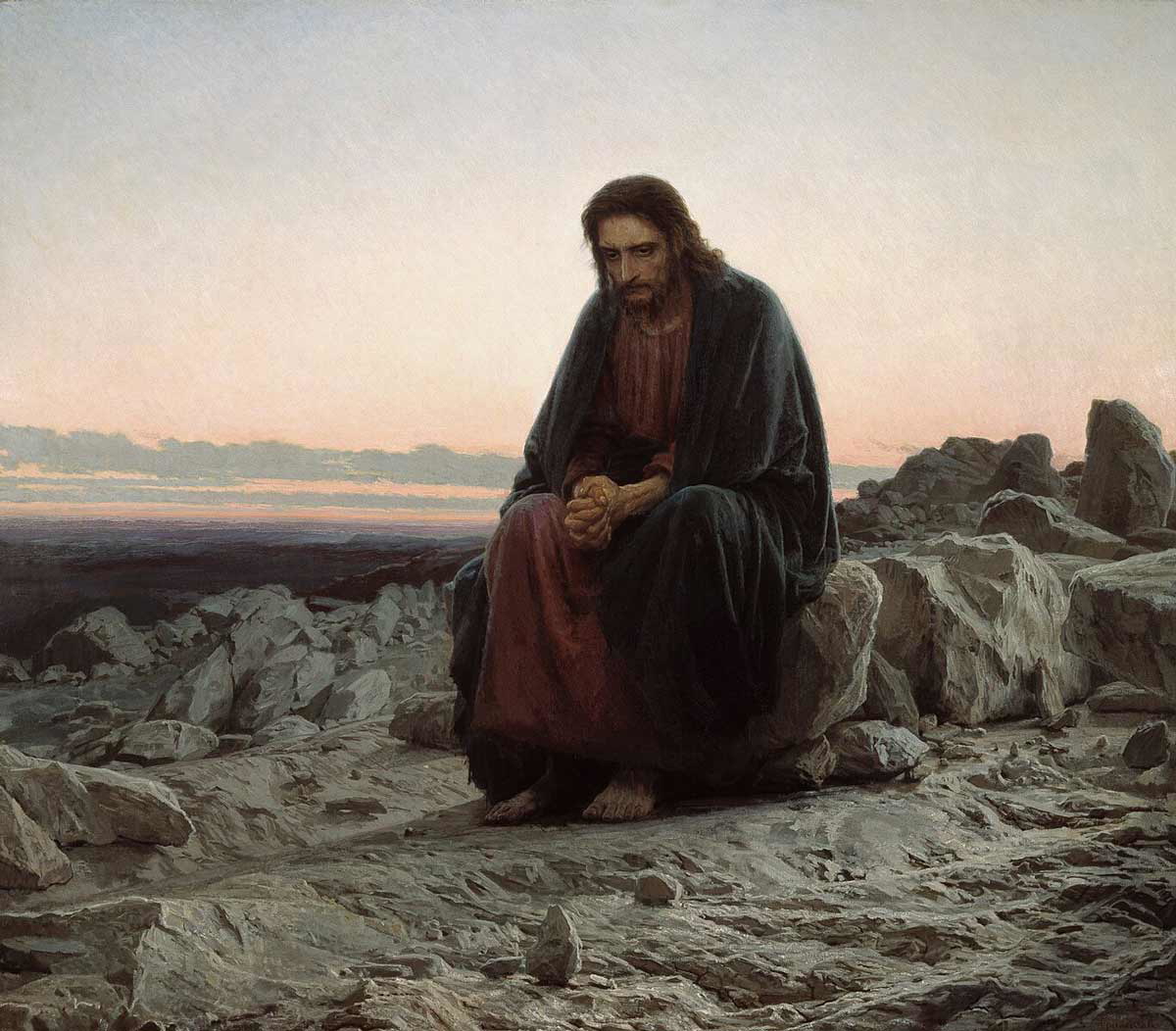
The stories of today are more than just old archetypes told again. They are being mixed up and made new.
In movies and TV shows currently being produced, the main characters may be portrayed as bad guys with a good side. They might do things we don’t like, but we understand why they do them. Or writers will take a role usually played by someone white and give it to a person of color instead.
Think about Black Panther. On one level, T’Challa is a superhero: he possesses cool powers and must save the world. But he’s also a king who must consider what this role means in terms of his country’s history and identity (something no other superhero has had to worry about before).
The character can be tough when needed, but also vulnerable, a quality that is not typically seen in leading male characters in previous superhero films.
In the tv show WandaVision, Wanda becomes a hybrid of mother and witch, transforming grief into power on a morally complex journey.
Philosophers such as Hegel viewed history as a series of changes and conflicts. This is also true for archetypes: they change and grow when conflicting forces act upon them. By recounting these tales from fresh viewpoints, we infuse ancient patterns with new meaning.
It makes a difference who does the telling. Whenever different kinds of people inhabit familiar roles, it changes our ideas about what strength, wisdom, pain, or heroism look like. The stories stay the same. The more voices retell them, the more they take on meaning.
Why We Keep Retelling These Stories
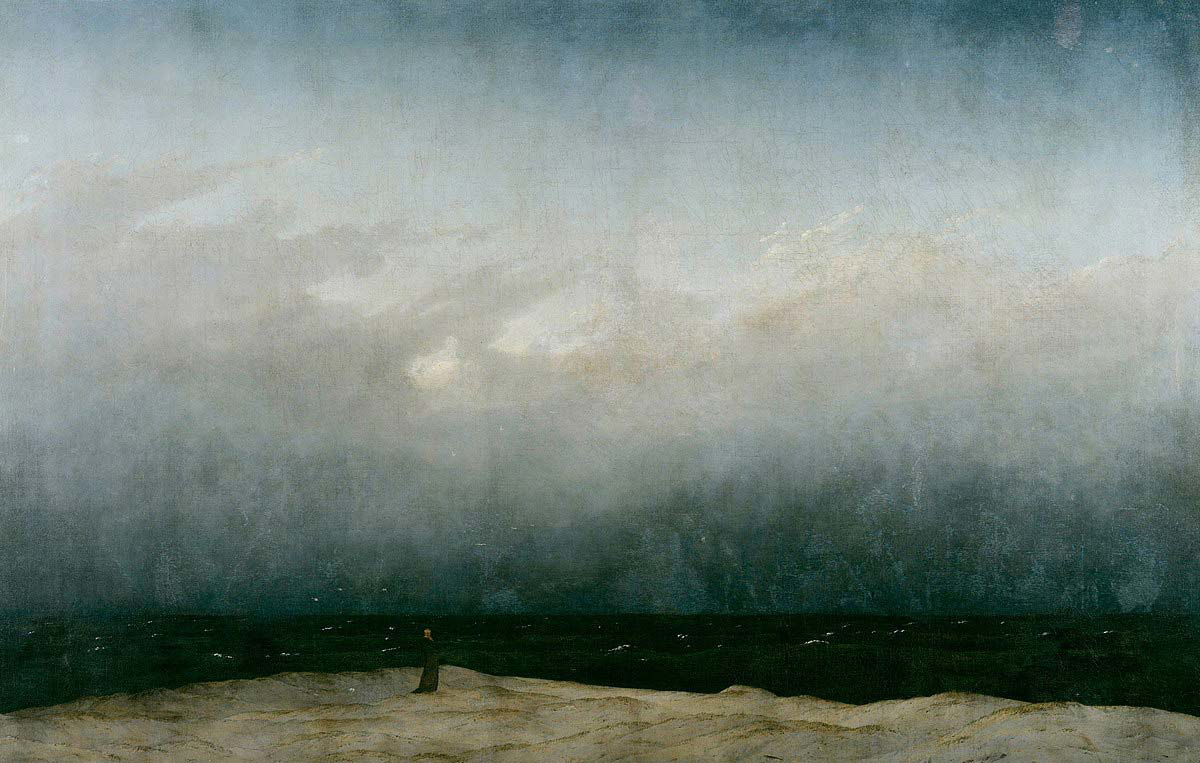
Still, we continue to watch the same type of stories over and over again. Why do we do that? Because archetypes resonate with something in us. They provide us with a source of meaning, an understanding of who we are, and a sense of connection to others.
The struggle in the Hero’s journey reminds us that we can change through adversity. The Mentor reminds us that we don’t have to go at it ourselves. These patterns fill genuine emotional and psychological needs.
Philosophers have long pondered why we find repetition so appealing. Nietzsche wrote about the eternal return—living the same life, the same moments, over and over. At first, it seems grim. But Nietzsche intended it as a test: if a narrative—or life—is worthy of repetition, then there must be genuine value.
Humans use storytelling to understand the world. Whether it’s a timeless tale or a new hit movie, stories help us give meaning to our lives—turning confusing things into order, scary things into bravery, and solitary feelings into a sense of belonging.
Aristotle thought that everyone craved this kind of meaning-making, so when we watch sequels or reboots, we’re not being lazy.
Instead, we’re taking part in something ancient and profound: connecting our individual existence with the ongoing story of all humankind, a story that feels both old and new at the same time.
What Archetypes Teach Us About Ourselves
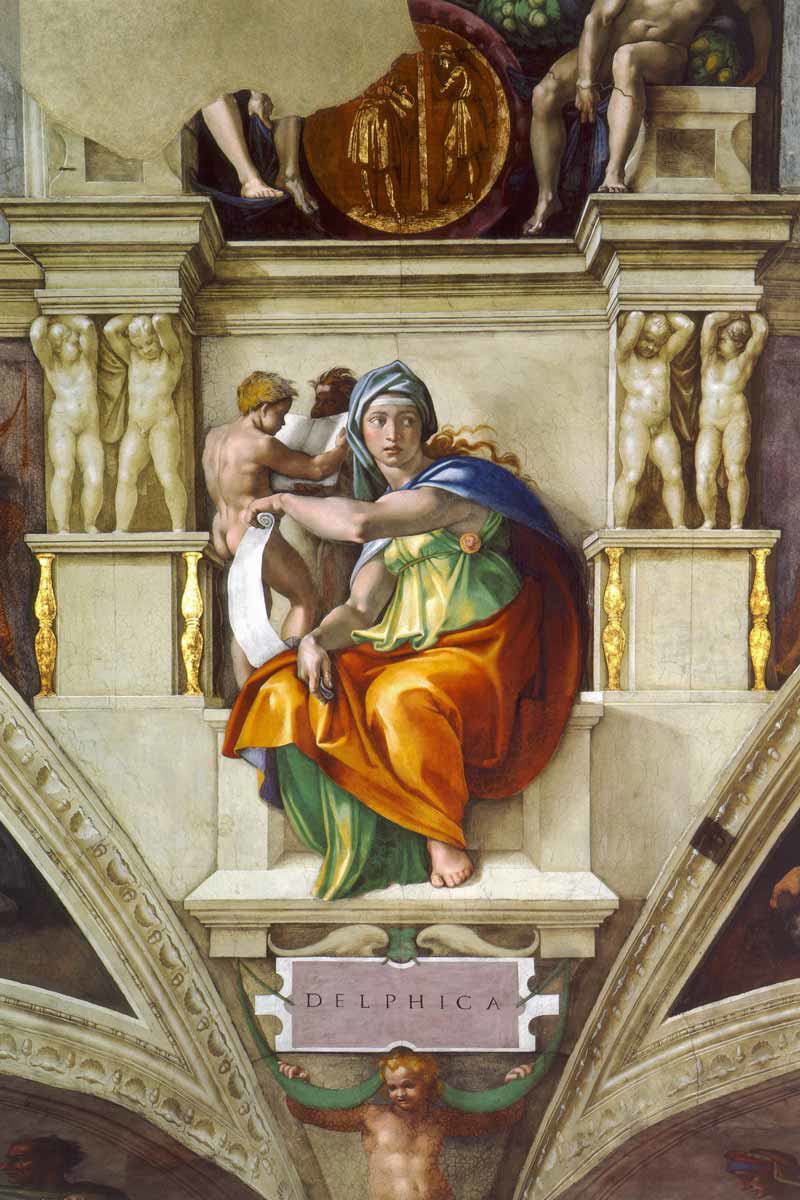
Importantly, archetypes go beyond books and movies. They reflect us. Seeing ourselves in characters like the Hero, the Rebel, or the Caregiver helps us self-explore.
Who we are, who we have been, who we might become: all can be traced in these universal themes. Carl Jung thought such figures dwelled deep within us and influenced both how we grow up and what we are like around others.
Think for a moment about your own life. Are you the Rebel in your family? The Caregiver with your friends? The Seeker in your career?
Understanding which roles you identify with allows you to see deeper truths about why you may act one way at work and another way with friends—it also helps clarify patterns of choice as well as emotional needs. In short, reflecting on archetypes is a valuable tool for personal growth.
Philosophers such as Søren Kierkegaard questioned whether we’re living ourselves or simply wearing assigned roles.
And Plato thought that we access eternal truths through ideas. Archetypes might not entrap us—they might reveal the eternal truths of the human experience.
So, do we live our unique lives or play ancient roles? Perhaps both. We all contribute something new to these eternal characters. And in sharing our stories—whether through words, art, or everyday actions—we begin to become who we are. Storytelling, after all, isn’t entertainment.
So, What Are Archetypes in Pop Culture?
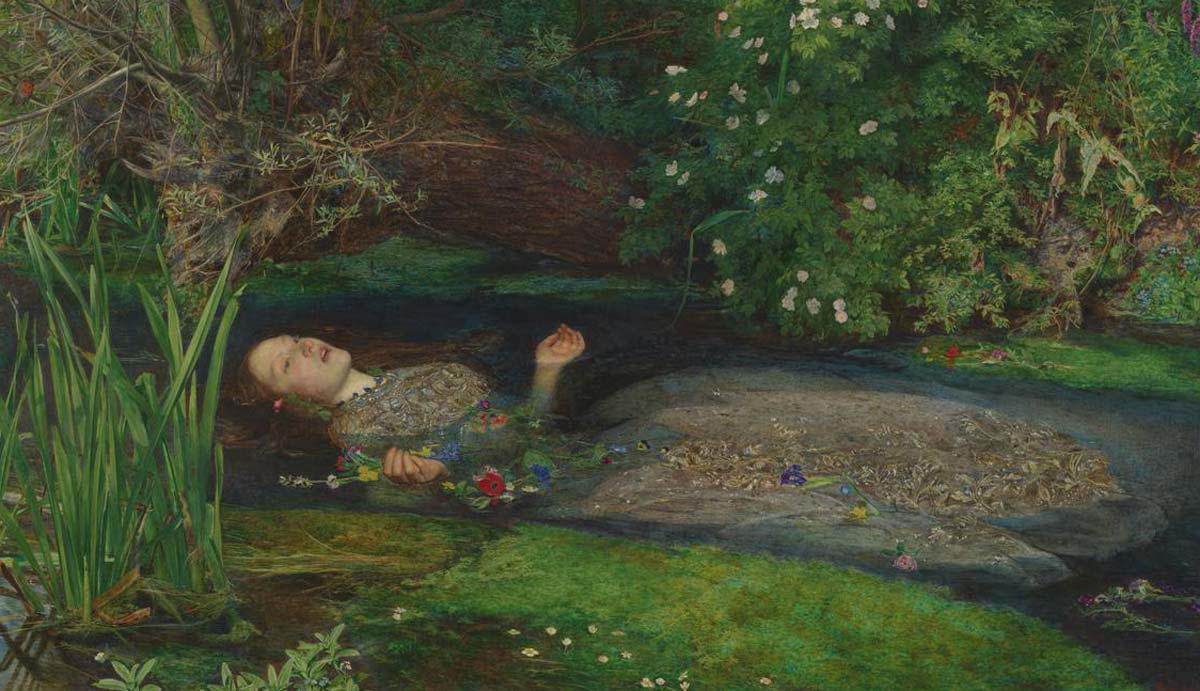
Archetypes in popular culture aren’t exhausted formulas for storytelling—rather, they’re profound, enduring representations of the human experience. From the Hero to the Shadow, these characters embody universal truths we know.
Derived from Jungian psychology, archetypes evolve with us, reconfigured by culture, identity, and contemporary issues. Whether we encounter them in ancient myths or contemporary Marvel blockbusters, they remind us of who we are and of the world we inhabit.
Storytelling, of course, is not simply entertainment—something we do to make meaning, connect, and become larger. These habits provide comfort, order, and the opportunity for reflection. Perhaps that’s why we repeat them.
We don’t only love these stories. They’re familiar because they remind us that we’re not alone. They resonate with our struggles, celebrate our aspirations, and lead us through change. As a result of all this, they make us feel human.