Summary
- The reforms that led to Athenian democracy were a response to a debt and slavery crisis of the 7th century BCE.
- Led by Solon, the reforms canceled debt, banned servitude as collateral, and gave the poor political representation.
- Full Athenian democracy emerged following the reforms of Cleisthenes, which reorganized the tribes around geography rather than family.
Athens has become synonymous with democracy, but this form of government did not emerge from an altruistic philosophical movement, but from desperation. In the 7th century BCE, the people of Athens were grappling with a debt crisis so serious that much of the population was at risk of slavery. To combat the crisis, the Athenians appointed Solon to introduce sweeping reforms to Athens’ political, legal, and economic systems. He planted the seeds of democracy.
Pre-Democratic Athens
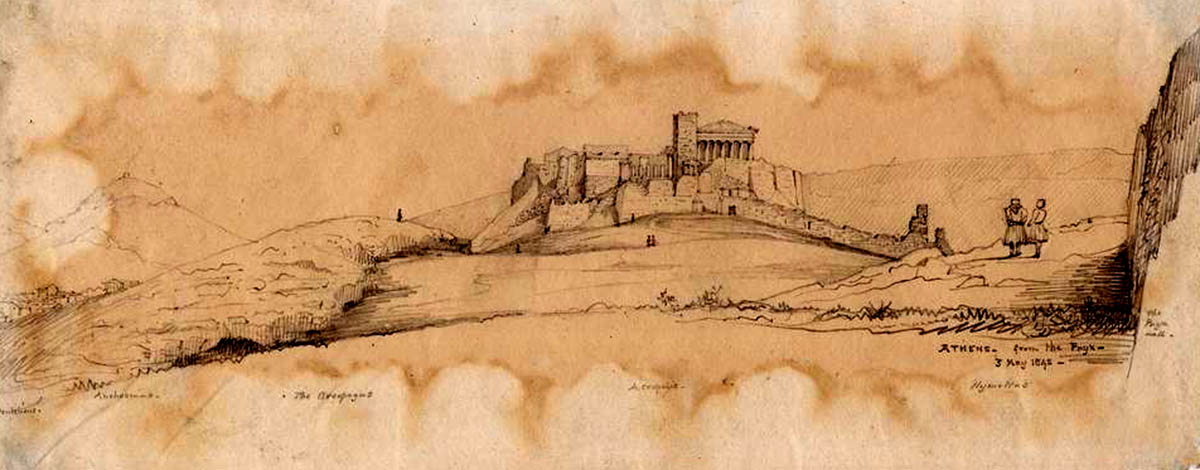
In the 7th century BCE, before the establishment of Athenian democracy, Athens was governed by nine Archons alongside the Council of the Areopagus. This council was the main ruling body, consisting of all the old Archons who had passed a test of worthiness. Council membership was for life, meaning that councilmen could not be voted out of office.
At the time, Athens was a largely agrarian economy. It was based on the production, trade, and sale of agricultural goods. Wealth depended on one’s ability to produce. Unlike a market economy, in which there are many ways to gain wealth, in 7th-century Athens, you needed land to make money.
Unfortunately, land was in increasingly short supply in Athens and Attica, the greater region the city controlled. During the first half of the 1st Millennium BCE, the Greek city-states were experiencing a population boom. The city of Athens itself more than doubled from 7000 to 20,000 people between 700 and 500 BCE. Corinth solved this problem by establishing colonies, making it mandatory for a portion of the population to migrate to new lands. The Athenians had no such stipulation.
Changing Land Ownership Dynamics
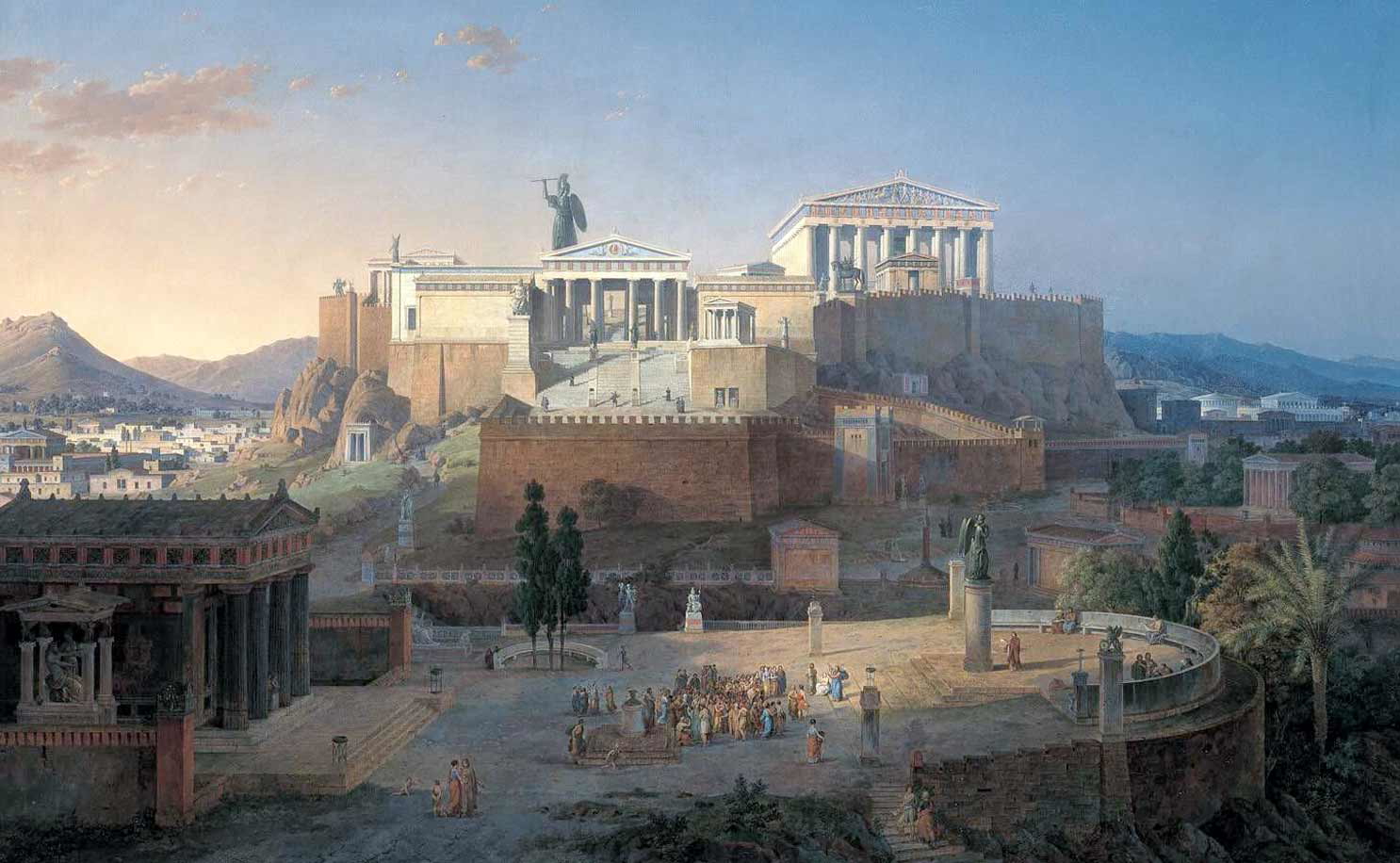
As land supply dwindled, so did people’s production capacity. People with smaller allotments or poorer-quality land struggled to cope, especially in years of poor harvests. Without profits, they could not afford to buy materials for the next harvest and had to borrow money instead. This money was lent by wealthier landowners, who could still profit from a bad harvest. People used their land as collateral, the very thing they needed to make money.
Another bad harvest led to the poor defaulting on their loans, allowing wealthy landowners to accumulate more land, with the original owners working as serfs on the land. They could take what food they needed to feed themselves, but could not sell any surplus to make their own money. They also needed to pay rent on the land, but with no income, they soon found themselves in a state of slavery. Bit by bit, Athenian farmland was concentrated in the hands of the wealthy. In the Athenian Constitution, Aristotle writes:
“All the land was in the hands of a few, and if the poor failed to pay their rents, both they and their children were liable to seizure.”
Solon, the Debt Crisis, and Social Class
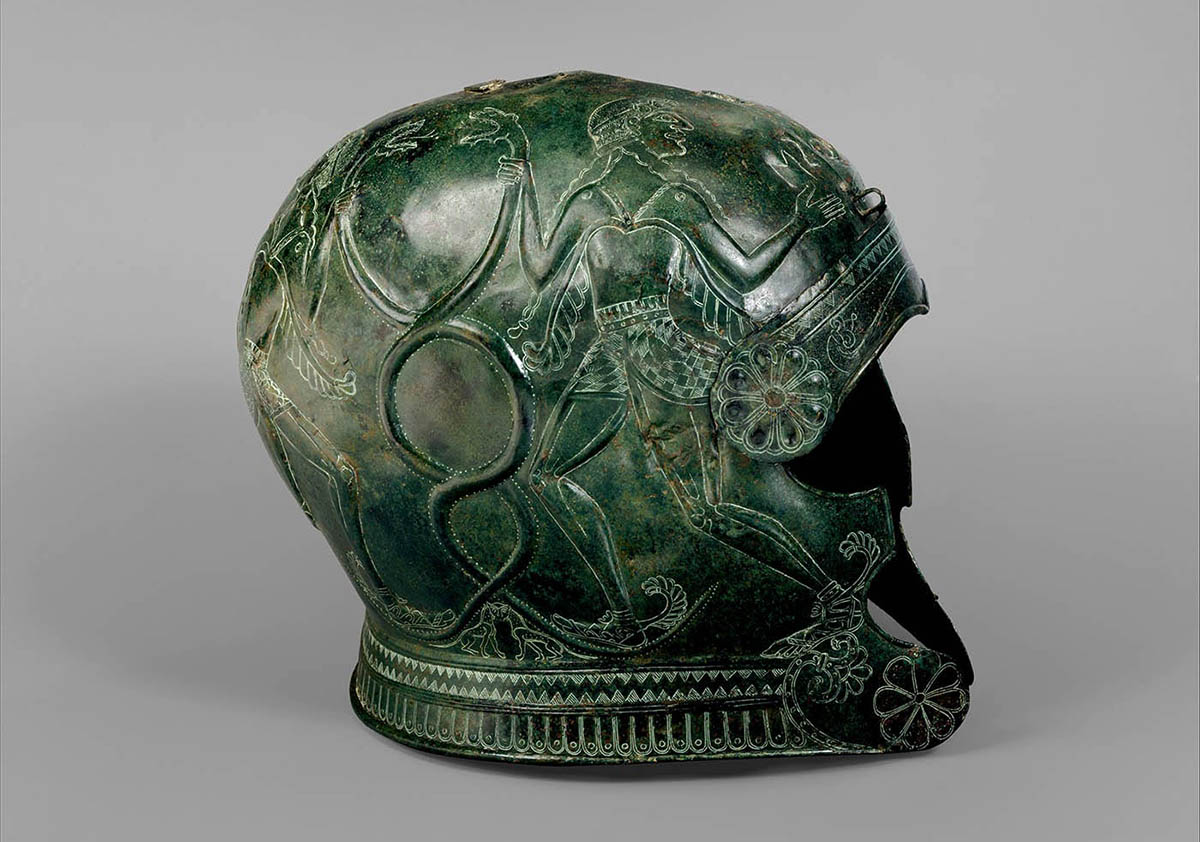
By the 6th century BCE, Athens had a serious debt and slavery crisis. Even wealthy Athenians who profited from this system of loans and collateral were perturbed by the slavery of their fellow statesmen. They needed a drastic change to both the economic and political systems that resulted in this situation. To this end, they elected the Archon Solon, who laid the foundations for Athenian democracy.
Solon began his term as Archon in 594 BCE, following a successful military career. He had made himself out to be a man of strong character, who disavowed tyrants and had a sturdy sense of justice. He was elected to have special powers to force through the drastic reform that Athens needed.
A major element of Solon’s reforms was establishing a class system based on wealth. The wealthiest were the pentekosiomedimnoi, those who produced 500 measures of wheat per week. The hippeis, or hoplites, were those who could afford a suit of armor. At the time, armor for military service was not provided by the state, so you needed to buy your own armor.
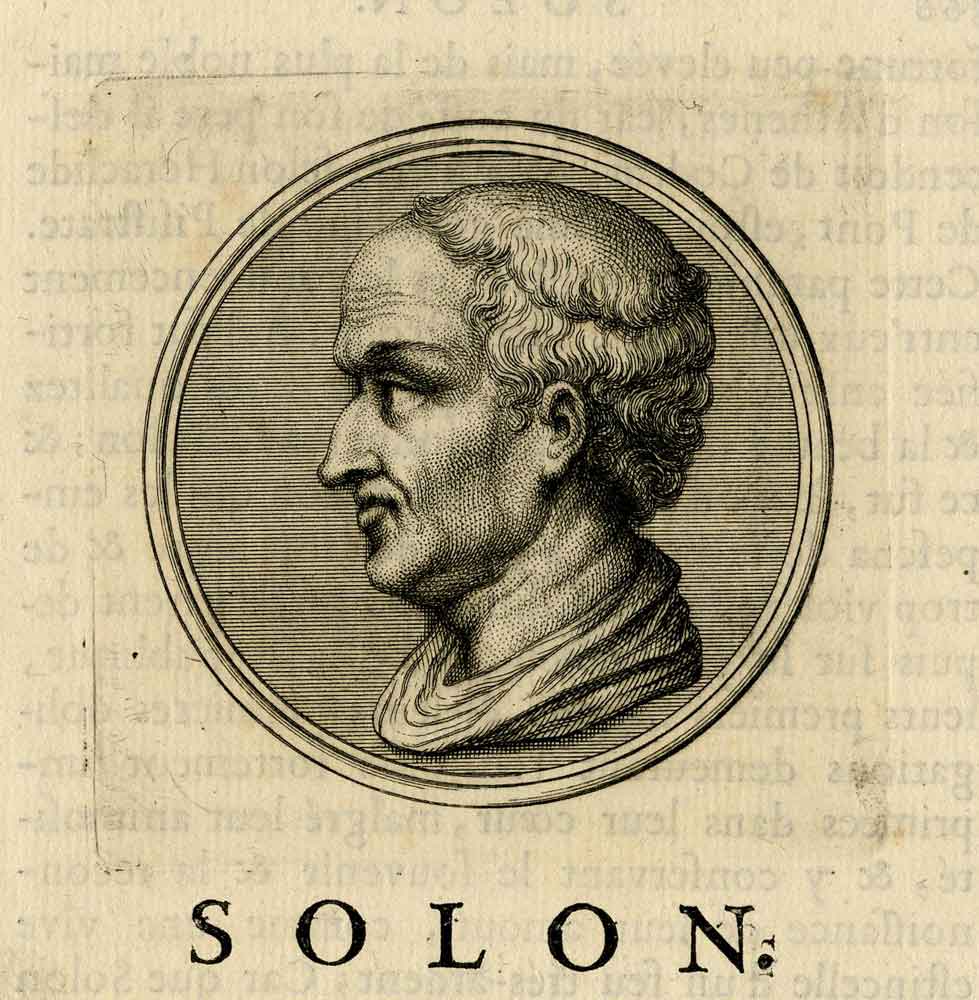
The zeugitai were those who could afford a team of oxen to work their land. This is notable because the extra labor enabled them to build up an agricultural surplus and generate a profit. Finally, there were the thetes, the landless laborers who had borne the brunt of the crisis. Where the previous class system dealt with people based on hereditary rank, people were now apportioned rights and protections according to something more tangible.
Solon directly tackled the slavery issue by canceling all debts and freeing all debt slaves, in a move referred to as the “Shaking off of the Burdens.” All land lost as collateral on unpaid loans was returned to the original owners, and it became illegal for an Athenian to act as their own surety on a loan. The only step Solon did not take was redistributing land so poorer people had better access to quality land. However, this would have been a step too far for Athens’s wealthy class. The wealthy appreciated the spirit of Athenian democracy, but not when it severely impacted them.
Solon’s Government and Family Reforms
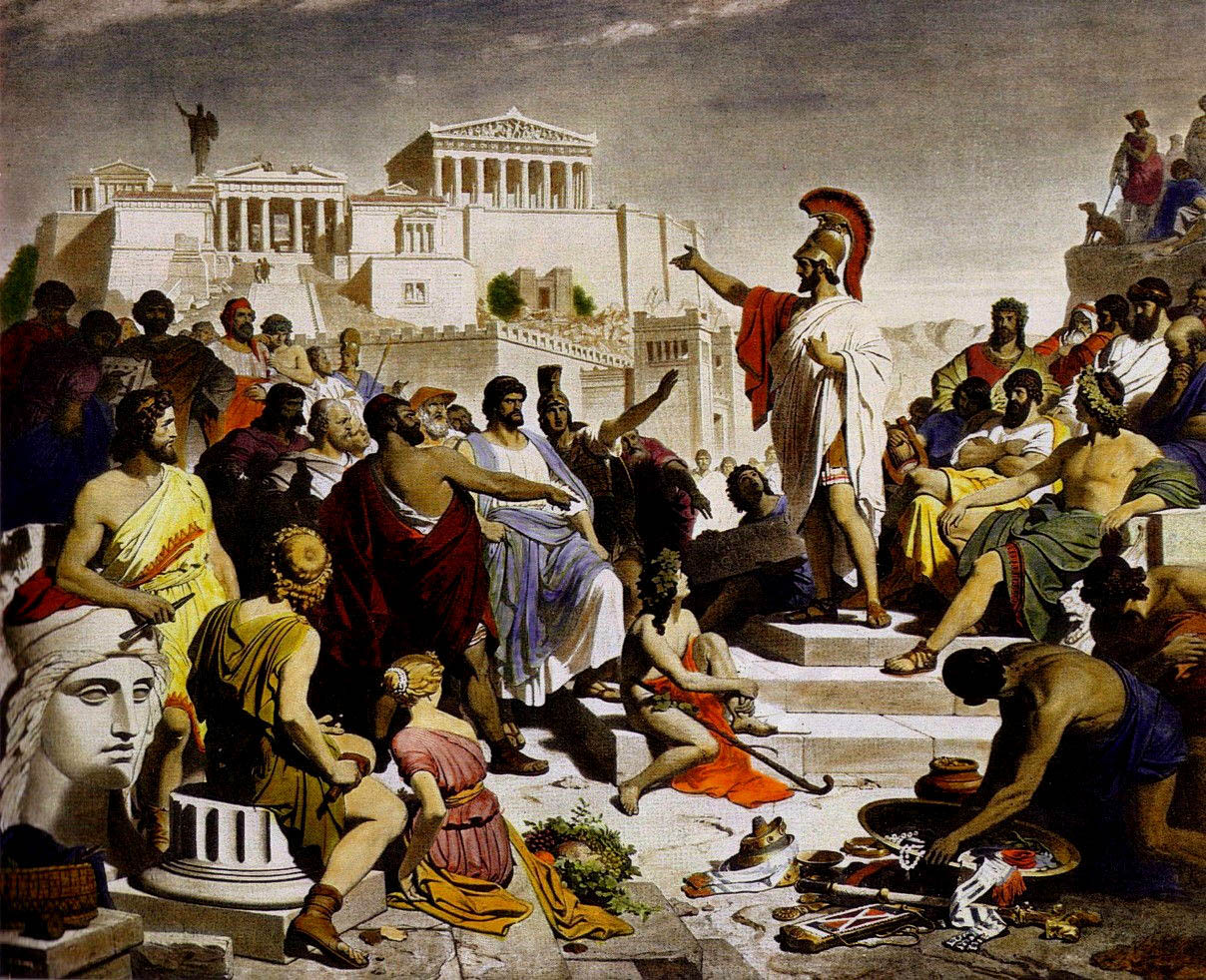
Solon also reformed the government. Previously, Athens was an oligarchy, with the Archons being chosen from the wealthy elite who enjoyed power and influence for life through the Council of the Areopagus. Now they were ruled by the Ekklesia and the Boule. The Boule consisted of elected senators who discussed and proposed rulings and laws. The Ekklesia consisted of all Athenian citizens, including the landless thetes.
Whereas previously, only elites had any real say in government, now, in theory, all citizens were represented. This meant that they could vote on laws relating to the debt and slavery system, which heavily impacted them. This was a very significant step towards greater equality within Athens. However, as with property redistribution, Solon had to walk a fine line to avoid offending the upper classes. Only members of the top three classes could run for election to the Boule, and only elites could be elected to the position of Archon.
Solon also leveled the playing field in another curious way. He reformed family laws that institutionalized the nuclear family of one man, his wife, and their children. Children fathered outside marriage no longer had the same rights as children born within. This meant that having concubines, once the preserve of the elite, was no longer a sanctioned option.
Reforming the Draconian Laws
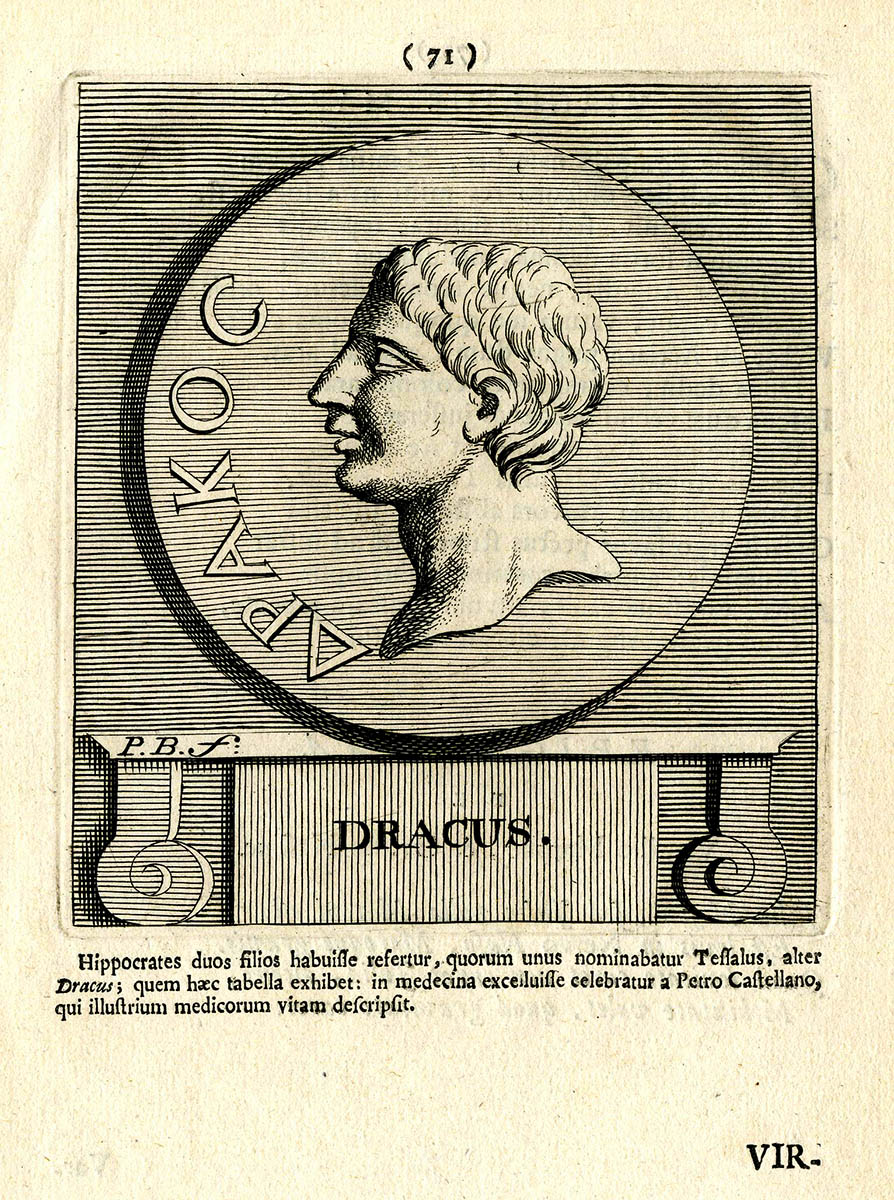
Before Solon, Athens was governed by the laws of Draco. His 7th-century BCE laws were based on the principle that people had to pursue their own justice by acting out state-ordained punishments against those who wronged them. Draco wrote exceptionally harsh, unwarranted punishments into his laws. Death was the punishment for nearly every crime, including murder and petty theft. They are considered the antithesis of how Athenian democracy is imagined today.
Solon scrapped the system of pursuing one’s own justice. Instead, people went through the courts, where every citizen could receive the verdict of a jury. Fair trials are considered a key component of any democracy, including Athenian democracy.
The Birth of Athenian Democracy
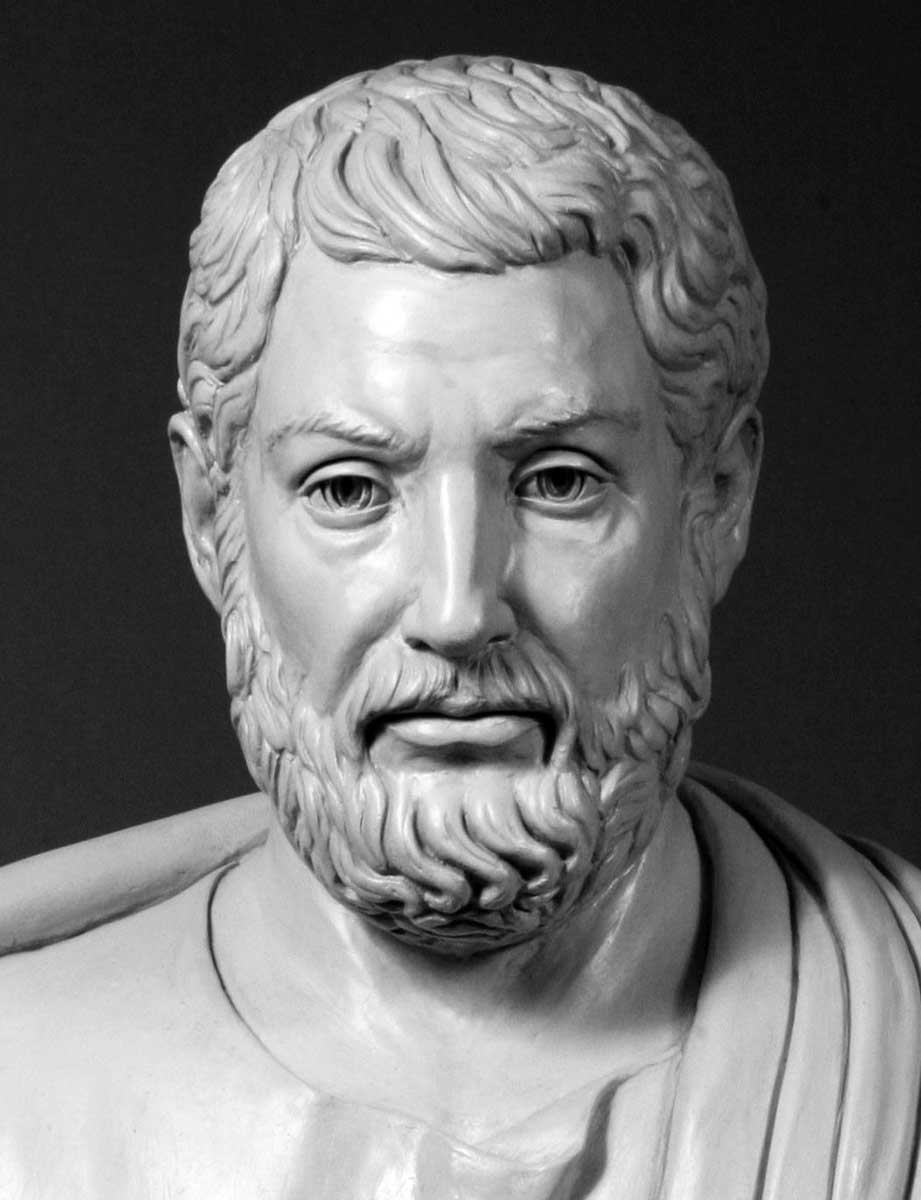
While Solon laid the foundations for Athenian democracy, it reached its high point decades later with the reforms of Cleisthenes around 507 BCE.
He reorganized the four descent-based tribes, which constituted Attica’s political organization, into ten geographically organized tribes. One of the tribes was composed of people from various regions around Attica, which helped break down factionalism between the tribes. It was the responsibility of each tribe to train together and work together in battle, as well as attend to more domestic affairs, such as hosting festivals.
Most importantly, they each chose 50 people to represent them in the Boule, making a council of 500 people to discuss and propose laws. This was one of the defining institutions of Athenian democracy. We see this geographical-based representation system in some of today’s governments, including Australia’s electorate-based election system. This involves residents from each electorate voting for politicians to represent them in government.