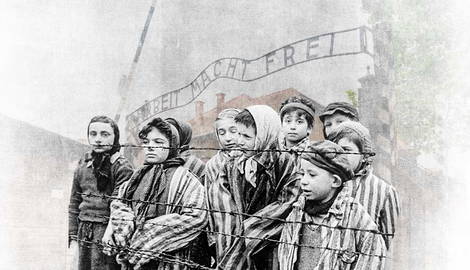
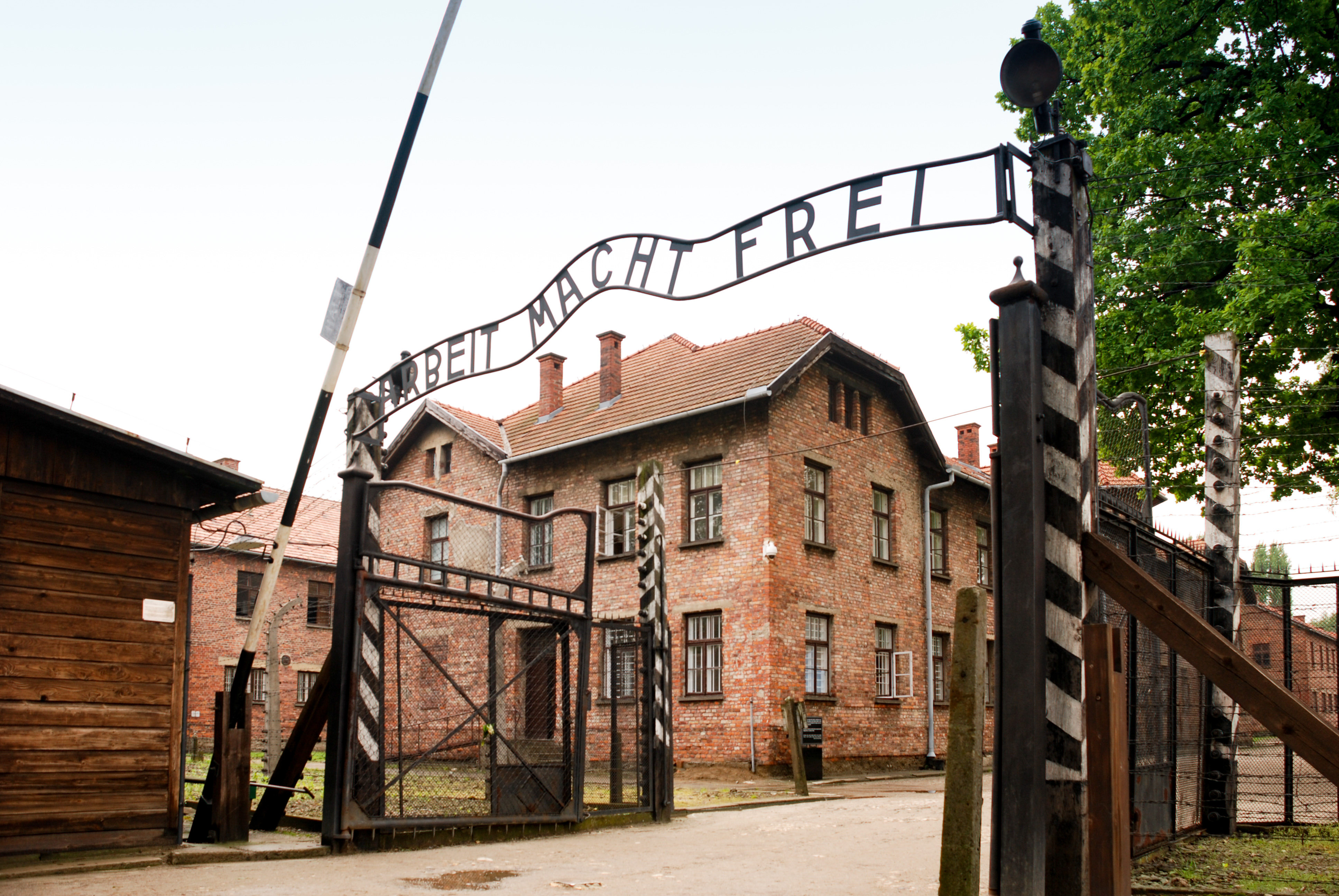
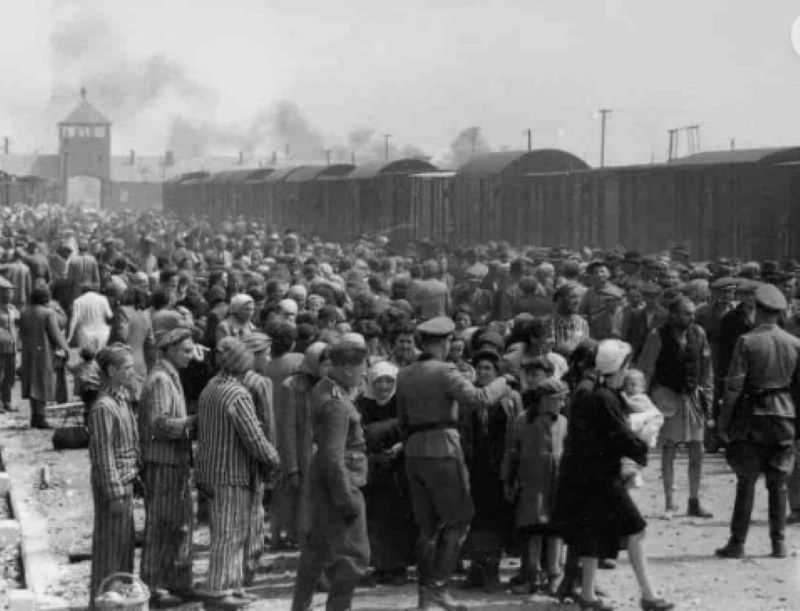
At Auschwitz, the Nazi death camp synonymous with unimaginable suffering, existence was counted in hours, not years, and survival happened as an exception, not the rule. Yet somehow, amidst this backdrop of death, there were newborn babies. Born into a world that sought to erase them, most of their lives lasted only briefly, delicate and improbable, in the darkest chapter of human history.
As a Rule, They Didn’t Survive
Pregnancy in Auschwitz was not a condition but a nearly guaranteed death sentence. Most visibly pregnant women arriving at the camp were ushered straight to the gas chambers. For those who managed to conceal their condition, the odds weren’t much better. The camp’s brutal environment quickly took its toll on increasingly frail and sickly bodies. Pregnancy termination was a grim inevitability for many imprisoned women, their bodies wracked with malnutrition, forced labor, and utter despair.
For the few who carried to term, the situation only worsened. The camp’s maternity ward was a grotesque parody of care, overseen by brutal attendants like Sister Klara, a midwife imprisoned for murdering a baby before she became a captive of the camp. Women who moved into this block gave birth on filthy brick stoves, with no running water or medical supplies. Babies were often falsely declared stillborn by the female assistants and drowned in buckets, sometimes in full view of their mothers.
Those spared immediate death faced starvation, freezing temperatures, or being ripped from their mother’s arms for surrender to the Lebensborn program, a Nazi initiative to “Germanize” Aryan-looking infants. Some mothers, desperate to spare these innocent new lives the horror of a slow death, made the unthinkable decision to end their lives themselves.
Life in Auschwitz was precarious enough for once hearty adults. For the unborn and the newly born, it was impossible. That any survived at all is a moving testament to the superhuman strength of women who defied every cruelty, refusing to abandon their humanity even when it seemed all hope had gone.
Dr. Gisella Perl: The Guardian of Choices and Hope
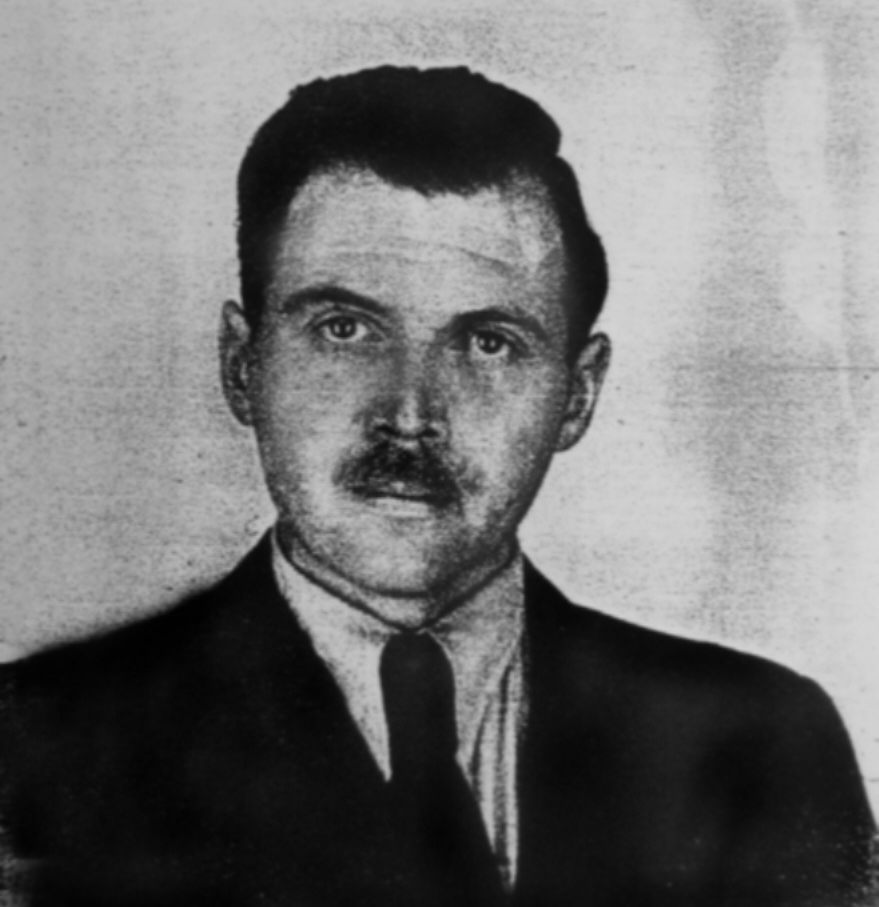
For Dr. Gisella Perl, her journey into this moral abyss began when she arrived at Auschwitz and caught the attention of Josef Mengele. This man was the infamous “Angel of Death” who used Auschwitz’s prisoners as subjects for experimentation. Mengele assigned Perl to work in the camp’s hospital, forcing her to assist with his grotesque operations, such as unnecessary amputations and ocular removals. It was under his command that Perl learned of the Nazis’ horrifying policy for pregnant Jewish women. Deceived into believing they would be sent to a special camp with better rations and medical management, these women were instead killed on the spot.
One day, Perl witnessed a group of pregnant women being attacked by dogs. She vowed that day that no woman under her care would ever face such a fate again. As far as she was concerned, Auschwitz would never have another pregnant internee, as no mother or baby deserved such a fate. From that moment, she dedicated herself to saving mothers’ lives, even and especially when it meant ending their pregnancies, a decision that would haunt her for the rest of her life.
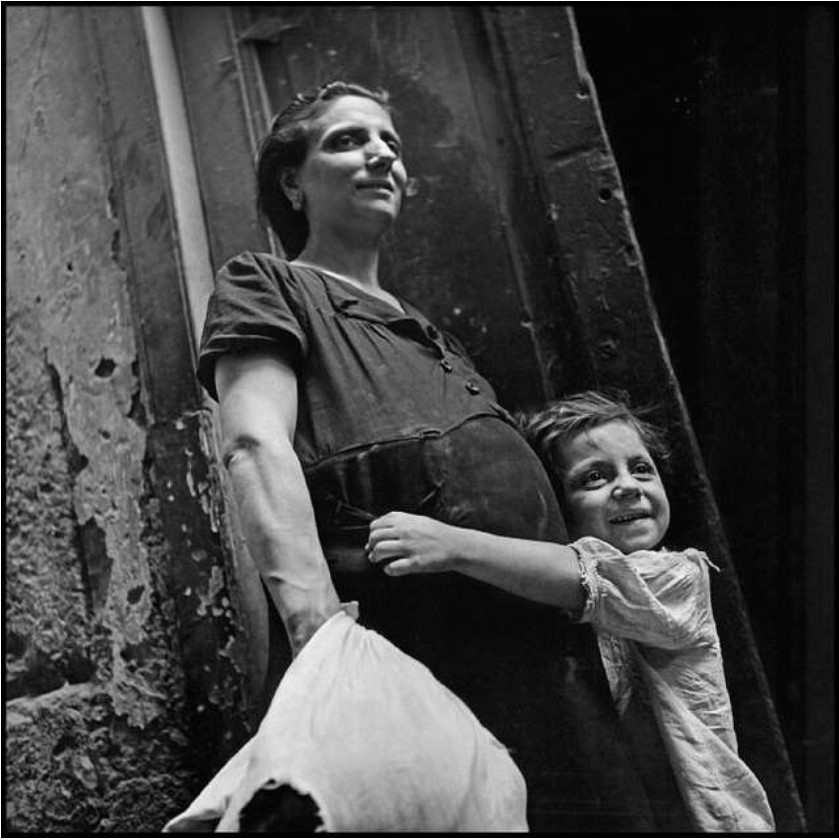
At night and in the dark, Perl moved through the barracks performing secret and risky abortions in filthy conditions. With no instruments, no anesthesia, and no sterilization, she used her bare hands to carry out procedures that saved women from a certain trip to the crematorium. Perl’s memoirs, written after liberation, shed light on these tragedies, drawing a grievous picture of how she kissed a baby’s soft cheeks aware that it would die that same day.
Even as she resisted in this covert and morbid way, Perl was forced to assist in Mengele’s inhuman, brutal experiments. She delivered the first twins born in Auschwitz, knowing they were destined for his notorious twin studies. She was ordered to extract an eight-week-old fetus, preserving it in a jar for transport to Berlin. All the while, she endured his whims and sickening violence, knowing that any misstep could lead to her execution. Without her, who would quietly protect the women of Auschwitz? Her act of resistance was to keep living and keep helping to foil the powers that be when their attention was elsewhere.
Perl was eventually transferred to Bergen Belsen and delivered a baby in the final hours before British troops arrived. The mother, a young Polish woman named Marusa, was feverish and weak. As soldiers entered the camp, Marusa let out a final scream and brought forth new life. However, despite the successful birth, the new mother’s condition deteriorated rapidly. Yet Perl, now under the supervision of the liberators, finally found herself able to practice medicine as she once had. With antiseptic and water provided by a British officer, she performed a life-saving operation as a doctor once again.
After the war, Perl struggled under the weight of the lives she ended prematurely to save others. However, rabbis and religious leaders absolved her of any guilt, saying what she did was heal and protect, as one in her field is meant to do, and that she did it in inconceivable circumstances at great personal cost. She moved to the United States and eventually to Israel with her only surviving daughter, continuing to deliver babies in both countries. Every time she stepped into a delivery room, she paused to pray: “God, you owe me a life, a living baby.” She went on to specialize in infertility treatment.
Stanisława Leszczyńska: The Midwife of Birkenau
In the filthy, disease-ridden barracks of Auschwitz-Birkenau, stood another rare soldier of humanity. Stanisława Leszczyńska, a Polish Catholic midwife, brought thousands of lives into the world under conditions designed to extinguish them. Her courage and faith made her a symbol of resistance through the unyielding act of preserving dignity amidst chaos. Her kindness was her act of defiance against a fascist regime so ridden with hate.
Leszczyńska’s path to Auschwitz began with her family’s involvement in aiding those persecuted by the Gestapo. Her husband, a printer in Łódź, forged documents to help individuals escape. When the Nazis discovered that the family was helping in the ghettos, Stanisława, her daughter Sylwia, and two of her sons were arrested in February 1943. The women were sent to Auschwitz-Birkenau, while her sons were consigned to the brutal stone quarries of the Mauthausen-Gusen concentration camp. Her husband escaped capture but had his life ended as part of the Warsaw Uprising.
Assigned to the maternity ward of the camp, Leszczyńska confronted unthinkable horrors. It was policy that Jewish infants born in the camp were not to survive. Regulations forbade cutting or tying their umbilical cords, and newborns were often discarded into waste bins alongside their placentas. Leszczyńska defied these barbarous edicts: cutting cords, baptizing the infants, and wrapping their fragile bodies in makeshift coverings. She did all this even as she knew their survival was nearly impossible.
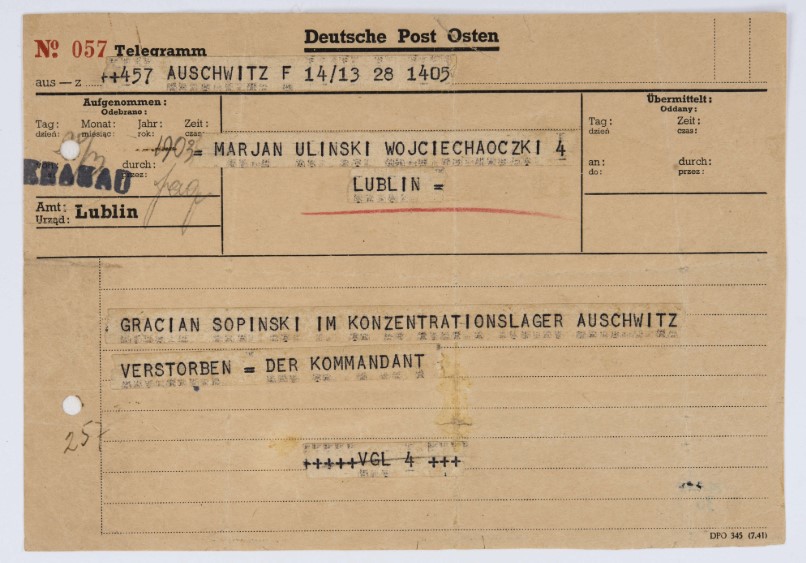
Witnesses and former patients recalled the incredible ingenuity and warm bedside manner she brought to her work. Despite having only rudimentary tools, she managed to create a semblance of normalcy. Water was a scarce luxury; Leszczyńska boiled what she could find, supplementing it with herbal brews for bathing and drinking. Rags became diapers, and bits of bandage tied umbilical cords.
Her resilience extended far beyond these practicalities. Survivors described her as calm, patient, and serene, even in the face of relentless cruelty and death. She soothed terrified mothers, using prayers and hymns to do so. Her rituals, deeply rooted in the Catholic faith, reminded many of the early Christian rites in the catacombs, a quiet defiance amidst the surrounding despair.
Leszczyńska insisted on treating every mother and child with the same respect. She saw to it that each newborn was named and baptized, a bold act in a place designed to erase identities. Her steadfastness in the face of Mengele’s orders (another thing she had in common with Dr. Perl) was nothing short of extraordinary. She calmly defied both Mengele and other camp officials who sought to drown infants or otherwise facilitate their deaths. She refused to dirty her hands with these acts and somehow survived by saying, “no.”
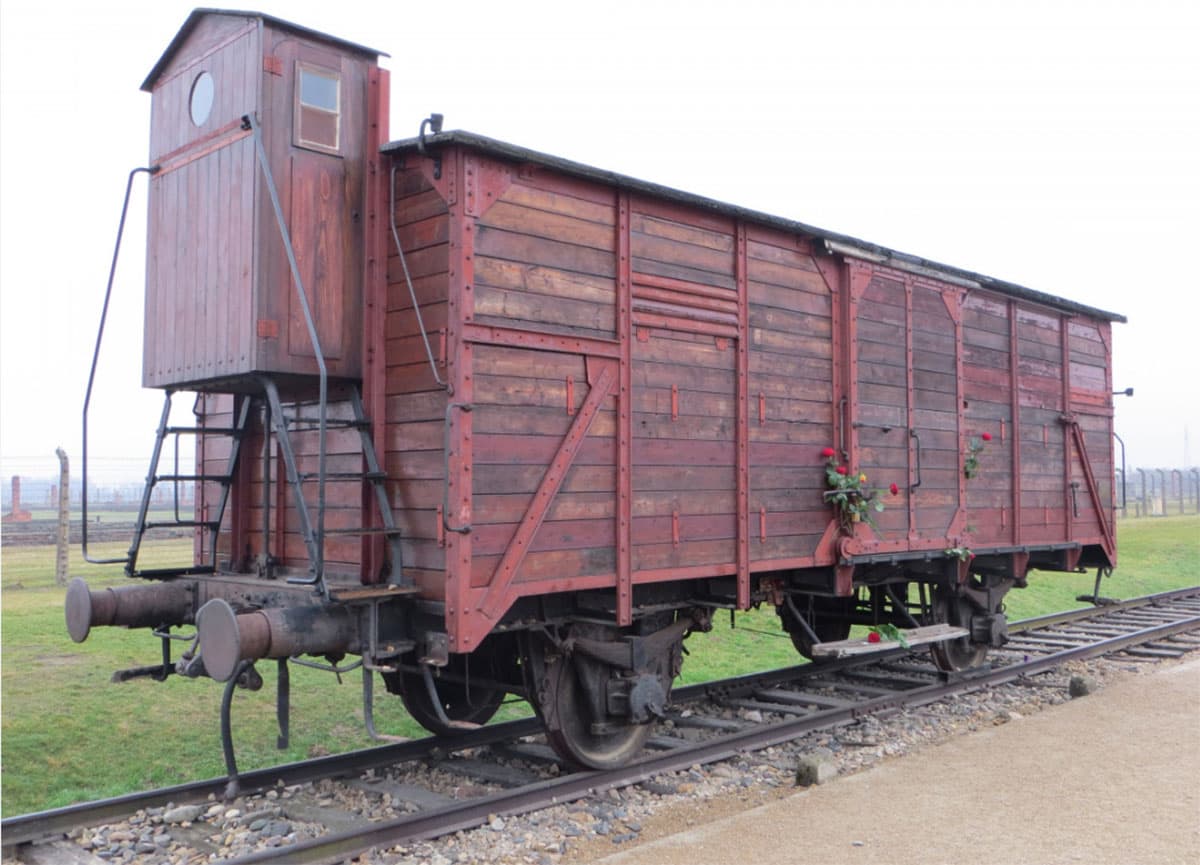
By the end of her time in Auschwitz, Leszczyńska had delivered approximately 3,000 new lives. Of these, only 30 survived. Most babies succumbed to starvation, as mothers were forbidden to nurse, or were killed outright by guards or other female block attendants. Yet, in delivering them, Leszczyńska imbued each child’s life, however brief, with a sense of dignity and humanity.
When Auschwitz was liberated, her three surviving children followed in her footsteps, each joining the medical profession. Only upon her retirement in 1957 and their continued urging did Leszczyńska begin to share her story, her personal writings emphasizing the role her deep Catholic faith played in her perseverance. Like Perl, she continued to bring babies into the world, despite the trauma she experienced in the camp.
The Very Few That Survived
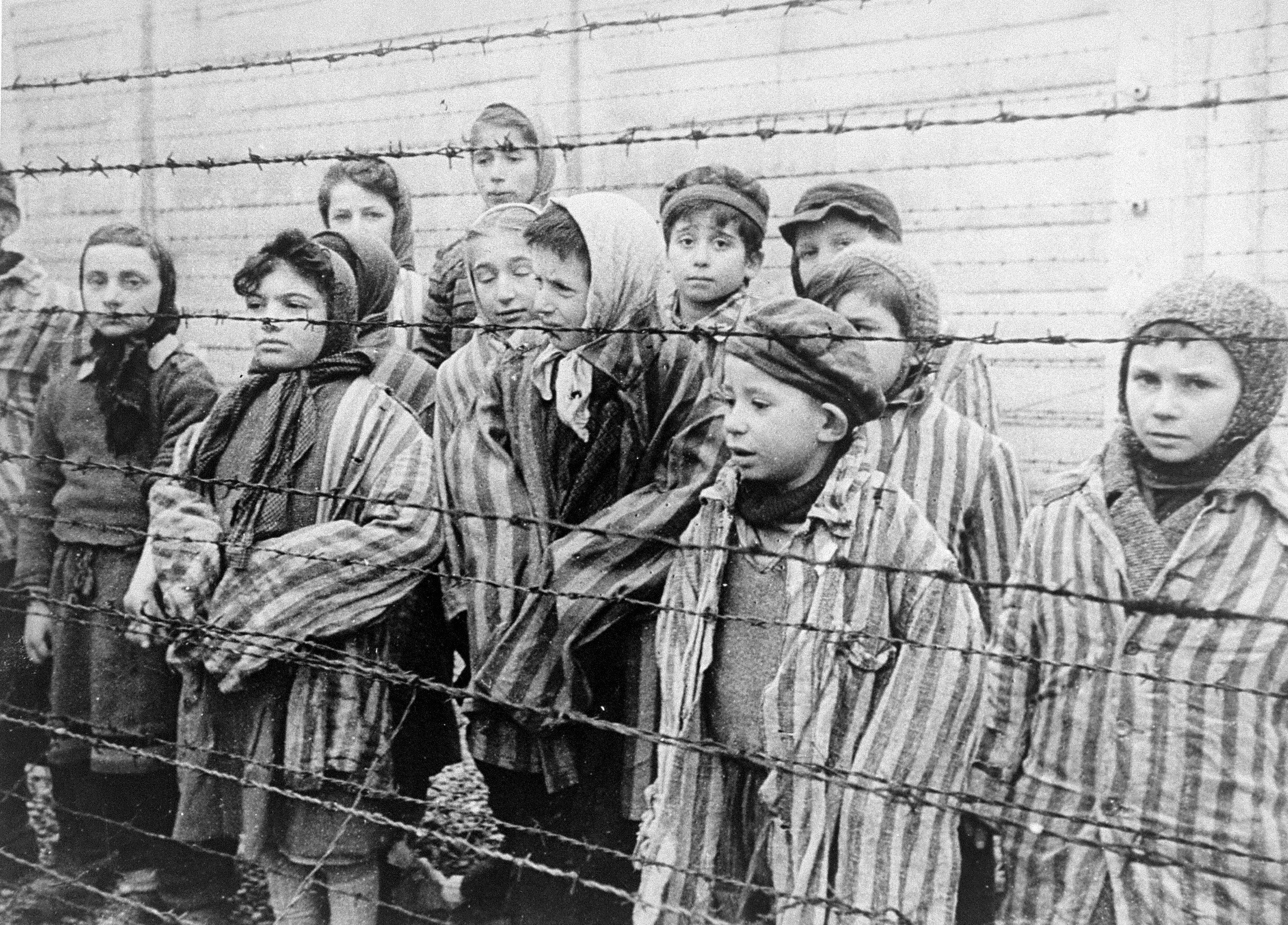
Barbara Puc, born in 1944 on that filthy brick furnace in Auschwitz-Birkenau, has no memory of the camp. Her survival depended on a sequence of improbable events: her Catholic mother’s decision to keep her pregnancy hidden, the fortuitous timing of her birth in the war’s final months, and the selflessness of another prisoner, Weronika, who nursed Barbara after losing her infant when Barbara’s own mother’s milk didn’t come in. Today, Barbara carries the middle name Weronika as a testament to the woman who turned a personal tragedy into a means of saving someone else’s child.
The survival of Jewish babies was even rarer than those born to Catholic or resistance-operative mothers. Angela Orosz, a tiny Jewish baby born in Auschwitz, was so malnourished that her cries were too faint to draw attention. This grim advantage allowed her to avoid catching the Nazis’ murderous attention. Her mother, subjected to Dr. Josef Mengele’s gruesome experiments, managed to carry her to term while enduring medical torture. Angela survived the camp for one month before its liberation, her life forever shaped by the horror she barely escaped.
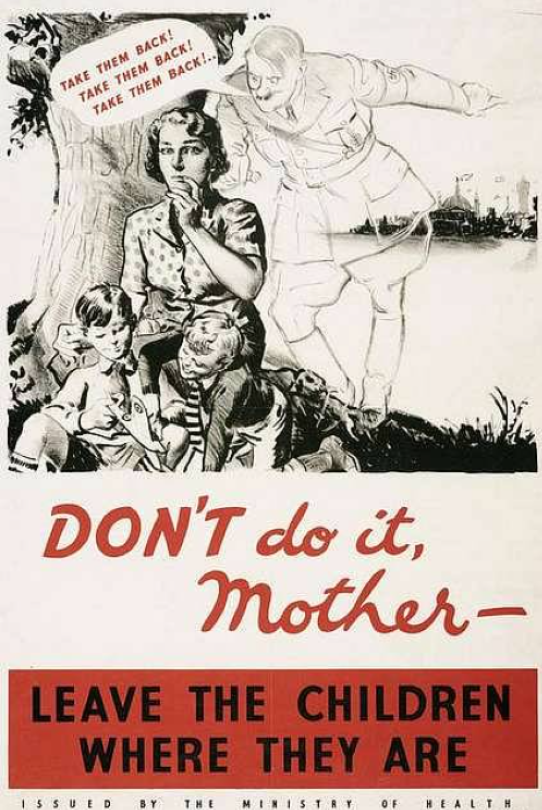
Miriam Rosenthal, another concentration camp survivor, evaded death through what she believed to be divine intervention and her late mother’s protection. Pregnant and food deprived, she resisted the Nazis’ deceitful call for expectant mothers to step forward, an act of intuition that saved her from the gas chambers. Later, Miriam gave birth to her son Leslie in the labor camp, against all odds. She described his survival and facing the allies’ offered freedom together as “bringing a baby back from hell.”
The few infants who survived Auschwitz were born through an incredible combination of resilience, timing, and the power of a mother’s love in the bleakest of times. Their stories are terribly rare and serve as tributes to and reminders of the many, many babies who never make it out of the camp’s fences.
Lasting Effects After the War
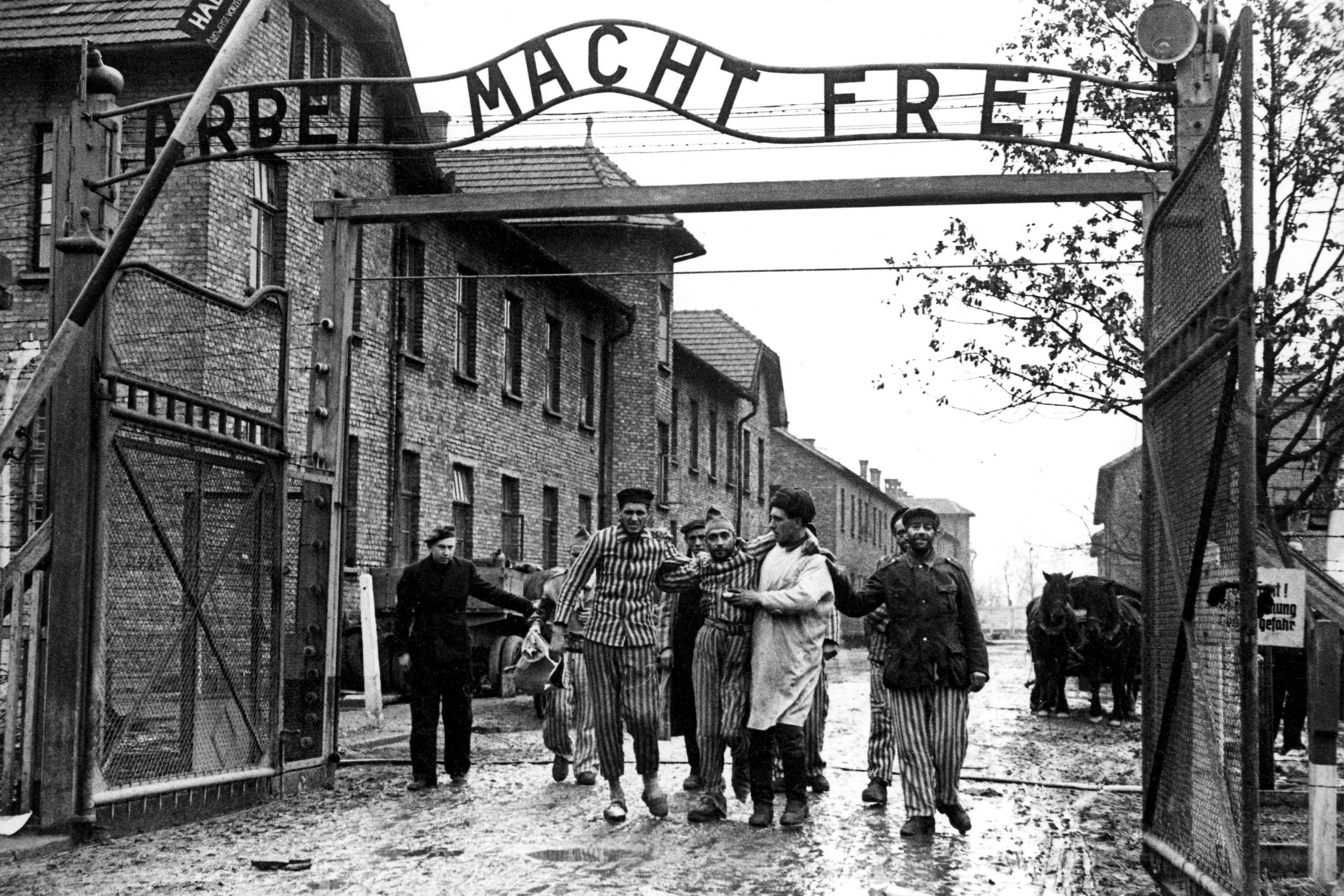
Though it was a tremendous step forward, the fall of Auschwitz did not mean the end of suffering for the women who endured its horrors. For many, liberation brought the staggering realization that the war had stripped them of everything: their health, their older children, their futures as mothers, and often their husbands.
Countless women left the camps physically broken, their reproductive systems scarred by malnutrition and brutal medical experiments. For these women, the possibility of rebuilding their lives was extinguished by an agonizing sense of loss for the families they could no longer have.
Then there were the mothers whose children had been taken from them, forced into the Nazi Lebensborn program because they had the treasured blond hair and blue eyes that allowed them to be “Germanized.” Babies deemed racially suitable were sent to be raised by German families, their identities erased and their mothers left to search for them in vain. In rare cases, reunions occurred (often thanks to Stanisława Leszczyńska, who had come up with a way to tattoo the babies that evaded Nazi notice), but many women spent their post-war years haunted by the absence of children they could never find.
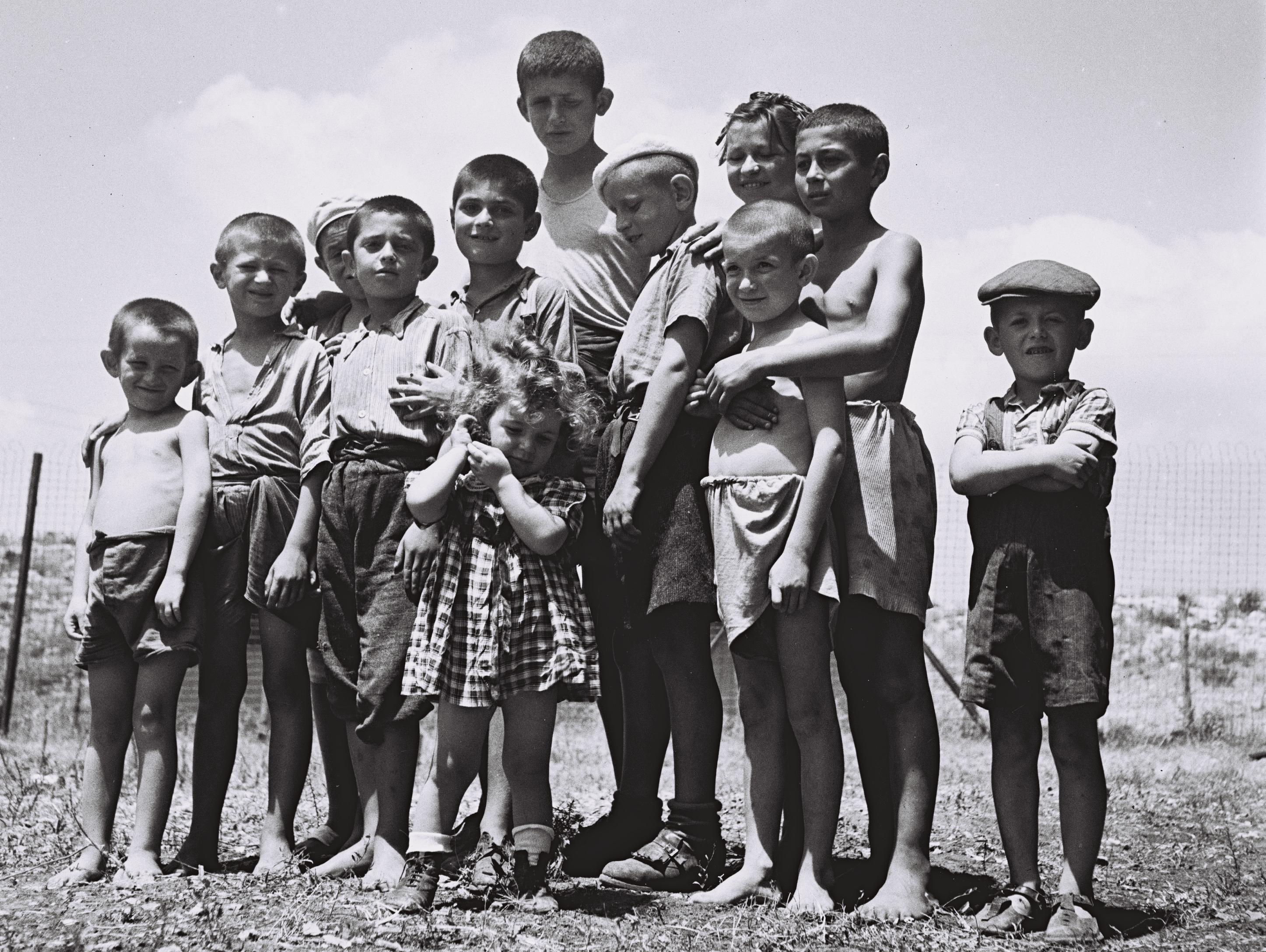
The women who survived Auschwitz emerged as testaments to human resilience, yet their survival came with a price: emotional and physical scars, fractured families, and the terrifying memories of a Nazi death camp.