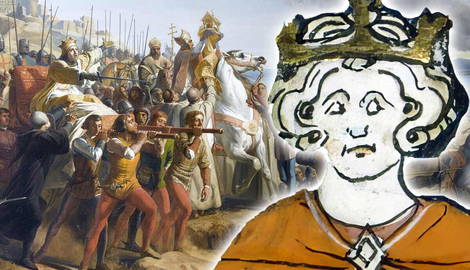

The rise of Saladin in 1174 signaled a turning point in the struggle for the Holy Land, as he began uniting the Muslim world against the Crusader States. That same year, Baldwin IV, an unlikely hero, ascended to the throne of Jerusalem and would halt Saladin’s plans to conquer his realm. A teenager upon his accession and afflicted with leprosy, Baldwin would nonetheless prove to be one of Jerusalem’s most militarily successful kings, and his short life has proved to be one of the most remarkable in medieval history.
Childhood and Leprosy
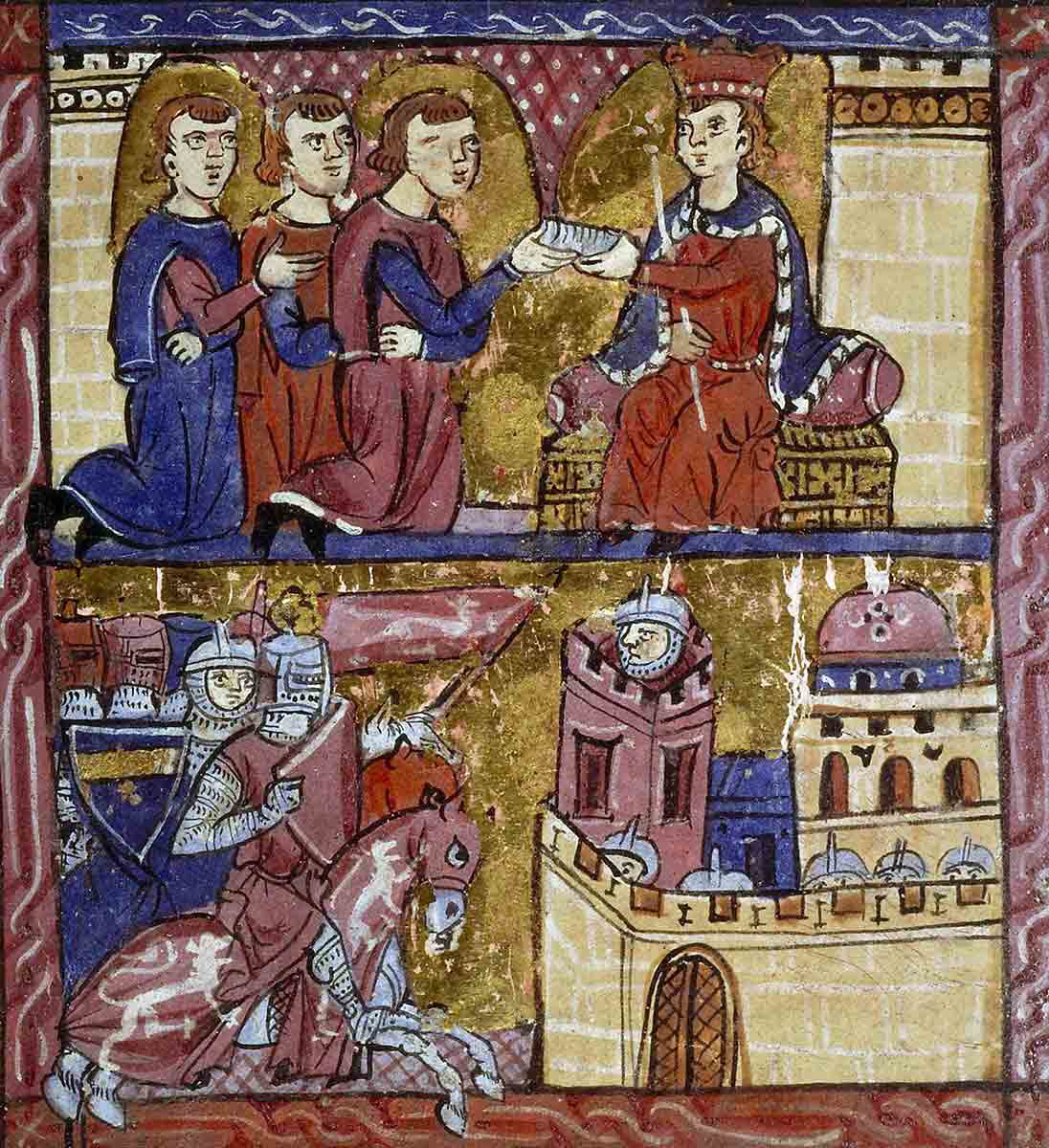
Baldwin was born in Jerusalem in 1161, the son of King Amalric and his wife Agnes of Courtenay. His father was the sixth king to rule the kingdom after the Christians conquered Jerusalem during the First Crusade in 1099. The dynasty was an illustrious one, but the kingdom was precariously located, surrounded by hostile enemies, and warfare was a part of everyday life. The rulers of this dynasty were primarily judged by their success in warfare above all other considerations of kingship.
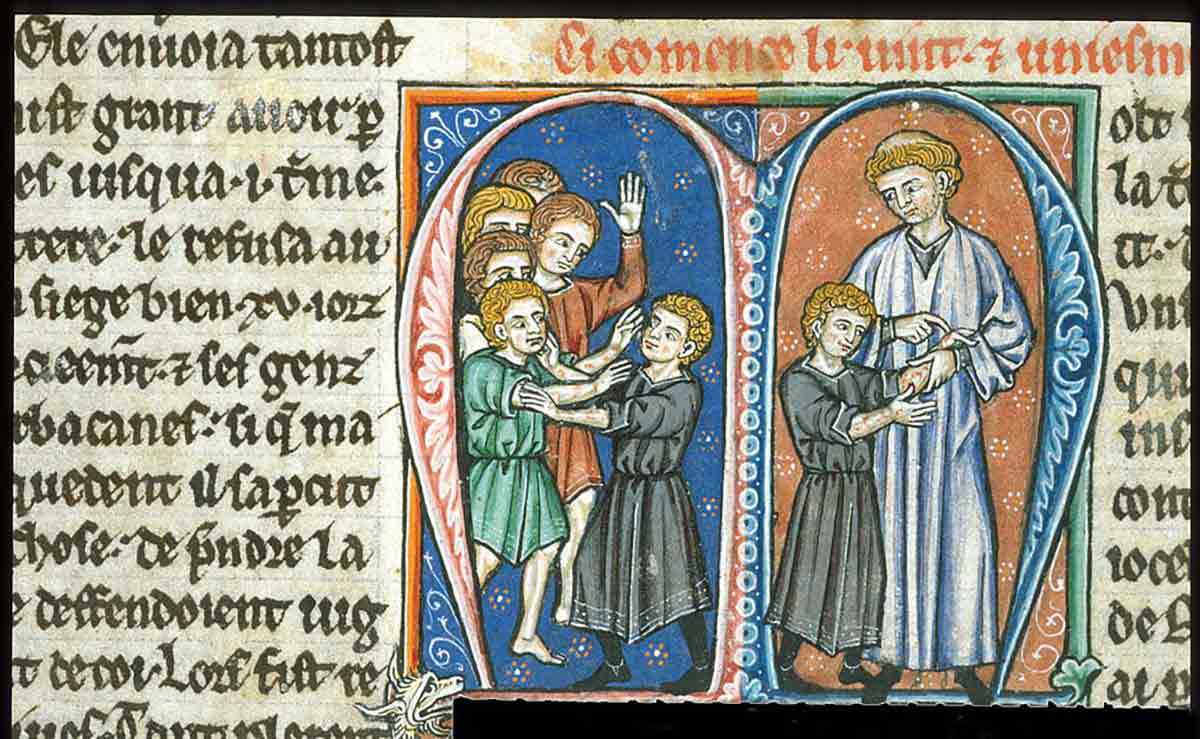
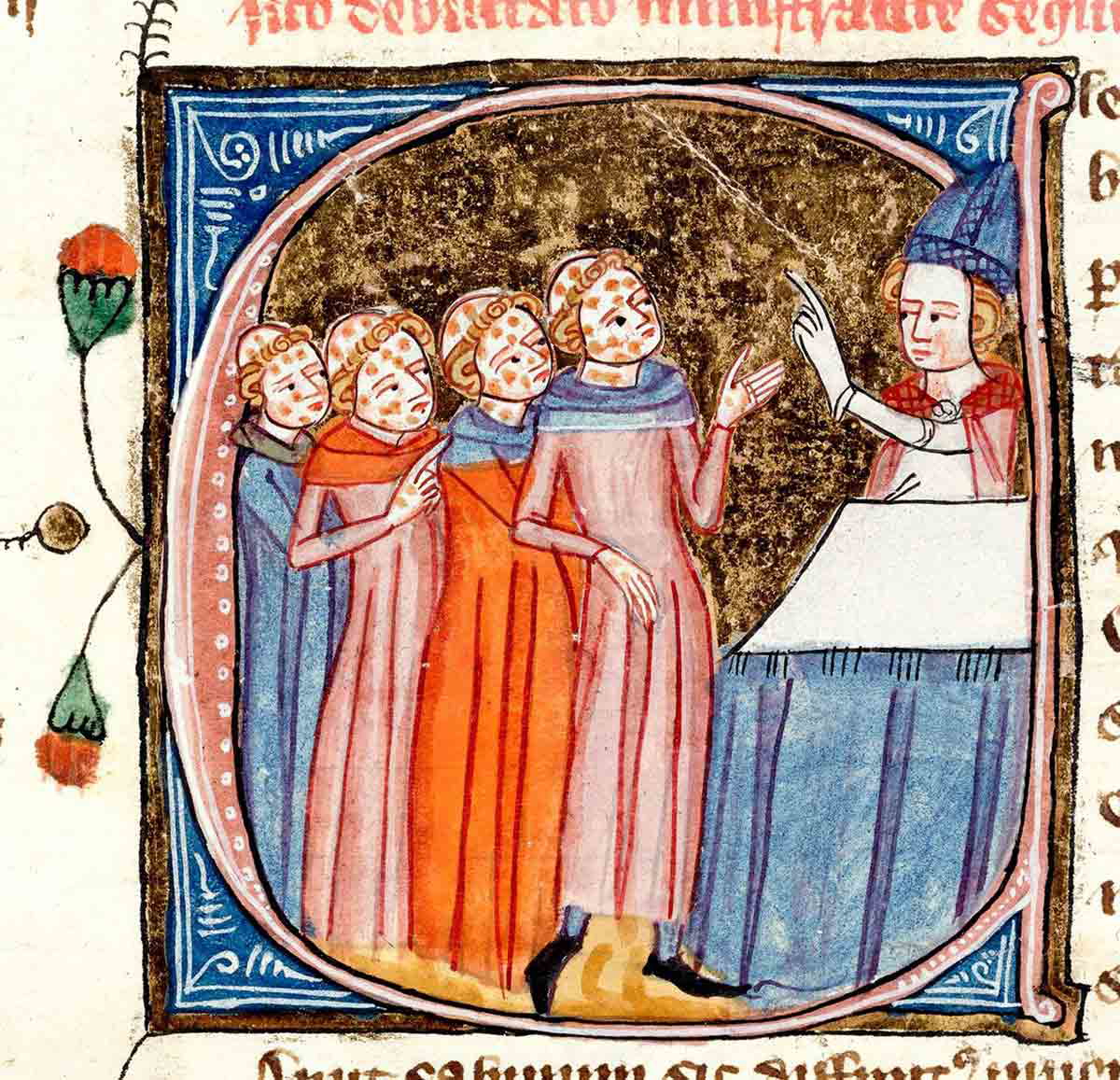
Amalric prepared his son for kingship by appointing William, Archbishop of Tyre as his tutor. William would later chronicle the history of the Jerusalemite dynasty and was the first to discover that something was wrong with the boy. As Prince Baldwin played with other boys, they pinched each other’s arms, but Baldwin gave no evidence of pain. Further examination later confirmed the grim diagnosis: leprosy.
The implications were severe. Considered highly contagious, the disease meant Baldwin was unlikely to ever marry or produce an heir. Yet when Amalric died in 1174, the 13-year-old Baldwin was crowned king regardless.
The Accession of King Baldwin IV
Amalric’s death came at the opportune moment for Saladin, the newly ascended sultan of Egypt and Syria. Amalric had been a battle-hardened monarch who had fearlessly led his troops in battle throughout his reign. Now Jerusalem was to be led by a teenage boy with the early onset of a crippling disease. Yet Saladin would soon learn that Baldwin IV’s resolve far exceeded expectations.
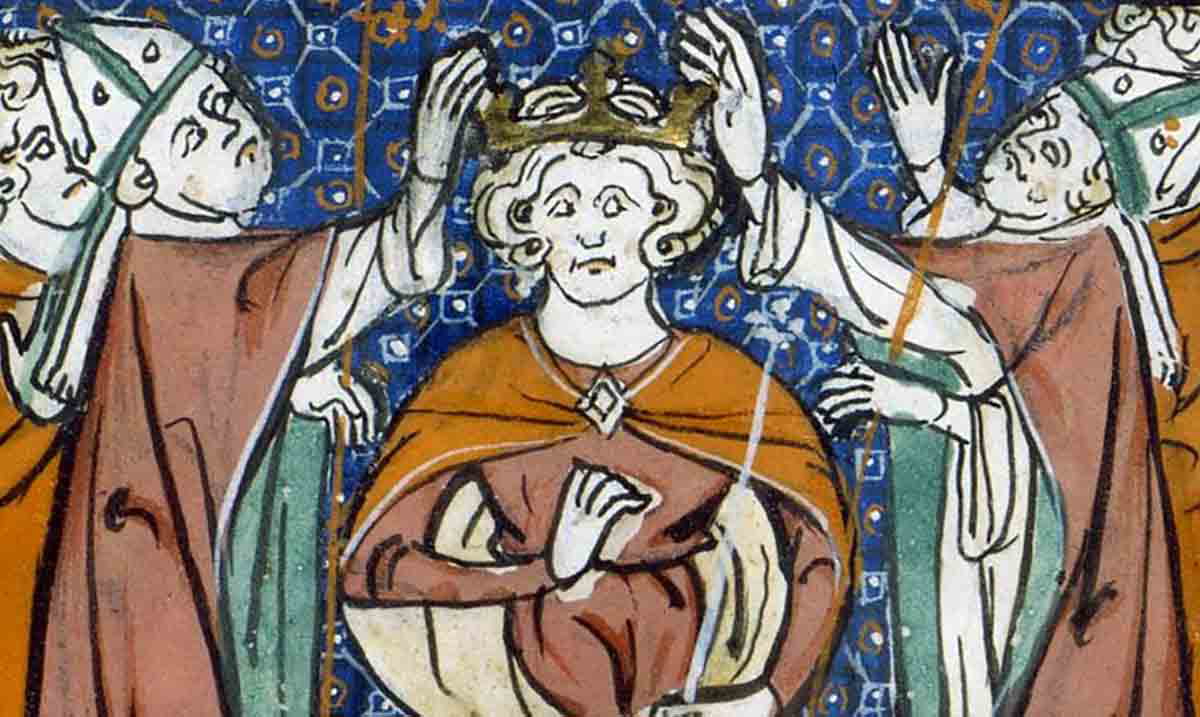
Baldwin was crowned with all the splendor and grandeur afforded to his forefathers. Until his fifteenth birthday, at which time he would be considered an adult, Baldwin ruled alongside a regent who assumed the role of military commander. However, Baldwin insisted upon appearing on the battlefield in these early years, determined to earn recognition for his military virtues.
With his right arm rendered useless by leprosy, Baldwin was taught to ride a horse using only his knees so he could wield a sword with his left arm while riding. Even as his body weakened, the young king adapted, determined to rule and, most importantly, to fight.
Defending the Holy Land Against Saladin
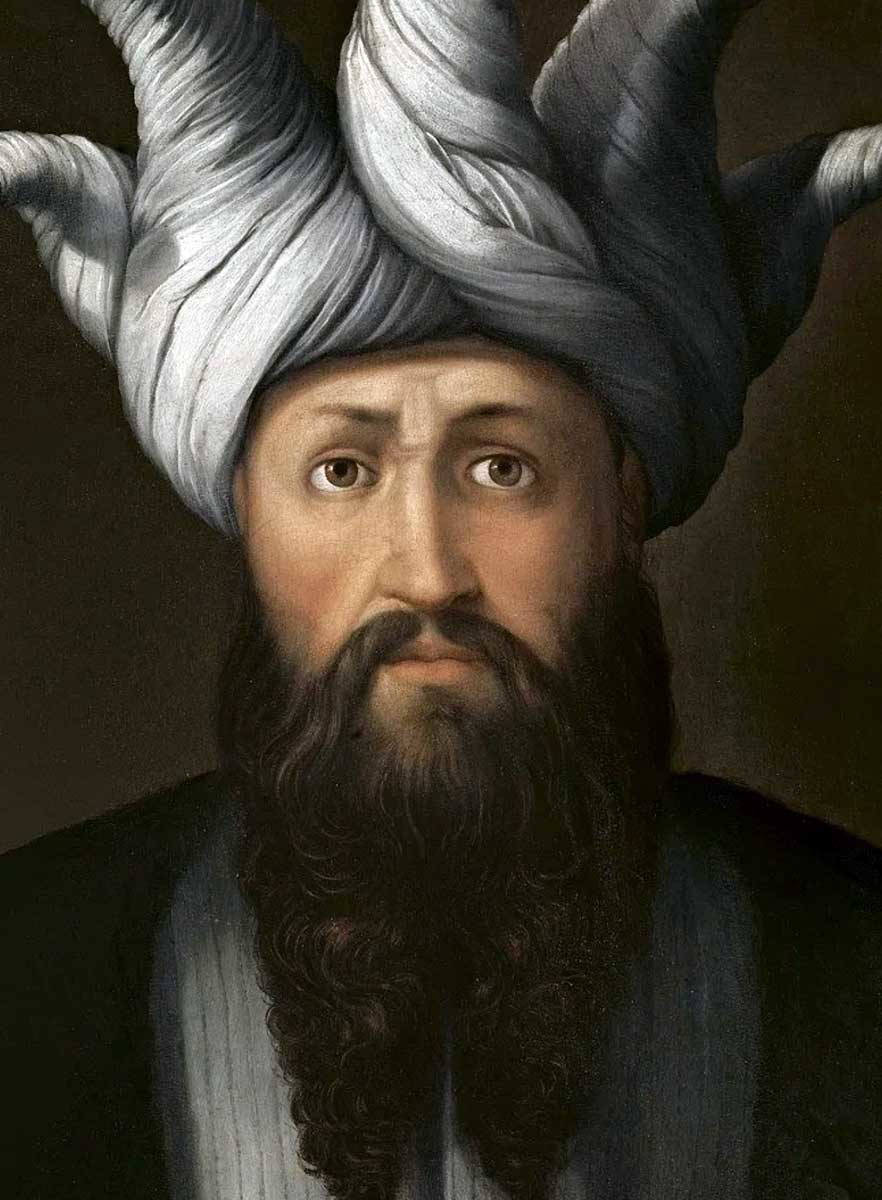
Saladin was a seasoned and ruthless warrior. Behind his romanticized image as a chivalric and compassionate warrior who was a worthy rival to Richard the Lionheart, his thirst for power and relentless ambition are sometimes overlooked. A general who married the widow of his former master, Saladin founded the Ayyubid dynasty and ruled over large parts of the regions now known as Egypt, Iraq, Syria, Palestine, and Yemen.
Saladin attracted widespread support from fellow Muslims who willingly followed a dynamic new leader who vowed to restore the Crusader States to Muslim rule. United under the notion of jihad, Saladin directly challenged Baldwin and the other Christian rulers in the region.
Never before in the history of the Crusader States had Muslim powers been so unified in their opposition to Christian rule in the region. Baldwin now faced both one of the most severe diseases of the medieval world and one of its most formidable military leaders.
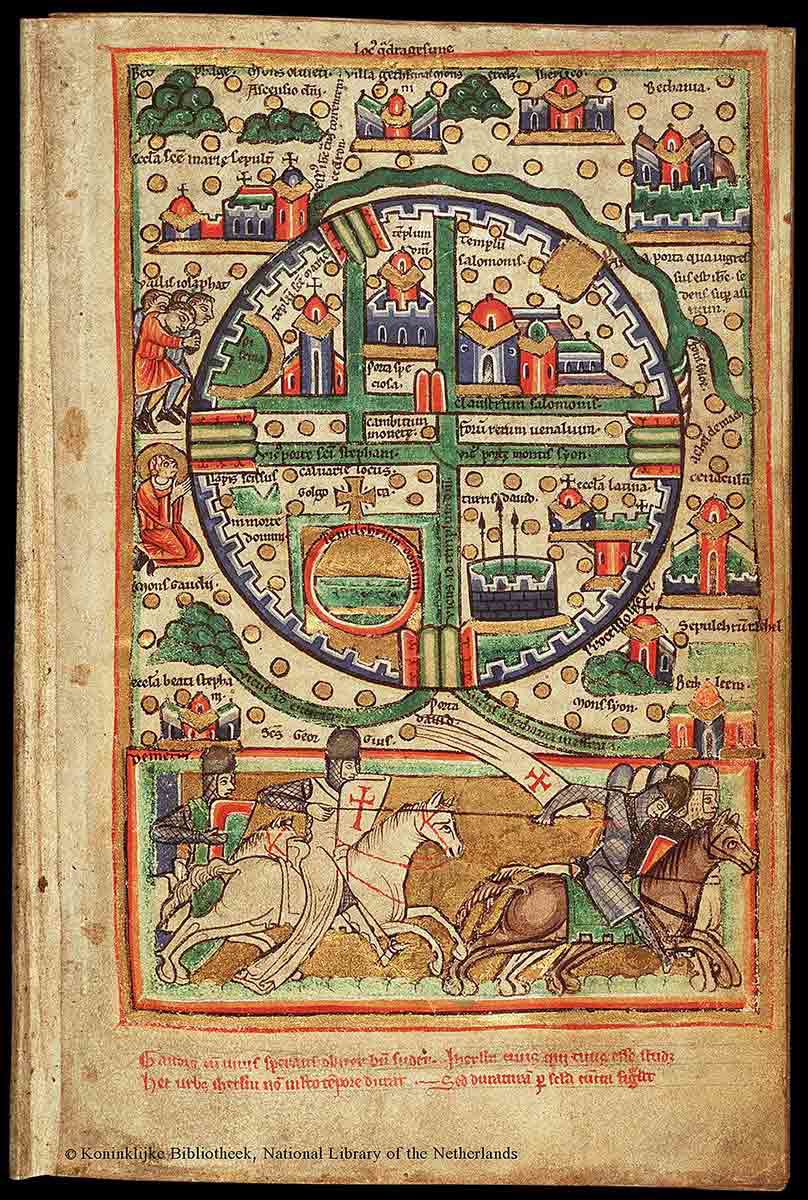
Even during his minority, when military affairs were directed by a succession of experienced regents, Baldwin refused to remain a passive observer. He is first recorded participating in a raid into Muslim-held territory in 1175 at the age of 14. Saladin was besieging Aleppo in an attempt to expand his influence. The citizens of Aleppo appealed to Baldwin to create a diversion.
Baldwin responded enthusiastically and set out for Damascus, the capital of Saladin’s Syria. Baldwin successfully led a series of raids against the Damascene forces commanded by Saladin’s brother in 1175 and 1176. Though his body was already weakened by leprosy, these early victories justified his kingship, proving that despite his physical limitations, Baldwin was a warrior king.
Baldwin IV’s Independent Rule
In July 1176, Baldwin reached the age of 15, the age of majority in the Kingdom of Jerusalem, allowing him to rule without a regent. Freed from oversight, he continued to cultivate his reputation as a military leader.
Taking advantage of Saladin’s preoccupation with Aleppo, Baldwin again raided Damascus. This aggressive policy towards Saladin continued with Baldwin’s intervention in Saladin’s war with the Assassins. In August 1176, the king led a force into the Bekaa Valley and forced Saladin to retreat. His victory on this occasion prevented Saladin from acquiring territory held by the Assassins, which would have increased the vulnerability of the Crusader States. Although Baldwin was no ally of the Assassins, he recognized them as a lesser threat under the circumstances. His strategic political judgement ultimately proved beneficial.
One of Baldwin’s first initiatives as an independent ruler was to plan an expedition into Egypt. His father, Amalric, had tried and failed to conquer the region and died before achieving his goal. Egypt was the core of Saladin’s power, and prevailing opinion held that its capture would cause his empire to collapse. An early and decisive military victory would surely position Baldwin as the greatest of the rulers of Jerusalem.
Baldwin acquired the financial and military support of one of his most important allies, Byzantium. However, other rulers in the region, including Raymond III of Tripoli and Bohemond of Antioch, along with powerful visitors to the Holy Land, such as Philip of Flanders, refused to cooperate, and the proposed expedition failed to materialize. This was not through a lack of effort on Baldwin’s part, who understood that Saladin’s power would collapse if the rulers of the Crusader States and their allies could successfully work together.
Victory at Montgisard
In September 1177, Philip of Flanders left Jerusalem with a substantial part of Baldwin’s army to lead an attack on the Muslim-held territory of Hama. Saladin capitalized on this situation, as the Kingdom of Jerusalem was significantly weakened. Compounding this vulnerability, Baldwin lay seriously ill as leprosy tightened its grip on his frail body.
Saladin gathered his troops and marched on the kingdom of Jerusalem with a substantial force. The purpose of the intended attack was not to conquer Jerusalem, but rather to obtain booty, to drain enemy morale, and provide a distraction from Philip of Flanders’ campaign against Hama.
Despite his illness, Baldwin rose from his sickbed and gathered what forces remained. Only 600 knights were available throughout the entire kingdom, far too few to confront Saladin’s army, which numbered in the tens of thousands. Baldwin advanced to Ascalon, from where he could observe his enemy’s movements and summon more men. From there, he called upon all able-bodied men to join him in the defense of the Crusader States.
Confident in his numerical superiority, Saladin neglected to monitor Ascalon, believing Baldwin would not dare leave the city’s walls. He was mistaken.
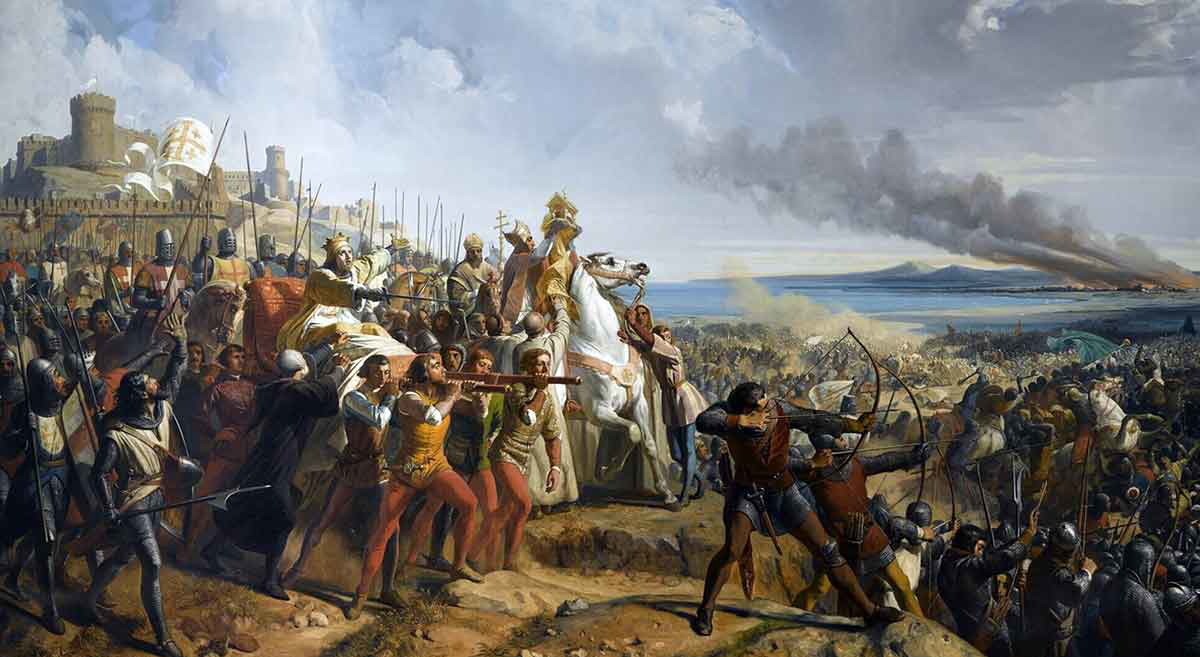
With Saladin’s army broken into detachments to raid the surrounding countryside, Baldwin took the initiative and led an attack on Saladin’s scattered forces at Montgisard. Reports claim Baldwin led a meager 375 knights, including 80 Templar Knights.
The attack began, and many of Saladin’s forces fled. The sultan narrowly escaped with his life after being charged by a knight and was saved only by his personal guard. Humiliated, Saladin fled as thousands of his men lay dead. Against overwhelming odds, the 16-year-old leper king had shown he was more than a match for Saladin.
The Matter of Succession
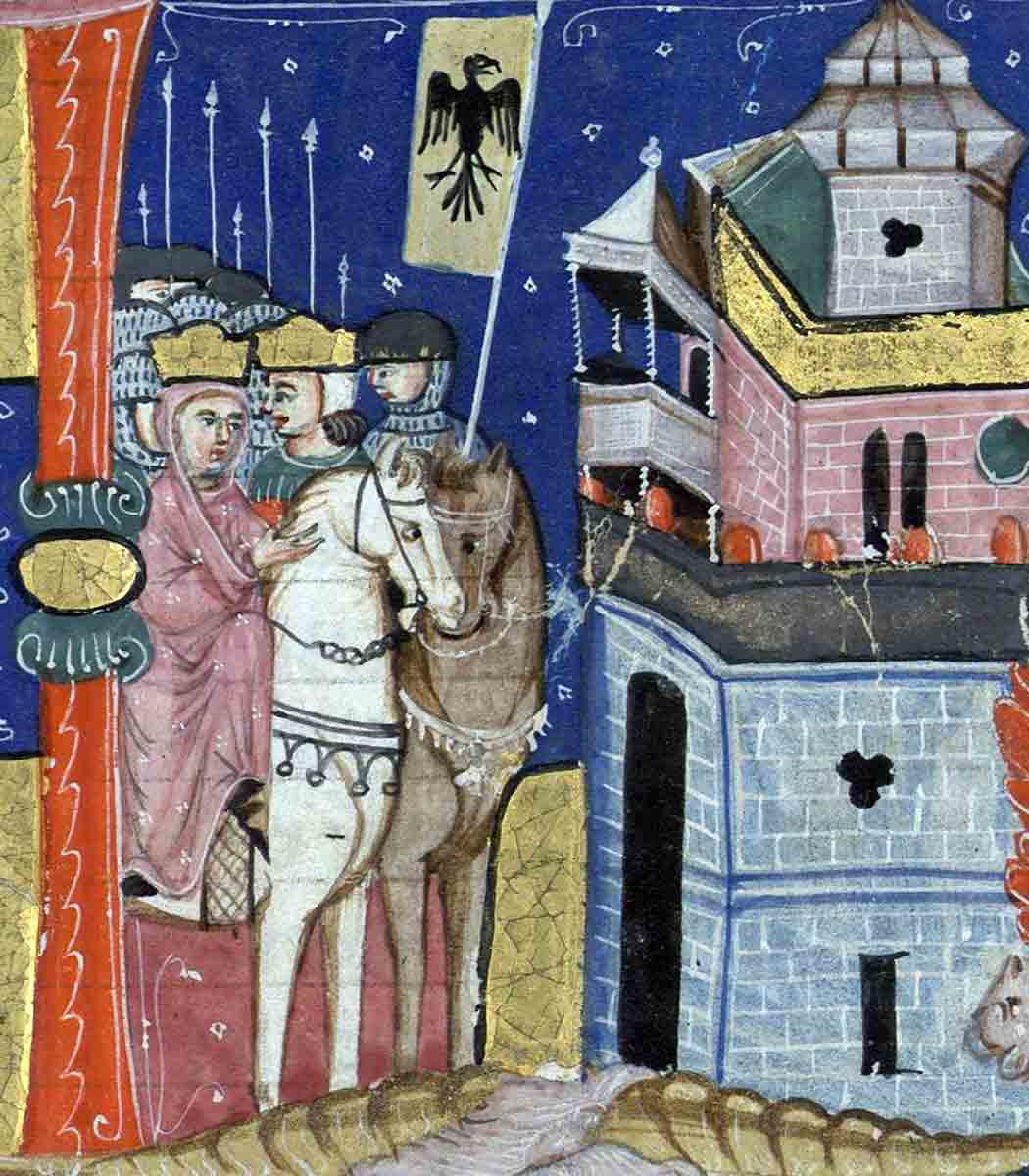
Baldwin’s health began to seriously deteriorate in the early 1180s, making the issue of succession urgent. His sister, Sibylla, had been married to William of Montferrat, nicknamed ‘Longsword’, in 1176. It was hoped that he would assume leadership once Baldwin became too ill to rule. But Montferrat died in 1177, leaving his widow pregnant with a son, Baldwin, born later that year.
Sibylla’s second husband was Guy of Lusignan, whom she married in 1180. In 1183, Baldwin handed over military command to Guy, who proved to be less than capable military tactician and politician and was ultimately removed from his post.
To settle the matter of succession, Baldwin had Sibylla’s son from her first marriage crowned Baldwin V, during the leper king’s own lifetime in 1183.
The Death and Legacy of the Leper King
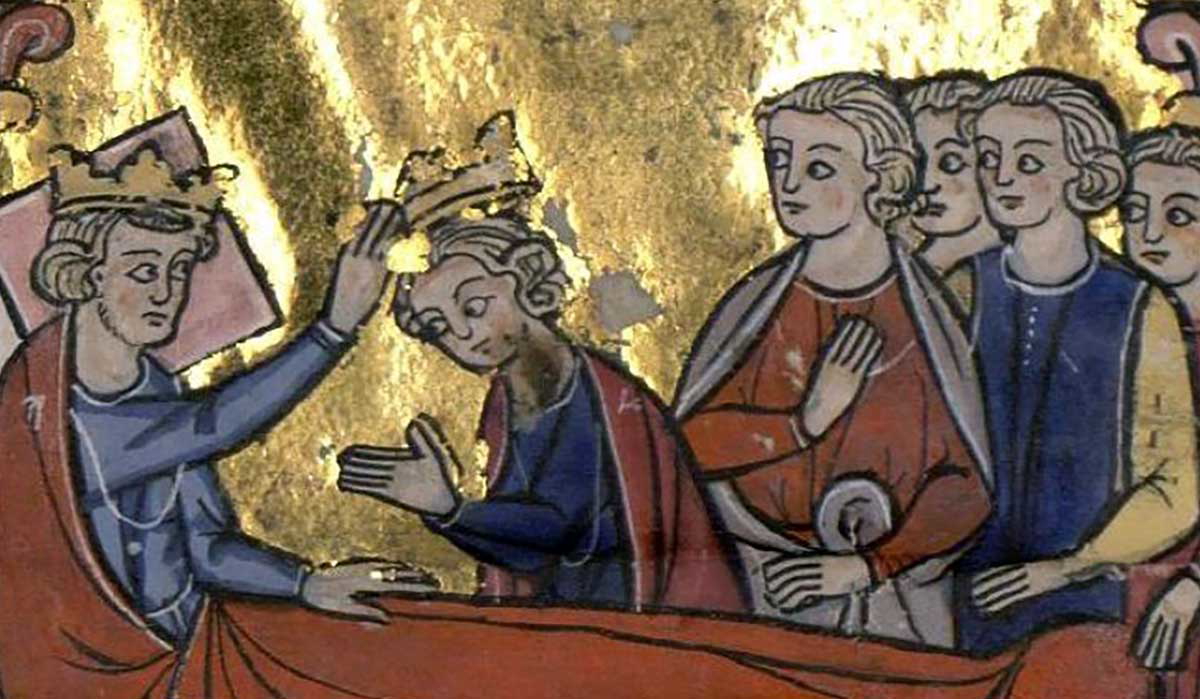
By 1182, Baldwin’s health had deteriorated significantly. He had lost his sight, he was unable to use his hands and his feet, and they would eventually rot away. Now unable to sit upon a horse, he was carried in a litter from Jerusalem to Tyre to challenge Saladin’s proposed invasion in 1182. He would frequently greet visitors to the kingdom, not from a stationary sickbed, but carried in a litter, demonstrating an unparalleled strength and endurance. Baldwin personally crossed the Jordan to relieve Christians who were besieged by Saladin at Kerak in 1183.
With the succession seemingly secured by the coronation of his nephew, Baldwin eventually succumbed to his illness in March 1185. At the age of 24, he was laid to rest near his father in the Church of the Holy Sepulchre.
Baldwin’s throne passed to his nephew, who died within a year. His brother-in-law, Guy of Lusignan, then became king through Sybilla, and under his rule, Jerusalem fell to Saladin following defeat at the Battle of Hattin in 1187.
Kings of lesser ability followed Baldwin IV of Jerusalem. None matched the military skill or political judgement of a ruler so physically afflicted. Remembered as the Leper King who defied Saladin, Baldwin IV left a legacy that resonated long after his death, a testament to his courage, resilience, and leadership against impossible odds.