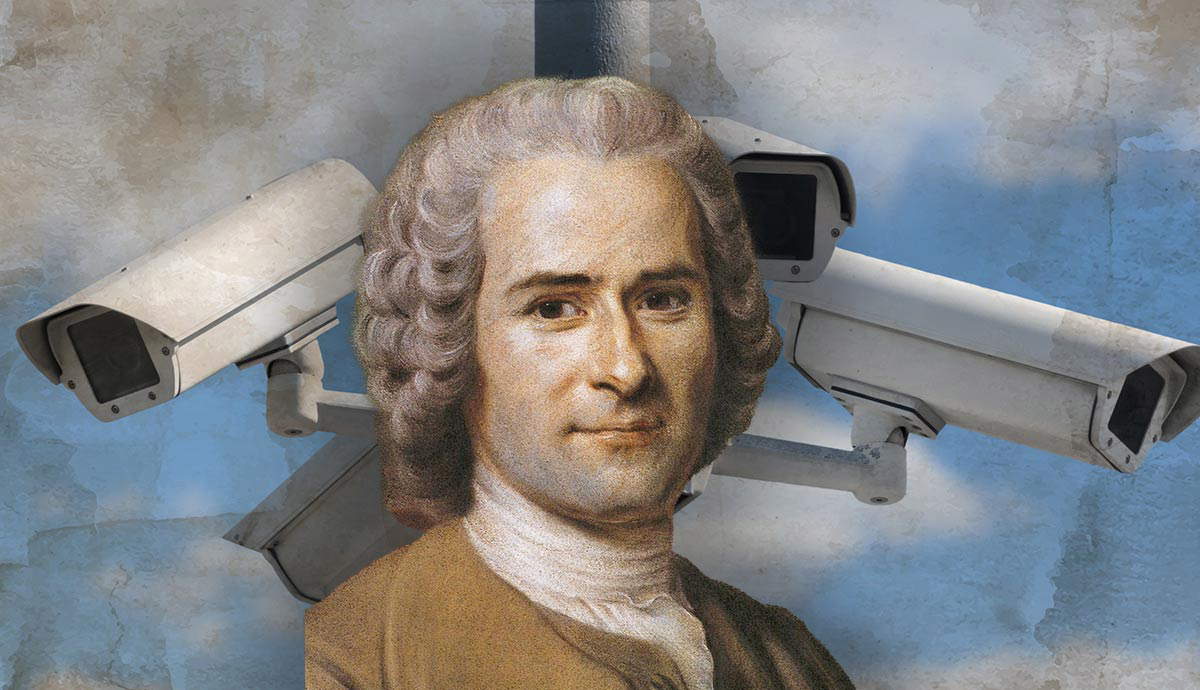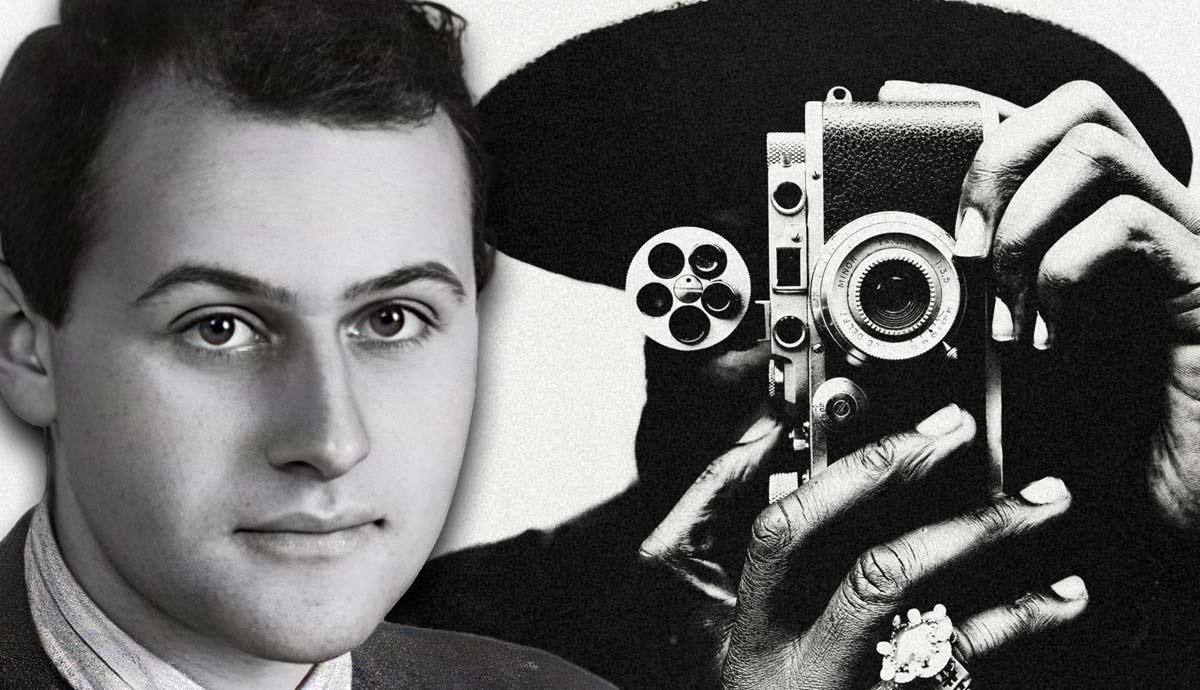
What are you thinking about when scrolling that Instagram feed? Do you think everything here is real? Or maybe it is an illusion we confuse with reality? French thinker Jean Baudrillard calls this “hyperreality.” It is a state where illusions and simulations are more real than real life. When we create these online images, we start thinking that these picture-perfect online figures are who we are in real life. But the reality is different. And Baudrillard’s hypothesis is applicable here and now as never before. Why? That is the question we need to explore.
What Is Hyperreality? Baudrillard’s Theory Made Simple
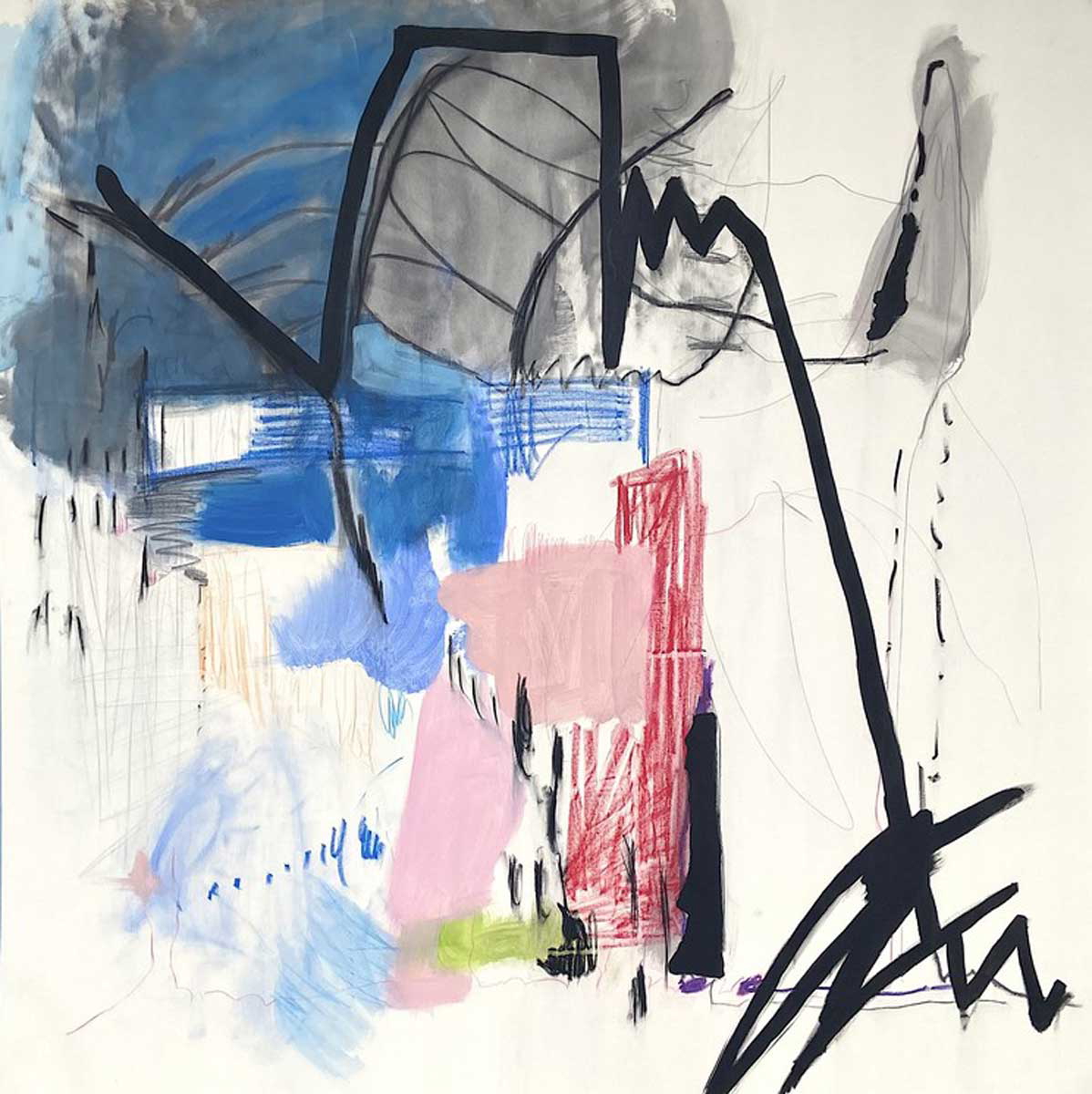
A philosophical concept created by Jean Baudrillard, hyperreality is when some things that copy reality seem to be more real than reality itself, for example, photos, videos, and filtered social media posts. When we are looking at them, well, we cannot say for sure whether they are real or created by AI.
Baudrillard explained it using four stages of what he calls the “sign” or symbol. Stage one is a sign that reflects reality. For example, it can be your portrait. Stage two is a sign that disturbs that reality. Here, we can talk about a flattering photo of yourself. Stage three is the sign that pretends to represent something real, but it itself is not. Think about a stock image of a smiling family. Finally, the last stage is pure simulation. It is something that has no connection to any kind of reality. It is just a set of symbols referring to other symbols. Social media influencer culture is a great illustration of this.
To explore this issue deeper, one can analyze Disneyland. All of us have heard about it. And many of us wanted to visit or did visit it in our childhood. Is it an artificial, idealized town that looks better than any actual town does? It certainly is. Disneyland isn’t a real and functioning place to live and work.
Or let’s take any TV show, like The Bachelor. It has a script and spliced-together footage to make it seem like the events of the show are happening. And what about those juicy and yummy burgers in ads? When you actually order one in the restaurant, it is very sad-looking.
According to Baudrillard, such simulations are today just…everywhere. Instead of dealing with the real world, we increasingly deal with its images or representations. And they do not often represent reality.
Instagram Filters and the Simulation of the Self
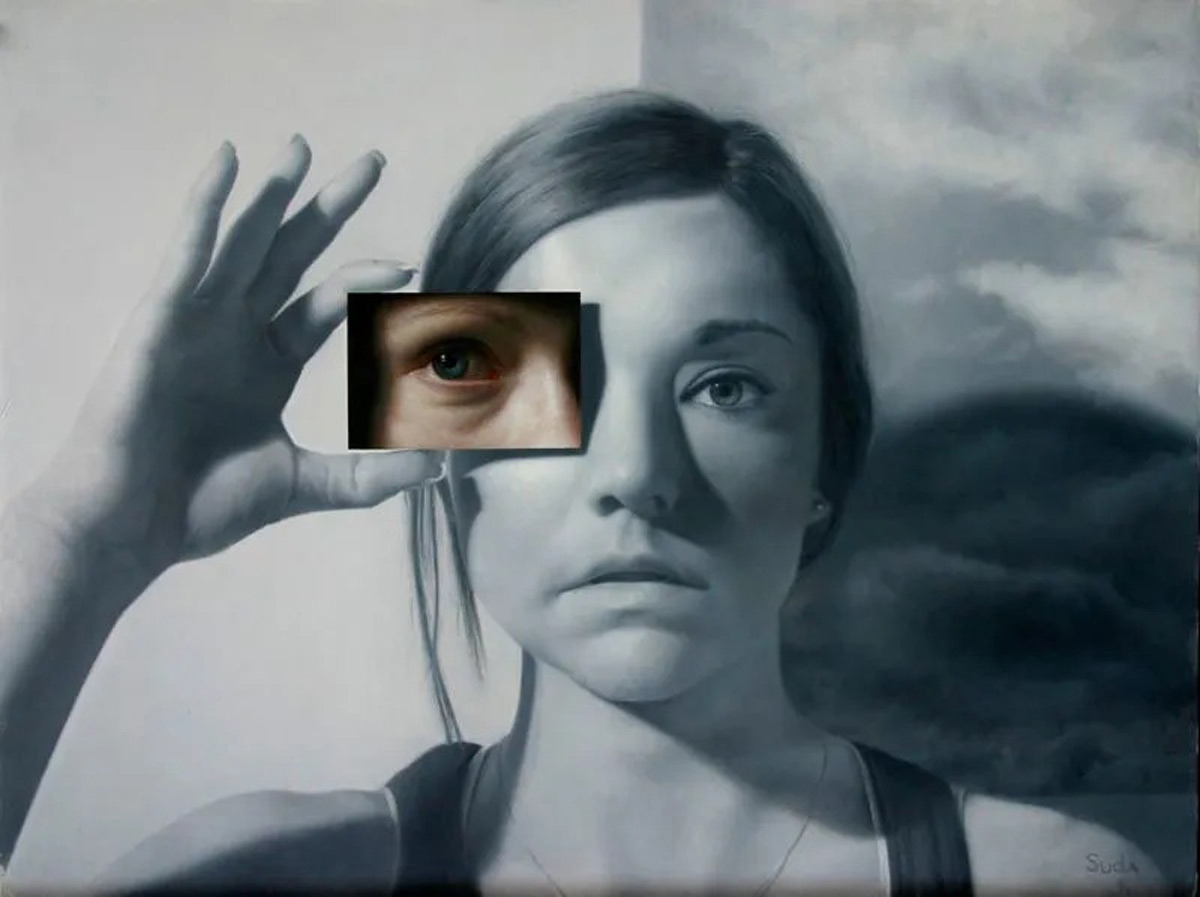
Instagram is a great example of hyperreality. When we post photos there, we do something more than just share them. We put on a performance. Thanks to filters, our skin looks great. And face apps mean every smile is shining. And those quotes under each photo allow us to appear way cooler online.
But the reality is cruel. We do not always show who we really are. We show others who we want to be. And this edited highlights package sounds great with Jean Baudrillard’s ideas about simulation: we are copies with no original, clear model.
Yes, Baudrillard argued, images are so important that they take over reality. All our Instagram profiles are so “polished” and filtered that we are shown to be flawless. So, instead of the real “me,” you show those idealized selves in the pursuit of more “likes” and recognition.
Such worries about mistaking an illusion (or shadow) for truth go back at least as far as Plato. And today’s social media fans have an updated version of this metaphor in the Allegory of the Cave. We even start thinking that all other people have the greatest lives, and we are just miserable. And that is the case even if we understand that it is a filtered reality.
This is where imposter syndrome comes in. We feel we are falling short of something that is not real in the first place. And this leads us into confusion. We do not know who we truly are.
So, when Baudrillard said that simulation can replace reality, he was right. We are living today as our Instagram personas rather than our real ones.
Influencers and the Commercialization of the Simulacrum
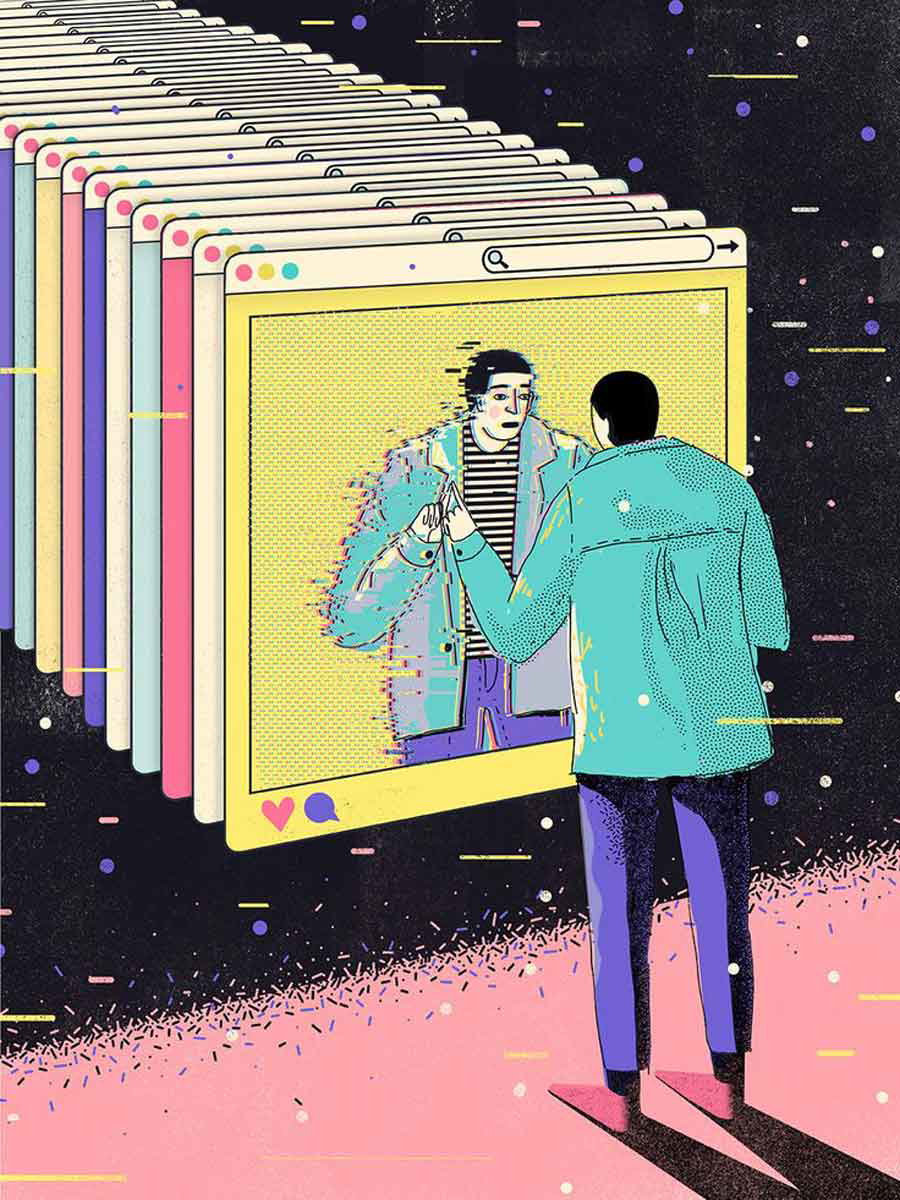
But what about Instagram influencers? They are, in fact, another problem. They are not only living their lives and showing it on the web, they are selling their lives to brands. Nothing is ever personal because everything can be promotional. A morning coffee is not a moment of pleasure anymore. It’s content. A vacation is not a rest, it’s an ad for a resort.
Influences show their lives so brilliantly. They have the greatest outfits and brightest smiles, seemingly at any time. This, Baudrillard would say, is the simulacrum. Simply put, it is a copy of life so polished that it replaces reality itself.
Experiences get commercialized here. A “cozy evening in” may have a candle company as a sponsor. Even emotions such as joy or vulnerability get marketed as #relatable moments of sharing. And this is what Baudrillard was afraid of. Consumption is more important than the object itself. Only Instagram experiences are important.
Let’s get back to ancient philosophy. Do you remember what Epicurus said about joy and pleasure? He stated that they’re derived from mundane pleasures, and should be experienced firsthand, not commercialized.
But contemporary happiness depends on finding the greatest location for photos and more brand partnerships. We are asked not only to exist, but to do it tastefully, making everything just a performance. We no longer perceive reality. We just scroll through its glossy imitation.
The Collapse of Meaning in the Scroll
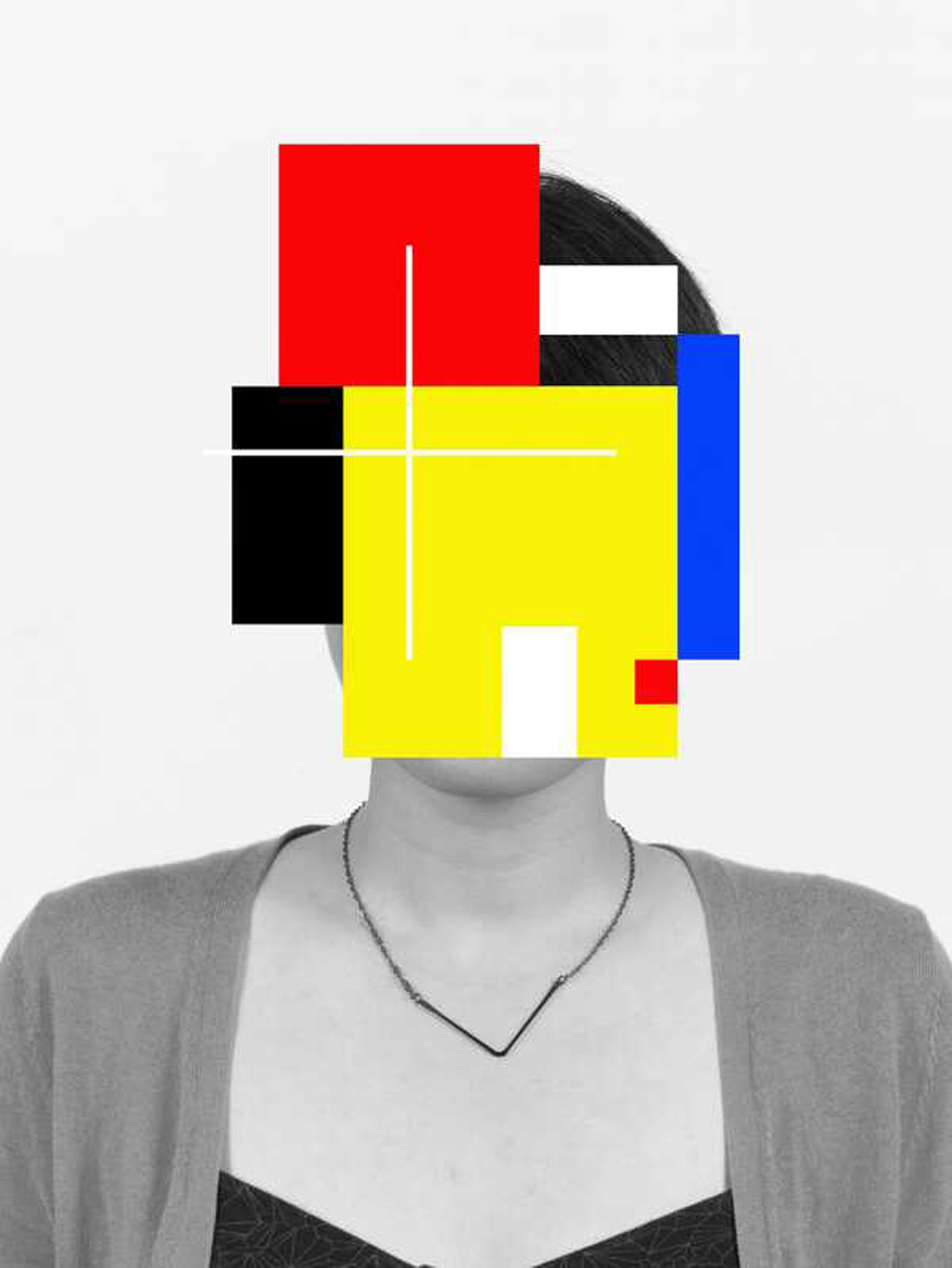
Scroll, scroll, scroll…that’s the beat of contemporary existence. But if we do it every day, every hour, every second, all we see in our lives are photos, memes, videos, and ads. How does it affect us? We become numb. And Jean Baudrillard names this the implosion of meaning.
All we see on Instagram is similar content. Nothing really stands out anymore. There is so much news, jokes, tragedies, and trending dances that it becomes quite difficult to decide what really counts in life.
Frequently, we forget what we do on Instagram at all. And Baudrillard warned us about this. He mentioned that in this sea of signals and signs, meaning breaks down. The world becomes a single spectacle.
Many centuries ago, Socrates was of the same persuasion. Do you remember his questioning? He believed that having things written down (rather than spoken) would lead people to appear wise without being wise. He was like no other, afraid of such fake knowledge. Just think what he would have to say about TikTok philosophers.
Yes, social media promises a connection between people. But what does it do in reality? Our deep thoughts can become nothing in a sea of trending topics. So are we really ever heard? Or are we simply adrift in a scroll?
Escaping the Simulation: Is a Return to “Real” Possible?
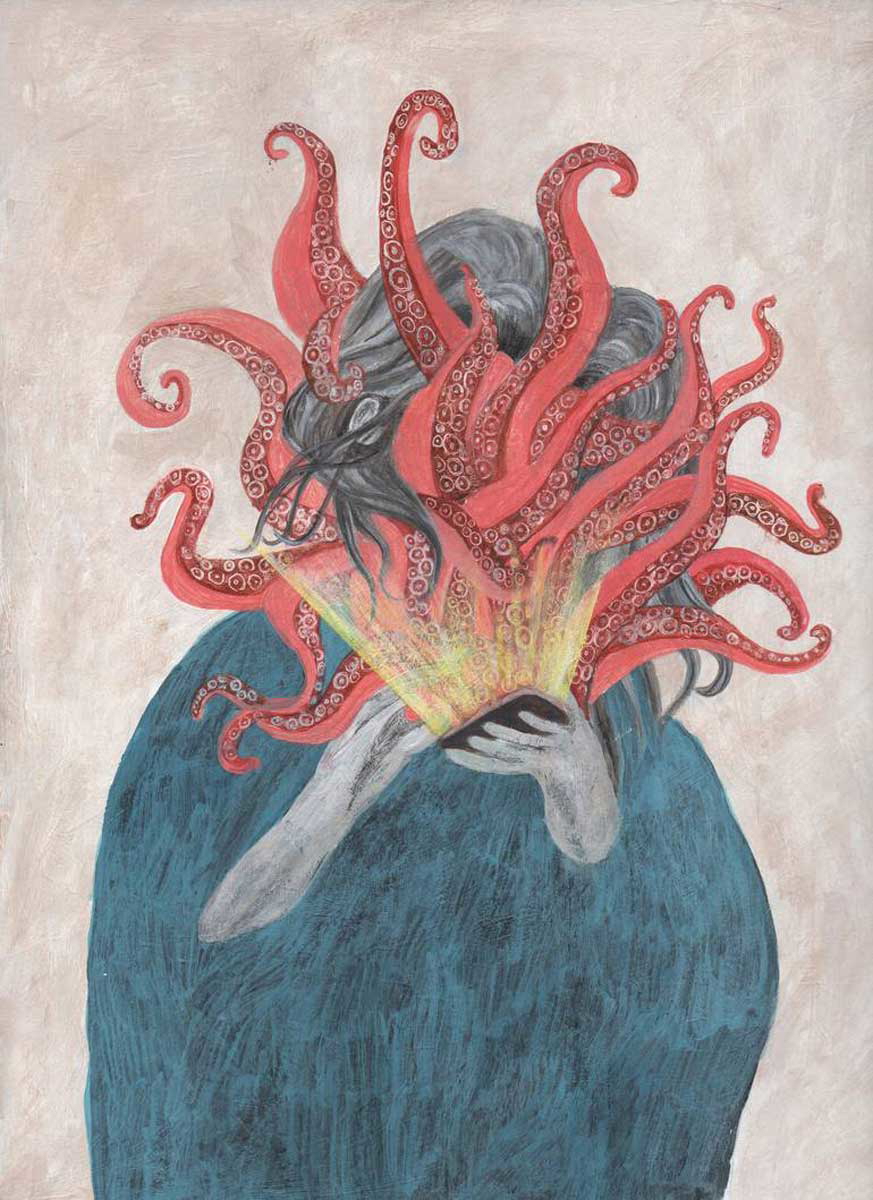
There is no single answer to this question. When we look at it through Baudrillard’s lens, he would probably say “no.” Why? Because we are already too deep in simulation. We cannot understand what is real and what is staged and filtered.
But others may disagree. Yes, many people are trying to return their “authenticity.” Some take a “digital detox.” Some post just a few photos a month. Some share photos only with “close friends.” And some just delete social media apps altogether.
Thoreau, centuries ago, was writing about leaving society behind to find a place in the woods to rediscover what is truly important. That is like a little escape from reality.
But what about Baudrillard? Why was he so negative when answering this question? Because he saw hyperreality everywhere. Still, maybe if we know we are living in a simulation, we can learn to use it mindfully. Because not everything on the web is artificial. There are many real things, we just need to dive deeper.
So, is a return to the “real” ever possible? Yes, if we use Instagram mindfully. We should only post something with a deep sense. We should live for ourselves, not for others. And we should avoid staging every moment, but learn to enjoy them.
So, What Is Baudrillard’s Hyperreality and the Age of Instagram?
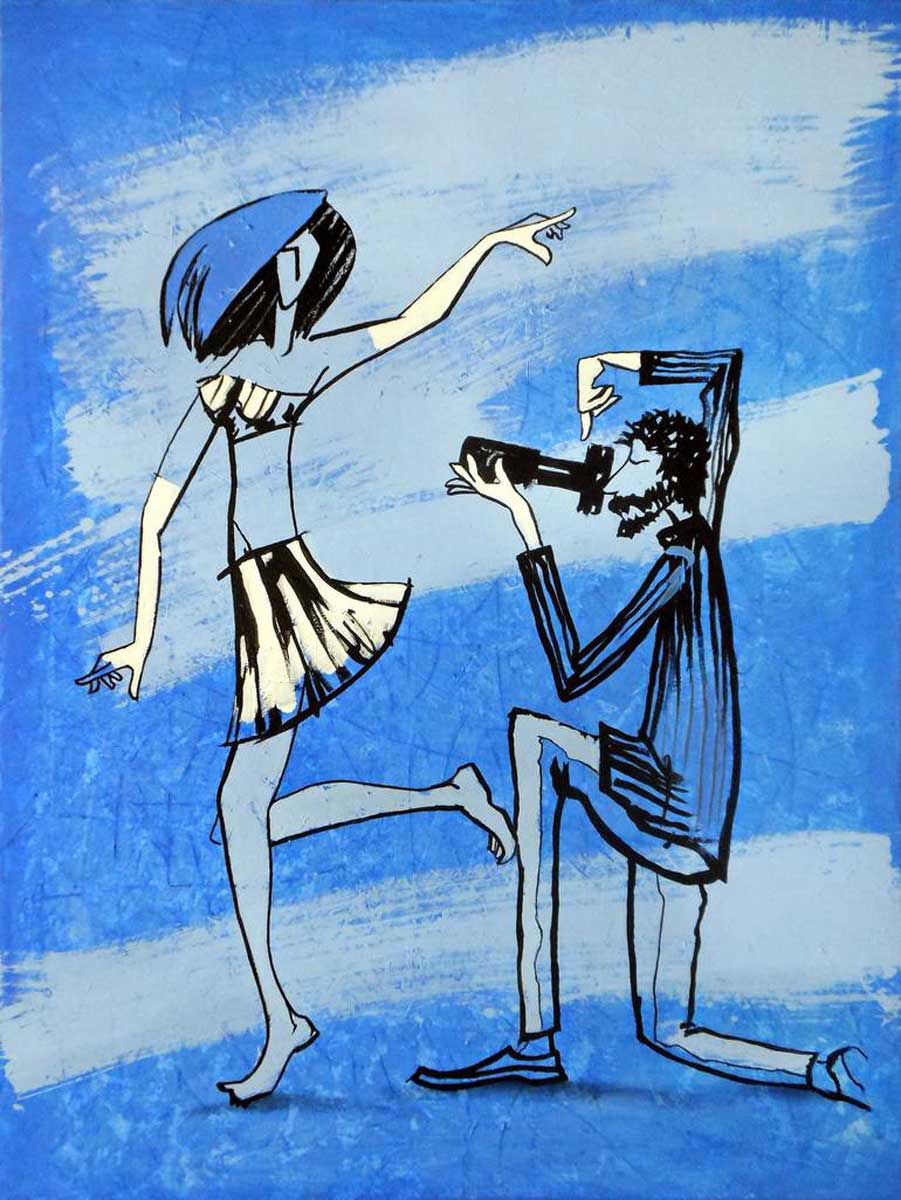
Baudrillard’s hyperreality theory lets us analyze Instagram differently. We see that it is not just an app for fun. It is a place where real and fake blur. We use it to portray ourselves as similar to other people, not who we are in real life.
Our pictures have many filters. Our accounts are sometimes styled by marketing experts. And what we do is follow influencers and want to look and live as they do. But these are all fake copies of reality. We are somewhere in the middle between two versions of ourselves: who we are and who we show off.
Just think about it, do your posts show what you’re doing? Or are you just trying to make them look great to get more “likes”? Are you trying to make friends? Or do you just want to create a digital “performance” so others become jealous?
According to Baudrillard, maybe we are now in a place where there are only copies (signs) without things being copied from (originals). Our online selves matter more than our offline ones. But still, we have a choice.
Instagram is not just a funny app to show off how we live. It has turned into something more sinister. It is a force that warps our sense of self. And we should take this notion into account if we do not want to live illusory lives.