South America’s museums offer fantastic collections, from epic modern art to historical artifacts. For any museum lover, the continent is full of incredible places to experience the worlds of art and history. Below are the ten best museums in South America. From the shores of Buenos Aires to the high mountains of Cusco, there are fascinating museums to visit in every corner of the continent.
1. Museo de Arte Latinoamericano de Buenos Aires (MALBA)
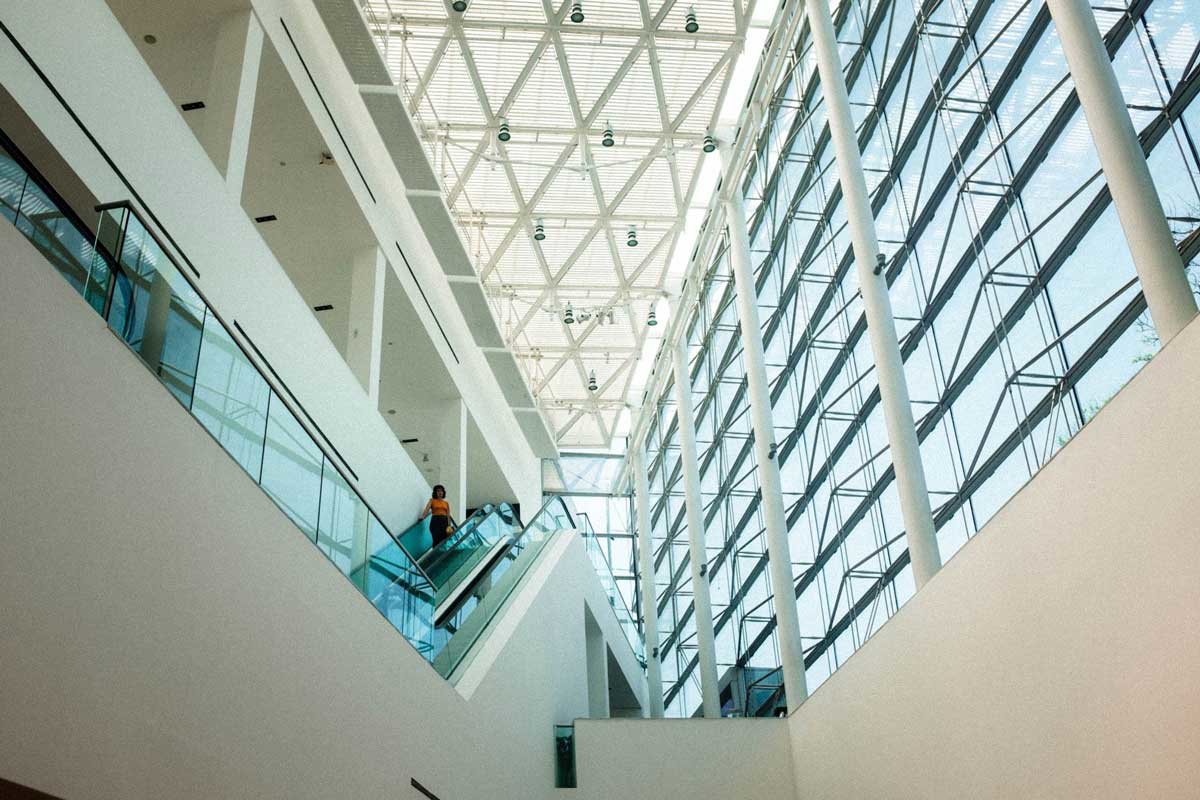
Modern, sleek, and full of world-famous artwork from Latin America, the MALBA in Buenos Aires, Argentina, is a must-visit destination for any serious art lover. As soon as you enter the spacious building, you’ll be surrounded by beautiful architecture and exhibit spaces.
Throughout the museum are collections from some of Latin America’s greatest artists, including Frida Kahlo, Diego Rivera, Wifredo Lam, and countless others. The museum also houses temporary exhibits like 2024’s Eduardo F. Costantini’s Third Eye collection, as well as traveling exhibits. The MALBA opened in 2001 as the home for mogul Eduardo Costantini’s private collection of Latin American art. Besides its art, the museum houses film collections and hosts workshops where visitors can hear presentations by artists, filmmakers, writers, and other creatives.
2. Instituto Ricardo Brennand, Recife, Brazil
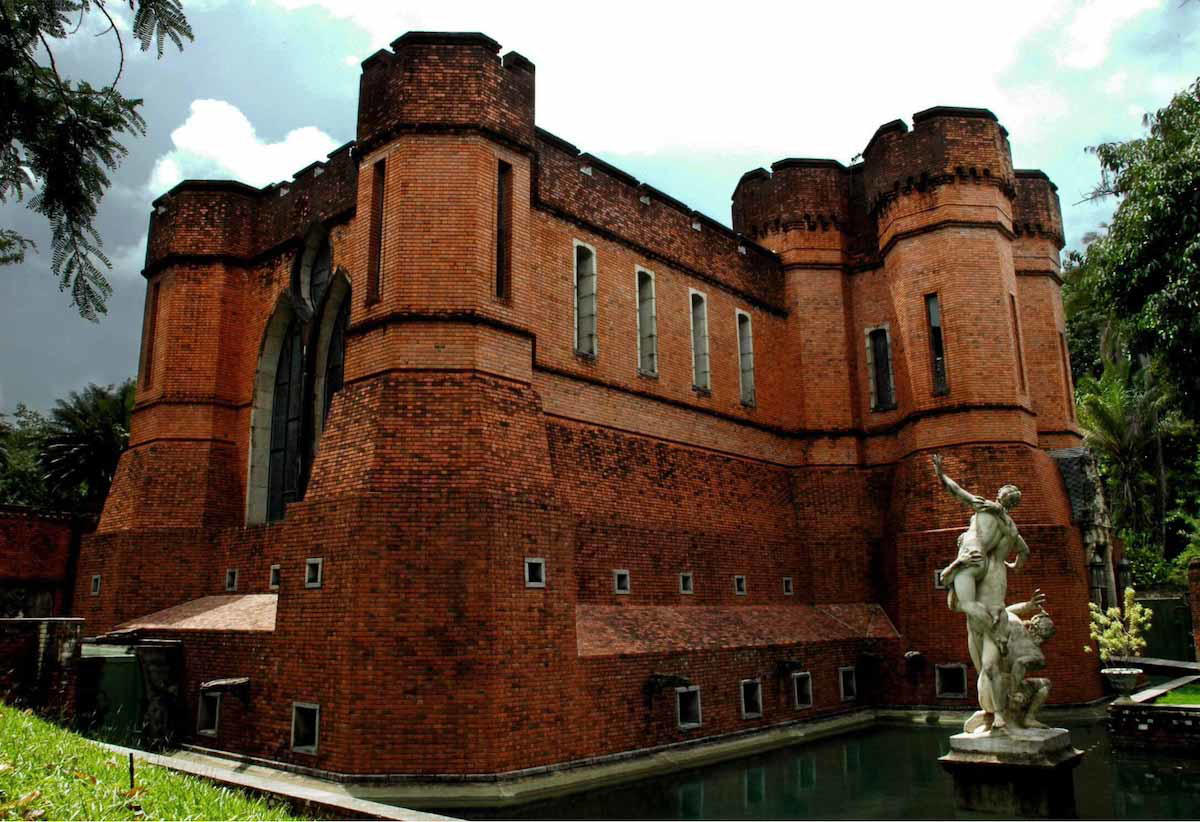
The Instituto Ricardo Brennand is just a short drive from Recife, Brazil. The museum has one of the largest collections of weapons, including swords, armor, and other armory, in the world. It is also full of priceless art and historical artifacts that any art and history enthusiast would love.
The Brazilian business tycoon and collector Ricardo Coimbra de Almeida Brennand founded the museum in 2002 as a non-profit cultural institute. He had the museum’s building constructed to resemble a Medieval European castle, with artificial lakes and tropical gardens surrounding it.
The institute’s collections span hundreds of years, from the Middle Ages to the present day. Paintings from the Colonial Dutch armies that once occupied Recife, Brazil, for two decades, adorn the walls, along with an immense collection of rare books. Outside the museum are lush gardens, botanical exhibits, trails, and sculptures. A popular restaurant is also on-site, making the institute the perfect day trip when visiting Recife.
3. Pinacoteca de São Paulo, Brazil
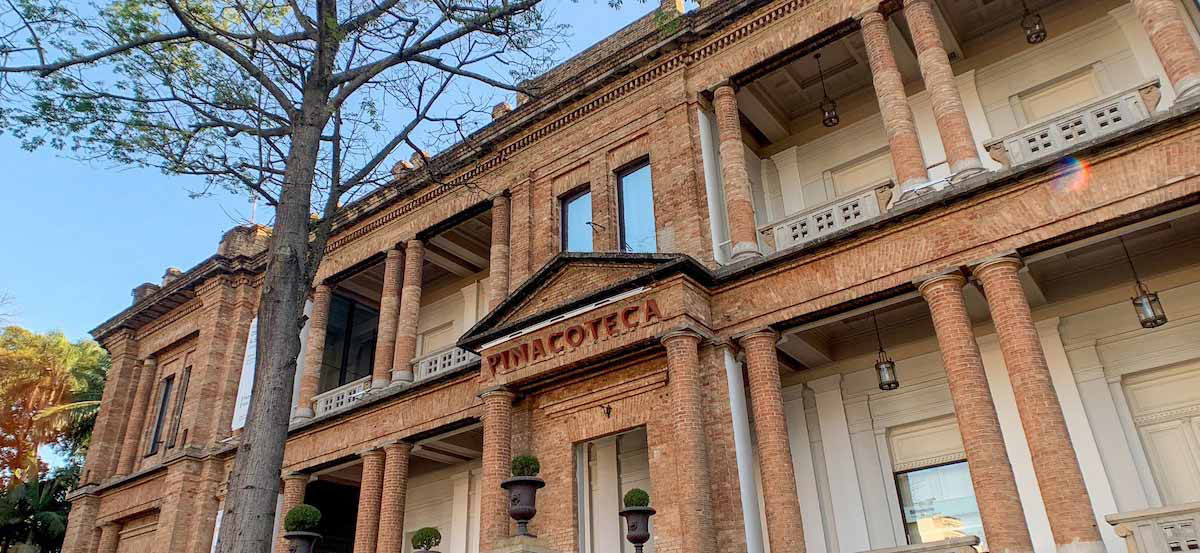
The government of São Paulo, Brazil, founded the Pinacoteca do Estado de São Paulo in 1905 to house the city’s growing collections of local and international art. As the country’s artists revolutionized the modern art movement, the Pinacoteca became a major center for the movement. Today, it houses a revolving collection of over 10,000 impressive works from Brazil’s most famous artists.
You’ll experience Brazil’s diverse and expressive art through various mediums, including world-renowned modernist paintings. The museum also features a sculpture garden and beautiful architecture, making the visit even more rewarding. Some of the museum’s top highlights include Monteiro França’s Estudo de figura feminina, Djanira’s Três orixás, and Alfredo Norfini’s classic Volta da caça de catetos. You’ll also see the museum’s modernist portrait collection by Rodrigo Bueno, Desali, and other contemporary artists.
4. Museu do Amanhã, Rio de Janeiro, Brazil
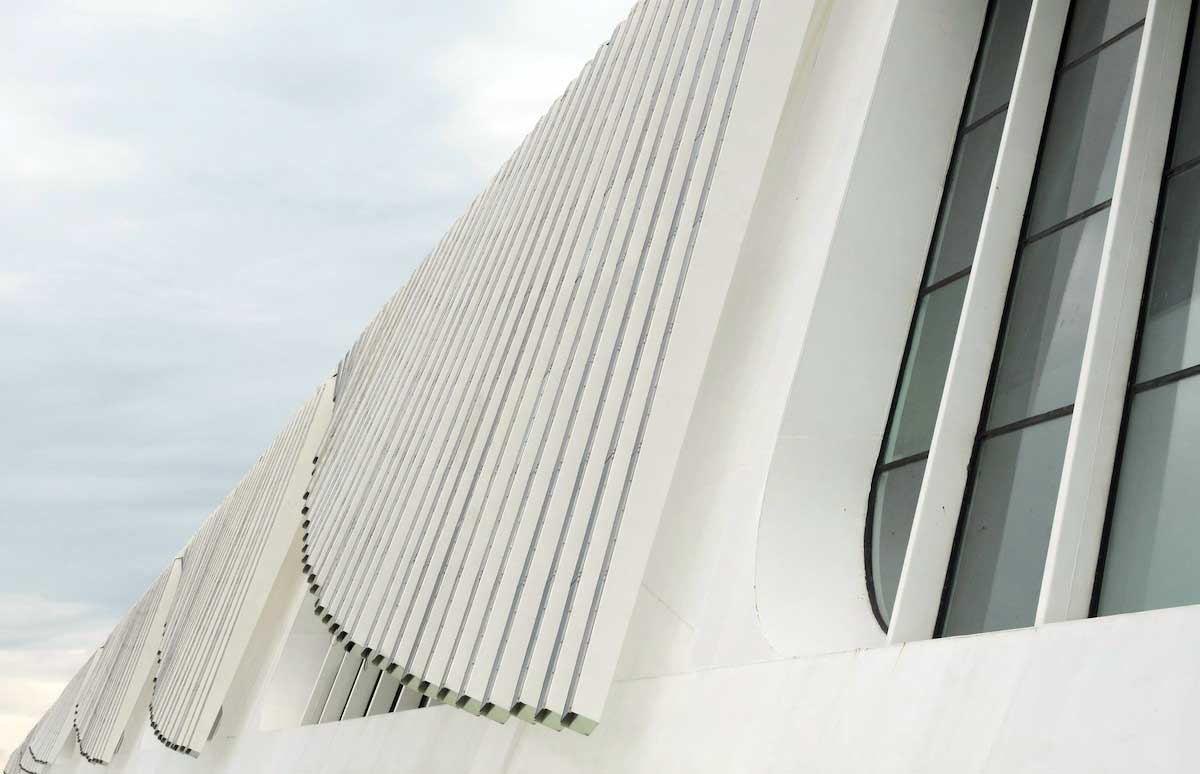
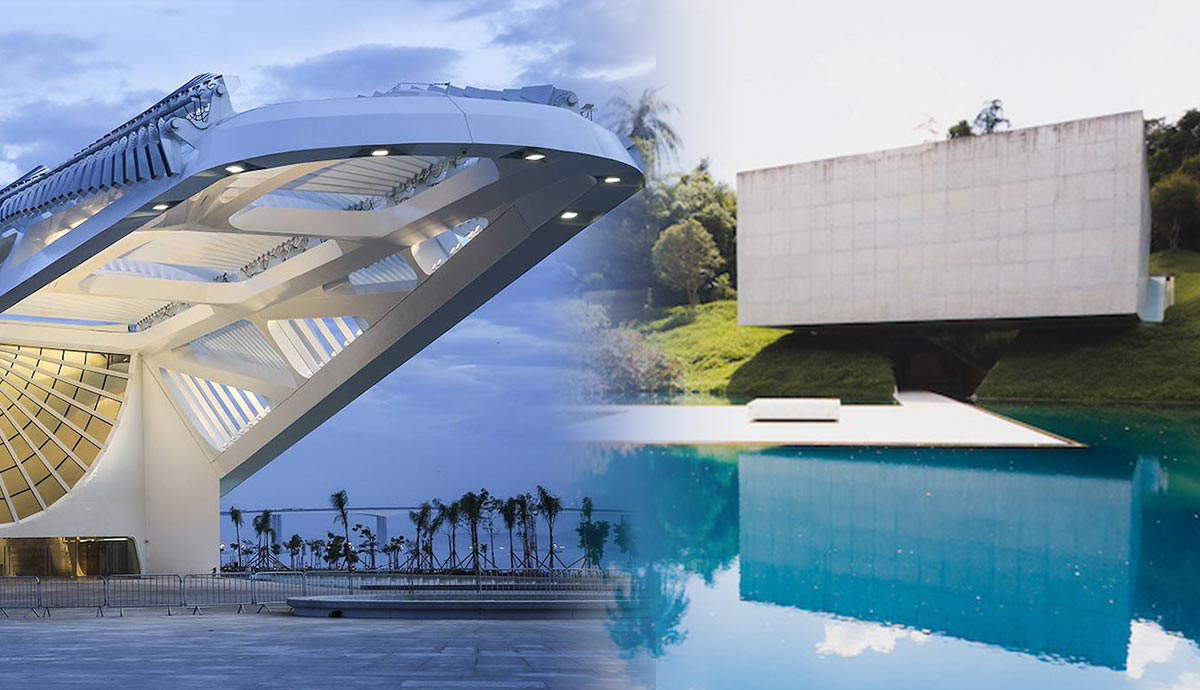
The Museum of Tomorrow (Museu do Amanhã) is a masterpiece in architecture and highlights the importance of thinking about tomorrow. Its interactive and thought-provoking collections cover our past, present, and future as a society and species. By blending science and art, it demonstrates the consequences of overpopulation, environmental destruction, and other human-made problems. Located on an artificial island in Guanabara Bay, near Rio de Janeiro’s historic port, the Museu do Amanhã looks like a neo-futuristic spaceship. It was designed by the Spanish architect Santiago Calatrava, who famously designed the Zürich Stadelhofen railway station and Madrid’s Lusitania Bridge.
Inside the museum are two floors of expansive and interactive exhibits where visitors of all ages can appreciate, learn, and touch. You can freely touch, hear, and see the exhibits while appreciating the open spaces around them. Afterward, you can end your visit by relaxing next to the museum’s infinity pool overlooking the beautiful bay.
5. Inhotim Museum, Brumadinho, Brazil
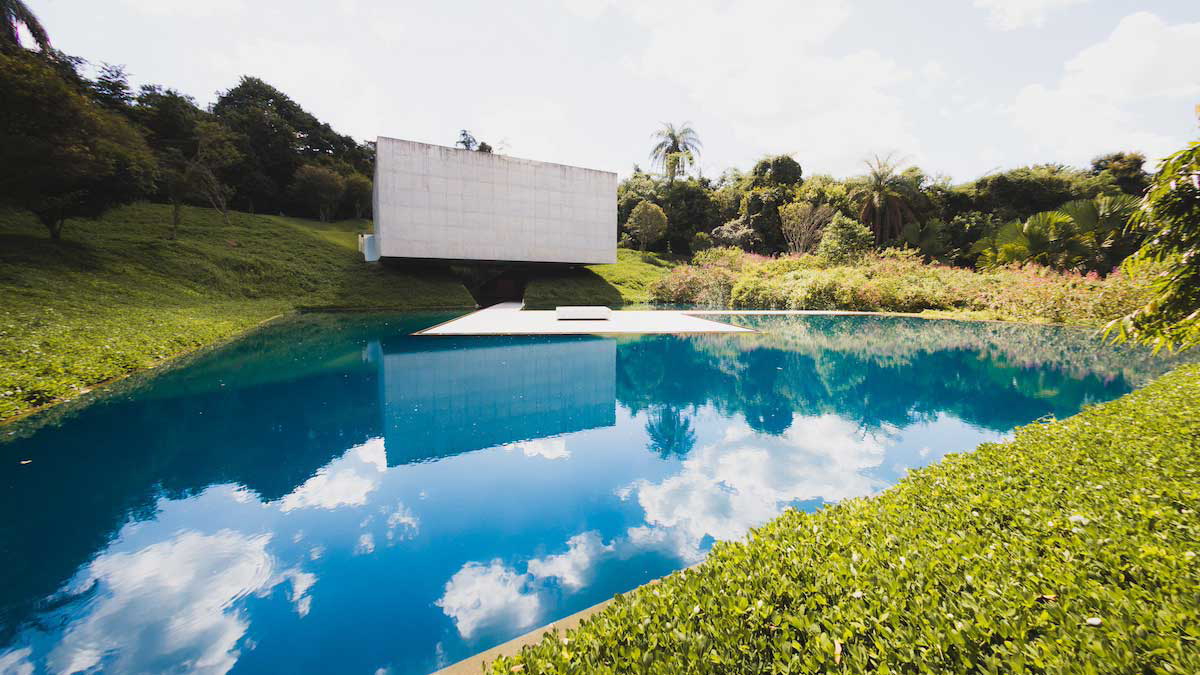
When you arrive at the Inhotim Museum, an hour away from the sprawling city of Belo Horizonte, you’ll feel like you’ve entered a fairy tale. From the lush, manicured jungle landscape to the futuristic boxy pavilions that hold the museum’s galleries, the outdoor space is dotted with prized sculptures such as Chris Burdon’s Beam Drop and unique landscaping that makes the entire outside space feel like a painting. The artificial lakes reflect the pavilions and changing sky, creating a dramatic and dynamic scene. Inside the 24 pavilions are works from some of Brazil’s top modern artists. You’ll see highlights such as the multi-medium works of Galeria Adriana Varejão by Adriana Varejão. Others include Yayoi Kusama’s Narcissus Garden and other globally beloved pieces.
6. Museo Larco, Lima, Peru
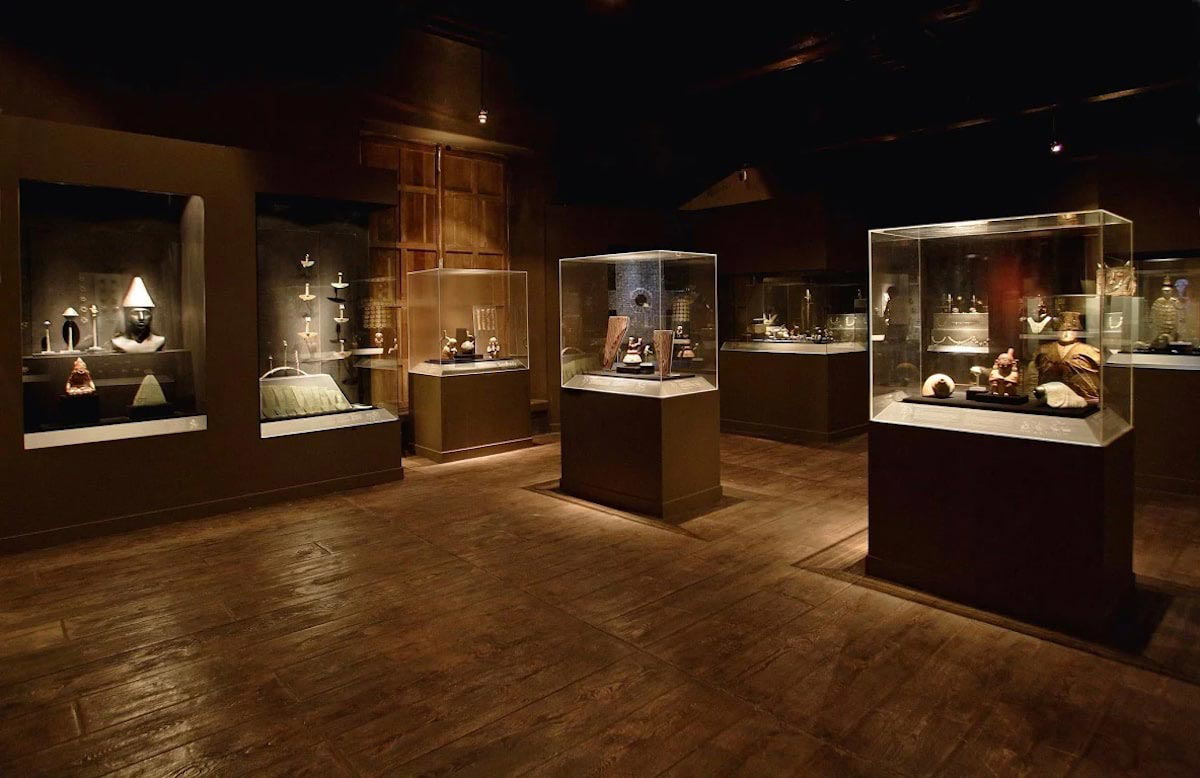
For history lovers, Lima’s Larco Museum is a place brimming with important artifacts from Peru’s history. You’ll see thousands of years’ worth of priceless headdresses, armor, pottery, and jewelry from ancient Indigenous societies like the Inca and the colonizing Spanish conquistadors. Inside are tens of thousands of artifacts with multilingual explanations and maps. The museum starts with the oldest civilizations. You’ll then follow the galleries through collections of materials and their uses, rituals, and finally the gold and silver ceremonial artifacts of the Inca.
The ground floor exhibit holds a famous collection of erotic pottery. Here, you’ll see unique objects and vessels that symbolized sex and its societal importance for the ancient societies of Peru. There’s also an extensive storage room where you can walk freely and observe the museum’s vast collection of reserve pieces. Here, the grand scale of collections will surround you so make sure to give yourself enough time to peruse the historical artifacts.
7. Museo del Oro, Bogotá, Colombia
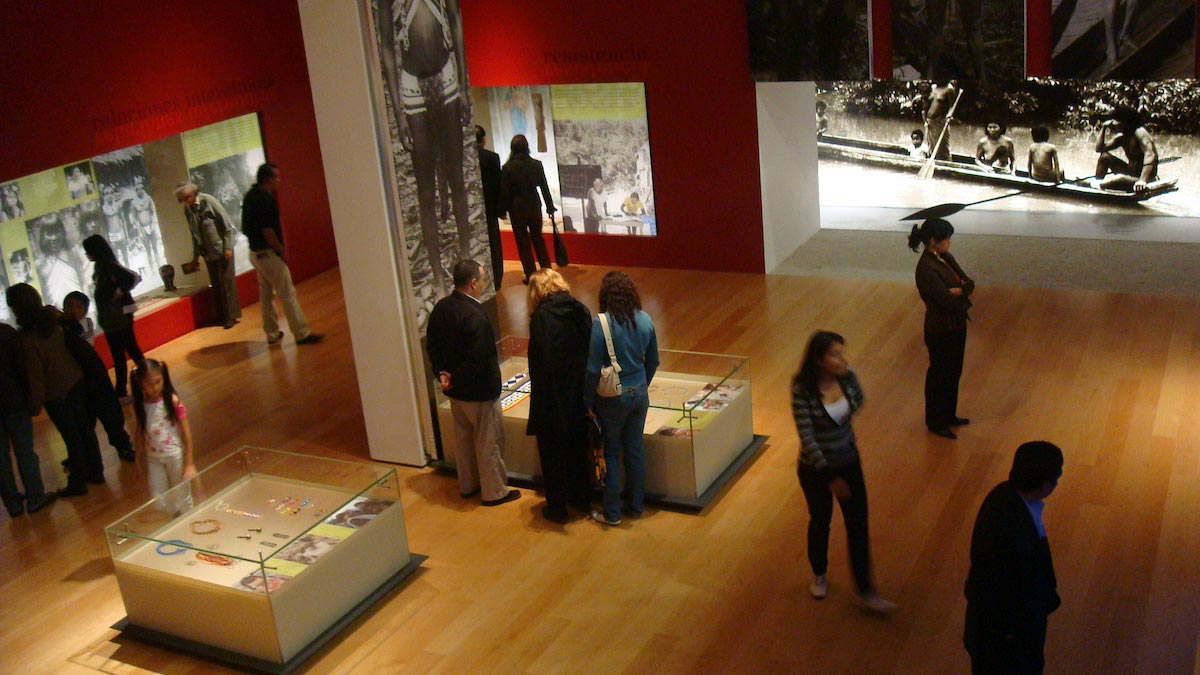
Bogotá, Colombia’s beautiful and thought-provoking Museo del Oro (Museum of Gold) has the largest collection of pre-Hispanic golden artifacts in the world. Gold was considered a sacred object in many pre-Hispanic societies. Its reflective properties looked celestial and people used it to craft religious and ceremonial objects. You’ll enjoy over 34,000 pieces of gold and other fine medals. There is a mesmerizing display of ornaments, decorations, tools, and jewelry. There are also ceremonial tools such as the historic chewing vessels for coca leaves called poporo quimbaya.
One of the highlights of the museum’s golden pieces is the Muisca Raft. This 13th to 16th-century golden sculpture helped inspire the legend of El Dorado. Set aside at least three hours for the museum. When you’re done, you can cross the street to visit the International Emerald Museum, another popular historical museum in downtown Bogotá.
8. Chilean Museum of Pre-Columbian Art
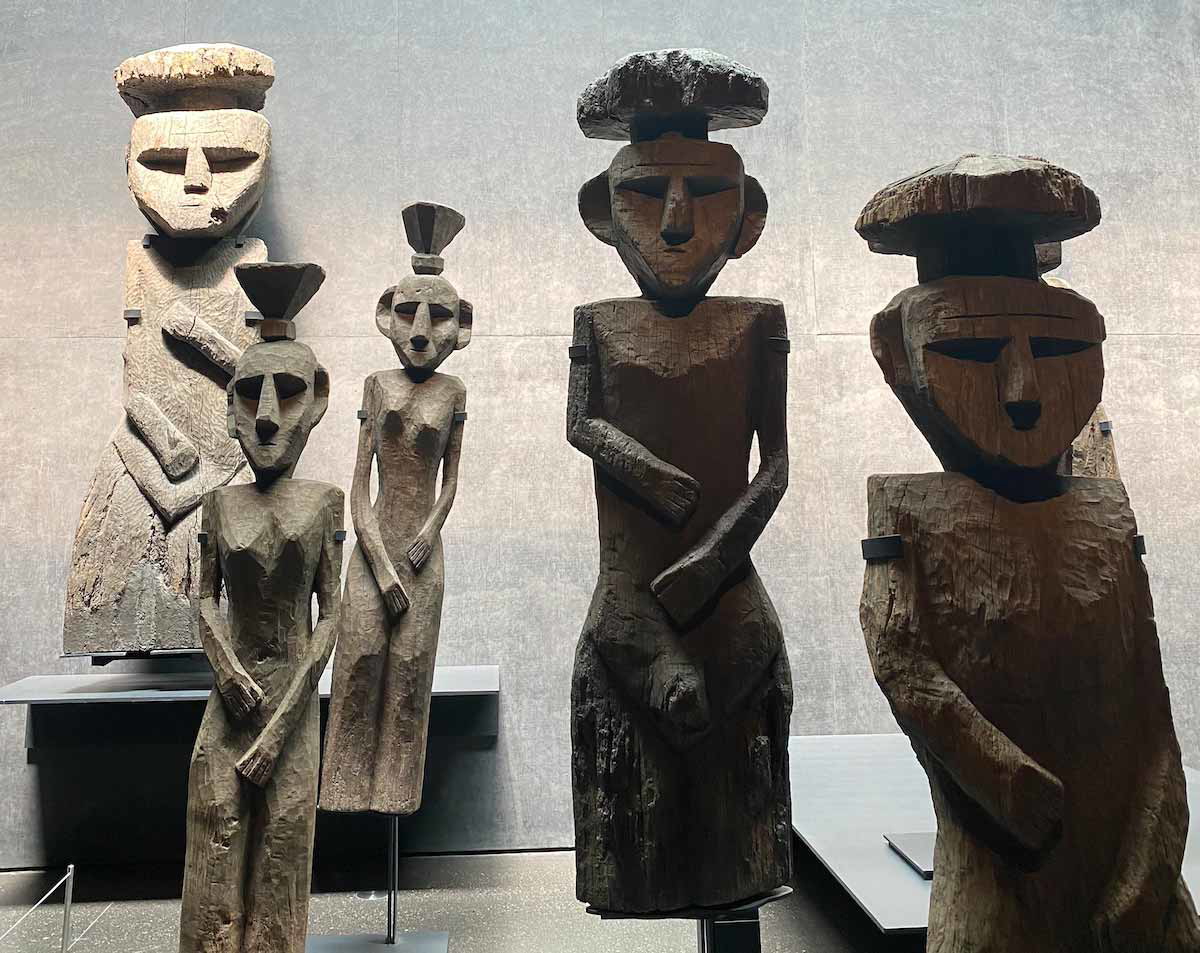
To experience over 10,000 years of South American history and art, you can visit one museum, Santiago’s Chilean Museum of Pre-Columbian Art. This impressively large and well-curated museum holds priceless artifacts, paintings, sculptures, and other artwork. The museum started from the private collection of collector Sergio Larraín García-Moreno. Garcia-Moreno wanted to donate his collection to preserve it for the public and the Indigenous cultures of Latin America. In 1981, his dream came true when the government of Chile built the museum which quickly became one of Latin America’s most beloved historical collections. When you visit, you can see all forms of mediums from pottery to weaving. The museum’s collections span the entire breadth of South America and cover millennia of artistic traditions and cultures.
9. Inka Museum, Cusco, Peru

Although small, this impressive museum in the city of Cusco is one of the continent’s most impressive. It houses thousands of artifacts and art pieces made during the Incan Empire and before its formation. You’ll see collections of artifacts uncovered in Inca sites across the country. One of the most popular sections of the museum is the artifacts from Machu Picchu, which include ceremonial tools, pottery, and farming equipment. Other highlights include weavings and well-preserved ornaments.
The museum is located inside the historical Casa del Almirante. The 16th-century building was built atop original Inca stonework. You can see the Spanish cloisters and much of the original Inca structure at the base. For history and architecture enthusiasts, this museum is well-worth the visit.
10. Astronomical Observatory of Quito
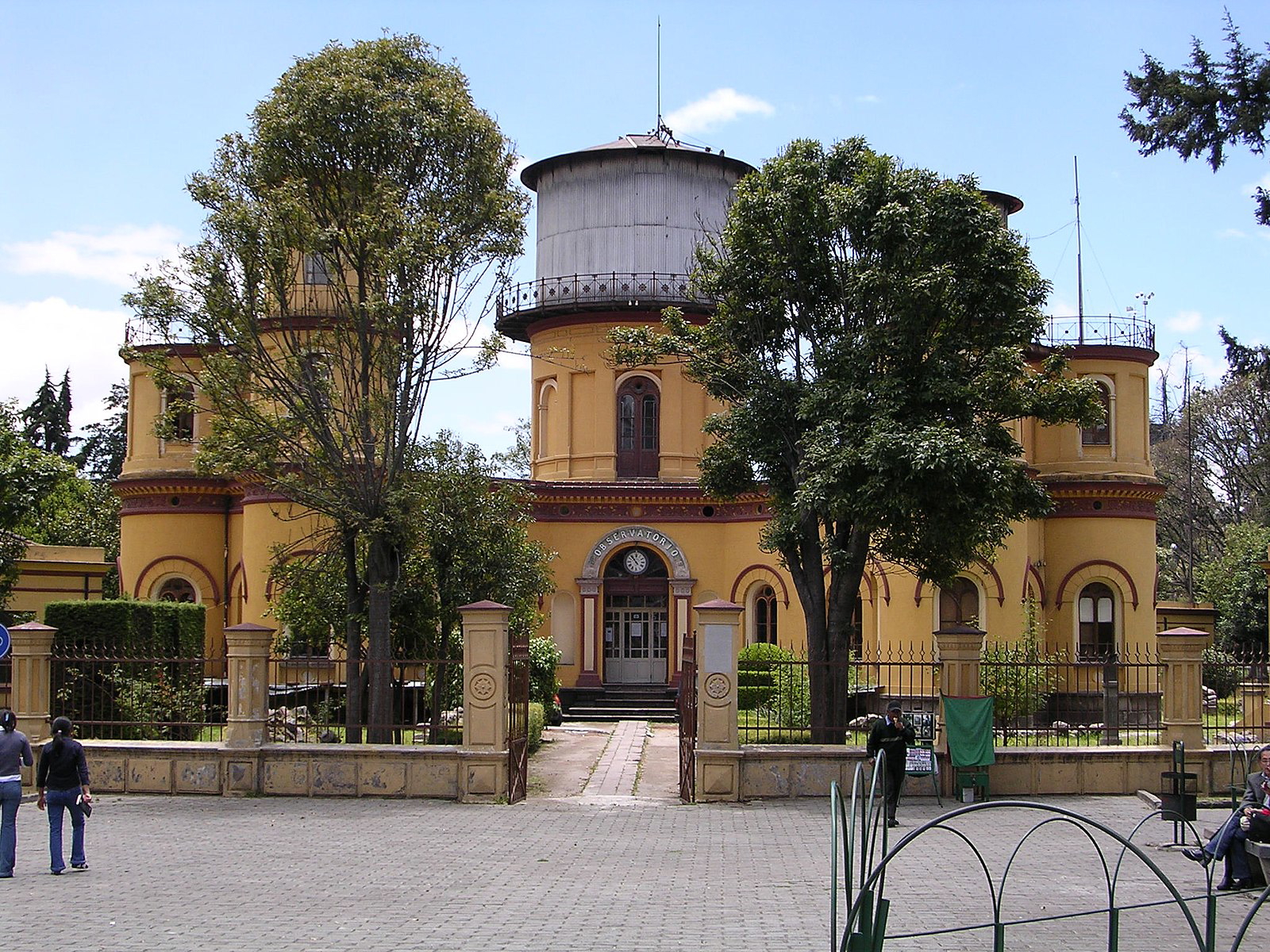
In the high-Andes city of Quito is the oldest observatory in the Americas. The Astronomical Observatory of Quito was built in 1873. It’s a Victorian building with three turrets that once functioned as a unique equatorial platform for observing the stars. This made it incredibly valuable for Victorian-era astronomers. Today, the observatory is a museum, dedicated to the history of Astronomy and the observatory’s contributions to science. You’ll see instruments such as Georg Merz’s original 9” equatorial refractor and some of the original telescopes used in the observatory’s studies. Other instruments were used by the French Geodesic Mission and other scientists at the beginning of the 20th century. After visiting, you can enjoy the beautiful natural surroundings of Parque La Alameda which surrounds the observatory.