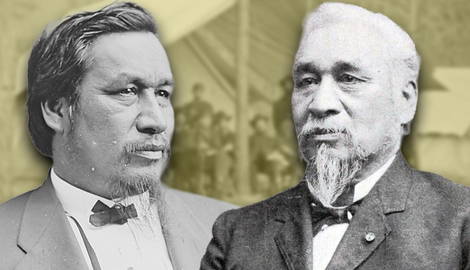
Truly a man of two worlds, Ely S. Parker made his mark on both. As a cultural and educational leader and advocate within his tribe, the Seneca, Parker fought to promote the survival of his people’s way of life. Facing discrimination throughout his life, Parker persisted, becoming an accomplished engineer, military man, and politician. The myriad challenges he dealt with along the way didn’t seem to discourage his progress, and Parker himself had an impressive impact on many of his contemporaries and the hallmark events of 19th-century America.
Born in a Buckboard
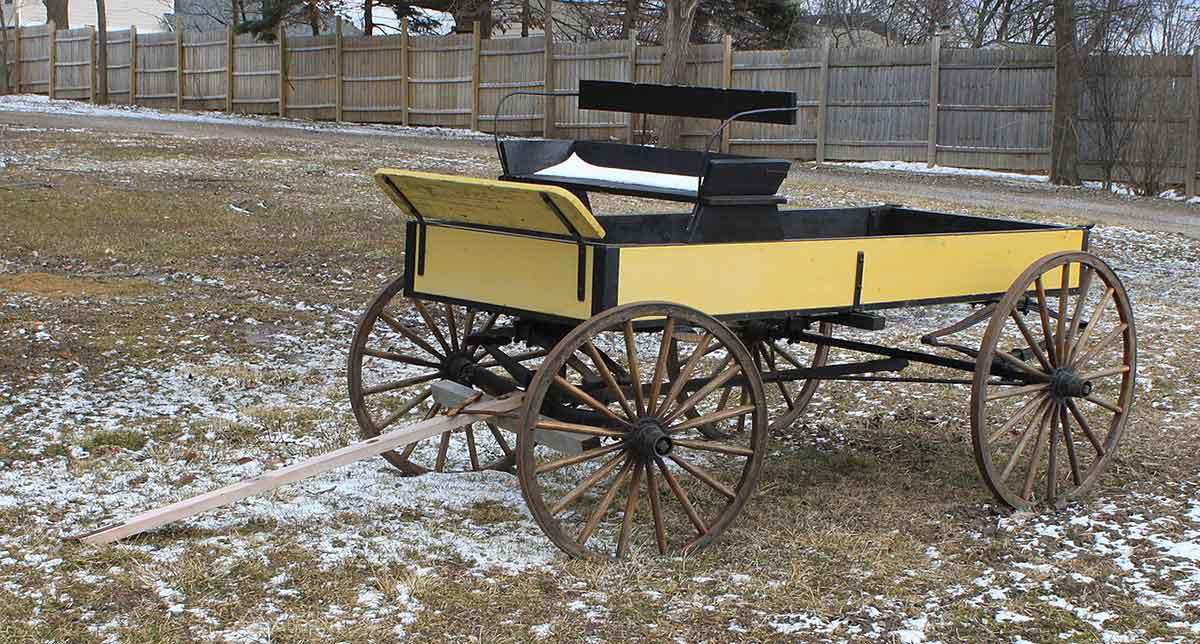
Ely Samuel Parker’s entrance into the world was an exciting one, taking place as his parents took a rough buckboard wagon ride back home to the Tonawanda Reservation in New York State. William and Elizabeth Parker were members of the Wolf Clan of the Seneca Nation, a culture in which their new son would be raised. Parker was born Hasanoanda in 1828 and later changed his name to Ely when he attended a mission school. Ely was the Parker’s fourth of seven children and was one of the six who survived to adulthood.
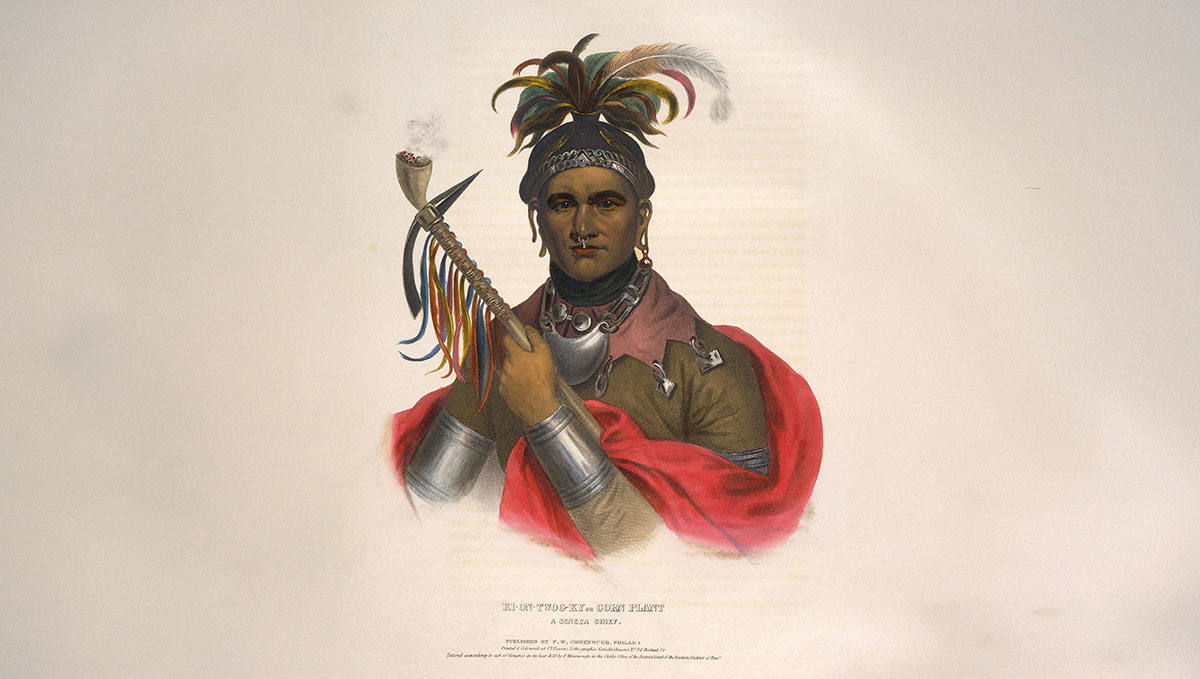
The Seneca people were part of the Haudenosaunee Nation, a group of allied Indigenous tribes that lived in the New York area at the time of Parker’s birth. The Parkers decided to raise their son in Haudenosaunee traditions but also thought it important that he receive an American education to be successful in a changing world, so they sent Ely to a Baptist mission school to be educated. Ely was an excellent student and mastered the English language along with traditional Seneca. His ability to communicate in both tongues was useful and thrust him into a leadership role when he was only a teenager.
The American government threatened to remove the Seneca people to westward reservations, much like they had removed the Indigenous people in the Southeast to Oklahoma in the 1830s. To face this threat head-on, the Seneca people needed to understand treaties and propositions written in a foreign language. At just 14, Ely was appointed as a translator and scribe for Seneca leaders who were corresponding and meeting with US officials.
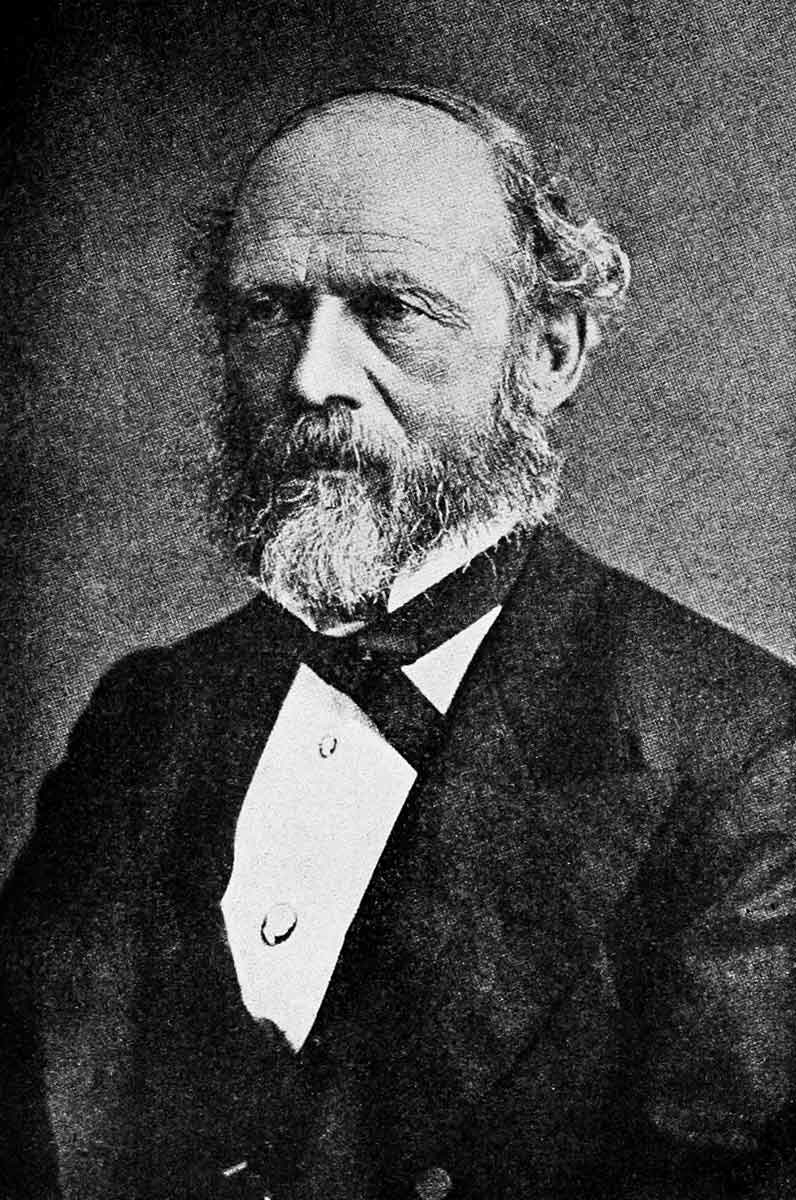
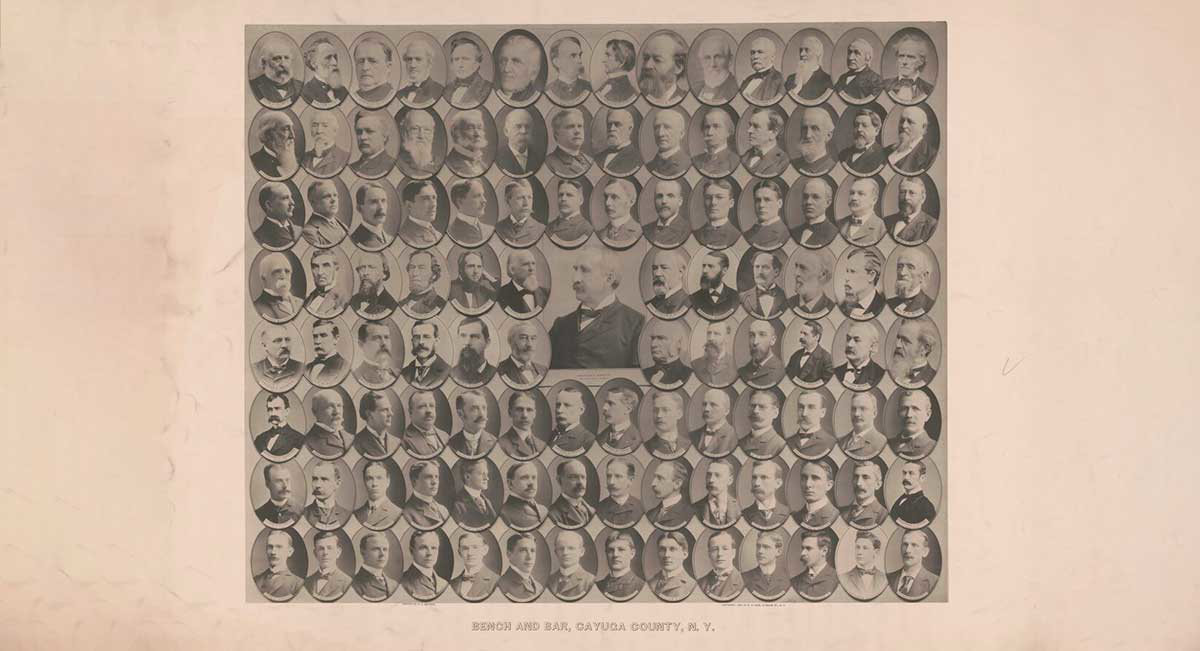
Ely’s educational experience was further expanded when anthropologist Lewis Henry Morgan sponsored his admission to Cayuga Academy, a renowned whites-only prep school. Despite facing racial harassment during his time at the school, Parker excelled and became well-known for his excellent oratory and debate skills. He continued to assist his people in protecting themselves from the US government’s efforts at encroachment and eventually had the opportunity to travel to Washington, DC, to advocate for the preservation of his people’s reservation.
Finding a Professional Path
Once he had completed his education, Parker began considering where his career path might lie. He had an interest in the law and began legal studies at the law offices of Angel and Rice in Ellicottville, New York. However, when Parker applied for the New York State Bar, he encountered a roadblock. The New York Supreme Court had ruled that only natural born or naturalized United States citizens were eligible for admission to the state bar. As a Seneca, Parker met neither of those qualifications.
With help from Morgan, he studied civil engineering at Rensselaer Polytechnic Institute and obtained a new job in 1850. He worked on the expansion of the Erie Canal, where he became more entrenched in day-to-day white society. However, he maintained his roots to his people and was named a Sachem of the Six Nations Confederacy in 1851. With his new role, Parker was given a new name: Donehogawa, meaning “Keeper of the Western Door,” due to his role as a liaison to the white world.
Parker continued this effort despite the US Congress refusing to allow his people to keep their homeland. He used his legal knowledge to help bring four lawsuits against land companies that were pursuing the Seneca lands. Two of these cases brought legal decisions in favor of the Seneca, and the Senate revised their plans. The Seneca were able to use the resources earmarked for their Kansas removal to “buy back” over seven thousand acres of the Tonawanda Reservation.
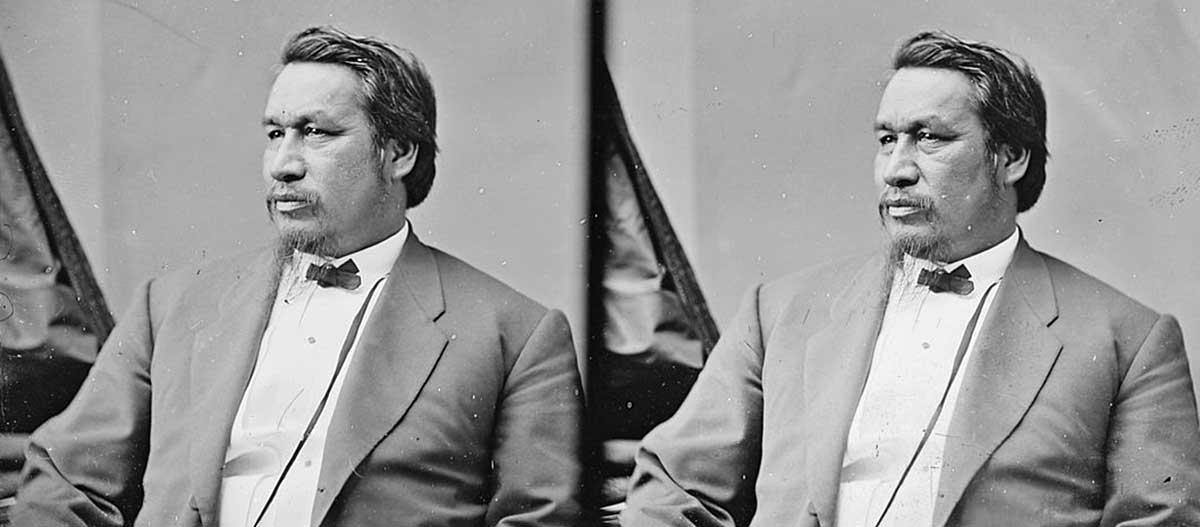
Parker continued working in engineering and eventually earned a job as an engineer for the US Treasury Department. In 1857, he was in Galena, Illinois, to oversee the construction of the US Customs building. There, he met a former Army officer who was working as a clerk in a family store: Ulysses S. Grant. The two struck up a lifelong friendship.
Uncivil Treatment
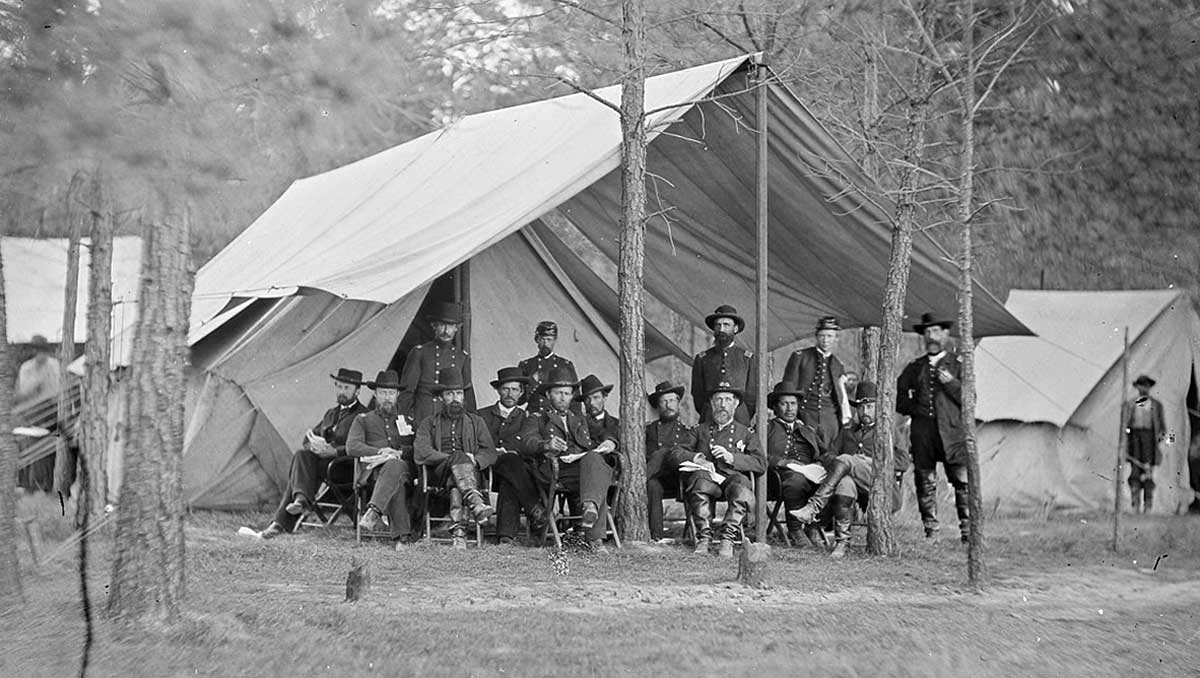
When the American Civil War broke out in 1861, Parker attempted to enlist in the Union Army and encouraged several other Haudenosaunee men to sign up with him. However, the men were turned away due to their race, with Secretary of State Willliam Seward stating this was “an affair between white men.” After repeatedly being turned away, in 1863, Parker finally received a commission to the United States Army.
He worked first as an army engineer, then as a military secretary for Grant, who had rejoined the army at the onset of the war. As Grant rose to the position of commander of the entirety of the Union Army, Parker accompanied him, eventually rising to the rank of lieutenant colonel.
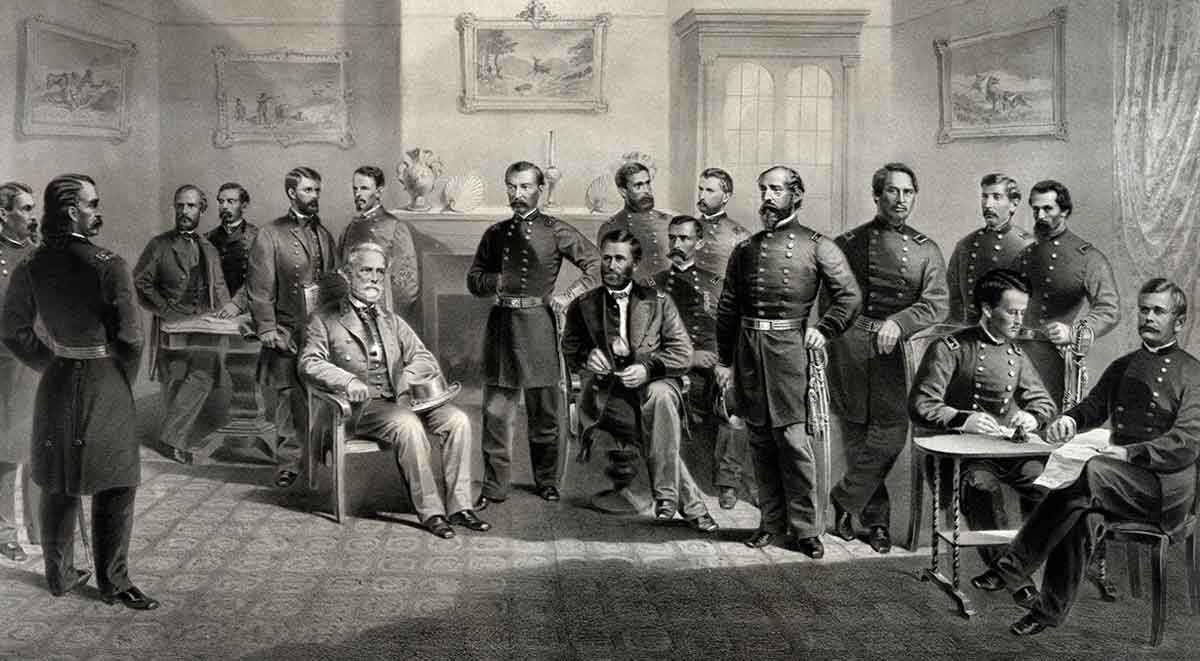
Parker was instrumental in the surrender that took place at Appomattox Courthouse in 1865. He drafted the official copy of the terms of surrender. During the meeting in which the document was signed, Confederate General Robert E. Lee made the comment to Parker, “I am glad to see one real American here,” to which Parker responded, “We are all Americans, sir.”
After the conclusion of the war, Parker continued working with Grant in the army and served as a consultant for new “Indian policies” as the military focus shifted from the Civil War to assimilating tribes in the West. His work with the US government drew criticism among some of the Seneca people who had once seen him as their champion.
Parker’s marriage to a white woman, Minnie Sackett, in 1867 unsettled his critics in the Seneca and white worlds alike. Marriage between different races wasn’t officially legalized until the twentieth century. Ely and Minnie had one daughter, Maud.
On to Washington
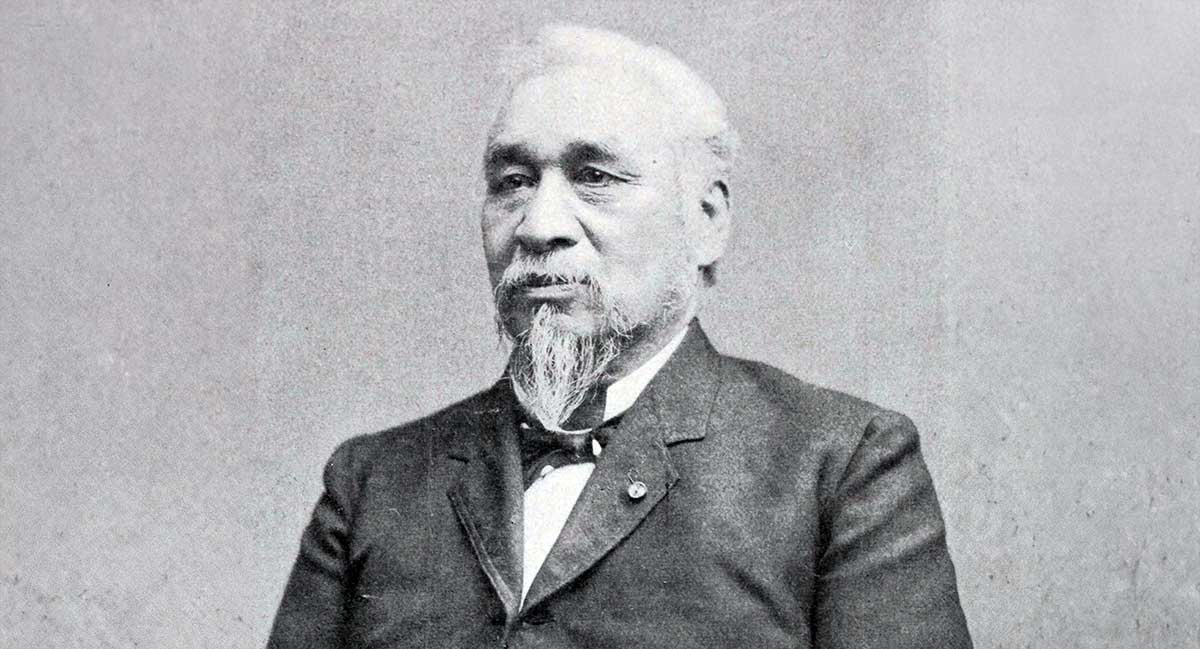
When Grant took the presidency in 1869, Parker was appointed as the first Native American cabinet member when he became the first Native American Commissioner of Indian Affairs. He was heavily involved with President Grant’s “peace policy” toward Indigenous tribes. While Grant and Parker hoped to protect Indigenous interests, they found many obstacles in their way. However well-meaning these policies were, corruption within the government led to increased assimilation measures and little consideration for Indigenous culture. Despite his accomplishments in the army, Parker continued to suffer from racism in his government job. He was accused of fraud, with opponents claiming he misdirected funds that were intended for reservation use for his own personal gain. While these proved to be simple attacks from racist political enemies, they frustrated Parker’s work. He was found innocent of all charges by an 1871 Congressional committee but lost many powers within his office and decided to resign.
Minnie and Ely moved to Fairfield, Connecticut, and Parker proved himself adept in business. He built quite a fortune in the stock market, but the economic Panic of 1873 hit his finances hard. He attempted to go back to engineering but found that his skills had aged with the advent of rapidly growing technologies.
Ely eventually found a steady job as a desk clerk for the New York Police Department. He stayed busy as a devoted father and took some public speaking gigs for extra cash. His health suffered in his final years as he dealt with kidney issues, diabetes, and multiple strokes. Ely Parker passed away in his sleep on August 31, 1895. He was buried with full military honors in Connecticut but was later re-interred in New York.
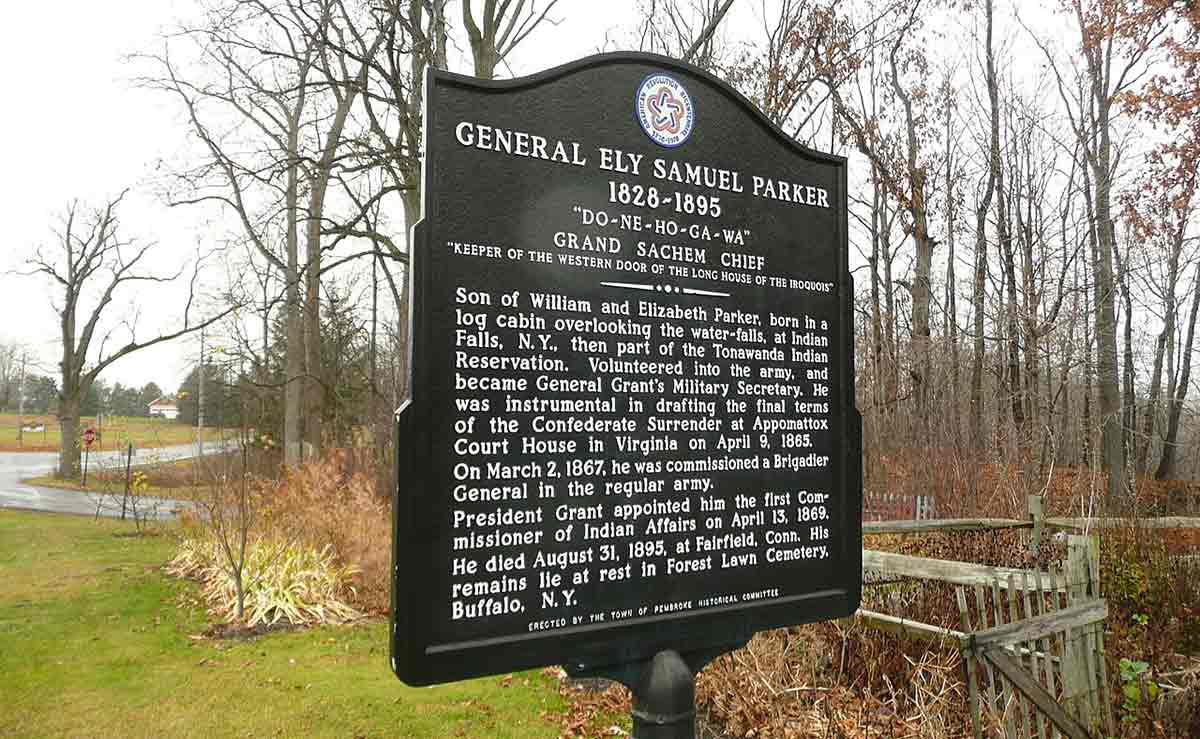
Subjected to blatant racism despite his achievements in a variety of arenas, Ely Parker walked a troubled line between two worlds. At home in both, yet still not quite fitting in, he was viewed with both admiration and suspicion. Skilled in numerous areas, he used his abilities to help advance both his people, the Seneca, and the future of the country as a whole. Parker was a groundbreaking speaker, engineer, military man, but most of all, a leader for a young America.