Summary
- Ezra’s primary mission was community reform, calling the people back to obedience to the Mosaic laws.
- Persian kings, like Cyrus the Great, issued decrees that allowed the Jews to return and rebuild the Temple.
- The Book of Ezra details two returns: Zerubbabel rebuilt the Temple, while Ezra later reformed the people.
- Key themes include God’s promise of restoration, the need for obedience to the Law, and enduring opposition.
Ezra features only in the last four chapters of the book named after him. The first section relates how the kings of Persia decreed the reconstruction of the Temple and how Zerubbabel oversaw the reconstruction efforts as governor. The process was interrupted by people who either did not approve of the rebuilding or were offended that they were not allowed to assist. Ezra, who features from chapter seven onward, focused on having the people obey the Mosaic laws, especially as it relates to marriage.
Authorship and Date
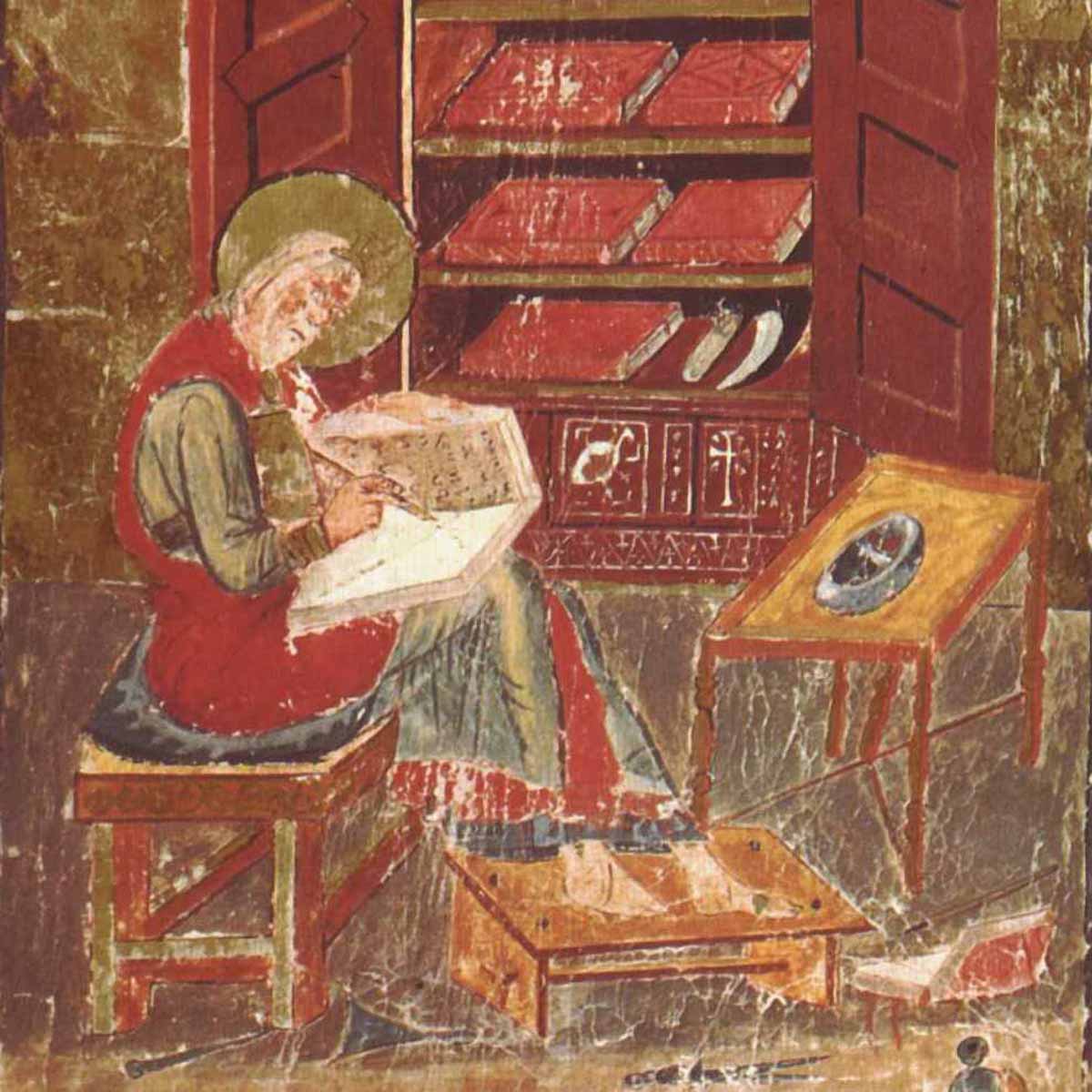
The Book of Ezra does not mention who the author was, but Jewish tradition holds that Ezra wrote the work. The book confirms this view. Ezra appears in chapter seven, and the language changes from the third person to the first.
Scholars tend to believe the authorship of Ezra is much more complex. They recognize the pivotal role Ezra played in the reconstruction of Jerusalem and the Temple, but they do not consider him the author. They argue that the Book of Ezra was a long process, where several people contributed to the writing over many years. To them, Ezra is a compilation that editors put together in post-exilic times. Some scholars suggest that the priestly tradition posited by the Documentary Hypothesis may have influenced the Book of Ezra.
The events described in Ezra date from the beginning of the 5th century BC to the late 4th century BC. Depending on the traditional or scholarly view, Ezra wrote during that time or closer to the beginning of the 4th century BC.
Historical Context
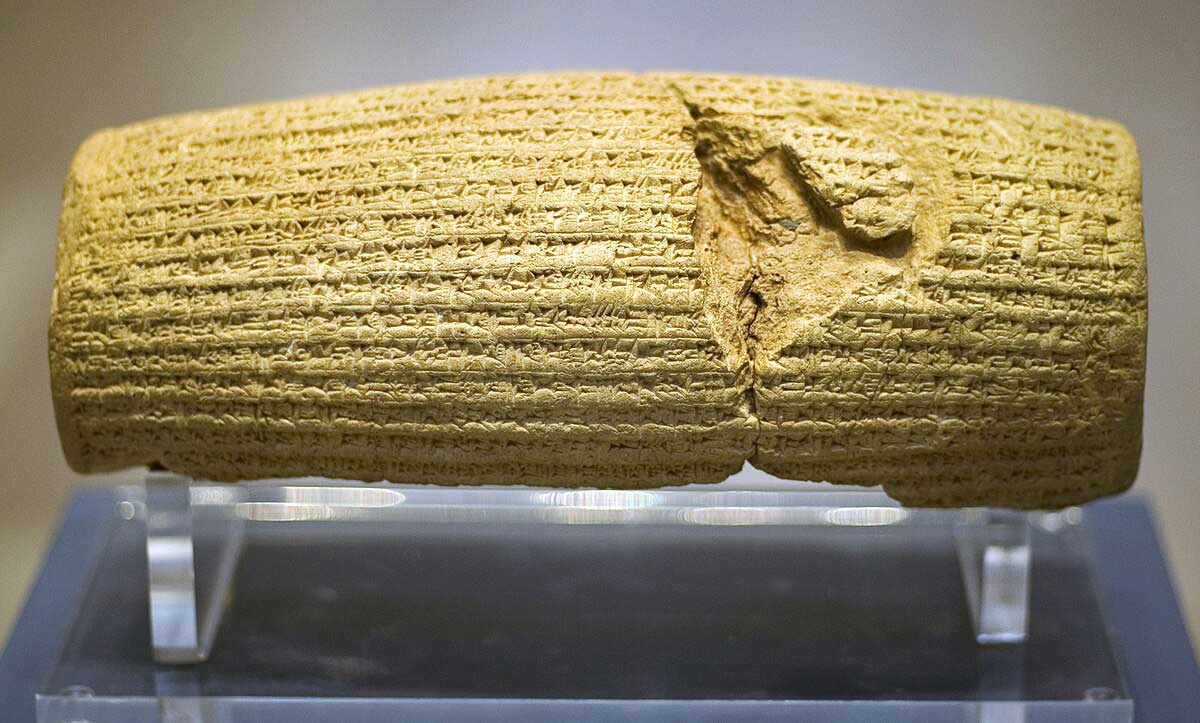
After the Babylonian exile of many of the people of Judah, the Babylonians faced threats to their empire. The Persian Empire conquered Babylon in 539 BC, and the record on the Cyrus Cylinder, named after the Persian king at the time, Cyrus the Great, attests to that fact.
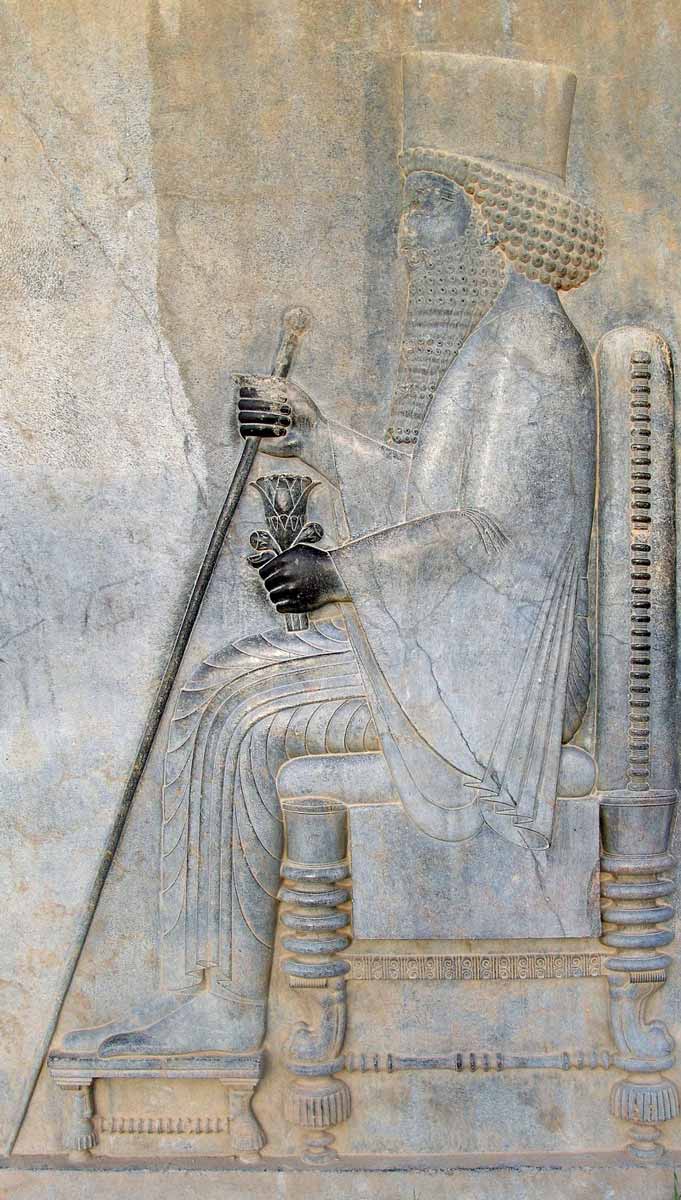
The Persians had a significantly different approach to how they treated subservient nations. The decrees of Cyrus, Darius, and Artaxerxes allowed Jews to return to their native country and rebuild the Temple.
The Cyrus decree saw some Jews return to rebuild the altar and resume with sacrifices. The rebuilding of the Temple complex, however, was neglected. The Darius decree was a repeat of the Cyrus decree (Ezra 6). Reconstruction of the Temple began under Governor Zerubbabel in 520 BC, with Haggai and Zechariah serving as prophets. They rebuilt the physical structure, though the full system of services was not yet in place.
Artaxerxes issued the third decree because the first two did not fully restore the worship of Israel. The third decree, issued by Artaxerxes I, allowed Ezra to return to Jerusalem with exiles who were willing to do so. It granted them safe passage for the trip and provided funding and provisions for the construction process with additional support when required. The decree gave Ezra authority over the Jewish community in Jerusalem and put him in charge of the necessary reform to reestablish the worship system associated with the Temple. In addition, The Persians would not tax them, which would bolster the rebuilding of the structures and Jewish society. Ezra 7:12-18 provides the details of the decree.
Structure
First return of the Jews and reconstruction of the Temple (Ezra 1-6)
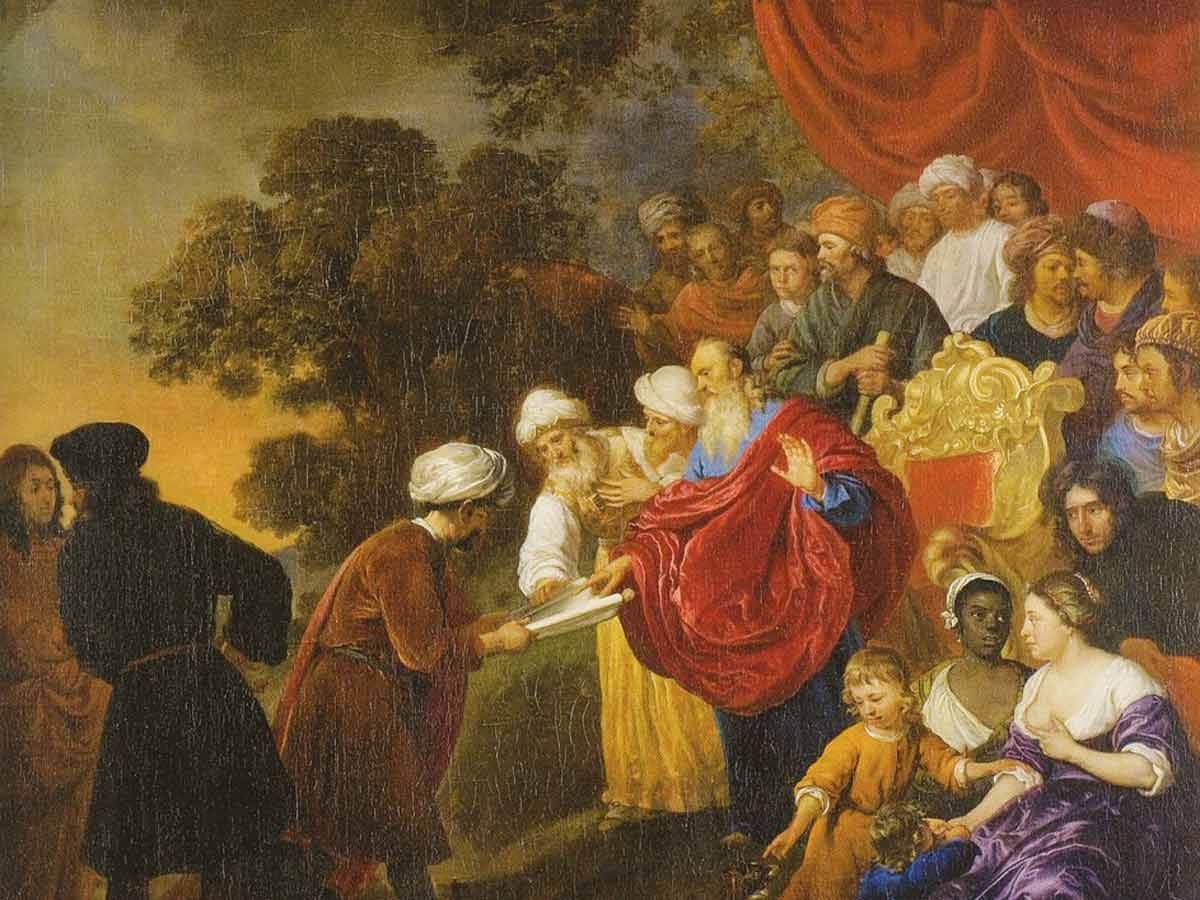
When Cyrus allowed Jews who were willing to return to Jerusalem and restore the Temple, only a remnant agreed to do so. They returned under the leadership of Zerubbabel, who the King of Persia appointed governor to oversee the reconstruction. They rebuilt the altar and laid the foundations for the Temple, but the construction efforts ground to a halt. They did, however, reinstitute the sacrifices.
They faced considerable opposition from people in the region and even the people of Judah, who did not go into exile. When Zerubbabel refused to let them assist with the building project, they undermined the construction efforts. A letter sent to the King of Persia resulted in the king ordering the reconstruction to cease.
Later, Darius allowed reconstruction to continue, and the returnees completed the work in the sixth year of his reign. Shortly thereafter, the returned exiles celebrated Passover on the appointed day.
Second return and reconstruction of the Jewish community (Ezra 7-10)
Artaxerxes, King of Persia, appointed Ezra as leader of returning exiles to Judah. On his arrival, he learned that the community in Jerusalem had not implemented the laws of Moses and was intermarrying with other nations. He worked toward reform in Jerusalem and Judah, calling on a return to upholding the laws of the Torah in all aspects of life.
Main Themes
Restoration
God promised to restore his people when the prophets warned them they would go into exile. Most passed away in exile and did not see that promise fulfilled. The next generation, however, had the opportunity to return from their own volition. The exiles who returned believed that there was a future for them in their native land. Others decided to remain in a foreign land and assimilated with the local populations. The returnees believed in God’s promises of restoration and prosperity that would follow.
Obedience to the Law
Ezra called the returnees to obey the Mosaic laws. It was because of disobedience to the Law that they went into exile in the first place, and they were in danger of making the same mistakes again.
Endurance during hardship
Rebuilding the Temple and the walls of Jerusalem was difficult when so many people opposed the work. Endurance is an essential characteristic for success in such a time. The returned exiles, though they needed prompting to get to work in some cases, faced the challenge and pushed through to complete the work God had given them to do.
Key Passages
Ezra 1:1-2
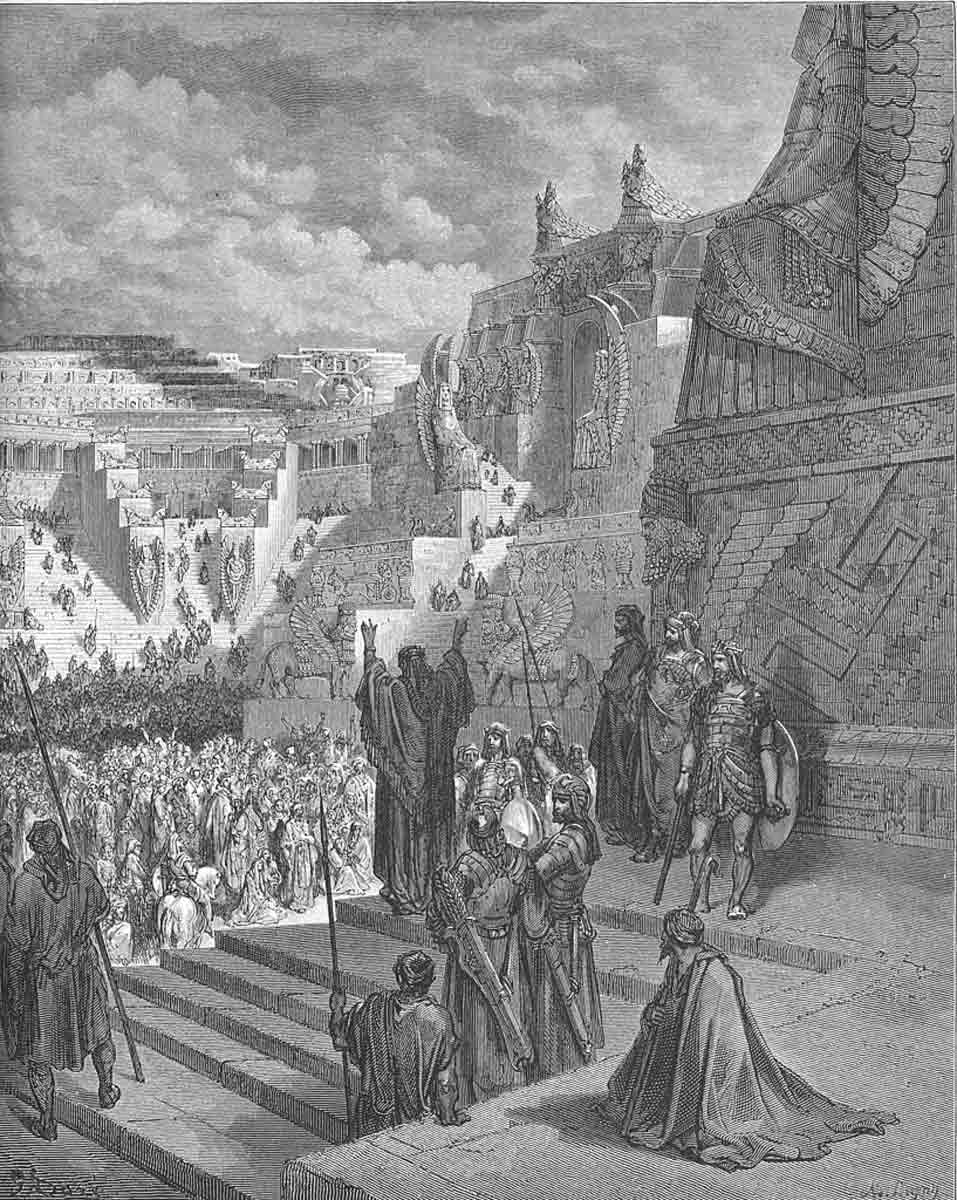
“In the first year of Cyrus king of Persia, that the word of the LORD by the mouth of Jeremiah might be fulfilled, the LORD stirred up the spirit of Cyrus king of Persia, so that he made a proclamation throughout all his kingdom and also put it in writing: ‘Thus says Cyrus king of Persia: The LORD, the God of heaven, has given me all the kingdoms of the earth, and he has charged me to build him a house at Jerusalem, which is in Judah.’”
If Isaiah wrote the Book of Isaiah, then Cyrus was named as a person God appointed to free his people from Babylonian exile at least a century before he was king (see Isaiah 44:28 and 45:1). According to Ezra, Cyrus considered it a duty God gave him to have the Temple reconstructed in Jerusalem. It shows the sovereignty of God to use kings from pagan nations to fulfill his purposes. By God’s intervention, a pagan king provided much of the resources needed for the reconstruction project.
Ezra 4:3
“But Zerubbabel, Jeshua, and the rest of the heads of fathers’ houses in Israel said to them, ‘You have nothing to do with us in building a house to our God; but we alone will build to the LORD, the God of Israel, as King Cyrus the king of Persia has commanded us.’”
Zerubbabel’s refusal to allow non-returnees to assist with the construction of the Temple resulted in much opposition. In retaliation, the offended parties went to great lengths to derail the construction project.
Ezra 6:14
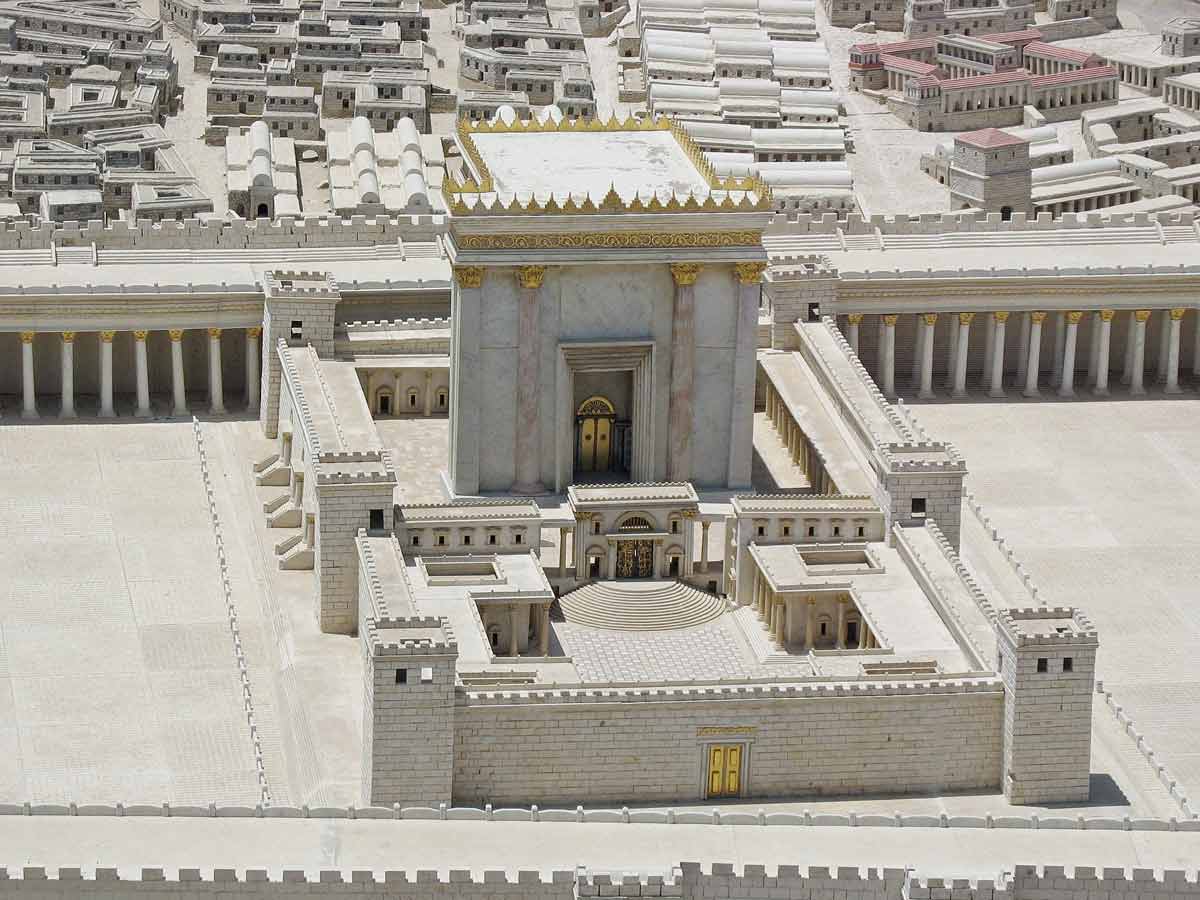
“And the elders of the Jews built and prospered through the prophesying of Haggai the prophet and Zechariah the son of Iddo. They finished their building by decree of the God of Israel and by decree of Cyrus and Darius and Artaxerxes king of Persia; and this house was completed on the third day of the month of Adar, in the sixth year of the reign of Darius the king.”
The books of Haggai and Zachariah contribute to understanding the challenges the leaders and returned exiles faced during the construction of the Temple. The fact that three decrees were needed to achieve the result testifies to the difficulties the project faced.
Ezra 7:10
“For Ezra had set his heart to study the Law of the LORD, and to do it and to teach his statutes and rules in Israel.”
Ezra was a priest and, therefore, a scholar of the Torah. To him, the returned exiles needed to obey the laws of God. He went to extreme measures to enforce the laws on marriage that, when the people disobeyed them in previous generations, contributed to the practice of idolatry among the people of Judah.
Ezra 10:18
“Now there were found some of the sons of the priests who had married foreign women: Maaseiah, Eliezer, Jarib, and Gedaliah, some of the sons of Jeshua the son of Jozadak and his brothers. They pledged themselves to put away their wives, and their guilt offering was a ram of the flock for their guilt.”
The sons of the priests who had married foreign women had to set them aside even though some had children (Ezra 10:44). This was necessary for the purification of the nation.
Contemporary Relevance
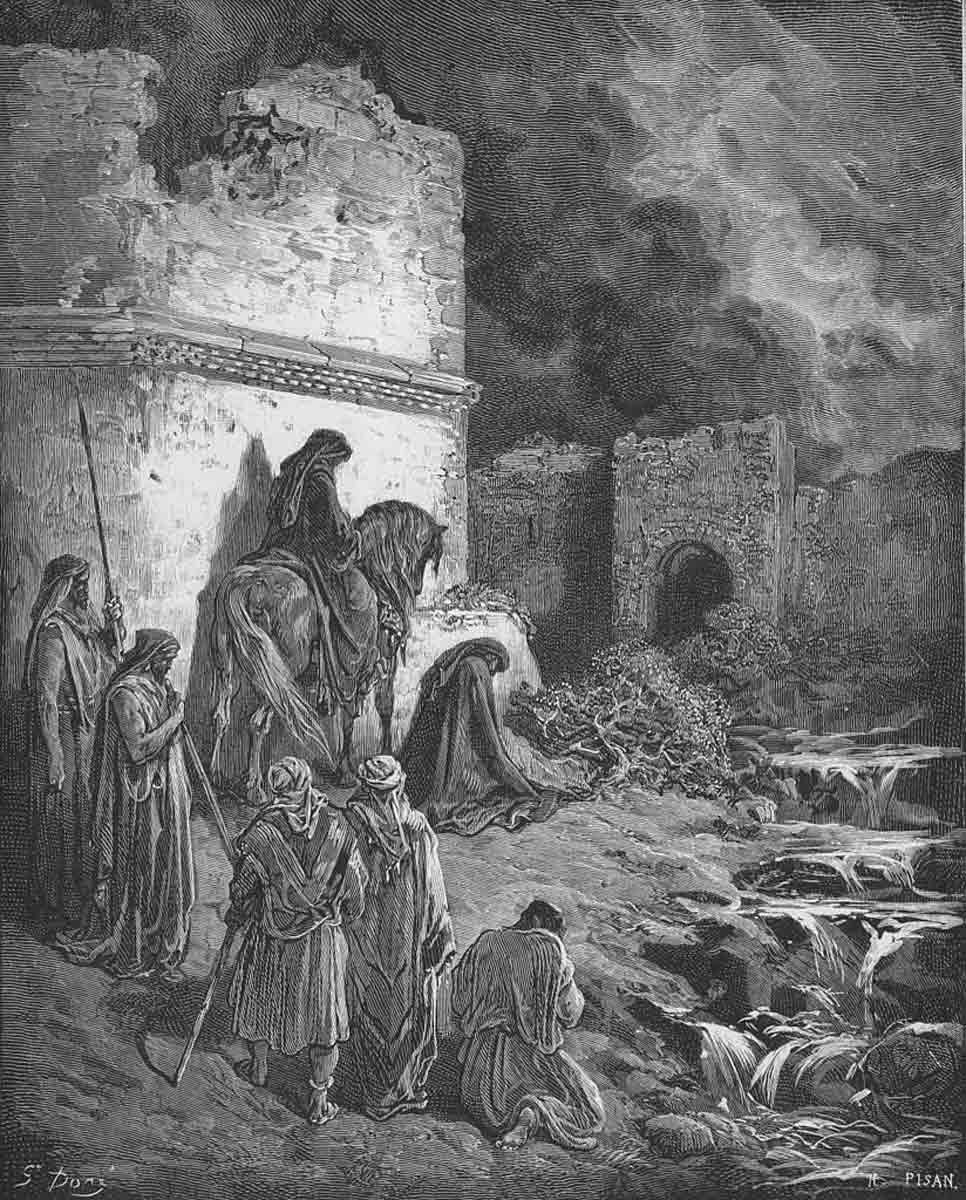
The contemporary reader will see the faithfulness of God in keeping his promises. His people returned to their native land and rebuilt the Temple, as God had his prophets prophesy before Judah went into exile. The reader will also see how the Jews had a propensity to recommit the sins their forefathers had committed. These are principles that apply today. For Christians and Jews, God remains faithful to his promises and wants to restore believers of every generation. Believers of every generation tend to commit sins of the past again. Ezra’s call to obedience to God is as relevant today as it was in the 4th century BC.