If tradition is correct, Moses wrote the oldest book in the Bible. It was written first, though it takes its place with the wisdom writings of the Old Testament because of its philosophical nature. The Book of Job is a remarkable work of poetry in the original language, an aspect that is lost in translation. Job reflects the intellectual sophistication of the author and his ability to deal with complex theological and philosophical matters creatively. The Book of Job is a work of art in a literary, philosophical, theological, and intellectual sense.
Authorship and Date
Jewish and Christian tradition holds that Moses authored the Book of Job. One theory suggests that he wrote the book while residing in Median before returning to Egypt to lead the Israelites from captivity. These traditions, however, have no support from the text itself.
For such an early work, the Book of Job reflects a surprisingly high level of philosophical thought, prompting some scholars to suggest much later dates, such as during the exilic and even post-exilic periods. These suggestions illuminate Moses as the author. Alternative theories about the authorship have scholars claim that Elihu, one of Job’s friends, wrote the work, while yet others believe a wisdom writer in the Israelite tradition authored the book. These theories are speculative. No concrete evidence of authorship or date exists.
The author, whoever it was, must have been an Israelite because he uses the covenant name for God, Yahweh. The quality of content and style of writing shows evidence of a highly intelligent author with a flair for poetry. The rhetoric exchanged between the characters is of a phenomenally high level. The author must have been a well-educated individual.
The unusual words and style prove difficult to translate to this day, resulting in significant differences in how translations render certain sections.
Historical Context
The Book of Job may be the oldest book in the Bible. The language, poetry, and themes suggest ancient origins, though the text provides no clues to the context. Tradition holds that Job may have been a contemporary of the patriarchs Abraham, Isaac, or Jacob. If so, Moses codified an oral tradition that survived in Israelite culture through the Egyptian captivity.
The patriarchs lived between 2000 BC and 1600 BC, in an era also known as the Middle Bronze Age. At that time, civilization flourished in Egypt and Mesopotamia. Abraham was from Ur in Mesopotamia, and Jacob traveled to Egypt, which had a highly developed culture.
The Septuagint has 400 fewer lines in its version of Job, causing speculation that translators omitted sections that they did not comprehend.
Structure
Introduction (Chapters 1-2)
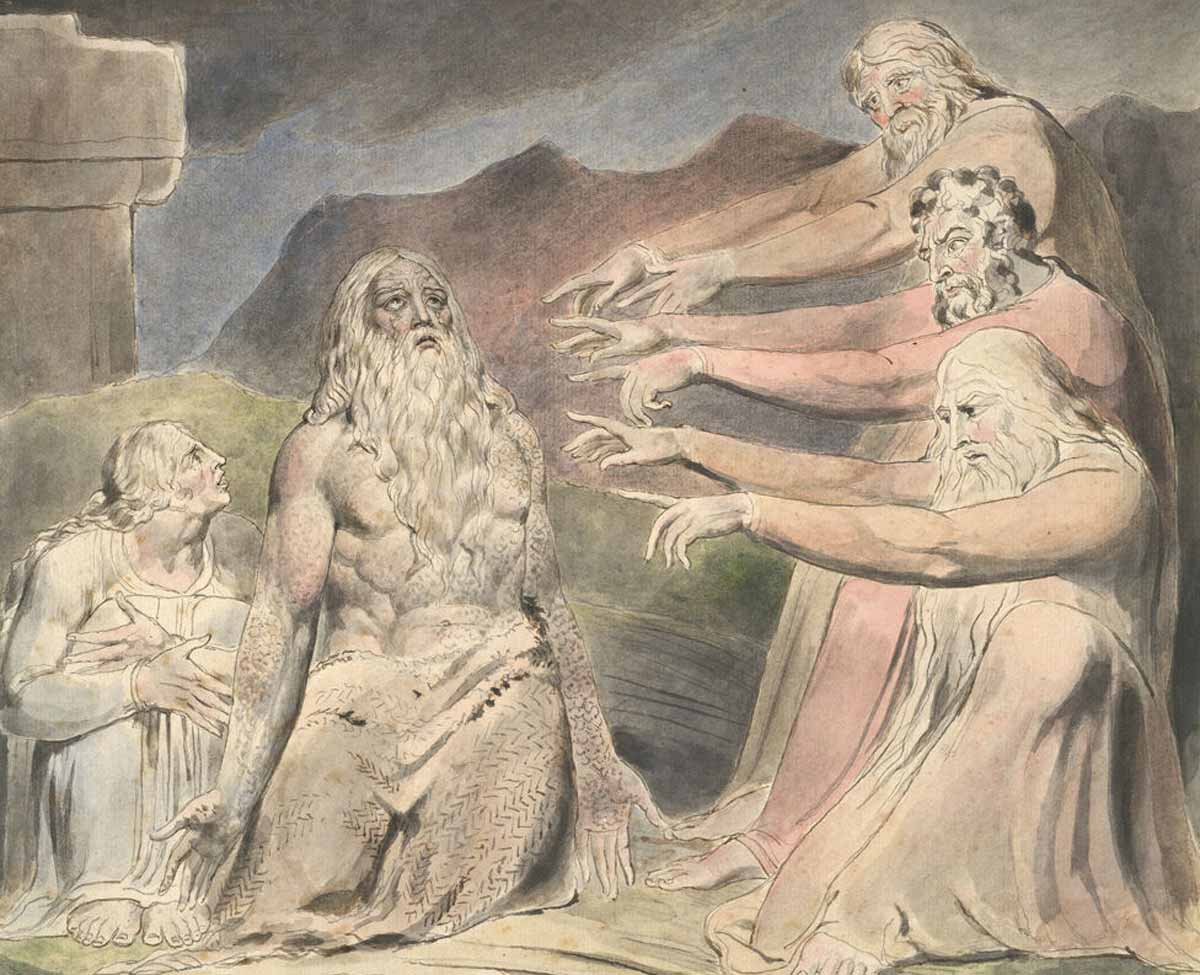
The Book of Job introduces the reader to Job and establishes his character as a virtuous man. It reveals information that Job is unaware of, but which determines his suffering. Two scenes play out in which the sons of God meet with God. Satan also attends and accuses God of partiality to Job. Job had lost his material possessions, his ten children, and later his health, yet he remained faithful to God.
Dialogue and dispute (Chapters 3-27)
This section starts with a poetic style that remains almost to the end of the book. It opens with a lament by Job because of his condition and then introduces three of his friends: Eliphaz, Bildad, and Zophar. Job and his friends go back and forth, arguing the cause of his suffering. His friends claim Job must have done something and is suffering the consequences, but Job proclaims his innocence.
Wisdom interlude (Chapter 28)
Chapter 28 is a hymn to wisdom. The author recognizes the elusiveness and inaccessibility of wisdom from the human perspective before acknowledging God as the ultimate source.
Monologues (Chapter 29-42:6)
This significant section details monologues by Job, his friends, and God. Job presents his perspective on the situation first, and then his friends provide their opinions on his situation. In the end, God speaks up, providing Job with a partial explanation for his suffering.
Rebuke and restoration
The Book of Job ends with God rebuking the friends. God restored Job to health, wealth, and family.
Main Themes
The question of human suffering
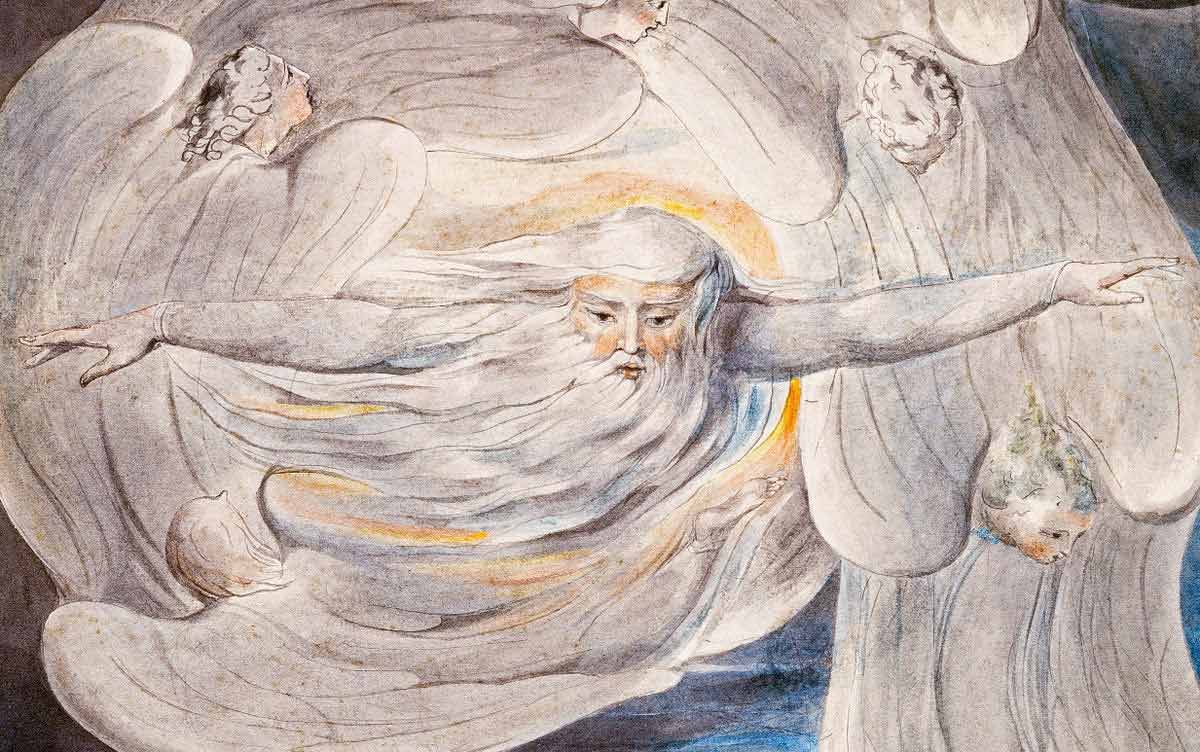
A primary theme in Job is: “Why do good people suffer.” Job was not aware of the meetings between God and the sons of God and, therefore, did not understand his suffering when he was a good person, as God declared. It is the main underlying theme throughout the book and gets answered in part at the end of the book.
Trust in God
The trust that Job had in God is remarkable. His physical suffering never caused him to doubt. He did, however, have questions about the reasons for his condition and questioned the apparent apathy and absence of God.
The sovereignty of God
The last chapters of the Book of Job (38-41) show the sovereignty of God. He emphasizes that he is the creator and is in control of man and beast, even the Leviathan. In the end, God restored Job to double the wealth he had at the beginning of the narrative.
Key Passages
Job 1:8
“And the LORD said to Satan, ‘Have you considered my servant Job, that there is none like him on the earth, a blameless and upright man, who fears God and turns away from evil?’”
The character of Job was beyond reproach. The testimony God gave of Job’s character indicated that he was a righteous man.
Job 2:1
“Again there was a day when the sons of God came to present themselves before the LORD, and Satan also came among them to present himself before the LORD.”
The location of the two heavenly councils between the sons of God and God is undefined. On both occasions, the mention of Satan being in attendance suggests that he was not a son of God, and many Theologians suggest that he usurped the position that God intended for Adam.
Job 13:15
“Though he slay me, I will hope in him; yet I will argue my ways to his face.”
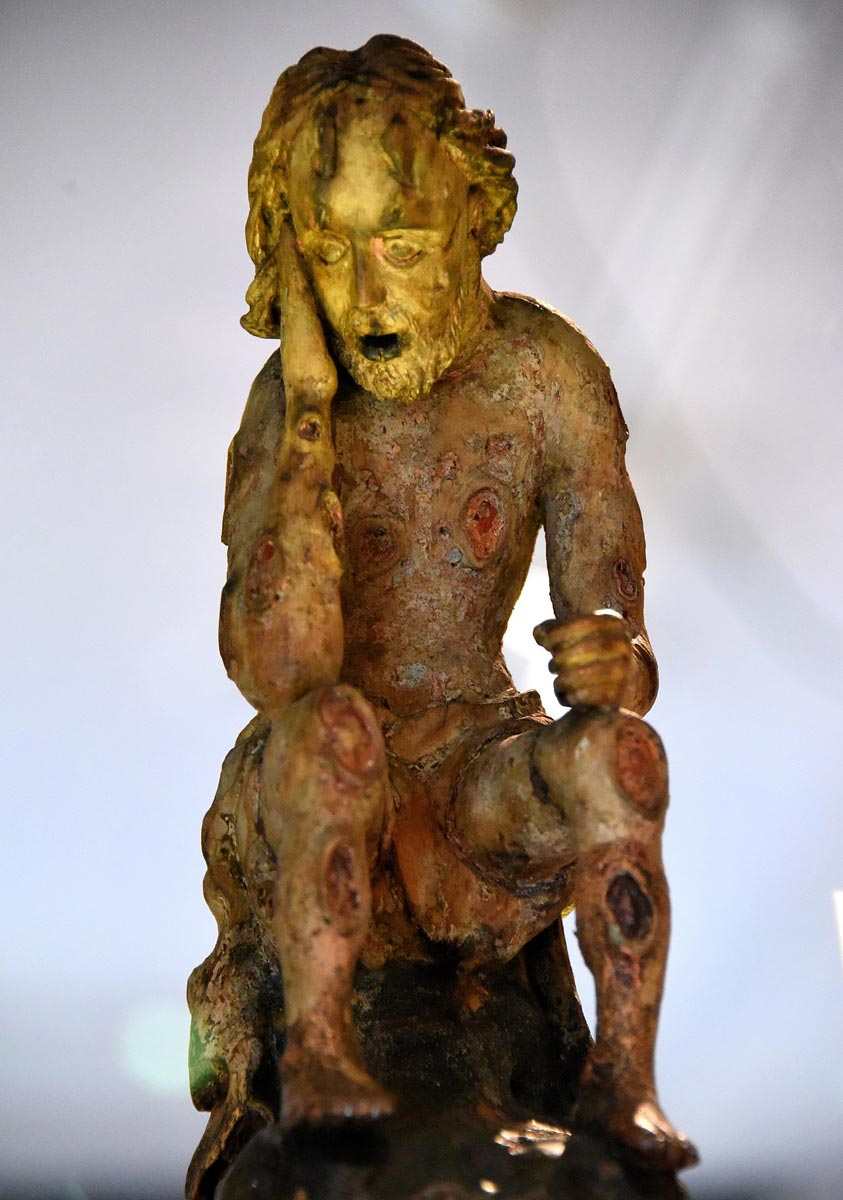
Job declared his unwavering faith in God. He could not comprehend why he was experiencing the pain and suffering that he endured. He nonetheless remained steadfast in his trust in God. Job was convinced it was not the consequence of bad things he had done.
Job 38:4-5
“Where were you when I laid the foundation of the earth? Tell me, if you have understanding. Who determined its measurements — surely you know! Or who stretched the line upon it?”
God is silent for most of the Book of Job, but when he starts speaking, he engages with Job, showing him that there were many things he was unaware of. God indicates that he is in control.
Job 41:1-2
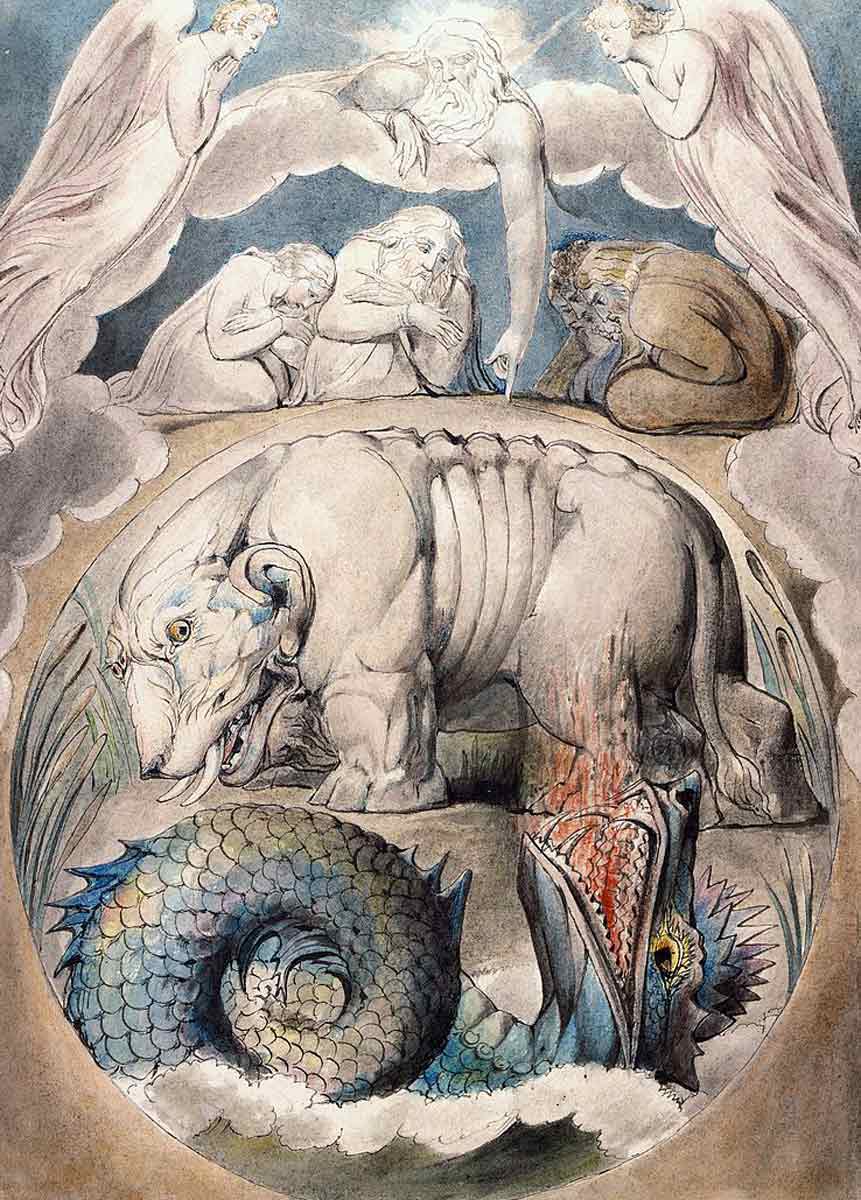
“Can you draw out Leviathan with a fishhook or press down his tongue with a cord? Can you put a rope in his nose or pierce his jaw with a hook?”
One of the mysteries of the Book of Job is what happened to Satan. He appears in chapters one and two, and though Job’s suffering resulted from what Satan did, the culprit does not seem to appear in the narrative again. Some scholars suggest that, unlike Behemoth, which represents a natural animal, the supernatural attributes in the description of Leviathan show that he is a manifestation or representation of Satan. This view aligns with the other instances where the reader finds descriptions of Leviathan in scripture.
Job 42:1-3
“Then Job answered the LORD and said: ‘I know that you can do all things and that no purpose of yours can be thwarted. Who is this that hides counsel without knowledge? Therefore I have uttered what I did not understand, things too wonderful for me, which I did not know.’”
In the end, once God gave Job some insight into his situation, he had to admit that when he was speaking in ignorance. His trust in God was reinforced by the trauma that he had experienced.
Contemporary Relevance
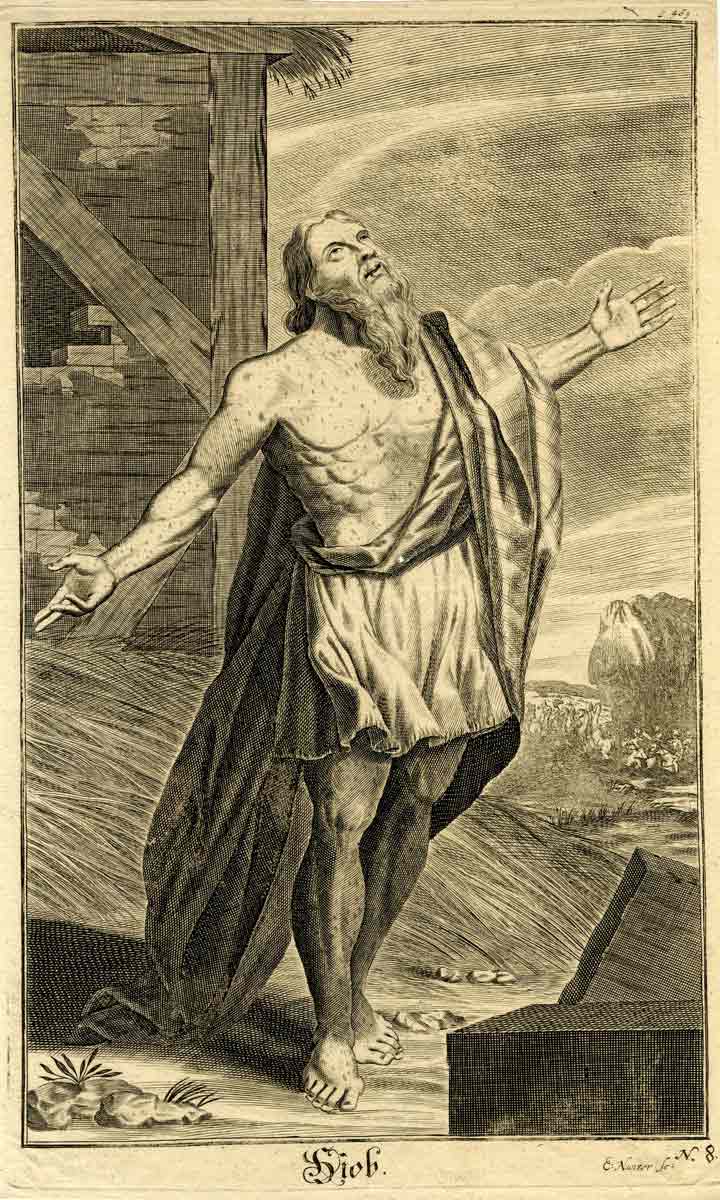
The Book of Job answers the question of human suffering, which has been troubling humanity for millennia. Job shows the reader that there is a cosmic conflict between good and evil that humans do not necessarily know the details of. Job offers an example of faith, continuing his trust in God regardless of the circumstances. He shows contemporary Christians that it is acceptable to have questions about the things we do not understand. Suffering is not always the result of sin.
The Book of Job provides an account of how God restored a righteous man after his time of suffering. It provides hope that God can and will restore the faithful, especially when the temporal will be superseded by the eternal at the end of time.