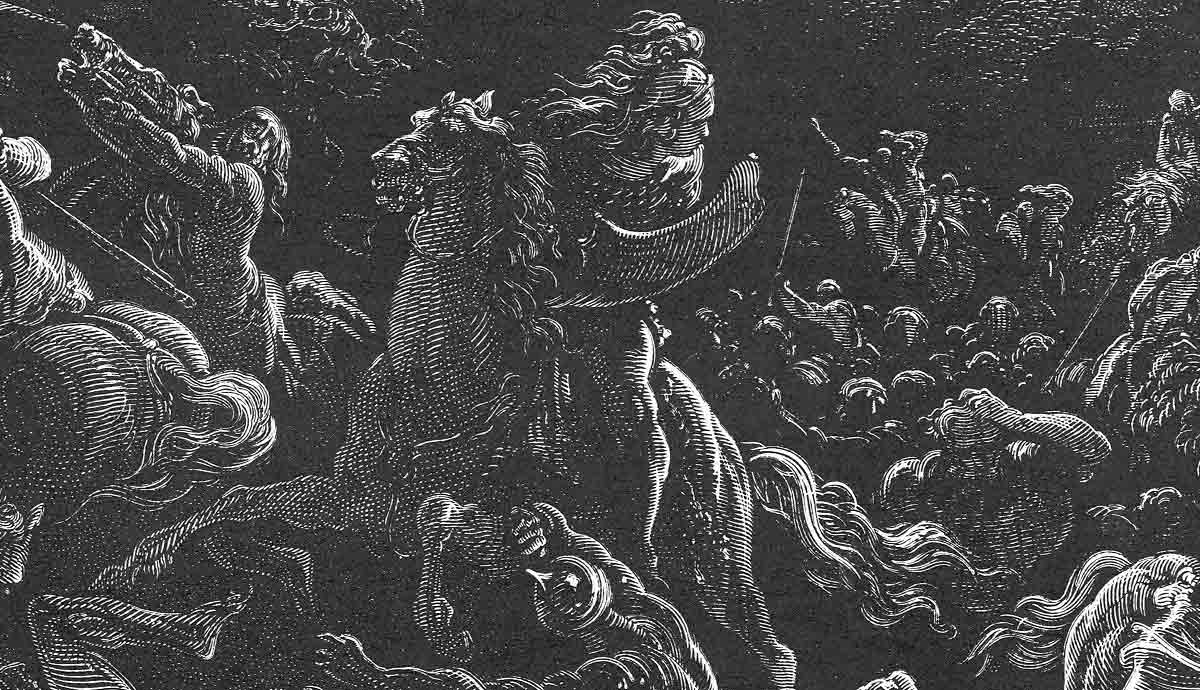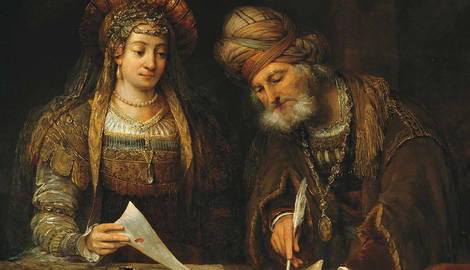
The Book of Esther does not mention God explicitly. So, why is it in the Bible? For believers, the hand of God is evident in the changing fortunes of multiple characters in the narrative. The book shows Haman, a high-ranking official in the Persian Empire, driven by his hatred of Mordecai, a Jew, plotting to have the Jews exterminated. However, Esther, under the guardianship of Mordecai, became queen. Her position allowed her to expose the machinations that Haman put in place, and he was caught in his own trap.
Authorship and Date
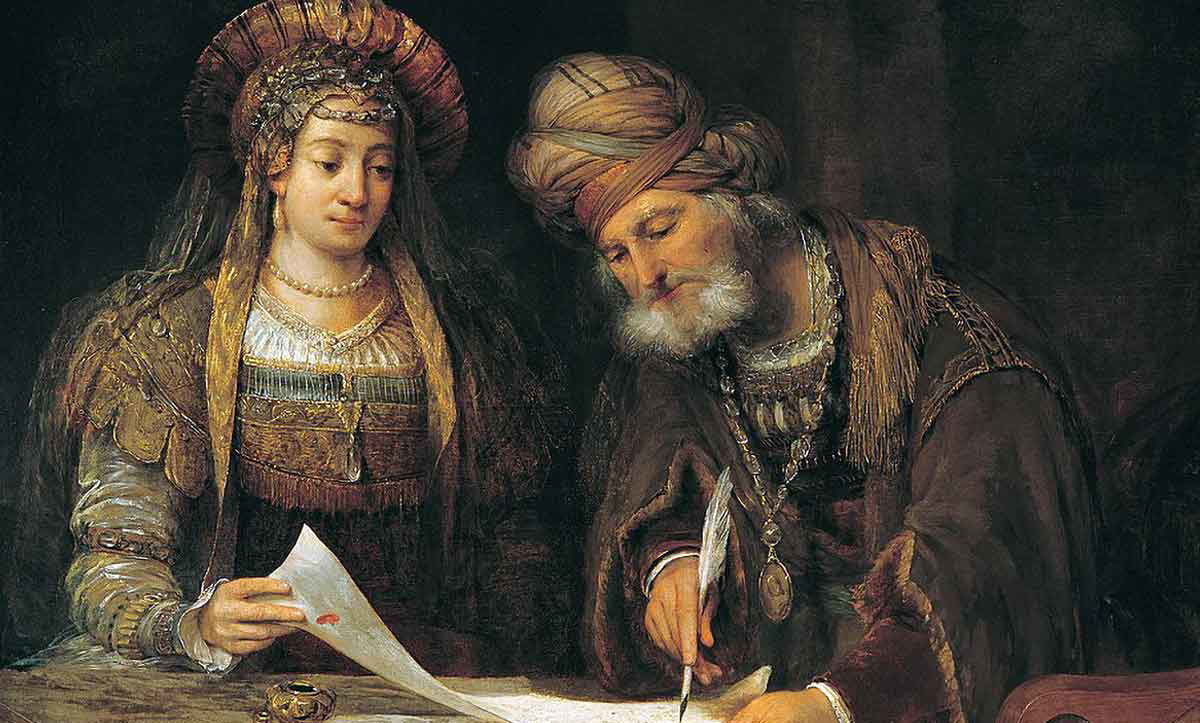
The Book of Esther does not identify its author. Several possible candidates include Mordecai, a central character in the narrative, and Ezra or Nehemiah, who both had much knowledge of the Persian court.
Popular tradition holds that Mordecai was the author, though some Jews held that it was written by Esther. Scholars, however, believe the book likely had more than one author and is a compilation of written and oral sources that were doing the rounds.
What can be gleaned from the text is that the author resided in Persia, had intimate knowledge of the happenings in the Persian court, and was likely a Jew wanting to detail the origins of Purim.
The language used in the narrative suggests that the book was authored before the Macedonians conquered Persia. The feast of Purim had been observed by Jews in Persia for some time when the author wrote (Esther 9:19). Esther 10:2 suggests that by the time of writing, Ahasuerus had likely passed away already. The best estimate for the date of the Book of Esther would be 460-350 BCE.
Historical Context
The Babylonians conquered the Kingdom of Judah and exiled many of its nationals to Babylon at various times. The Babylonians fell to the Persian Empire in 539 BCE. Under Persian rule, the Jews had more freedom than the Babylonians, and some returned to Jerusalem to work on rebuilding the city and the Temple.
King Ahasuerus could have been either Xerxes I (486-465 BCE) or Artaxerxes I or II (465-358 BCE). Nothing in the narrative clarifies which one of the three it was. The Book of Esther plays out in Susa, Persia, where the palace of King Ahasuerus was.
Structure
The Book of Esther structurally divides into three sets of feasts:
The Feast of the King
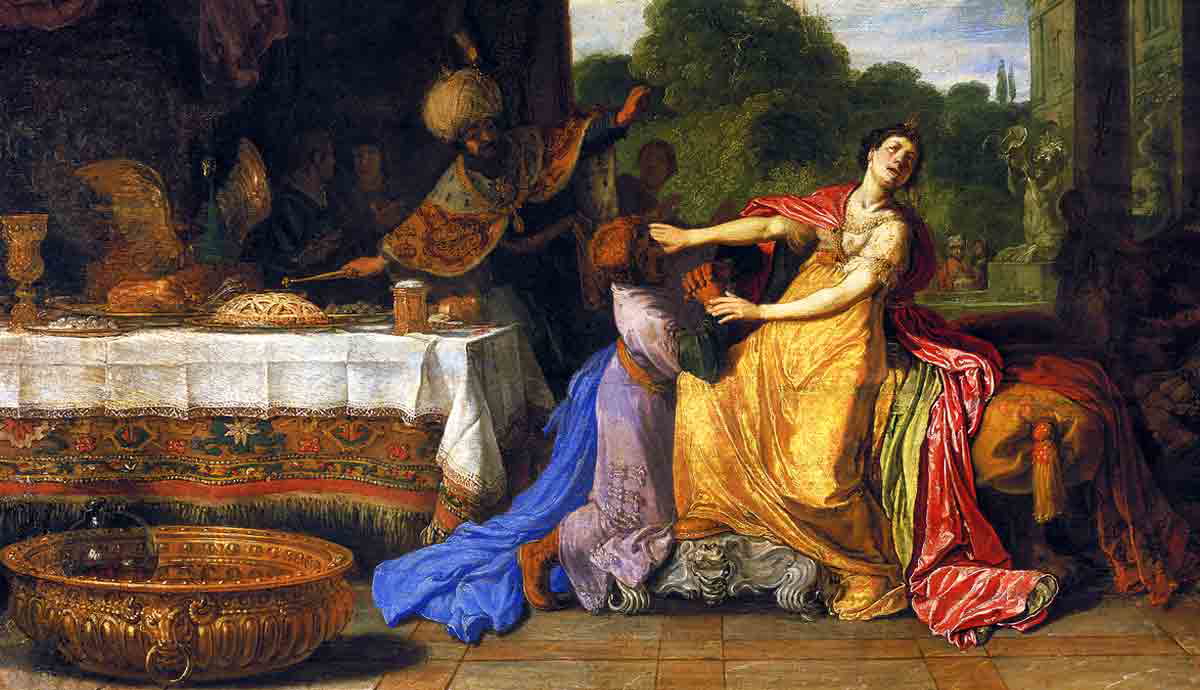
The narrative of the Book of Esther starts with a feast King Ahasuerus held for dignitaries of his kingdom. He called on Queen Vashti to present herself, but she refused to obey. The king set her aside and initiated finding a new queen to replace her.
The Feasts of Esther
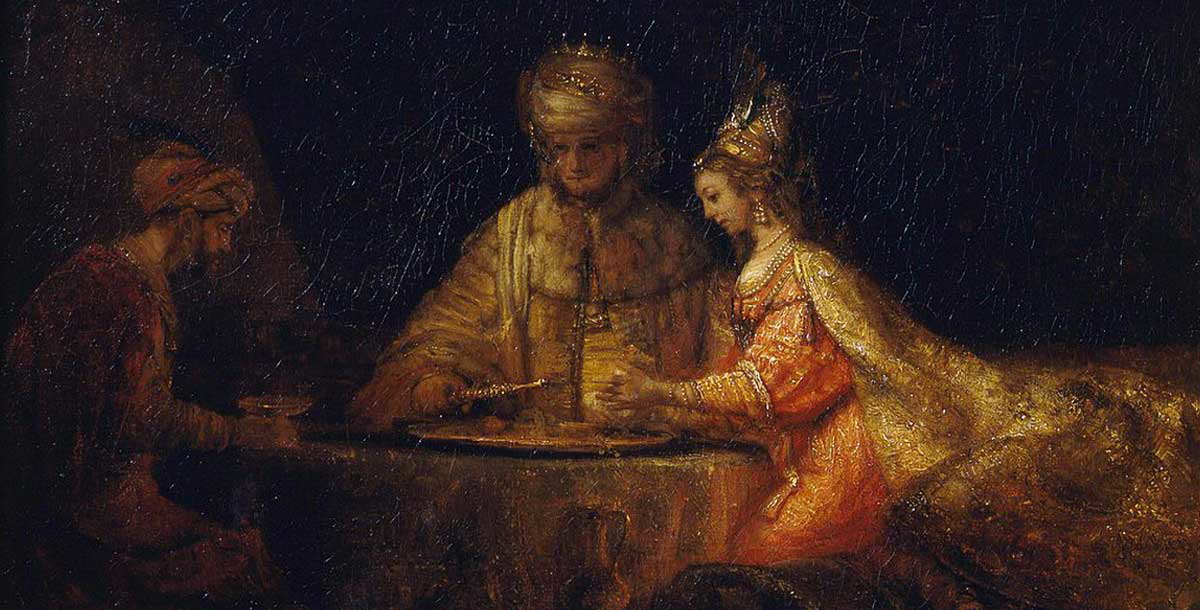
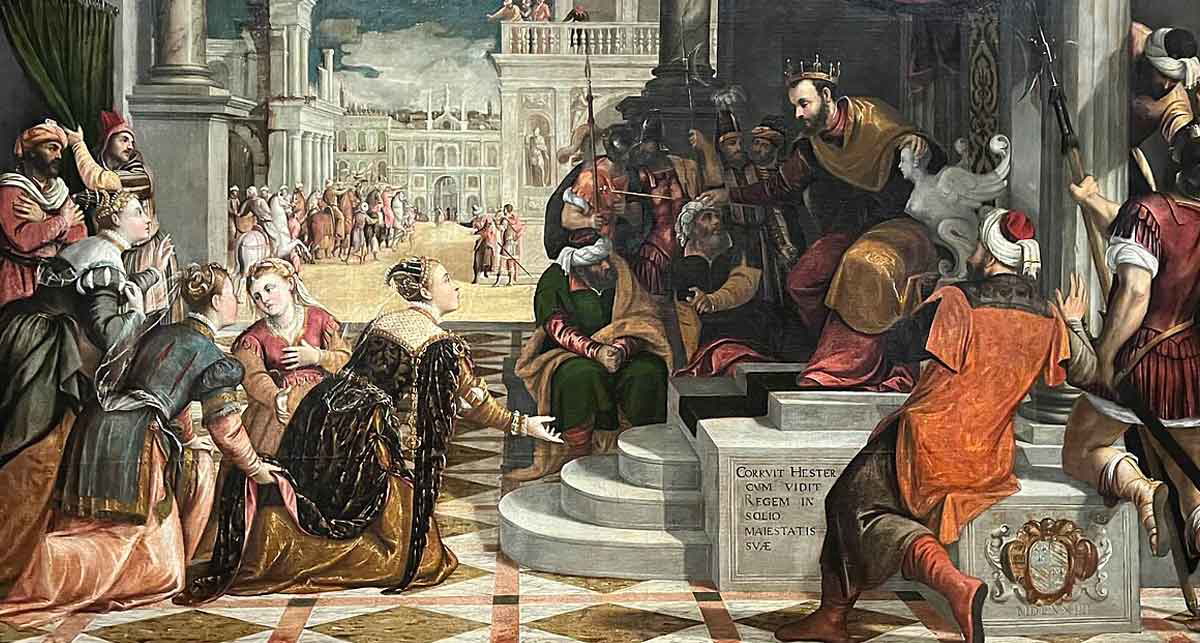
Esther arranged feasts for King Ahasuerus and Haman to attend. It was a carefully planned method to reveal Haman’s plot to kill the Jews. As a woman in the royal court, she found herself in a precarious position and her plan was a way to navigate the situation she found herself in.
The Feast of Purim
The feast of Purim was already celebrated by the time the author wrote the Book of Esther. Jews celebrate the feast every year in commemoration of the providence of God that saved the Jews from extermination in Persia. The Book of Esther details the origins of this feast.
Main Themes
Vindictiveness
Haman’s hatred led to a shocking level of vindictiveness. He craved recognition and honor reminiscent of what Satan wanted for himself. In this story, this vindictiveness resulted in Haman suffering the punishment he desired for Mordecai.
Community
In ancient times, society did not have individualistic tendencies associated with modern culture. People thought of themselves in terms of the community they belonged to. This is shown in several ways in the Book of Esther. Haman hated Mordecai, a Jew, and sought to have the whole nation of Jews exterminated. Esther risked her own well-being and life of comfort and privilege to save her people. She was aware of what had happened to Vashti for what was a seemingly insignificant act in today’s terms, but which was egregious in Persian culture. By revealing her national identity, she put her life at risk for her community.
God in the shadows
The Book of Esther never mentions God. It is, however, clear that the Jewish characters in the story are believers. They fasted in times of trouble and instituted a feast in remembrance of the events. It is reasonable to acknowledge the hand of God in the surprising reversal of fortune of Haman and Mordecai, and how the Jews were saved from annihilation.
Key Passages
Esther 1:1-2
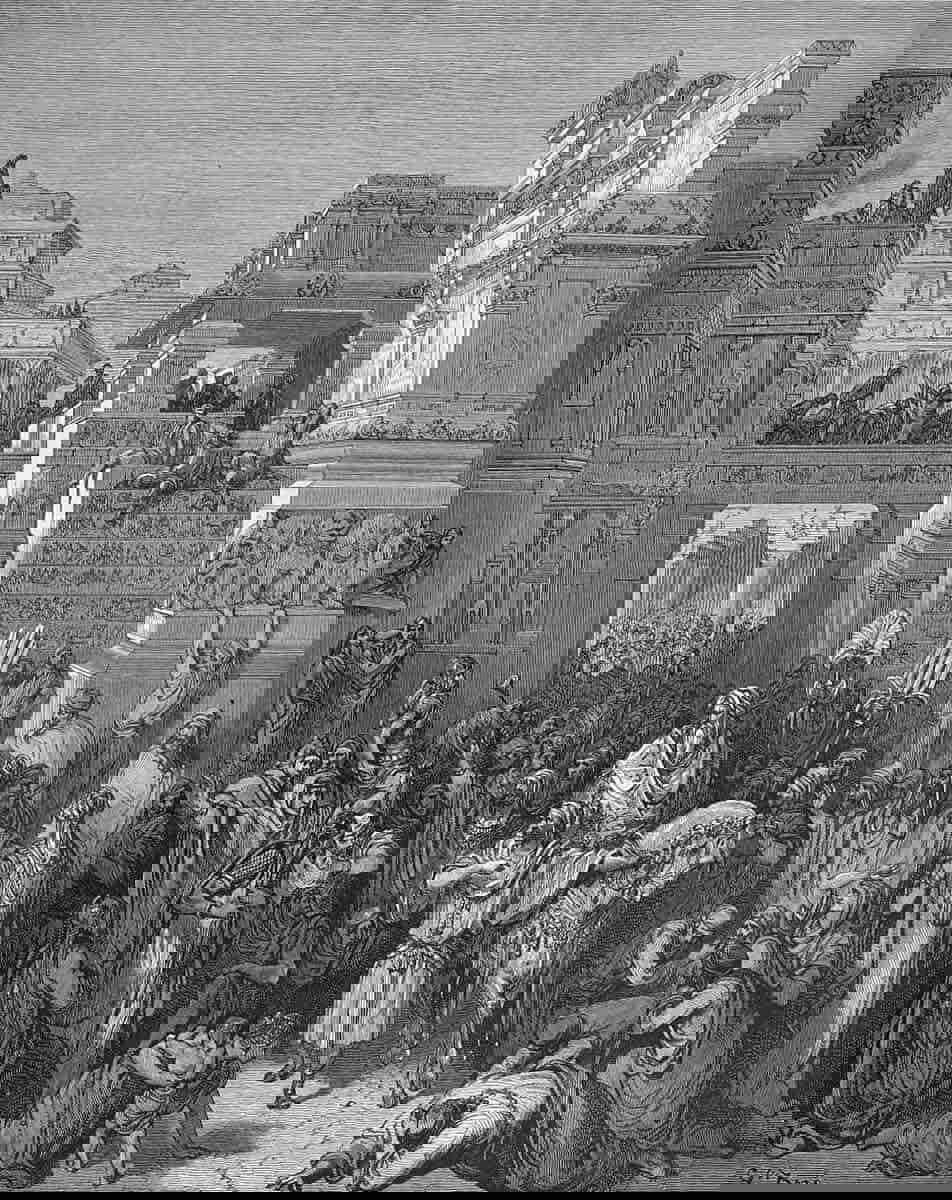
“Now in the days of Ahasuerus, the Ahasuerus who reigned from India to Ethiopia over 127 provinces, in those days when King Ahasuerus sat on his royal throne in Susa, the citadel.”
Though the first verses of Esther seem to provide significant information about the time the events played out, and identifies the king, it is not clear who exactly Ahasuerus was. He could have been one of three Persian kings who reigned between 486-358 BCE.
Esther 2:10
“Esther had not made known her people or kindred, for Mordecai had commanded her not to make it known.”
Likely because of the prejudice against the Jews, Mordecai told Esther not to reveal her nationality to anyone at the palace. This allowed her, once she had won the affection of Ahasuerus, to show the king what the character of Haman truly was.
Esther 4:13-14
“Then Mordecai told them to reply to Esther, ‘Do not think to yourself that in the king’s palace, you will escape any more than all the other Jews. For if you keep silent at this time, relief and deliverance will rise for the Jews from another place, but you and your father’s house will perish. And who knows whether you have not come to the kingdom for such a time as this?’”
By the providence of God, Esther became queen to influence the king when their enemies plotted to exterminate the Jews. Esther had to make a choice. She decided to stand up for her people and expose Haman as the villain he was.
Esther 5:2
“And when the king saw Queen Esther standing in the court, she won favor in his sight, and he extended Esther the golden scepter in his hand. Then Esther approached and touched the tip of the scepter, acknowledging his invitation to approach and speak.”
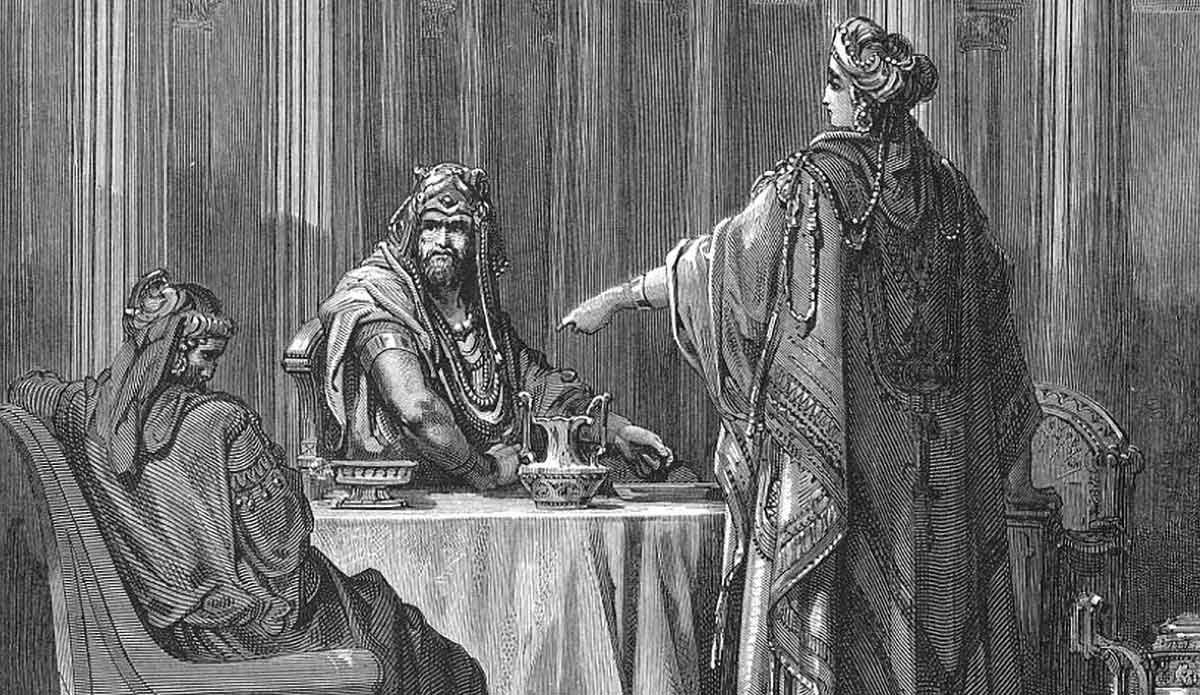
A person who approached the king without him extending his scepter would be put to death. Esther risked her life by going to Ahasuerus. She wisely worked to reveal to her husband the character of his high-ranking official who wanted to manipulate the king into acting against those he despised.
Esther 7:3
“Then Queen Esther answered, ‘If I have found favor in your sight, O king, and if it please the king, let my life be granted me for my wish, and my people for my request.’”
The narrative suggests that the king loved Esther very much, which was a key factor in saving the Jews. When his beloved wife asked him to spare her and her people, King Ahasuerus complied. A decree could not be revoked according to Persian law, and he had already decreed that attacking the Jews was lawful on a designated day. By declaring that the Jews could defend themselves, the king effectively showed that he did not desire the annihilation of the Jews. The Jews effectively defended themselves and killed, among others, the ten sons of Haman (Esther 9:6-11).
Esther 9:22
“As the days on which the Jews got relief from their enemies, and as the month that had been turned for them from sorrow into gladness and from mourning into a holiday; that they should make them days of feasting and gladness, days for sending gifts of food to one another and gifts to the poor.”
The feast of Purim, which Jews celebrate to this day, commemorates the day that the Jews would have been destroyed but conquered their enemies. It is a sign of God’s protection and providence.
Contemporary Relevance
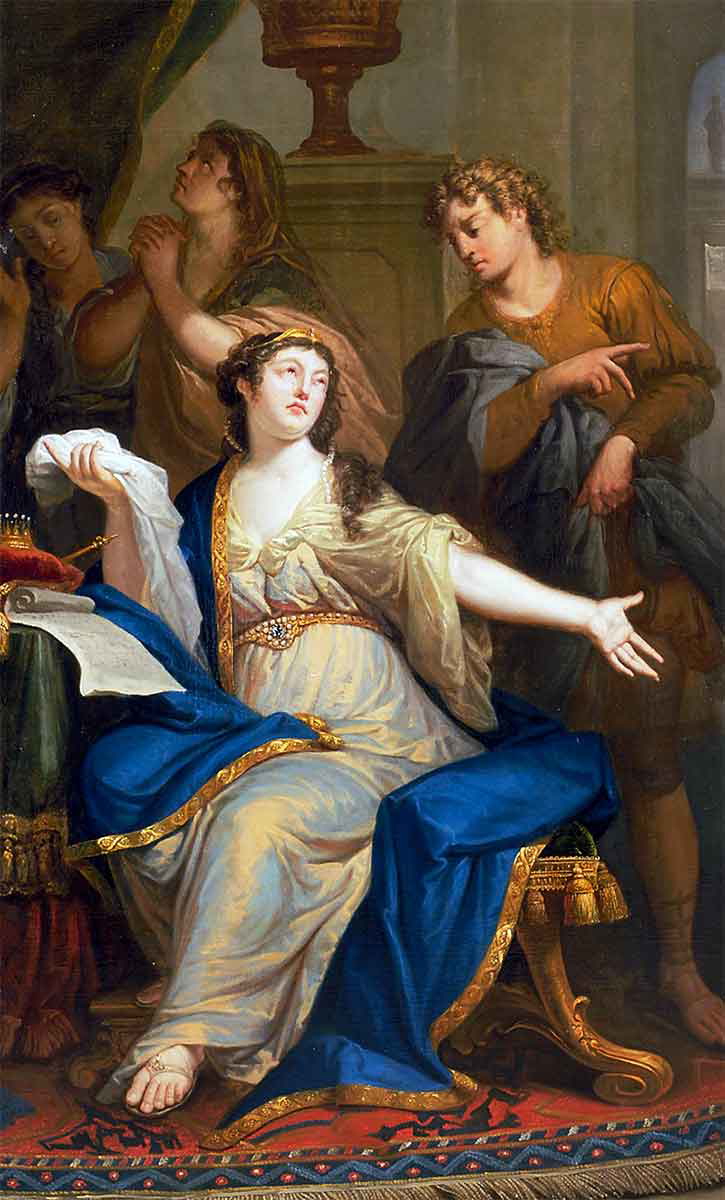
Though the Book of Esther does not mention God, his providence is clear in the narrative. The contemporary reader can recognize how God provided an outcome for his people by using one person he placed in a key position. It inspires the reader to see God working “behind the scenes” to protect and care for his people. The reader will also benefit from seeing the results of vindictive actions and malicious intent, and that God is not blind to it. He will bring evil plots to light and bring the wicked to justice.
Obedience is another valuable lesson the Book of Esther teaches. Esther was willing to obey the call of Mordecai to stand for her people before the king, and it saved her people. Similarly, obedience is a virtue that will benefit the contemporary believer.