Nehemiah occupied a high office in the Persian court. He used his influence to gain an appointment as overseer of the reconstruction work the Jews did on the walls of Jerusalem that the Babylonians destroyed years before. Nehemiah worked towards building a Jewish community in Jerusalem that held to the principles of the Torah as the foundation of their society. He guided the Jews through some challenges during the construction project before returning to the Persian court. Later, he returned to Jerusalem and governed the region on behalf of the Persians.
Authorship and Date

According to Jewish tradition, Ezra authored 1 and 2 Chronicles, Ezra, and Nehemiah. Scholars, however, believe Ezra and Nehemiah had a different author than 1 and 2 Chronicles and that the authorship of Nehemiah involved an oral tradition and a compilation of various works. In part, the autobiographical sections of the book (chapters 1-7 and sections from parts of Nehemiah 12:27-43 and Nehemiah 13:4-31) contribute to this view.
The content deals with events during the 5th century BCE, between 445 and 432 BCE. If Nehemiah wrote the autobiographical portions of the book, it dates to during or shortly after that period. If the scholarly view is more accurate, editors compiled the work as late as the early 4th century BCE.
Historical Context
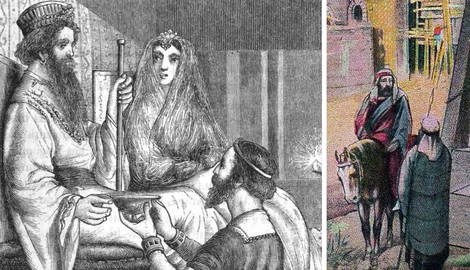
The Persians had a different approach to dealing with exiles than the Babylonians had. They allowed exiles to manage most of their affairs and allowed the Jews to return to Jerusalem and reconstruct its walls to reestablish their community there. The effort included implementing the Torah, which refers to the first five books of the Old Testament. The Persians even provided materials and funding, pledging to provide more, if needed. In addition, the king appointed Nehemiah, his cupbearer, to oversee the reconstruction activities.
In ancient societies, a cupbearer was much more than a server of drinks. It was an exalted position at the Persian royal court that reflected the trustworthiness and reliability of the individual who held the office. The king staked his life on the integrity of the cupbearer, who had to ensure that the king never consumed poison.
Nehemiah had the ear of the king who granted his request to leave the court and take up the task of managing the building project in Jerusalem. Rebuilding the walls was complicated by opposition from locals, undermined reconstruction efforts, and even attacks on the builders.
This period in Israelite history was important because of nation-building, theological, and scriptural developments. Along with Nehemiah, the historical records of the books of Habakkuk, Zachariah, Malachi, Ezra, and Esther provide details on events shortly before the 400-year silence of the intertestamental period.
Structure
Nehemiah’s First Administration
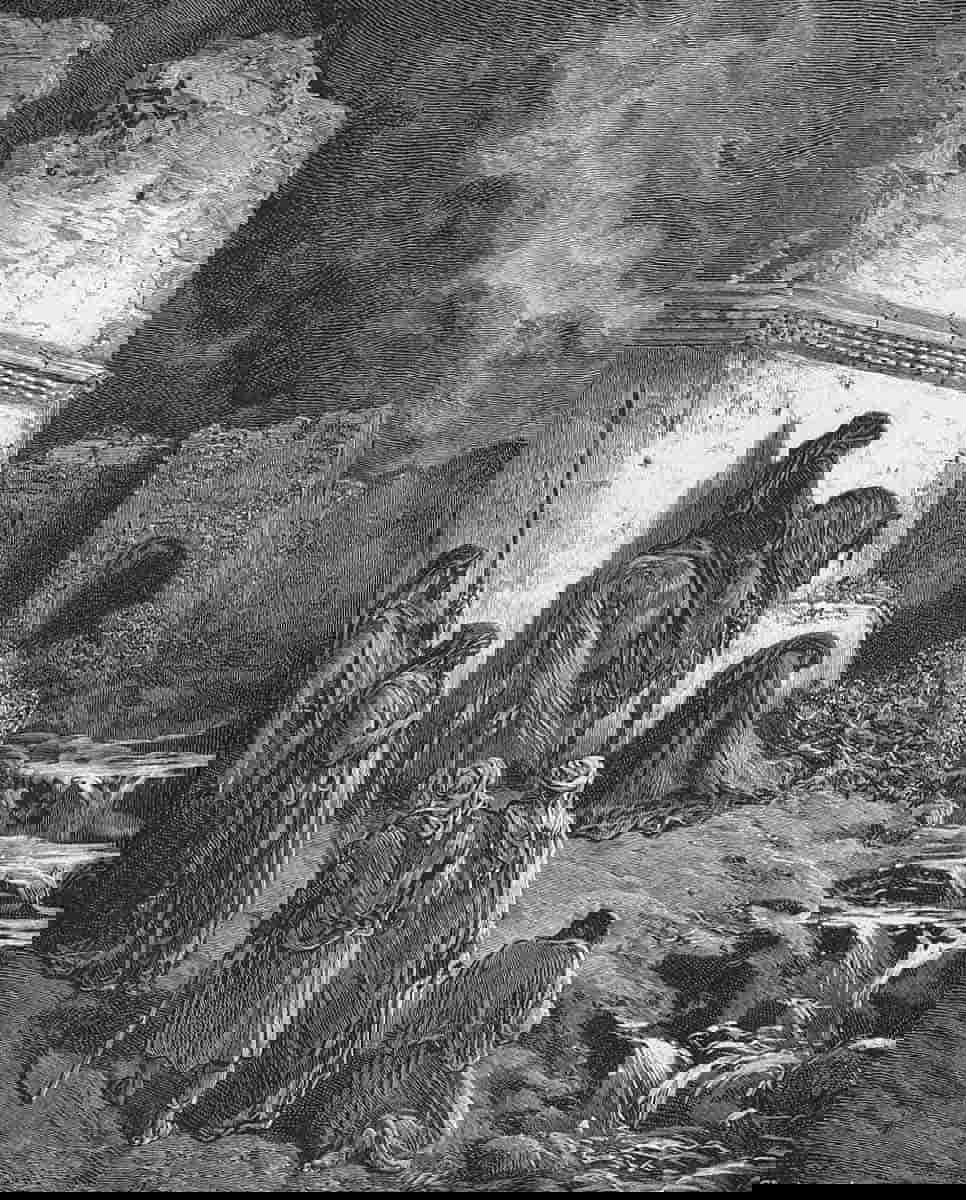
This section of Nehemiah details how a report concerning the state of Jerusalem came to Nehemiah and how he made intercession for God’s intervention. Nehemiah was sent to Jerusalem to assess the situation and oversee the reconstruction work. Nehemiah 4 narrates how opposition to the restoration efforts interrupted the work and it describes the system Nehemiah put in place to resume construction.
Nehemiah also put structures in place to take care of impoverished Jews in Jerusalem. As governor, Nehemiah was generous in his provisions and lightened the burden on the people previous governors had enforced. Opponents to Nehemiah’s governorship conspired against Nehemiah but they failed, and the walls were finished in 52 days.
Nehemiah 7 lists people who returned to Judah and, after Ezra read the Law and the people confessed their sins, they sealed a covenant with God. The text then provides information on how their leaders determined who could live in Jerusalem, and where the leaders among the Jews resided, while the rest lived in towns around Jerusalem.
This section of the Book of Nehemiah concludes with a list of priests who returned with Zerubbabel, the dedication of the wall, and the resumption of Temple service.
Nehemiah’s Second Administration
Nehemiah 13 provides a record of reforms Nehemiah made when he returned to Jerusalem to serve a second term as governor. The reforms included Sabbath observance, rules relating to priests and Levites, and intermarriage.
Main Themes
Restoration
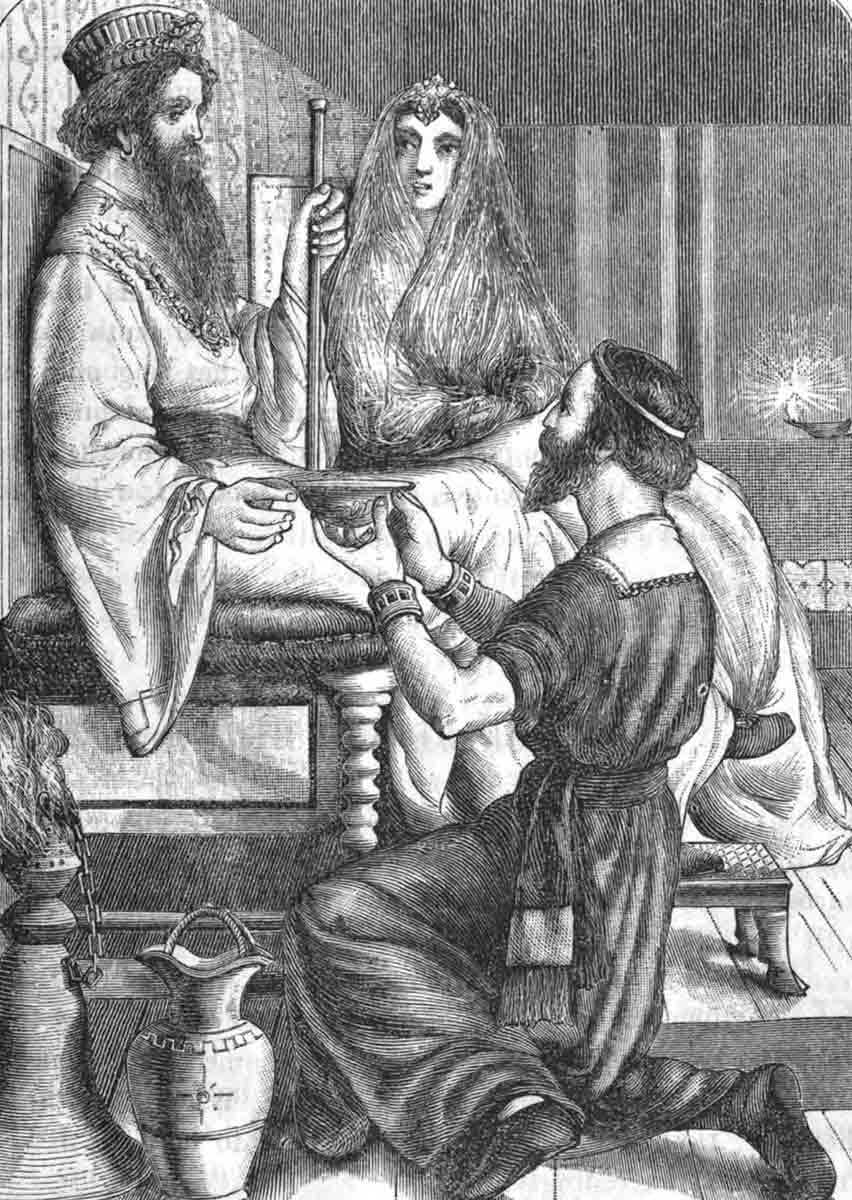
Nehemiah tells the story of the restoration of the walls, the rebuilding of Jewish society, and the reimplementing of the observance of the Torah. As such, restoration is a central theme that runs through the Book of Nehemiah.
Governance
Nehemiah shows the result of the Babylonian system of governance that caused the destruction of Jerusalem, and the Persian version which empowered the Jews to return and reconstruct what was destroyed. Nehemiah managed the reconstruction effort and dealt with obstacles that prevented their progress. The importance of proper systems to build a healthy society is a recurring theme.
Covenant
The Jews ended up in exile because they did not uphold their end of the covenant with God. The reconstruction efforts in Jerusalem reminded them of their sins and those of their ancestors. It resulted in their confession and renewal of the covenant with God. God kept the promises he made before the exile that Jerusalem would rise again, and the Temple would be restored, showing his trustworthiness.
Perseverance
Perseverance is another recurring theme in Nehemiah. Firstly, those who did not go into exile persevered in Judah until Nehemiah returned to take charge of reconstruction efforts. Those who built the walls had to persevere when attacked during building activities. Lastly, those who were faithful yet found themselves in exile had to persevere in faith until the promises of God came to fruition and the time to rebuild the walls of Jerusalem arrived.
Key Passages
Nehemiah 1:11
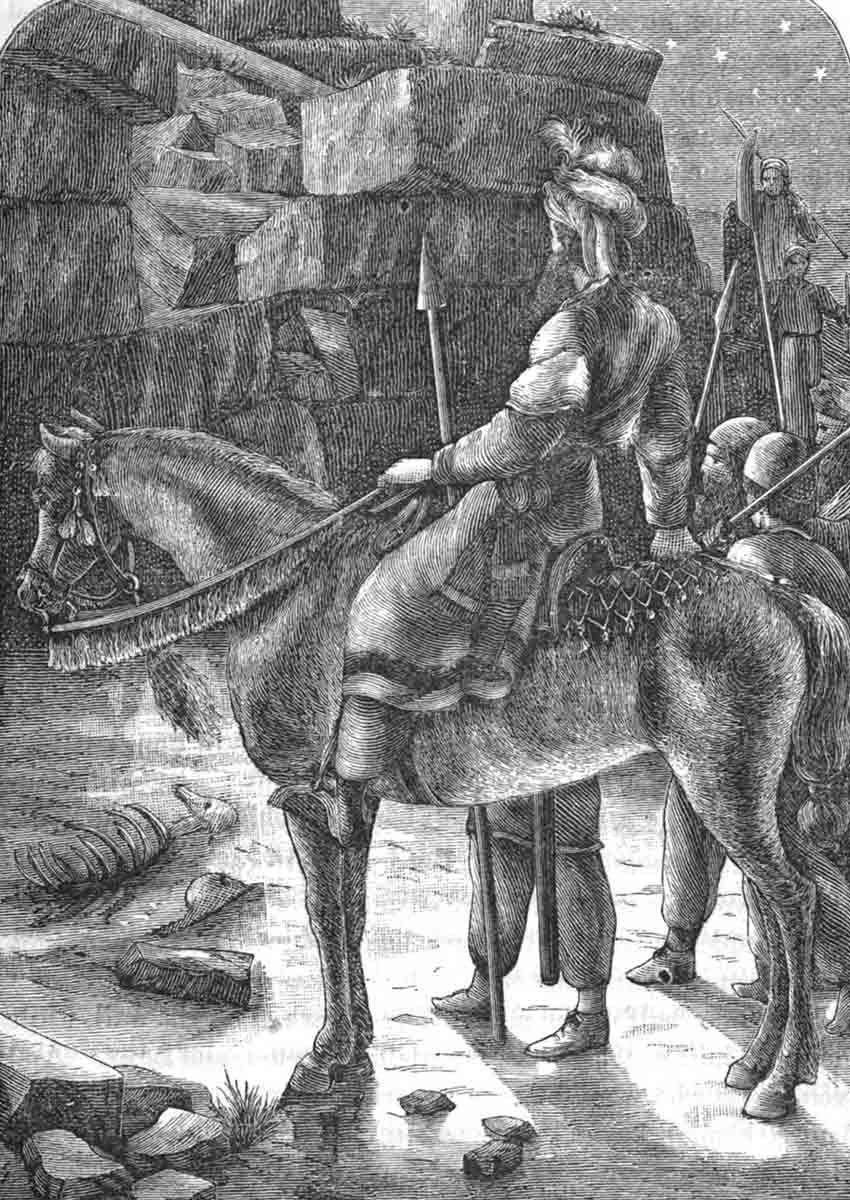
“‘O Lord, let your ear be attentive to the prayer of your servant, and to the prayer of your servants who delight to fear your name, and give success to your servant today, and grant him mercy in the sight of this man.’ Now I was cupbearer to the king.”
By the providence of God, Nehemiah already had the ear of the king as his cupbearer. He was praying that the king would grant his request to return to rebuild Jerusalem (Nehemiah 2:5).
Nehemiah 2:17
“Then I said to them, ‘You see the trouble we are in, how Jerusalem lies in ruins with its gates burned. Come, let us build the wall of Jerusalem, that we may no longer suffer derision.’”
Nehemiah shared his vision with the people to inspire them to join the reconstruction effort. From Nehemiah’s words, the reader can glean that it was more than just the reconstruction of a structure he had in view.
Nehemiah 6:15-16
“So the wall was finished on the twenty-fifth day of the month Elul, in fifty-two days. And when all our enemies heard of it, all the nations around us were afraid and fell greatly in their own esteem, for they perceived that this work had been accomplished with the help of our God.”
The speed with which Nehemiah could have the walls rebuilt was a testament to God’s blessing of the work. Their enemies knew the Israelites were not as vulnerable as they had been during the time of the destruction of Jerusalem.

Nehemiah 9:2-3
“The Israelites separated themselves from all foreigners and stood and confessed their sins and the iniquities of their fathers. And they stood up in their place and read from the Book of the Law of the LORD their God for a quarter of the day; for another quarter of it, they made confession and worshiped the LORD their God.”
The Israelites took time to reflect on the reasons for their suffering and the destruction of Jerusalem. They needed to know and understand why the trials they and their ancestors faced had occurred.
Nehemiah 13:15
“In those days I saw in Judah people treading winepresses on the Sabbath, and bringing in heaps of grain and loading them on donkeys, and also wine, grapes, figs, and all kinds of loads, which they brought into Jerusalem on the Sabbath day. And I warned them on the day when they sold food.”
Even though they recently renewed their covenant with God, the Jews broke the Sabbath, which was one of the reasons their ancestors went into exile. It shows the continuing cycle of breaking the covenant, bearing punishment, repenting and confessing, and renewing the covenant that was a trademark of Israel throughout their history.
Contemporary Relevance
A contemporary reader will see how God was faithful to his promise to restore Judah to their native land. Nehemiah teaches that recovery is not without trial, and takes confession, repentance, and recommitment. God’s provision of positive outcomes reassures and builds trust with those who believe God is the same yesterday, today, and forevermore. As he intervened on behalf of his people in the past, he can do the same today and in the future.