On August 19, 1942, the Allies launched a major raid on Dieppe in German-occupied France. The raid quickly turned into a military disaster. The raiding force, which largely consisted of Canadian soldiers getting their first experience of combat with the Germans, suffered immense casualties and failed to inflict any significant losses on the Germans. However, Canada’s sacrifice at Dieppe was not in vain. Allied war planners studied the disaster at Dieppe and used the lessons to ensure that D-Day would be a success in 1944.
The Allies Were Under Pressure in 1942 to Attack the Germans
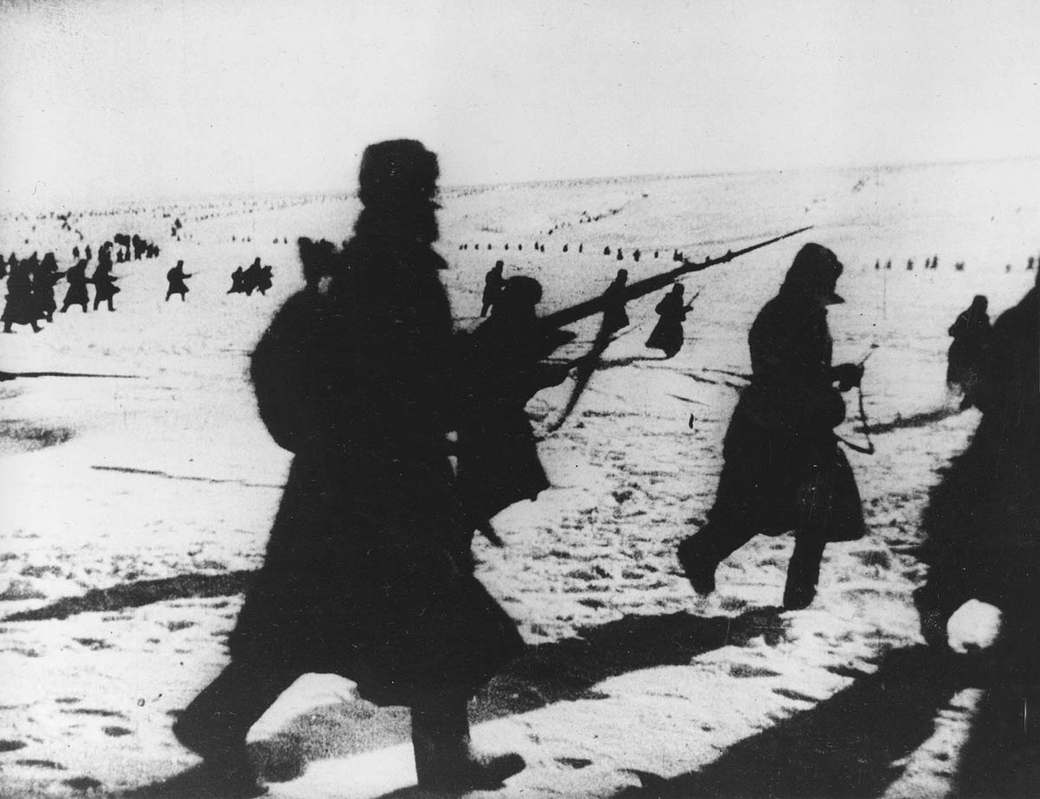
In mid-1942 Allied commanders faced pressure to launch an attack on the Germans in Western Europe. The Soviet Union was doing the bulk of the fighting on land at this point in the war and was grappling with the Germans’ offensive towards Stalingrad. In the face of the German onslaught, Stalin repeatedly demanded that the Allies relieve the pressure on the Soviet Union by launching a ‘second front’ in Western Europe.
The Allied commanders considered that a full-scale invasion of German-occupied France in 1942 was not feasible. However, the commanders considered that large raids on the ports of France may serve to tie down significant numbers of German soldiers that could otherwise be sent to fight the Soviets.
The stage was set for Operation Jubilee.
Operation Jubilee: A Flawed Plan for the Raid on Dieppe
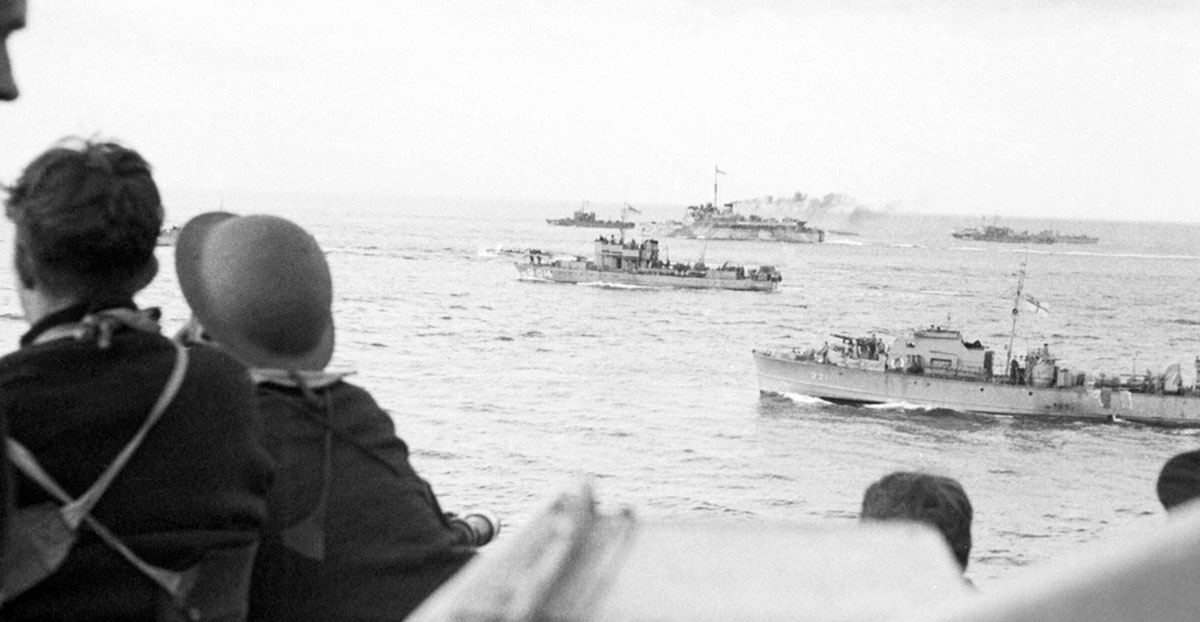
Operation Jubilee was the code-name for the raid on Dieppe. The plan had several flaws. The Allied commanders decided to launch a frontal assault on Dieppe, which was a heavily defended port on the French coast, instead of landing on a relatively undefended part of the coast. The Allies assumed that the raiding force, primarily made up of nearly 5,000 Canadian soldiers, would be able to overwhelm the German defenses, temporarily hold Dieppe, destroy the port facilities, capture prisoners and gather intelligence, and then successfully withdraw.
Almost no provision was made for meaningful aerial or naval support for the Canadian soldiers. The Allied air forces were to concentrate on battling the Luftwaffe fighters in the skies above Dieppe, and the Royal Navy was unwilling to risk any battleships in the English Channel. The Canadians would be forced to land after only a light bombardment from escorting destroyers.
Death on the Beaches
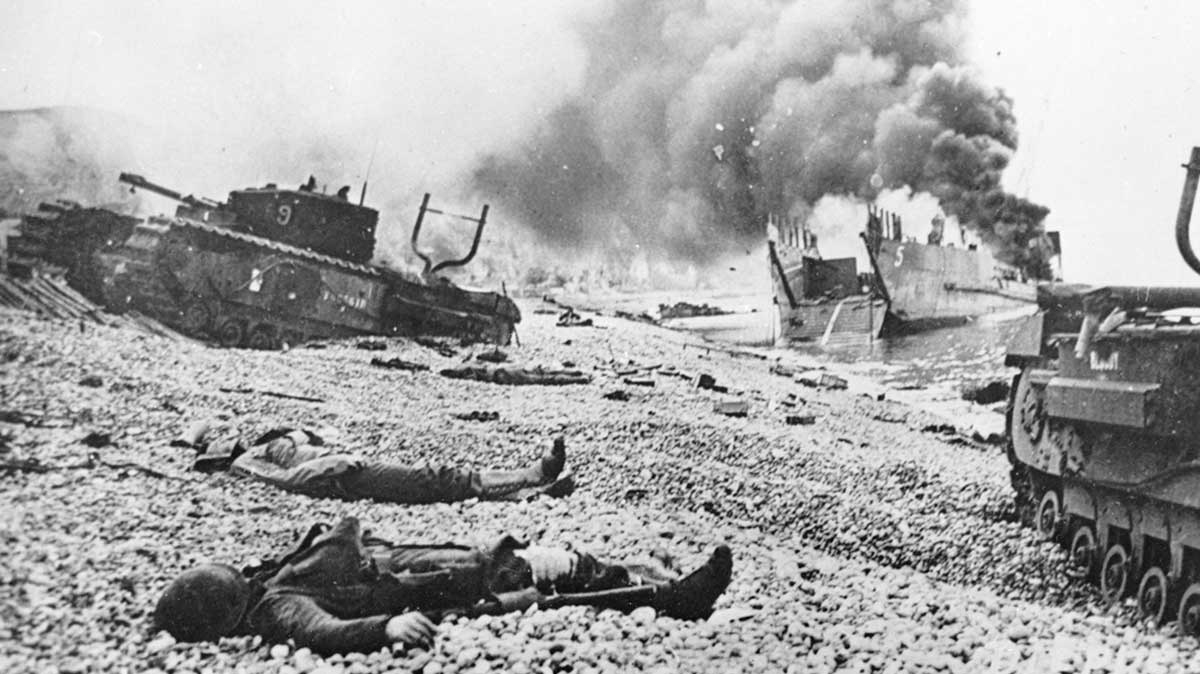
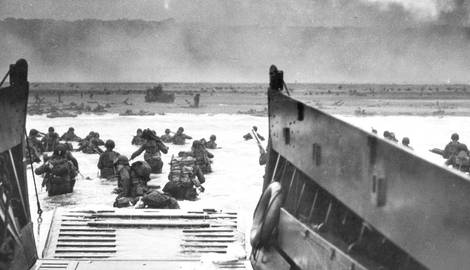
Forewarned but not seriously harmed by the destroyer bombardment, the Germans were ready by the time the landing craft reached the beaches. Most of the Canadian infantry was immediately pinned down under withering machine gun fire. In another planning error, because the beach at Dieppe consisted of loose pebbles, the Canadians’ tanks became bogged down as soon as they disembarked and were unable to lead the advance into the town.
The small number of Canadians who did make it off the beach and into Dieppe were quickly driven back or captured. Within a few hours it was clear that the raid was a debacle and the Canadians were forced to withdraw under heavy fire. By the end of the day, of the 4,963 Canadians that landed at Dieppe, 3,367 had been killed, wounded, or taken prisoner. August 19, 1942 was the deadliest day for Canada in World War II.
The Lessons Learnt by the Allies for D-Day
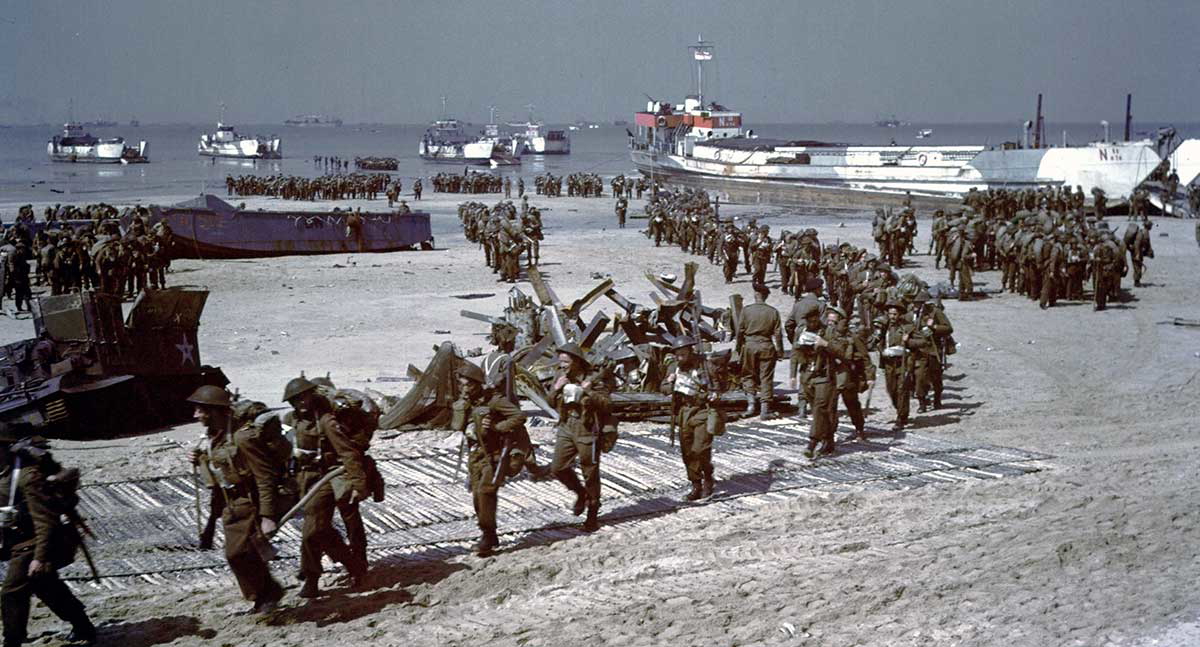
After studying what went wrong at Dieppe, Allied commanders made vital changes to their plans for D-Day. The disaster at Dieppe taught the Allies that the major French ports were too heavily defended by the Germans to attack directly. For D-Day, it was decided that the Allies would land far from any major French ports and use artificial harbors instead.
The failure of the Canadians’ tanks to get off the beaches also led the Allies to develop specialized armored vehicles for amphibious operations. The Allies also realized that overwhelming air and naval bombardments would be needed for D-Day. One of the reasons the Canadians were unable to make headway at Dieppe is that the naval bombardment did little more than alert the Germans to the imminent raid.
Ultimately, while the raid on Dieppe was an unmitigated defeat for the Allies, it provided crucial lessons that would make D-Day a success.