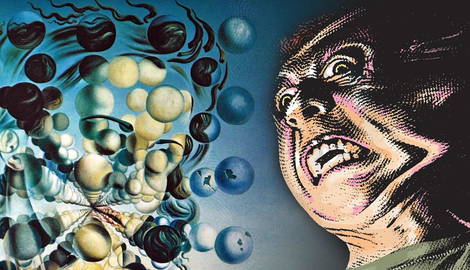
Chaos Magic emerged during a period when the occult was still deeply influenced by 19th-century traditions like Theosophy and the emergence of new-age esoteric movements such as Thelema and Wicca. These modes of magical thinking had very particular ideas about magic and how it should be done. By contrast, Chaos Magic embraces a “do it yourself” ethos, rejecting all dogma.
At its core, Chaos Magic empowers individuals to take control of their lives by actively transforming their circumstances. While famous figures like William S. Burroughs and David Bowie have contributed to its profile and mystique, the true power of Chaos Magic lies in its adaptability—it is a flexible, “postmodern” approach to magic that is accessible to anyone curious enough to experiment and explore its principles.
A Brief History of Western Magic
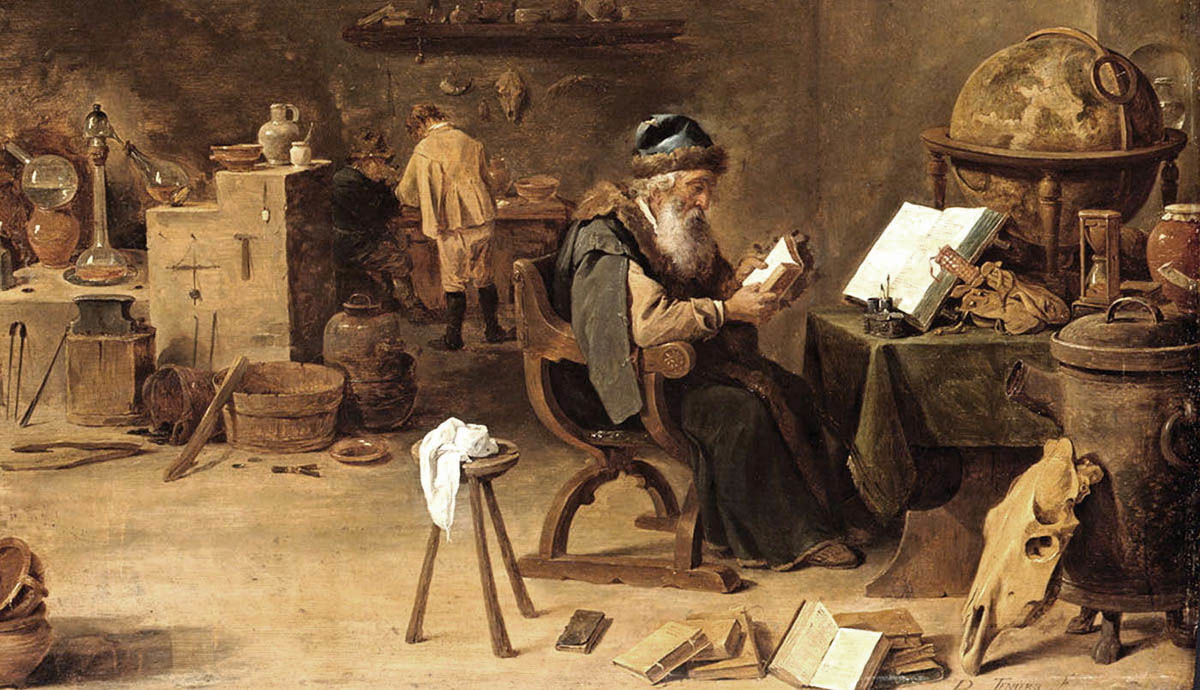
Western magic has its roots in the ancient civilizations of Egypt, Greece, and Rome, where spells, magical and religious rituals, and philosophical ideas about cosmic forces blurred the lines between science, religion, and mysticism. In ancient Egypt, Theurgy (divine magic) was practiced to summon spirits and reveal previously unimaginable mysteries.
In classical Greece and Rome, thinkers from Aristotle to Pliny the Elder wrote about the unseen influence of mysterious cosmic forces on everyday human life. Hermeticism, a syncretic tradition combining Egyptian, Greek, and Roman philosophy, solidified the idea of esoteric knowledge and the power of hidden truths as keys to understanding the cosmos.
During the Christian Middle Ages, magic was frequently suppressed but persisted in the form of Alchemy, which merged proto-scientific inquiry with mystical philosophy. Occult magic fully emerged as a field of study, encompassing elements of astrology, divination, mystical, and neo-Platonic philosophy in the Renaissance Period. This early modern period marked the integration of ancient esoteric traditions into the Christian religious framework that set the stage for later developments.
In the 19th century, magical thinking and the occult experienced a dramatic resurgence. Influenced by increased contact with Eastern religious spirituality in an age of expanding European empires, Western esoteric traditions blossomed. Drawing on the writings of Helena Blavatsky and the Theosophical Society, the early 20th century witnessed an explosion of occult magical secret societies.
Modern Western occultism, particularly exemplified by secret societies such as the Hermetic Order of the Golden Dawn, placed a strong emphasis on ritual, hierarchy, and esoteric frameworks. Ritual focused on the creation of a structured process to access higher planes and divine forces. Tiered systems of initiation ranked members hierarchically according to their degree of esoteric knowledge and spiritual attainment. Rules, discipline, and strict esoteric frameworks defined the elite, secretive nature of the magical order.
From Crowley to Chaos Magic
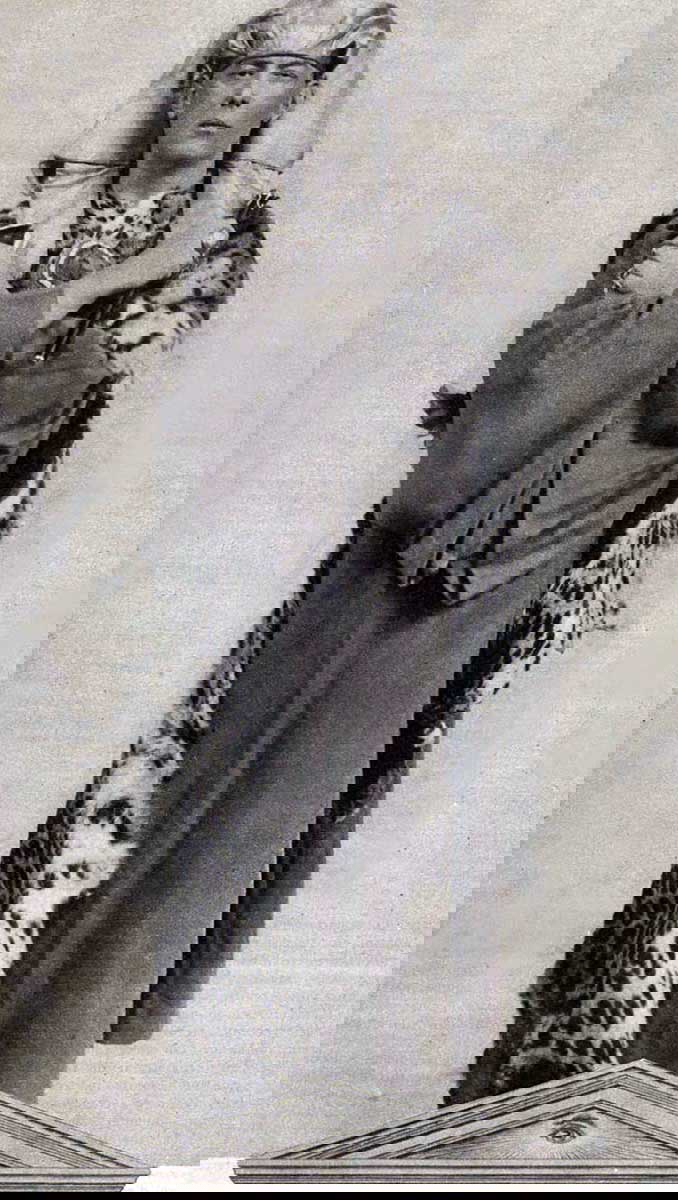
The early 20th century saw the birth of a revolutionary shift in Western magical philosophy, spearheaded by the famed occultist, and so-called “wickedest man in the world” Aleister Crowley. Crowley had been a member of the Hermetic Order of the Golden Dawn, joining in 1898, but owing to his brash demeanor, open bisexuality, and libertine lifestyle, clashed with other members of the society and was kicked out a year later.
In breaking with the Golden Dawn and its traditions Crowley went on to develop his own forms of magic. He is best known in esoteric circles for founding the new religious movement of Thelema, as outlined in the Book of Law (1904), its central tenet is: “Do what thou wilt shall be the whole of the law.” At its core, Crowley’s magical philosophy asserts that by discovering and pursuing one’s true purpose, an individual is capable of shining as brilliantly as a star in the universe.
His famous assertion in the Book of Thoth (1929), that “… magik is the art and science of causing change to occur in conformity with will” put the individual magician at the center of magical practice and solidified Crowley’s status as a magical radical. Under this loose pretense, rituals, divinations, and initiations were all imagined in the service of this will. Crowley’s shift redefined the goals of magic: instead of seeking universal truths or alignment with cosmic forces, the question of magic became pragmatic: “Does it work?” replaced the question of “Is it true?” (Greenwood, 2023).
Perhaps for the first time in the history of modern Western magic, venerated hymns, prayers, and the ontological status of gods were rendered relatively unimportant (Cusack, 2011). Crowley’s philosophy meanwhile laid the foundations for a new approach to magic, prioritizing individual agency over adherence to tradition. Building on Crowley’s ideas, Chaos Magic emerged in the late 20th century as an even more radical rejection of traditional ceremonial magics’ rigid formalities and hierarchies.
The Birth of Chaos Magic

In the wake of Crowley’s radical recentering of magical knowledge, Chaos Magic emerged as a rejection of rigid hierarchies and rituals in favor of a flexible, individualistic approach to magic.
In the late 1970s, a group of occultists centered around The New Equinox, a ceremonial magic magazine founded in Yorkshire, England by Peter J. Carroll and Ray Sherwin, are said to have come together to revive the Golden Dawn. Along with figures including the illusive Stoke Newington Sorcerers, Carroll and Sherwin gathered in the dead of night in a Leeds bookshop to deliberate a magical revolution. Moving beyond their interest in the magic of Aleister Crowley, the group is said to have discussed the necessity of “modernizing” magic and creating “results-based magic” (Hine, 2009).
In 1977, the first international organization of chaos magicians, Illuminates of Thanateros (IOT) was founded. In the following year, two seminal books marked the birth of the chaos magic movement, Ray Sherwin’s The Book of Results (1978) and Peter J. Carroll’s Liber Null (1978). Abandoning the rigid frameworks of Western esotericism, Chaos Magic deconstructed the Occult, stripping it of its magical regalia, orthodoxy, and hierarchical structures.
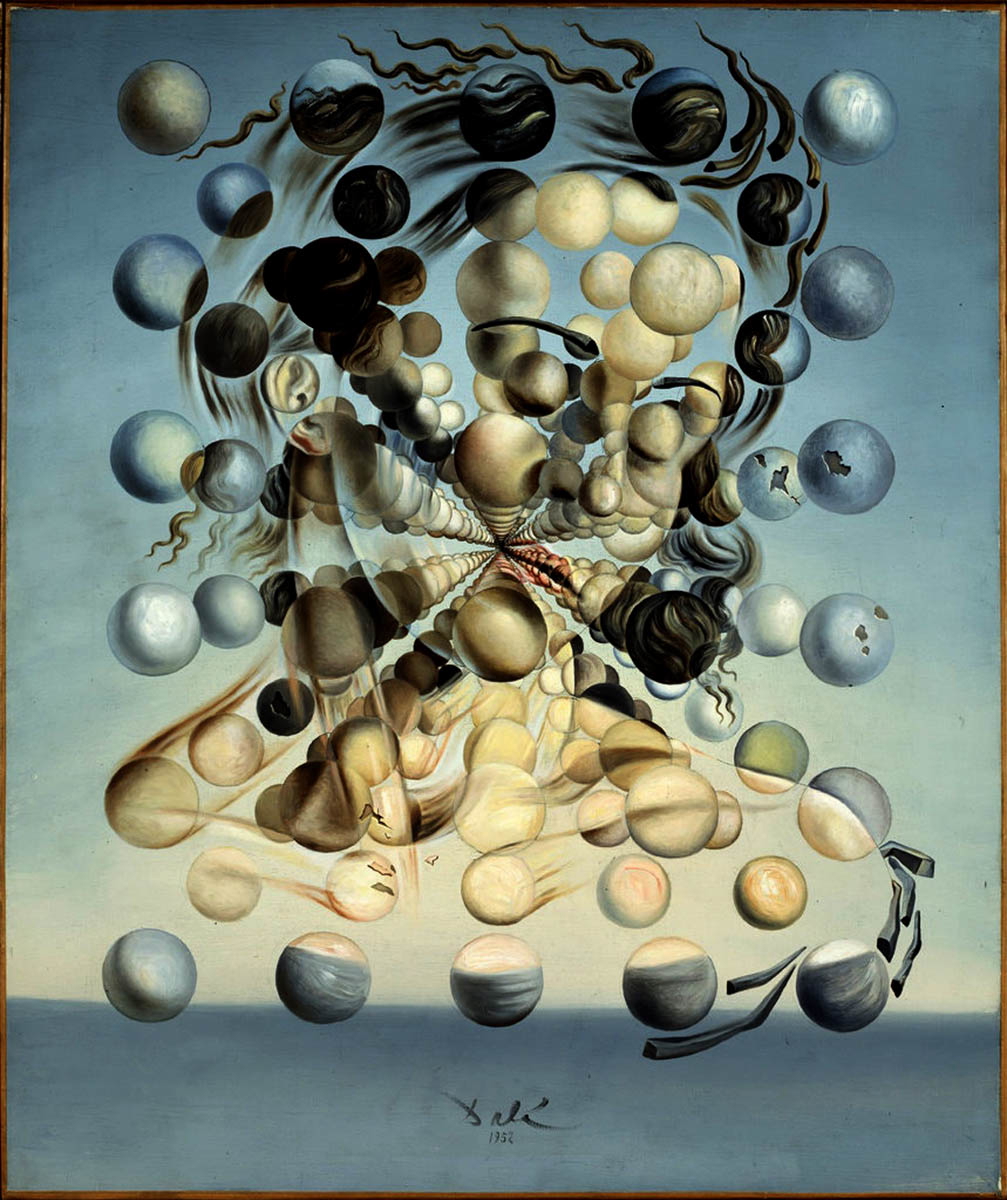
To understand the ideas behind Chaos Magic it’s important to understand what is meant by “chaos” in the first place. In a nutshell, Chaos Magic expresses the belief that the cosmos is in constant flux and that any perception of order—whether moral, cognitive, or epistemological—is subject to chaos (Cusack, 2011). Inspired by postmodern ideas, chaos theory, and quantum physics, Chaos Magic embraces the unpredictable and fragmentary nature of reality.
Just as chaos theory posits that the universe is subject to the whims of random unpredictability and that small random events can have profound effects on complex systems, Chaos Magic too views social reality as mutable (Urban, 2008). For chaos magicians, the inherent unpredictability of modern-day life must be embraced rather than resisted (Greenwood, 2023).
Postmodern Magic Without Limits
Thus in direct contrast to a rigid hierarchy of rules, chaos magicians draw from an eclectic mixture of postmodern, poststructural thought, magical traditions, pop culture, philosophy, and religious movements and belief systems. Unlike traditional magical systems that demand strict adherence to rituals or doctrines, Chaos Magic thrives on creativity and adaptability.
Ancient and modern symbols can be mixed with tarot or Top Trump cards. Egyptian gods and Norse runes can be evoked alongside modern celebrities and cartoon characters. In short, almost anything, invoked with the right intention can be used to achieve magical ends (Greenwood, 2023). Mundane objects can hold profound symbolic meaning as the magician’s imagination becomes their primary tool. By prioritizing flexibility and creativity, Chaos Magic transforms everyday life into the ultimate site of magical experimentation and transformation (Cusack, 2011).
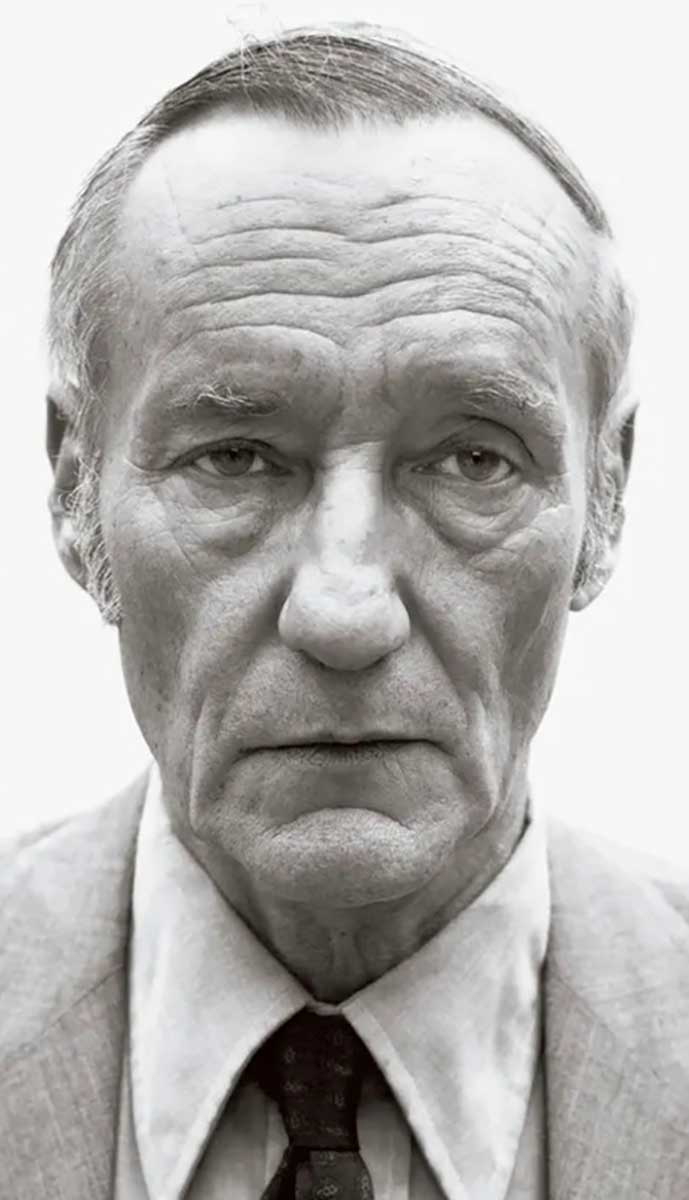
Famous figures in the realm of Chaos Magic, such as Beat Generation writer William S. Burroughs, have practiced and popularized a diverse array of magical practices. A staunch believer that we live in a “magical universe,” Burroughs experimented with numerous techniques designed to liberate himself from the constraints of reality. His most famous method, the “cut up” technique, involved slicing random text and images and rearranging them in new patterns.
Burroughs believed that cut-ups served magical functions, from political warfare to magical divination. Above all, he believed that they dissolved the barriers of ordinary consciousness and disrupted the “source code” of reality itself. Burroughs was inducted into the Illuminates of Thanateros in 1990. A well-known occultist, David Bowie also mobilized the cut-up technique: he sometimes wrote elements of his music by writing words down on cards, throwing them into the air, and then reorganizing the cards into songs.

Another pioneering musician, Richard D. James, better known as Aphex Twin, has also claimed that whether true or not he “pretty much believes” in magic. His use of the iconic Aphex sigil directly aligns with the philosophy of Chaos Magic: “You think of something that you want to happen, then you turn it into something that looks like a magic symbol, and then you put it out in the world, and it works.”
Ultimately, Chaos Magic invites anybody intrigued by its principles to redefine the boundaries of the magical world on their own terms. By embracing the coordinates of an unpredictable and fragmented social reality, chaos magicians can learn to manipulate it, forging their own paths within a world of limitless possibilities.