
A surprising historical development in early Christianity was its northward expansion into Britain and its establishment as a religious staple in British life. One of the earliest leadership roles within Christianity was that of the Archbishop of Canterbury.
Christianity in England Before the First Archbishop of Canterbury
Some evidence of Christianity being practiced in Britain exists by at least the second century AD. The first British martyr, Alban, was executed in the early 300s AD, and various other accounts show Christianity arriving in Britain well within a few generations of its founding. However, the decline of the Roman Empire and the withdrawal of Roman troops in 410 AD allowed invasions by Anglo-Saxons and Celts, and Christianity declined significantly in the British Isles outside of Wales in the 400s and 500s AD.
The Mission to Britain
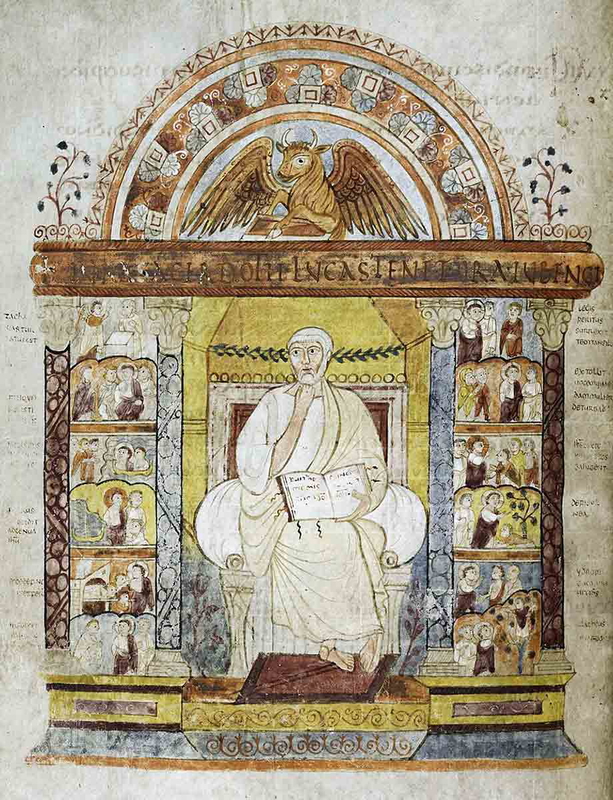
According to Bede in his Ecclesiastical History of the English People, Pope Gregory I, also known as Pope Gregory the Great, encountered a group of Anglo-Saxon boys for sale in a marketplace. He inquired as to where they were from and whether or not they were pagan, and responded,
“Alas! what pity,” said he, “that the author of darkness should own men of such fair countenances; and that with such grace of outward form, their minds should be void of inward grace.” He therefore again asked, what was the name of that nation? and was answered, that they were called Angles. “Right,” said he, “for they have an angelic face, and it is meet that such should be co-heirs with the Angels in heaven…”
Gregory would go on to send several missions into Britain, among which would be several men who would become Archbishops and lead the church in Britain.
The First Archbishop of Canterbury
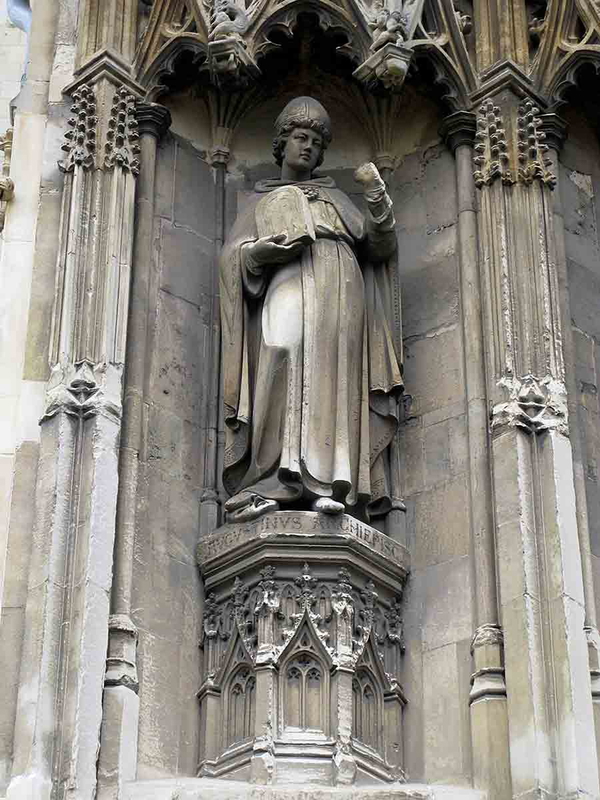
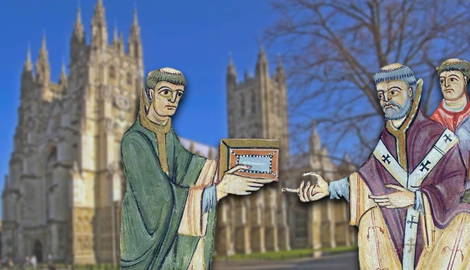
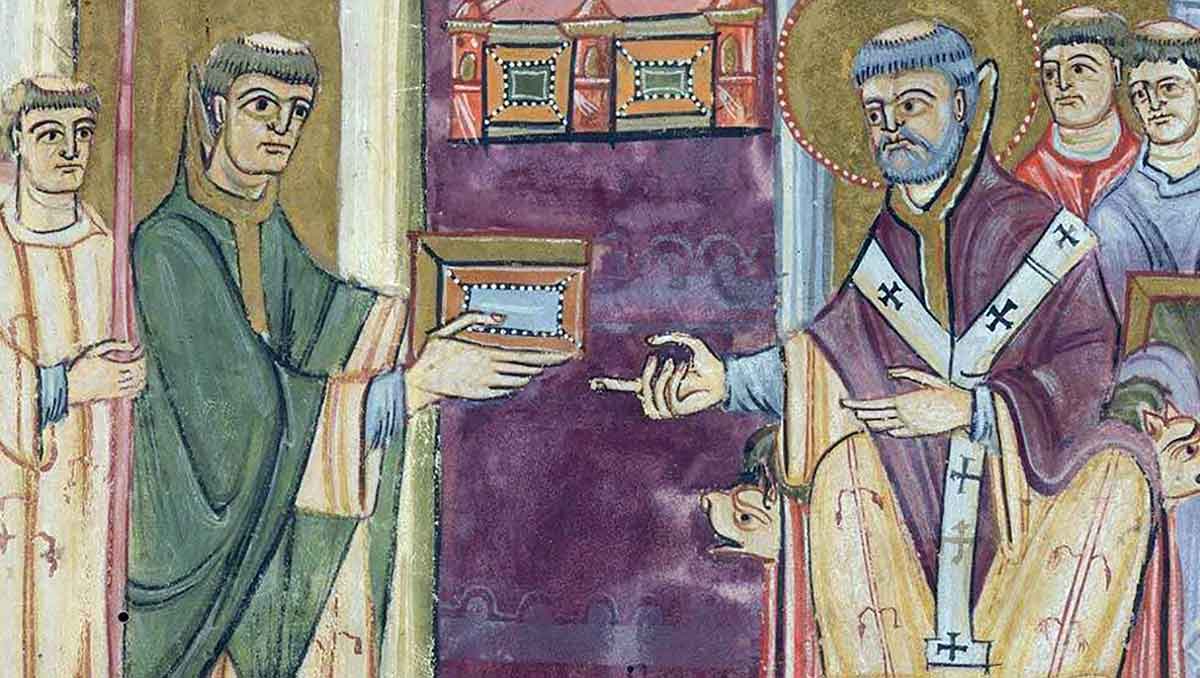
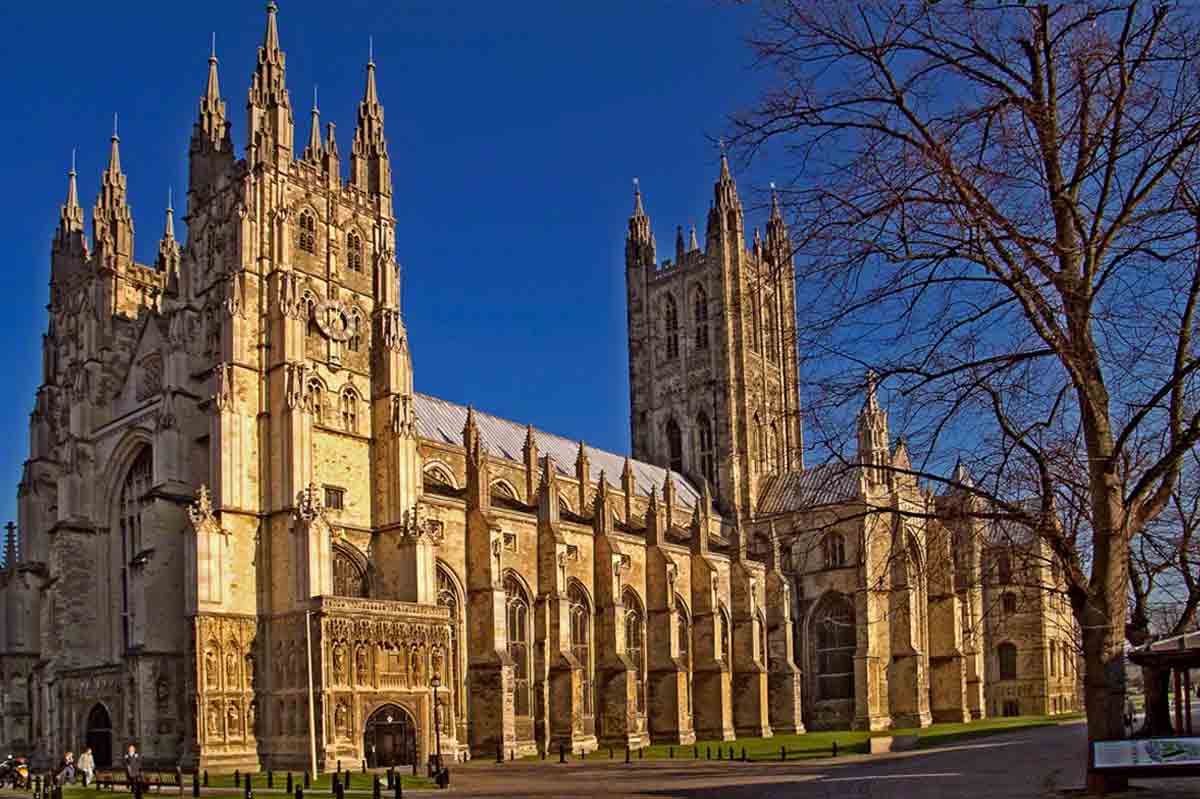
Augustine of Canterbury (not to be confused with Augustine of Hippo) was assigned by Pope Gregory I to go to England in 597 AD. The Anglo-Saxon King of Kent, Aethelbert, had married the Christian Frankish princess Bertha, and Aethelbert would eventually convert as well. Aethelbert granted property in Canterbury to the church (about 62 miles from London), and Christianity obtained a permanent foothold in Britain from that point forward, beginning under the capable leadership of Augustine.
Other Early Archbishops of Canterbury
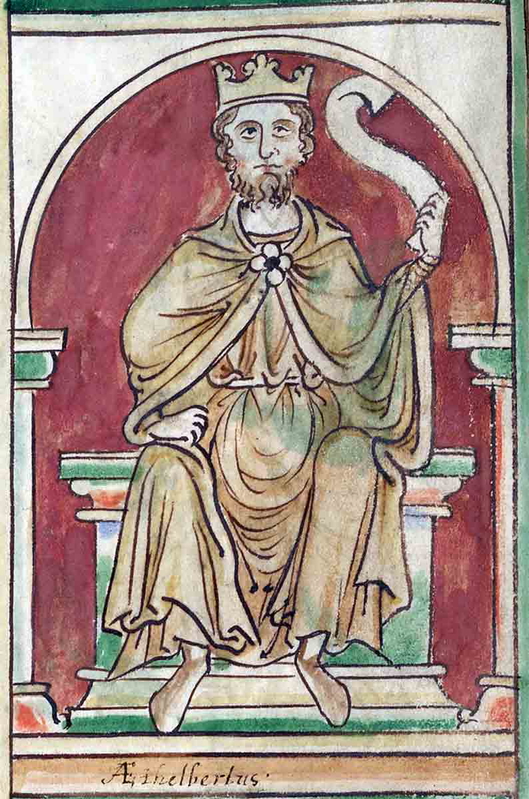
King Aethelbert died in 616 AD, and his heirs returned to their previous pagan practices. Augustine’s successors had to leave at times, with some occasionally residing in Francia. Much of their work was concentrated on missionary activities in converting the pagan Anglo-Saxons to Christianity and establishing the church in Britain. The first five Archbishops of Canterbury— Augustine, Laurence, Mellitus, Justus, and Honorius— were all members of the Gregorian missions to Britain.
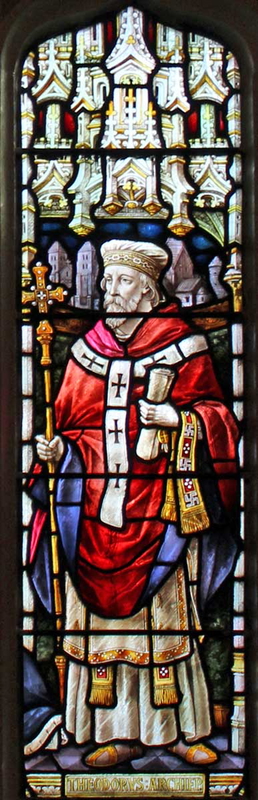
Theodore of Tarsus was probably the most influential of the early Archbishops. He had extensively traveled and studied in his youth, particularly in Antioch and Constantinople. When he arrived in Britain in 669, he handled several needed church reforms, particularly at the Synod of Hertford in 673 AD. Seeing the need for education, he established a sort of seminary at Canterbury, where Bede records:
“They attracted a large number of students, into whose minds they poured the waters of wholesome knowledge day by day. In addition to instructing them in the Holy Scriptures, they also taught their pupils poetry, astronomy, and the calculation of the church calendar.”
Following Theodore, and up through the early medieval period, most of the archbishops were concerned with the spread of Christianity throughout England, as well as administrative matters. A majority of the theological disputes across the church had been dealt with before Augustine’s arrival in Britain, and the geographical distance from the continent allowed the development of the British church to be somewhat apart from the rest of the other theological and political disputes occurring on the continent. There would be little controversy over the position until after 1000 AD.