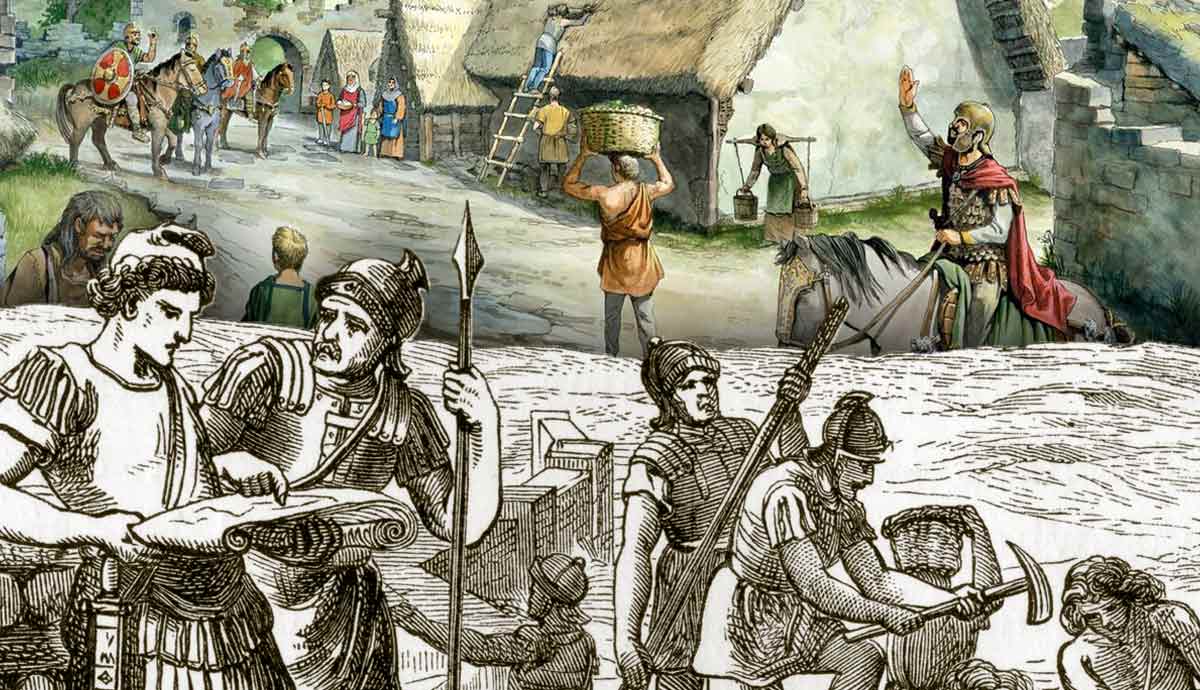
Rome was built by conquering new territory. So why did Emperor Hadrian decide to stop?
In conversation with TheCollector, archaeologist Dr. David Breeze reflects on his 50 years of scholarship on Hadrian’s Wall and the Roman frontiers. He explains what drove Hadrian to rethink Rome’s expansion, and how the Wall became part of a complex system of military control, movement, and cultural exchange.
Hadrian—having seen the terrible death toll of warfare, and realizing that the empire didn’t have enough men to keep fighting forever—decided he was going to define the limits of the empire in this way.
Hadrian’s Wall and the Roman Frontier
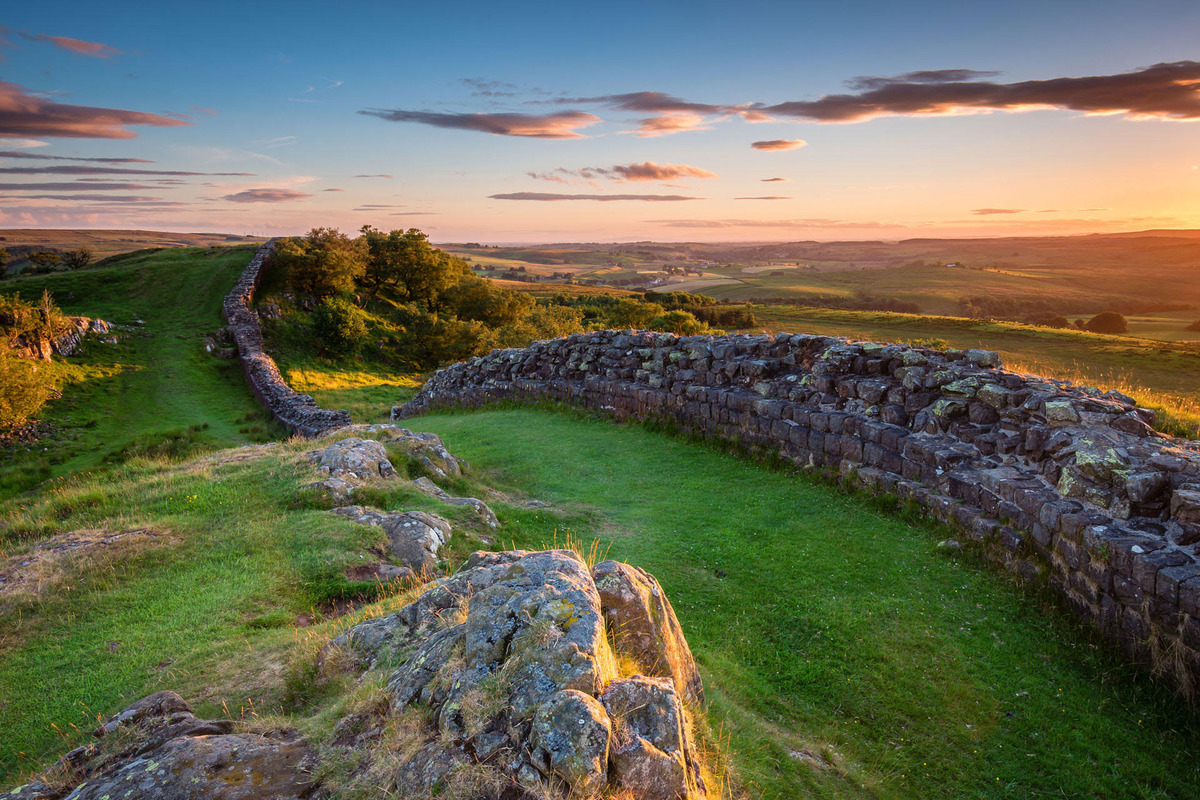
Construction of Hadrian’s Wall began in AD 122 after Emperor Hadrian’s visit to Britain. Stretching 80 Roman miles, or 73 miles (117 kilometers), from the River Tyne to the Solway Firth, it marked the empire’s northwestern frontier in Britain.
But the Wall was never simply a barrier. It formed part of a larger frontier network of forts, milecastles, watchtowers, roads, and controlled crossings that allowed Rome to monitor movement, maintain its military presence, and manage interactions beyond the frontier.
For Dr. Breeze, the Wall reveals that Roman frontiers were not fixed lines separating civilizations. They were active spaces where people, goods, and ideas moved between communities.
Life at the Edge of the Roman Empire
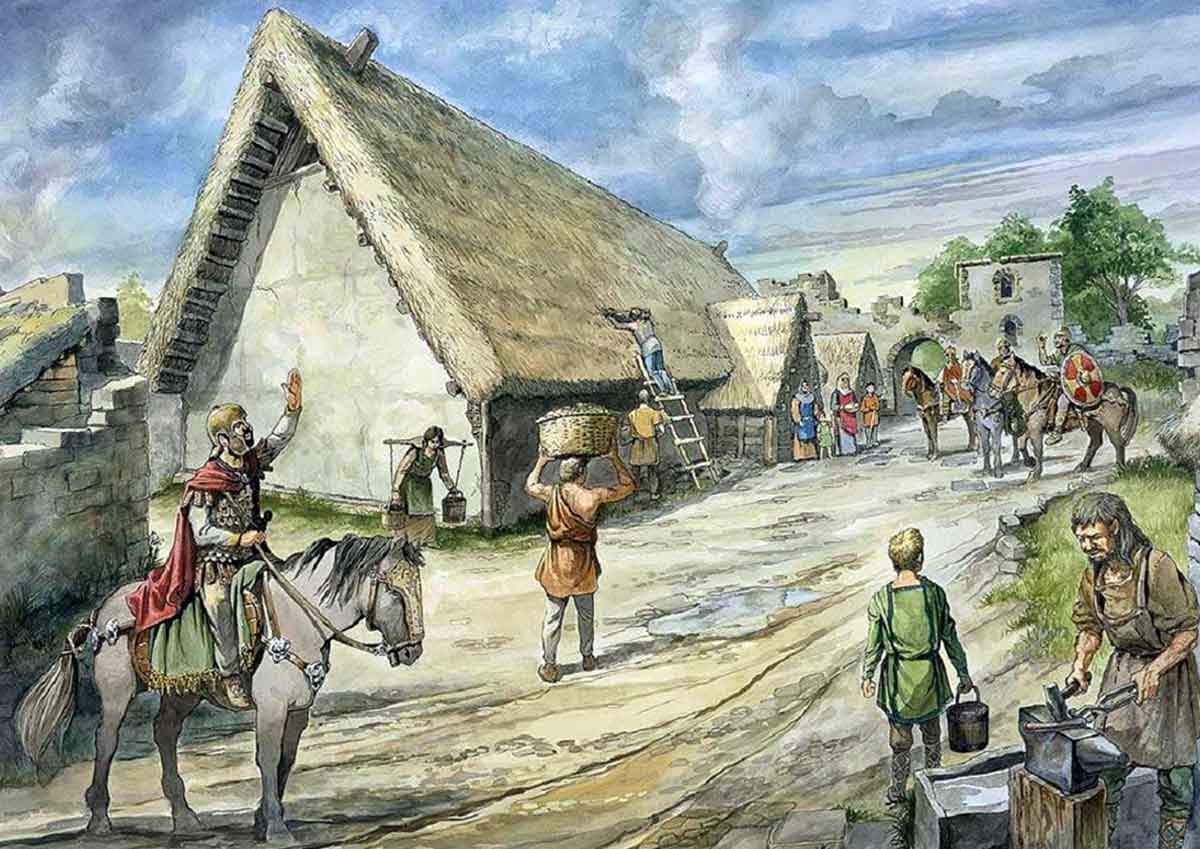
For the thousands of soldiers stationed along Hadrian’s Wall, the frontier was a place of everyday life as well as military service. Roman forts became communities with homes, workshops, religious spaces, and families, populated by people from across the empire.
After 50 years of studying Hadrian’s Wall and the wider Roman frontier, Dr. Breeze has helped transform our understanding of these landscapes. His research shows that the story of the Wall extends beyond Rome’s military power to the soldiers, civilians, and communities who lived along the frontier. It also challenges traditional Roman portrayals of the so-called “Barbarians” beyond the frontier, revealing a world shaped by trade, diplomacy, conflict, and cultural exchange.