Dietrich Bonhoeffer is among the most important Christian leaders of the 20th century. What made Bonhoeffer remarkable? How did this theologian, pastor, and writer resist Nazi Germany? This article offers a brief survey of Bonhoeffer’s life.
Dietrich Bonhoeffer’s Early Years

Dietrich Bonhoeffer was born in 1906 to a loving family among the German elite. His father, Karl Bonhoeffer, was a successful psychiatrist who raised his children to think critically and pursue goodness. Dietrich took after his mother, Paula, the daughter of a theology professor.
Dietrich experienced hardship during his childhood when his older brother, Walter, died in World War I. After the war, the Weimar Republic led Germany into a period of deep instability, which affected his view of politics. As an adolescent, Bonhoeffer sensed a call to theology. His father disagreed with his decision, but Dietrich did not waver from his path.
Theologian and Pastor

Dietrich Bonhoeffer studied at the University of Tübingen and the University of Berlin with great success. His dissertation, Sanctorum Communio, presents a theology of the church as ordained by God yet thoroughly established in this world. Bonhoeffer spent the rest of his life developing his theology of the church through writing and action.
After earning his doctorate, Bonhoeffer accepted a temporary pastoral assignment in Barcelona. He enjoyed pastoral ministry, as well as teaching children at a Christian school. Bonhoeffer held various jobs throughout his life, but he always stayed connected to his original vocation as a theologian and pastor.
Member of Abyssinian Baptist Church
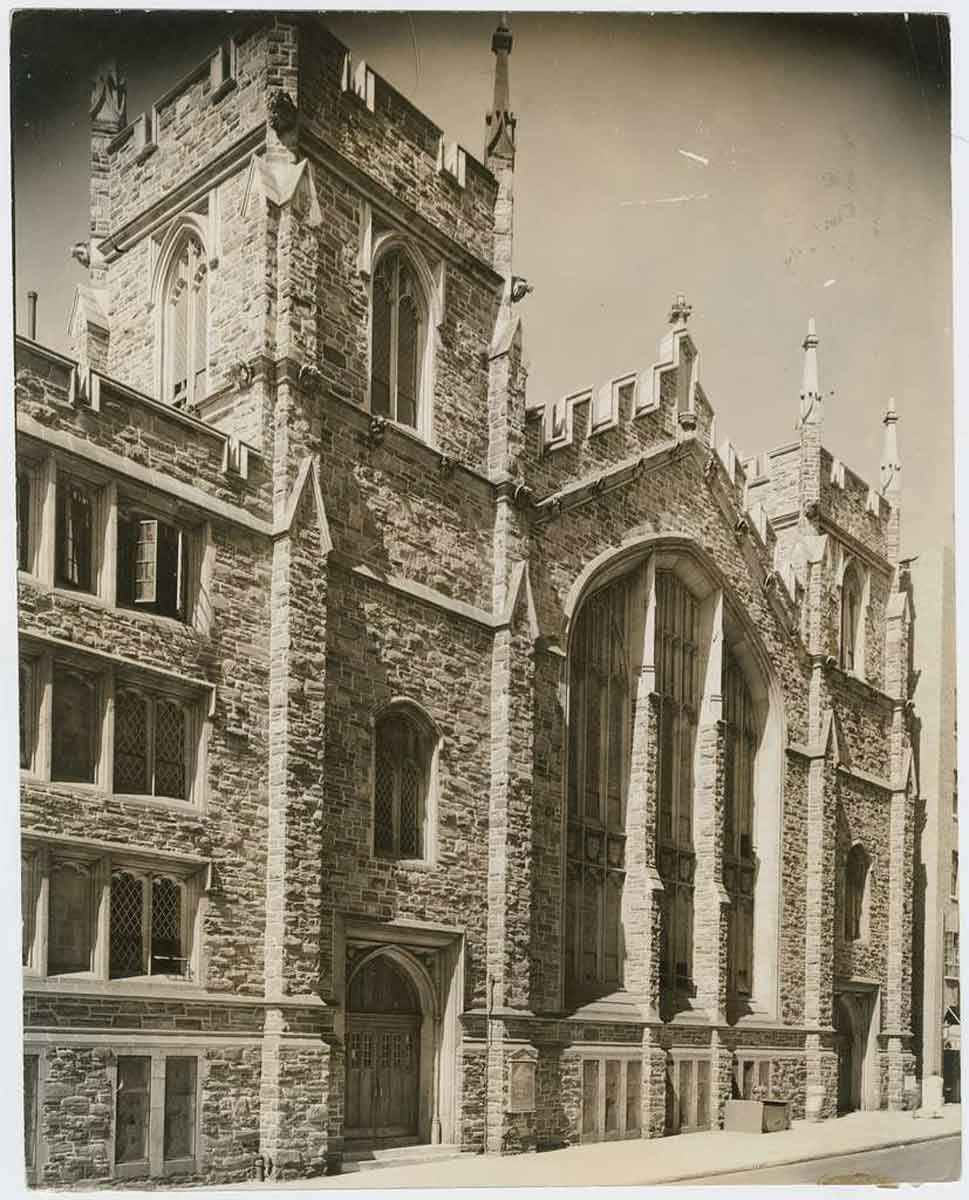
In 1930, Dietrich Bonhoeffer received a one-year fellowship at Union Theological Seminary in New York City. This year changed Bonhoeffer’s life. His fellow student, Frank Fisher, introduced him to Abyssinian Baptist Church in Harlem. In the wake of the Harlem Renaissance, Rev. Adam Clayton Powell, Sr. pastored Abyssinian to become a model of both religious devotion and social justice.
Bonhoeffer was deeply affected by the Abyssinian Church community. He taught Sunday classes, listened to gospel hymns, and even remarked, according to Dr. Reggie Williams (2021), that he had “finally become a Christian” (p. 107). Scholars surmise that Bonhoeffer’s experience among 20th-century American Black Christians prepared him to creatively resist Nazi oppression.
Resisting Nazism
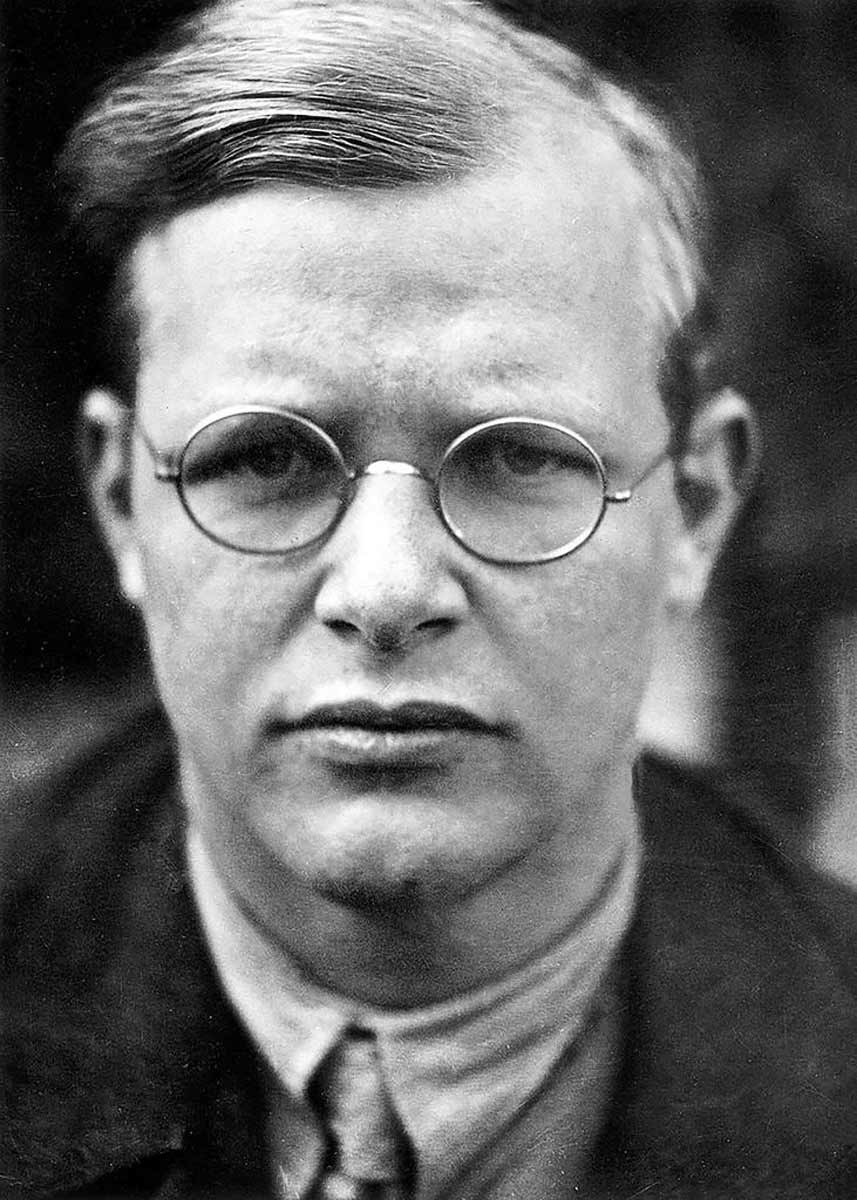
After returning to Germany, Dietrich Bonhoeffer began teaching theology at Berlin University. Germany was on the verge of history when, in 1933, Adolf Hitler became Chancellor. In a public act of resistance, Bonhoeffer spoke out against the Nazi Party on a live radio broadcast. Hitler was known as the führer (“leader”) but, in his speech, Bonhoeffer called him the verführer (“misleader”).
Considering the surrounding context of Nazi propaganda, Bonhoeffer’s speech was a brave act of truth-telling. His speech was taken off the air before he finished. Undeterred, Bonhoeffer soon published an article titled, The Church and the Jewish Problem, while Germany began to remove Jews from prominent professions.
During this season of life, Dietrich Bonhoeffer accepted a two-year pastoral position in London, which gave him important contacts for future resistance against the Nazis. He also began writing his most famous book, The Cost of Discipleship, which is an interpretation of the Sermon on the Mount in the Gospel of Matthew. In it, Bonhoeffer reflects on theological concepts like “cheap grace,” Christian pacifism, and radical obedience to Jesus’s commands. To this day, The Cost of Discipleship influences Christians around the world.
Leader in the Confessing Church
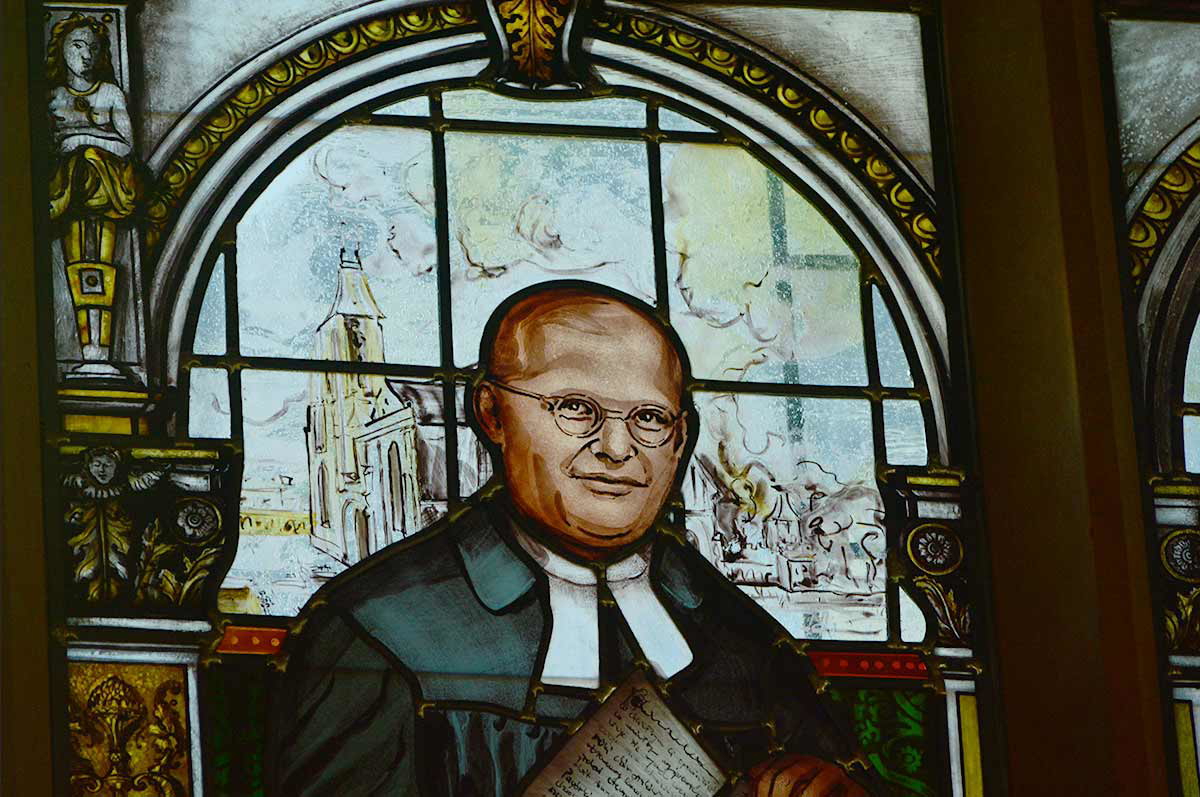
The German Christian Church was largely complicit with Nazism, but pastors like Dietrich Bonhoeffer refused to accommodate them. After multiple ecumenical conferences, theologian Karl Barth wrote the Barmen Declaration. This document guided the founding of the Confessing Church, which Bonhoeffer would serve for the rest of his life.
Bonhoeffer led an underground seminary for the Confessing Church in Finkenwalde. His experience at Finkenwalde became the inspiration for a future book, Life Together. Due to the seminary’s public critique of the state, the Gestapo shut down the Finkenwalde Seminary within three years.
Undercover Diplomat for the German Resistance
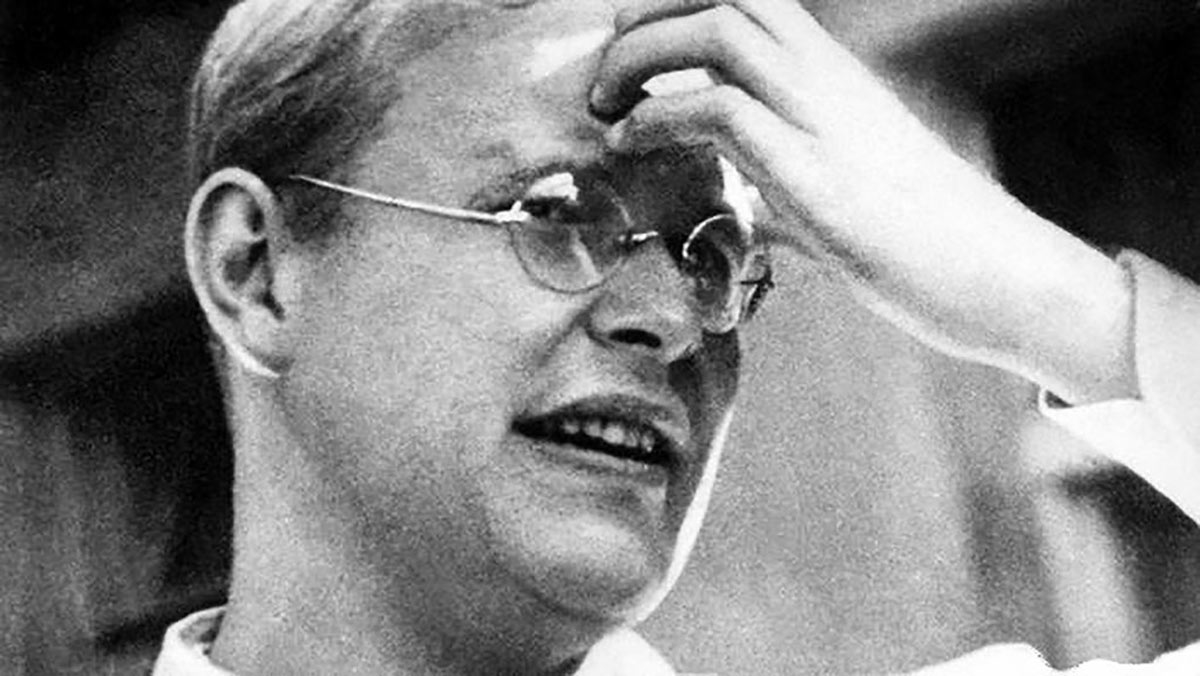
During the late 1930s, Dietrich Bonhoeffer faced an important decision. He was committed to resisting Nazism, but how would he resist? In 1939, he traveled to New York City, where he could have taught theology, spoke out against Nazi Germany, and avoided the imminent war. Instead, he returned to Germany within weeks. He decided that he could not abandon his people at such a pressing time. Bonhoeffer began talking with conspirators to overthrow Hitler, eventually taking on a counterespionage role. He operated like an undercover diplomat, meeting with contacts across Europe who might support anti-Nazi efforts.
As a cover, Bonhoeffer took a job in the Abwehr (German military intelligence) with his brother-in-law, Hans von Dohnanyi. The Gestapo forbade him from speaking in public, but he continued writing what became the posthumously published, Ethics. In 1943, Bonhoeffer got engaged with a woman named Maria von Wederneyer.
Prisoner and Martyr
In 1943, Dietrich Bonhoeffer was arrested after the Gestapo discovered his counterespionage efforts. He was sent to Tegel Prison in Berlin, where he spent nearly two years. His letters from prison were compiled and posthumously published by his best friend, Eberhard Bethge. Bonhoeffer’s letters are characteristically reflective, theological, relational, and heartfelt.
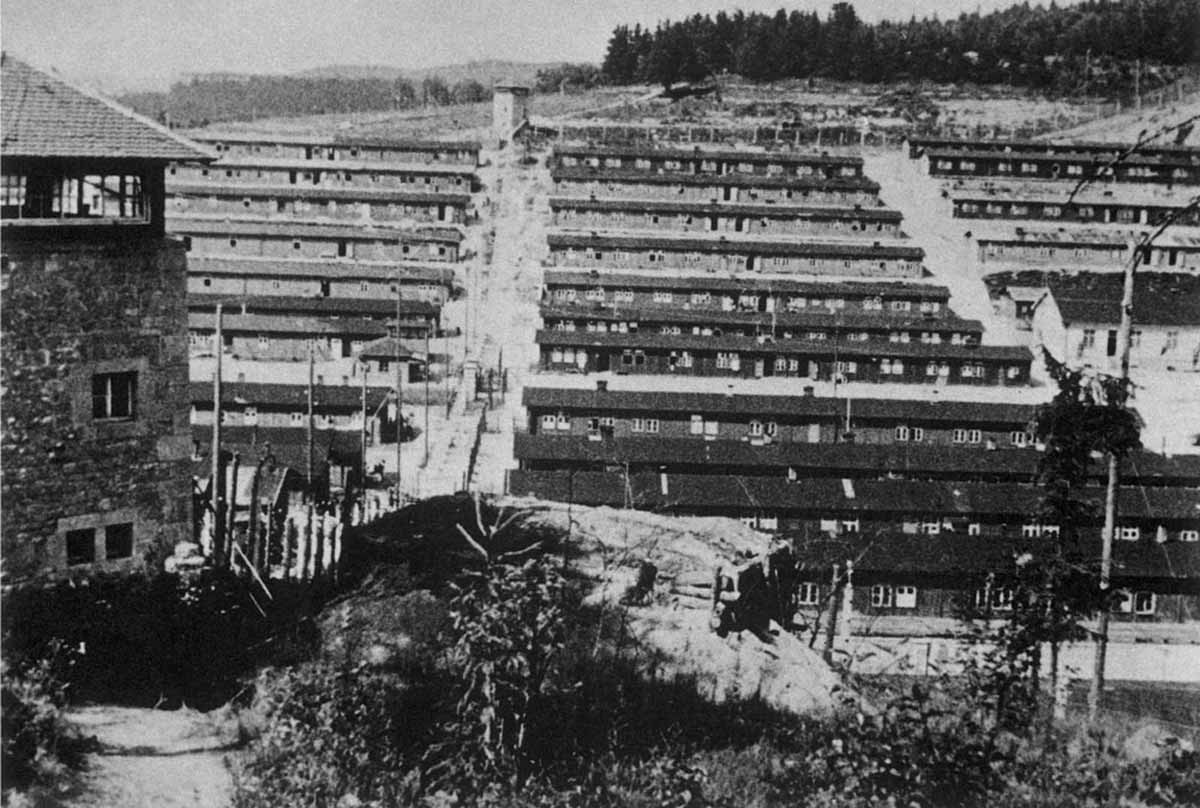
In April 1945, Bonhoeffer was transported to Flossenbürg Concentration Camp for execution. The night before his death, he led a religious service for fellow prisoners. Early on April 9, guards marched him to the gallows and hung him. Due to his unwavering commitment to Jesus Christ and bold witness against the Nazi regime, Dietrich Bonhoeffer is widely considered to be a 20th-century martyr in the line of the early persecuted Christians. He was executed a mere two weeks before the liberation of Flossenbürg and one month before Germany’s surrender. Renate Wind (1991) recounts Bonhoeffer’s final words, written to his friend George Bell: “This is the end, for me the beginning of life” (p. 180).
Dietrich Bonhoeffer as a Modern Inspiration
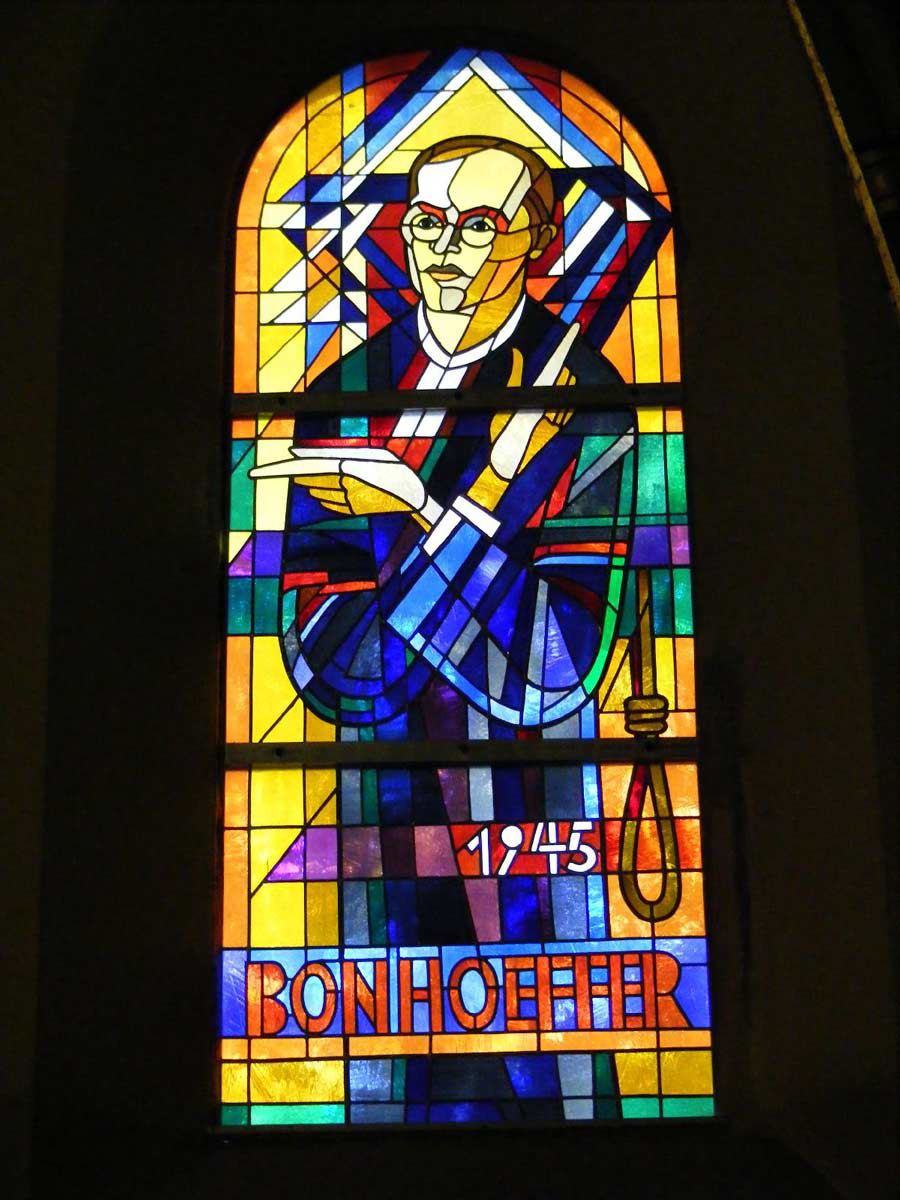
Today, Dietrich Bonhoeffer’s name stretches far beyond anything he could have imagined. Bonhoeffer lived an extraordinary life, but he was not famous in his lifetime. His execution could easily have ended his story. Yet, millions of modern Christians continue to read his words, follow his teachings, and remember his life. Though Nazi Germany tried to silence him, his legacy could not be stopped. Dietrich Bonhoeffer—the theologian, pastor, writer, and rebel—lives on.
Bibliography:
Williams, R. (2021). Bonhoeffer’s Black Jesus: Harlem Renaissance Theology and an Ethic of Resistance. Baylor University Press.
Wind, R. (1991). Dietrich Bonhoeffer: A Spoke in the Wheel. Eerdmans Publishing Company.