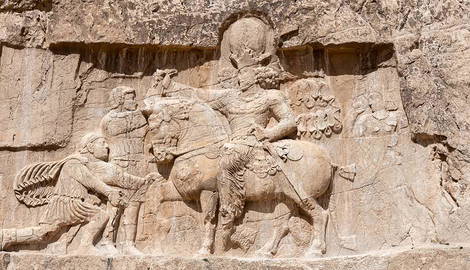

In 256 CE, Shapur I led an invasion of Roman Syria and besieged the strategic fortress-city of Dura Europos, located on the southwestern bank of the Euphrates, near the modern village of Salhiyé, in Syria. The Sasanian attackers used tunnels to undermine the walls of the fortress, and the Roman defenders dug countermines. In one of these tunnels, traces of toxic gases were found that killed 19 Roman defenders, making it one of the first recorded uses of chemical warfare in history.
Dura Europos: Founding & Early History
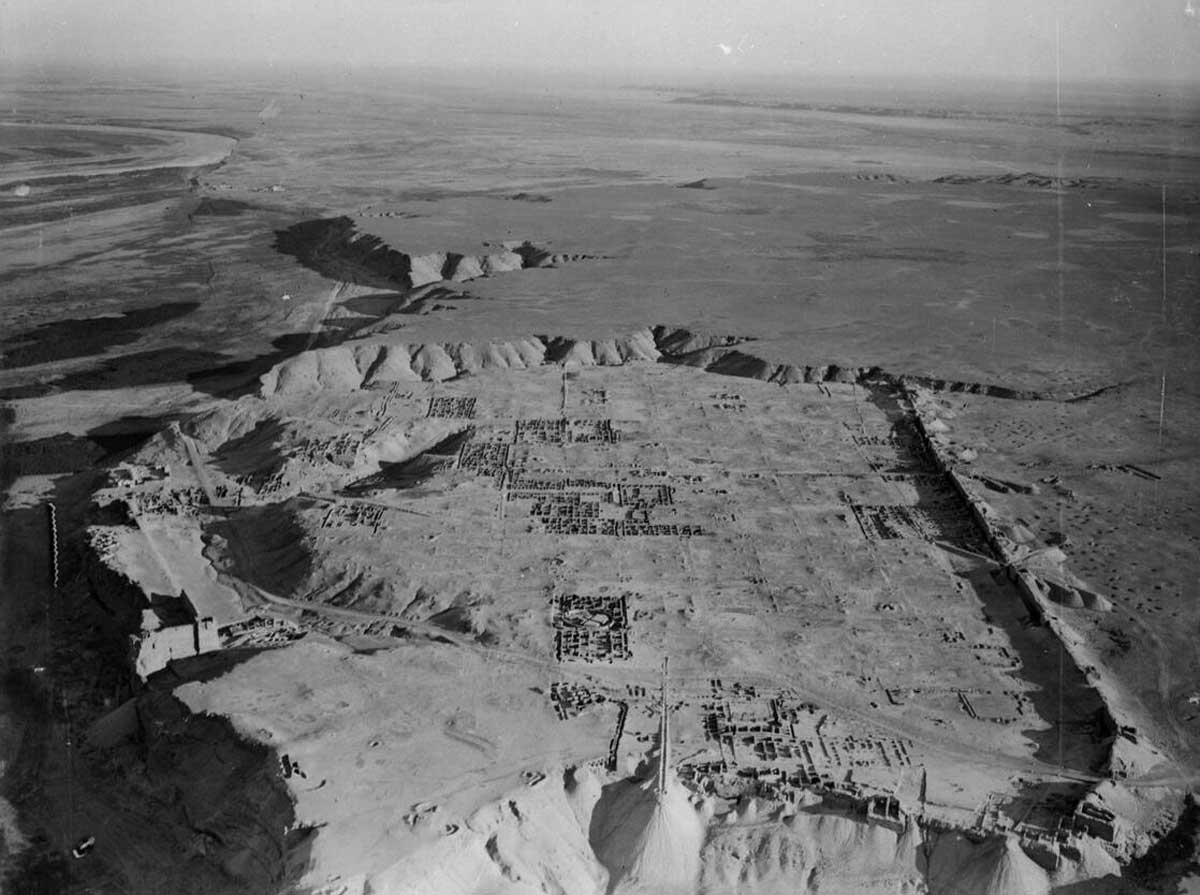
Dura Europos was founded by the first Seleucid king, Seleucus I Nicator (358-283 BCE), around the year 300 BCE as a fortress along the southwestern bank of the Euphrates to monitor and control the trade routes going from east to west and the communication lines between the major cities of Antioch and Seleucia, which were also founded around the same time. It quickly grew in importance and was expanded in the 2nd century BCE along the Hippodamian model.
The city was captured by the Parthians in 113 BCE and lost its importance as a fortress along the Euphrates. The Parthians imported many new inhabitants, which swelled the population of Dura Europos.
The Romans later gained permanent control of the city during the Roman-Parthian War of 161-166 CE under the emperor Lucius Verus. Under Septimius Severus, the city became an important center in the region, being the easternmost settlement on the Roman frontier with the Persians, and it grew in size and importance, with a population ranging from 5,000 to 15,000.
Context of the Siege
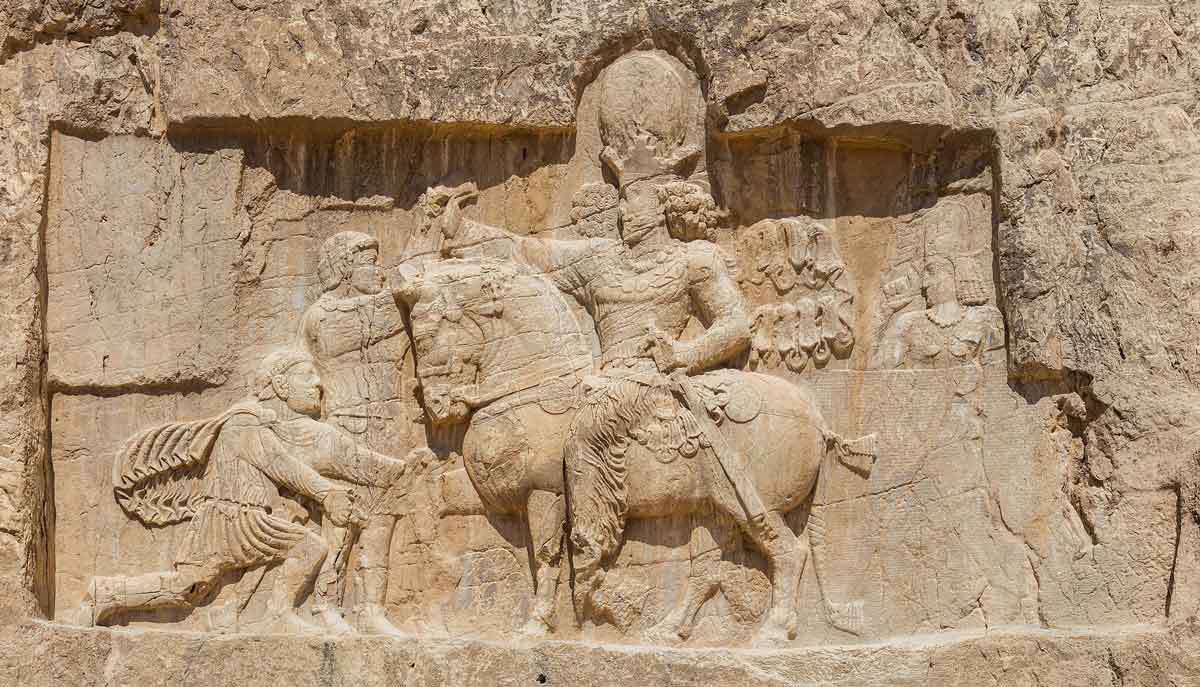
In 224 CE, a Persian prince from southern Iran by the name of Ardashir revolted against the Parthian ruler and successfully took his place, founding what would become the Sasanian Empire, which lasted until the 7th century CE. This new dynasty was more aggressive toward Rome than the Parthians and invaded multiple times.
During almost the entirety of the Third Century Crisis, the Sasanians and the Romans were at war, with the Sasanians having, for the most part, the upper hand. The Roman emperor Gordian III led a disastrous campaign against Shapur I, in which he died, and his successor Philip the Arab had to pay 500,000 denarii to the Sasanian king to allow him to return to the Roman Empire.
In 250 CE, Shapur I, the son of Ardashir, began an invasion of Roman territory and completely annihilated a Roman army of around 60,000 at the battle of Barbalissos (252 CE), before moving on to the Syrian capital of Antioch, the third largest city of the Roman Empire, and plundering it (253 CE). Returning home, he decided to besiege the fortress-city of Dura Europos, which had been strengthened to meet the Sasanian threat; the Romans had built a buttress against the exterior walls to strengthen them against artillery attacks, destroying a large section of the city to do so.
The Siege and the Use of Chemical Warfare
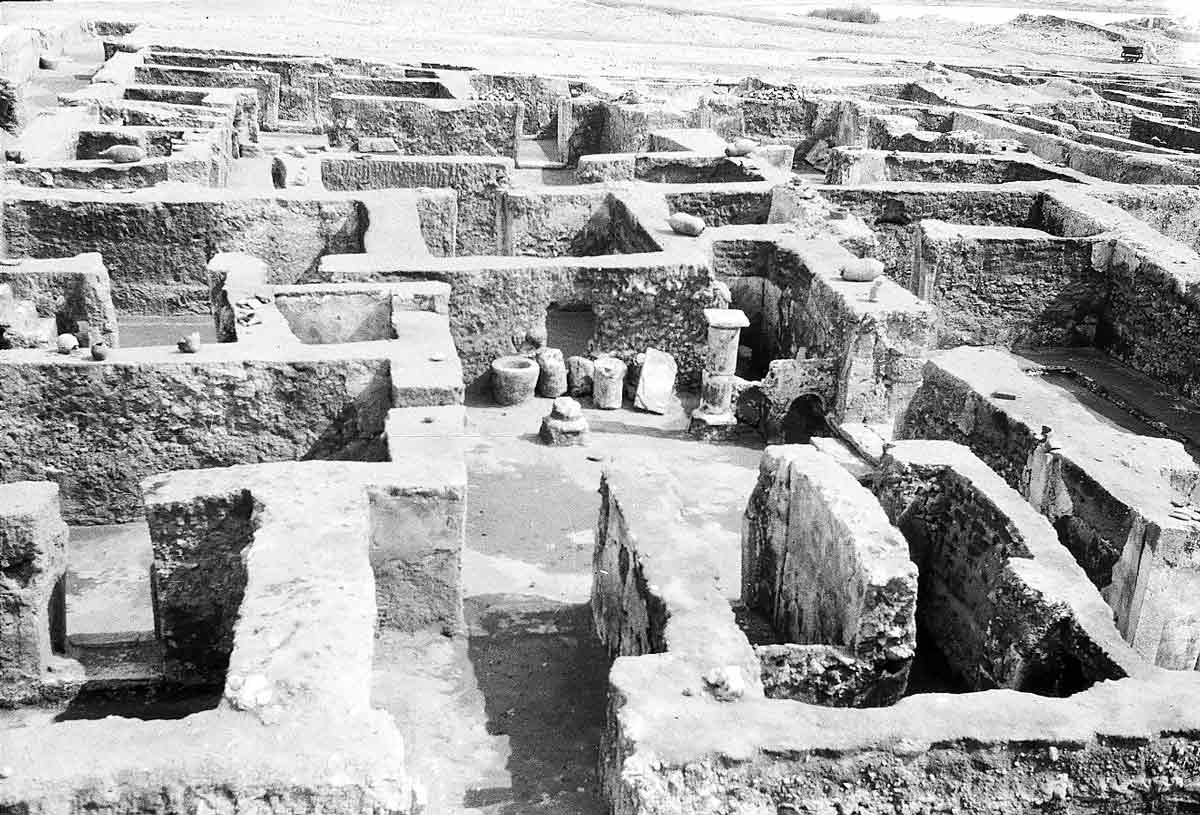
No literary source tells us any information about the siege of Dura Europos in 256 CE; we must therefore rely almost entirely on archaeological evidence, which, fortunately, is abundant (the site was even nicknamed the “Pompeii of the desert”). This is in stark contrast with the other major Sasanian siege we know of, the Siege of Amida in 359 by the second Shapur, which is recorded by only one eyewitness, Ammianus Marcellinus.
We do not know the number of soldiers stationed there, nor the names or details of any of the defenders. Debate is still occurring over whether the siege lasted weeks or months. The Sasanians started by building a huge siege ramp composed of solid blocks and paved with fired brick, to try to get over the southern end of the western wall. The Romans reacted by heightening their own city wall and deepening the buttress they had already added. The Sasanians also used siege machines as a part of a multipronged attack.
Meanwhile, both sides dug mines; the Persians were seeking to enter the town and undermine the defences, whereas the Romans wanted to destroy the attackers’ ramp.
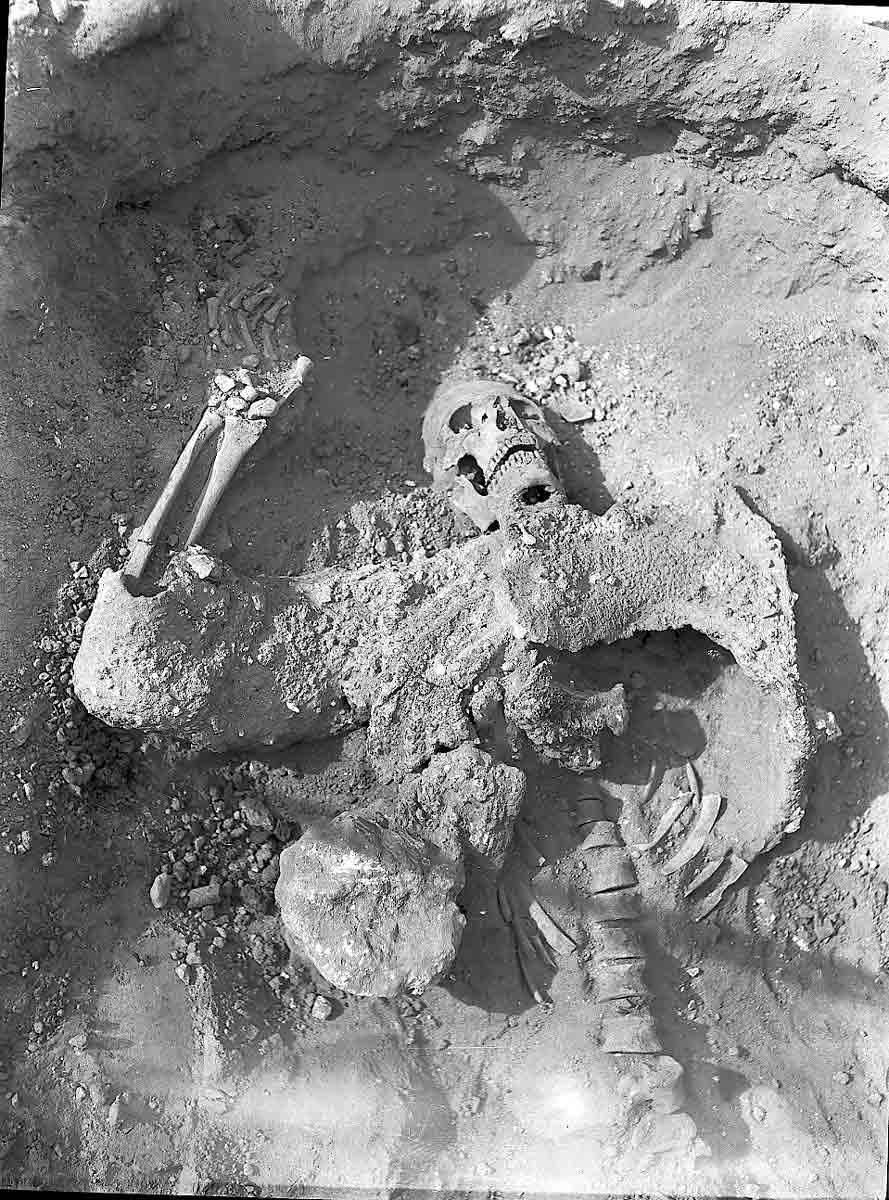
The Sasanian attackers dug another tunnel, this time to undermine Tower 19 of the fortress and make a breach to let in the rest of the Sasanian army. The Romans detected it and reacted by digging a countermine. In these tunnels, archaeologists found 20 skeletons, still with their armor. Scholars have come to this conclusion about their death: the Romans dug a tunnel and managed to link with the end of the Sasanian tunnel, just under their defences, which was higher than the rest of the Sasanian mine. Hearing them, the Sasanians used choking fumes, probably sulphur and bitumen, which went up into the Roman tunnel and asphyxiated the Romans.
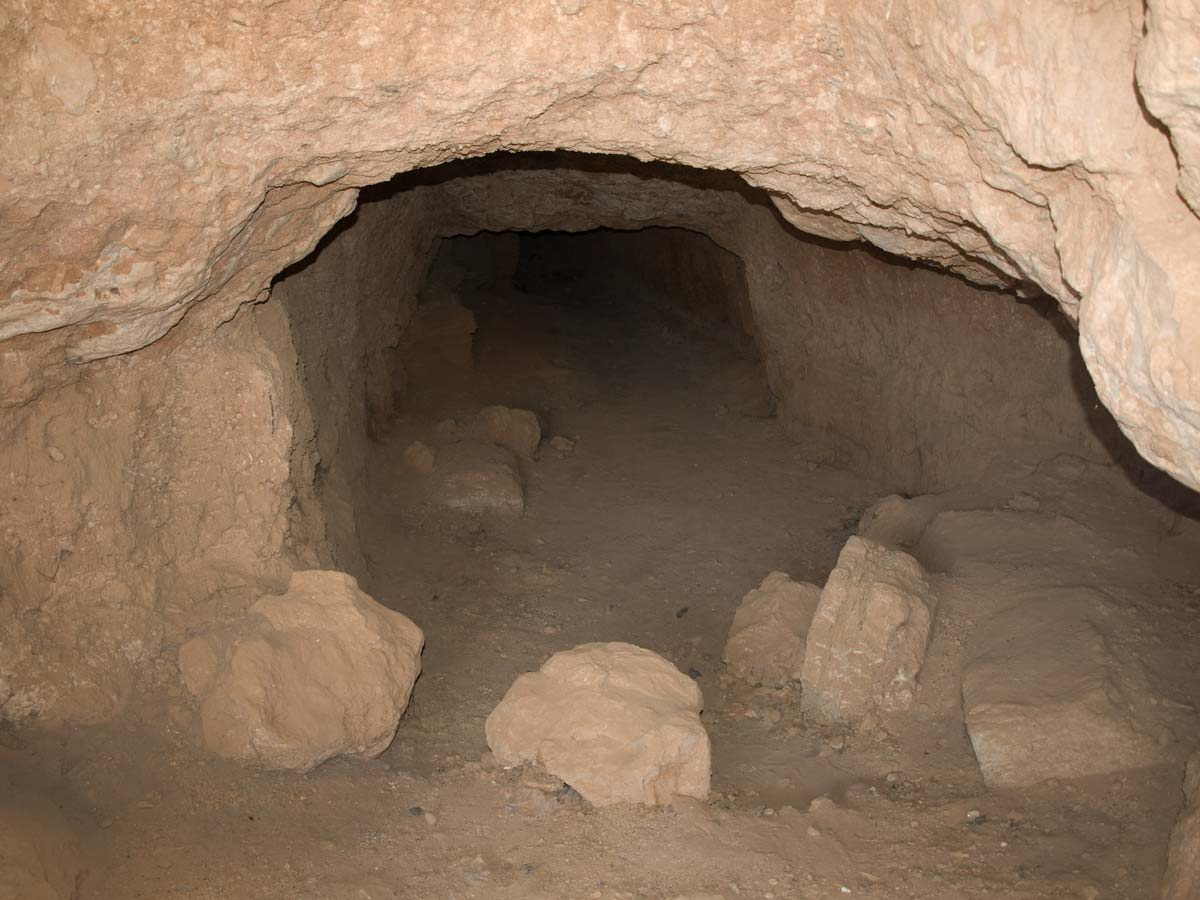
Afterward, the attackers entered the Roman tunnel and collapsed the entrance using sulphur and bitumen again to start a fire, which killed one Sasanian fighter. They also dragged all the Roman bodies along with their shields and armor to block the entrance, stacking them into a wall.
The Sasanians weren’t the first to use chemical warfare. For example, we know from certain Roman writers that armies were already using choking fumes against their enemies during the Hellenistic era. In the 2nd century BCE, the Romans besieged the city of Ambracia, which was a part of the Aetolian League. The defenders resisted vigorously and used the first instance of a chemical weapon against the Romans.
Livy describes the chemical weapon as follows: “A new device as well, and one easy of execution, was thought out against the Romans who were in the tunnel. They prepared a cask pierced at the bottom, where a pipe of moderate size could be inserted, and likewise an iron pipe and an iron lid for the cask, this lid too being perforated in several places. This cask, filled with light feathers, they placed with its mouth facing the tunnel. They fixed in the holes in the lid the very long spears which they call ‘sarisae,’ so as to keep the enemy at a distance. A light spark of flame, placed among the feathers, they fanned by blowing with a smith’s bellows placed at the mouth of the pipe. Then, since smoke, not merely abundant in quantity, but, even more, unendurable by reason of the vile stench from the burning feathers, had filled the whole tunnel, scarcely anyone was able to remain within it” (Livy, XXXVIII, 7).
Aftermath and Excavations
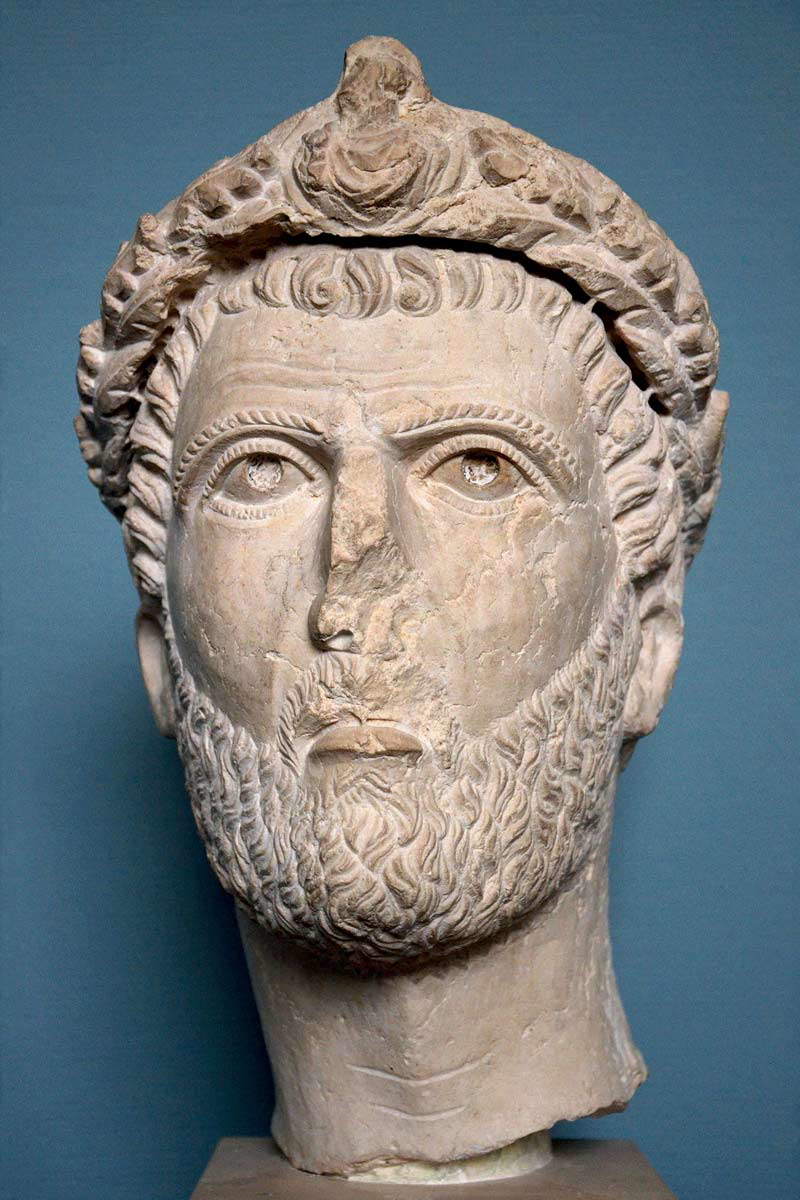
We do not know how the Sasanians finally broke into the fortress, but we know that the Romans made a final stand in the northern section of the city. Afterward, the city was never rebuilt, even though some evidence suggests activity until the 5th century CE. Much like the stronghold of Masada in Israel, which was besieged and captured by the Romans in 73 CE, the site was not disturbed throughout the centuries, and the local environmental conditions were favorable to the great preservation of the artifacts.
After the siege, the Sasanians invaded the Roman Empire several more times, even taking the Roman emperor Valerian prisoner after his defeat at the Battle of Edessa in 260 CE. The Romans finally regained the upper hand when the ruler of the city-state of Palmyra, Odaenathus, husband of Zenobia (who would later rebel against the Romans and split to form her own state), led some victorious campaigns in the name of Rome against the Sasanians in the 260s CE.
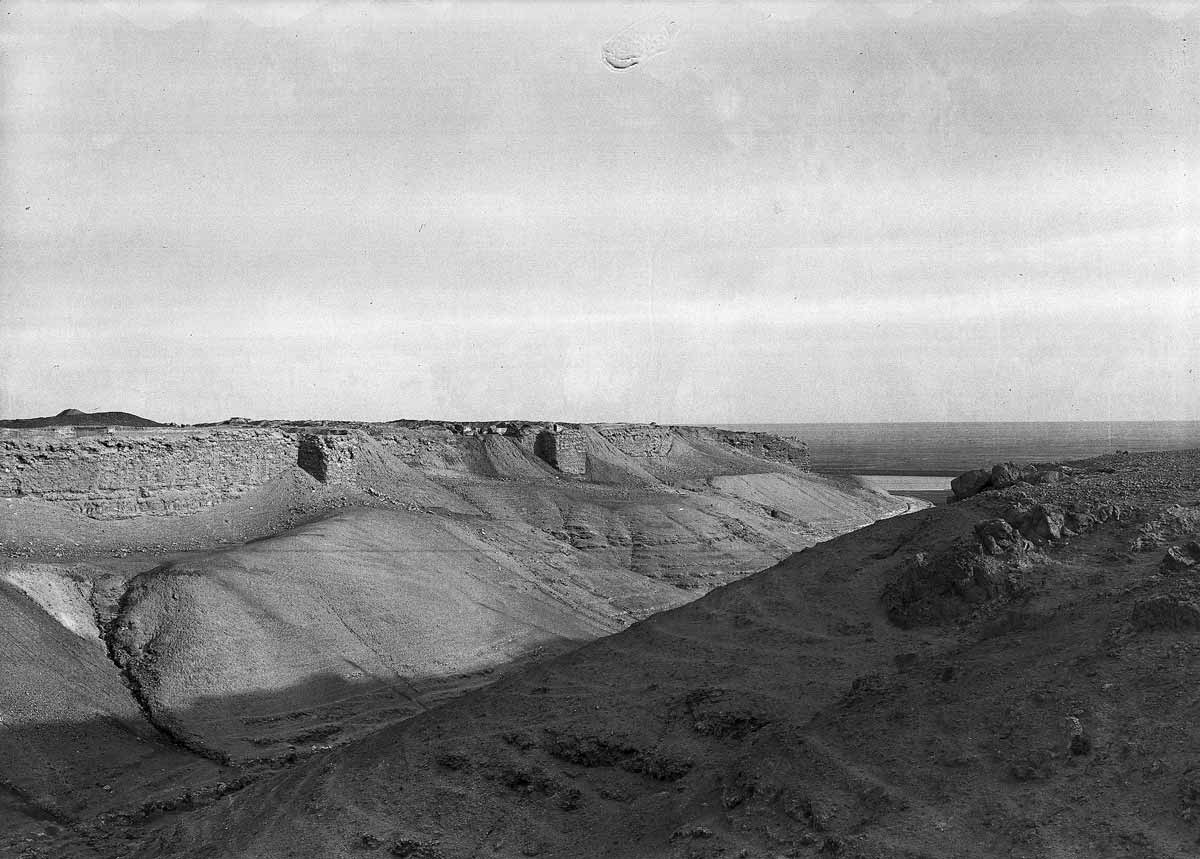
When the historian Ammianus Marcellinus accompanied the emperor Julian in his disastrous campaign against the Sasanians in 363 CE, he described the city of Dura as follows: “After making a march of two days in this manner, we approached the deserted city of Dura, situated on the riverbank. Here so many herds of deer were found, some of which were slain with arrows, others knocked down with heavy oars, that all ate to satiety; but the greater number of the animals, accustomed to rapid swimming, leaped into the river and with a speed that could not be checked escaped to their familiar deserts.” A bit over a century after the Sasanian siege, the only inhabitants left were herds of deer.
A 5th-century Syriac document, the Life of the Martyr Mu’Ain, tells us that a Christian hermit named Benjamin lived in the ruins of Dura Europos during the reign of Shapur II (309-379 CE).
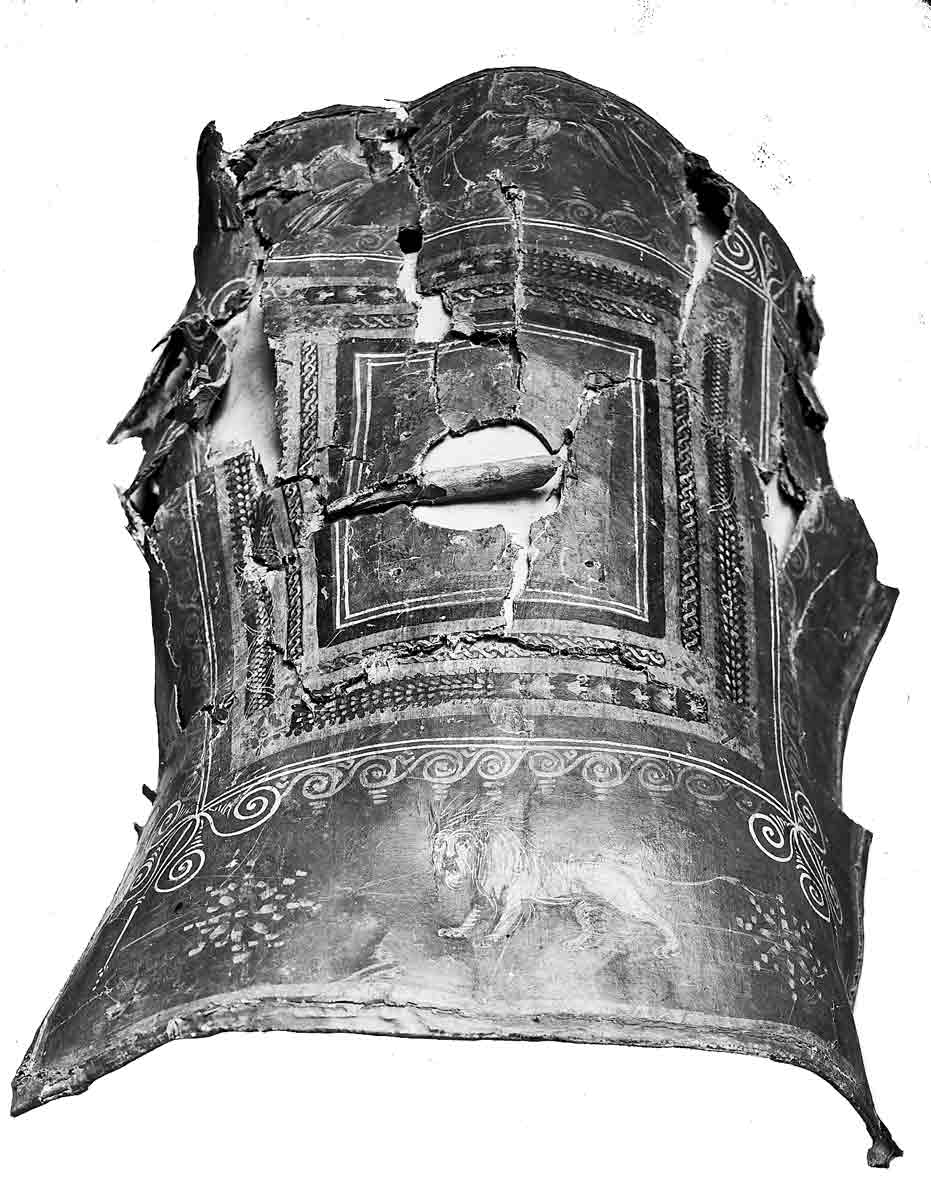
The site was rediscovered in 1885, when the Palmyrene Gate was photographed by John Henry Haynes of the “Wolfe Expedition,” but excavations were only carried out after World War I by French and American teams, initially under Franz Cumont, then Clark Hopkins and Michael Rostovtzeff. Archaeologists have found magnificently preserved buildings there, including a temple for the rites of the cult of Mithras. They have also found some very well-preserved Roman weaponry, including the scale horse armor of a cataphract, an armored cavalryman, and the only known surviving Roman scutum, or shield. Beneath Tower 19, archaeologists discovered scale armor in incredible condition.
The site was added in 1999 and again in 2011 to the “Tentative List” of the UNESCO World Heritage Sites. Unfortunately, between 2011 and 2014, during the Syrian Civil War, Dura Europos was looted and partially destroyed by Islamic State. No further excavations have been carried out in the area. Its fate is much like the ancient city of Palmyra, which was a wealthy city at the junction of multiple commercial routes but was later raided and destroyed by Islamic State during the Syrian Civil War in 2011.