For most tourists, a trip to the Netherlands is limited to the busy capital of Amsterdam, with its canals, museums, and bars. However, the rest of the country has a lot to offer. Unspoiled by enormous tourist crowds, other regions provide more authentic and balanced experiences and offer a glimpse into local culture and habits in less chaotic settings. Take a look at seven Dutch cities that are worth visiting during your next trip.
1. Groningen
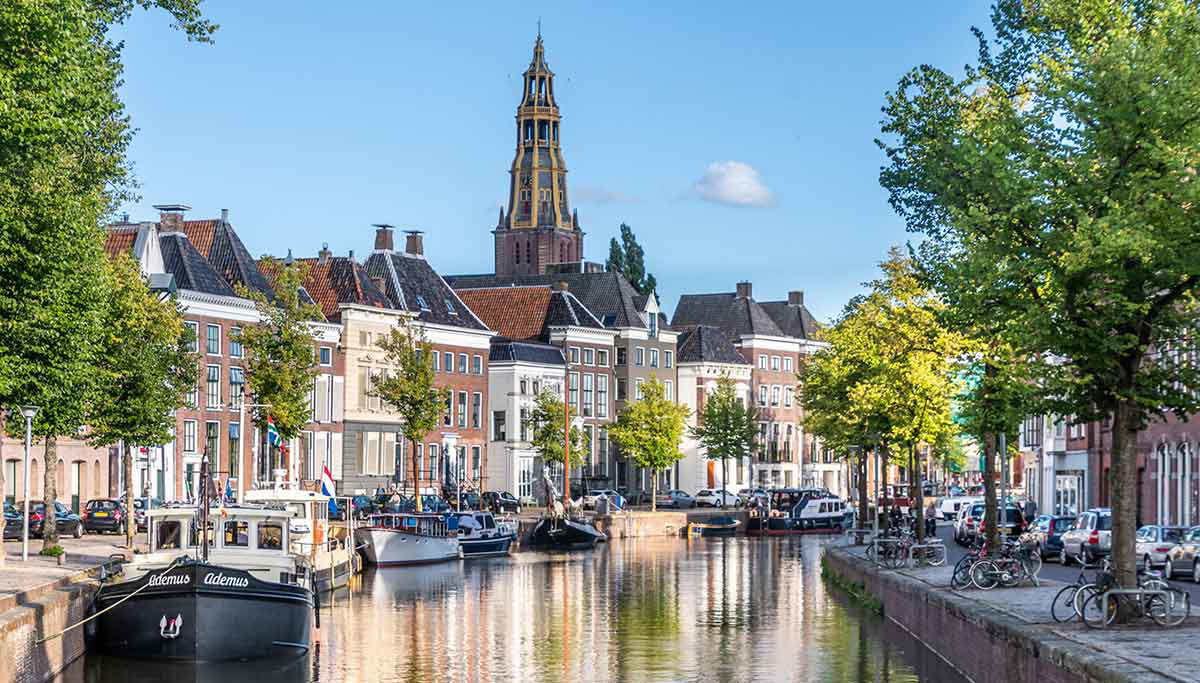
Groningen is often called the capital of the Dutch North. Located two hours away from Amsterdam, close to the North Sea shore, is a lesser-known cultural and economic center with more than a millennium of recorded history. For centuries, it was an important trade hub that connected West Africa with Europe. Today, it is a major research center with a 400-year-old university that still accepts thousands of students, both Dutch and international. The diverse population of students coming from all around the world made an obvious impact on the city’s culture. Each weekend, the city squares are filled with vintage and farmers’ markets, festivals, and charity events.
The Local Groninger Museum preserved a significant collection of paintings by the Expressionist collective De Ploeg, which was active in the 1920s. In addition to local artists, the museum places a significant emphasis on design and street art. Other cultural landmarks include a maritime museum and a still-functioning 19th-century train station building designed in a blend of Gothic and Renaissance styles. Groningen is also well-known for its public art, including various memorials dedicated to the residents of its Jewish quarter who perished during World War II.
2. Breda
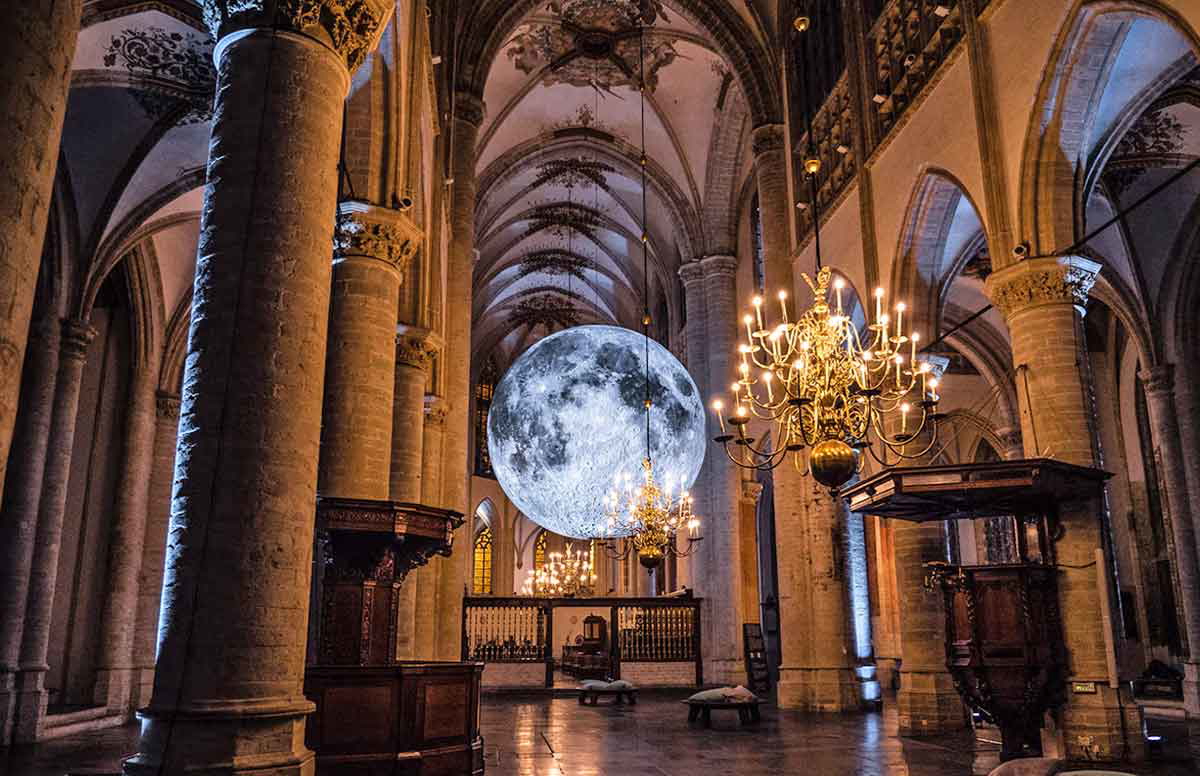
Breda is a rather small town in the province of North Brabant bordering Belgium. For its small size, Breda compensated with a rich and long history that began in the 10th century CE. During the Eighty Years’ War in 16-17th centuries, the city was captured by the Spanish forces and suffered major damage, with more than 500 civilians murdered. A decade later, the Dutch conquered it back and made the city part of the Dutch Republic.
The sequence of long sieges and bloody fights earned Breda a special place in Dutch military history. Since the 19th century, it has been home to the famous Royal Military Academy that occupies the Breda Castle built in 1353. For more information and artifacts from the city’s past, visitors can check the local Stedelijk Museum Breda with its collection dedicated to local history, and cultural and religious diversity in different eras.
In recent years, Breda has earned a reputation for a developed business sphere and vibrant electronic music scene. Despite its modern advancements, Breda still retains the charm of a small Dutch town with traditional architecture and Gothic churches.
3. Delft
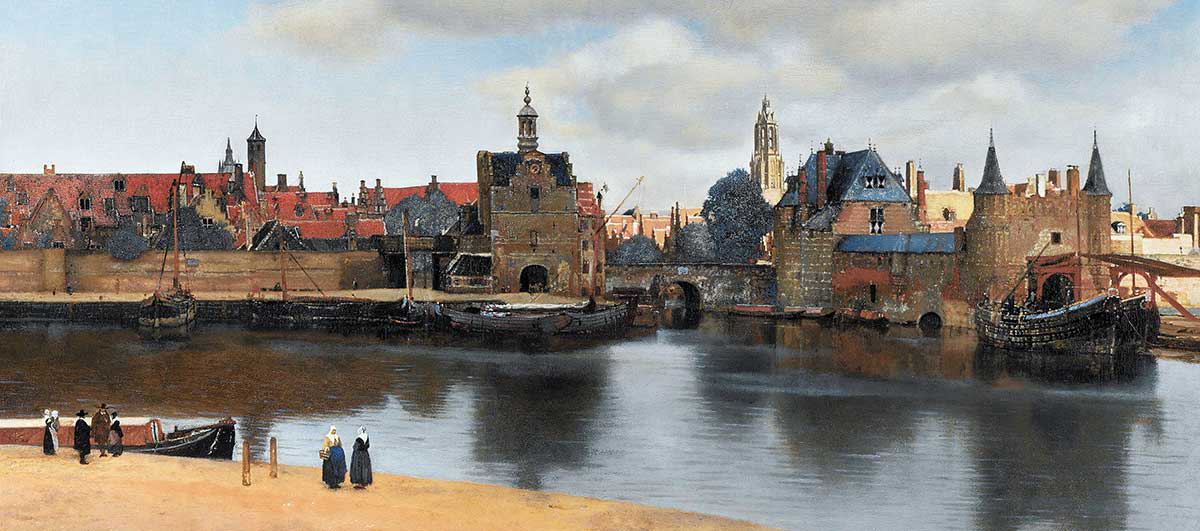
During the Dutch Golden Age, Delft was one of the centers of trade, arts, and production. For centuries, it was one of the largest and most developed cities in the region. In 1654, a gunpowder store exploded, destroying a major part of the town. The event was recorded in paintings and prints that are still present in local museums.
One of the many victims of the Delft explosion was Carel Fabritius, the most gifted and promising student of Rembrandt van Rijn, who developed his own style based on Rembrandt’s training. When the explosion hit the city, Fabritius was working in his studio along with his assistant. The blast killed both men and destroyed most of Fabritius’ paintings. Today, only thirteen paintings by the master have survived and are present in collections of major museums worldwide.
Perhaps the most famous aspect of Delft culture relates to the Delft Blue earthenware. The signature white and blue color scheme of Delft pieces was initially copied from the imported Chinese porcelain works. Chinese works were immensely popular in the 17th century but were too expensive for most customers. Initially, Delft masters simply copied Chinese designs but later developed their own designs and subjects. Delft is also famous as the birthplace of Johannes Vermeer.
4. ‘s-Hertogenbosch
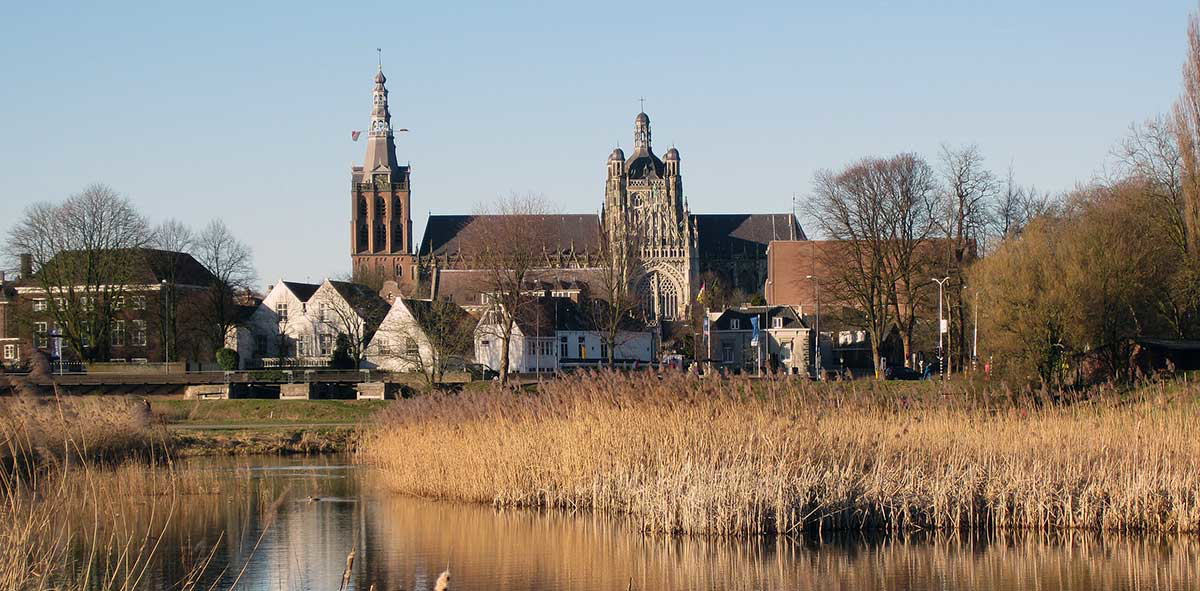
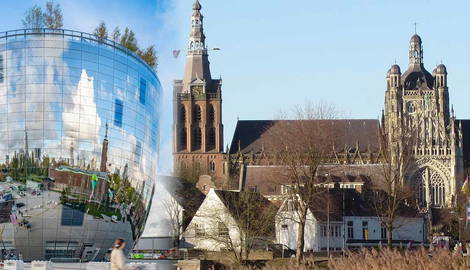
Behind the unsettlingly complex name hides the often-overlooked cultural gem of the Northern Brabant province. One of its oldest cultural landmarks is the 13th-century St. John’s Cathedral. During the 2012 restoration, sculptor Ton Mooy created 25 new angel sculptures for the Cathedral, with one of them bridging the gap between tradition and modernity. One of the angel figures is dressed in jeans and holds a mobile phone.
‘s-Hertogenbosch is most famous as the birthplace of Hieronymus Bosch. Although no paintings by the master were preserved in his native city, the municipality works at preserving his legacy in other ways. The former New St. James Church in the ‘s-Hertogenbosch center is now Jheronimus Bosch Art Center that presents exhibitions and public projects dedicated to the artist’s works and life. Other must-visit spots in the city include design, art, and history museums, one of which includes a collection of early paintings by Vincent van Gogh, who was born nearby.
5. Rotterdam
The second-largest city in the Netherlands is often ignored by tourists due to its “non-Dutch” look. Rotterdam was almost completely destroyed in 1940 and rebuilt from the ashes. In just a quarter of an hour, the Nazis dropped around 100 tons of bombs on the city, forcing the entire Netherlands to capitulate. Just days after the bombing, the city council began developing reconstruction plans, although obviously, none of them were realized before the end of the war.
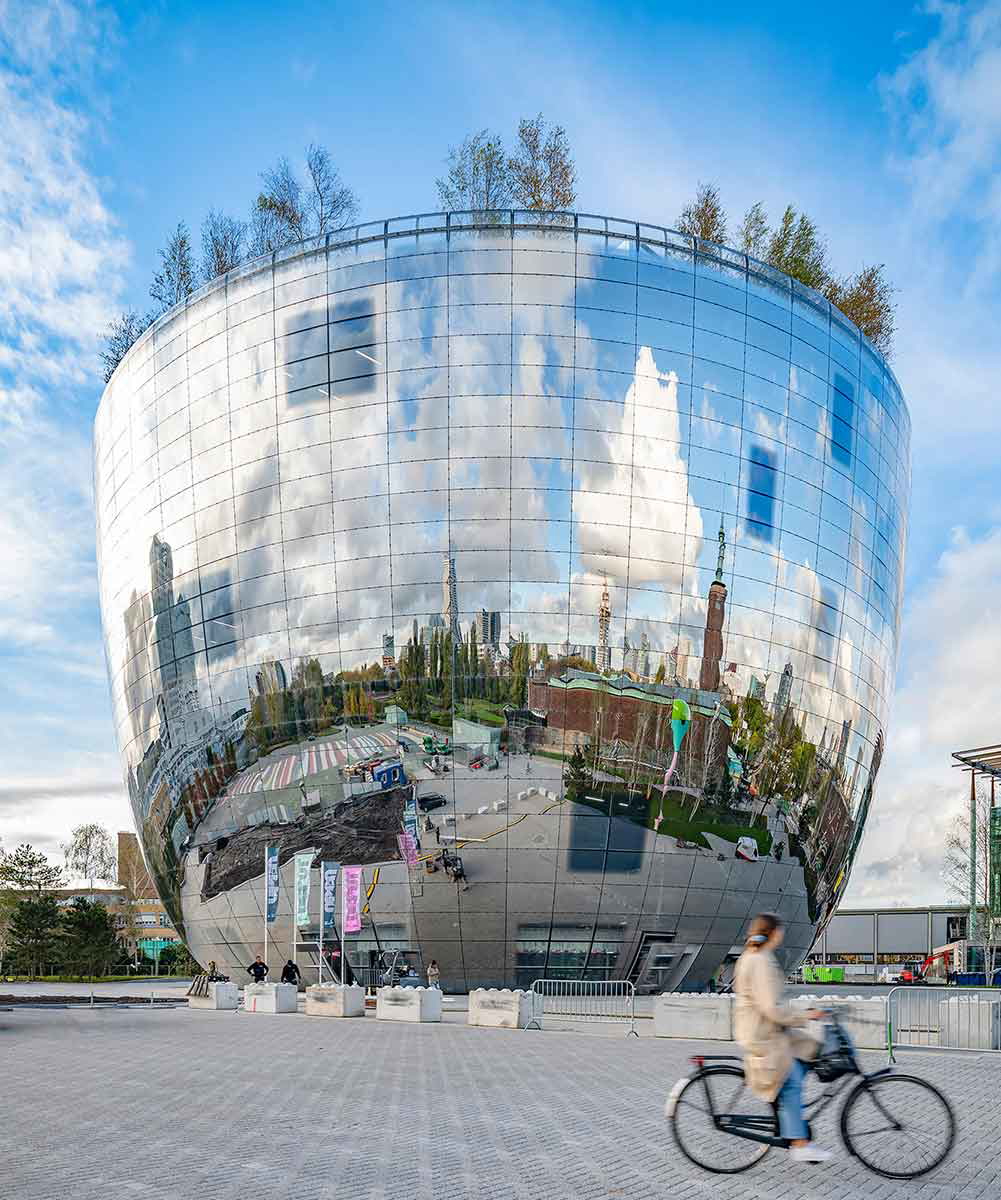
Instead of rebuilding the historical center in its original state, architects decided to launch a modern project that would accurately address the needs of locals and present a functional urban space. For that reason, Rotterdam differs from the rest of Dutch cities and is home to many examples of experimental modernist architecture.
Apart from its urbanist wonders, Rotterdam has a variety of museums. One of the most famous institutions is the Museum Boijmans Van Beuningen which first opened its doors in 1849. This collection features thousands of works of art, spanning from Medieval to contemporary. Today, the museum is undergoing a major reconstruction but has opened its depot to visitors, making more than 150,000 objects accessible to the public.
6. Utrecht
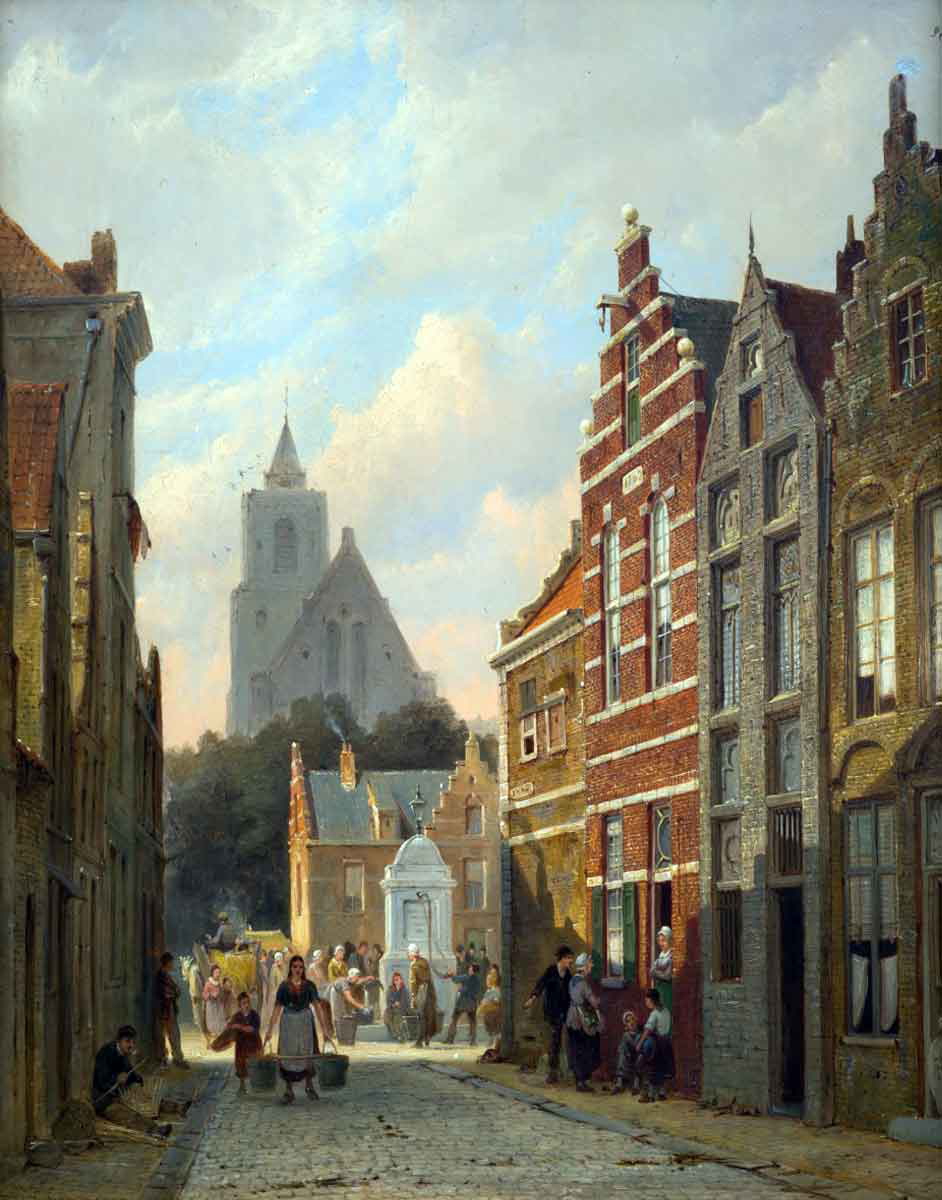
Utrecht originated from a fortress built in the 1st century CE by the Romans. Starting from the 7th century, it became the center of Christianity in the region, with several monasteries in and around the city. Even today, many of the key cultural landmarks of the city are in some way or another connected to its religious past. One of the most prominent museums is Museum Catharijneconvent, a collection of Christian art and artifacts housed in a former convent. The foundation of the convent building dates back to the 12th century.
The collection spans centuries of Christian culture in the Netherlands and includes both liturgical objects and fine art. Among the long list of artists represented are Frans Hals, Rembrandt van Rijn, and Jan Toorop. The collection is not limited to Protestant art and also contains objects related to Catholic and Orthodox traditions.
Today, Utrecht is a modern city that managed to preserve its culture and history. Its canals, museums, and historical buildings offer a more quiet and comfortable experience for tourists who wish to avoid the chaos of Amsterdam. The narrow streets of the city center are filled with museums, local designer boutiques, and vintage shops, as well as bars and cafes.
7. Maastricht
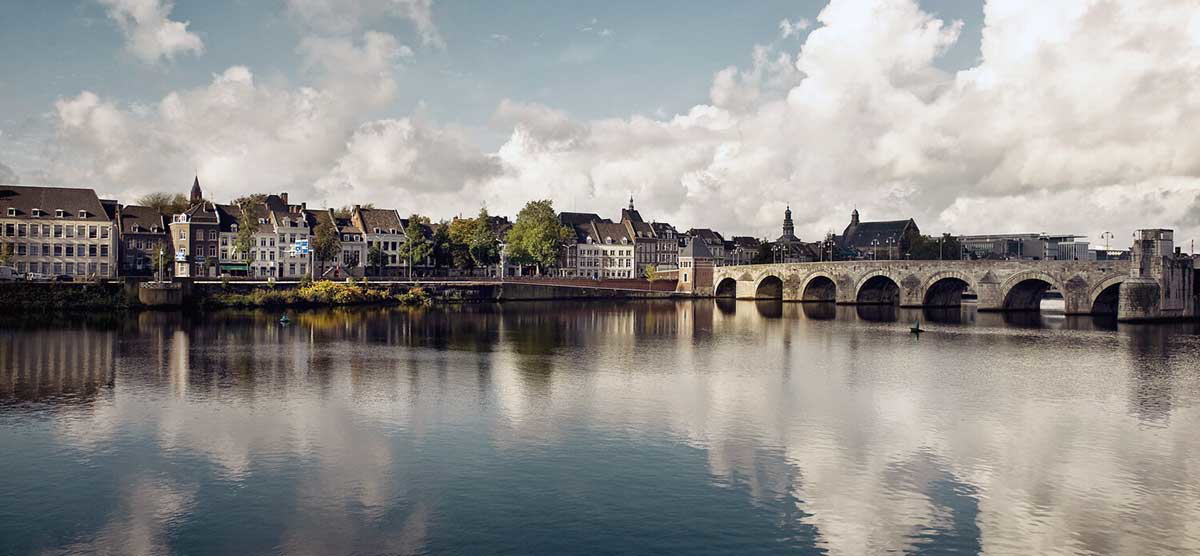
Located near the Dutch-Belgian border, Maastricht is primarily known as the birthplace of the European Union. In 1992, twelve states signed the Maastricht treaty, announcing the introduction of a single currency and shared European citizenship. Maastricht is also home to a major research university. Each year, Maastricht houses TEFAF (The European Art Fair), the leading art and antiques fair with a major focus on the Old Masters.
Apart from its political and research value, Maastricht is well-known for its Medieval architecture, including churches and city walls. One of Maastricht’s most famous landmarks is the St. Servatius’ Bridge, a stone structure that was built in the 13th century. The first version of the bridge was made from wood, and it collapsed under its weight, killing around 400 people. To speed up the construction, the Catholic Church offered to forgive the sins of those who took part in the project. The bridge survived for centuries but was severely damaged during World War II and underwent a major restoration. The overwhelming presence of Medieval architecture provides the city with a special charm integrated into the locals’ daily lives. For instance, one of the 13th-century Gothic cathedrals was converted into a large bookstore, popular with both locals and tourists.