The rivalry between Israel and Edom began before the birth of either nation. There are three possible explanations for the origin of the name Edom. Any one of them or any combination would explain the association between the color red and the Edomites. The conflict between the Edomites and the Israelites lasted for centuries until the descendants of Esau as a nation gradually faded from history.
Origins of the Edomites
Isaac was the son of Abraham. His wife, Rebekah, became pregnant with twins, and the two struggled with one another in her belly. God told her, “Two nations are in your womb, and two peoples from within you shall be divided; the one shall be stronger than the other, the older shall serve the younger” (Genesis 25:23). The die was cast for a conflict that would last for centuries.
When the eldest was born, he was red and hairy, so Isaac and Rebekah called him Esau, which means “hairy” or “rough.” He loved the outdoors and went on hunts often. His younger brother, Jacob, was much more homely, staying in the tents with his mother most of the time.
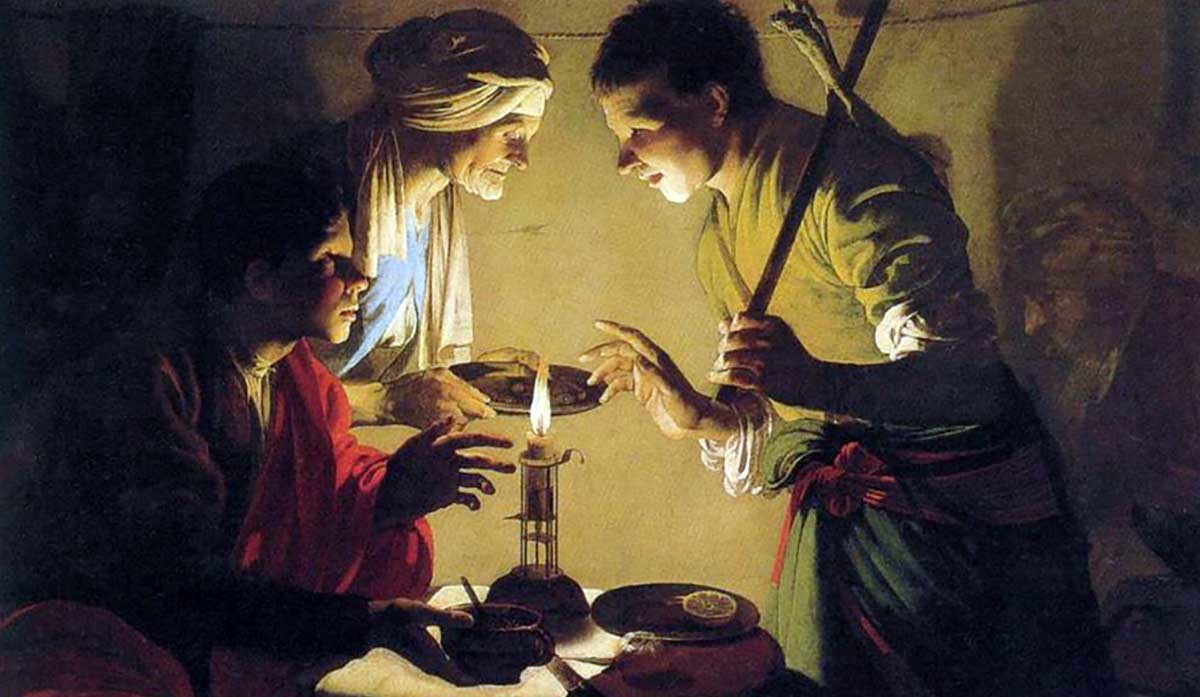
On occasion, when Esau came home from a hunt, he was famished and craved some of the red lentil stew Jacob had cooked. Jacob said Esau could have some stew, but only if Esau gave him the birthright he had as the eldest son. Esau swore to it, not thinking much of his birthright at that moment or considering the consequences (Genesis 25).
Later, Rebekah and Jacob tricked Isaac into giving the blessing meant for his older brother to the younger one. Esau was furious when he realized what had occurred and vowed to kill Jacob once their father Isaac had passed away (Genesis 27).
After many years, Jacob was on his way back to the land of his birth and feared that his brother would kill him. He sent a messenger before him to meet with Esau, who lived in Seir, in Edom (Genesis 32:3). On the way, he struggled with a man who, after the struggle, said: “Your name shall no longer be called Jacob, but Israel, for you have striven with God and with men, and have prevailed” (Genesis 32:28).

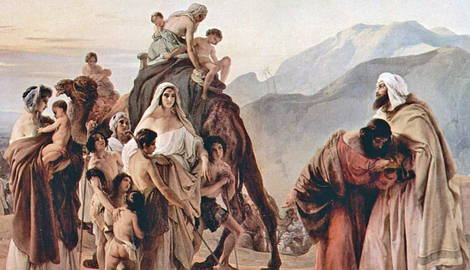
When they met, Esau embraced and kissed Jacob (Israel). The animosity seemed to have been forgotten. The brothers could, however, not occupy the same territory. Genesis 36:7-8 says: “For their possessions were too great for them to dwell together. The land of their sojournings could not support them because of their livestock. So Esau settled in the hill country of Seir.”
History and Culture of the Edomites
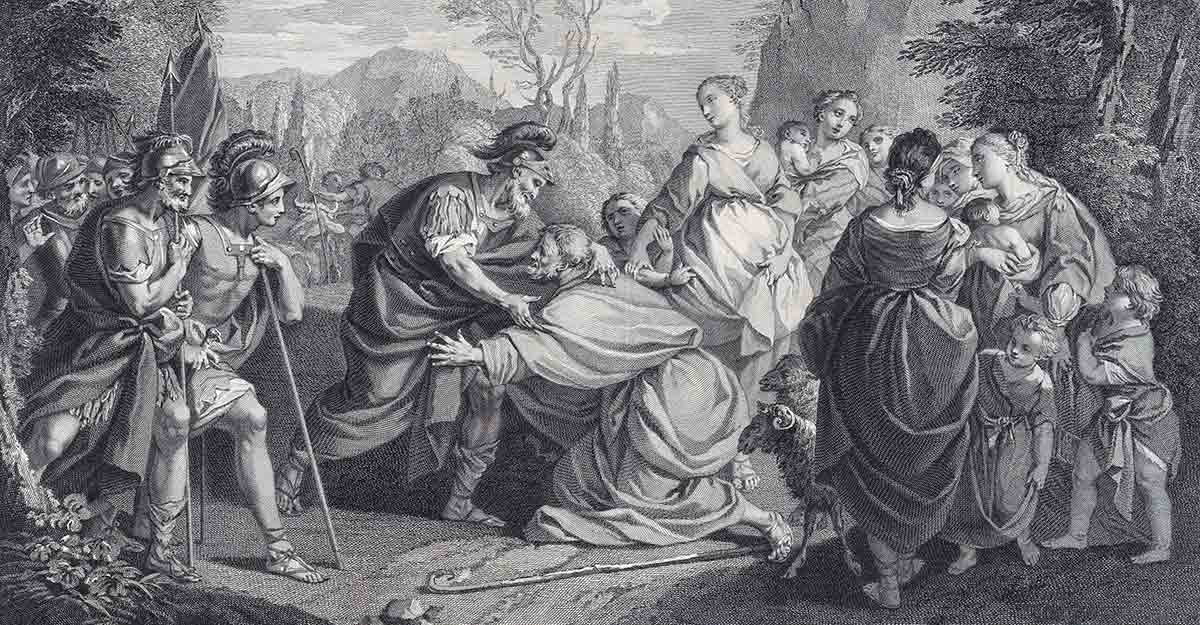
According to the Bible, the descendants of Esau became the Edomites, and Edom was the territory they possessed. The name recognizes Esau as the father of this desert mountain-dwelling people because “Esau is Edom” (Genesis 36:8). The word Edom means “red”, and three theories about its origins prevail. One theory proposes it comes from the color of the rock and sand of Edom. The rich copper and iron content of the rock in the area gives it a reddish hue. Another is that it refers to the hair color that covered Esau’s body from birth. The third view comes from the Bible: it was because of the red color of the lentil stew Jacob cooked and Esau sold his birthright for (Genesis 25:30).
The country of Edom was to the south and southeast of the Dead Sea. The King’s Highway that connected Egypt and Mesopotamia went through Edom, making the Edomites a key player in Near Eastern trade and commerce. The capital of Edom was Sela.
The region was rich in copper and iron, resources that held great value in the ancient world. It allowed the Edomites to build a powerful economy and increase their military ability. They could manufacture weapons from the local resources and trade the surplus with other Near Eastern nations. They became more influential as the trade route between Egypt and Mesopotamia that ran through their territory allowed commerce to surpass mining in importance. They levied tolls on trade caravans, which gave them an economic advantage in the region.
Edom, as a mountainous area, had limited arable soil. They utilized the little they had for growing crops like barley, wheat, figs, olives, pomegranates, dates, lentils, and pulses. These were either hardy, drought-resistant food sources or were grown close to the water sources of the region.
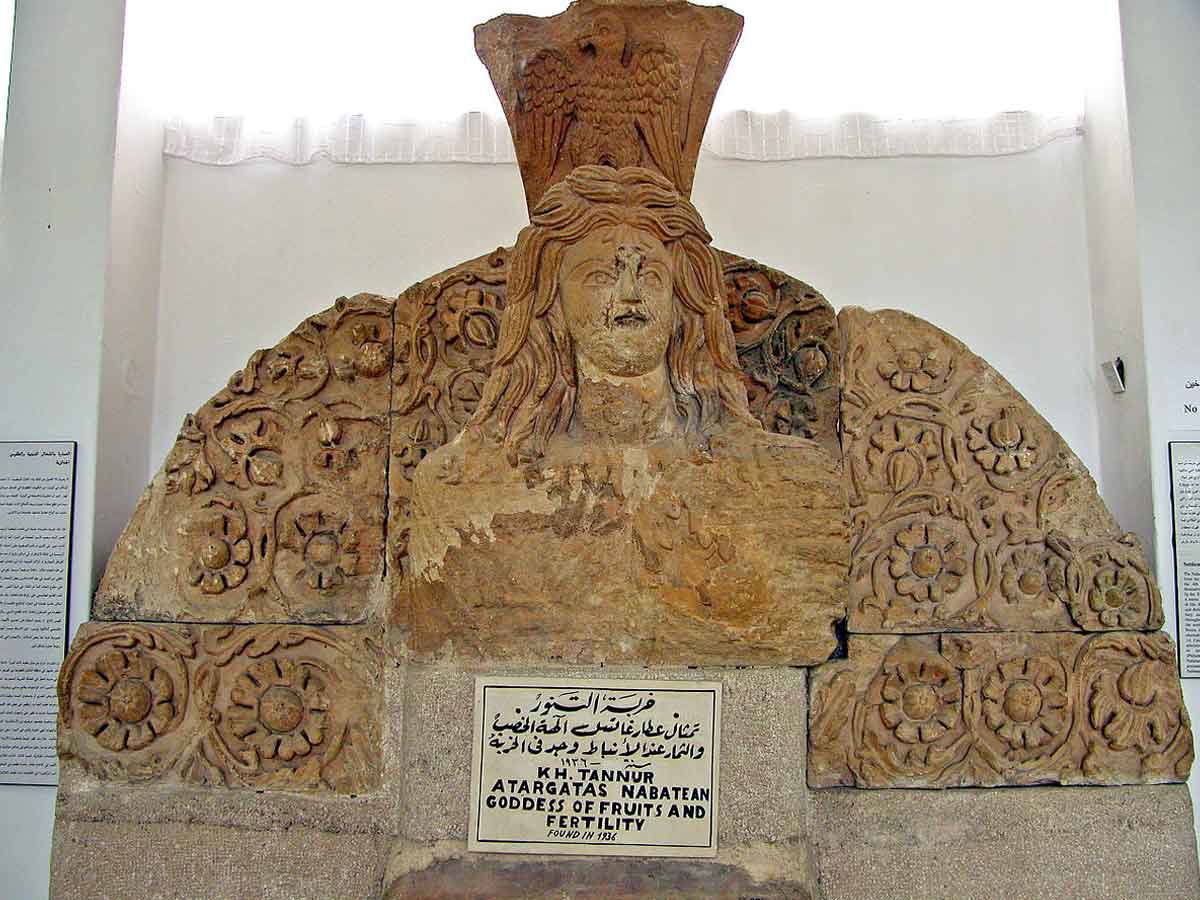
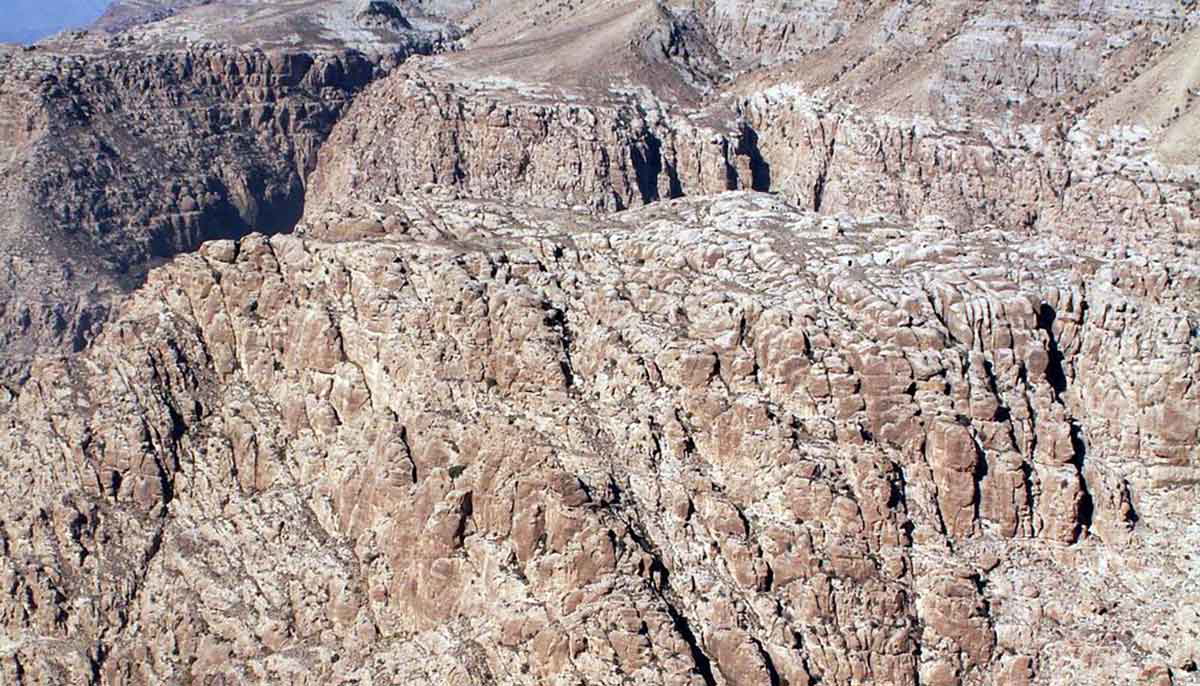
The typography of the region allowed the Edomites to construct cities and fortresses that were nearly impenetrable. The sheer cliffs and deep valleys of Edom served as natural defenses against invading armies. The strategic deployment of troops along the terrain made the Edomites a formidable foe, even though they were a relatively small nation.
Initially, the Edomites were a tribal society. In time, they moved to a monarchical system like most other nations in Canaan. The surrounding Canaanite nations, like the Moabites and Amorites, influenced religious practice in Edom. They worshiped various gods, and their national deity was Qos, symbolized by an eagle. Qos had many similarities to Baal. Among them was an association with storms, rain, and fertility. The Bible never mentions this deity by name.
The eagle was a symbol of Edom, and the Bible makes several references to eagles in the context of Edom. A notable example comes from Obadiah 1:4, where God pronounces judgment on Edom: “Though you soar aloft like the eagle, though your nest is set among the stars, from there I will bring you down, declares the LORD.”
Conflict With the Israelites
When Moses led the Israelites out of Egypt, they needed to move through Edom. Moses sent messengers to the king of Edom to ask permission for Israel to pass through Edom on the King’s Highway. He committed not to use any food or water resources on the journey or to turn from the road, but the king refused the request, threatening war with Israel if they did not comply (Numbers 20:14-21). The Edomites likely considered Israel a significant threat since they were large in number and posed a threat. The Israelites decided to take a route around Edom (Numbers 21:4).
Later, God instructed the Israelites not to contend with the Edomites and not to take any of their land. God gave Esau the territory the Edomites now inhabited (Deuteronomy 2:3-5). He also said: “You shall not abhor an Edomite, for he is your brother” (Deuteronomy 23:7). Edom and Israel managed to avoid war from when Israel left Egypt to the beginning of the Israelite monarchy.
During the reign of King Saul, Israel and Edom became enemies and went to war (1 Samuel 14:47). The king did, however, have an Edomite named Doeg as a close confidant (1 Samuel 21-22). In the time of David, the conflict between Israel and Edom escalated.
David built his reputation on slaying 18,000 Edomites in the Valley of Salt and brought Edom under his control, establishing garrisons in Edomite territory. The dominance of Israel over Edom lasted into the reign of Solomon. The Edomites revolted against Israelite oppression after Solomon’s death.
The Bible has the following to say about events that occurred during the reign of Jehoram, king of Judah:
“In his days Edom revolted from the rule of Judah and set up a king of their own. Then Joram passed over to Zair with all his chariots and rose by night, and he and his chariot commanders struck the Edomites who had surrounded him, but his army fled home. So Edom revolted from the rule of Judah to this day. Then Libnah revolted at the same time.”
Many years later, when the Babylonians sacked Jerusalem, the animosity and ill will the Edomites held toward Israel showed. Not only did they rejoice at the fall of Judah, but they also plundered the city, captured fugitives, and handed them over to the Babylonians. The Book of Obadiah, the minor prophet, is dedicated to the judgment of the Edomites for their treacherous actions.
Obadiah called out their pride and said that their fortresses in the mountains would not provide them safety from the judgment of God. Enemies would invade Edom, and their former allies would drive them from their land.
God fulfilled this judgment on Edom. The Babylonians invaded Edom, and many fled westward into southern Judah. The area where they settled was called the Greek name for Edom, Idumea. Centuries later, the Idumeans would fight alongside the Jews against the Romans when they destroyed Jerusalem in 70 CE. After that, the Idumeans disappear from history.
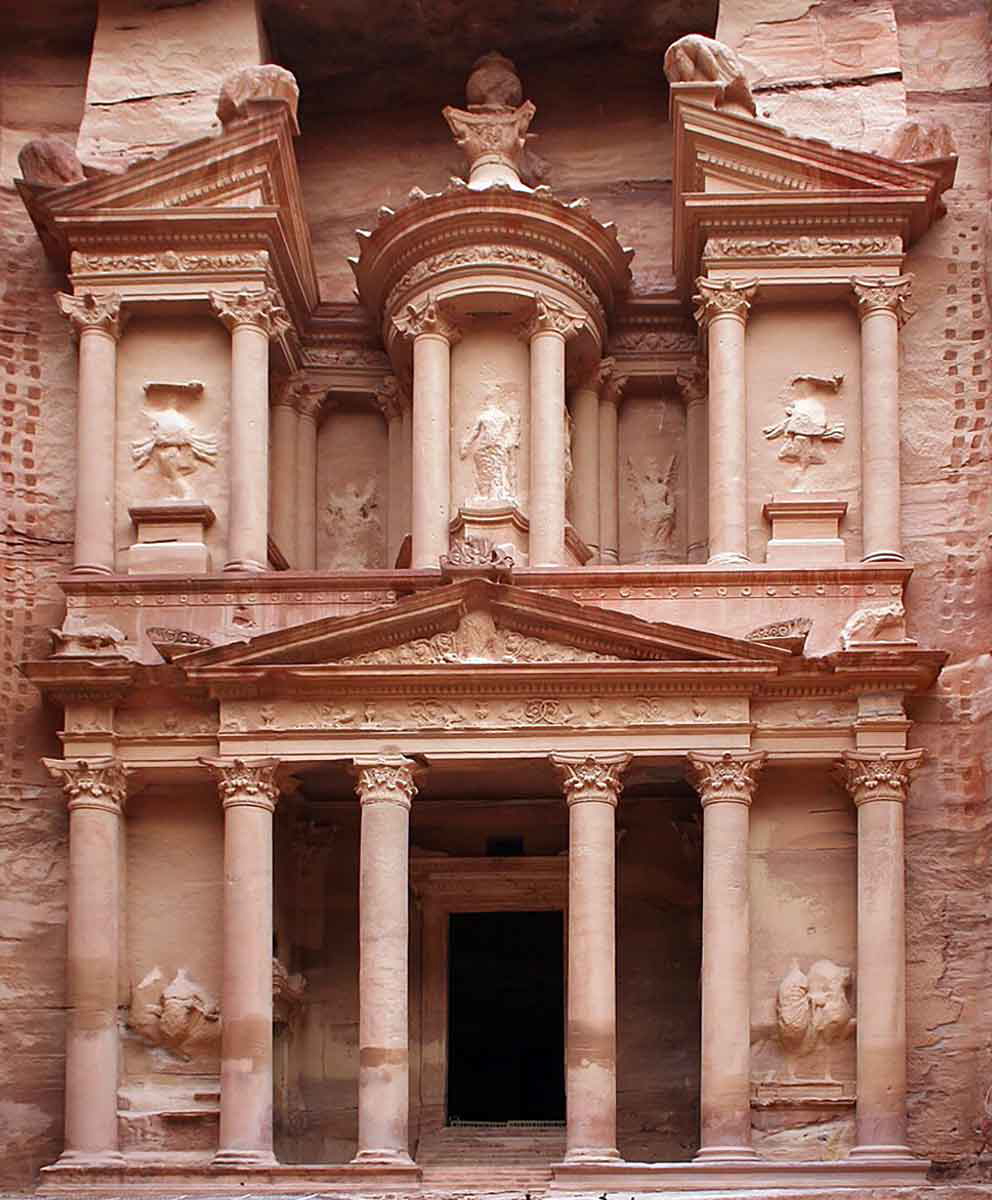
Today, the remnants of the once-powerful Edomite kingdom are still visible in places like Petra in modern-day Jordan. The structures Petra is best known for, however, are more closely associated with the Nabataeans who occupied it after the Edomites.