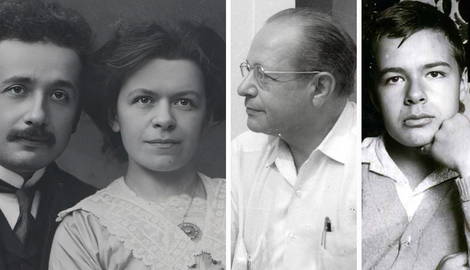
The world-famous physicist Albert Einstein had three children with his ‘first wife’ Mileva Marić. The two met as students at the Swiss Federal Institute of Technology in Zurich in 1896, where they both studied mathematics and physics. Marić, the only woman on the program, was a prestigious talent. Their friendship evolved into romance, and they were married in 1903. They had a daughter, Lieserl, in 1902, in scandalous circumstances. The details of her life remain largely unknown, and her fate after 1903 remains shrouded in mystery.
Their second child, Hans Albert, born in 1904, became a celebrated hydraulic engineer. His third, Eduard, born in 1910, was remarkably talented but led a tragic life, afflicted by severe mental illness. Both sons endured complicated and strained relationships with their famous father, who – according to Marić – ultimately prioritized science over his family.
Lieserl Einstein
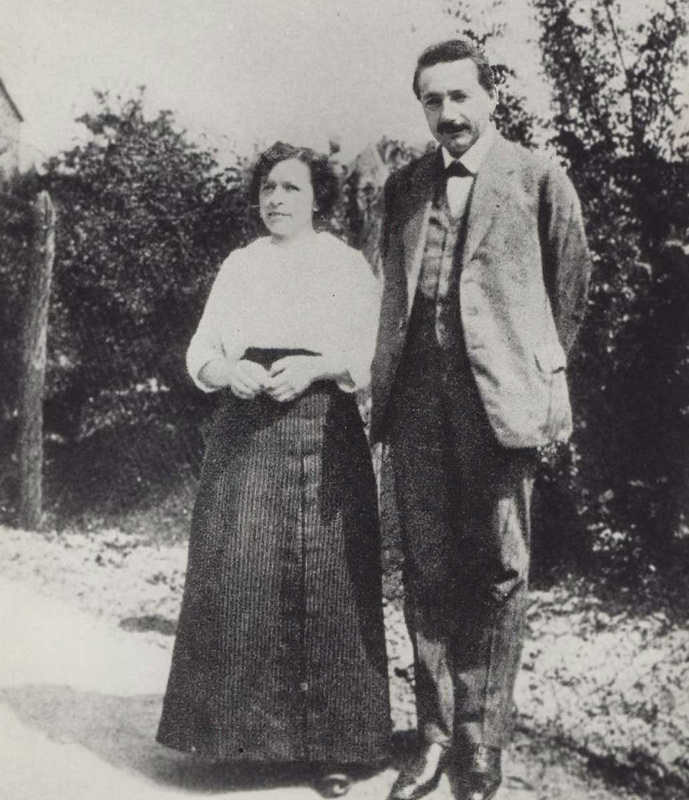
Until the discovery and publication of a batch of Einstein’s private correspondence in 1986, it was not known that he had fathered a daughter. In a series of letters sent to his then-girlfriend, Mileva, the existence of a child referred to as “Lieserl” was revealed.
Born on January 27, 1902 – likely at Mileva’s parents’ home in Novi Sad, Serbia (then part of the Austro-Hungarian Empire) – Lieserl came into the world an ‘illegitimate’ child, born out of wedlock; her birth was kept secret, even from close friends and family. In the so-called “love letters,” Einstein affectionately refers to the baby using the diminutive German name “Lieserl,” reflecting the playful uncertainty that parents have about their child’s gender before birth. As the female equivalent of “Hanserl” some Einstein scholars are unconvinced that Lieserl was the girl’s real first name.
In a letter dated February 4, 1902, Einstein gushed to Mileva: “it has really become a Lieserl, like it was your wish. Is it healthy, and does it cry already a lot?” Later, on September 19, 1903, he asks: “As what is the Lieserl registered? We must take precautions so that problems don’t arise for her later.” An undated letter, likely from late 1902 or early 1903, mentions that Liserl had contracted scarlet fever – a potentially fatal illness at the time (Renn & Schulmann, 1987).
Lieserl Einstein’s Upbringing
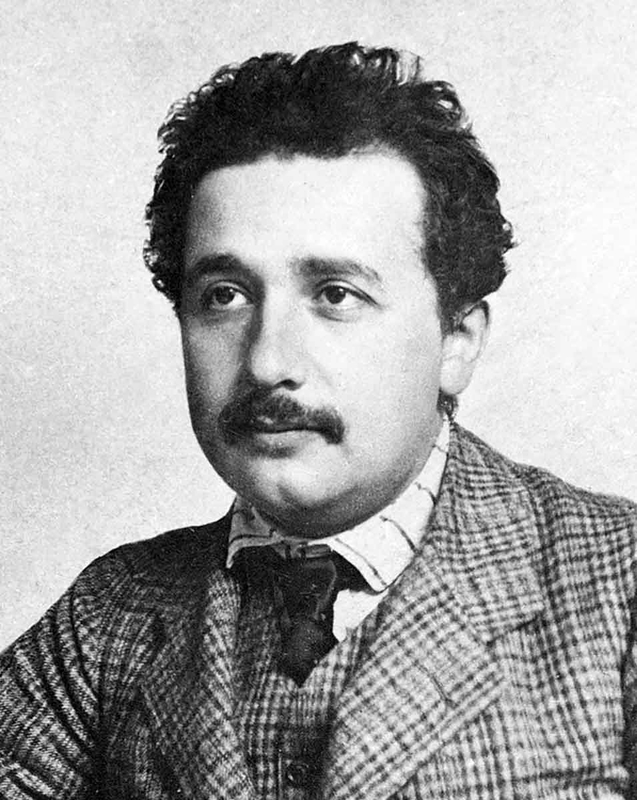
At the time of Lieserl’s birth, Einstein was in Bern, Switzerland, working at the Swiss Patent Office. Mileva gave birth in Serbia and later joined Einstein in Bern – without the baby. After 1903, Lieserl is never mentioned again: she vanished from all correspondence, and no official documents that refer to her have ever been found.
The mystery of Lieserl Einstein has led to several theories. One plausible possibility is that she was given up for adoption, possibly due to the stigma of her illegitimacy – though no hard evidence supports this. The more widely accepted theory is that she died in infancy, possibly from the complications of scarlet fever. It has been speculated that the trauma of her death may have led Einstein and Mileva to never speak of her again (Issacson, 2007; Zackheim, 1999).
What is known is that Lieserl is never mentioned again in any of Einstein’s known letters after 1903. Neither he nor Mileva ever publicly acknowledged her existence, and there is no indication that Einstein ever met her.
Hans Albert Einstein
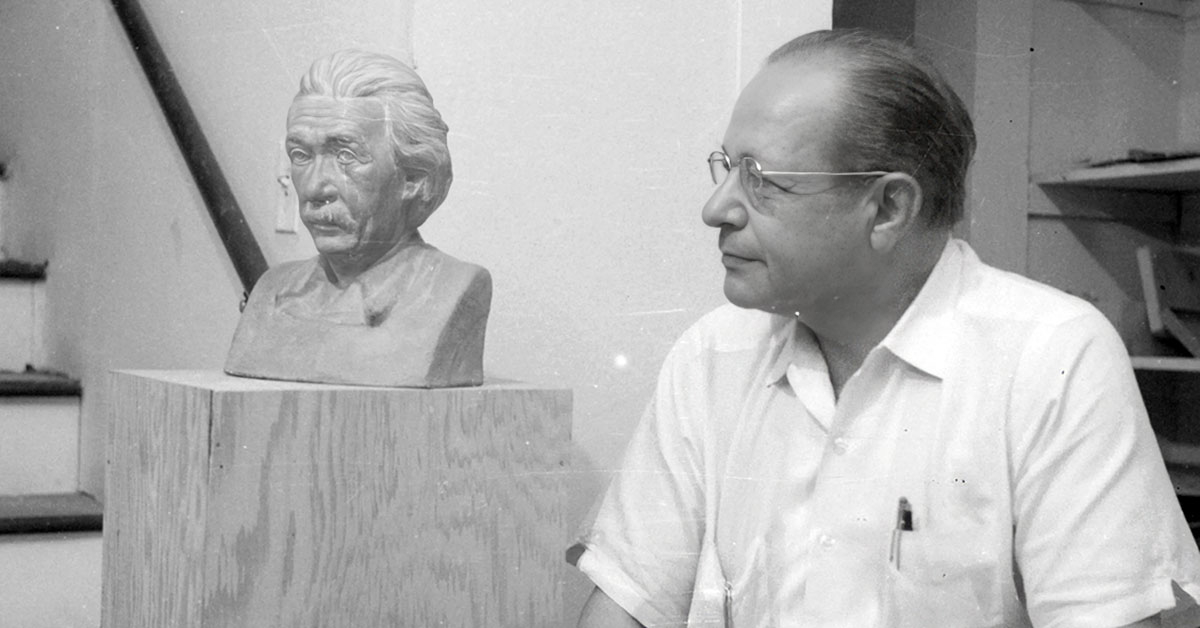
Hans Albert Einstein was born on May 14, 1904, in Bern, Switzerland. A bright and curious child, he inherited his parents’ love of music and aptitude for science. He grew up to become a leading expert in sediment transport, specializing in the history and adaptation of river systems within the field of hydraulic engineering. The Einstein family moved from Bern to Zurich in 1910 before moving to Berlin in 1914. However, the move quickly turned sour, and within a matter of months, Hans Albert moved back to Zurich with his mother and brother following their parents’ separation.
Educated in Zurich, Hans developed an interest in science and, following in his parents’ footsteps, he attended the Swiss Federal Institute of Technology – albeit to study civil engineering rather than mathematics and physics. After he graduated in 1926, he worked for a time in industry before returning to academia as a research engineer, eventually earning a PhD in Technical Sciences. In 1938, he emigrated to the United States with his family. He initially worked for the US Department of Agriculture and later joined the University of California, Berkeley, where he became a respected academic and, eventually, emeritus professor.
Einstein’s Relationship with Hans
Despite his personal success, Hans Albert’s relationship with his father was tumultuous. He strongly resented Einstein’s decision to hide money from the Swiss courts owed to his mother from their divorce. The decision infuriated him, especially in the context of his brother’s illness. He was also deeply hurt by Einstein’s vehement opposition to his marriage to Freida Knecht in 1927. Einstein slighted her age and what he described as her “unfavorable hereditary factors,” even going as far as to say that it would be a “crime” for the couple to have children.
It wasn’t until well into the 1930s that he reluctantly came to accept the marriage (Ohanian, 2008). Although the two were never close, time eventually softened their conflict. In later life, their relationship became one marked by cordial correspondence and a mutual respect for each other’s achievements.
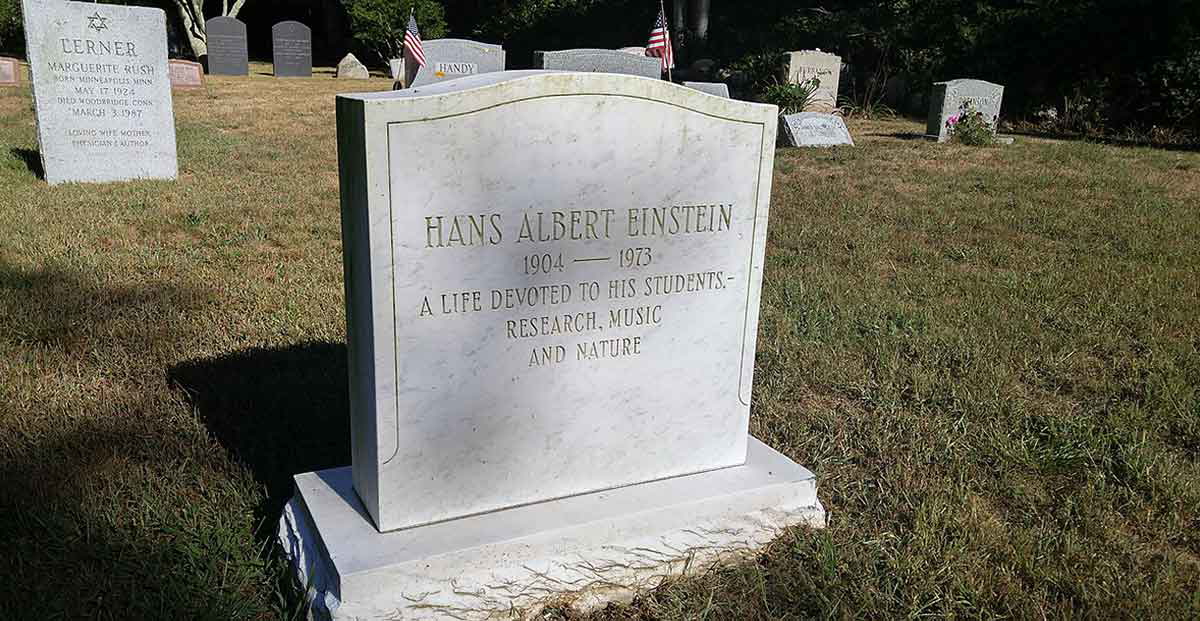
Hans Albert Einstein suffered a fatal heart attack in 1973. In recognition of his contributions to hydraulic engineering, the American Society of Civil Engineers established the Hans Albert Einstein Award in 1988 to honor excellence in the field.
Eduard Einstein
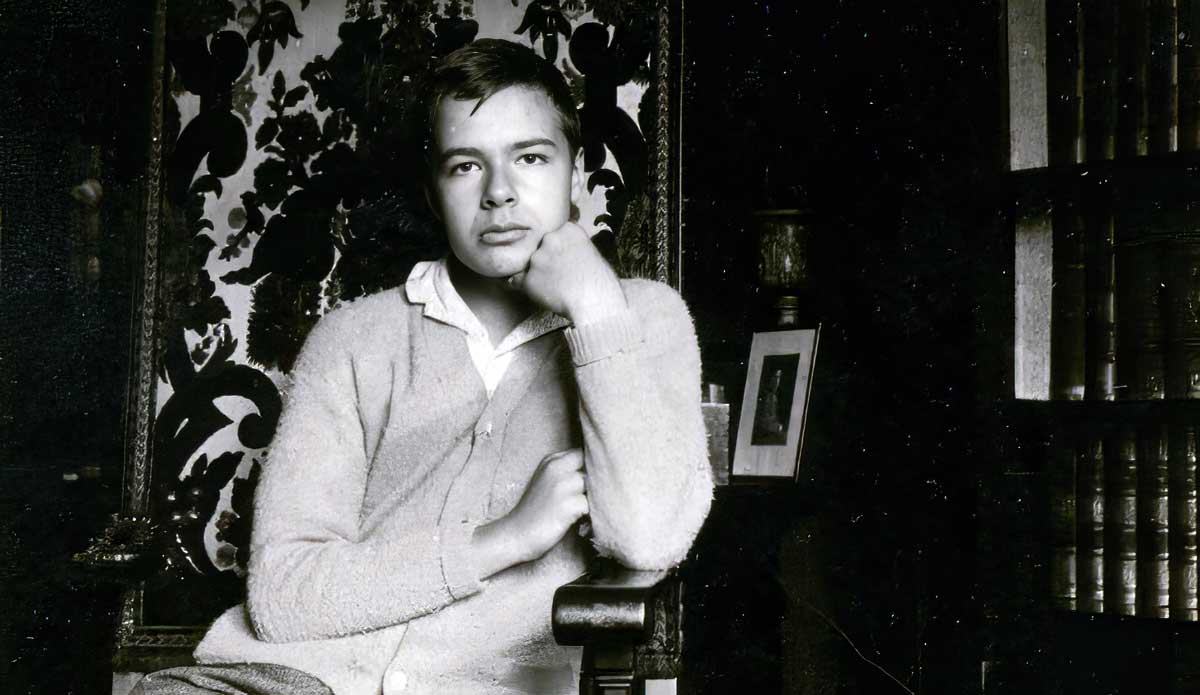
Eduard Einstein, the youngest of Einstein’s children, was born on July 28, 1910, in Zurich. A delicate and often sickly child, he was affectionately nicknamed “Tete” (from the French “petit”) on account of his small stature.
Eduard showed early signs of brilliance. He was a gifted pianist, a lover of literature and poetry, and developed a keen interest in the psychoanalysis of Sigmund Freud. Eduard idolized his father, but later confided to his mother that he could never forgive him for abandoning the family when he was a child (Smith, 2005).
After he left school, he enrolled in medical school at the University of Zurich with the hope of becoming a psychiatrist. Tragically, his plans were derailed in 1930 after a failed love affair, followed by a severe depression, which culminated in a suicide attempt. The following year, aged 21, he was diagnosed with Schizophrenia after his mother reluctantly committed him to the Burghölzli psychiatric Clinic at the University of Zurich.
What Happened to Eduard Einstein?
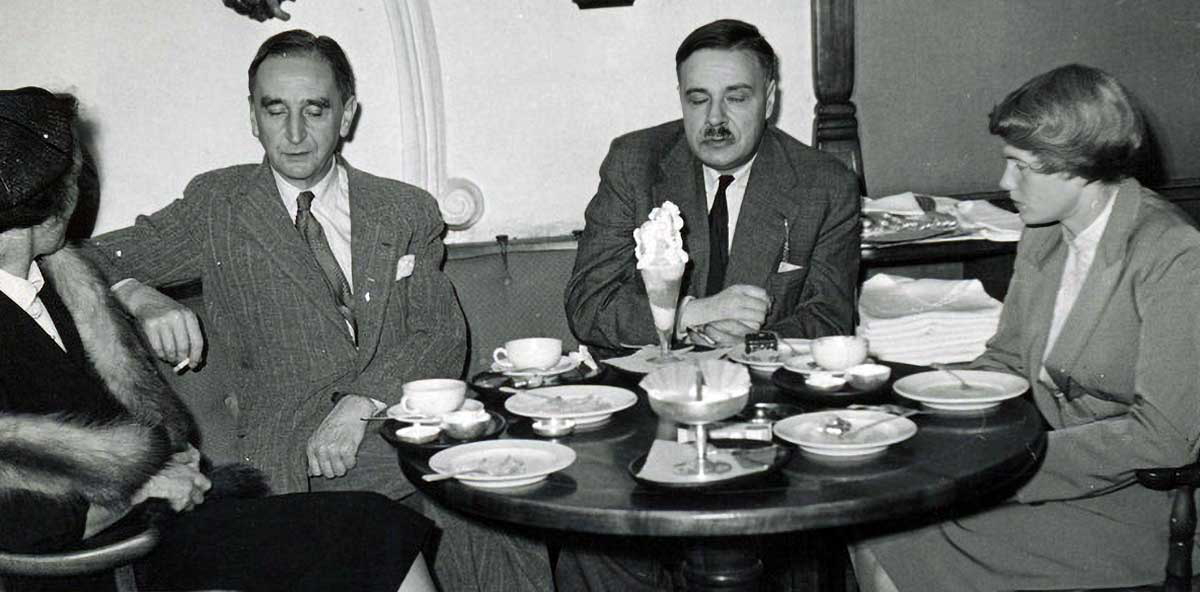
Repeated electroconvulsive treatments and the harsh drugs of the era severely impacted his speech and cognitive abilities, greatly diminishing his quality of life. His mother cared for him until her death in 1948, after which his longtime friend and carer, Carl Seelig, assumed primary responsibility for his care.
After Eduard’s diagnosis, his by then famous father visited him just once. After Einstein emigrated to America in 1933, the two never met again. Though he continued to contribute to Eduard’s care financially, he broke off all contact (Robinson, 2015; Ohanian, 2008). Eduard Einstein died of a stroke in the Burghölzli Clinic, Zurich, in 1965, where he had spent much of his adult life.