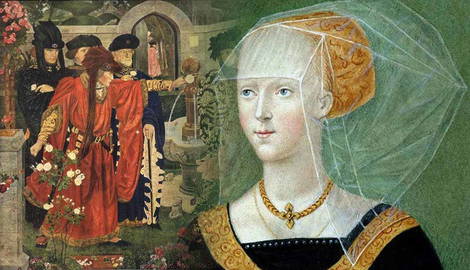
Elizabeth Woodville, also known as the White Queen, was a formidable figure in history. Though she was not born into nobility, Woodville’s status did not deter Edward IV, who fell in love with and secretly married her. A wife, mother, and queen consort, she navigated a court that disliked her, took refuge in Westminster Abbey twice during the turbulent years of the Wars of the Roses, and fought to save her family’s claim to the throne. Her daughter, Elizabeth of York, would go on to marry King Henry VII and establish the Tudor dynasty, while two of her sons would disappear under mysterious circumstances.
The White Queen’s Early Life
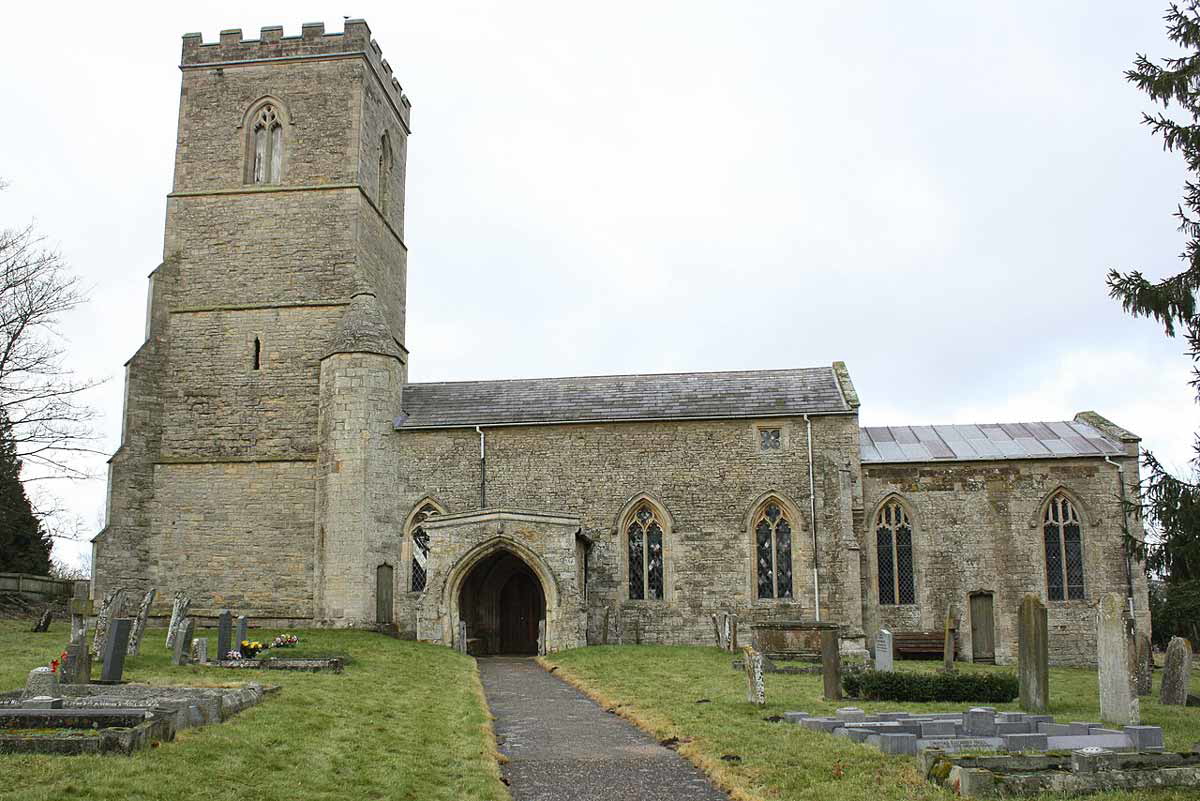
Born in 1437, Elizabeth Woodville was the eldest daughter of Richard Woodville, 1st Earl Rivers, and Jacquetta of Luxembourg, Duchess of Bedford. Her parents’ marriage was “scandalous” at the time, due to the fact that the Duchess, a wealthy widow and a member of King Henry VI’s extended family, decided to marry for love.
Richard was a knight who came from a modest family, having also served as a squire for Jacquetta’s deceased husband. They married in secret without permission from the royal family, a stipulation the couple ignored. The court was furious at Jacquetta for marrying “beneath” her, and the couple were fined a thousand pounds and stripped of their lands. Later, they received a royal pardon and had their lands restored to them.
Elizabeth grew up at Grafton Regis in Northamptonshire, England, alongside her 13 brothers and sisters in a respectable household. She was known for her beauty and had many suitors even from a young age. Her father’s career flourished under King Henry VI, and eventually, he was granted the title of Baron Rivers, thereby elevating him to nobility.
Jacquetta was an influential figure at court and formed a close bond with Queen Margaret of Anjou, wife of King Henry VI, serving in various roles for the Queen. They were loyal supporters of the Lancastrian cause.
A Fortuitous Meeting
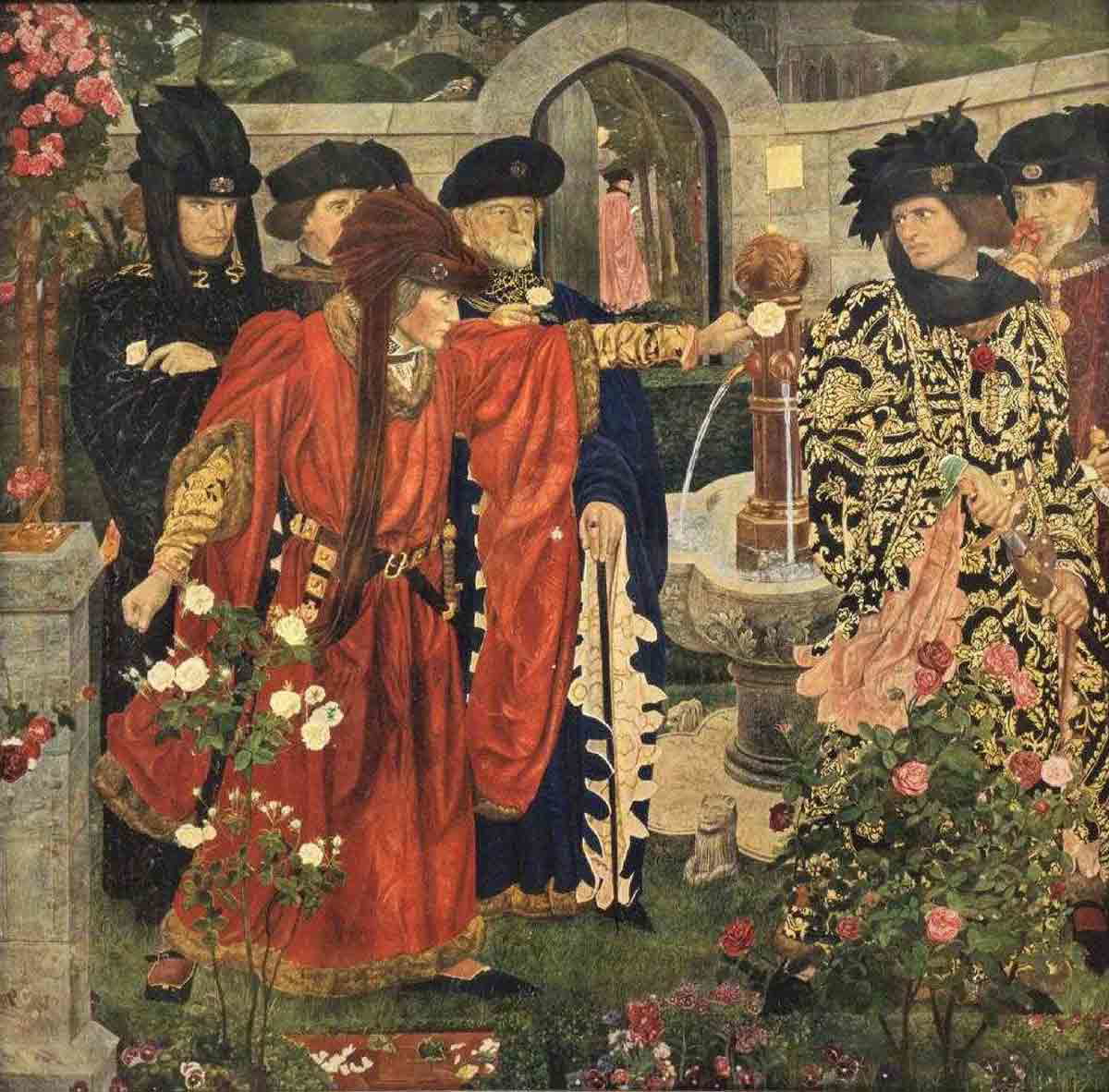
Elizabeth’s family became entangled in a violent upheaval that became known as the Wars of the Roses, a series of civil wars fought between the Houses of Lancaster and York for the English throne. This period of English history was later named from the supposed badges of the contending Houses: the white rose for York and the red rose for Lancaster.
The Woodville family sided with the Lancastrian King Henry VI and Queen Margaret of Anjou. In 1452, Elizabeth married a Lancastrian knight by the name of Sir John Grey. The couple had two sons together before Grey was killed less than ten years later, defending the House of Lancaster at the Second Battle of St. Albans in 1461. As the Yorkist cause grew, the widow Elizabeth and her sons were forced to return to Grafton Regis while their lands were seized by the Crown.
However, the return home proved fortuitous for Elizabeth as she was introduced to King Edward IV of the House of York while he was hunting in the area. Edward, who had defeated King Henry VI’s forces in 1460, fell in love with Elizabeth’s beauty and charm and started a hidden romance that eventually led to a secret marriage on May 1, 1464. A year later, on May 26, 1465, Elizabeth was crowned in Westminster Abbey in a lavish coronation ceremony.
Elizabeth Woodville: Queen Consort of England
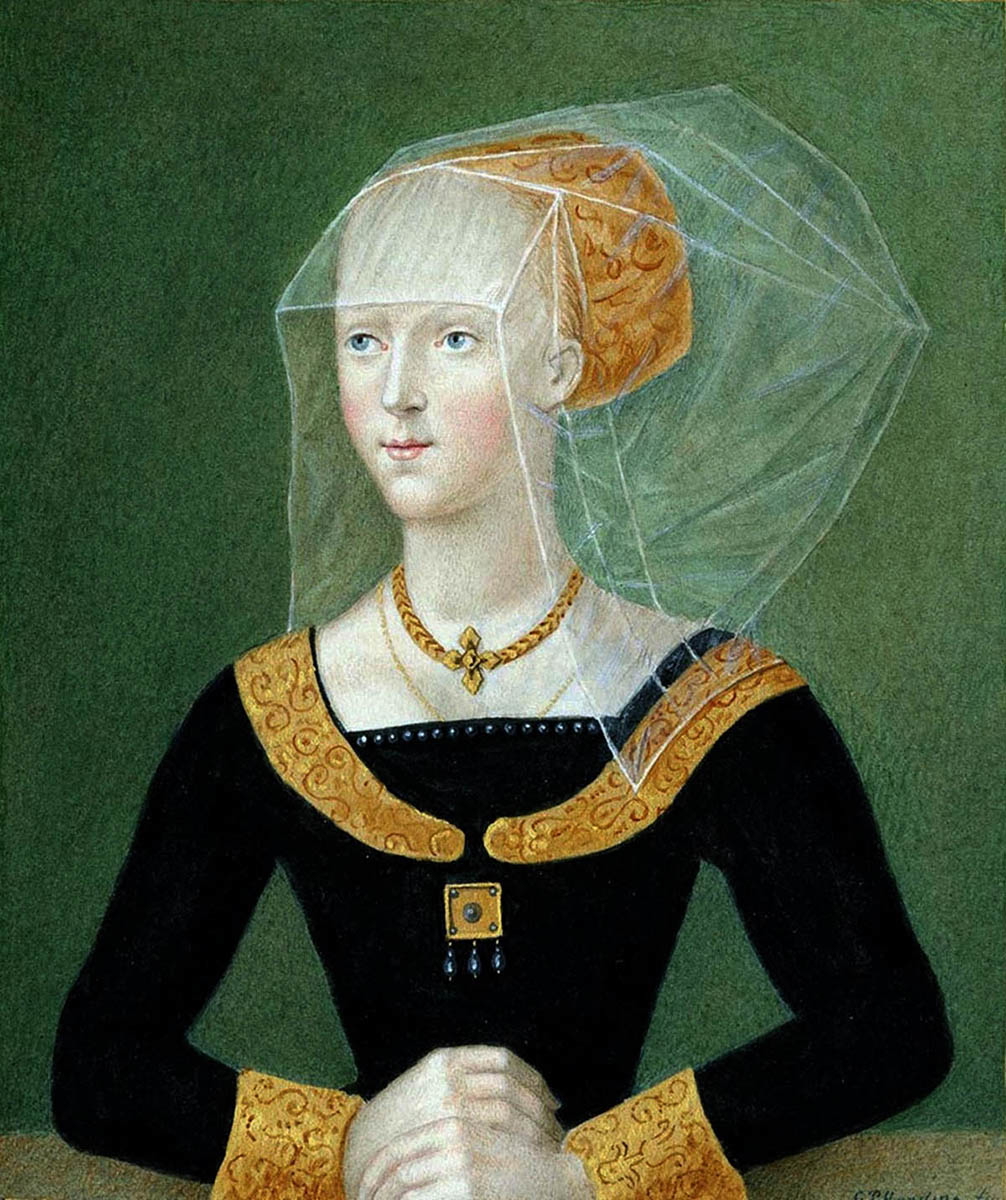
Though Edward and Elizabeth were happily married, the royal court was furious with their marriage. Richard Neville, Earl of Warwick, also known as “the Kingmaker,” was particularly angry as he had been secretly creating an alliance with France that would involve Edward marrying a French princess.
As queen consort, Elizabeth’s family’s status grew in prominence and prestige. Her siblings and children benefited from the advantageous marriage, further angering the court. With Elizabeth’s father and her first husband being staunch Lancastrians, many members of the House of York disapproved of her union with King Edward IV and resented Elizabeth. Despite this, Edward and Elizabeth remained married and had ten children together, securing the York lineage.
However, the rift between the Earl of Warwick and Edward IV continued to grow, causing “the Kingmaker” to switch alliances to the House of Lancaster. He allied himself with George, Duke of Clarence, Edward IV’s brother, who accused Elizabeth and her mother of practicing witchcraft. The two even led a revolt and fled to France.
Warwick’s new allegiance to the Lancastrian Queen Margaret of Anjou felt personal to Elizabeth, as her father and brother both were executed at the hands of Warwick in 1469 after the Battle of Edgcote. In October 1470, Edward was deposed and Henry VI ascended the throne for a second time. Edward was forced to flee the country while Elizabeth and their daughters were left at the Tower of London.
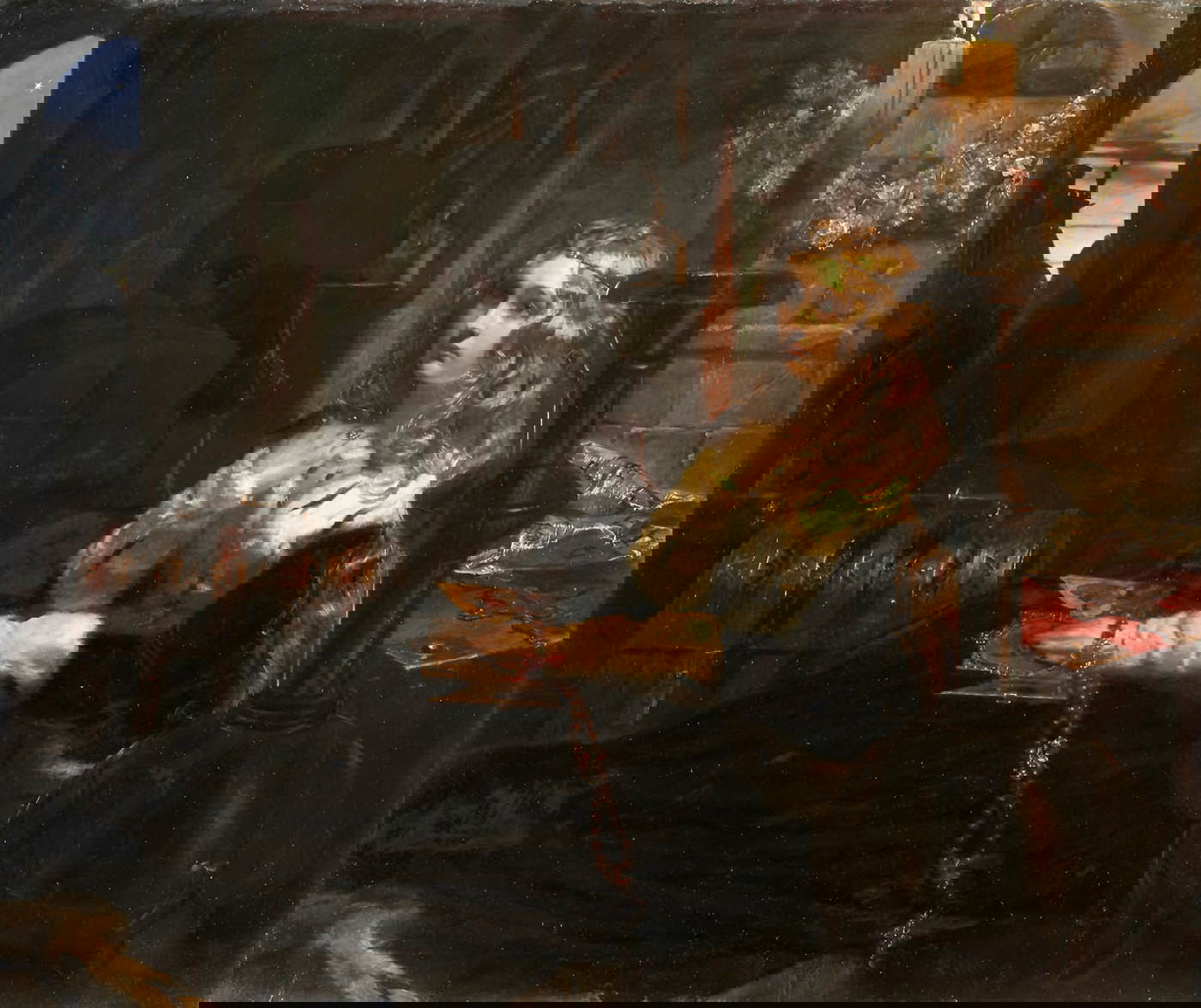
One cold night in October of that same year, Elizabeth secretly fled the Tower with her family, including her mother, and claimed Sanctuary at Westminster Abbey. The Abbey was a chartered sanctuary for political figures, traitors, and felons, giving them immunity from justice within its walls and houses nearby. Thomas Millyng, the Abbot of Westminster, cared for the royal family, including Edward V, who was born and baptized while in Sanctuary.
Warwick was defeated a year later at the Battle of Barnet, and Edward was restored to the throne in April of 1471. Elizabeth and her family left the Abbey once her husband regained the throne. Later, Elizabeth would commission the construction of the chapel of St. Erasmus, which adjoined the Lady Chapel at Westminster Abbey, though it was later demolished by Henry VII.
A Scorned Woman
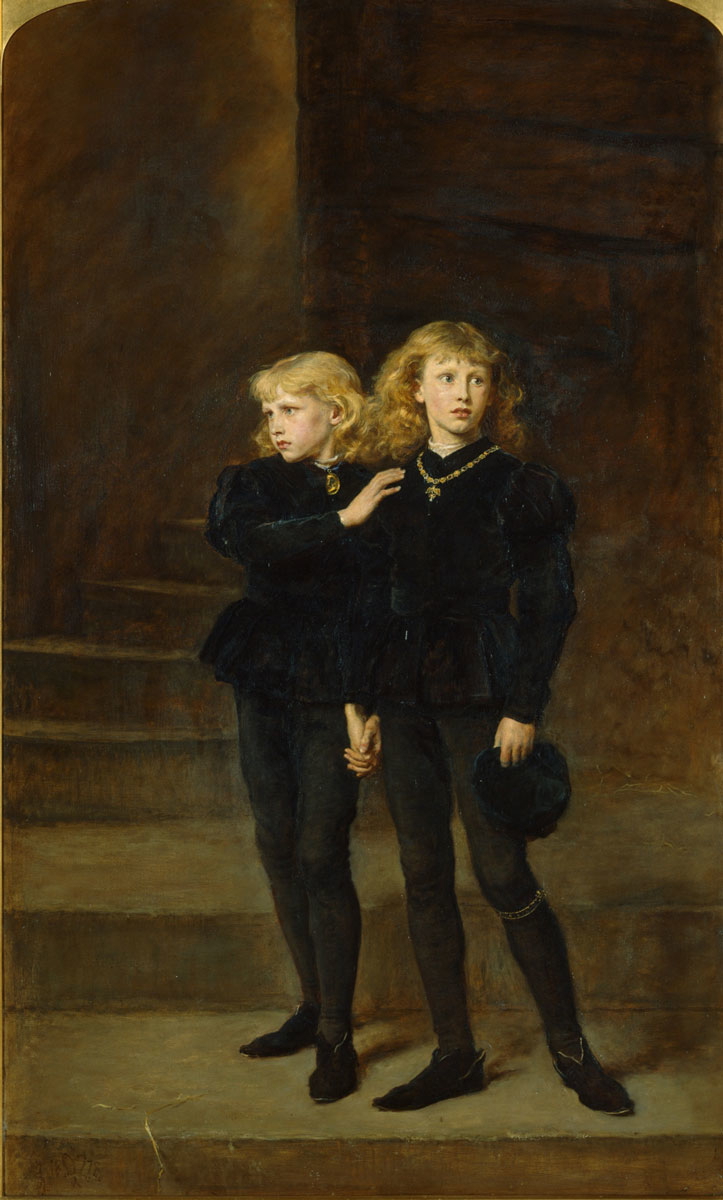
Elizabeth once again was scrutinized and her status was in peril when her husband Edward IV died in 1483, making Elizabeth a widow for the second time. The court planned to usurp her power and her son’s right to be king. Briefly, her son became King Edward V, but this was short-lived due to his uncle Richard of Gloucester, King Edward IV’s younger brother, who seized Edward V and took him to the Tower of London.
Elizabeth and her family once again found sanctuary at Westminster Abbey, though her other son, Richard, Duke of York, was forced to join his brother Edward V in the Tower of London. With the two boys imprisoned in the Tower, Richard of Gloucester could claim the throne. However, he first had to accuse Elizabeth of engaging in a bigamous marriage with Edward IV, thus making her two sons illegitimate heirs to the throne, in order to gain favor from the public for his rightful kingship. The rumors worked, and Richard of Gloucester was crowned King Richard III on June 26, 1483.
Elizabeth was subsequently stripped of her lands and title of Dowager Queen and was then referred to as “Dame Elizabeth Grey.” Whilst in sanctuary, Elizabeth learned that her two sons in the Tower had died, presumably murdered by their rivals. The two boys became known in history as the “Princes in the Tower.” Grieved by the death of her children, Elizabeth became determined to get revenge.
Advantageous Political Alliances
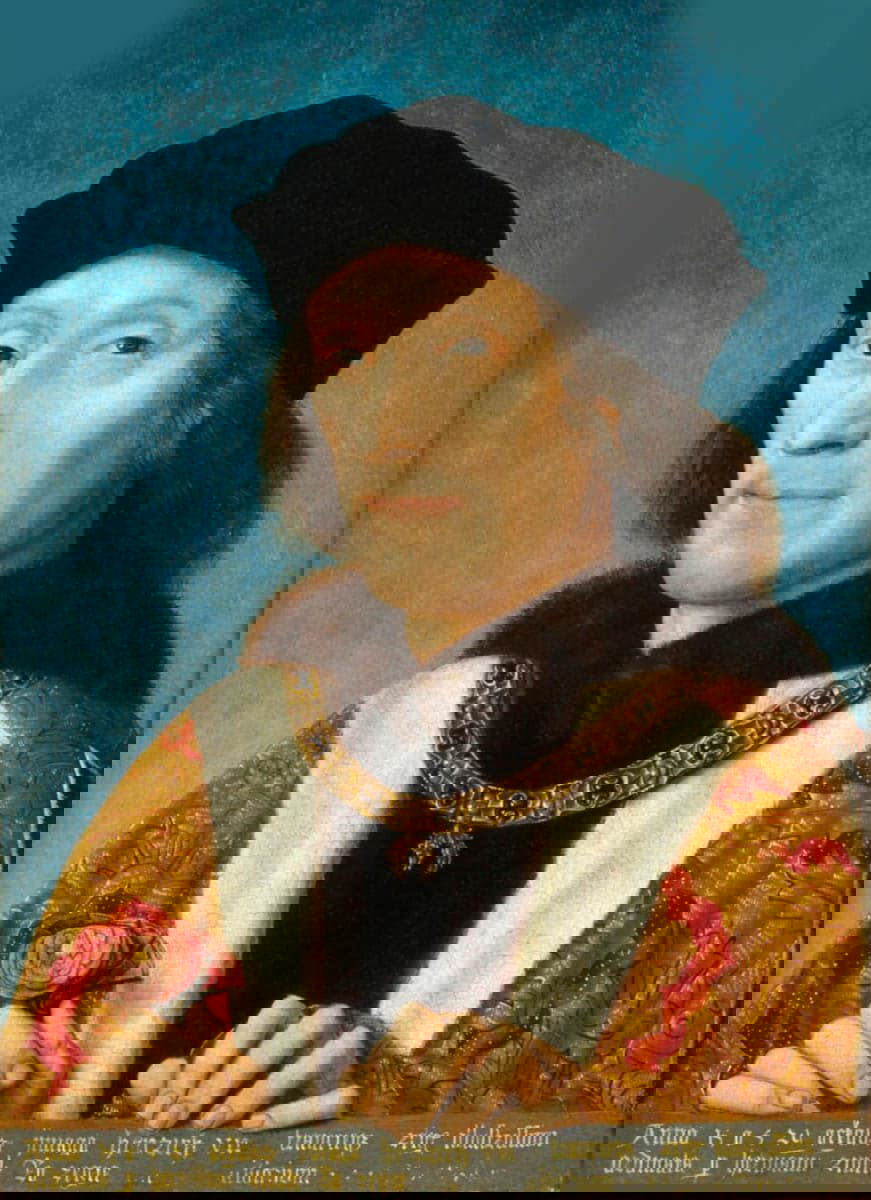
Elizabeth found herself in an alliance with Henry Stafford, Duke of Buckingham, and Margaret Beaufort, the mother of Henry Tudor, the future King Henry VII. They worked together to make sure that Henry Tudor, a direct descendant of Edward III, would claim the throne.
The conspirators created a plan to unite the families, bringing an end to the fighting and establishing one powerful royal family line. Therefore, Elizabeth and Margaret agreed that Henry and Elizabeth’s eldest daughter, Elizabeth of York, heiress to the House of York, would marry. In December 1483, Henry Tudor swore an oath, agreeing to the plan.
Elizabeth and Margaret continued to plot behind the scenes as Elizabeth and her daughters were allowed back at King Richard III’s court. Henry Tudor, exiled in France, made his first attempt to invade England in 1483, though he was unsuccessful due to a storm. In August of 1485, however, Henry and his army arrived in Wales and began to march to London, amassing a large number of followers who joined his army.
A New Era
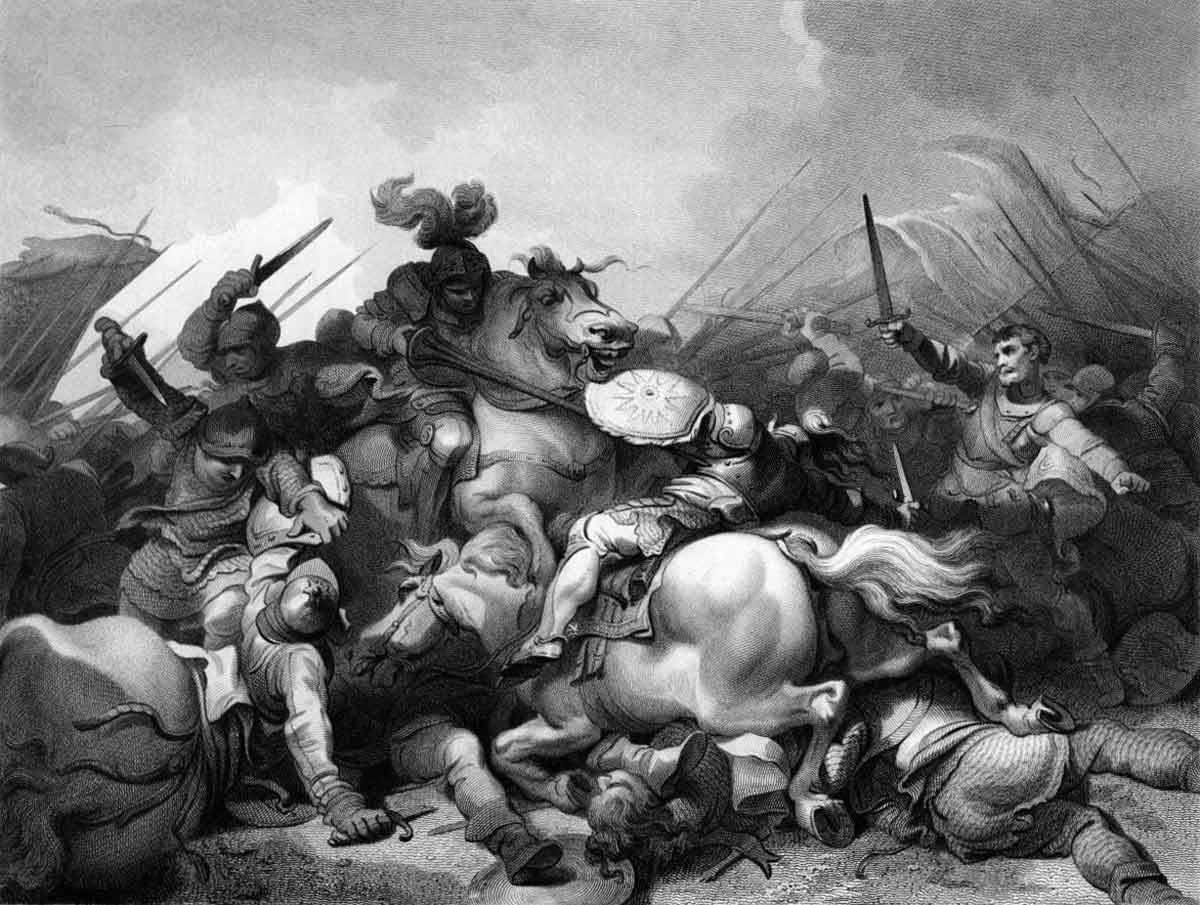
Henry Tudor’s army met Richard and his supporters in Leicestershire, and a conflict ensued in what would become known as the Battle of Bosworth Field. On August 22, 1485, the Lancastrians secured a victory over the House of York. This battle was significant as King Richard III died on the battlefield, ensuring that Henry Tudor would become king which ushered in the Tudor dynasty. After decades of conflict, the Wars of the Roses were finally over. Henry Tudor was crowned King Henry VII and married Elizabeth of York.
Elizabeth Woodville was named the Dowager Queen. Her titles were restored, though she had to submit to Lady Margaret Beaufort’s prominence and power. Eventually, the Dowager Queen moved to Bermondsey Abbey, where she spent the final years of her life in quiet solitude. On June 8, 1492, she died and was buried at Windsor Castle next to her second husband, King Edward IV.
Legacy of the White Queen
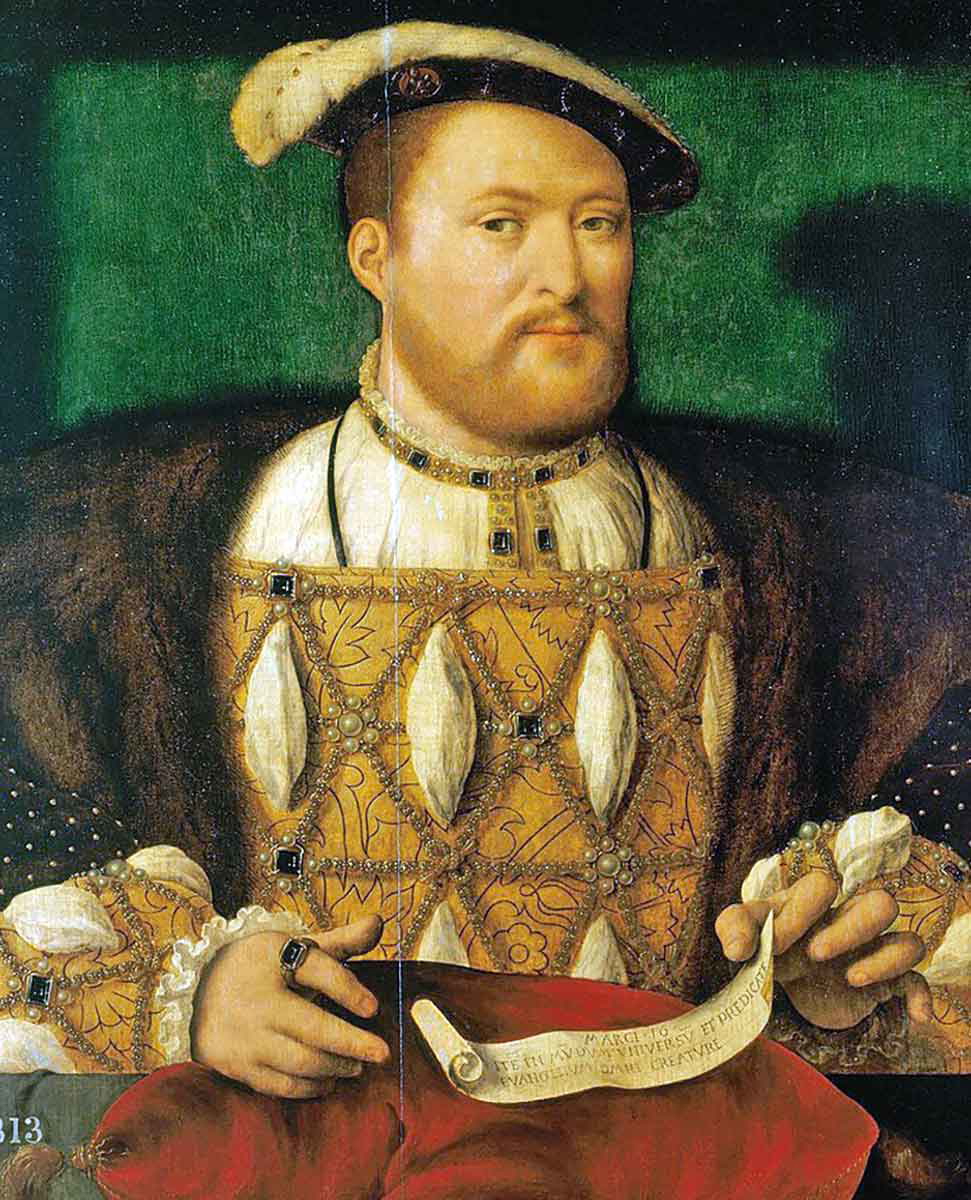
Elizabeth Woodville’s legacy is tied to her role in shifting the English monarchy toward the Tudor era. Her choices and alliances shaped the course of English history. She found herself at the center of the conflict between the Houses of Lancaster and York, with her crown taken away and then restored, and two of her children presumably murdered at the hands of her opponents. She was forced to take sanctuary at Westminster Abbey and hide her children away from danger.
Yet, she was also able to use her political prowess to secure an alliance that would ultimately lead to her daughter becoming the head of a new dynasty in England. The Tudor dynasty saw the reign of the infamous King Henry VIII, and the current royal family is distantly connected to the Tudors through Queen Margaret of Scotland, who was the grandmother of Mary, Queen of Scots, and the sister of King Henry VIII.
Elizabeth Woodville’s life reflected the volatility and complexity of noble and royal women’s roles in late medieval England—balancing personal ambition, family loyalty, and political survival.