Environmental art emerged in the 1960s as an alternative to traditional artistic and exhibition practices. Instead of framing human creativity and artistic egos as the pinnacles of civilization, it aimed its gaze at the laws of nature. Environmental artists collaborate with natural forces and usually employ a sustainable approach to art, using natural materials and paying attention to the balance of ecosystems. Read on to explore the evolution of environmental art, its ideas of sustainability, and its influence on activism and innovation.
Environmental Art: Questioning the Relationship Between Art and Nature
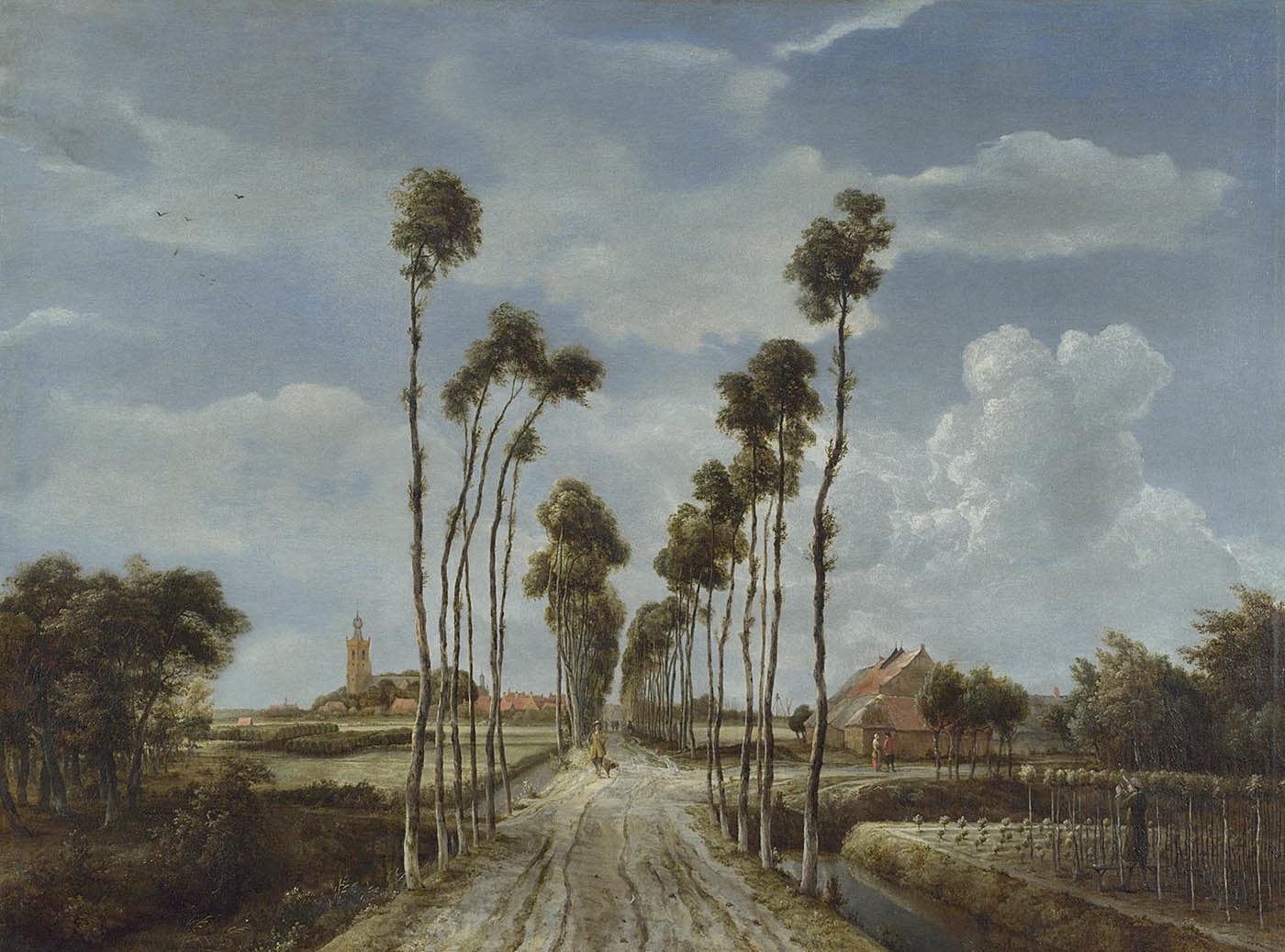
Nature in all its diversity has always been a key subject to represent in art. In ancient cultures, masters imitated patterns of animal skins and textures of wood. Later, painters and sculptors used nature as a backdrop for human-driven stories. Landscape painting of the 1600s focused not on nature itself, but on its man-made transformations, such as roads, windmills, or plowed fields. Moreover, artists rarely depicted these natural scenes accurately, reconstructing them in their pictorial spaces in a more polished curated form.
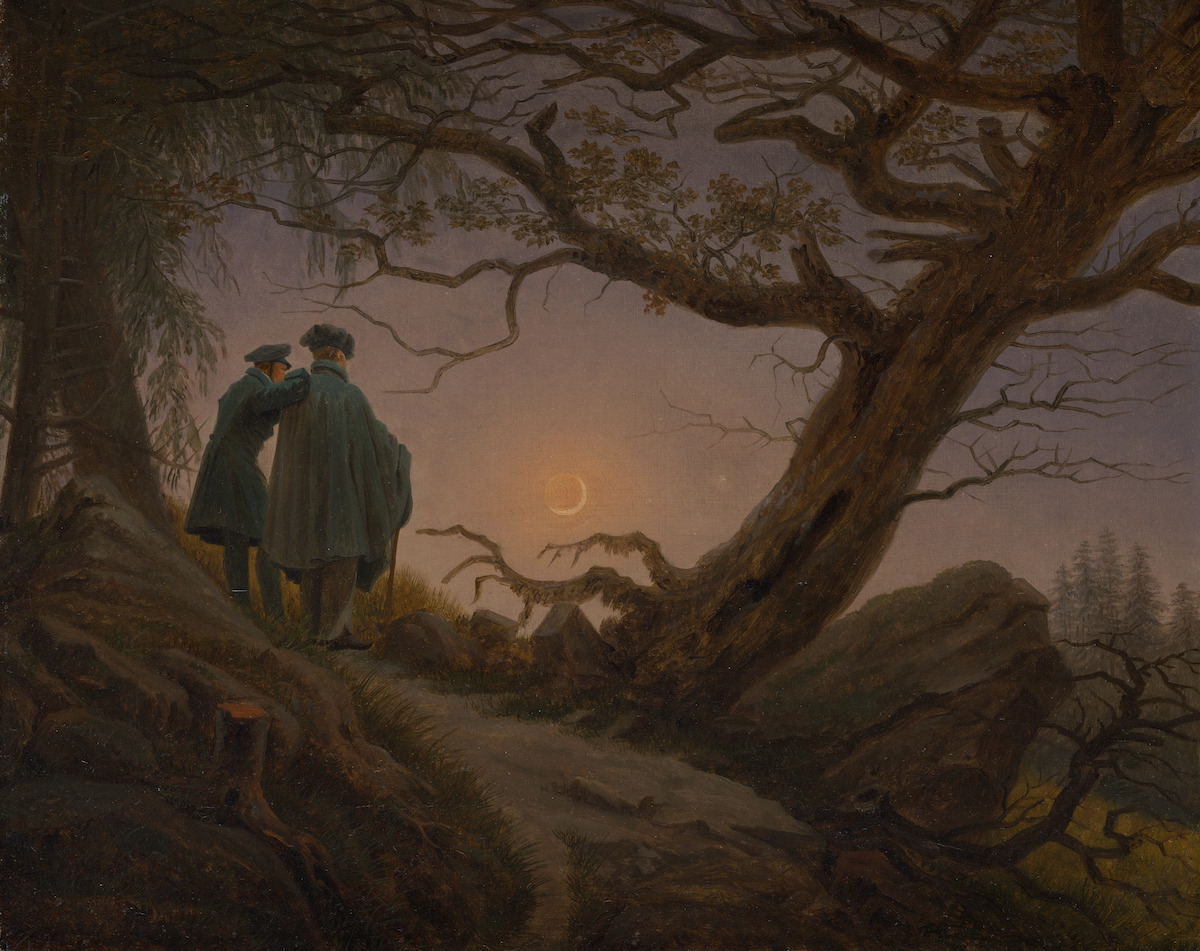
In the modern era, with the rise of Romantic painting, nature became the decoration for the main character’s inner turmoil and the reflection of his emotional state. Starting from the Impressionists, the natural setting gave way to the urban one, as it more accurately reflected the space inhabited by humans. Until the 1960s, art tended to engage with imaginary or constructed representations of nature rather than with its immediate reality. The floral excess of Art Nouveau designs aimed to surpass the complexity of nature through curated artifice, and abstract art mostly preferred to explore the metaphysical rather than the natural.
A radical transformation happened in the 1960s, when society began voicing its concern for the ecological impact of human activity. Developing industries and mass production have already caused noticeable harm to the environment. Activists and climate scientists expressed their distress with our growing detachment from the natural world which eventually led to mutual destruction. Listening to nature and learning to co-exist with it became a new trend.
At the same time, artists and creatives had another concern: the art market had developed enough to turn from a supporting mechanism for artists into a suffocating enclosure that ran out of ideas. Many artists of that era believed that to escape the limitations of white cube galleries, they needed to come up with art that could neither be bought nor sold. At the same time, activist art became more and more prominent, with artists coding political and social messages in their works.
All these trends resulted in the emergence of Environmental art. Diverse in its forms and ideas, it nonetheless relied on the same set of concepts: increased attention to spaces rather than objects, and the desire not to depict nature, but to work with it. Environmental artists recognize themselves as parts of the ecosystem rather than independent beings and see nature as a complex organism. Instead of proclaiming the superiority of the human mind and perception, Environmental art strives to learn from nature and allow it to develop its own rules.
Types of Environmental Art
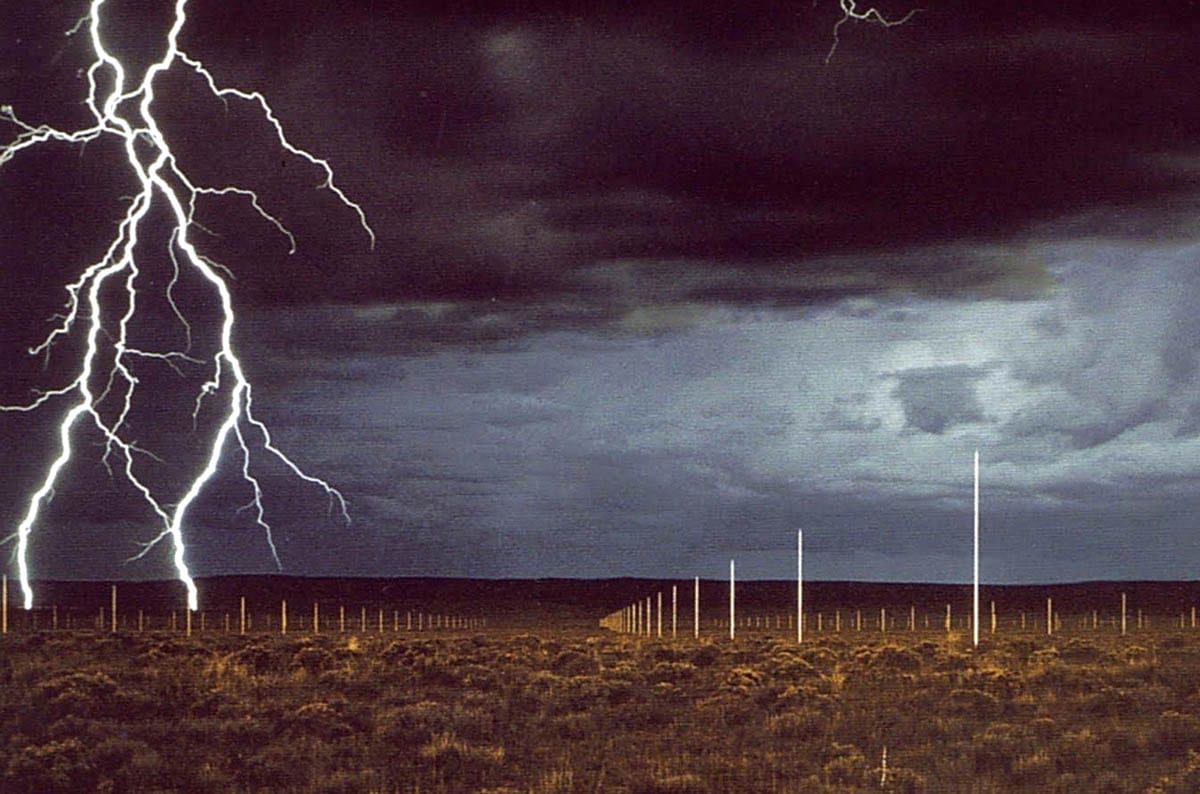
Environmental art is a broad category that involves various movements, techniques, and strategies. Not every artist falling into the environmental art category would necessarily define themselves this way. Still, they all share a specific weighted approach to nature, sustainability, and artistic statements. Creative expressions of Environmental artists often incorporate natural processes and use natural change of temperature, pressure, or light as driving forces for their works’ transformations. It also explores the possibilities of a particular location and is by definition site-specific.
One of the most prominent categories of Environmental art is the Land Art movement that became prominent in the late 1960s. Land artists like Robert Smithson and Walter de Maria created their works from earth, sand, water, and other natural materials, usually found on the site. To escape the prying eye of the art world at least for a short while, they often traveled to remote areas, making the works hard to access. Structures constructed from stone, soil, or plants were left exposed to the elements, which inevitably led to the transformation and, in many cases, decay of these works. However, later environmental activists criticized some Land artworks for the artists’ attempts to reshape landscapes, damaging natural environments.
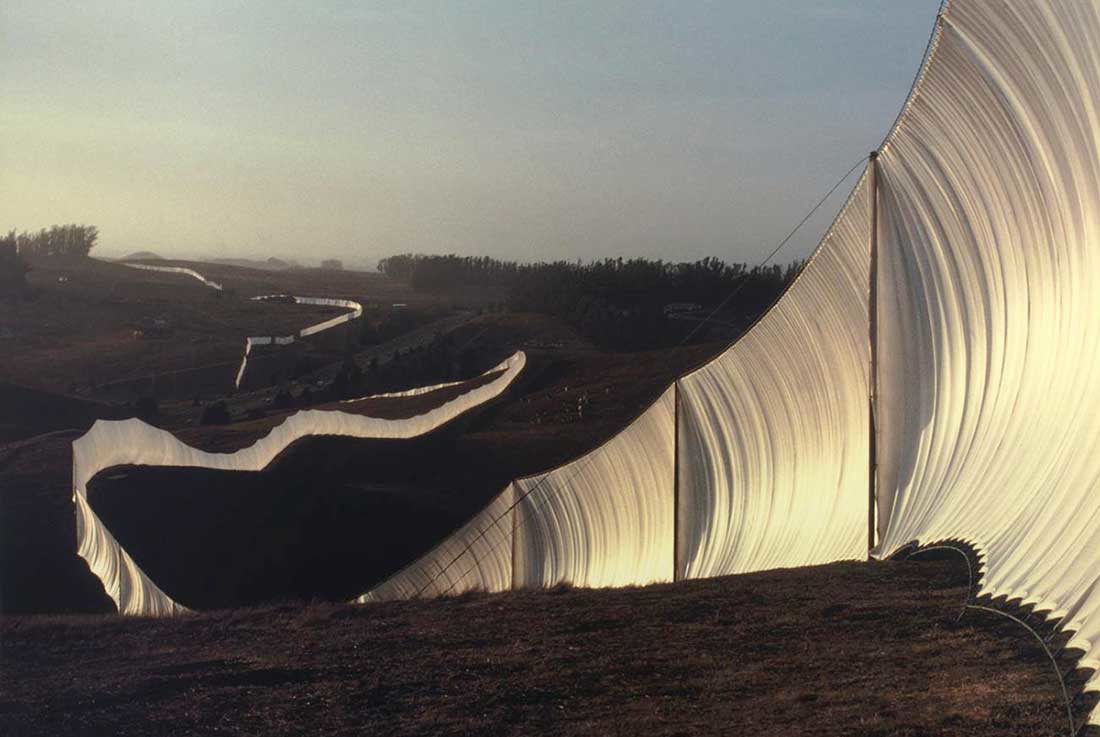
Some works of Environmental art aim not to transform or augment the landscape, but rather to highlight it. One such example was the famous Running Fence, an installation by the artistic duo Christo and Jeanne-Claude. In 1976, a team of artists and California farmers constructed a 25-mile-long fence from white nylon fabric. The fence could not possibly guard or restrict anything, but rather emphasized the relief of the hills and attracted attention to its unique pattern. Construction and demolition of the structure, financed by the artists, also created jobs for the local community. After two weeks, the fence was dismantled, leaving no trace of its past presence.
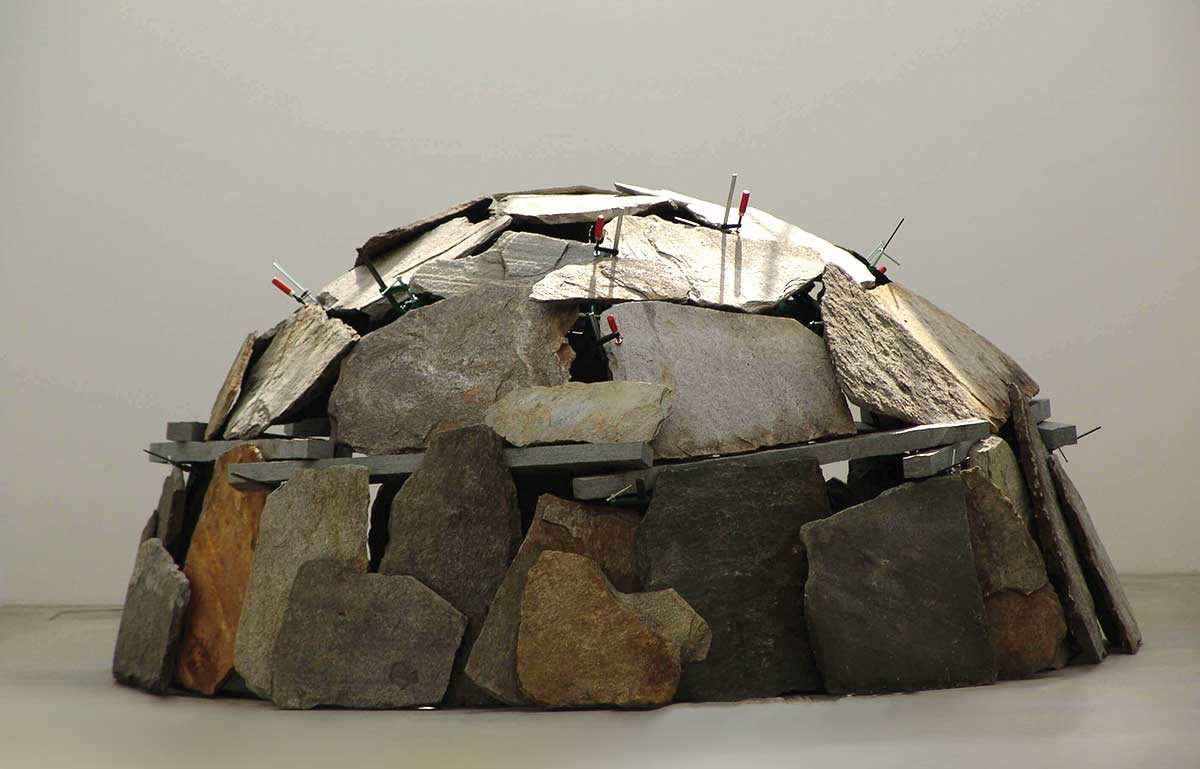
Some researchers categorize the Italian art movement Arte Povera as an early type of environmental art. Arte Povera, literally translated as Poor Art, relied on cheap materials often considered trash and criticized the existing conventions of power, authority, and production. Arte Povera also embraced chance and natural chaos, often incorporating these concepts into their works. The sustainable material practices of Arte Povera artists, as well as their embracing of organic imperfection, moved them closer to the generalized notion of Environmental art.
Environmental Art & Activism
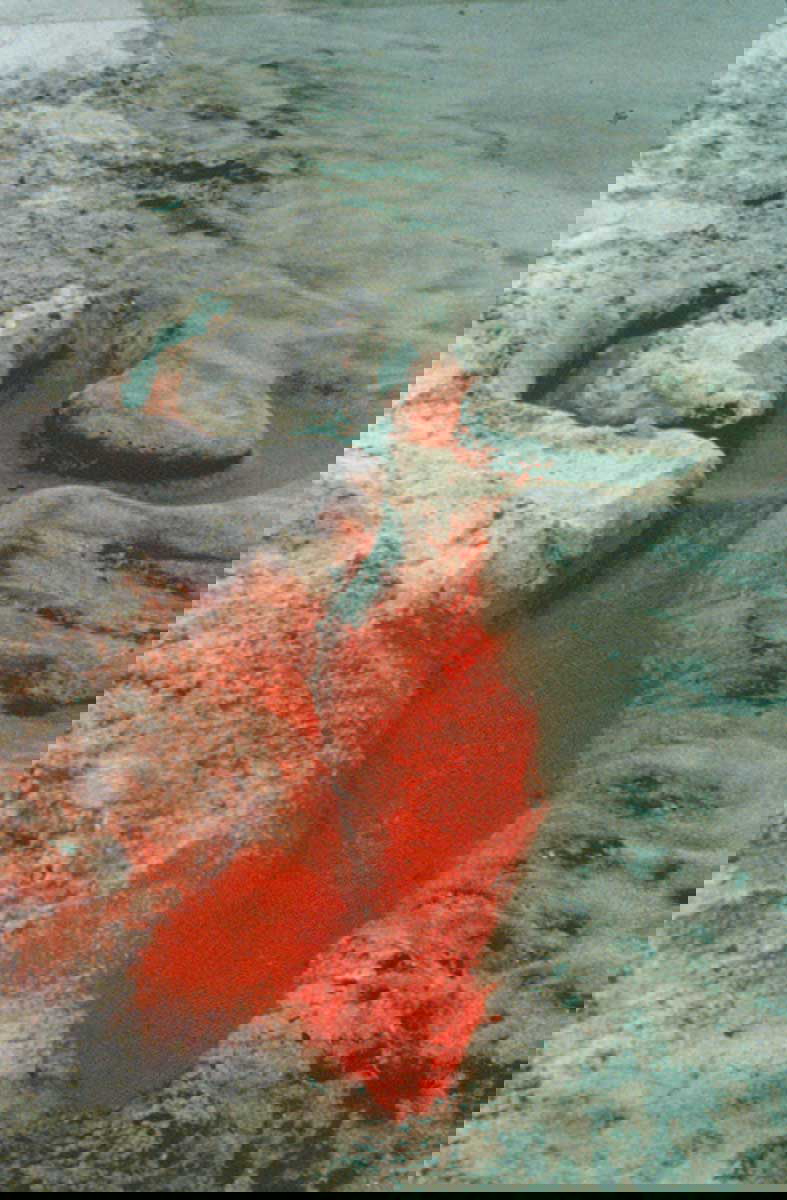
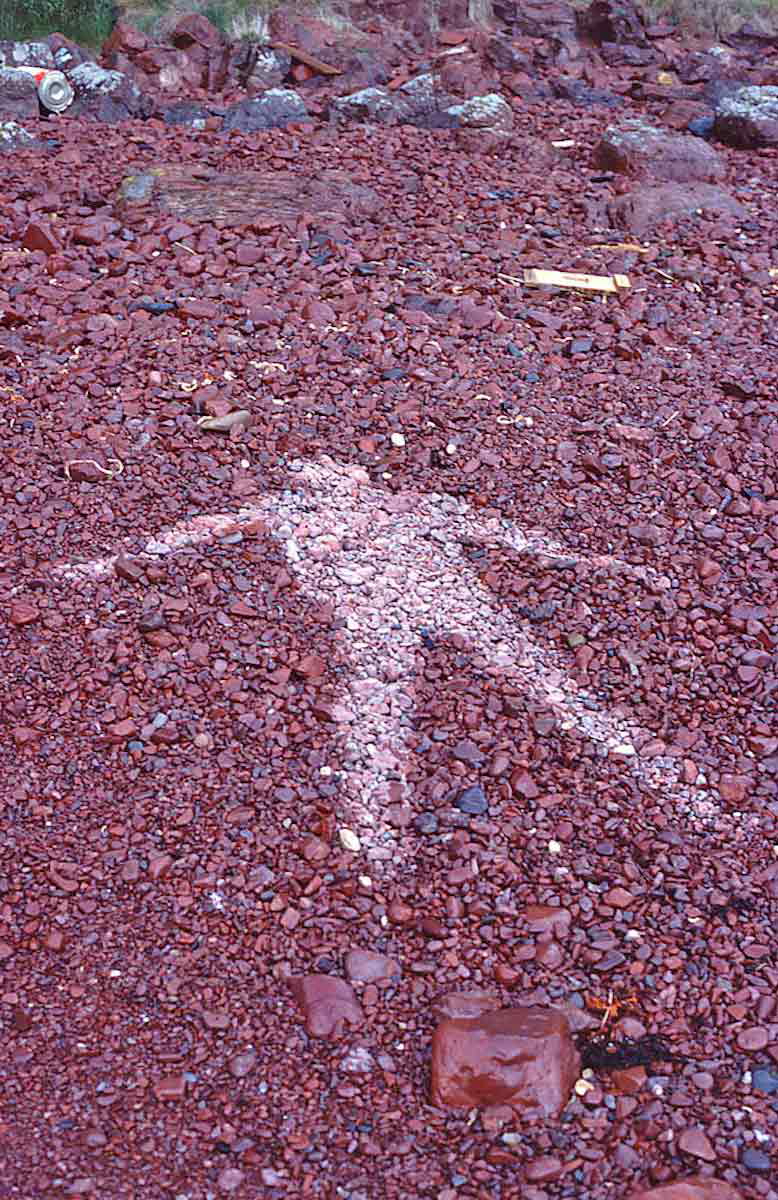
Many feminist artists of the past century also participated in environmental art practices as part of their political expression. One of the most prominent examples was the famous artist Ana Mendieta, who created a series of images of a nude female body leaving prints in soil, sand, water, or grass. Mendieta, a Cuban refugee from the US, lived through systemic racism and sexism in both her everyday life and the art world. For her, reconnecting with nature meant discarding the limits of borders and nations, and the biases of gallerists and curators. Ana Mendieta believed that every living being was connected with universal energy. This energy, for her, was the key to re-establishing her roots after being forcibly uprooted from her native land, as well as to combating global exploitation and injustice.
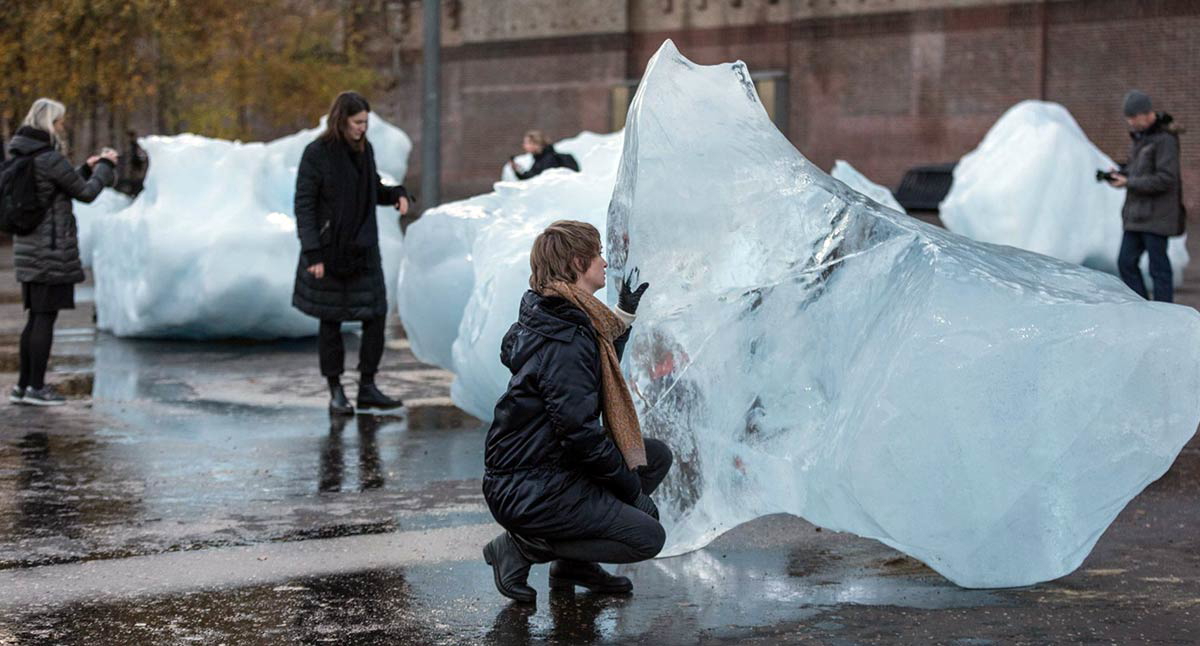
More recently, Environmental art received a more technologically advanced look. Today, artists like Olafur Eliasson use science to sustainably manipulate natural processes within their works, creating complex installations drawing attention to climate change and pollution. Eliasson creates unique sensory experiences that force his audience to reconsider their perception of nature. Generally, in recent decades, the activist undertone in environmental art has become significantly louder. Many artists blend scientifically-based statements on ecological disasters with reports on oppression, inequality, and systemic violence exercised by power structures.
Impermanence as Artistic Strategy: The Paradox of Environmental Art

Many works of environmental art rely on impermanence and transform over time according to natural laws. This makes them exclusive, but not in material but in a temporal way. In 1982, artist Agnes Denes and her assistants planted a wheat field in Lower Manhattan, transforming a local landfill into a living and breathing space, unexpectedly situated within the city. Denes’ audience was confronted by an unusual site just a few blocks away from the World Trade Center. The field existed there for three months before the artist harvested it. Today, only the photographs remain as evidence of the artwork. The idea of impermanence took an unexpected tragic turn after the Twin Towers of the World Trade Center, featured in these photographs, were destroyed in 2001.

The use of natural materials and incorporation of them into natural environments results in the dubious status of environmental art for the public, collectors, and curators. Although initially this type of art was aimed at breaking the boundaries of galleries and taking creative work into a non-commercial space, the art world found a way to capitalize on it. Photographs became the primary medium for bringing environmental art to the public—and to collectors willing to purchase a piece.
One of the key traits of environmental art is its reliance on natural materials and processes. Like all natural things, objects like Spiral Jetty have a limited lifespan and disintegrate over time. However, the status of an artwork comes with the need for preservation. Impermanence, which is often the key characteristic of environmental artworks, conflicts with the goals of restoration and conservation teams who aim to maintain the conditions of important artworks.