Dubbed the Master of Suspense, English filmmaker Alfred Hitchcock is known for his expert writing, impeccable cinematography, and storytelling proficiency. Whether you are interested in visual aesthetics, well-written stories, or simply movies in general, Hitchcock has something for you. This list serves as a resource for both seasoned Hitchcock fans and newcomers to explore his top films, what makes them special, and why they remain relevant today. Here are Alfred Hitchcock’s top 8 movies:
| Title | Release Year | Plot Overview & Key Features |
| To Catch a Thief | 1955 | Retired thief John Robie attempts to catch a new burglar on the French Riviera to prove his innocence to the police. |
| The Lodger: A Story of the London Fog | 1927 | In this silent film, a family fears that the strange man renting a room from them is “The Avenger,” a serial killer targeting blonde women. |
| Rear Window | 1954 | Bound to a wheelchair in his Manhattan apartment, L.B. Jeffries becomes convinced he has witnessed a murder in a neighboring unit. |
| Psycho | 1960 | A low-budget horror masterpiece following Marion Crane’s encounter with a realistic and diabolical serial killer. |
| Notorious | 1946 | A spy’s daughter is sent to Rio de Janeiro to track Nazi scientists; it is famous for its creative bypass of film censorship rules. |
| North by Northwest | 1959 | A businessman is mistaken for an American agent, resulting in a cross-country pursuit that ends in a fight atop Mt. Rushmore. |
| The Birds | 1963 | A Northern California town is inexplicably attacked by a massive flock of bloodthirsty seagulls, turning the ordinary into a nightmare. |
| Vertigo | 1958 | A retired San Francisco detective is hired to follow a woman, leading to a dark and uncomfortable obsession that epitomizes the thriller genre. |
8. To Catch a Thief (1955): How Hitchcock Pioneered Modern Action Cinematography
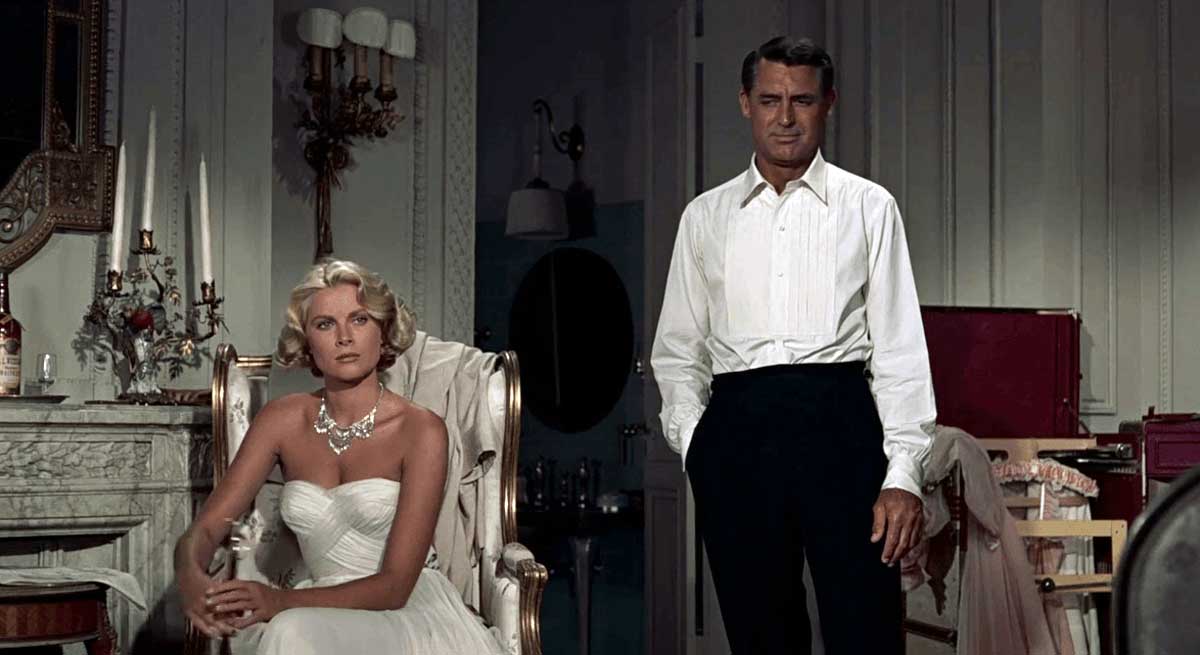
To Catch a Thief follows American John Robie (Cary Grant) as a retired thief living peacefully until a handful of burglaries on the French Riviera point the police in his direction. Hoping to prove his innocence and earn the trust of the police, Robie decides to take matters into his own hands and catch the thief in the act. After meeting two different, yet equally fatal, femme fatales, Francis Stevens (Grace Kelly) and Danielle Foussard (Brigitte Auber), Robie realizes that his escapade may prove to be far more challenging than he previously predicted.
To Catch a Thief earns its place on this list not only for its realistic portrayal of an American navigating a foreign locale but also for exhibiting how Hitchcock can bring a character to life who is struggling with so many difficulties all at the same time. A police investigation, asking old friends for favors, romantic interests, and exploring multiple suspects simultaneously; what could easily be a full season of a TV series is expertly and concisely written into a one-hour and 45-minute film.
From a technical point of view, Hitchcock used this film to advance aerial photography, a concept that had been explored very little leading up to the 1950s. To Catch a Thief is one of the first films to use a helicopter to film a car chase sequence. The film crew made a makeshift camera mount for a helicopter using the materials they had on set. This use of cutting-edge technology makes the viewing experience of To Catch a Thief all the more exciting and intriguing.
7. The Lodger (1927): The Silent Masterpiece That Invented the ‘Hitchcockian’ Hero
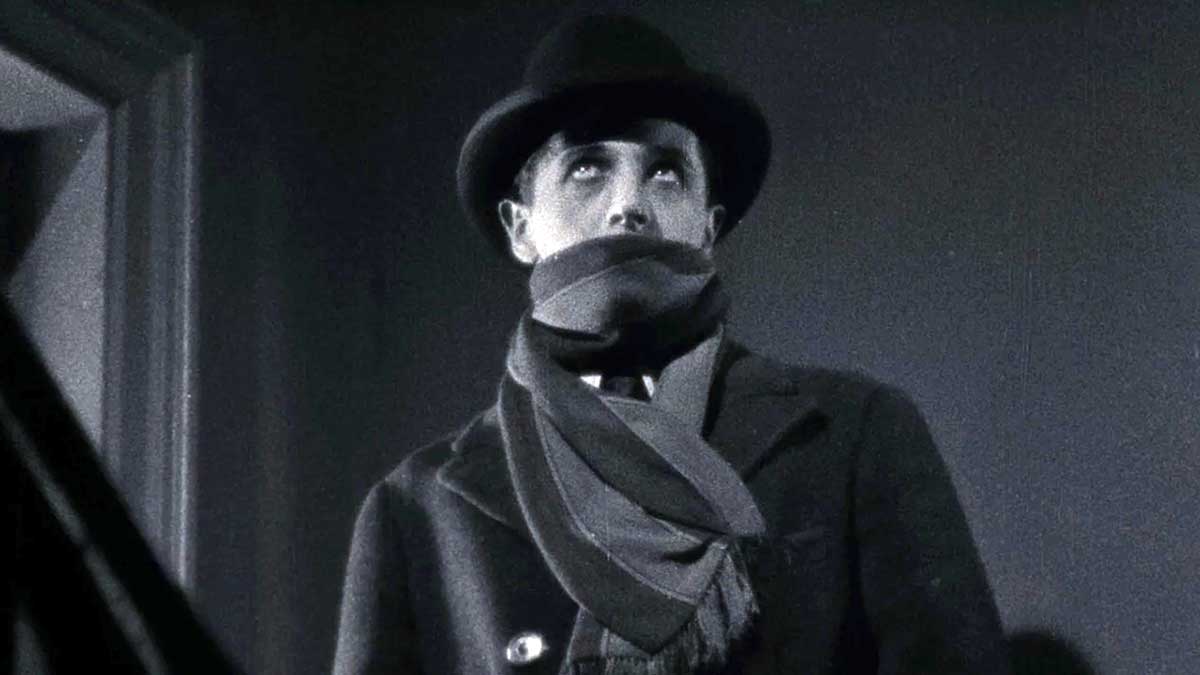
Alfred Hitchcock’s third film and first commercial success, The Lodger: A Story of the London Fog, highlights how Hitchcock’s films from the silent era still hold up to the intellectual standards that Hitchcock has earned for himself today. Loosely based on the many stories of Jack the Ripper, The Lodger takes place in a London neighborhood that is home to a serial killer called “The Avenger.” The Avenger is described as having a covered face and only targets young, blonde women who are out late at night.
This news is shocking to the Bunting family, but the shock turns to dread as they realize that the strange man living in their room for rent goes out every night on mysterious errands, never forgetting to conceal his face. This intelligent thriller doesn’t forget to keep the twists and turns coming, keeping viewers engaged for its silent yet vivid runtime.
What makes The Lodger such a fascinating watch is that it shows how not-so-different the people of the past were compared to us today. Technology, fashion, and the way people speak certainly changed over the years, but this near-century-old film shows audiences that the way people think and what they deem important have remained the same. For those interested in watching the people of history seemingly return to life, The Lodger is the perfect movie.
6. Rear Window (1954): Why This One-Room Set Is Cinema’s Most Perfect Thriller
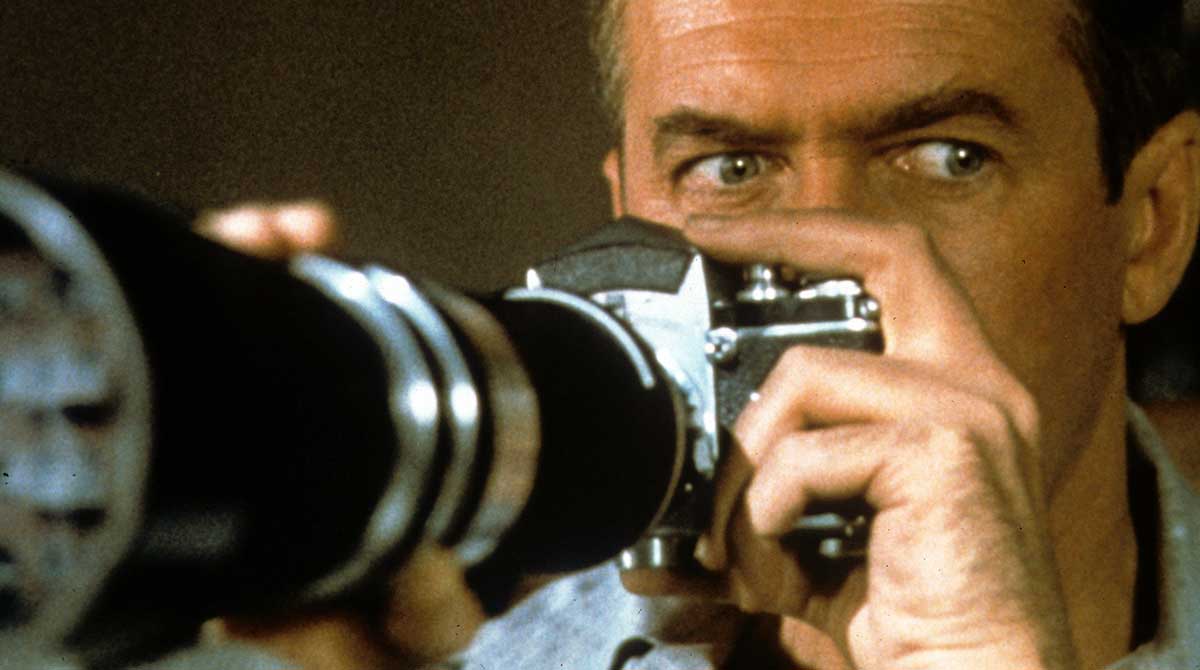
Told entirely from the perspective of a crippled L.B. Jeffries (Jimmy Stewart) confined to his Manhattan apartment, Rear Window tells the deeply compelling story of a man who thinks he overheard a murder occur yet can do very little about it. Critically praised and universally regarded as one of Hitchcock’s very best, Rear Window proves that you don’t need exotic locations or nonstop thrill-a-minute action sequences to craft an effective thriller. A professionally written script (in this instance by John Michael Hayes) will suffice.
Filmed entirely in a massive Paramount Studios soundstage, Rear Window fully utilizes every detail of the intricate setting where the narrative takes place. Simple features such as a railing or garden wall, which are innocuous at first glance, may prove to be challenging obstacles for the characters later in the film. A two-hour film taking place in one location may sound like a boring or tedious affair, but in the hands of skilled filmmakers, it makes for a thriller that is not to be missed.
5. Psycho (1960): The Low-Budget Gamble That Shattered Hollywood Taboos
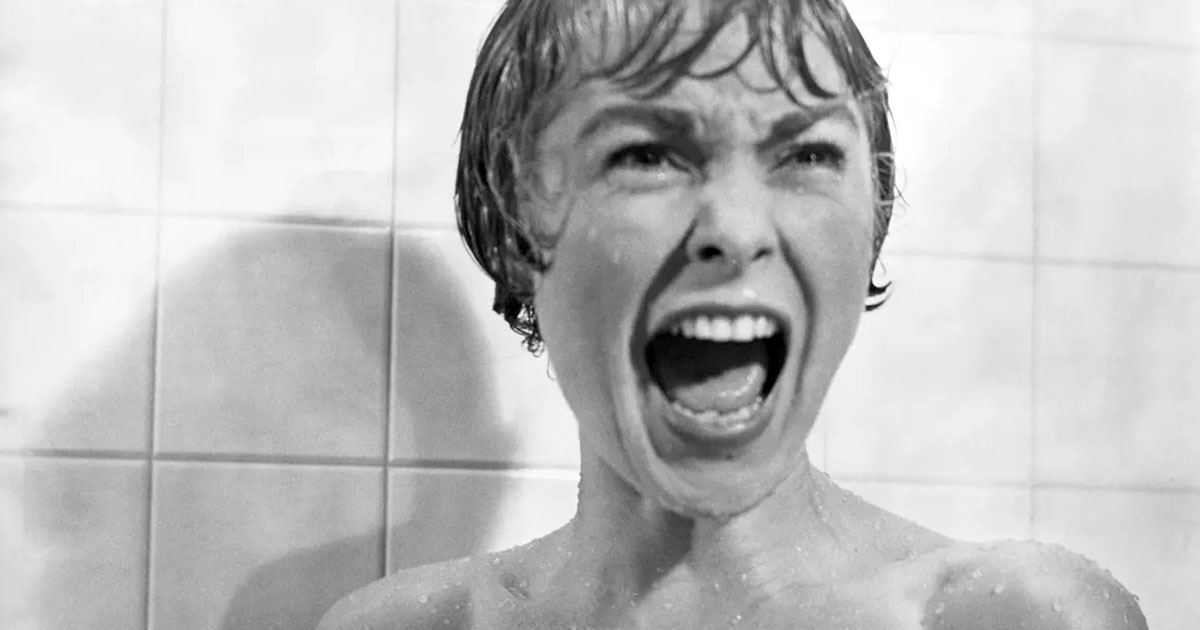
Known as possibly the greatest horror film of all time, Psycho roared onto the big screen in 1960 with a tremendous cultural buzz surrounding the release. As the oldest R-rated film—having been made eight years before the founding of the MPAA (Motion Picture Association of America)—Psycho has been frightening generations with not only its black-and-white depictions of gore but also its portrayal of a vividly realistic and diabolical serial killer. Starring Janet Leigh alongside Anthony Perkins and John Gavin, Psycho proves that even with a low budget, a talented group of filmmakers and actors can create a timeless piece of storytelling.
As exemplary as the horror sequences in Psycho are, what stands out in the film more than what people give credit for is the main character: Marion Crane. Marion, played by Janet Leigh, is a fascinating character who slowly reveals more and more of herself to the audience as the film progresses. At first, clad in all-white clothing, Marion’s wardrobe becomes darker and darker as the choices that she makes do the same. Along with a diabolically complex performance by Anthony Perkins, Janet Leigh brings life to an incredible character who once again points to the brilliance of Alfred Hitchcock.
4. Notorious (1946): Why the FBI Followed Hitchcock During Production
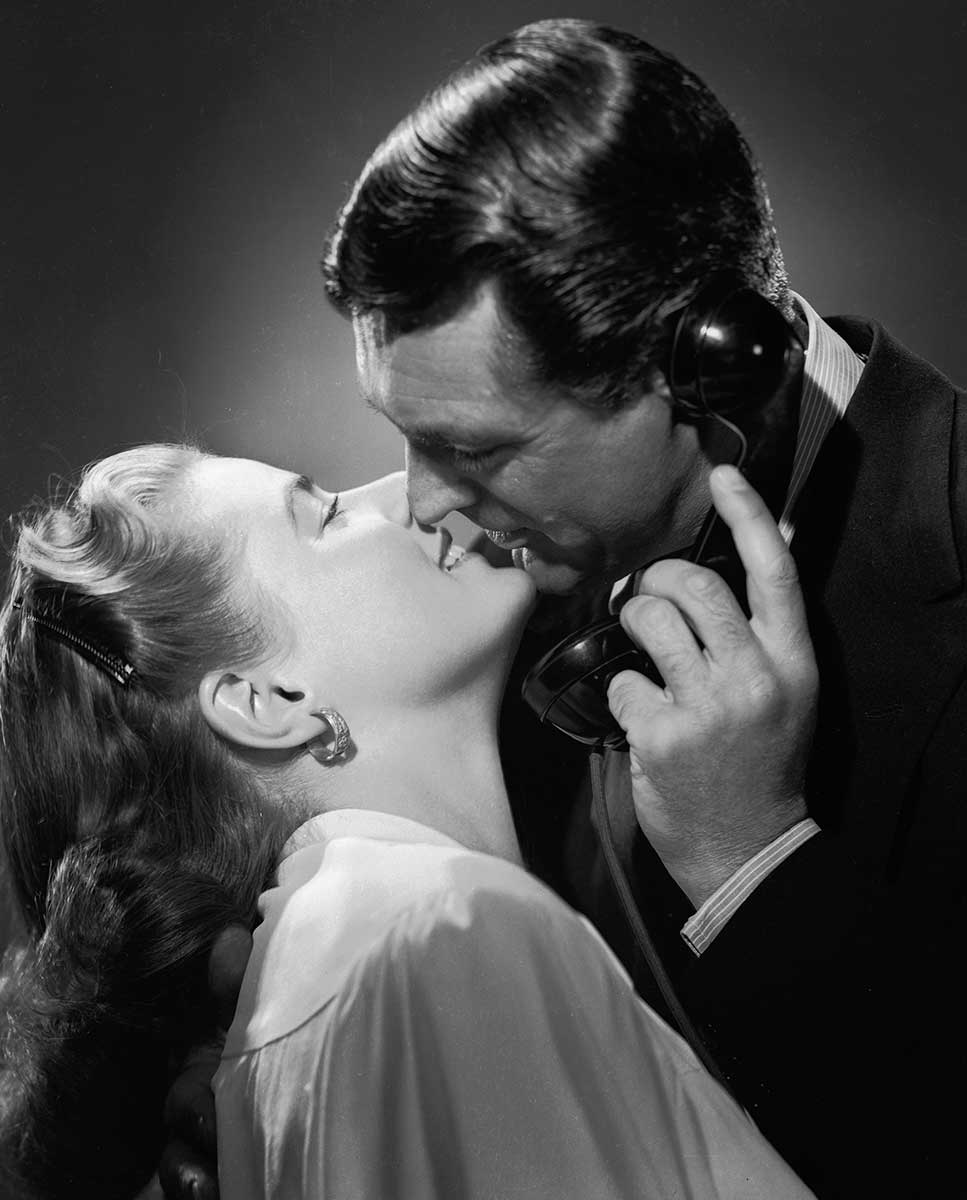
Notorious, aptly released in 1946, is about the daughter of a German spy sent to Rio de Janeiro in order to track down and spy on a ring of Nazi scientists who fled from Germany after World War II. Alicia Huberman, portrayed by Ingrid Bergman, thinks she is up to the task, but everything changes when she is reunited with an old flame of hers who just so happens to be the leader of the ring of Nazi scientists. Coupled with a growing infatuation for a fellow US spy (Cary Grant), Alicia must choose between two lovers and navigate through her mission, all while her life hangs in the balance.
With the great efforts made by the Allied countries during the post-World War II period in order to seek out Nazis in hiding, it’s impressive for a Hollywood film to tackle this issue simultaneously, one which was such a critical element of the political zeitgeist of the time. Notorious captured this period of time so effectively, as a matter of fact, that Hitchcock claimed to have been followed by the FBI for a few months during the production of the film because the movie dealt with uranium as a key plot element.
Notorious earned its place on this list because of its compelling narrative, aesthetically pleasing black-and-white cinematography, and motivation to push the Motion Picture Production Code (MPPC) to its limit. One oft-mentioned scene from the film portrays a two-minute and thirty-second kiss between Ingrid Bergman and Cary Grant. However, the MPPC did not permit an on-screen kiss longer than three seconds. The solution crafted by Hitchcock was a collage of short kisses between the actors intertwined with brief pieces of dialogue. A crazy solution, but effective and, more importantly, memorable.
3. North by Northwest (1959): The Blueprint for the Modern Spy Epic
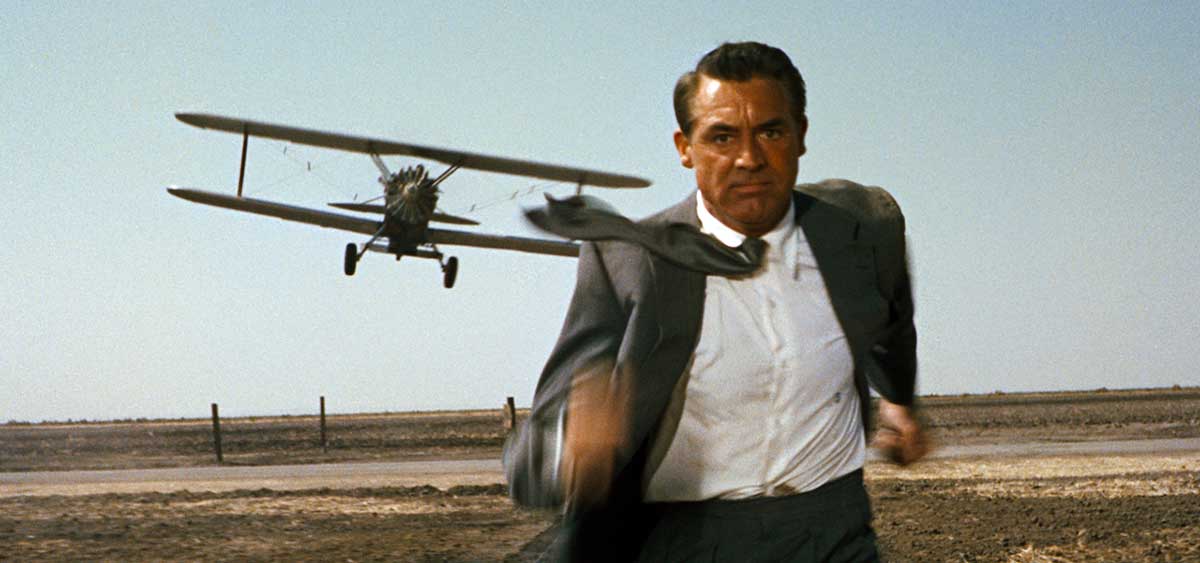
Starring Cary Grant, Eva Marie Saint, and James Mason, North by Northwest follows a New York City businessman named Roger Thornhill who is mistaken by a group of foreign adversaries for being an American agent, forced to drive a car while severely intoxicated, then framed for murder. What follows is a thrilling cross-country pursuit that wraps up in an iconic fight sequence atop Mt. Rushmore in South Dakota.
What places North by Northwest so high on this ranking is its fantastic writing and iconic setpieces. Thornhill is a great character for an audience to follow because he is so out of his element and oblivious to the forces at work around him. Right from the start of the film, the tension skyrockets as Thornhill is thrown into a dangerous and exciting world of spies and murderers. Actor Cary Grant even remarked on set that he “can’t make head nor tail of [the script]!” With all the workings of a great thriller—and a femme fatale thrown in for good measure—North by Northwest is a film better experienced than read about.
2. The Birds (1963): Turning Ordinary Nature Into an Avian Nightmare
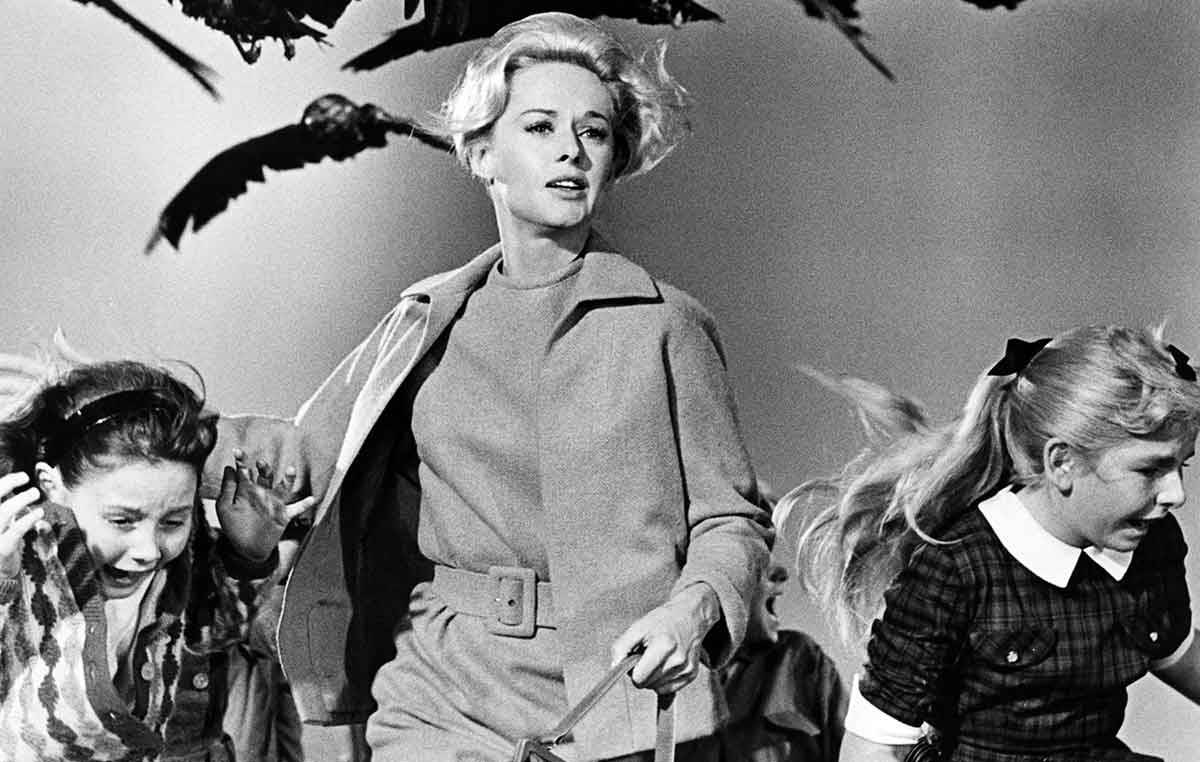
Departing from the usual human-versus-human drama, Alfred Hitchcock pits city girl Melanie Daniels (played by Tippi Hedren) against a flock of bloodthirsty seagulls in a small Northern California town. Known as one of the best horror films of the 1960s, The Birds achieves “must-watch” status because of its effectiveness at building suspense and uncertainty around its avian antagonists. The movie first portrays its mysterious birds as simply unusual, but by the end of the film, the terror experienced by the characters is so intense that a sense of dread is found just by watching a bird sit still.
A common trend among films with absurd premises (particularly horror movies) is that the movie abandons character and plot in pursuit of scares and spectacle. The Birds is able to avoid this pitfall by first spending lots of time with the main characters in order for the audience to build up empathy for the protagonists and also by creating a very compelling drama among the principal characters that underlies the “killer seagull” aspect of the film. By taking the ordinary and turning it into the villain, The Birds stands as one of the great Hitchcockian thrillers that’s still effective well into the 2020s.
1. Vertigo (1958): Why This Tale of Obsession Is Potentially the Greatest Film Ever Made
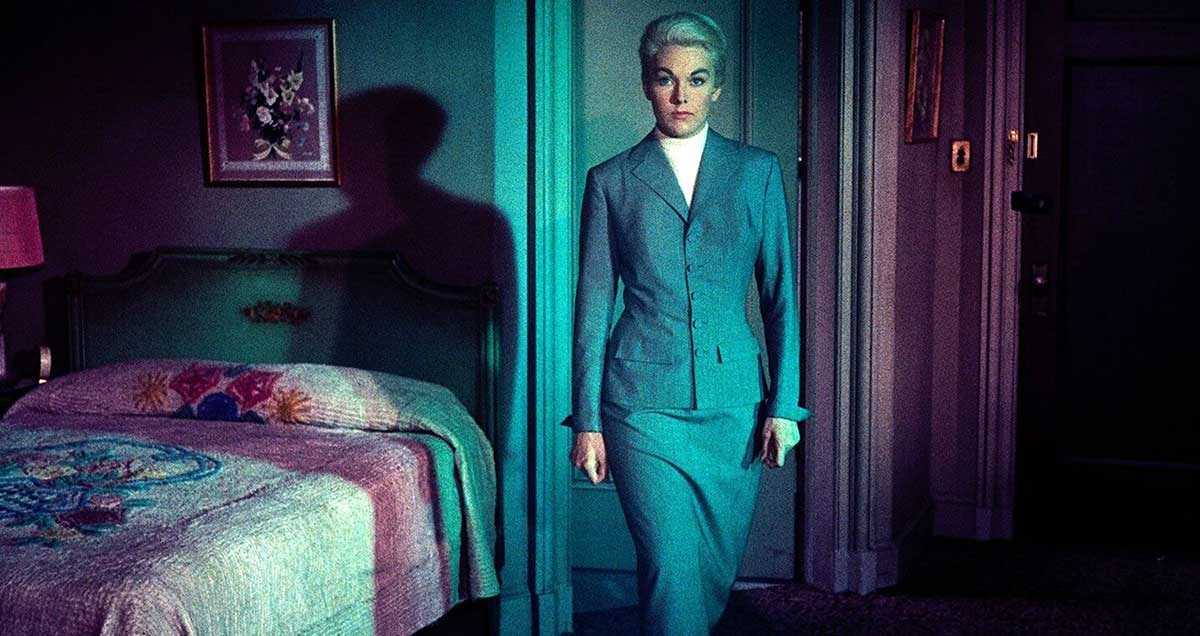
John Ferguson is a retired police detective of the San Francisco Police Department who’s been hired to follow a woman who’s convinced that she’s being stalked by the spirit of Carlotta Valdes, a woman who’s been dead for years. Ferguson is carefree about the matter, believing this to be an open-and-shut case of hysteria. However, his carelessness turns to obsession as he’s walking down the street one day and sees Carlotta Valdes.
Jimmy Stewart, who plays Ferguson, is known by many as a “family man” who’s acted in such films as It’s a Wonderful Life, Mr. Smith Goes to Washington, and How the West was Won. This reputation is cast aside as Stewart takes on a character of such unsatiated obsession towards a woman that Vertigo is genuinely an uncomfortable movie to watch. Flanked by talented actresses Kim Novak and Barbara Bel Geddes, Jimmy Stewart is the primary reason this movie should be watched by all interested in film, and a perfect script by Hitchcock only makes the experience all the more riveting. To experience what the epitome of the “thriller” is and to simply see what the medium of film as a whole is capable of, Vertigo is that top Hitchcock movie.