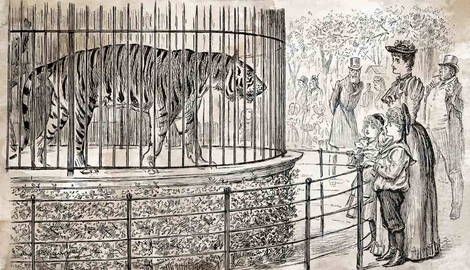
Humans have kept a wide variety of animals in captivity for thousands of years. Some, like our friendly pets, have been domesticated, while others were used for food, and some for more controversial uses, like display or gladiator fights. The keeping of animals in zoos dates back to ancient times, and persists today, though the purposes of these animal collections have evolved. Keeping animals in such facilities continues to invite debate and discussion. What did early zoos look like, and how do they compare to the wildlife parks of today?
Early Collections: Moneyed Menageries
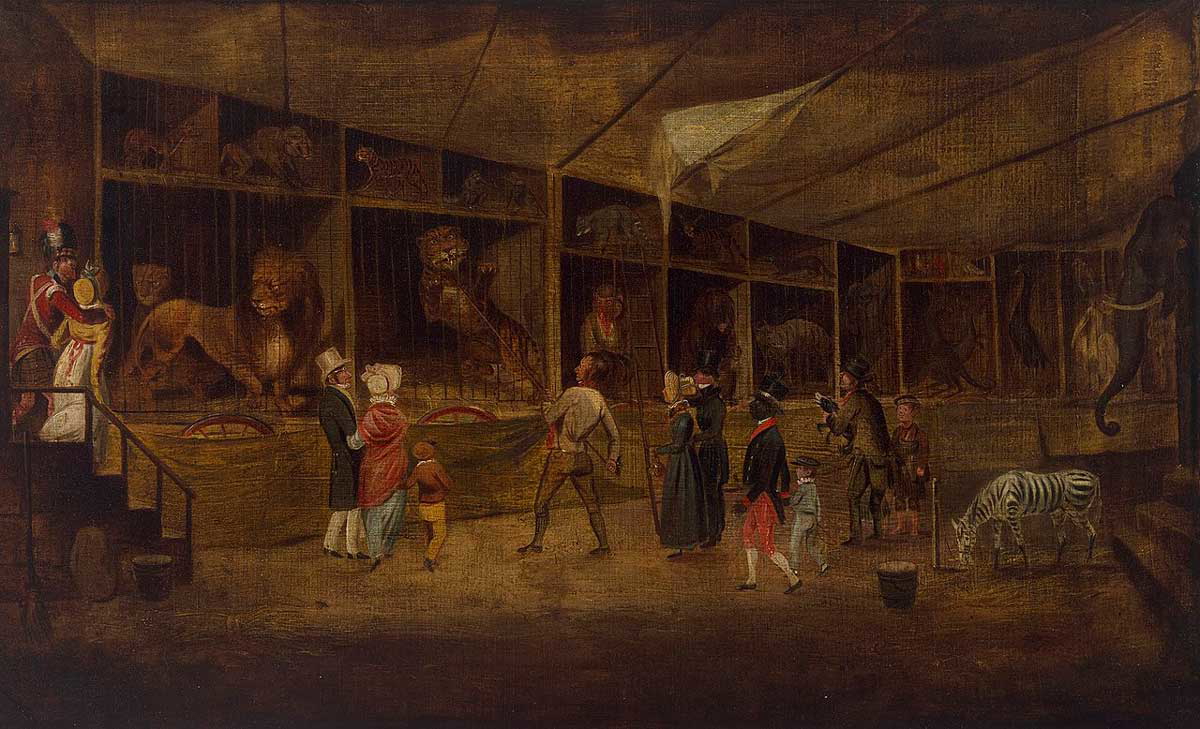
Early zoos were simply collections of animals, generally kept by the wealthy as a symbol of status and power over other people and nature. It is believed that these early assemblages, known as menageries, date back to 3500 BCE. One of the first was located in the ancient Egyptian city of Hierakonpolis, with archaeological evidence uncovering the presence of creatures such as wildcats, baboons, hippos, elephants, and dogs. Additional evidence, such as healed wounds and burial rituals, shows that these animals were cared for by humans.
One of the most famous menageries in history was located at the Tower of London in England. Likely created around 1204 during the reign of King John, the menagerie was open until 1835 and housed hundreds of critters. It was open to the public and included animals such as polar bears that swam in the Thames. Across the pond, Aztec emperor Montezuma operated his own “House of Animals.” While these menageries were often extensive, they were not always kind. Human understanding of animal husbandry was in its infancy, and animals were often kept in unsuitable conditions. Animal protection agencies, such as the RSPCA, were established in the 19th century, bringing animal rights and welfare into public question for the first time.
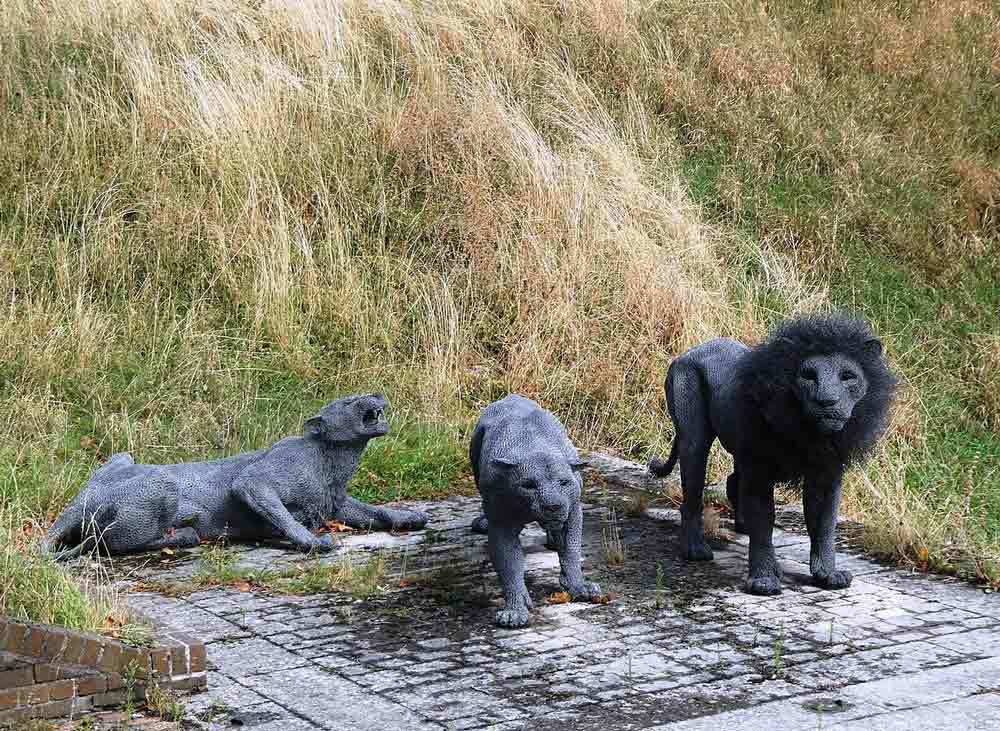
Along with renewed public interest in animals, menageries gave rise to several related movements, both positive and negative. Artists and architects were inspired by captive animals they were seeing for the first time, offering a new subject matter for design, drawing, painting, and sculpture. The Renaissance sparked renewed interest in science worldwide, including growing interest in the study of animal biology, or zoology.
Circuses and traveling shows, including animals, soon became popular. Global trade in exotic species accelerated in the Victorian Era, letting people see new creatures for the first time, but also taking animals from the wild and placing them in captivity for an often-sad existence. This removal, coupled with unfettered hunting in many occupied and colonial areas of the world, contributed to the sharp decline in many species, even leading to extinction in some cases. Recognizing this problem, organizations such as the Zoological Society of London were founded and became focused on conservation goals.
The First Zoo
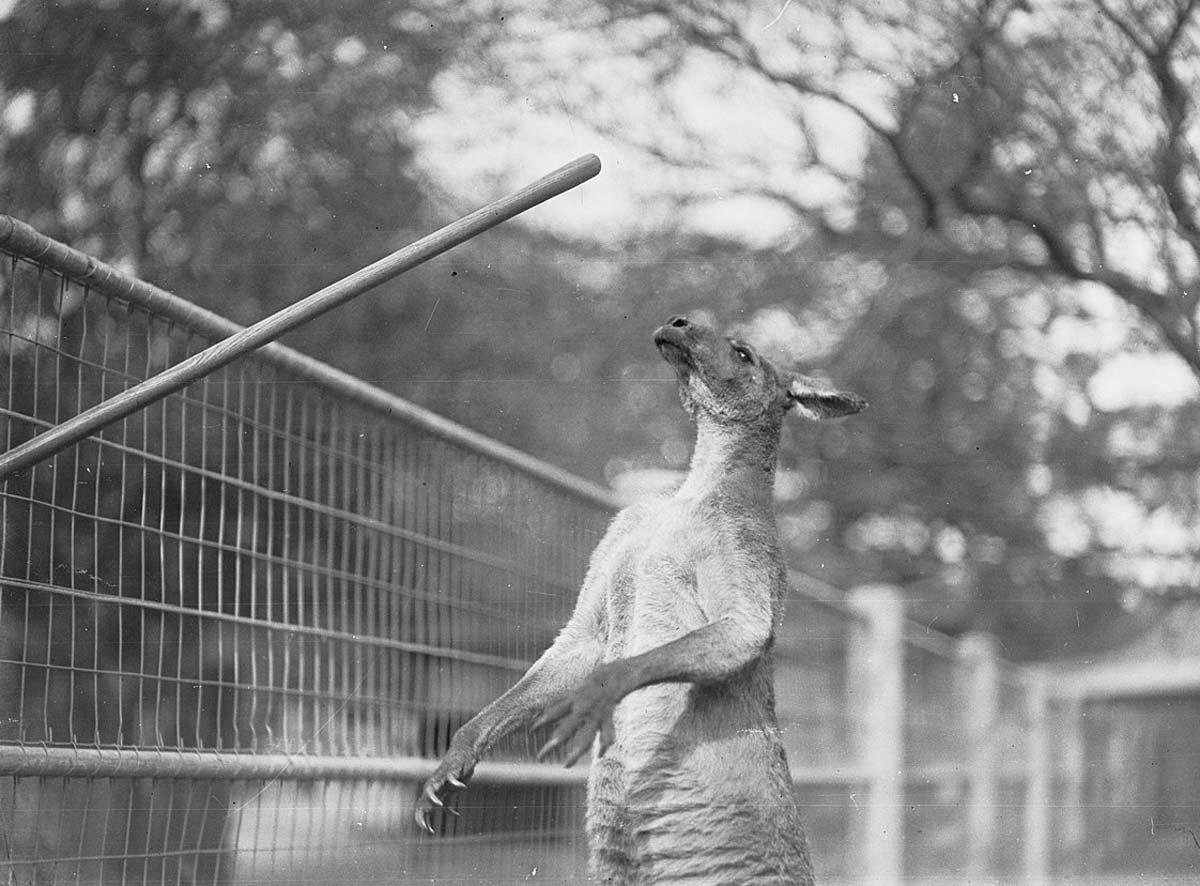
The Zoological Society of London opened the London Zoo in 1826, with the intention of serving as a location of animal conservation and study. While groundbreaking (and still in existence today as a conservation zoo), the London Zoo is not considered the first zoo (short for zoological park). Tiergarten Schönbrunn, often considered the first zoo, opened in Vienna in 1752, a product of the Enlightenment Era’s focus on the sciences. While this zoo was originally a private holding of the royal court, it opened to the public in 1765. Though the London Zoo wasn’t the first, it is considered by many to be the first “scientific zoo,” not simply a place to admire animals, and it broke ground for zoos as we know them today.
Scientific Zoos
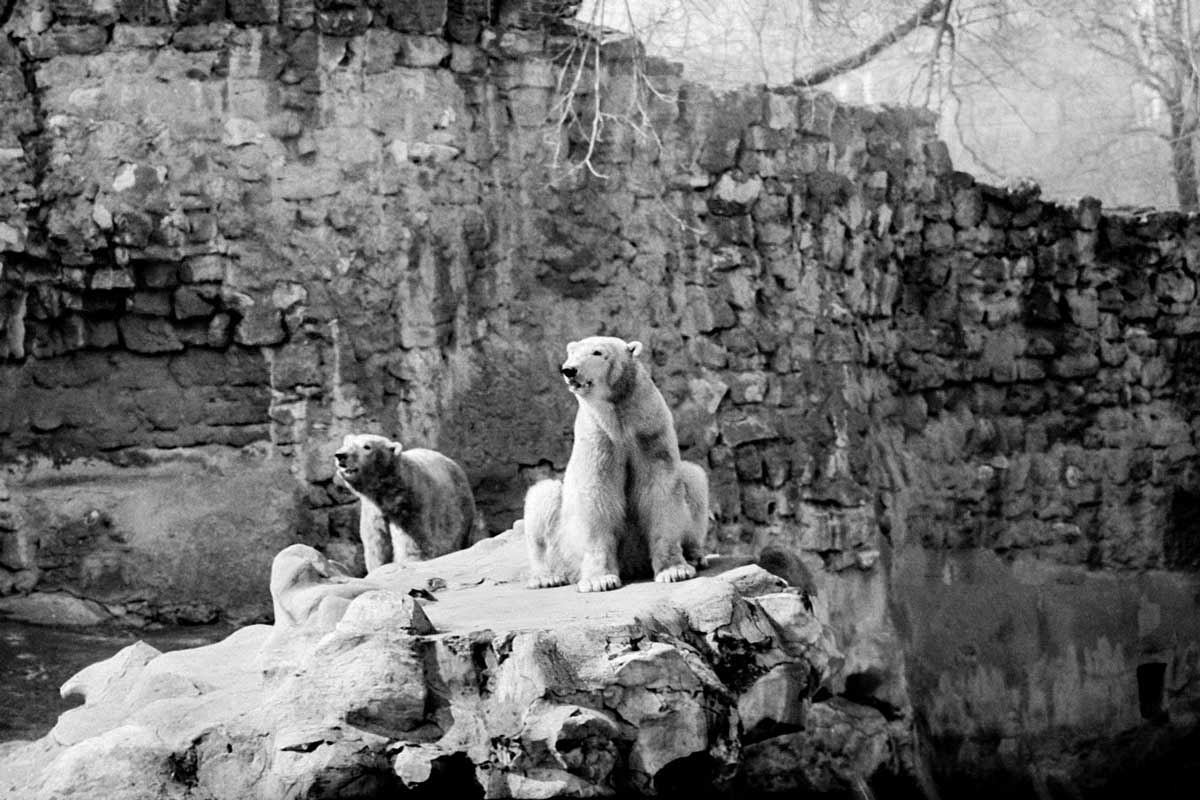
Scientific zoos represent a turning point in the care of exotic animals. Interested in studying animals, researchers realized that to do so accurately, animals would need to be kept in conditions similar to those in their natural habitats. Thus began an era of improved animal care. Scientific zoos began popping up around the world, including in America with the founding of the “Department of Living Animals” at the Smithsonian Institution (today’s National Zoo). These locations began making changes, often for the better. For example, bar-less, open-air enclosures became the norm, particularly by the mid-20th century.
Animals were becoming better understood by scientists, with new standards for care, including staff training. However, in most cases, zoo animals were still sourced in the wild and purchased. While conditions in captivity were improving, many exotic species lived short lives in zoos, or circumstances were not conducive to reproduction. When zoo attractions died, new ones were needed, and were purchased from traders who trafficked them from the wild. As the 20th century dawned, it became clear that if something wasn’t done, fewer and fewer species would survive. Zoos would need to evolve in order to preserve the animals for the future.
Promoting Conservation Through Zoos
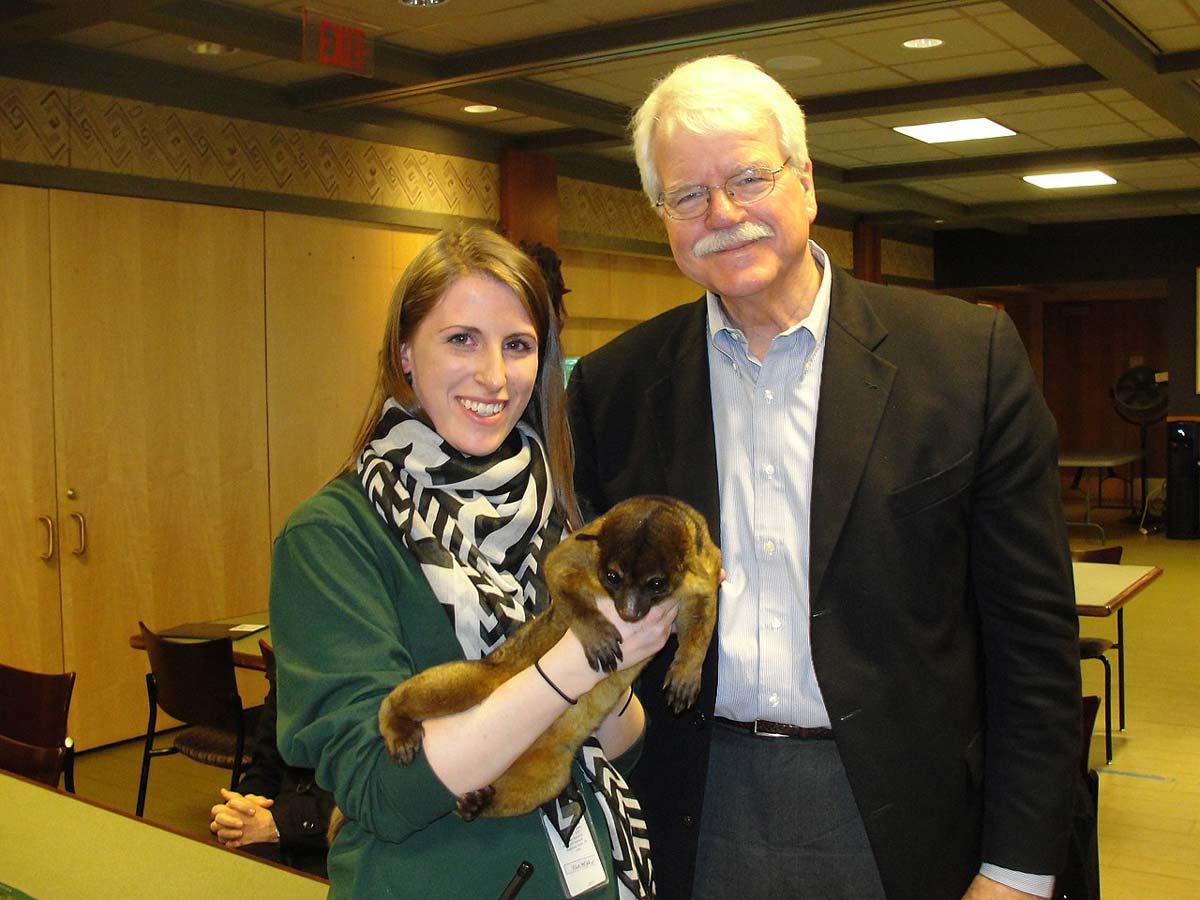
With the list of endangered and extinct species growing, zoos began to shift their focus once again. Zoos struggled to survive both world wars, and in many cases, did not. In several locations in Europe, zoos were reduced to a fraction of what they had been before the wars, suffering bombings or a lack of supplies.
In the post-World War era, zoos were looking to rebound and changed their goals in order to do so. Animal keeping became focused on conservation, which went hand in hand with education and animal welfare. Organizations such as the World Association of Zoos and Aquariums (WAZA), established in 1935, focused on the sustainability of zoos, providing animal welfare standards and developing breeding programs to prevent zoos from sourcing animals in the wild. To promote this, animal environments were further improved to mimic each species’ natural surroundings as closely as possible. Endangered species breeding programs were instituted at zoos worldwide, with many aiming to release captive-bred animals into the wild. International registries allow zoos to work together in breeding programs to maximize genetic diversity and avoid hereditary disease. Examples of such successful programs include the Przewalski horse and Arabian Oryx.
Going hand in hand with conservation efforts is the need to educate the general public, not only about the animals in zoos themselves, but also about conservation and preservation. Without a natural habitat to return home to, the animals in captive breeding programs cannot thrive. Educating the global public about environmental issues has become a central focus of the modern zoo.
Ethical or Not?
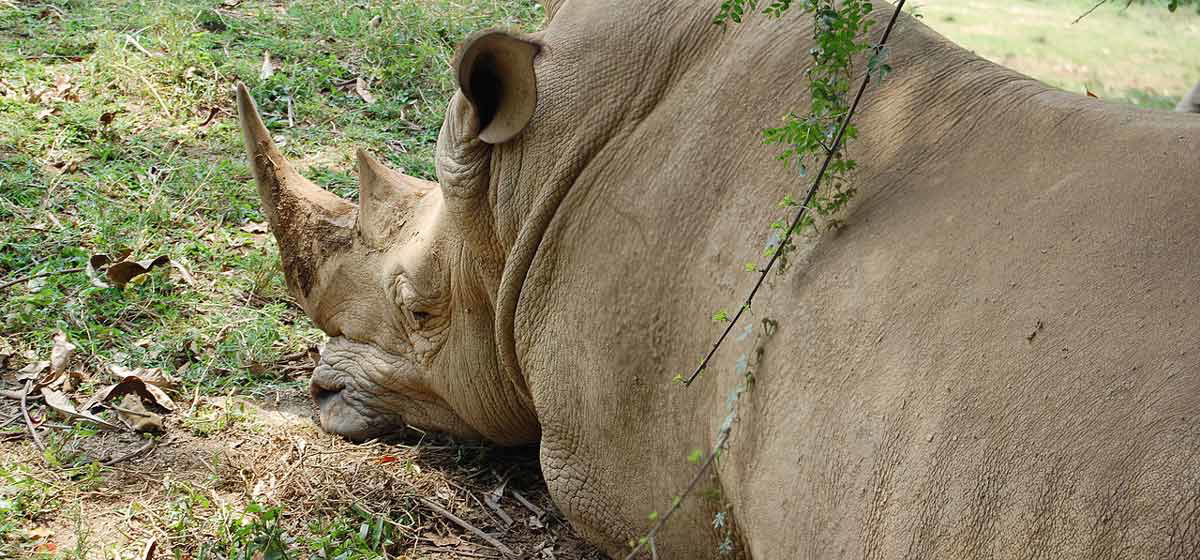
Despite the strides zoos have made over the years and their dedication to wildlife conservation, zoos remain controversial. Opponents argue that, even with zoos’ positive efforts, the requirement to keep wild animals locked up outweighs any benefits. While habitats are often extensive, they can never truly replicate the range of a wild animal. This may cause stereotypy, repetitive behaviors without specific purpose, such as pacing, picking of fur, or other complications. Zoo-kept animals have been observed to have health problems that generally don’t exist among wild counterparts, such as a high rate of heart disease among captive gorillas.
Some animal welfare organizations have taken stances in the zoo argument, such as the American Humane Society, which is of the opinion that certified zoos serve to preserve and conserve species, while educating the public to become animal advocates themselves. People for the Ethical Treatment of Animals (PETA), on the other hand, argues that zoos are “hardly educational” and focused on entertainment value.
The Status of Zoos Today
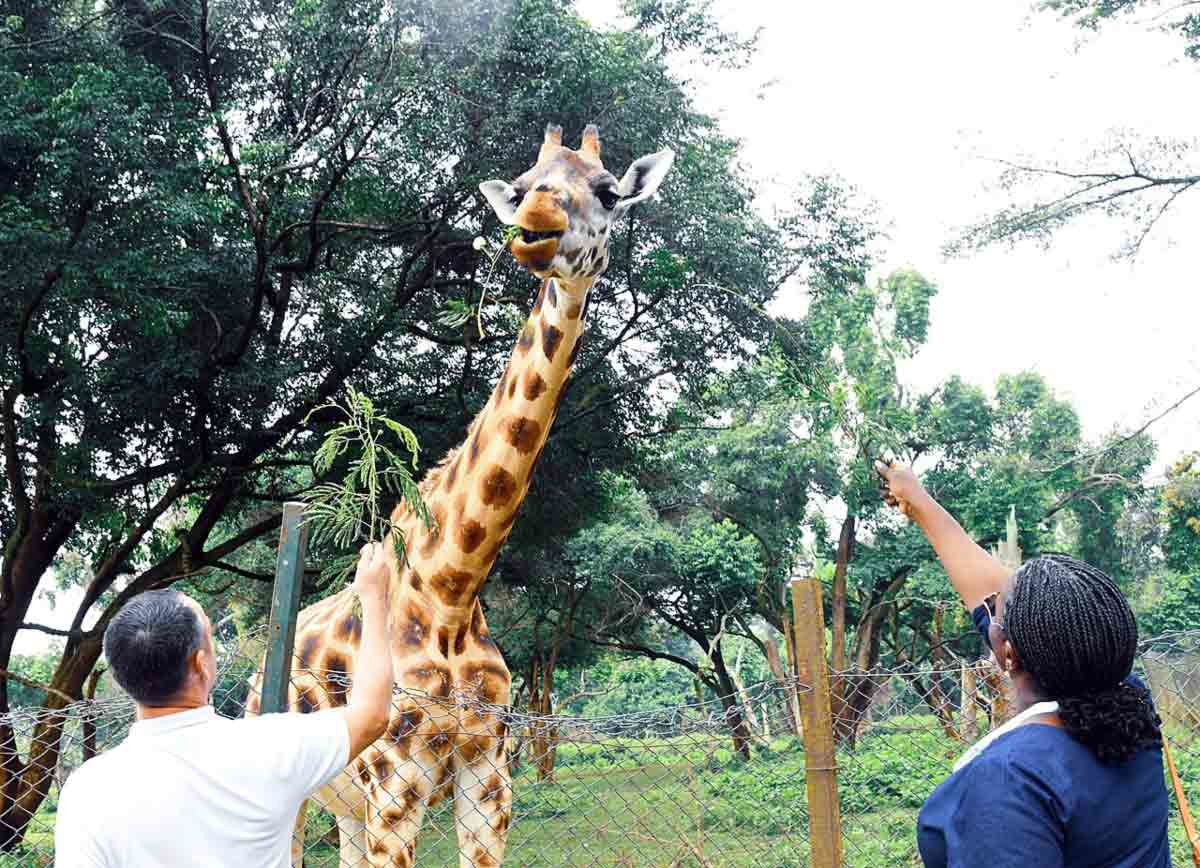
Despite controversy, zoos remain popular worldwide, with more than 700 million people visiting zoos and aquariums annually. A variety of zoos exists, from urban zoos to safari parks, each with its own unique collections, education programs, and conservation efforts. Zoo visitors are encouraged to patronize locations that are accredited by an organization such as the Association of Zoos and Aquariums (AZA), which will indicate that the zoo goes through regular inspections and meets strict standards for animal welfare, staff education, and veterinary capabilities.
From menageries to modern zoos, animal keeping goes hand in hand with the human experience. While animal husbandry has seen marked improvements over the years, zoos remain controversial. However, there is no denying the contributions that these facilities have made to conservation and education. Regardless of opinions, it is likely that zoos will remain a feature of human society for the foreseeable future.