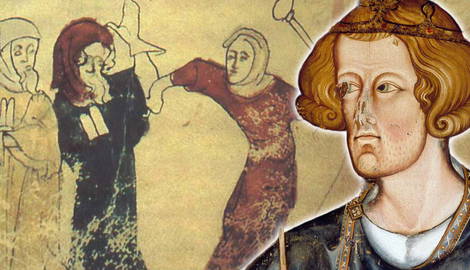
On July 18, 1290, King Edward I of England issued the Edict of Expulsion, ordering all the Jews to leave the territories of the Kingdom by November 1. The decision was the result of decades-long restrictions on Jewish communities, including high taxation and accusations of usury and ritual crimes. The edict represented the culmination of a gradually increasing antisemitism in Europe. It was also the first recorded instance of a European country banning Jews from their socio-political lives.
Jews in Medieval England Before the Edict of Expulsion
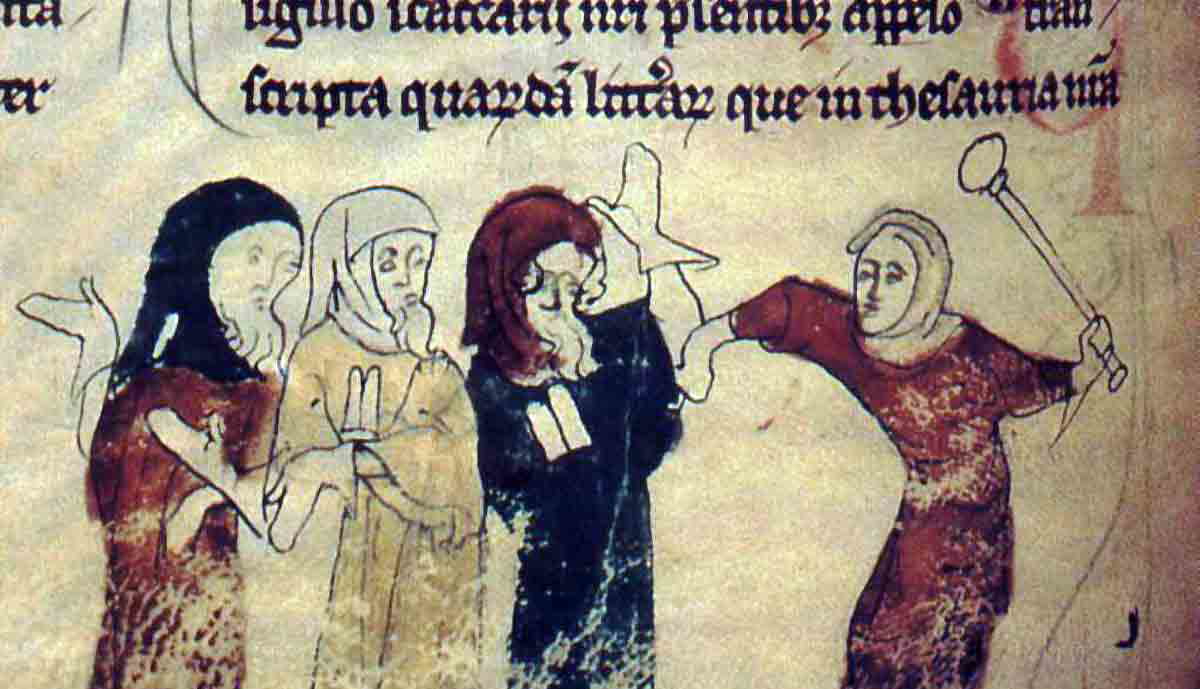
Jews first established communities in England during the reign of William the Conqueror in 1066. King William invited Jews residing in Rouen, a city in northern France, to relocate to England. According to contemporary historical accounts, one of the leading reasons for such an invitation was King William’s financial considerations.
During that time, taxes and payments to the throne were made through services or goods rather than actual money. King William sought to change this system. To successfully implement his plan, he began searching for skilled merchants and moneylenders worldwide. The Jewish community of Rouen accepted the offer and relocated to England, where they initially prospered in centers such as Norwich and Lincoln.
During his reign, King William also introduced the feudal system in England, intending to consolidate his power as the country’s new monarch. Feudalism introduced the hierarchical structure of land ownership. All land was placed under the control of King William, who redistributed it to his loyal nobles in exchange for their political support and military service. At the bottom of the hierarchy were serfs, or peasants who lived and worked on the land and provided lords with produce and services.
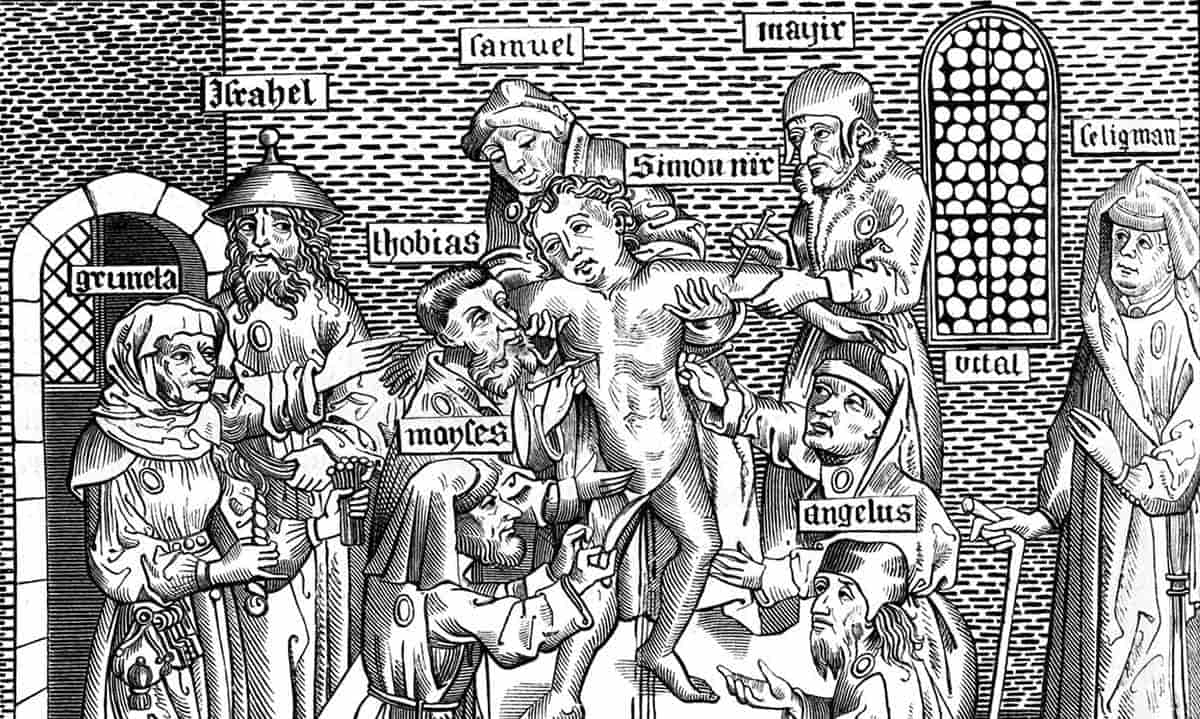
Merchants were granted a special status within the system. Under the Laws of Edward the Confessor—and the later Charter of Liberties issued under King Richard I and King John—Jews enjoyed a similar position. Indeed, these documents outlined Jews’ right to “freely and honourably” live in England and enjoy the same “liberties and customs” for as long as they served the king in charge.
In particular, the monarchs declared Jews under their direct control instead of being obliged to the lords.
Over time, Jews acquired a particularly strong stance in English society. Since the Church of England forbade lending money for profit, Jews filled in the gap, taking advantage of their unique status. Canon law did not apply to Jews, and Judaism permitted loans with interest between Jews and non-Jews.
Establishing Jews as the kingdom’s key money lenders was also influenced by the fact that the Christian guild was under the control of several major professions at that time, including arts and crafts. As a result, many Jews found themselves prohibited from practicing them. Jews could not own land either, and thus were limited in agricultural activities. As a result, moneylending became the only reliable source of income for Jewish communities, though under the control of the throne.
Jewish Communities During the Reign of King Henry III (1207-1272)
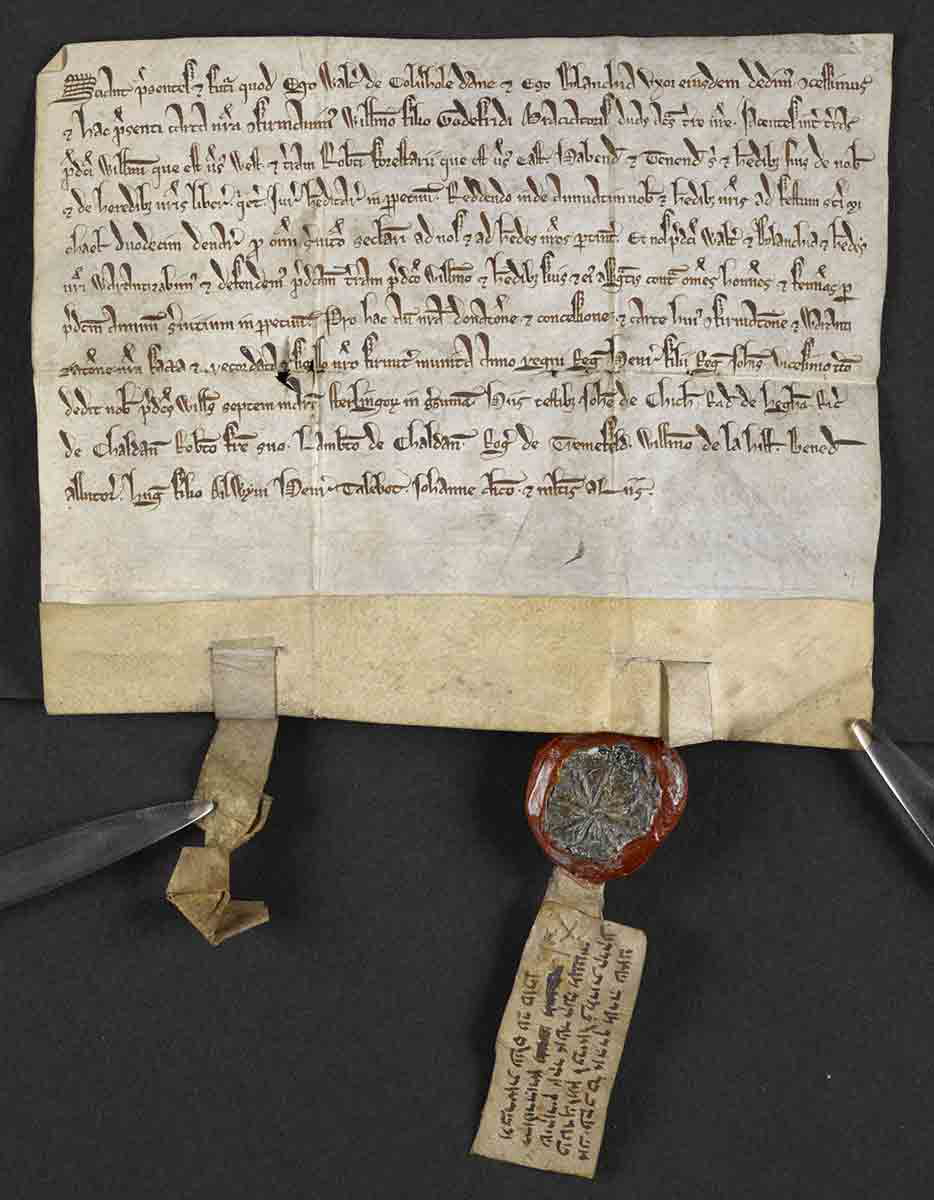
During King Henry III‘s reign (1207-1272), Jews were successfully used by the throne to introduce indirect taxes without needing consent from the parliament. The king taxed Jews, while moneylender Jews demanded payment from their debtors.
The monarch could seize a portion of these earnings as he pleased. In this way, the Jewish communities acted as a monetary filter. They managed loans and interest, while the king benefited by using these profits to fund his treasury. If the benefit could not be secured, the king could detain Jews or seize their properties. However, the Jewish exchequer, or the king’s department dealing with the matter, was often inefficient. As a result, it was hard to collect reliable information on moneylending activities.
Between 1227 and 1259, King Henry III taxed Jews about £250,000. Historian Cecil Roth remarks, “The King [Henry III] was like a spendthrift with a checkbook, drawing one amount after another in utter indifference to the dwindling of his resources.”
Despite their special status, Jews experienced segregation and oppression. During the reign of King Henry III, England became the first European country to require Jews to wear identifying badges. The yellow badges segregated Jews from the broader Christian population.
The Rise of Antisemitism in England
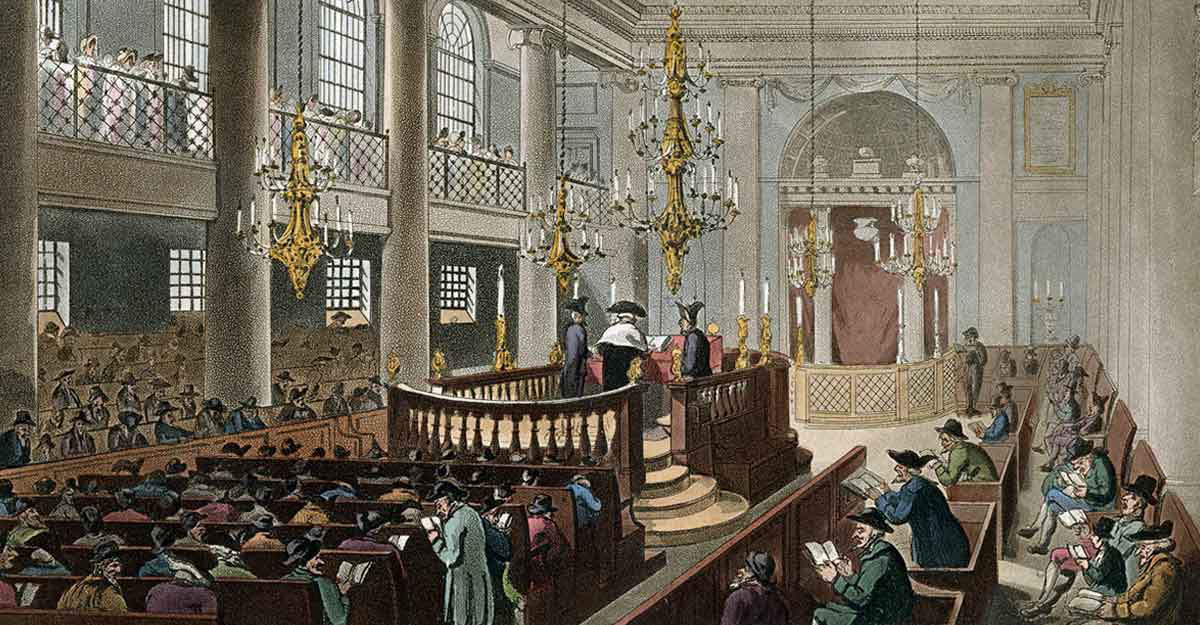
Over time, Jews acquired a reputation as moneylenders in English society. The negative association between Judaism and moneylending was further instilled by the Church of England, which viewed the activity as sinful and in contradiction with Christian beliefs. The general public also grew increasingly unsympathetic towards Jews, while the Church continued to foster resentment towards them by declaring them enemies of Christianity.
As a result, various harmful folklore tales emerged. One of the most well-known was the so-called “blood libel.” According to the myth, Jews collected the blood of young Christians to practice religious rituals, such as making matzah, an unleavened flatbread.
These prejudices against Jews further fueled antisemitism, sparking public unrest and violence.
King Edward I & the Statute of the Jewry
Antisemitism in England intensified when King Edward I (1239-1307) returned to England in 1274 from the Ninth Crusade. Along with the wider antisemitic environment in England, Edward also felt personal resentment towards the Jewish communities. Historical sources indicate that Edward treated Jews unsympathetically as a devoted Christian. However, despite denouncing moneylending and declaring it to be in contradiction with Christian values, he still continued to heavily tax Jews to acquire profit. This suggests that Edward’s actions were driven more by political and economic motives than by genuine religious piety.
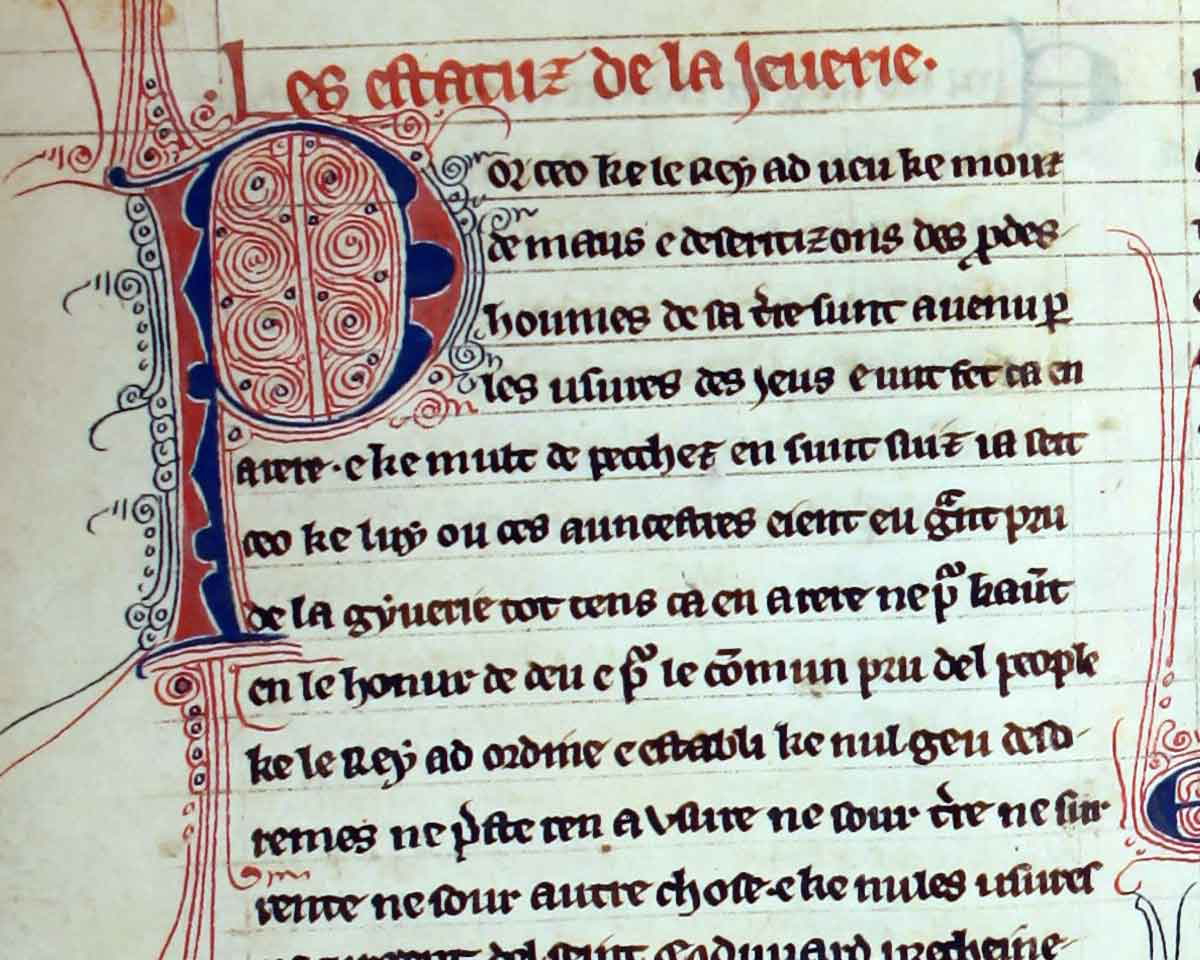
In 1275, Edward introduced the Statute of the Jewry, a set of new restrictions severely impacting the Jewish communities’ lives in England. In the statute, Edward dictated: “From henceforth no Jew shall lend anything at usury, either upon land, or upon rent, or upon other things.”
The statute further attacked the Jews, proclaiming “that each one after he should be twelve years old, pay three pence yearly at Easter of tax to the king of whose bondman he is.”
Edward also ordered to prohibit Jews from practicing usury. The new restrictions undermined and weakened Jewish communities as their role as a leading moneylender was weakened.
Another contributing factor to the Jewish community’s economic marginalization was the opening of England’s borders to foreign trade in the 13th century.
Moneylenders from other countries, mainly from Lombardy, Italy, started to fill in the gaps left by the Statute of the Jewry. Italian moneylenders offered loans with a grace period—a more flexible approach and a beneficial alternative for English debtors.
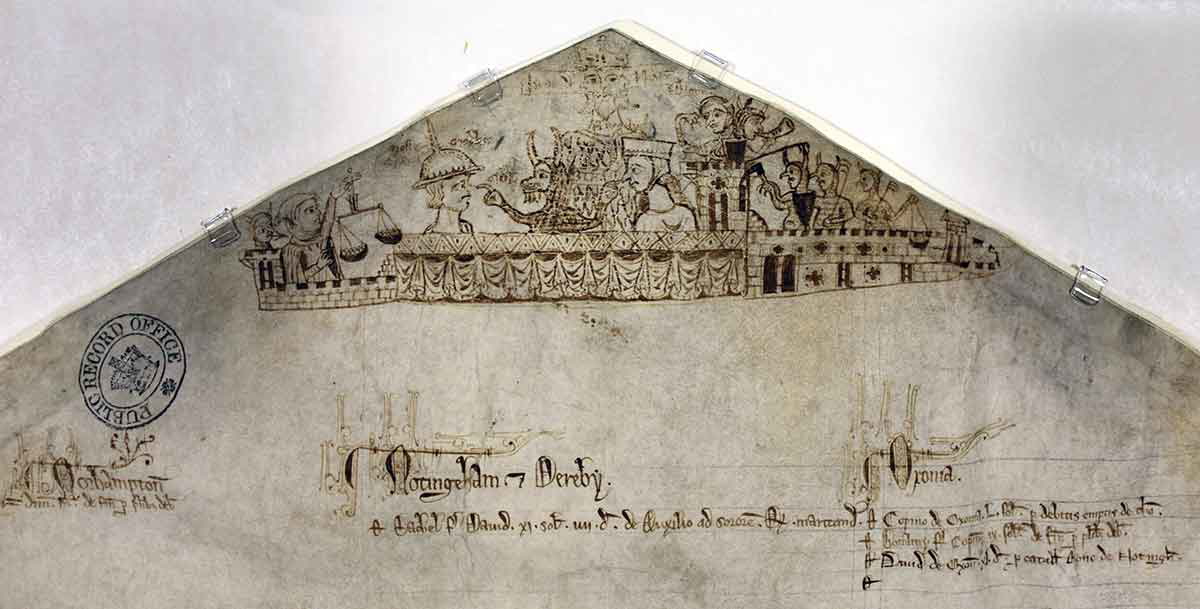
Additionally, in 1283, King Edward I introduced the Statute of Merchants, favoring foreign merchants. The document declared that the local mayors were entitled to help foreign moneylenders collect their payments. The Statute of Merchants further strengthened foreign merchants’ economic position in England but marginalized the role of Jews as one of the key financial drivers of English society.
By the second half of the 1280s, Edward I faced significant financial challenges due to his ongoing conflict with France over the Duchy of Gascony. This wealthy southwestern French region was under English control but subject to French suzerainty. The dispute required substantial funding to support military campaigns. To secure the Parliament’s grant of further taxation to fund his war efforts against France, Edward had to make sacrifices. The expulsion of the Jews was the price he agreed to pay.
This decision marked a turning point for Jewish communities in England, resulting in their eventual expulsion from the territories of the kingdom.
Accusations of Coin Clipping & Imposing the Edict of Expulsion
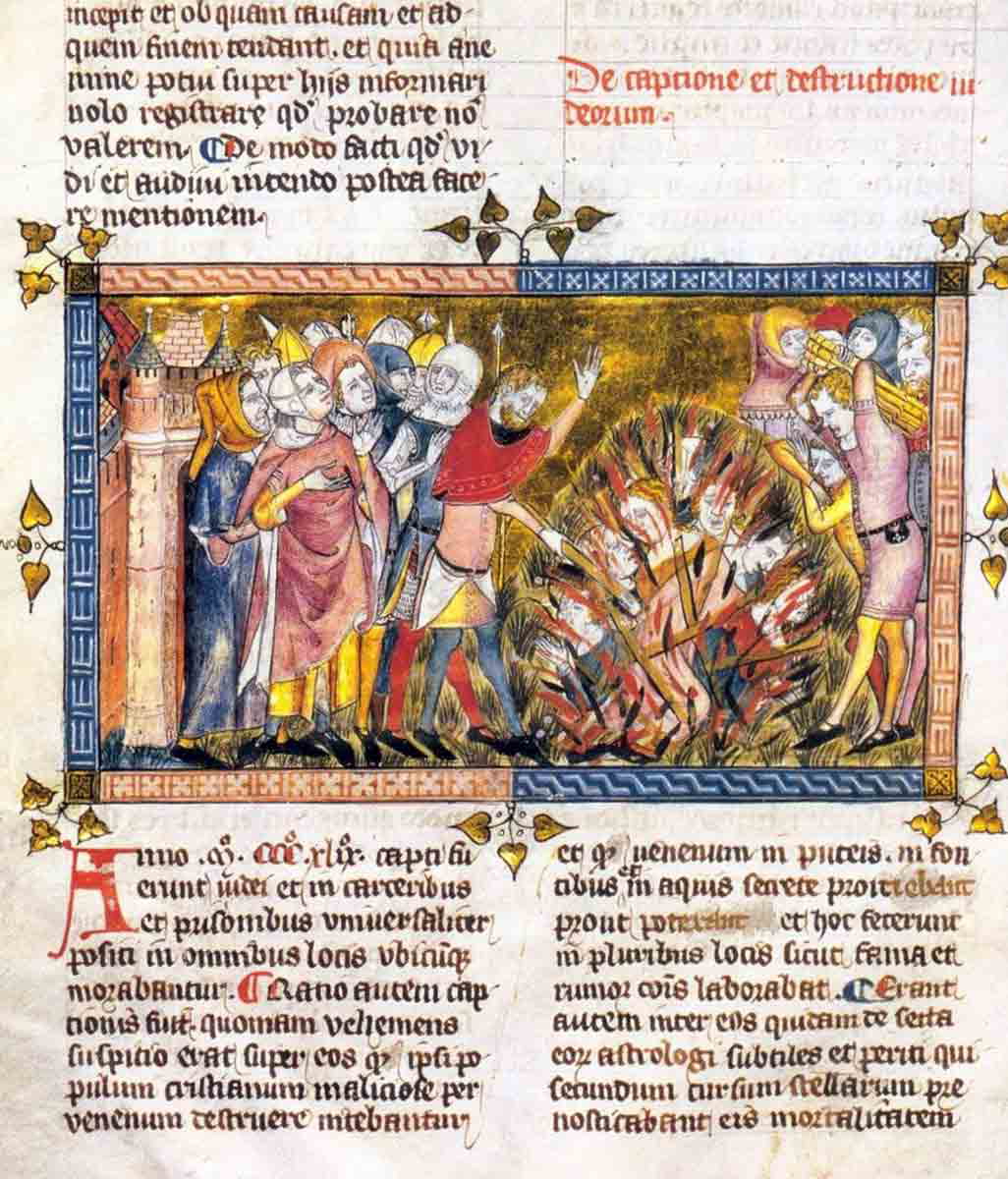
As the position of Jewish communities in the Kingdom of England was severely weakened and the wider public grew increasingly unsympathetic, accusations of “coin clipping” (the practice of shaving precious metal from coins) were leveled against Jews. Even though these accusations were not officially proven, they served as a prerequisite for the king to arrest or execute Jews, culminating in Edward I’s decision to expel all the Jews from England.
On July 18, 1290, King Edward I issued the Edict of Expulsion. The king named the Jews’ disobedience to the Statute of Jewry as the official reason for declaring the expulsion. The decision was not opposed; on the contrary, the wider public welcomed it.
According to the edict, Jews would be expelled from the Kingdom of England until November 1, or All Saints’ Day. The expulsion appeared relatively easy to execute because the Jewish community in England comprised about 3,000 people, less than 1% of the population.
King Edward I allowed Jews to take money and personal belongings. However, he seized Jewish-owned homes, land, synagogues, cemeteries, and other buildings, which were later sold for the throne’s profit. Jews found new homes in different parts of the world. Jewish refugees settled mainly in France, Italy, Spain, and Germany. Records of Jews relocating as far as Cairo, Egypt, were also found.
King Edward received a tax of £116,000 from the British parliament in exchange for the Edict of Expulsion.
Legacy of the Edict of Expulsion
Though the edict is regarded as the culmination of a century-long growing antisemitism in the Kingdom of England, at the time, it helped King Edward I to portray himself as the protector of Christians against Jews, acquiring praise and recognition for these efforts.
In an essay published In Explanation of the Exodus (1891), writer Leonard GH notes:
“The matter is popularly explained on the score of religious bigotry: the people, it is said, are ignorant fanatics, led on by a less ignorant but more fanatical clergy, and the King shares in the fanaticism of his people.”
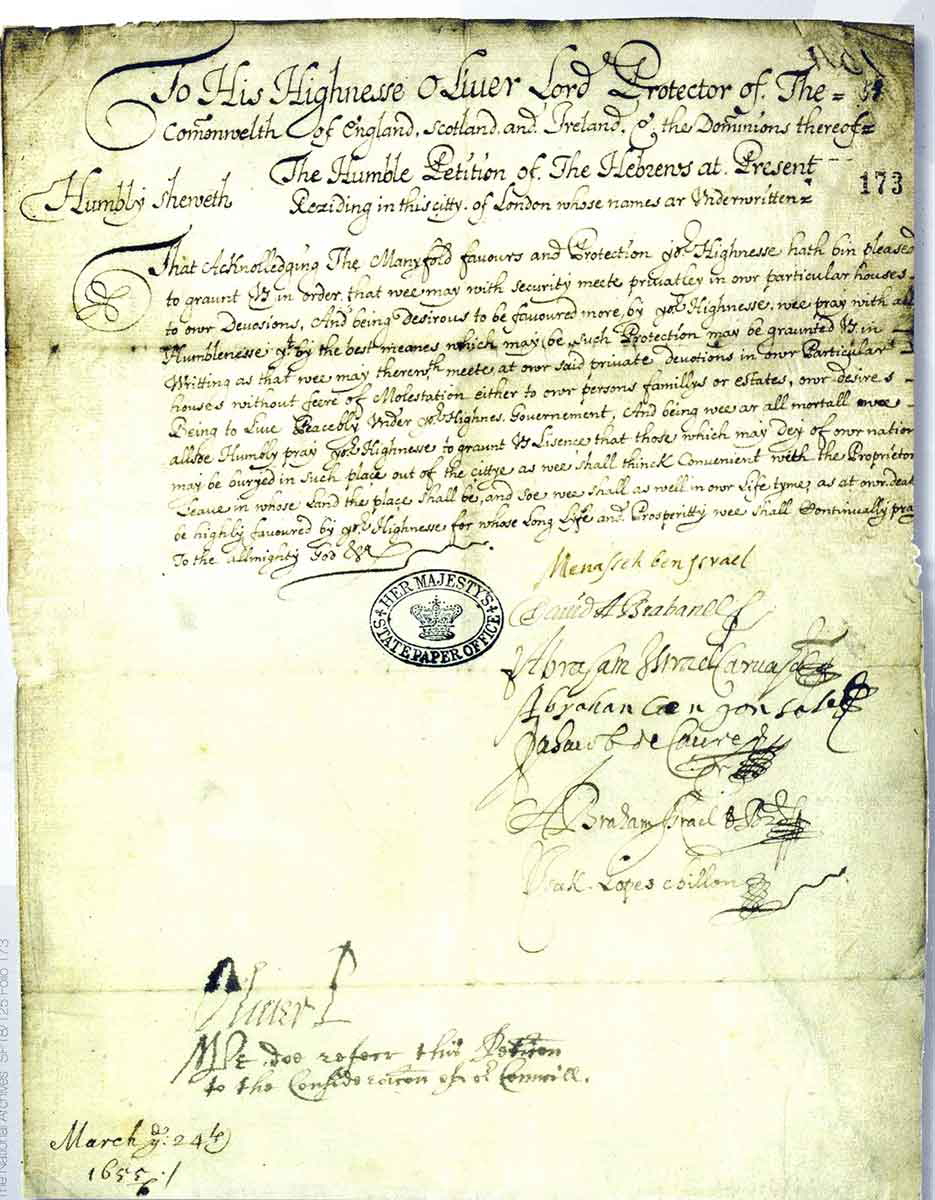
The Edict of Expulsion would remain in force for more than 300 years. It was officially overturned in 1665 when Oliver Cromwell, an English statesman and prominent politician, informally permitted the resettlement of the Jews in England.