The message of Jesus’s resurrection spread with remarkable speed around the Mediterranean world after Jesus’s life through his disciples. The stories detailing how the message was accepted by its earliest adherents are often mixed with legend, but that Jesus’s followers traveled widely and that churches were established within a generation of Jesus’s life are historical facts. Eventually, the Roman Empire itself would ally itself with Christianity. But the Roman emperor Constantine was not the first Christian monarch—and Rome was not the first kingdom to call itself Christian.
The Kingdom of Armenia Became Officially Christian almost Eighty Years Before Rome Did

Contrary to what is often thought, Constantine did not make the Roman Empire Christian. Rather, he merely legalized Christianity. While Christianity increased in popularity after him, its dominance was not ensured by his efforts. His successors tended to be Christian, but tolerated religious diversity. It was not until some sixty-seven years after it had been legalized—and three and a half centuries after the life of Jesus—that Emperor Theodosius finally established Christianity as the official religion of the lands controlled by Rome.
The idea, however, that the kingdom of God and a human kingdom could be of mutual service was first embraced by Tiridates III, known as “The Great,” of the Kingdom of Armenia. Fourth-century Armenia was much larger than the modern Republic of Armenia. Tiridates would make its power felt, both directly and through vassal states, all the way from the Mediterranean and Black Seas to the west to the Caspian Sea on the east.
How Did Christianity First Reach Armenia?
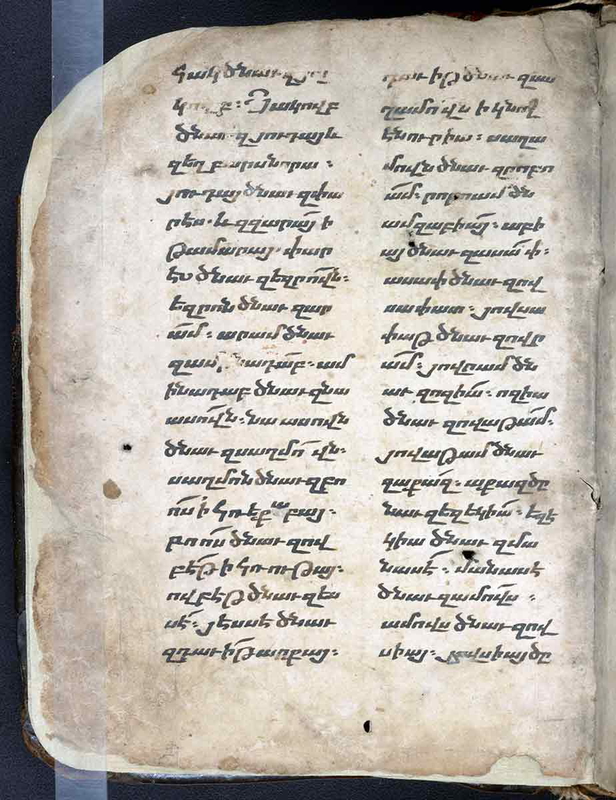
The Kingdom of Armenia was not far from some of Christianity’s earliest centers, and some traditions suggest that early Christian missionaries would have travelled through that territory. Indeed, the Armenian Orthodox Church claims to have been founded by Jesus’s disciples Judas Thaddaeus and Bartholomew and point, along with the Syriac Orthodox Church, to the story of the conversation of the East Anatolian king Abgar V of Edessa. According to Armenian tradition, the believing Abgar sent Thaddaeus to evangelize among the Armenians after his own miraculous healing in Jesus’s name. According to tradition, Thaddaeus would later perform even more miracles in Armenia.
Thaddaeus Suffered Martyrdom in Armenia
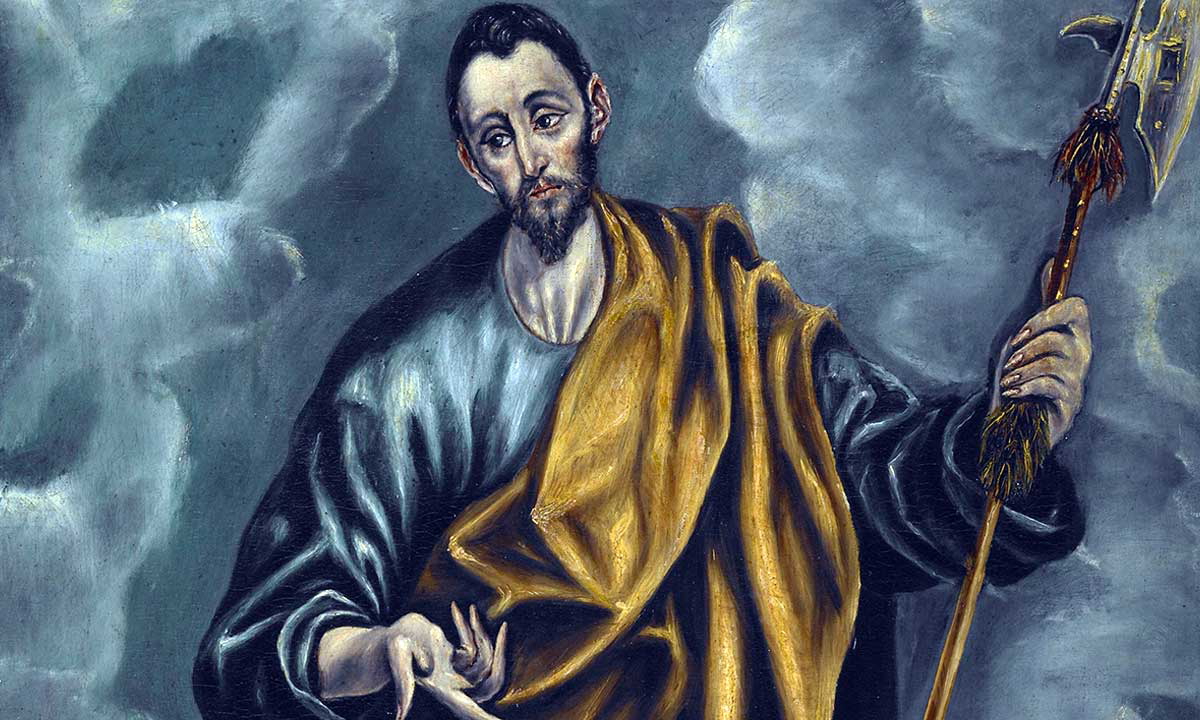
According to the tradition recorded by an author known as Agathangelos (“good messenger”), whom scholars date to the fifth century, many came to Christian faith through Thaddaeus’s ministry. Along with many others, Thaddaeus was allegedly martyred for his faith. The stories around these martyr traditions are full of fantastic miracles, including earthquakes, shining lights, healings, and even resurrections of the dead. Executioners and witnesses to the martyrdoms are converted to Christianity in these stories as well. While it is difficult to discern fact from fiction, that Christianity took root very early in Armenia is well established.
Gregory and Tiridates III Were the Children of Bitter Enemies
Armenian tradition claims Abgar became a king of Armenia. If so, Tiridates III was not Armenia’s first Christian king. Whichever is counted as Armenia’s first Christian king, however, it was Tiridates III, the son of an Armenian king named Chosroes II, who would impose Christianity on Armenia as a whole. According to tradition, his conversion came about through a missionary named Gregory.
Gregory was the son of Anak, a Parthian who was tasked by the Sassanian conqueror Ardašir to assassinate Chosroes. According to Agathangelos, Anak emigrated with his family to Armenia from Parthia at Ardašir’s bidding by pretending to be a defector. Chosroes naïvely welcomed him into his court. After gaining the king’s trust, Anak and his brother were able to arrange a moment alone with Chosroes, and mortally wounded him with swords.
Gregory and Tiridates Survived as Infants in Exile
Anak fled after stabbing Chosroes, but was apprehended by Chosroes’s soldiers. Before he died of his wounds, Chosroes order that Anak be drowned in the Araxes river and that Anak’s entire family be killed. The order was obeyed, but two infants, one of whom was the infant Gregory, were rescued by their nurses. Gregory was hidden by a Christian nobleman named Euthalius, who brought him secretly to to Caesarea in Cappadocia. Gregory there grew up as a Christian under the care and tutelage of Euthalius’s sister, whose name was Sophia.
Like Gregory, the baby Tiridates also narrowly escaped death as a baby. Upon hearing of Chosroes’s death, Ardašir invaded Armenia and overcame it. But Tiridates was smuggled away to safety somewhere in Roman controlled territory.
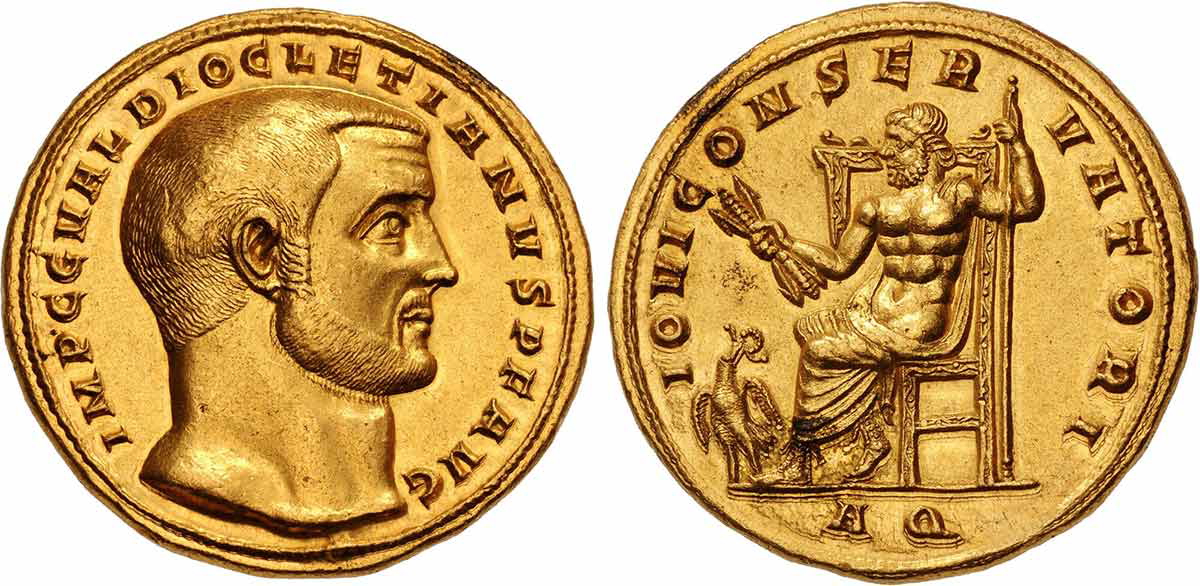
Unlike Gregory, tradition says that Tiridates was raised to despise Christianity. While Gregory was on a path to becoming a monk, Tiridates became a talented and prominent Roman warrior in service of the emperor Diocletian.
Tiridates III Was at First a Persecutor of Christians
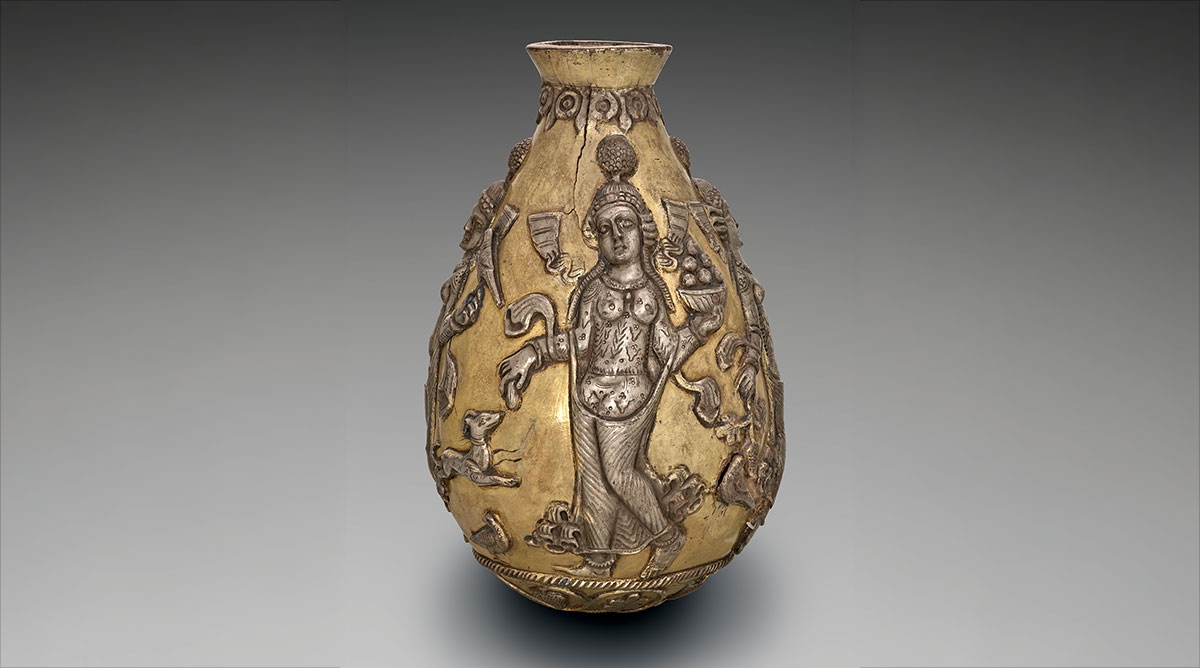
Though perhaps legendary, tradition says that Tiridates led a Roman army to victory over an army of Goths around the year 986. As a reward, Diocletian crowned him King of Armenia. After his coronation, Tiridates proceeded, under Roman sponsorship, to expel Armenia’s Persian invaders. Tiridates III began his reign as a vicious persecutor of Christians. He was also a great conqueror, expanding Armenia’s realm in the name of traditional Iranian and Armenian deities like Anahid and Aramazd to a size it had never previously achieved.
Allegedly as an attempt to make amends for his father’s having assassinated Tiridates’s father, Gregory is said to have bound himself in service to Tiridates, submitting to him faithfully as he ascended through the Roman ranks to finally become Armenia’s king. However, Gregory’s faith prevented him from paying tribute to Tiridates’s deities.
Tiridates Tortured Gregory and Descended into Madness
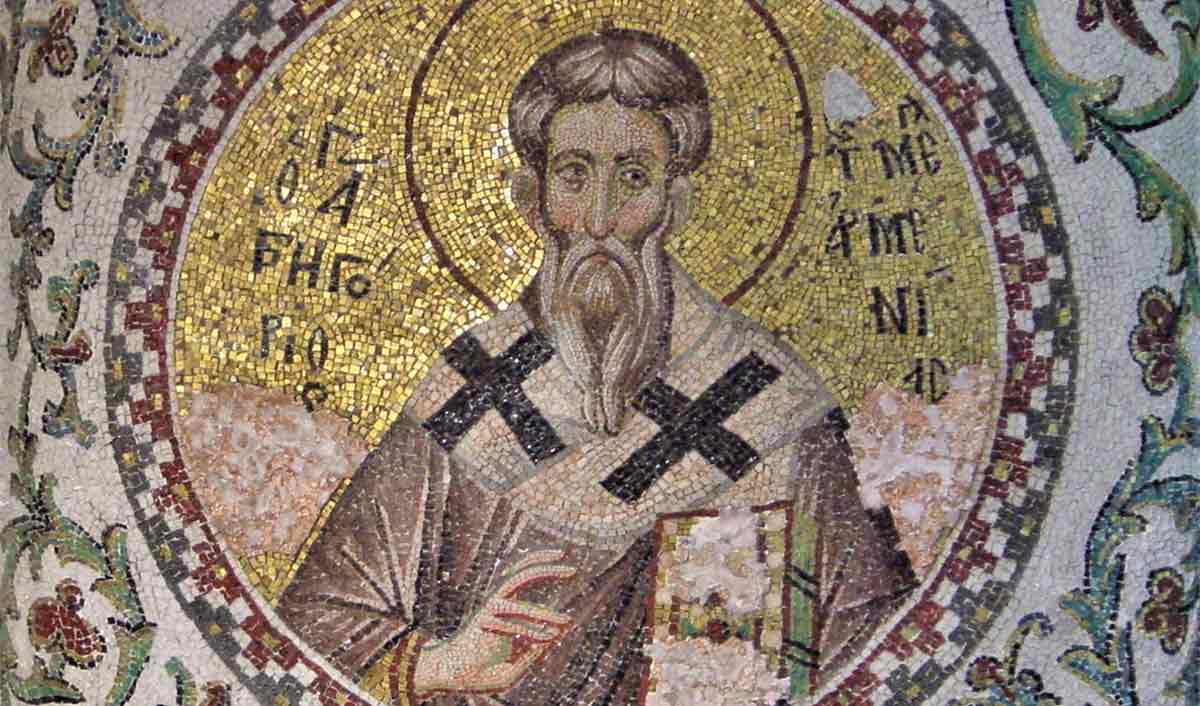
It was during one of Tiridates’s victory celebrations that he discovered that Gregory was a Christian. Attempting to force him to participate in the worship of Anahid, Tiridates ordered that Gregory be subjected to a series of twelve brutal tortures. After each torture, Tiridates demanded that Gregory recant his faith. Gregory refused each time. Finally, he was thrown into a pit filled with vermin and venomous snakes where Tiridates assumed he would die.
Agathangelos reports, however, that the snakes did not bite Gregory. He miraculously survived in the pit for fourteen years, during which time Tiridates viciously persecuted the Christians of Armenia with renewed zeal, brutally torturing many and committing them to martyrdom.
Gregory Emerged from the Pit Miraculously Alive
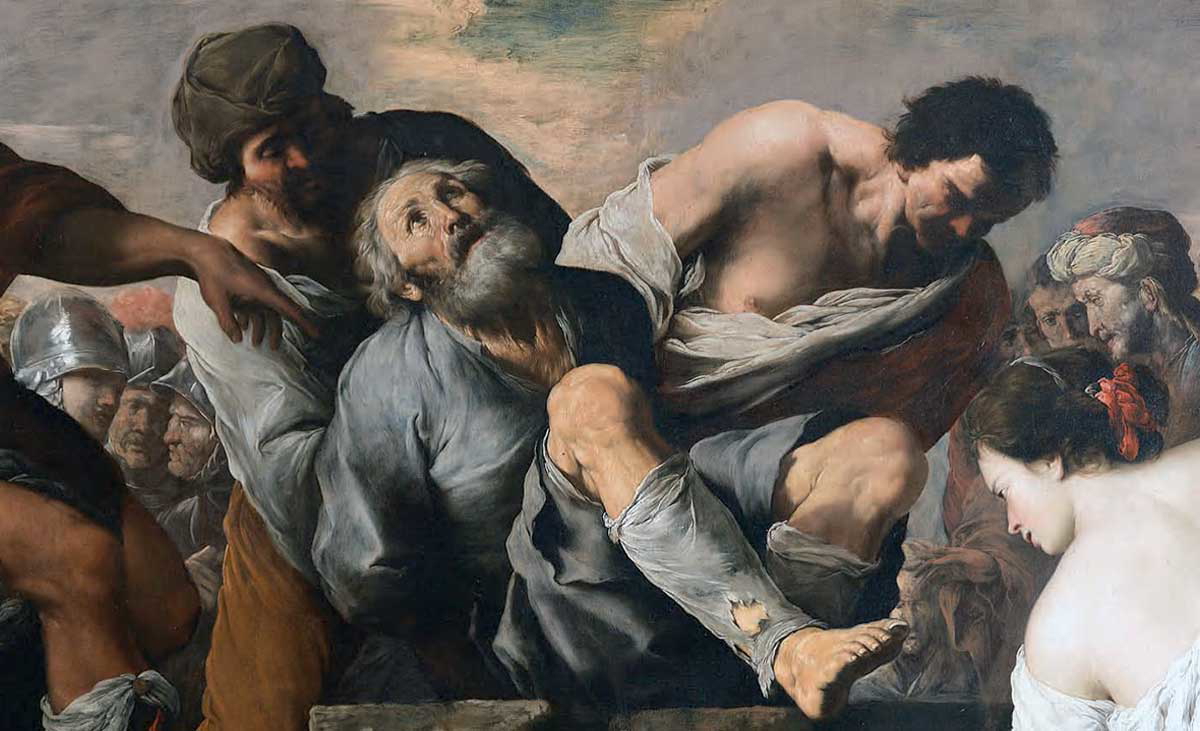
In the fifteenth year after Gregory had been thrown into the pit, Tiridates’s sister Chosrovitukht is said to have had a heavenly vision informing her that Gregory was still alive. When the vision’s message was found to be true, Gregory was presented to Tiridates.
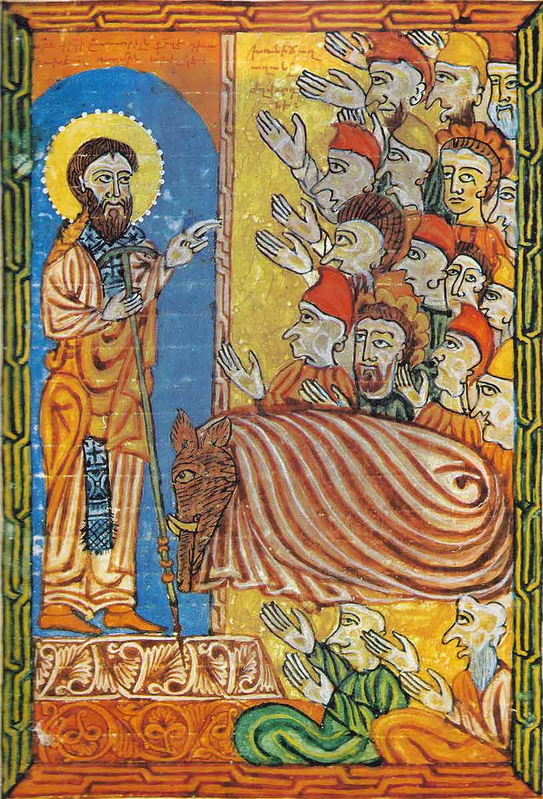
When the king saw Gregory, he is said to have been transformed into a beast that had characteristics of a wild boar. His feet turned to hooves, his face grew a snout, and his body grew bristly fur in an instant. Others of the royal court were afflicted with the same features—allegedly the work of devils—and all of them together became like a heard of wild, raving beasts.
According to Agathangelos, Gregory was moved with compassion on these bedeviled men, and prayed for their deliverance. But it would be years before Tiridates would finally recover.
Tiridates Converted to Christianity and Imposed His New Religion on All of Armenia
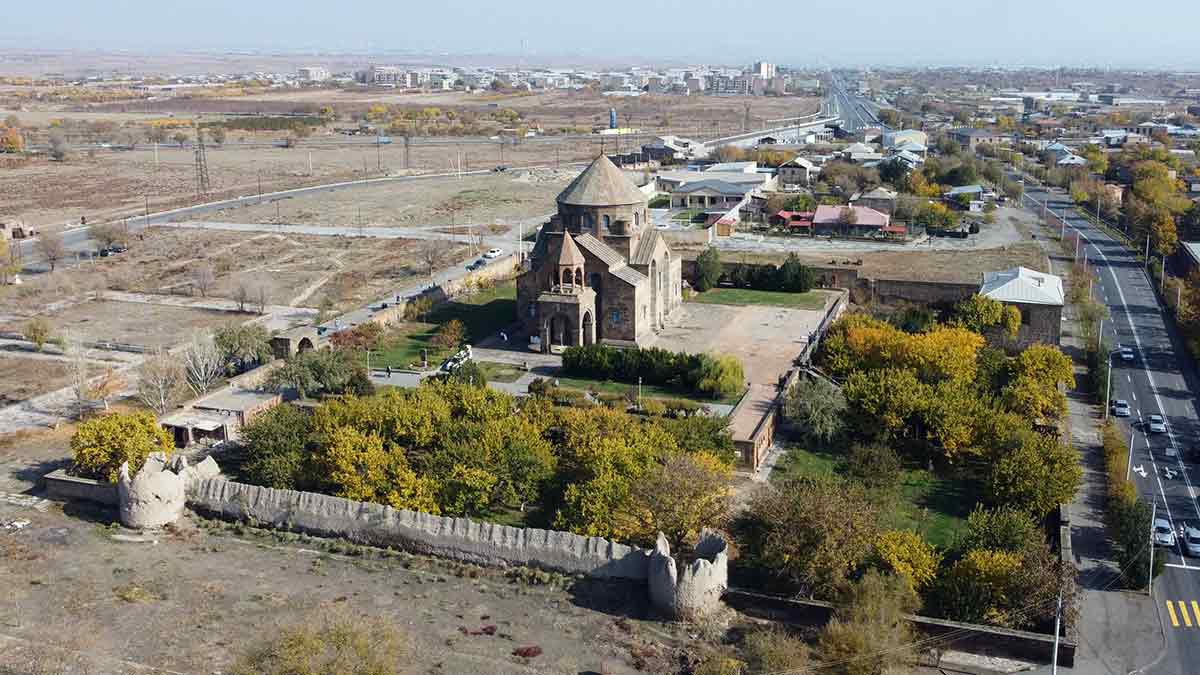
Gregory instructed the yet afflicted, but repentant, Tiridates to fast in repentance for sixty days along with his officials. Then, he instructed the king to build temples honoring two young women martyrs, Rhipsime and Gaiane. Tiridates lost the boar-like features in stages as Gregory prayed for him, and as the construction of the temples progressed.
Having been freed of his animality and restored to full humanness again, Tiridates set about imposing his newfound faith on his realm. He destroyed the images of the traditional Armenian deities, forbidding their worship and replacing them with crosses. He sent Christian missionaries throughout his realm, established monasteries and convents, and appointed Gregory the first Bishop of the Armenian Church.
The story of Tiridates the Great contains a great deal of what seems to be legend. But it can be said, fantastical details notwithstanding, he was the first Christian monarch in history to impose Christianity on his realm.