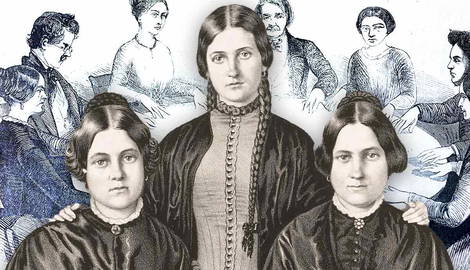
In 1848, in Hydesville, New York, two girls decided to prank their mother by pretending they could hear spirit voices in their room. Before they knew it, the prank developed into a full-blown source of income for the family and an exciting new entertainment for the local crowd. The Fox sisters spent years on tour, talking to the dead and telling fortunes before one of them had the courage to confess the hoax. Learn more about the Fox Sisters, the first celebrity mediums and the pioneers of spiritualism.
Before the Fox Sisters: The Early Days of European Spiritualism
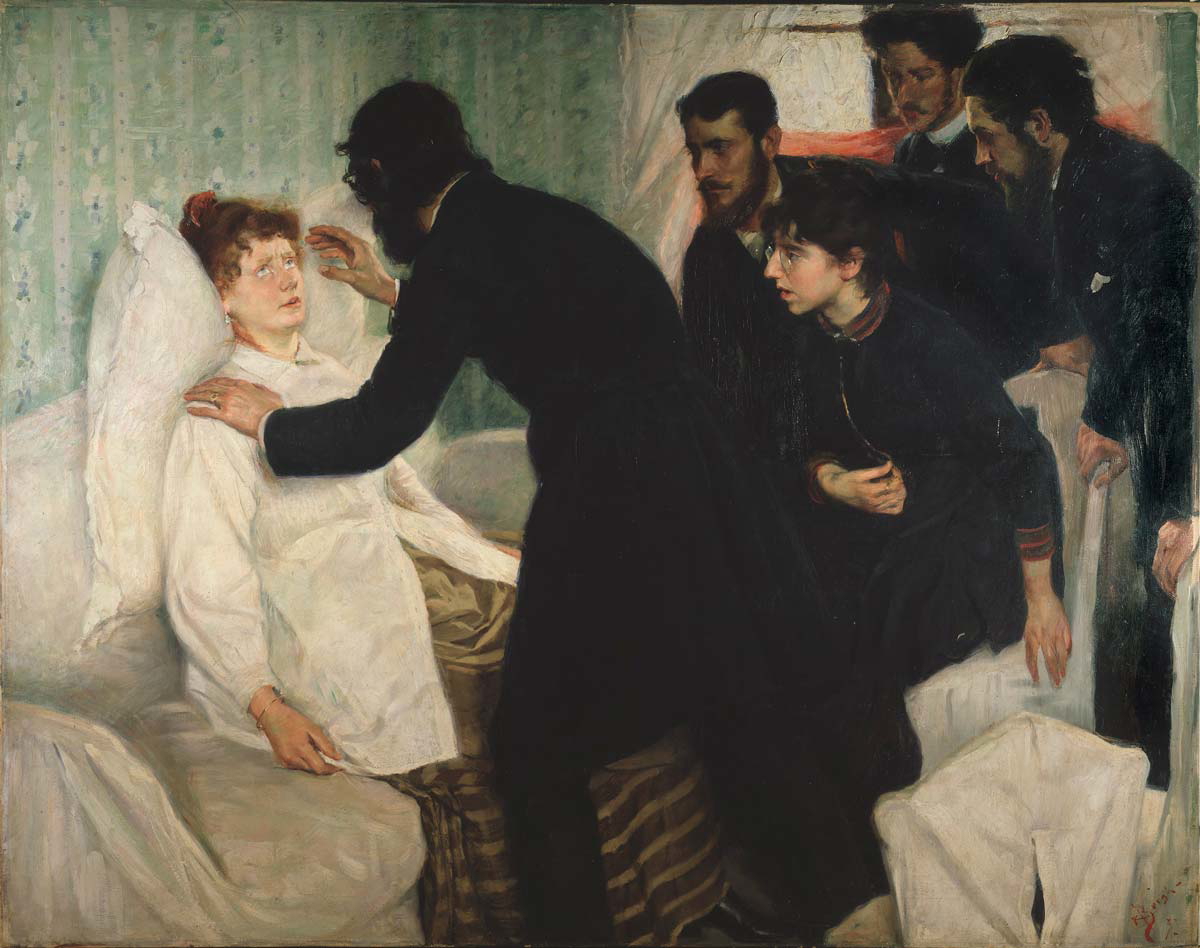
Mysticism and explorations of the occult have always preoccupied people’s minds despite strict religious doctrines that mostly prohibited such interests. Although the Fox sisters’ case is usually cited as the revolutionary event in the history of Western spiritualism, the foundation for their success was laid much further in time. The Swedish mystic Emanuel Swedenborg was one of the most prominent figures of 18th-century religious thought. He distanced himself from all existing denominations and presented his own theory of the afterlife with two hells, three heavens, and the World of Spirits which was the middle ground between hells and heavens. According to Swedenborg, the World of Spirits was the most open towards communication with the land of the realm of the living.
A century later, an American spiritualist, a supposed clairvoyant and healer, Andrew Jackson Davis, claimed he contacted Swedenborg’s spirit and received information that the spirit world would soon become available for contact. At the time, modern means of communication, such as the telegraph and telephone, transformed the perception of natural forces. These technologies broke the limits of time and space—so why would they not transgress the boundary between the dead and the living?
According to a diary entry, one morning, Davis woke up to a strange yet tender voice coming from nowhere. The voice told him that a “living demonstration” was born and announced the beginning of the new spiritual era. The diary entry is connected to March 31, 1848, the day when the Fox sisters first revealed their unusual talents to the world.
The First Seance
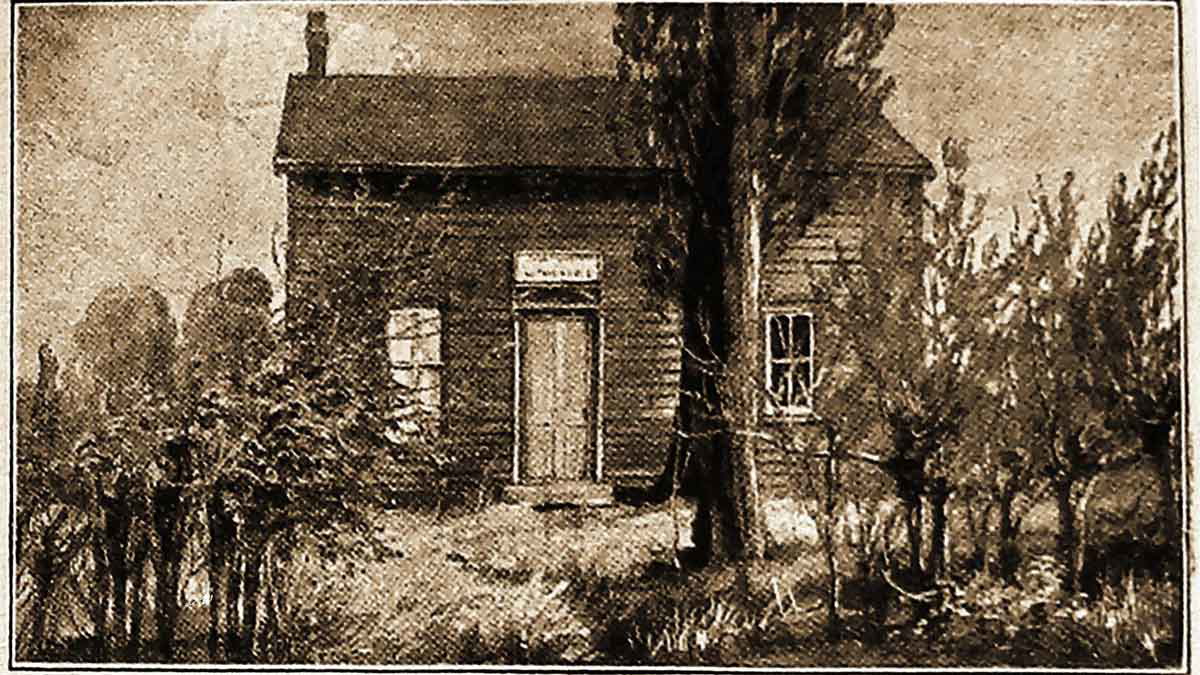
In 1848, the Fox family inhabited a house in Hydesville, New York. They were devout Methodists and raised seven children, three of whom would remain in Western history as the perpetrators of one of the most influential and scandalous hoaxes at the time.
One night, two of the younger girls, Maggie, 14 years old, and Kate, 11, called their mother and complained about hearing spirits in their room. The spirits, supposedly, knocked on walls and moved the furniture. A distressed mother called the neighbor for advice, but the man soon fled in horror after the girls asked the spirit to knock three times and then five. The spirit complied, but this was only part of the problem: the girls called the invisible force Mr. Splithoof, which was another name for the Devil himself.

Soon, the news of the young psychics spread across the state. As it turned out, one of the elder sisters, Leah, aged 34, also had psychic powers. Upon hearing about the incident, Andrew Jackson Davis invited the girls to his house, where they demonstrated their powers. This event launched the careers of the Fox sisters, who soon started to perform publicly. They developed their own code to communicate with spirits and were soon able to pass entire complex messages.
As it was revealed decades later, Maggie and Kate, glad they managed to prank their mother and neighbors, told Leah about how they learned to crack their joints so the movement would be invisible. The cracking sound bounced from the wooden floors, enhanced and echoed. Leah saw the prank’s commercial potential, and by the time the girls noticed, it had already gone too far to stop.
The Tour
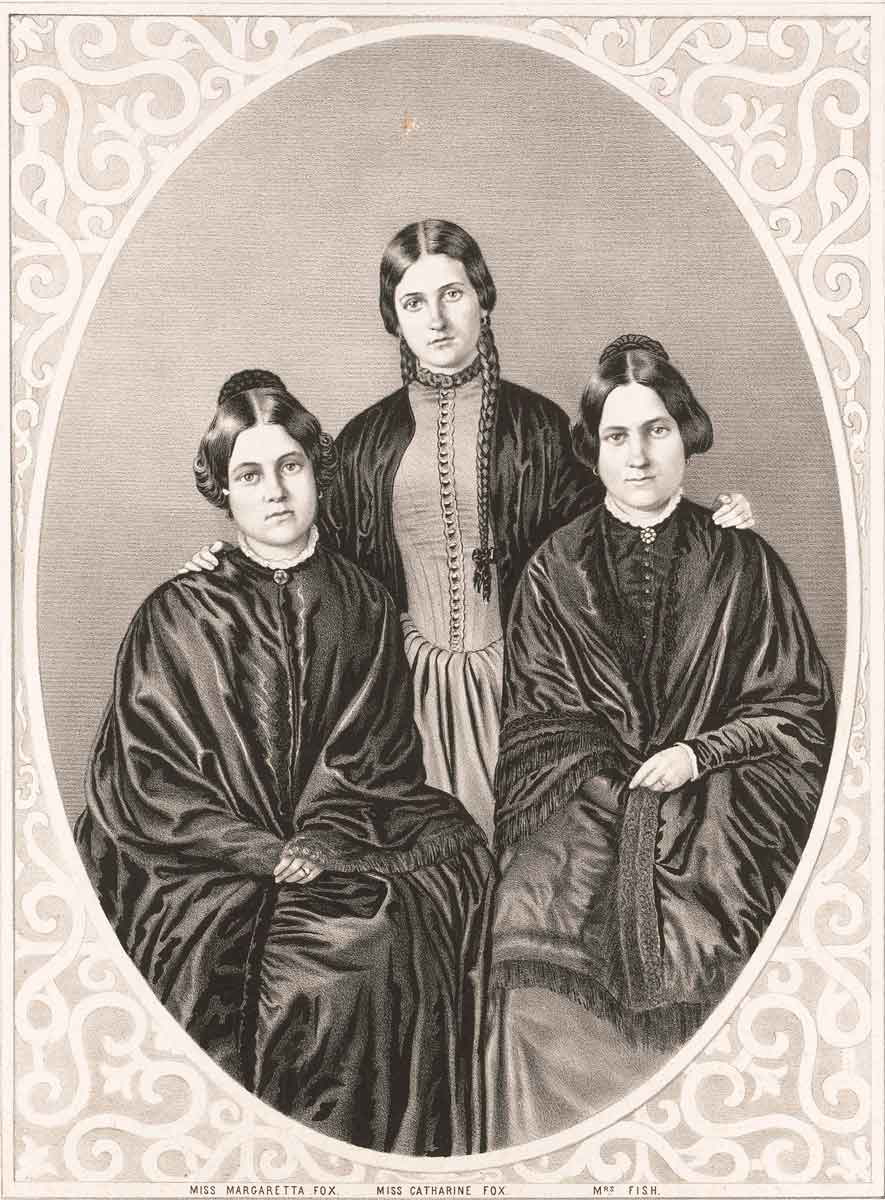
The girls performed for the first time in Corinthian Hall in Rochester, gathering a crowd of 400 people. This was the first commercial demonstration of alleged psychic power to a large audience in history. Soon, the news spread, and the Fox sisters went on tour, performing at least three times a day publicly and conducting numerous private appointments.
Not all went well, however. Some locals were so offended by the sisters’ performances that they protested on the streets. For an unknown reason, Maggie inspired particular animosity. After one of the performances in Troy, New York, a mob of Christian men who believed she was possessed by the devil attempted to kidnap her. The skeptics also made their presence known, with more newspaper reports and public speakers expressing their doubts about the sisters’ talents.
After almost two years on tour, the spirits left a farewell message and went silent for two weeks. Maggie and Kate were too exhausted to go on, but after a brief break, Leah forced them to continue. Soon, celebrities started attending their seances, including the famous writer James Fenimore Cooper and several abolitionist activists. In their presence, the spirits tried to convince them to rely on spiritualism for their cause.
Sisters Growing Apart
Years on tour with at least three daily performances did not do well for the girls. Maggie and Kate developed a drinking addiction before even turning 18, and Leah was shamelessly exploiting them, forcing them to work and charge more. Gradually, the sisters drifted apart, performing on their own. Kate learned to live with it, marrying another spiritualist and performing together. Even her children were involved, with her three-year-old son, who was supposedly possessed by spirits, appearing on stage with his eyes glowing.
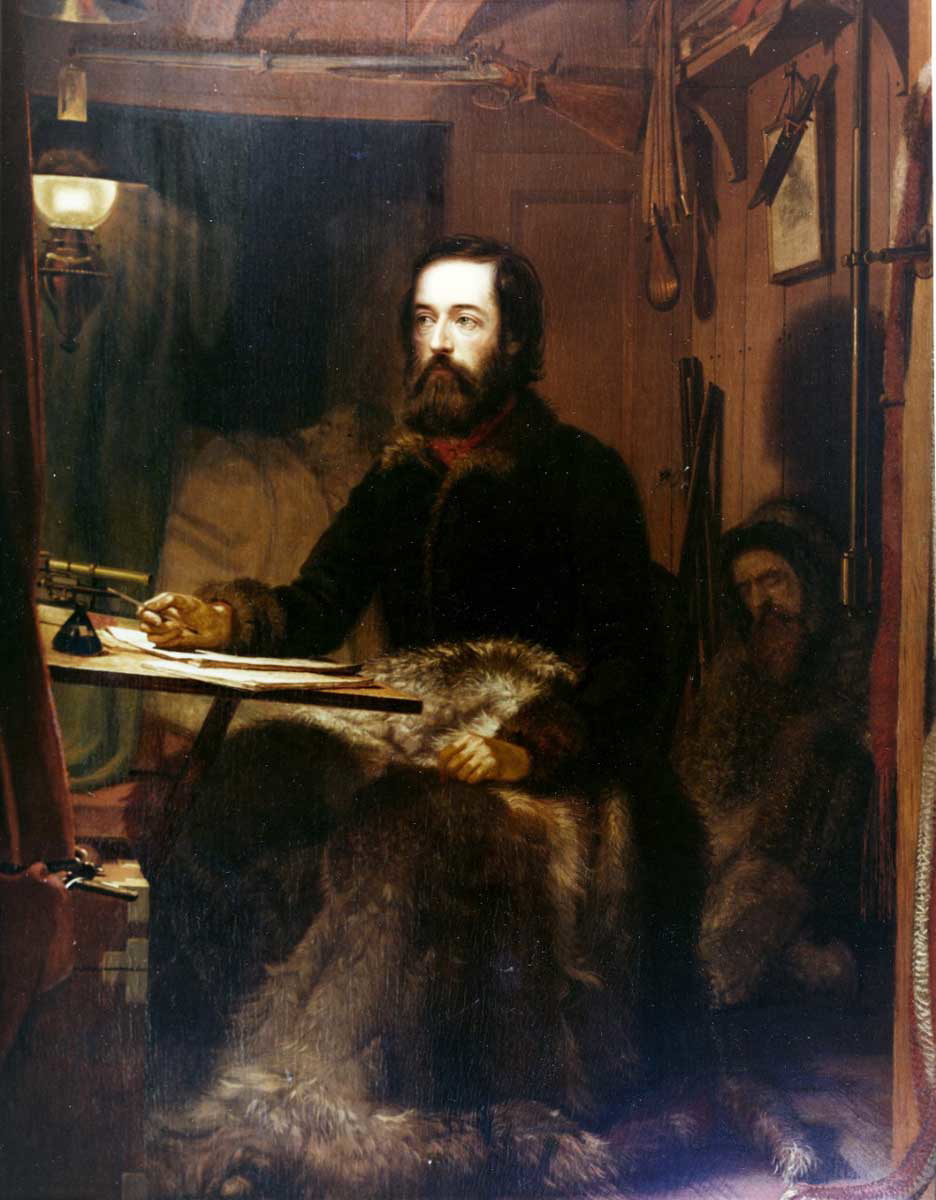
Maggie’s life took an unexpected tragic turn. Aged seventeen, she met a famous Arctic explorer Elisha Kent Kane, thirteen years her senior. Kane was keen on debunking the sisters as frauds, but instead, he ended up falling in love and proposing to Maggie. Kane’s relatives, a prominent Philadelphian family, were outraged, seeing her as an uneducated provincial heretic.
Still, they got engaged, and Kane even convinced Maggie to quit spiritualism and start attending school. Unfortunately, the marriage never happened, as Kane suddenly died in Cuba during one of his travels. Kane’s family posthumously annulled his engagement with Maggie and cut her out of his will.
The Big Reveal
After losing her fiance and being humiliated by his family, Maggie was desperate. She vowed to quit spiritualism and even converted to Catholicism to honor her deceased loved one. Soon, she was ready to put an end to the hoax. In 1888, she went on stage before two thousand people in the audience and confessed, demonstrating the method with which they created the knocks. The press was rather ruthless, describing the image of a thirty-year-old widow with her bare feet flexing her toes in front of the crowd as absurd and slightly uncomfortable.
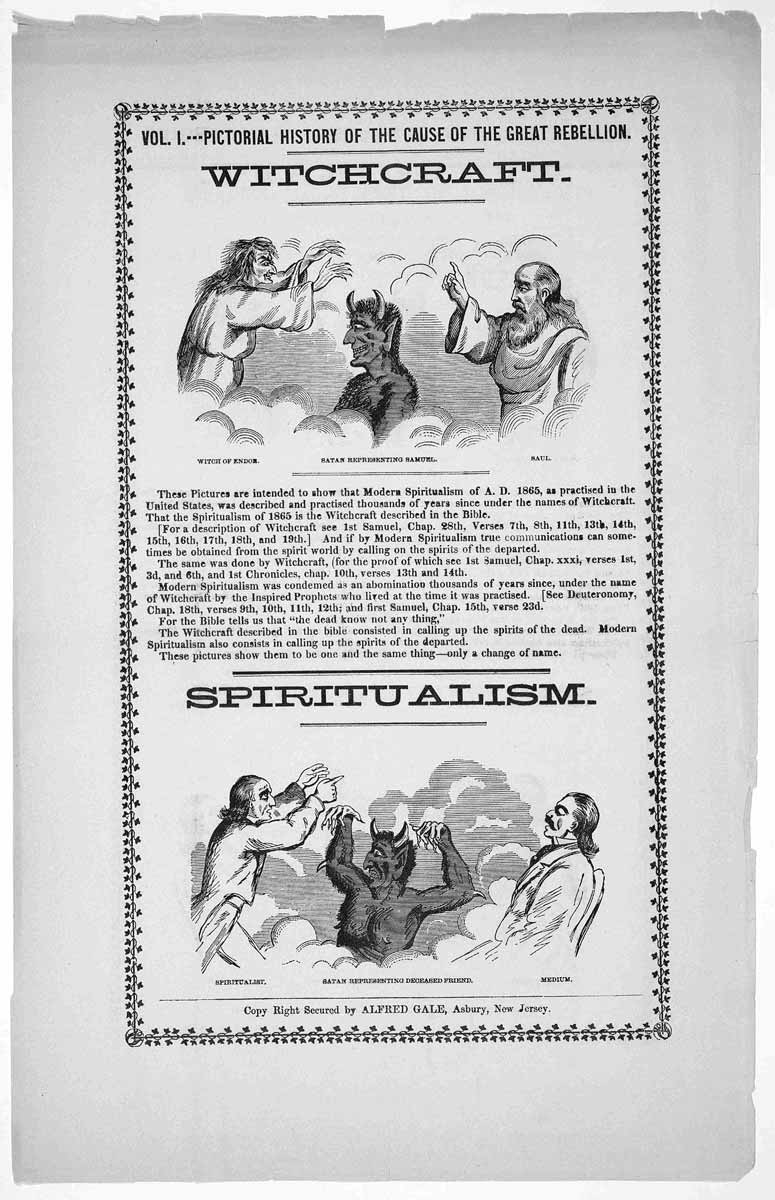
Although the skeptics were finally rewarded with new knowledge, the spiritualists were not so convinced. Some of them called Maggie a traitor, while others defended her in their own way. They insisted that the spirits were real, and Maggie was just confused because of her grief. In a way, they turned out to be right since only a year later, Maggie, struggling with money, recanted her confession and turned back to spiritualism.
The Aftermath of the Fox Sisters’ Hoax
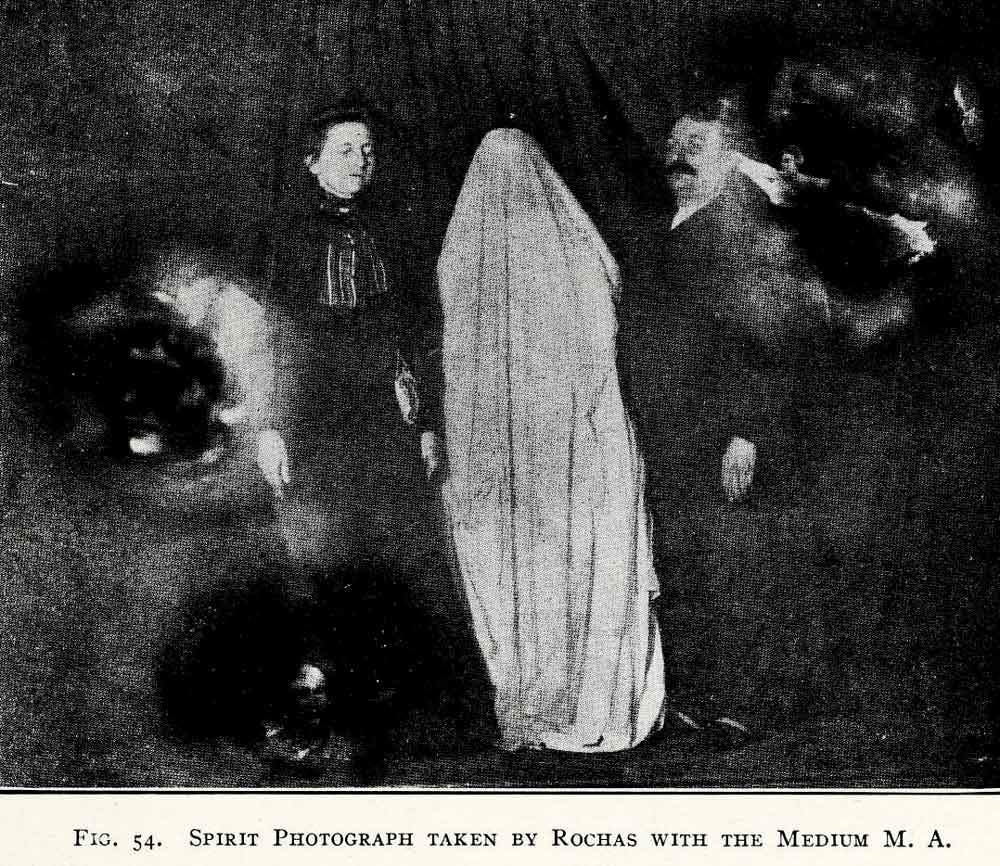
Despite Maggie’s confession, retraction, and all the controversial events accompanying it, the movement had already gained momentum and was out of reach for the women to stop. In 1922, Arthur Conan Doyle, the famous author of Sherlock Holmes and an avid spiritualist, published an essay attempting to prove the genuineness of the sisters’ activities. By that time, spiritualism turned from a niche interest into a popular hobby.
The long string of large-scale tragedies, from the American Civil War to the 1918 flu epidemic, have traumatized humanity. More and more people wanted to see if the loved ones they lost were doing well in the afterlife. Psychics, healers, and fortune tellers of all sorts emerged, and while some believed they offered comfort to the grieving families, others insisted they merely preyed upon their pain. Fortunately or not, the Fox sisters did not live long enough to see how far their prank would go. Leah passed away in 1890, and two years later, Maggie and Kate died within several months of each other, penniless and suffering from alcoholism.