In anticipation of October fourth, churches across the world in the Roman Catholic, Lutheran, and Anglican communions announce a time when parishioners can bring their pets to church for a special blessing. The day celebrates the life and legacy of Saint Francis of Assisi, who is popularly recognized as the patron saint of animals. Who is this beloved figure from Christian history and lore?
Francis Was a Convert to an Ascetic Lifestyle
Francis was born in Assisi, in the center of Italy, in 1181 or 82. He became a soldier in his early twenties and participated in a battle between Assisi and neighboring Perugia in 1202, during which he was captured. Though he spent a year languishing in prison before his release, his military career did not end until he was on his way to join the army of Walter III of Brienne, a French nobleman who was attempting to secure by force an inheritance in Apulia, in southern Italy, to which he claimed a right by his marriage to an Italian princess named Elvira.
Had Francis achieved his goal, he might have participated in this war over an inheritance. But a vision along the way caused him to turn back to Assisi and, ironically, to eventually renounce his own inheritance. He began instead a journey that would lead to a life of avowed poverty and proclaiming peace.
A famous episode seen as the decisive moment of conversion to Francis’s adoption of a life of self-denial was when he renounced his inheritance before Bishop Guido of Assisi, stripped naked, and left with nothing but the cloak that Father Guido had placed on his shoulders. But there were many moments leading up to this time which Francis’s biographers would later see as cairns along his way to his life of devotion to God, his fellow human, and to nature.
He Reportedly Loved Nature and Animals
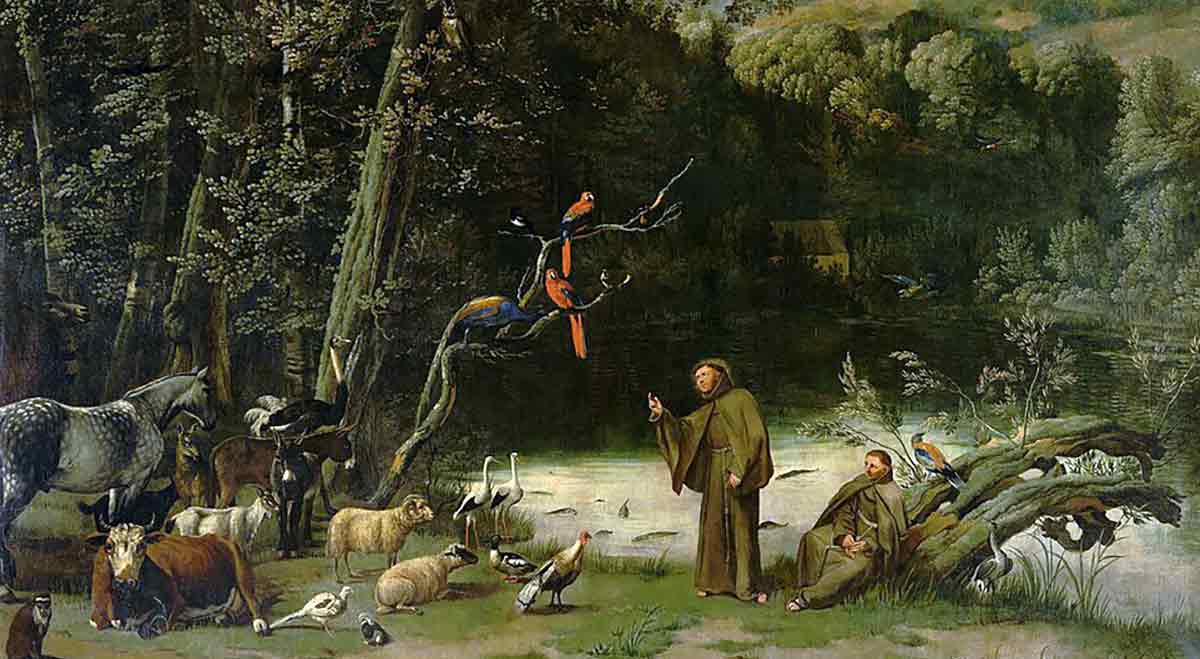
Moved by a passage in the Gospel of Matthew, Francis set aside both his previous lavish, profligate lifestyle and his future prospects of comfort in favor of a life of poverty and itinerant preaching. This included, it is alleged, preaching to animals.
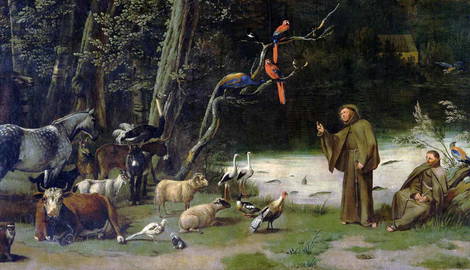
Francis is said to have been able to communicate with animals, at one point even persuading a wolf to stop hunting the livestock of farmers in exchange for being regularly fed. The sources for Francis’s life do not separate the historical from the hagiographic and, thus, leave the more skeptical among us doubting about details such as this. Still, that Francis loved nature even as he did his fellow human being is clear enough. A testament to his affection for animals is the fact that he has been popularly revered as the patron saint of animals for centuries even though he has never been given that title officially by the Roman Catholic Church. He was formally made the Patron Saint of Ecology in 1979.
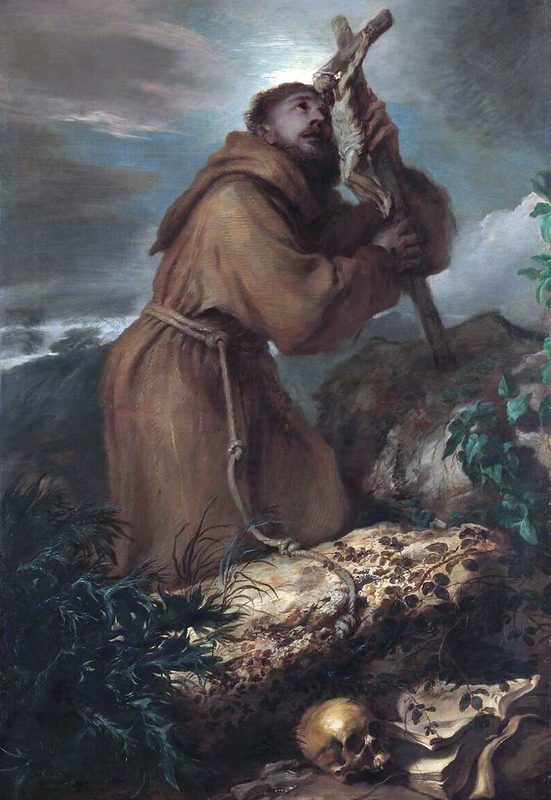
There is a plethora of art and iconography featuring Saint Francis. Some of these depict him preaching to, or otherwise spending time with, animals. Some of his own writings address not only the fauna but also the flora and the celestial bodies. The famous hymn, “All Creatures of Our God and King,” sung widely across virtually all Christian traditions, is a call to worship God addressed almost entirely to nature. Francis believed that all of creation had the ability to engage in worship of the divine.
Francis Suffered from the “Gift of Stigmata”
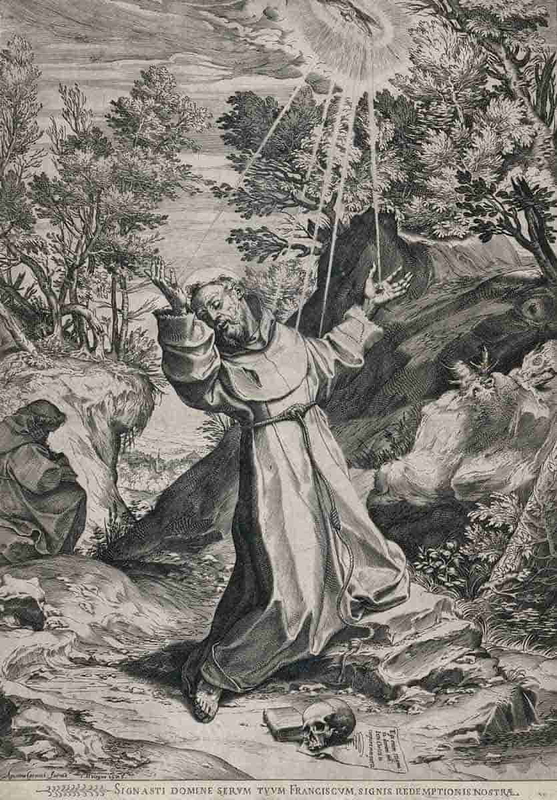
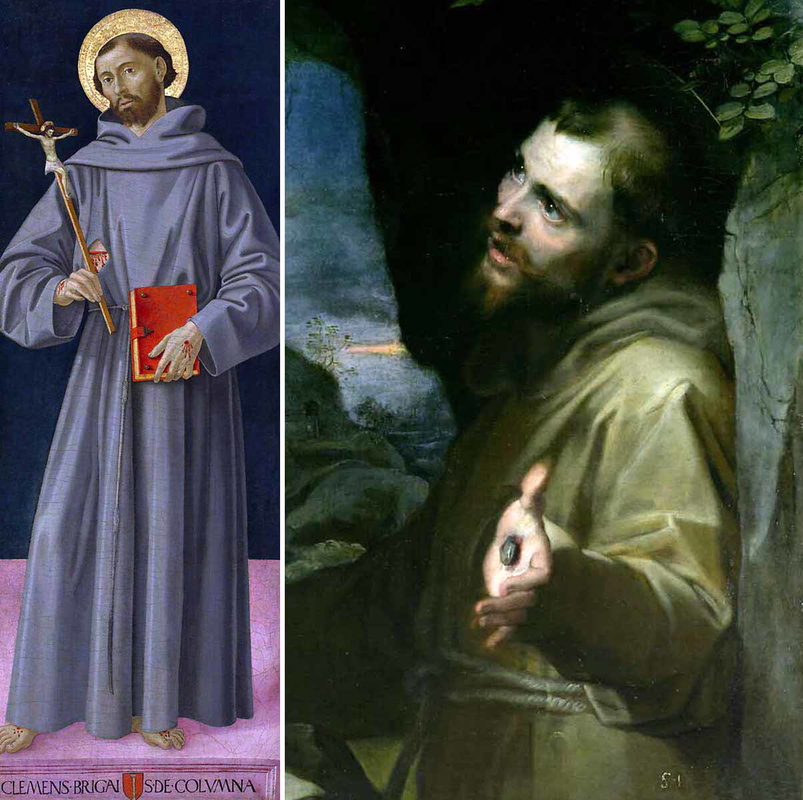
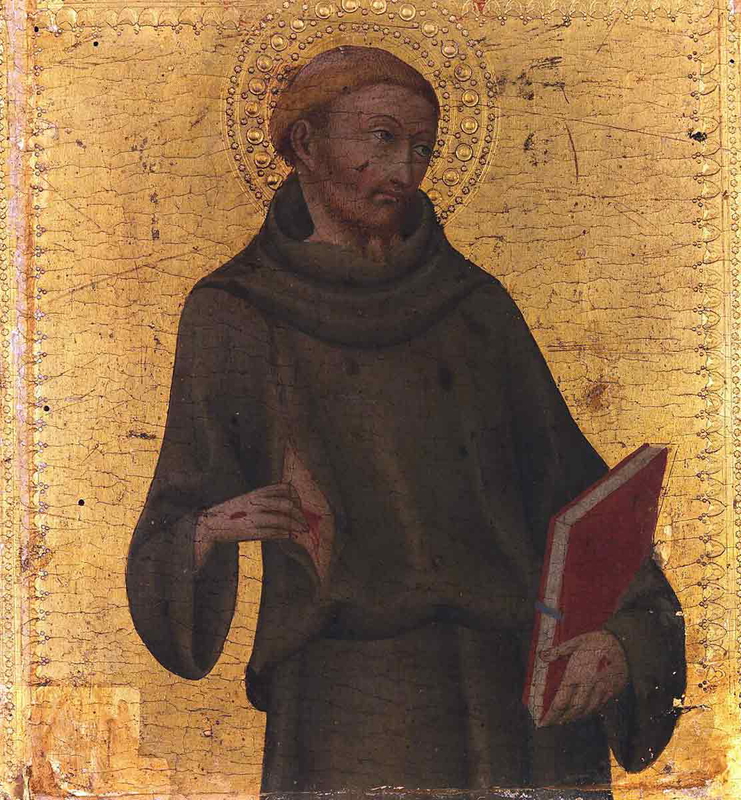
Apart from the animals, another striking feature in most artistic depictions of Saint Francis is the wounds on his hands and side that appear to mimic Jesus’s crucifixion scars. These wounds are called “stigmata,” a word that comes from the Greek “stigma” referring to the scar of a puncture wound. Stigmata are deemed a gift in Roman Catholic tradition even though receiving it means bearing actual, painful, unhealing wounds in one’s body. Reportedly, Saint Francis is the first to have received this gift.
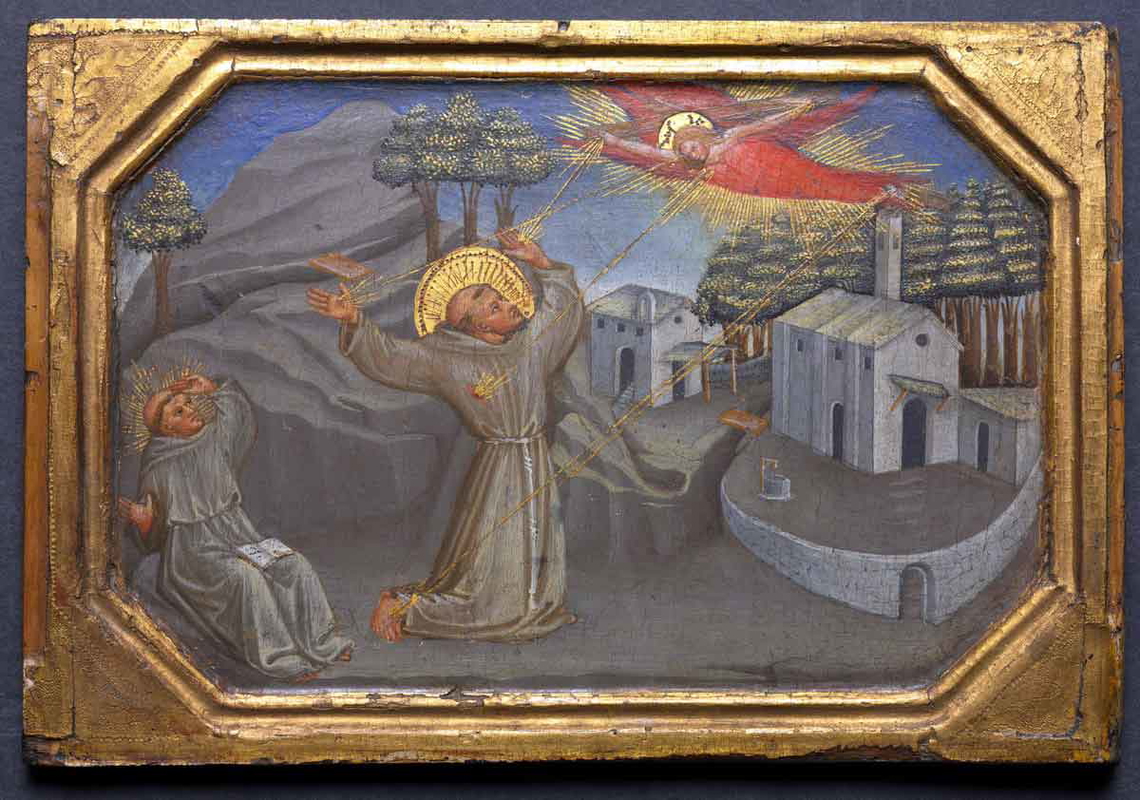
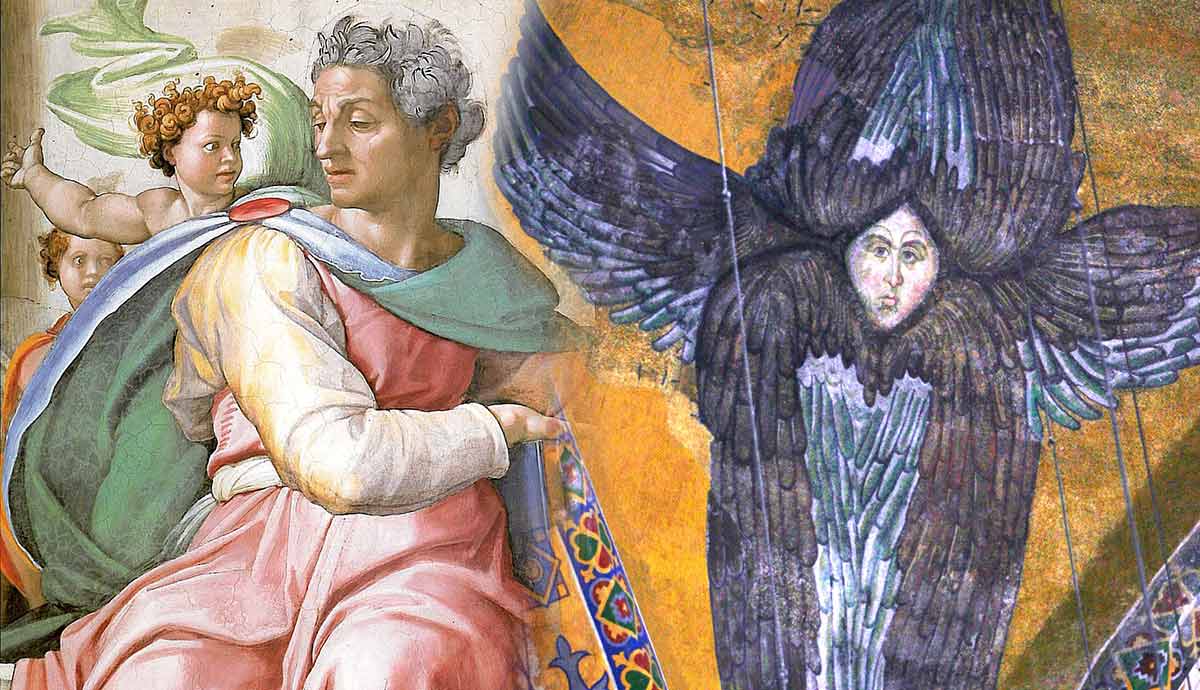
According to tradition, he was given the stigmata in the midst of a vision he saw of a heavenly creature, said to be a seraph, on a cross. Francis died in 1226 due to illness after a long period of suffering from a painful infection in his eyes.
He Preached Peace Between Christians and Muslims
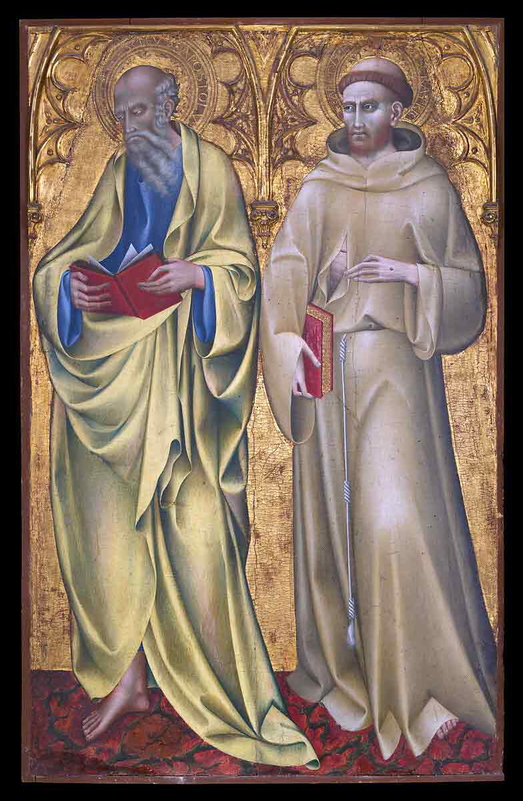
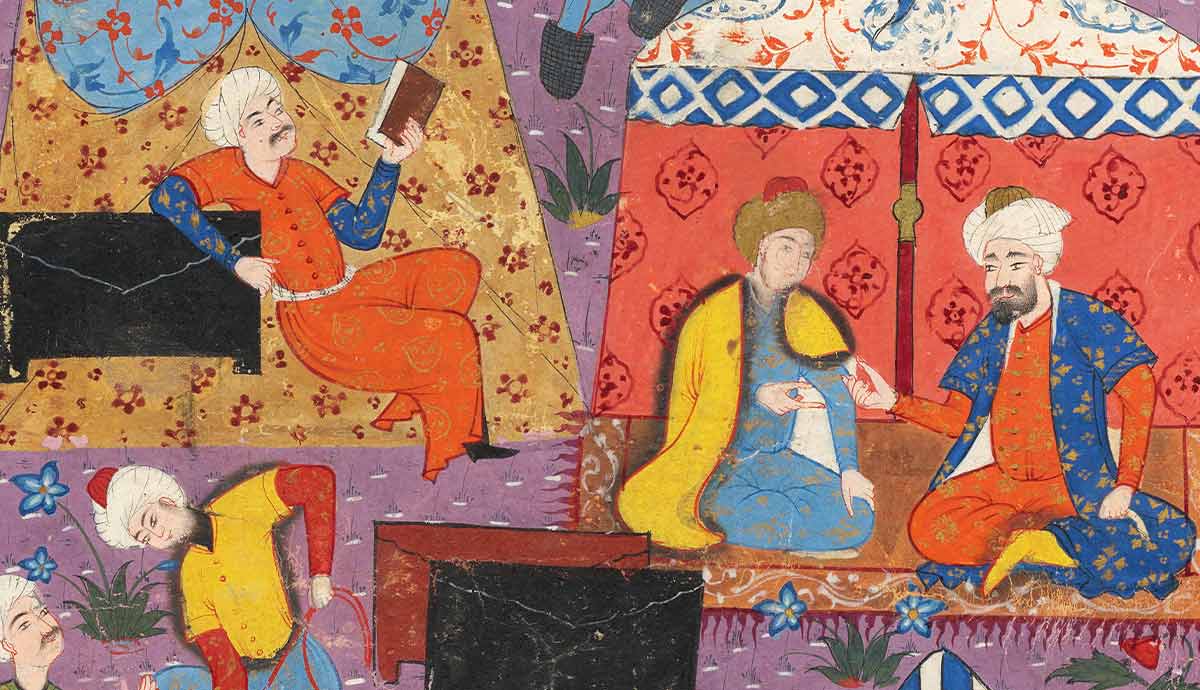
Besides his conversion to a life of poverty, the most well-known episode of Francis’s life was his meeting with al-Malik al-Kamil, the Sultan of Egypt during the Fifth Crusade (1217–1221). In 1219, Francis traveled to Lower Egypt to meet with the Sultan to attempt to persuade him to convert to Christianity. Though he was probably not successful in securing the Sultan’s conversion, Francis was received favorably by the powerful Muslim monarch.
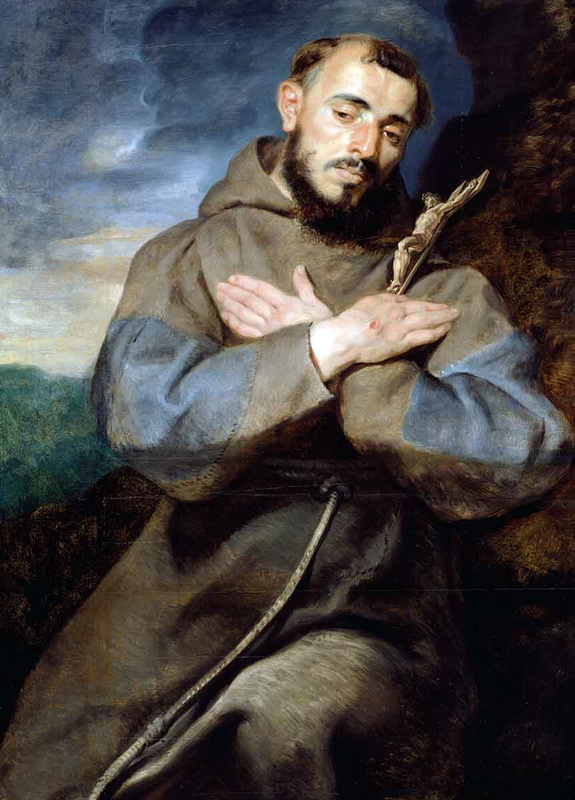
This was the third and only successful attempt on Francis’s part to visit Muslim lands. He had tried to travel both to Syria and Morocco on previous occasions, but a storm prevented him from reaching Syria, and illness stopped him from reaching Morocco. His desire was to give his life for peace, if necessary as a martyr. In the end, it was illness that killed him, not any human enemy, for it seems that even as Muslim and Christian civilizations warred against each other, Francis found respect in both.