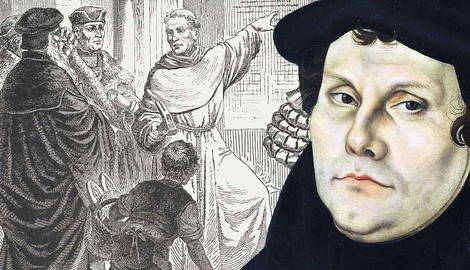

When Martin Luther posted his Ninety-Five Theses on October 31, 1517, he did not know his act would result in the greatest crisis of the Roman Catholic Church: the Protestant Reformation. Indeed, what began as a protest against the abuses by the 16th-century clergy turned into a challenge to the very doctrinal tenets of the church and the authority of the popes. Let’s find out how Martin Luther’s Ninety-Five Theses precipitated the events that led to a permanent schism in the Western Christian Church.
Setting the Stage: Abuses & Calls for Religious Reform
Martin Luther was not the first theologian to criticize the moral bankruptcy of the Roman Church. The lavish lifestyle of the Renaissance popes, more temporal rulers than spiritual leaders, caused many to call for reforms and denounce the abuses by the papacy and the clergy. In particular, reformers and believers resented the morally dubious ways through which the popes funded their patronage of art and architecture.
The distaste for the luxury-loving papacy was also fueled by the rise of national spirit across the European continent. As rulers asserted their authority and independence from the Roman Church, claiming control over the local clergy, numerous theologians called for the papacy to return to its original values of purity and poverty.
In the 1330s, Franciscan theologian William of Ockham emphasized the role of poverty in the Franciscan rule. He also saw the church as an organized but not infallible institution, referring to it as a community of believers. In 1339, he supported the English monarch’s right to tax church property. Around the same time, the English theologian John Wycliffe, commonly considered a forerunner of the Protestant Reformation, believed the Church should renounce its worldly possessions and criticized its moral abuses. Jan Hus, burned as a heretic in 1415, argued the papacy had only temporal authority.
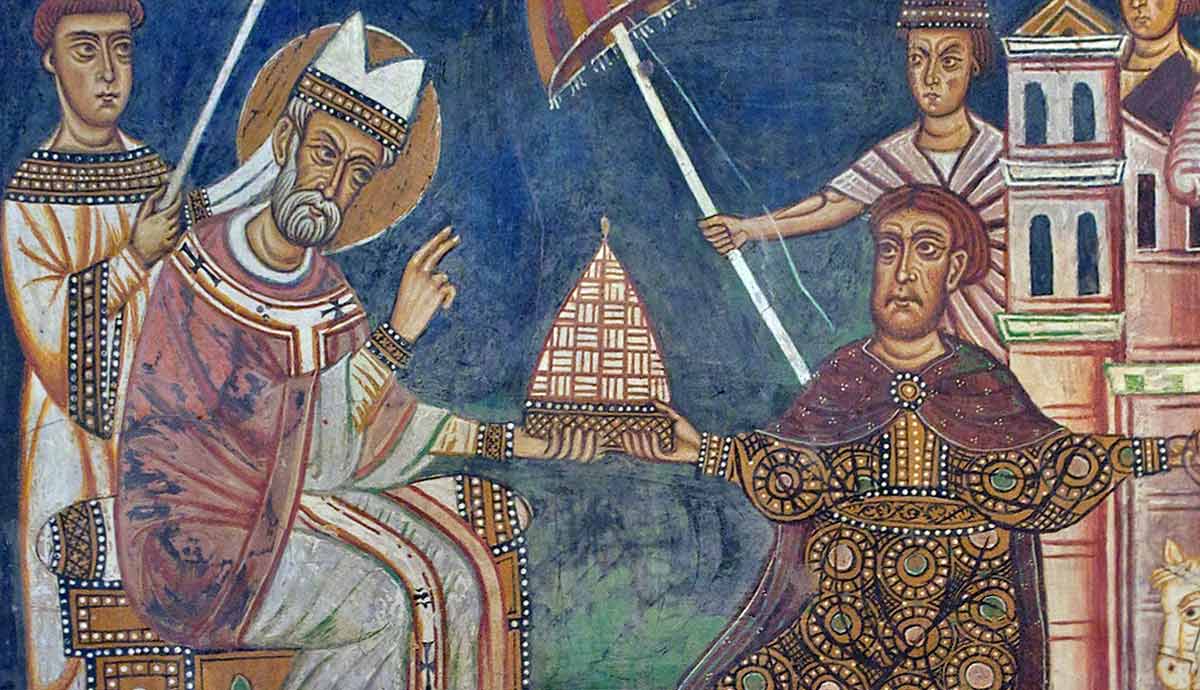
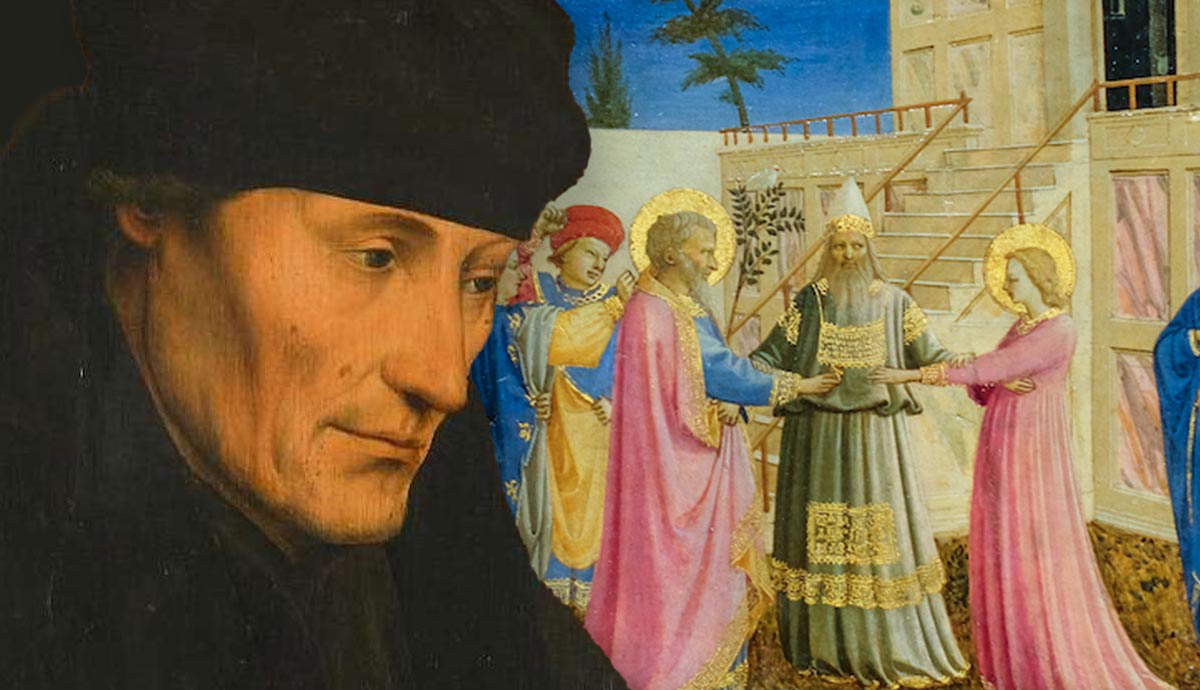
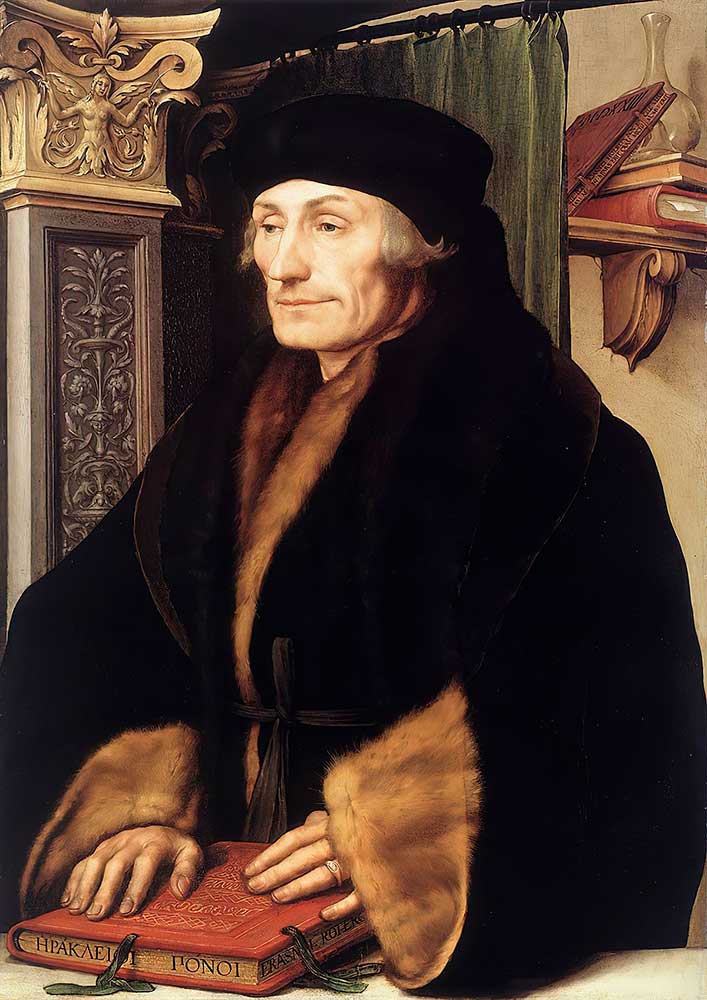
Italian humanist Lorenzo Valla, active in the 15th century, was equally critical of the medieval church, famously demonstrating in his Declamatio that the Donation of Constantine, used by the papacy to support its claim of temporal power, was a forgery. In the following century, Desiderius Erasmus also questioned the practices and superstitions of the medieval church, emphasizing how they were often susceptible to abuse.
Buying Divine Forgiveness? The Indulgences Scandal
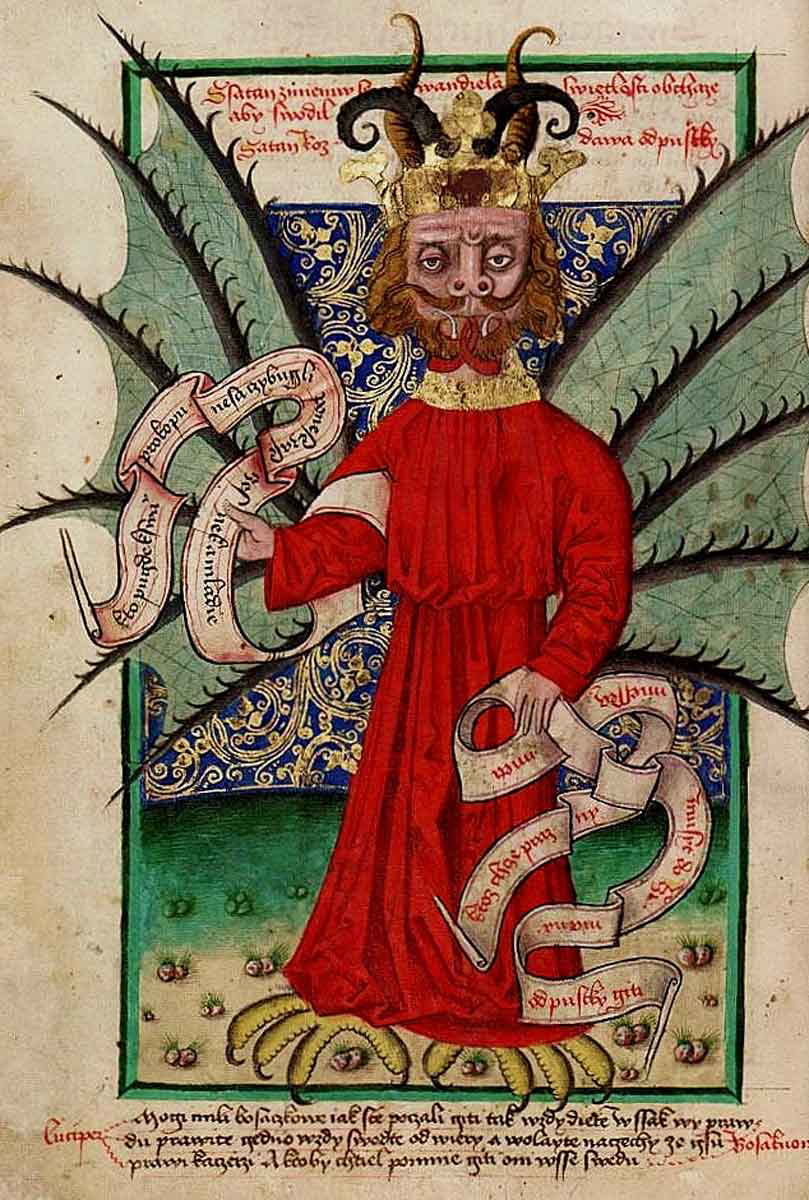
Outrage at the openly abusive practices of the Roman Church was also the driving force behind Luther’s decision to write his Ninety-Five Theses, or propositions for debate. In particular, Luther condemned the widespread practice of the sale of indulgences, or remission of a person’s sins. According to the Church, the system of indulgences was based on the belief that Jesus Christ and the saints had amassed a “treasury of merits” that could help Christians gain salvation.
Initially, indulgences could only be granted as remission for the actions the papacy deemed sinful on earth. In 1095, for example, Urban II offered a plenary indulgence to Christians taking part in the First Crusade. Over time, however, they came to include the penalties suffered by the souls in Purgatory. Finally, selling remissions of the punishment for sins became a common way for the Church to raise money.
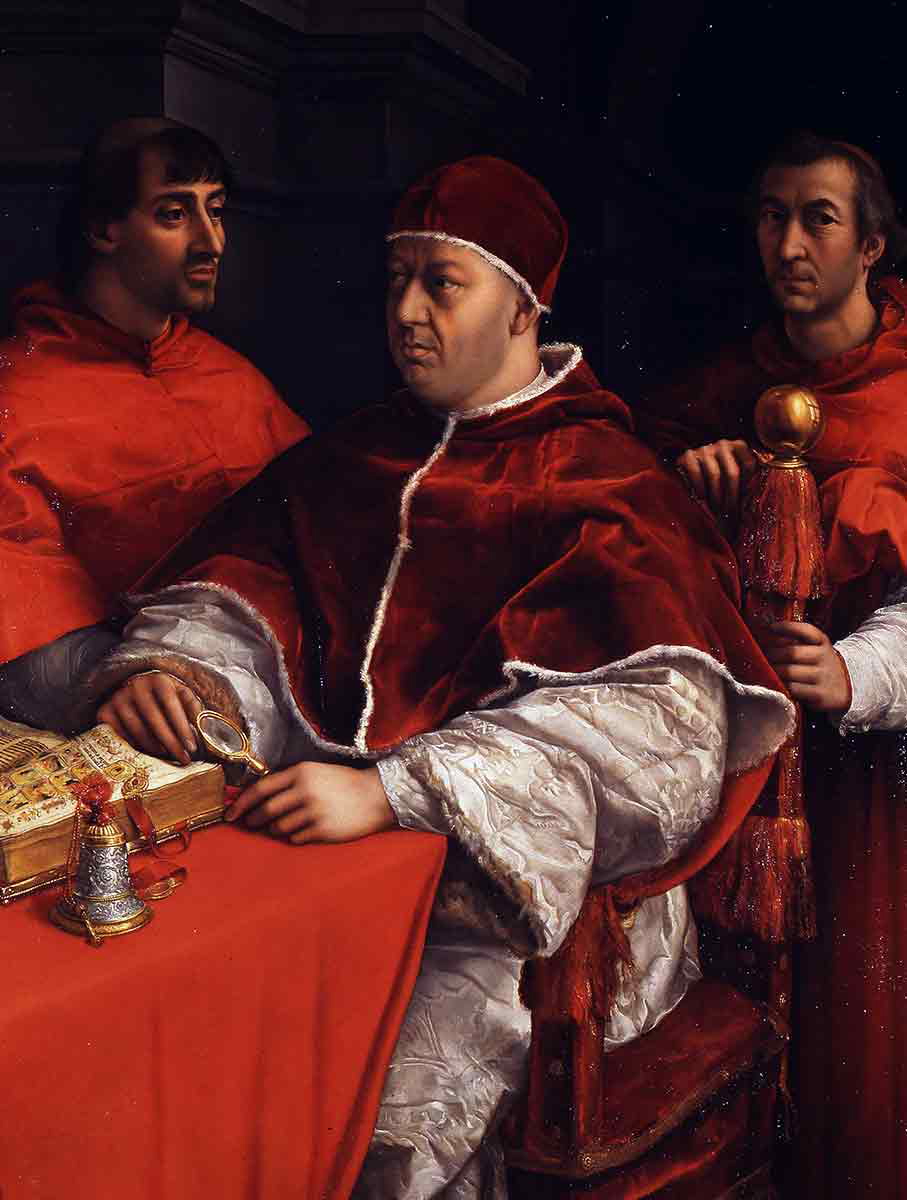
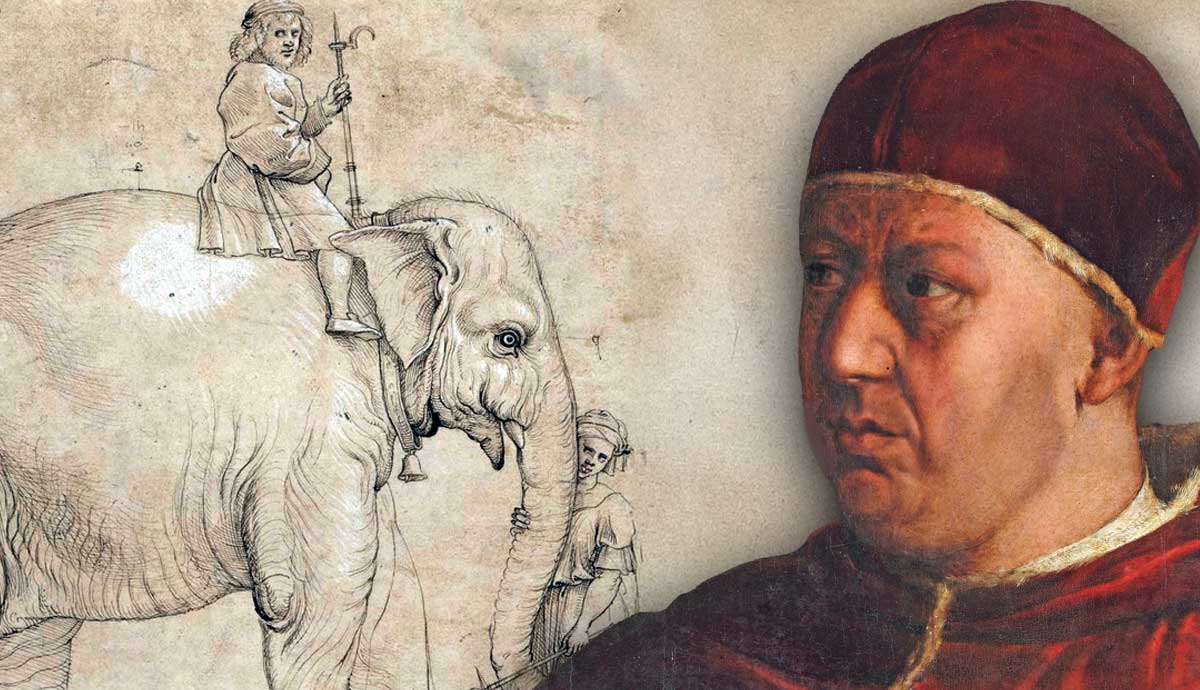
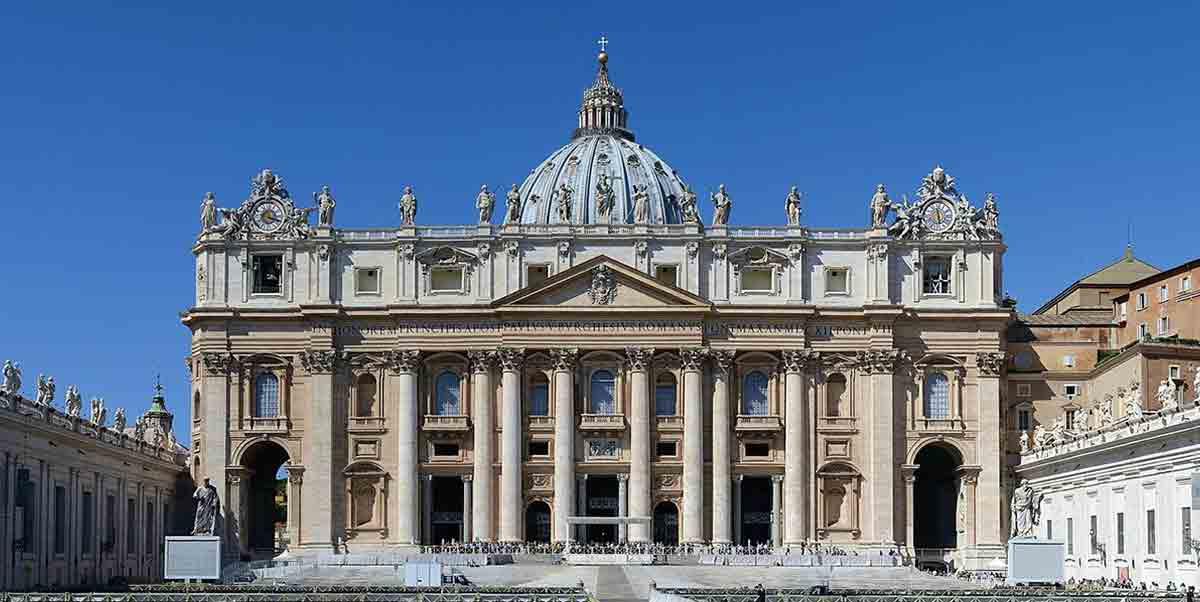
In 1517, Pope Leo X, whose lavish and extravagant lifestyle had depleted the Papal States’ coffers, needed funds for the rebuilding of St. Peter’s Basilica in Rome. He authorized a number of clergymen to conduct the sale of indulgences in Germany. Among them was Archbishop Albert of Mainz, who, deeply in debt after paying for his appointment to the high office, had entered a secret agreement that would allow him to use half of the proceeds to settle his outstanding bills. As general commissioner for the sale, Albert appointed Dominican friar Johann Tetzel, an experienced “salesman.”
Tetzel did not hesitate to make outrageous claims in his preachings. Not only would the buyers of indulgences be “insured” against future sins, but if they purchased the special remission on behalf of someone in Purgatory, they would immediately go to Heaven. “Don’t you hear the voices of your wailing dead parents and others who say, ‘Have mercy upon me … because we are in severe punishment and pain. From this you could redeem us with a small alms and yet you do not want to do so,’” preached Tetztel in one of his sermons.
The Ninety-Five Theses
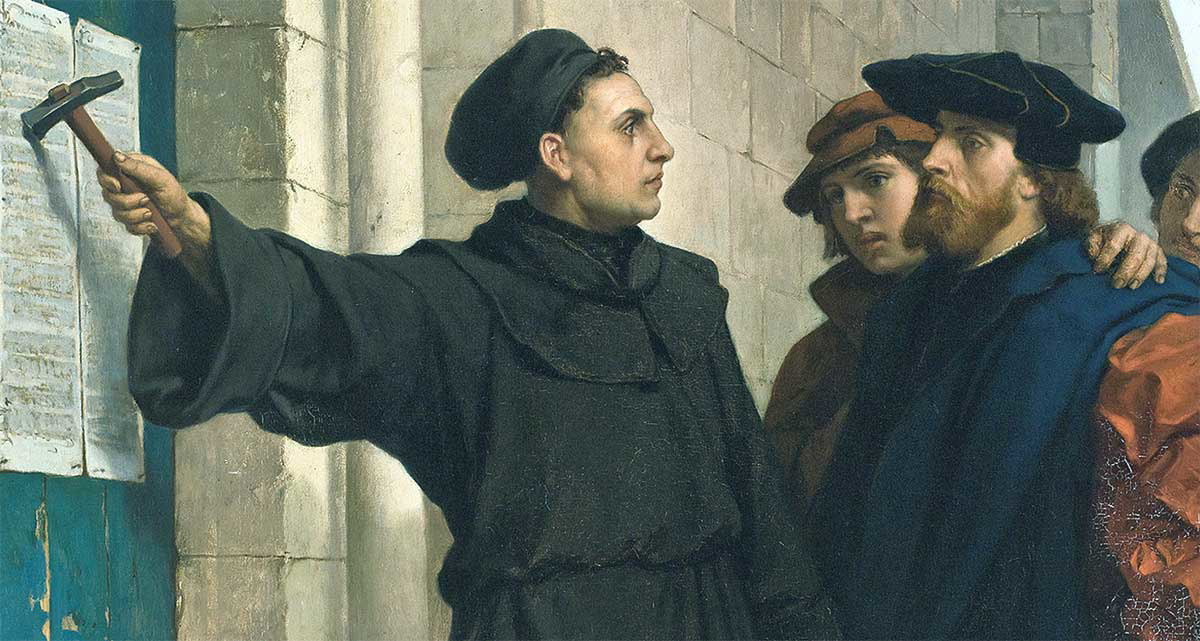
Tetzel’s campaign provoked the ire of Martin Luther, who, earlier in 1517, had addressed the issue of grace and whether good works could earn it in his Disputation Against Scholastic Theology. Plagued by what he called Anfechtungen (spiritual trials), Luther feared divine judgment. This anxiety would ultimately lead him to question the Roman Church’s doctrines on salvation, faith, and the role of scripture.
To a man deeply worried about salvation and how humanity could obtain it, Tetzel’s preaching of indulgences was but an immoral means of gaining merit (without previous contrition) in the eyes of God. On October 31, 1517, Luther publicly expressed his displeasure with what he saw as proof of the church’s spiritual bankruptcy by affixing his Ninety-Five Theses on the doors of Schlosskirche in Wittenberg. It was the beginning of the Protestant Reformation. In 1517, however, Luther did not intend to break with the Roman Church and its doctrine. Nevertheless, his criticism of papal authority pertaining to the issue of indulgences was undoubtedly defiant.
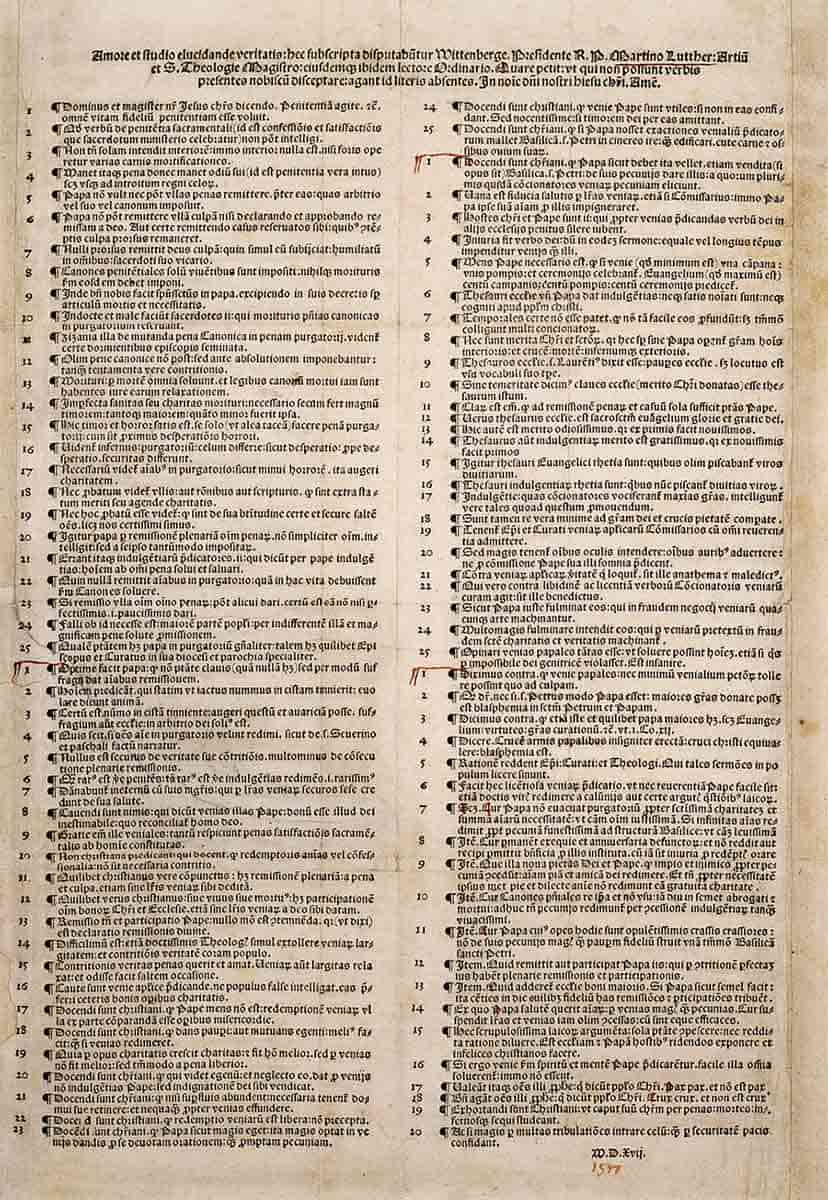
“Why does not the pope, whose wealth is today greater than the riches of the richest, build just this one church of St. Peter with his own money, rather than with the money of poor believers?” wrote Luther in thesis 86. Thesis 82 also condemned the financial abuses of the papacy, pointing out that the pope should “empty Purgatory, for the sake of holy love and of the dire need of the souls that are there,” not “for the sake of miserable money with which to build a Church.”
According to Luther, the system of indulgences was not only prone to abuses, but it was based on a flawed doctrine. Indeed, he argued the pope “cannot remit any penalties other than those which he has imposed either by his own authority or by that of the Canons.” After all, “every truly repentant Christian has a right to full remission of penalty and guilt, even without letters of pardon.” Indeed, Luther was increasingly convinced that salvation was a free gift of God: “It is certain that when the penny jingles into the money-box, gain and avarice can be increased, but the result of the intercession of the Church is in the power of God alone.”
Finally, the Ninety-Five Thesis questioned the notion of a “treasury of merit” of the saints that could be shared with the believers through the indulgences. “The true treasure of the Church is the Most Holy Gospel of the glory and the grace of God,” argued Luther in thesis 62. Thus, the indulgences could only pale “compared with the grace of God and the piety of the Cross.”
Doctrinal Defiance
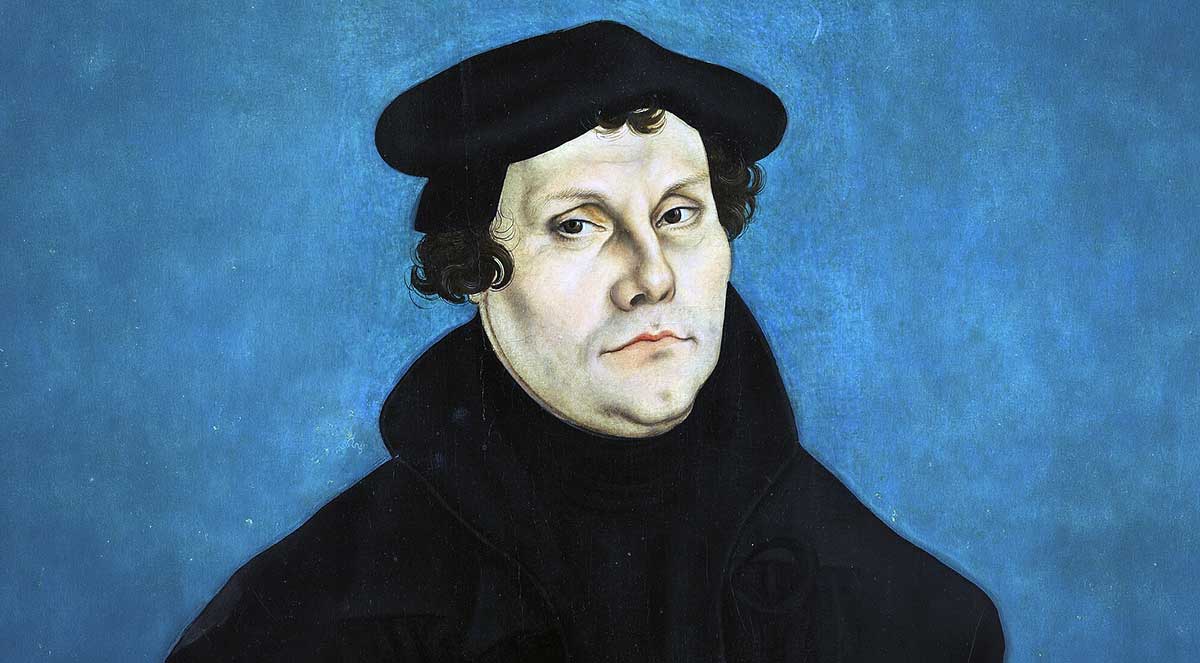
As news of Luther’s criticism of the indulgences reached Archbishop Albert, he notified Rome in December 1517, requesting that the Augustinian theologian be restrained. Meanwhile, German translations of the Ninety-Nine Theses (they were originally written in Latin) began to circulate in Germany, where many shared Luther’s frustration with the clergy’s moral abuses and financial extortions.
In the following years, encouraged by the widespread support for his theses, Luther further developed his position on salvation, grace, and faith. As a result, what had begun as a call for radical reforms within the body of the Church became a direct challenge to what Luther perceived as erroneous doctrines that lay at the root of the 16th-century Church’s problems.
In a 1545 biographical introduction for a collection of writings, Luther described the moment (known as the “Tower Experience”) in which he had the revelation that justification (the act by which a person moves from a state of sin to a state of grace) is by faith alone (sola fide). According to this account, the theologian had his core breakthrough in 1519 while meditating on the Letter of St. Paul to the Romans (Romans 1:17), which states: “The righteous will live by faith.” “I began to understand,” explained Luther, “that this verse means that the justice of God is revealed through the Gospel, but it is a passive justice, i.e. that by which the merciful God justifies us by faith.”
Besides rejecting the system of indulgences, Luther’s doctrine of justification directly challenged the Church’s belief that humanity can contribute to their salvation, emphasizing the key role of personal faith as the sole path to acceptance of divine grace. To Luther, this doctrine is directly “revealed through the Gospel.” Indeed, according to his theological outlook, Scripture is the highest Christian authority (sola scriptura), and any believer is able to understand its content. The implication was clear: the role of the Church and papacy as mediators between humanity and God was no longer necessary.
In the following years, Luther refined his theology in a series of works, such as the Address to the Christian Nobility of the German Nation, Concerning Christian Liberty, and The Babylonian Captivity of the Church. In the latter, the Augustinian friar expressed his view on the sacraments, denying the doctrine of transubstantiation (the idea that the body of Christ replaces the bread and wine during the rite of communion performed by a priest), thus further challenging the hierarchical structure of the Church.
Excommunication
By the time Luther developed the doctrinal cornerstones of his theology, the controversy surrounding his Ninety-Five Thesis was in full swing. After the Roman Church began investigating the matter, Cardinal Tommaso de Vio (known as Cajetan), the papal legate in charge of the investigation, summoned Luther to Augsburg in October 1518 for a discussion on his theses.
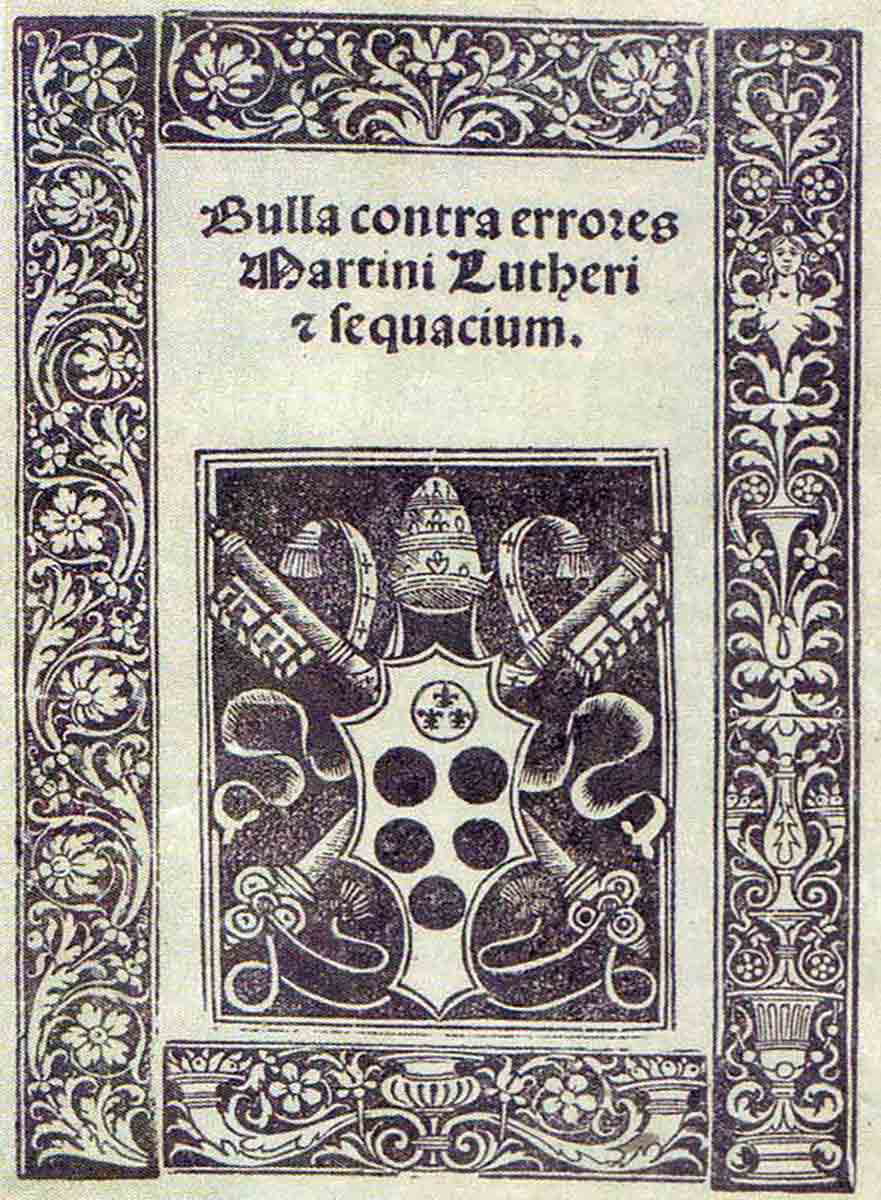
Cajetan asked Luther to recant, but the German theologian refused to back down and returned to Wittenberg. In November, Leo X issued the bull Cum postquam (When After), where he addressed the issue of indulgences, defining its doctrinal bases. Luther’s view was now officially declared to be in conflict with the Church’s doctrine. The pope also urged Cajetan to have Luther apprehended and brought to Rome.
In June 1519, in a public debate in Leipzig, Johann Ecke, a defender of the Catholic Church, criticized Luther’s Ninety-Five Theses, drawing emphasis on the similarity between Luther’s challenge to papal primacy and the position of the heretic Jan Hus. In February 1520, a papal commission formally declared Luther’s doctrines as heretical. Then, in June, the papal bull Exsurge Domine (Arise O Lord) charged Luther with 41 instances of deviation from the Roman Church’s teachings, giving him 60 days to recant. In response, Luther burnt a copy of the bull.
The political tension following the death of the Holy Roman Emperor slowed the papacy’s investment in the Luther case, as the Roman Church had an interest in the outcome of the imperial election, fearing it could upset the European power balance. The papacy’s support for Frederick III the Wise (Luther’s prince) as an imperial candidate also contributed to its acceptance of Frederick’s request that Luther be given a formal hearing during the imperial Diet of Worms, scheduled for the spring.
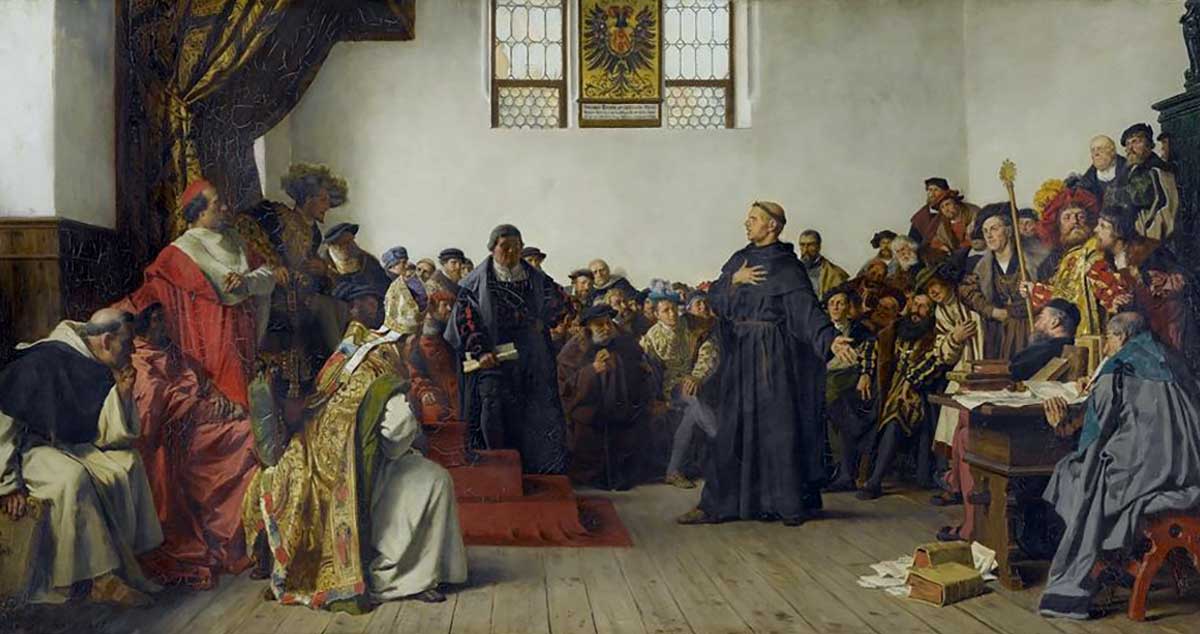
Luther appeared before the diet on April 17, 1521. The following day, he declared: “Unless I am convinced by the testimony of the Scriptures or by clear reason … I cannot and will not retract anything, since it is neither safe nor right to go against conscience.” Then, according to tradition, he uttered the following words: “Here I stand, I cannot do otherwise.”
Faced with Luther’s refusal to repudiate his teachings, on May 25, 1521, the Holy Roman Emperor Charles V signed an edict declaring Luther and his supporters political outlaws. On January 3, 1521, Leo X had already excommunicated the German theologian with the bull Decet Romanum Ponteficem (It Pleases the Roman Pontiff). Meanwhile, on his way back to Worms, Luther was secretly taken to Wartburg Castle, where he hid for almost a year and began his translation of the New Testament into German vernacular.
The Reformation
After the Diet of Worms, the Roman Church considered the case of Luther and his Ninety-Five Theses closed. Within a few years, however, it became clear that the imperial Edict of Worms and the excommunication were largely unsuccessful. Indeed, Luther’s reaction to the medieval Roman Church’s teachings had started a movement that, aided by the German translation of the New Testament, spread across most of Europe, attracting the interest of both rulers and peasants.
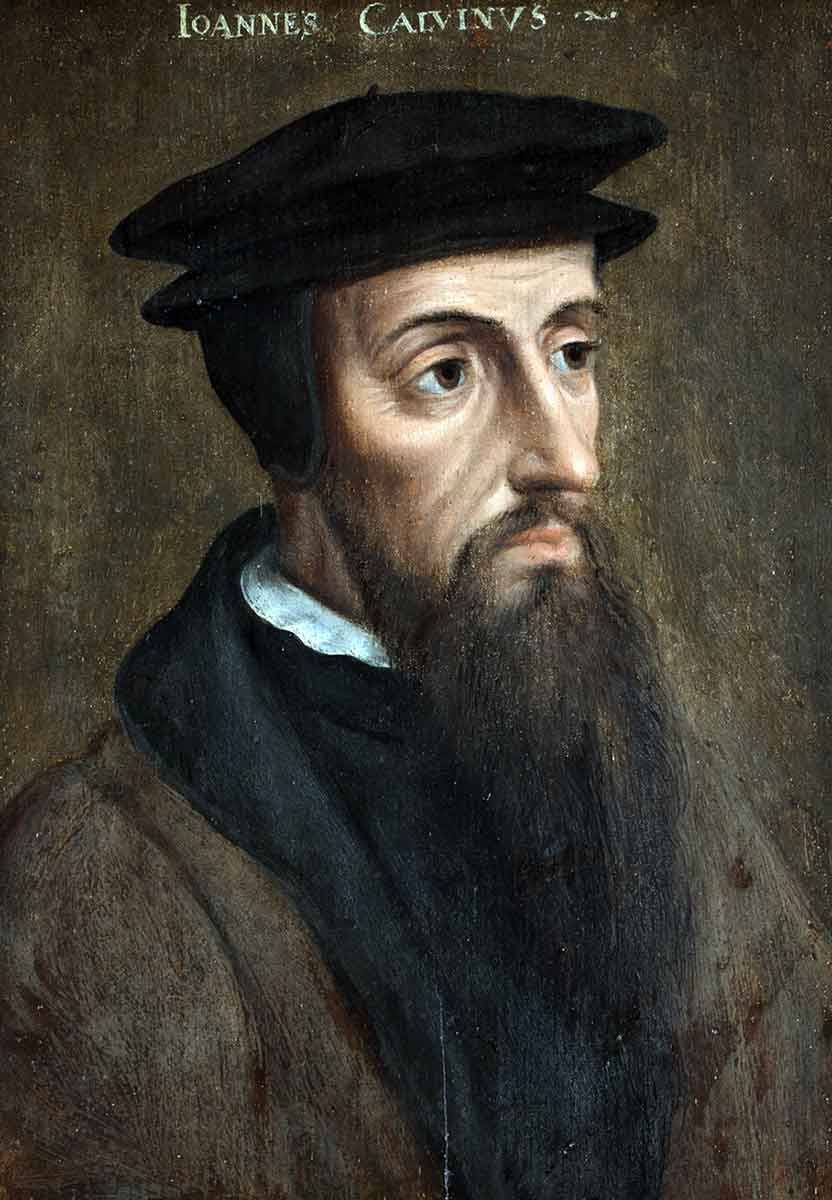
Over the course of the following centuries, what began as a doctrinal dispute turned into a movement that would have far-reaching political, economic, cultural, and social effects, permanently changing the history of Europe (and the Western World). By the mid-16th century, Lutheranism dominated in the north of the continent. Inspired by Luther’s teachings, other independent reform impulses emerged across Europe, such as those led by Ulrich Zwingli and John Calvin in Switzerland.
The schism between the Roman Catholic Church and Protestantism would never mend.