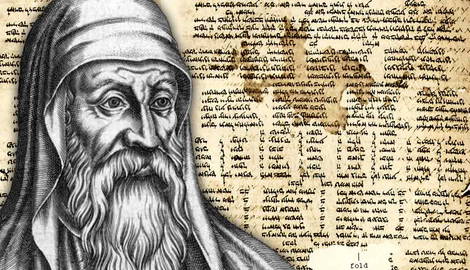

Though condemned as a heretic almost three centuries after his death, Origen of Alexandria is known universally as one of the most important Christian scholars and theologians in the history of the early church. One of his contributions was utterly unique for his time. Considered the earliest, non-Jewish Christian scholar to have studied Biblical Hebrew, Origen created the “Hexapla,” which means “sixfold,” in which he copied various extant versions of the Bible alongside each other in six columns so that they could be compared readily with one another.
Origen Was an Innovator in Early Christian Thought
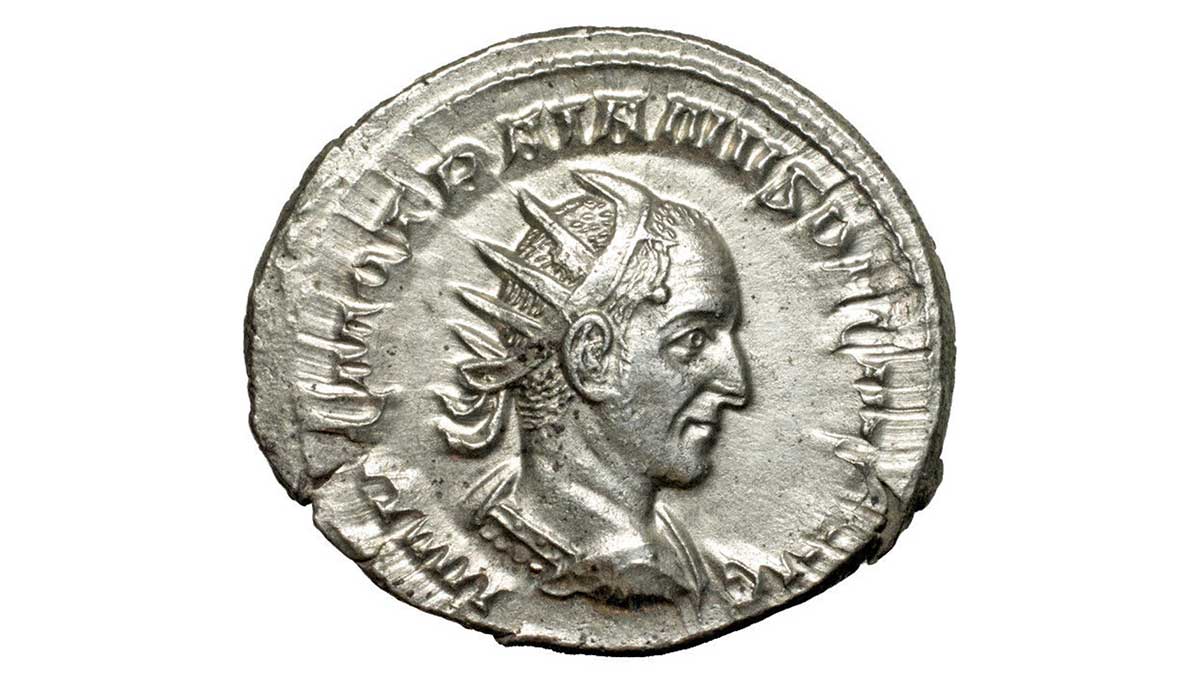
Born into a Christian household in Alexandria around 185/6 CE, Origen spent his entire life in inquiry about his faith. He died around 254/5 due to the effects of tortures he had endured several years prior during the reign of Decius, who perpetrated one of the many Roman persecutions to which Christians were subjected before the Emperor Constantine legalized Christianity.
Origen was exceptionally well-educated not only in Christianity’s burgeoning theology but also in Greek philosophy. The Christian devotion of his parents cannot be doubted. His father Leonides was reportedly beheaded for refusing to deny his faith. And yet, Origen benefited from both a classical pagan and a Christian education. As a young adult, he was able to quote fluidly from both the Bible and classical Greek philosophers.
Origen’s Interest in Hebrew Was Unique in His Day
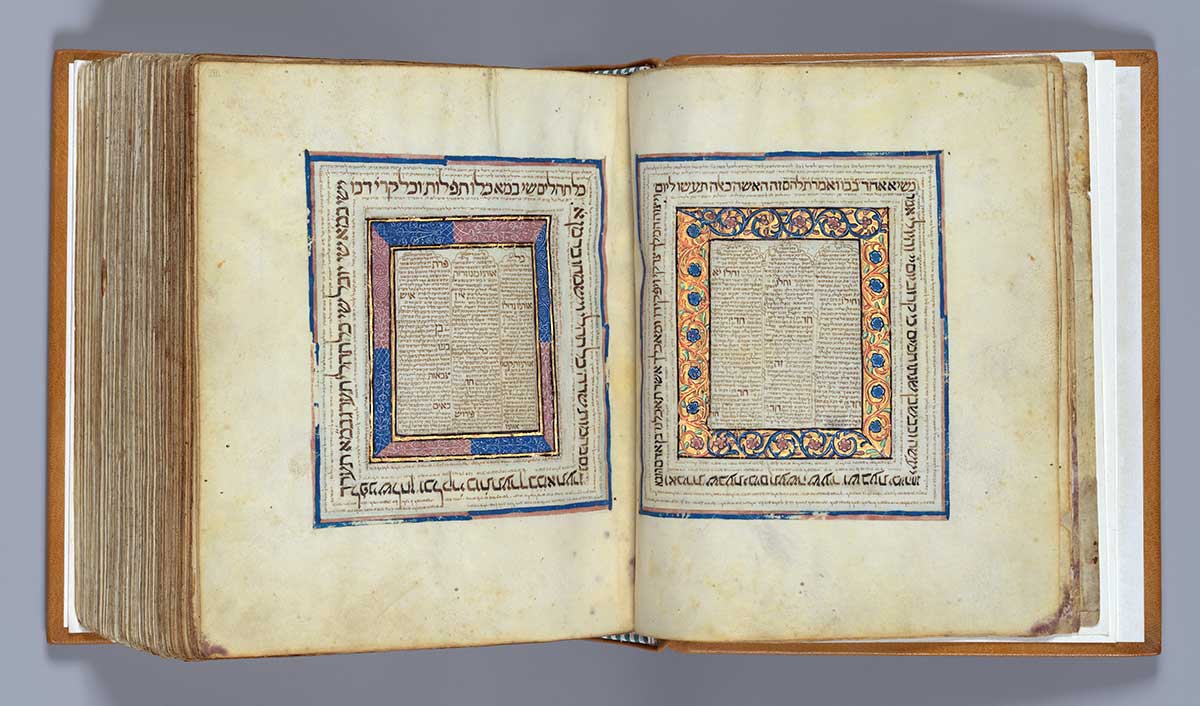
Today, study of the Bible in Hebrew is standard for most students of Christian theology in seminaries throughout the world. In Origen’s day, however, few church leaders studied Hebrew. When Origen was forced by war to leave his home in Alexandria for Palestine, he came into contact with Jewish scholars who studied and preserved the Bible in its original language.
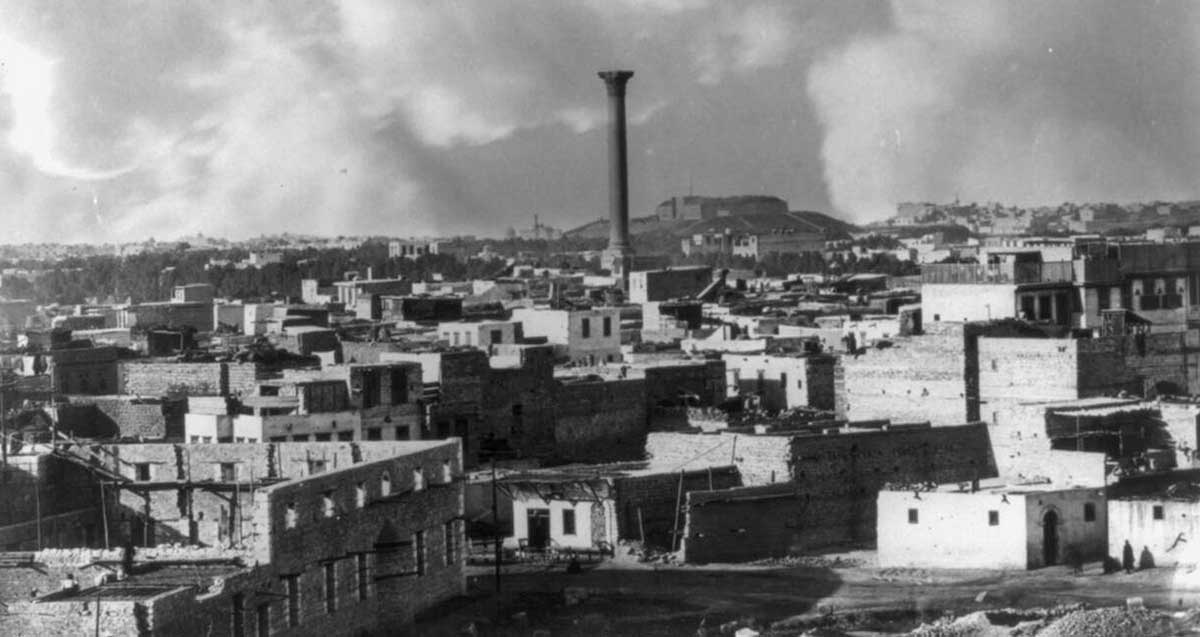
Origen left his post as the head of the catechetical school in Alexandria around the year 212 to travel to Rome and then to Arabia for further study. But upon his return home in 215, Alexandria was in trouble. An invasion by the emperor Caracalla’s army seems to have forced Origen to flee to Caesarea, in modern-day Israel. There he became a teacher in the catechetical school. For the first time, he began interacting with Jews who could read and write Hebrew. Realizing that the church had been missing a crucial opportunity, Origen took up the study of the Bible in its original language.
Origen Wanted to Make Different Versions of the Bible Available
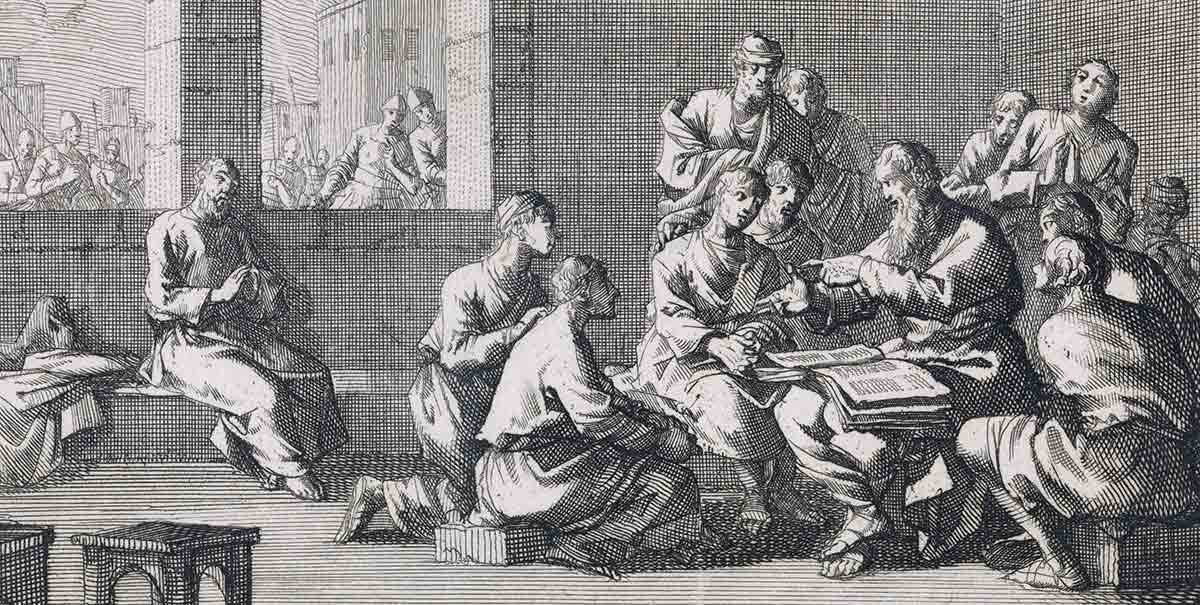
Origen was called back to Alexandria not long after his initial flight there. But he returned fifteen years later and, in the year 230, he was ordained a priest. Origen founded a new school in Caesarea, and remained there until his arrest in 251.
It was likely during this time that Origen decided to copy into one document several versions of the Bible. While translations of the Old Testament had been multiplying for centuries before Origen’s lifetime, some of these were more like interpretive paraphrases than translations in the proper sense. For his Hexapla, Origen chose to include four translations along with the Hebrew text.
The Hexapla Included the Hebrew Text and Greek Translations
Origen copied the Hebrew text was in the first column. The second column was Origen’s transliteration of the Hebrew text into Greek characters, possibly for the purpose of teaching proper pronunciation of the Hebrew. The third, fourth, and fifth columns were the Greek translations of Aquila of Sinope, Symmachus, and Theodotian, all from the second century CE. The last column was the traditional Old Greek text, known as the Septuagint, attributed to Jewish scholars working in Alexandria in the third and second centuries BCE.
It Was a Precursor to Modern Textual Criticism
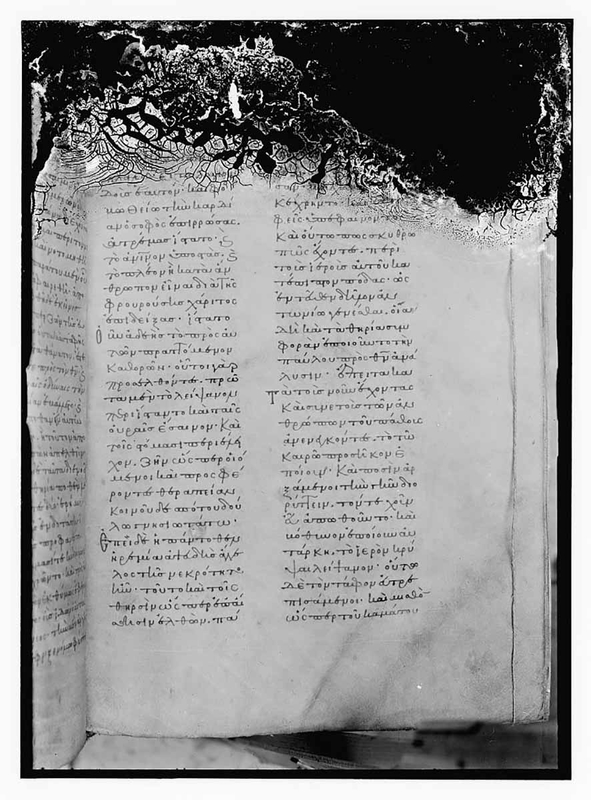
By juxtaposing various versions of the Bible, Origen was suggesting that comparing them with each other would be a beneficial exercise for Christian scholars trying to interpret Scripture. Unfortunately, no full copy of Origen’s Hexapla was preserved for modern scholars to scrutinize, but something of his goals can still be discerned from the extant fragments.
By displaying several Greek versions along with the Hebrew text, Origen showed that creating an accurate Greek translation of the original text may require consulting, not only the Hebrew text extant in his day, but also the Greek translations that had circulated over the previous centuries. The fact that significant differences existed between the available Greek translations and the Hebrew text suggested that each was based on earlier Hebrew texts that also diverged from each other. These earlier texts could, it appeared, reflect the original writing better than the Hebrew text that was available to Origen.
What Happened to the Original Hexapla?
In a primitive sense, the Hexapla could be called the first “critical text” of the Bible—one that tries to recover the original readings of ancient writings that only survive in copies. But unfortunately, we do not know what happened to the earliest copies of the Hexapla, so recovering the original Hexapla is itself a project requiring the tools of textual criticism. Scholars presume that the first Hexapla was housed in the library at Caesarea. Tragically, this great library’s contents were somehow lost. They may have been destroyed during the Rashidun Arab invasion of Caesarea in the early seventh century.
But this event occurred several centuries after Origen’s death. By this time, copies of the Hexapla had spread to other parts of the Byzantine Empire. The effects of this distribution impacted early perceptions of what the “original” Bible said.
The Hexapla Affected the Preservation of the Bible
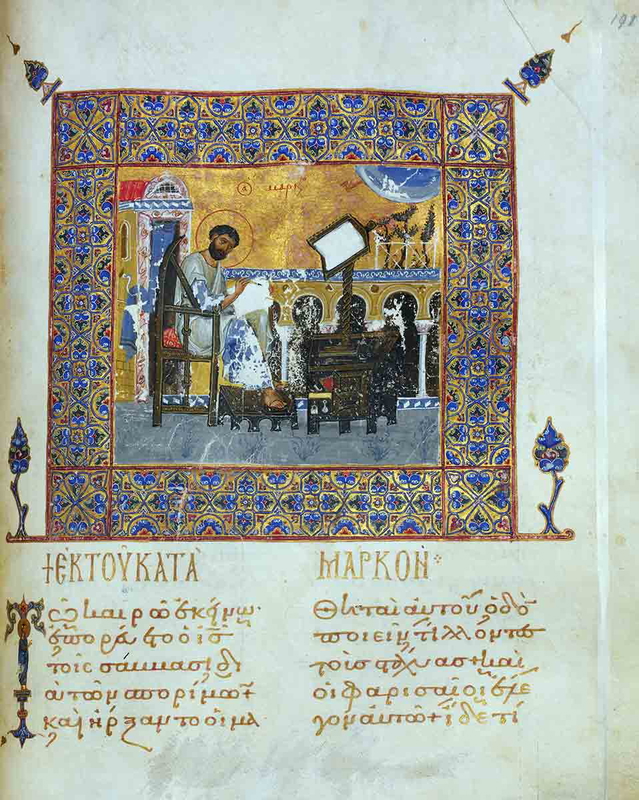
Some of the Byzantine Christian scribes referencing the Hexapla assumed that the Hebrew text it presented was more pristine than the Greek translations available. In reality, however, the Greek translations may have, in some instances, preserved a more original reading. The assumption that the extant Hebrew text was closer to the original affected how the Hexapla was used to create Greek copies of the Bible for use in churches in the Byzantine Era.
But if only the Hexapla had been preserved in its entirety, all of the versions that it contained would still be available today in the form in which Origen and his contemporaries read them. Origen even included a system of markings, such as asterisks and obeli, to point out differences between the translations and the Hebrew, showing his desire to preserve their distinctive wordings.
Originally over six thousand pages in length, Origen’s work is one of the most monumental and awe-inspiring achievements in the history of the Bible’s transmission.