
The Lord’s Prayer is one of the most recited litanies in the world. It is also a unifying and universal statement of belief for all Christians, regardless of race, geography, era, and denomination. But what does it mean? This article will examine the introduction and successive petitions of the Lord’s Prayer to find out what it has to say about the Christian view of God, God’s kingdom, forgiveness, the present life, and the world to come.
The Lord’s Prayer in Context
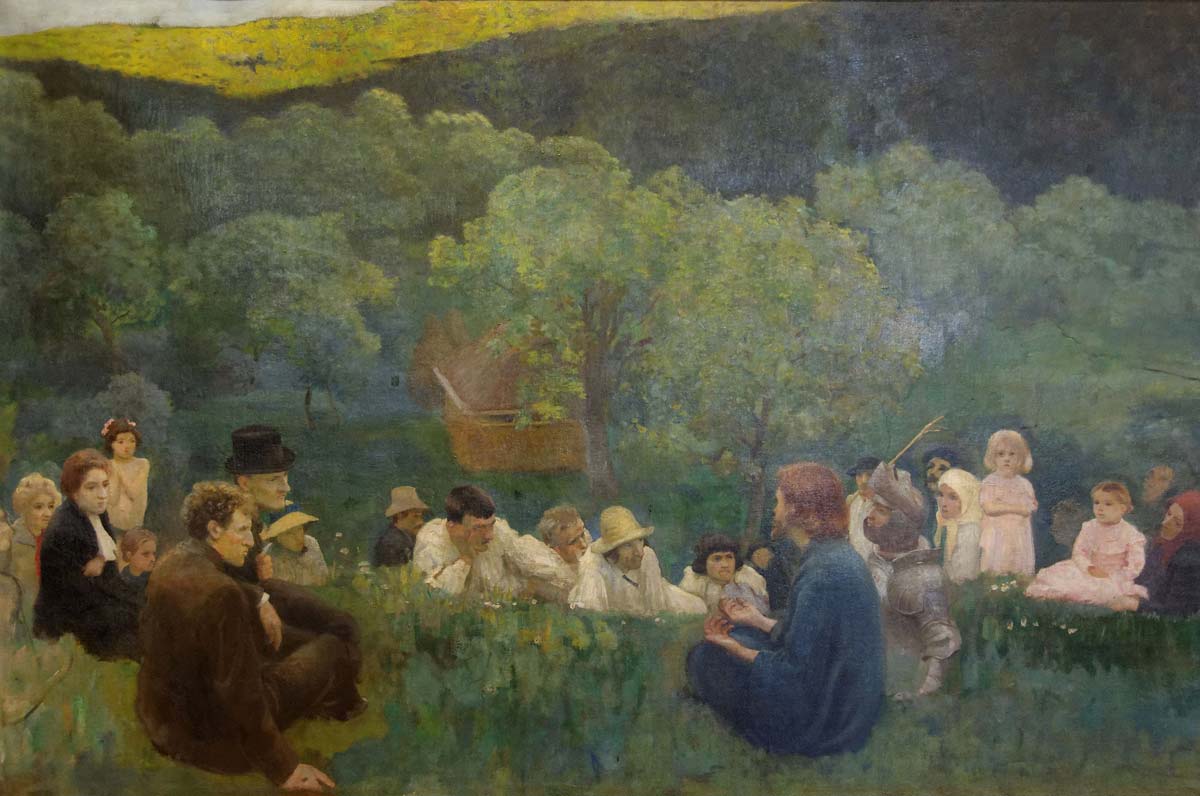
The Lord’s Prayer is part of the teaching of Christ recorded in the famous Sermon on the Mount in the Gospel of Matthew. There is another version of the Gospel of Luke that is almost identical, with a few differences in wording and imagery. This is not surprising, since it is likely that Jesus preached this material more than once, adapting it to the differing needs of each distinct audience.
The Lord’s Prayer is a rule and form of prayer used by Christians in directing their own prayers. Prayer is a central act of devotion in many religions. The Lord’s Prayer is an answer by Jesus to the question of how his disciples should pray. But almost all Christians would agree that it is not only a pattern for making other prayers. It can also be used as a prayer in its own right when Christians carry out that duty.
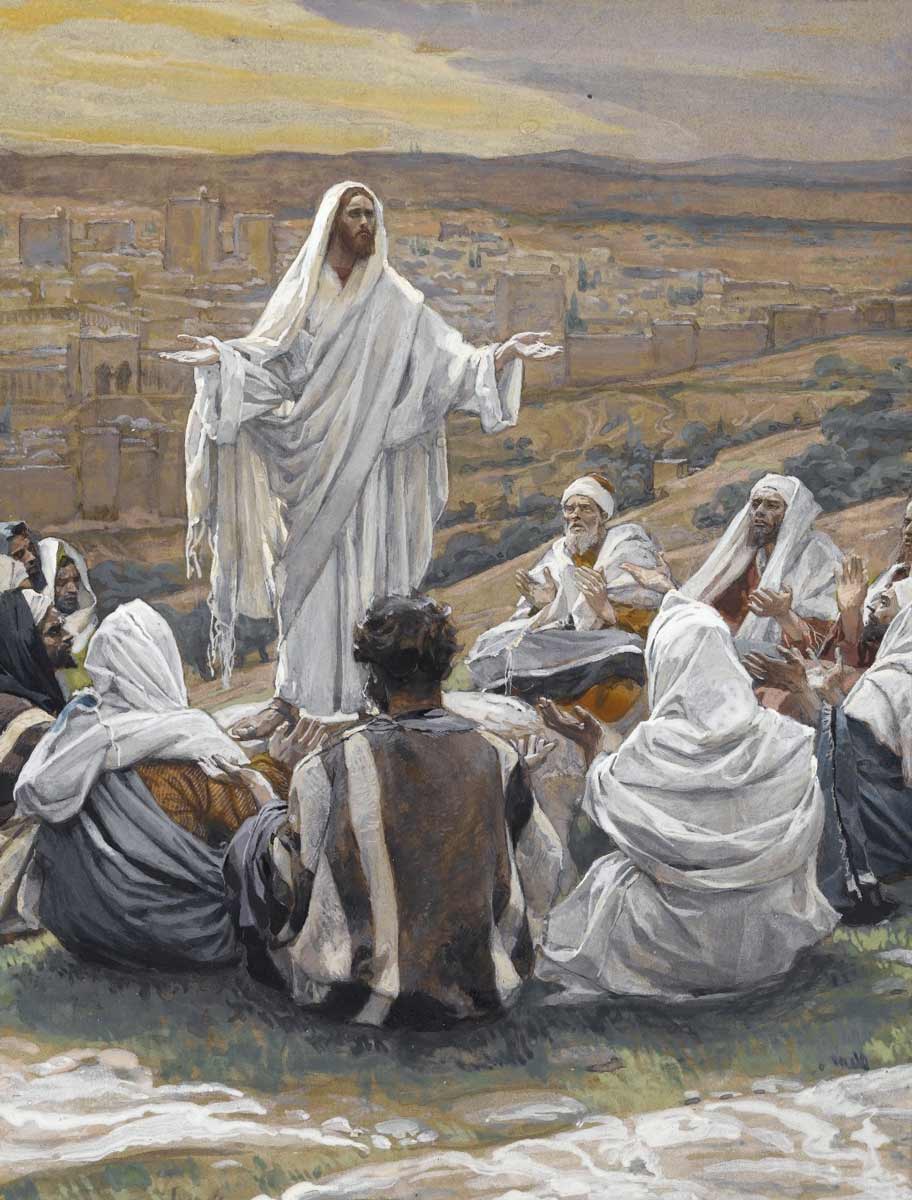
The Lord’s Prayer consists of a preface or introduction, and six petitions or requests. The preface is, “Our Father in Heaven.” The first part of this address is personal and intimate. God is a father who cares and provides for us. More than that, God is our father, with a direct interest in our well-being and what we have to say to him. The “our” also implies that prayer is a corporate act, we pray with and for others. But the second part places this father in Heaven, requiring that prayers be made in reverence but also with confidence in God’s power to answer.
The Holy Name of God
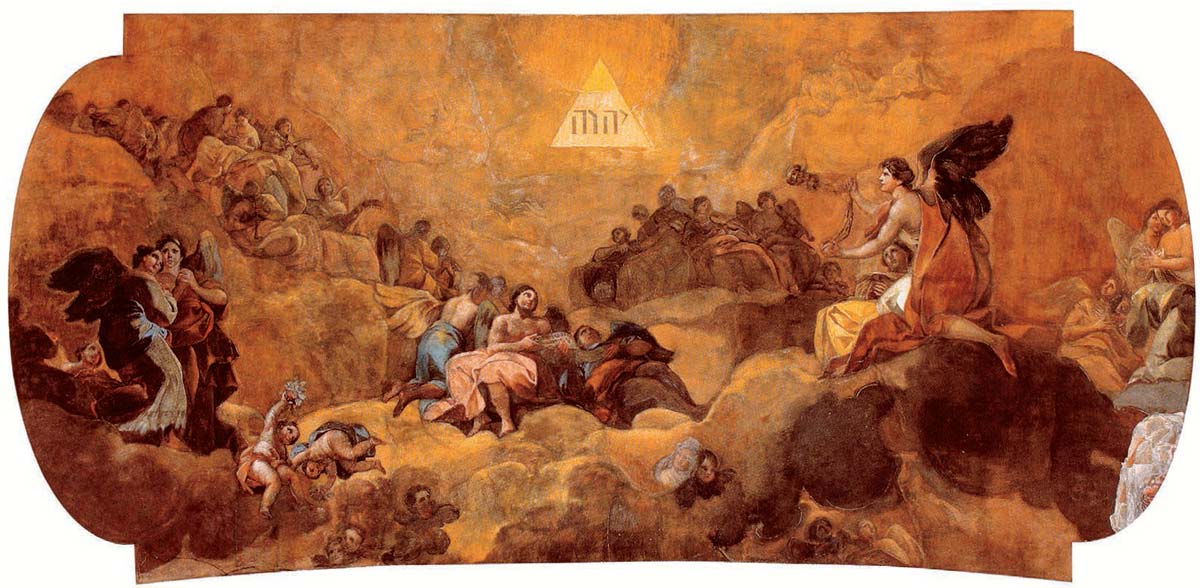
The first petition of the Lord’s Prayer is, “Hallowed be your name.” This is not just a prayer against profanity, blasphemy, and oath-breaking in human speech. God’s name stands for any means God has used to reveal himself. This includes not only his name but also God’s attributes, titles, sacraments, words, work, and anything he has used to make himself known. For example, it is a prayer against polluting God’s creation or abusing other humans made in God’s image.
Now, in our present experience and on this Earth, there is a distinction between the sacred and the profane, or what is holy and what is not. This prayer is a request that God would close and finally abolish the gap so that everything becomes hallowed, that is, held in high esteem and treated with honor due to its relationship with God. It is a prayer that God would prevent and ultimately remove whatever is dishonoring to him and his kingdom in this world.
The Coming Kingdom of God
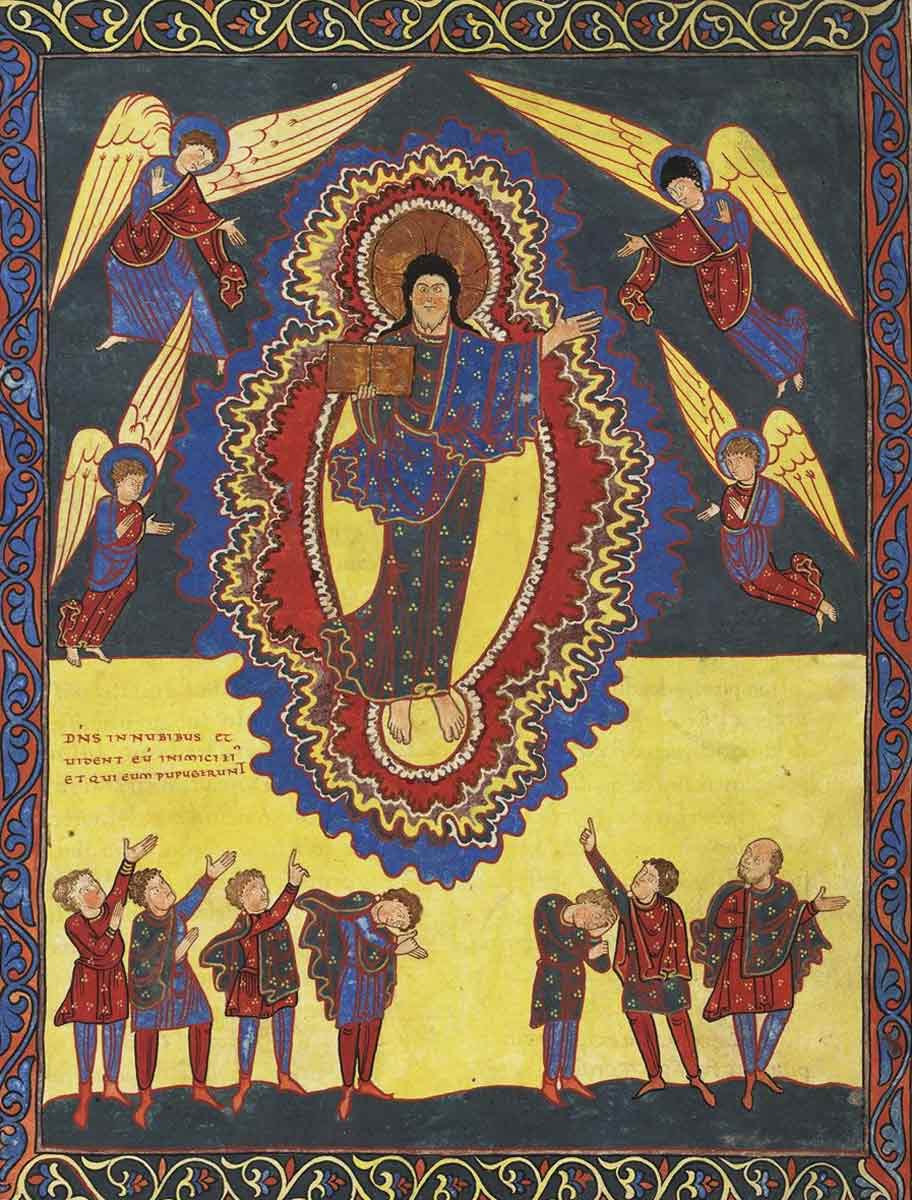
The second petition is, “Your kingdom come.” It isn’t surprising that Jesus would include the Kingdom of Heaven in his perfect pattern of prayer since it is perhaps the most central teaching of his ministry. This importance is underlined by the fact that the kingdom is mentioned again in the doxology at the end of the Lord’s Prayer (according to many texts): “For yours is the kingdom, the power, and the glory.” This kingdom belongs to God exclusively, and not to any other charismatic person, religious party, or political entity.
It is a teaching of Christianity that there are two kingdoms on Earth, which are in constant and irreconcilable conflict. One is the dominion of darkness, ultimately ruled over by Satan. It is a realm of sin, misery, and death. Against it, there stands the kingdom of Christ, a domain of light, life, and love. The Kingdom of Heaven came at Christ’s first coming when he initiated and established it. But the kingdom will come to completion and culmination at his second coming (the Second Advent or Parousia). This is a prayer that God will shorten the distance between those two events and destroy the devil’s kingdom once and for all.
The Will of God on Earth
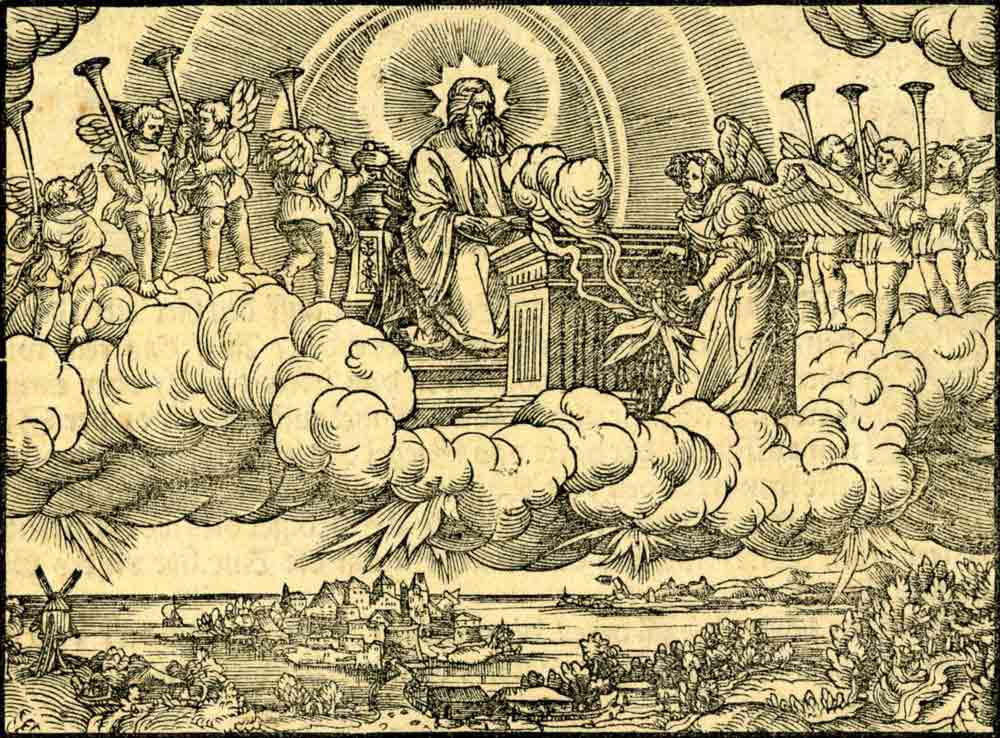
The third petition, “Your will be done on earth, as it is in heaven,” takes this prayer into the invisible realm, the abode of angels. Angels in the Bible are portrayed as spiritual beings who behold the face of God in heaven (the “beatific vision”), hear the words of his voice, and obey his commandments with diligence and fidelity. This heavenly situation lies in stark contrast to Earth, where we rebel and repine against the will of God. God’s will refers here to the high standards of his moral law, not to his plans. The prayer is that what ought to be, will eventually become what is in the here and now.
Some commentators point out that the first three petitions of the Lord’s Prayer are in fact asking for the same event in different ways. Right now, there is a terrible situation: a profane realm, a demonic kingdom, a sphere of selfishness. But there are the beginnings and rumors of a better place, above and within what is now, but ever growing. What Christians practice in these first three petitions is asking God to expand that better world, until the bad one is vanquished and destroyed.
Our Daily Necessities
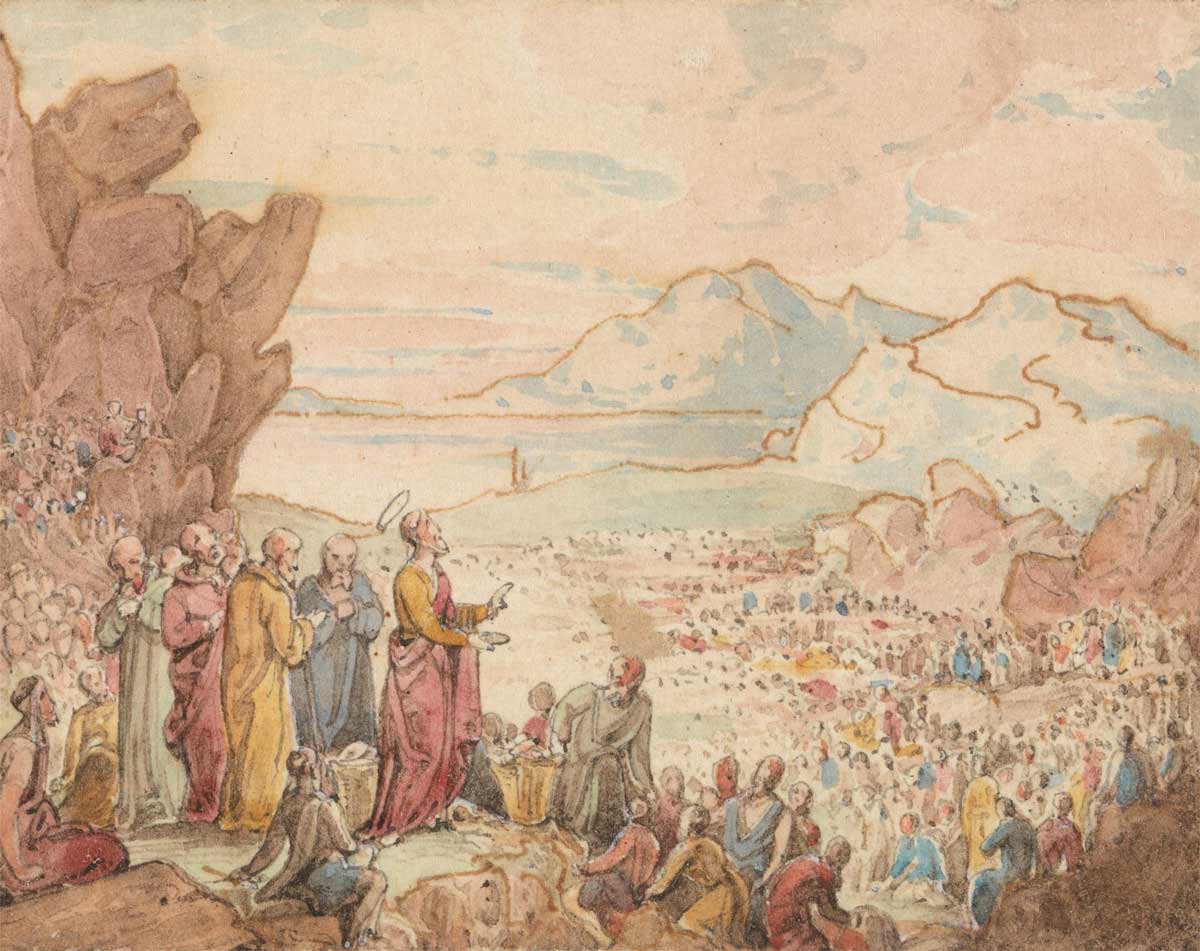
The fourth petition takes us from Heaven back down to Earth, and from God’s eternal purpose to our own everyday lives. Here we ask God to “Give us this day our daily bread.” Of course, bread doesn’t only mean bread. Bread stands for all the outward blessings of this life, such as food, health, clothes, shelter, warmth, and work as the usual means to provide for them. But the emphasis lies on trusting God for them on a daily basis, in the here and now, rather than worrying about bread for years in advance, hoarding it up, or making bread acquisition the sole purpose of our existence.
The fact that food is mentioned in the Lord’s Prayer at all shows that Christianity, although sometimes associated with asceticism, is not a religion that places itself beyond the everyday necessities of life. It does not look down on those who work to feed themselves or their families, as if to do so is to fail to live a sufficiently “spiritual” life. Food is vital to life, there is no denying it. And lack of food, as well as other symptoms of poverty, are real evils to be overcome.
However, the teaching of Jesus is about priorities. Seek his kingdom first, then, bread will be given to you as well (Matthew 6:33). Or, as Jesus had said earlier in Matthew during his temptation by the Devil, we don’t live by bread alone, but also by every word that proceeds from the mouth of God.
Forgiveness for Ourselves and Others
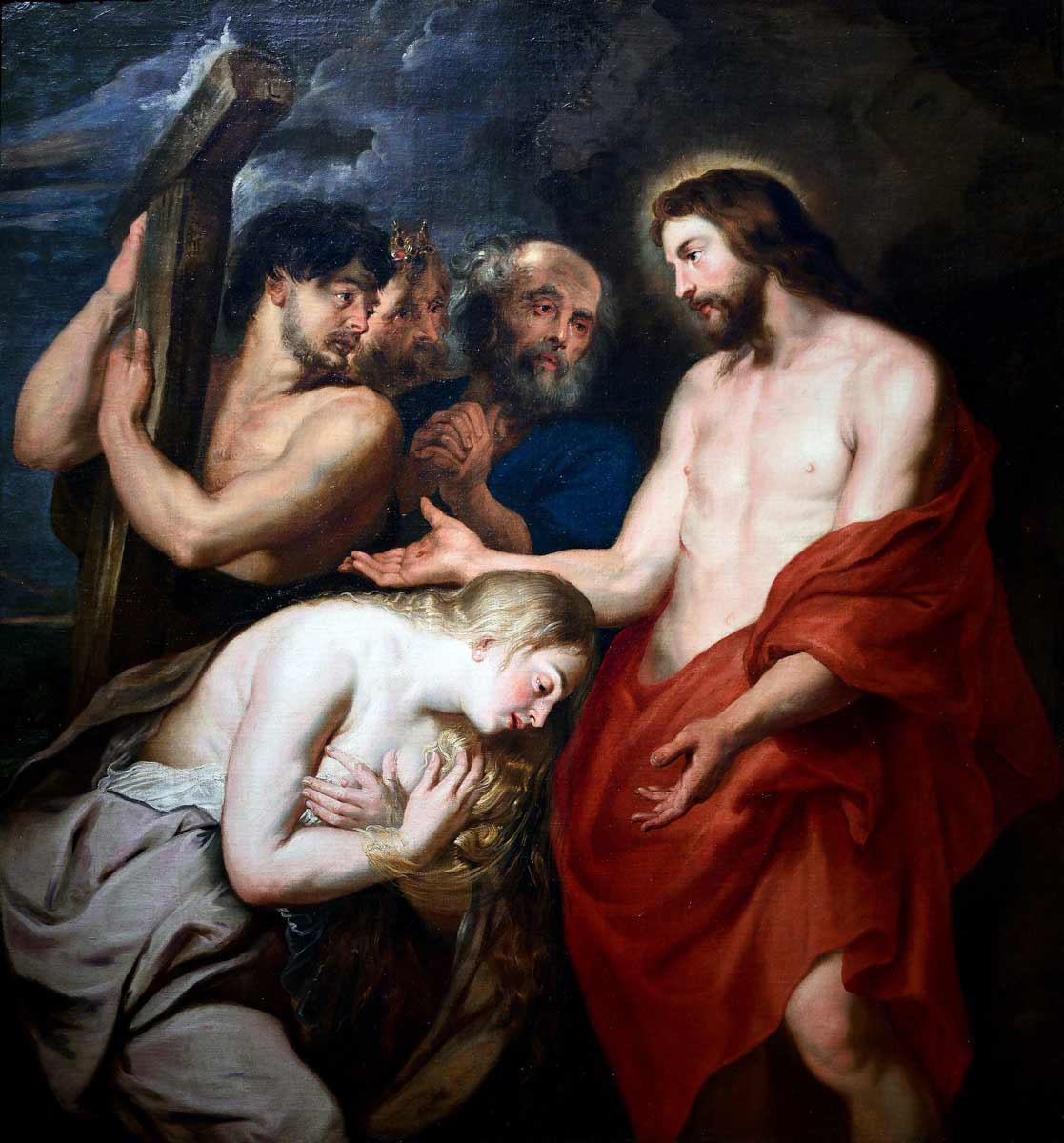
Forgiveness is a difficult topic and one that was made more complex by 1st-century conditions such as slavery. Is it a Christian duty to forgive everyone for everything, without limits or consequences? Are there people or offenses that are too terrible to forgive? Is forgiveness earned and deserved, or is it a free and gracious gift? How exactly do you show forgiveness to others or know you have received it for yourself?
Christ begins to answer these questions in the fifth petition: “Forgive us our debts, as we forgive our debtors.” Here he takes a metaphor from the world of economics, as many other Christian doctrines do too (e.g. redemption).
We have debts we owe to God. These are good works we should have performed but didn’t (theologians call these “sins of omission”). We can’t repay these debts, since we can’t go back and change time. Therefore, if we are to be free from those debts, the only way is for God to forgive us for failing to do them. This forgiveness is what we ask for here.
But this is only half of it. The evidence of our forgiveness from God lies in our willingness to forgive other humans who ask it from us. The very structure of this petition links the vertical with the horizontal in a single request. If we want forgiveness when we ask for it, we have to show forgiveness when others ask for it. We have to act toward others as God acts toward us.
Temptation and Evil
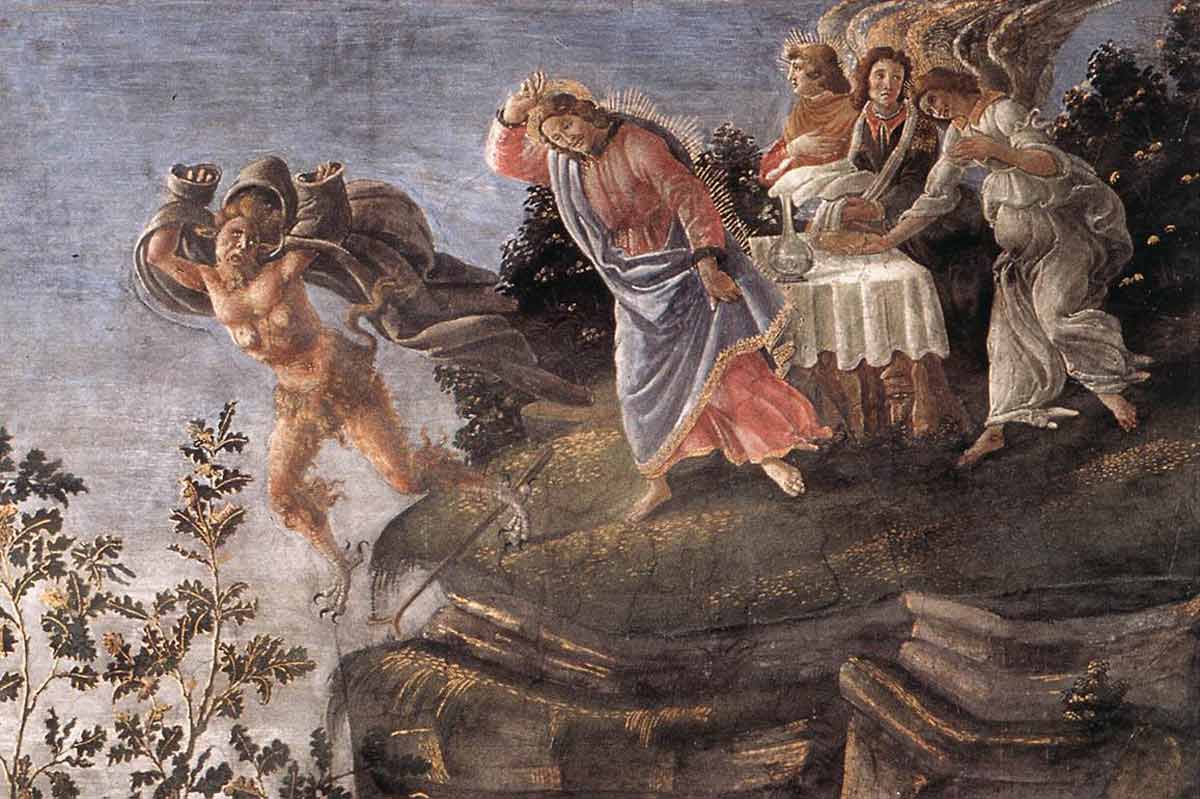
The final petition of the Lord’s Prayer takes a dark and difficult turn after the previous message of liberation from debt. It describes this world as a place of trials and malice from which we need to be rescued: “Lead us not into temptation, but deliver us from evil.”
Here are a few points on the language used.
- Temptation can carry a range of meanings, from the more positive idea of testing and trial to the negative senses of enticement and calamity.
- Most modern Bible versions now translate the phrase, “ … deliver us from the evil one.” So, the evil here is not merely moral harm, or the pain and trouble that flows from that. It is a reference to the malignant will of Satan behind it.
- The Greek word “to deliver” here is strong, implying imminent danger and total destruction. In the Greco-Roman world, it is associated with heroes rescuing victims from enemies. The Jewish mind portrayed God as a great deliverer from bondage and oppression.
The request made to God is two-fold. First, we ask that God will not bring us into spaces where those who wish us ill can exploit our all-too-human vulnerabilities. And, second, if we find ourselves in such a place, we ask that God would grant us divine protection in it and guidance to leave it in safety. Jesus brings both these requests together in a prayer towards the end of his life.
“I am not asking you to take them out of the world, but I ask you to protect them from the evil one.” (John 17:15)