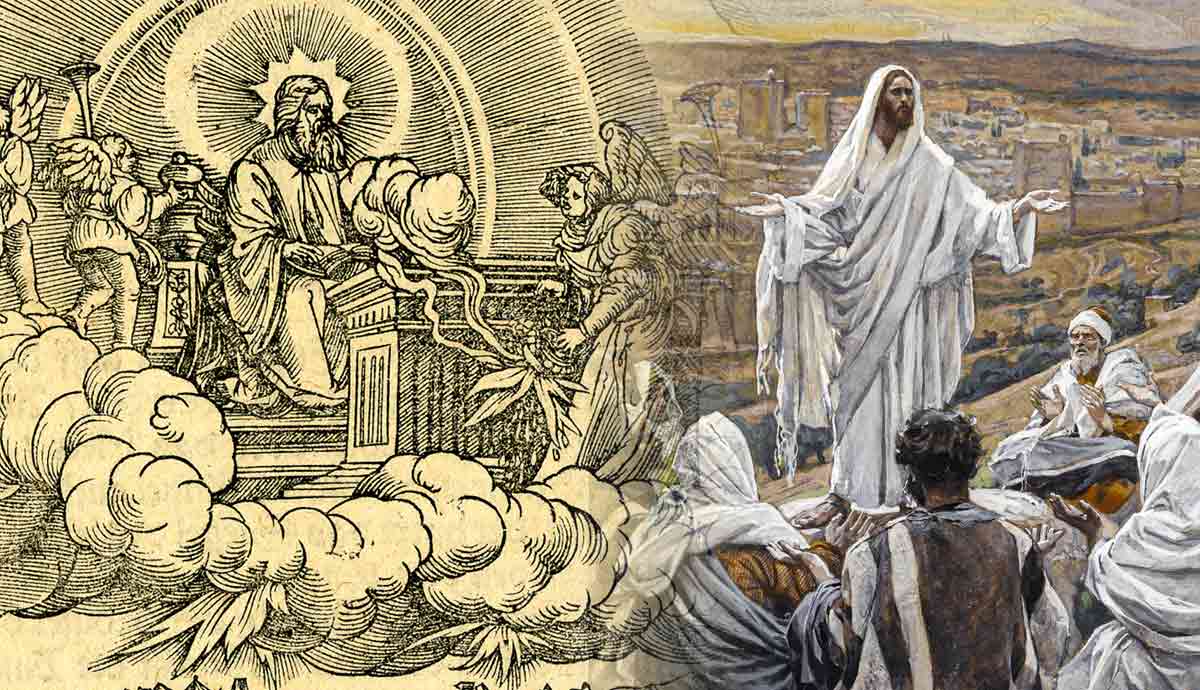

The Old Testament is the story of the people of Israel, later known as the Jews. However, Gentiles play a significant part in these events and genealogies. Some prominent Gentiles were contemporaries of Abraham, the father of the Jewish nation. Gentiles were close to Moses and David, two great Jewish leaders. Other righteous Gentiles include heroic women and fierce warriors who helped Israel. Prophecies about Gentiles were made by the Jewish prophets, which New Testament authors took as being fulfilled in the Jewish Messiah, Jesus Christ, and by his church.
Contemporaries of Abraham
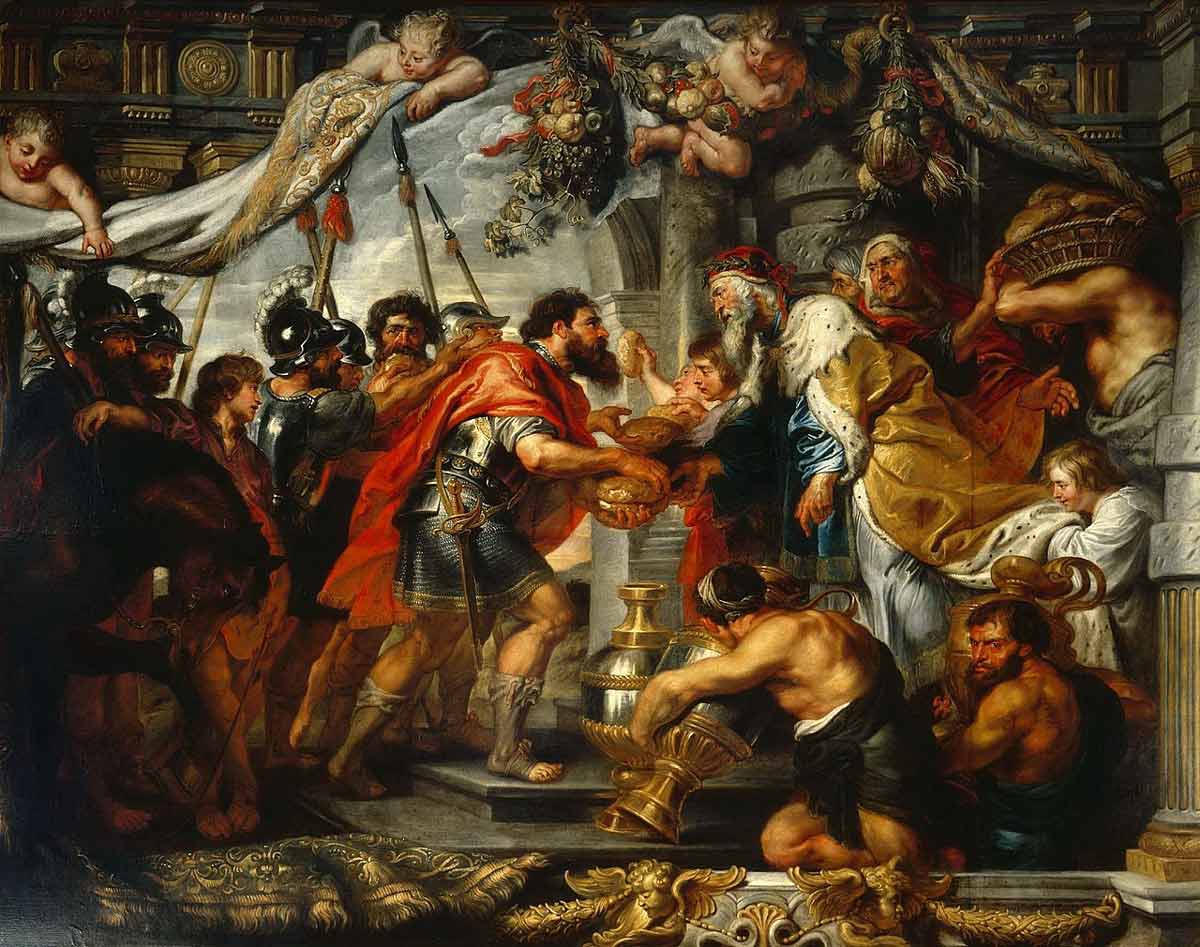
Abraham was the father of the Jewish people. It was with Abraham that God established his covenant which was signified in the rite of circumcision. So, in a sense, everyone before Abraham was a Gentile, as were all his contemporaries who were outside this covenant family. There was, however, a line of descent back from Abraham to Noah, and from Noah to Adam. Many scenes from Abraham’s life have been the subject of Christian works of art.
Two Gentile contemporaries of Abraham are worthy of note. The first is the mysterious Melchizedek, king of Salem and priest of God. Abraham met him after the Battle of Siddim, also called the War of the Nine Kings (Genesis 14). At the time this event occurred, Abraham was already established as a prophet and chosen by God. Yet Abraham gave tithes to Melchizedek as a form of spiritual tribute, acknowledging the superior position of the other holy man. The New Testament makes significant reference to this incident and what it implies about the greatness of Melchizedek (Hebrews 7).
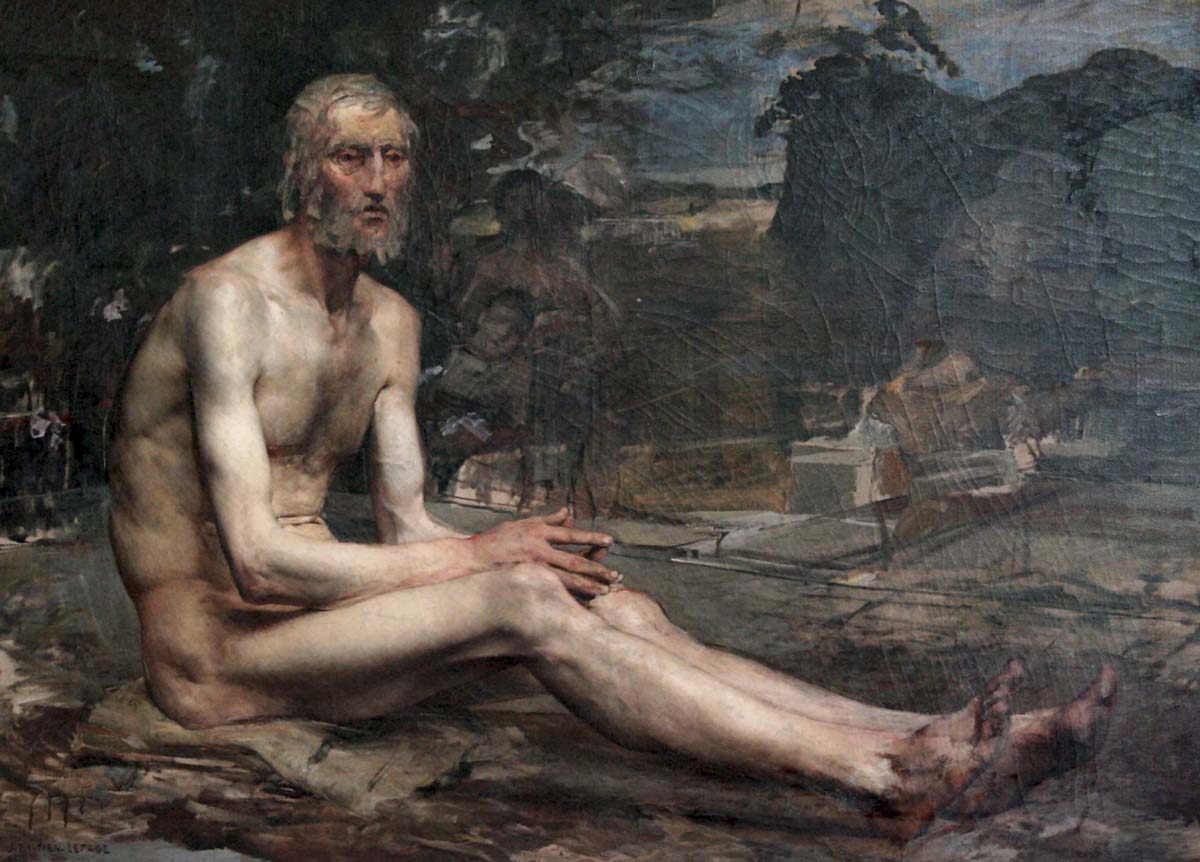
Job is generally considered as another contemporary of Abraham. Although not part of Israel, Job is called one of the most righteous individuals who ever lived by the Old Testament prophet Ezekiel, writing at the time of the Babylonian captivity of Judah. In his New Testament letter, the apostle James, a brother of Jesus and one of the leaders of the early church, uses Job as an example of patience during tribulation for Jewish Christians to follow.
Family and Foes of Moses
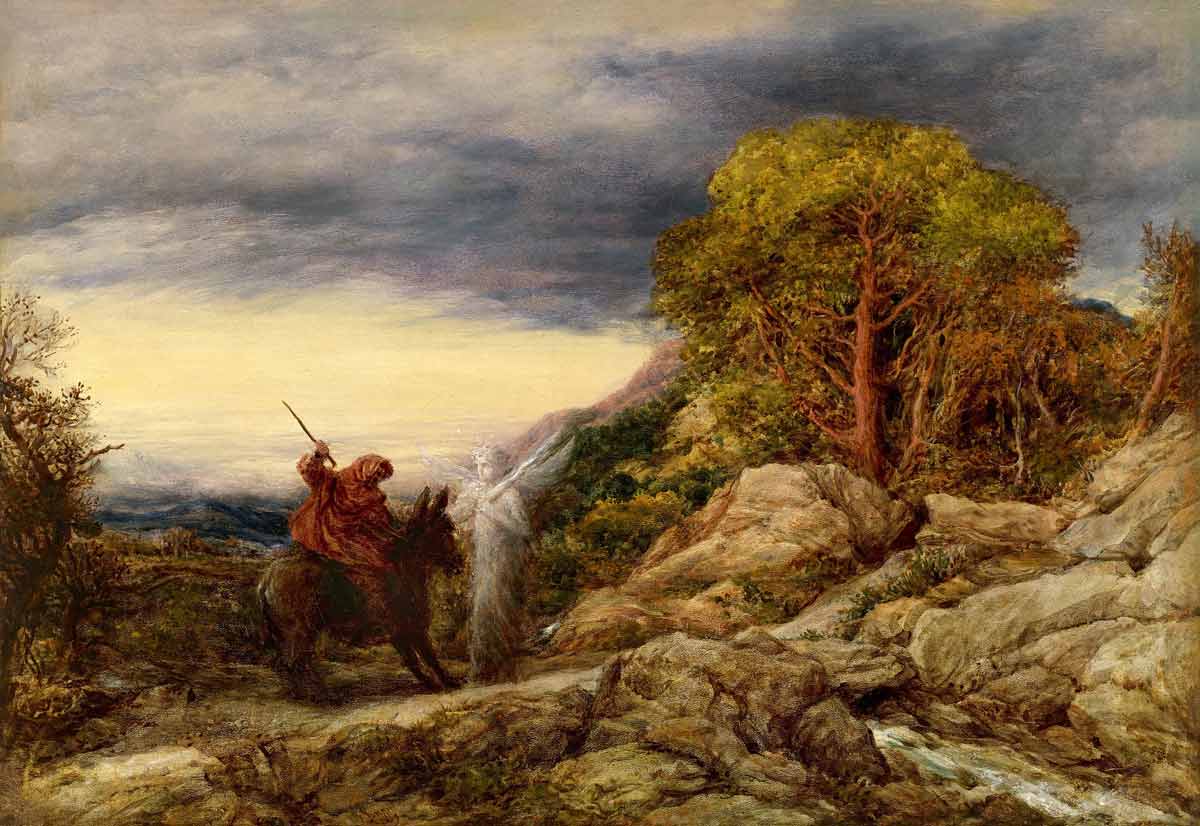
Moses was the founder of the Jewish people as a nation, with their own laws and lands. He was also considered the author of the first five books of the Bible, at least in tradition. But two Gentiles impacted his life in important ways. The first was Jethro, Moses’s father-in-law, who employed Moses as a shepherd and advised him to delegate lesser judicial matters. Jethro was a Kenite, a nomadic tribe, some of whom settled among the ancient Israelites. Later on, Moses married a Gentile woman from Cush, modern-day Sudan or Ethiopia (Numbers 12:1).
There is another Gentile who played a significant part in the life of Moses but who is difficult to classify with clarity. Balaam is a mysterious non-Israelite character who was hired by King Balak of Moab to curse Israel. Balaam told the king’s representatives he could only say and do what God told him. God spoke to Balaam directly, which explains why Balaam is called a prophet in other parts of the Bible, albeit a fallen or false one. Rabbinic literature calls Balaam one of seven Gentile prophets, along with Job.
Heroic Gentile Women
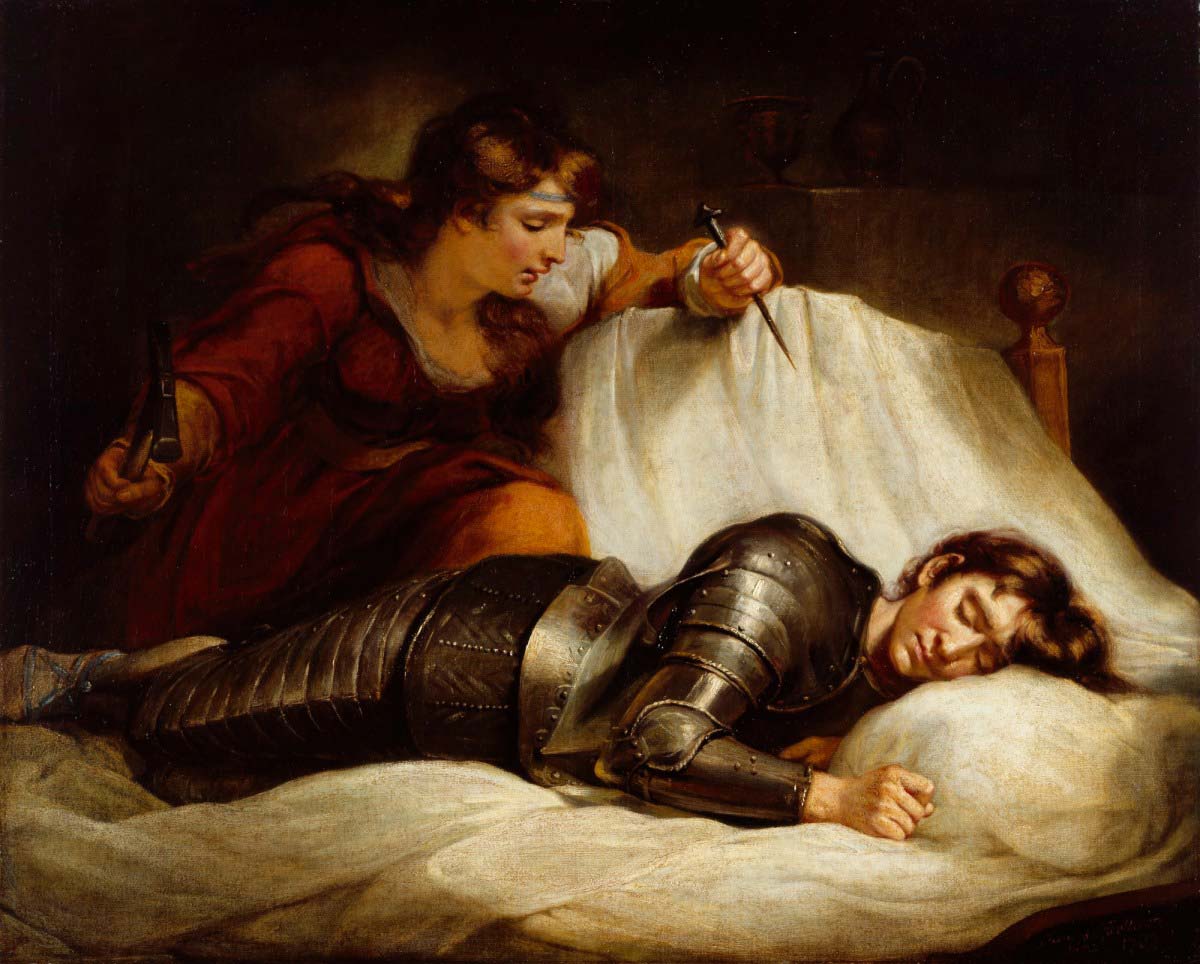
It is an interesting fact that many of the righteous Gentiles mentioned in the Bible are women. One example is the heroine Jael, a Kenite who lived at the time of the judge and prophetess Deborah. She killed Sisera (commander of a Canaanite army who fled after the forces of Israel defeated him) by hiding him in her tent and then hammering a tent peg through his skull (Judges 4). Another example is Rahab the prostitute, a Canaanite from Jericho who hid Israelite spies. The New Testament calls her an example of faith (Hebrews 11:31) and good works (James 2:25).
One of the most interesting facts about Rahab is that Matthew in his Gospel records her as an ancestor of Jesus Christ (1:5). Rahab went on to marry Salmon from the royal tribe of Judah, who was the father of Boaz. Boaz was the great-grandfather of King David. Boaz married a Moabite woman called Ruth, another heroic Gentile woman, and one of the few women to have a book of the Bible named after them. Her story is an incredible account of tragedy, loyalty, and triumph.
Gentiles With the Holy Ark
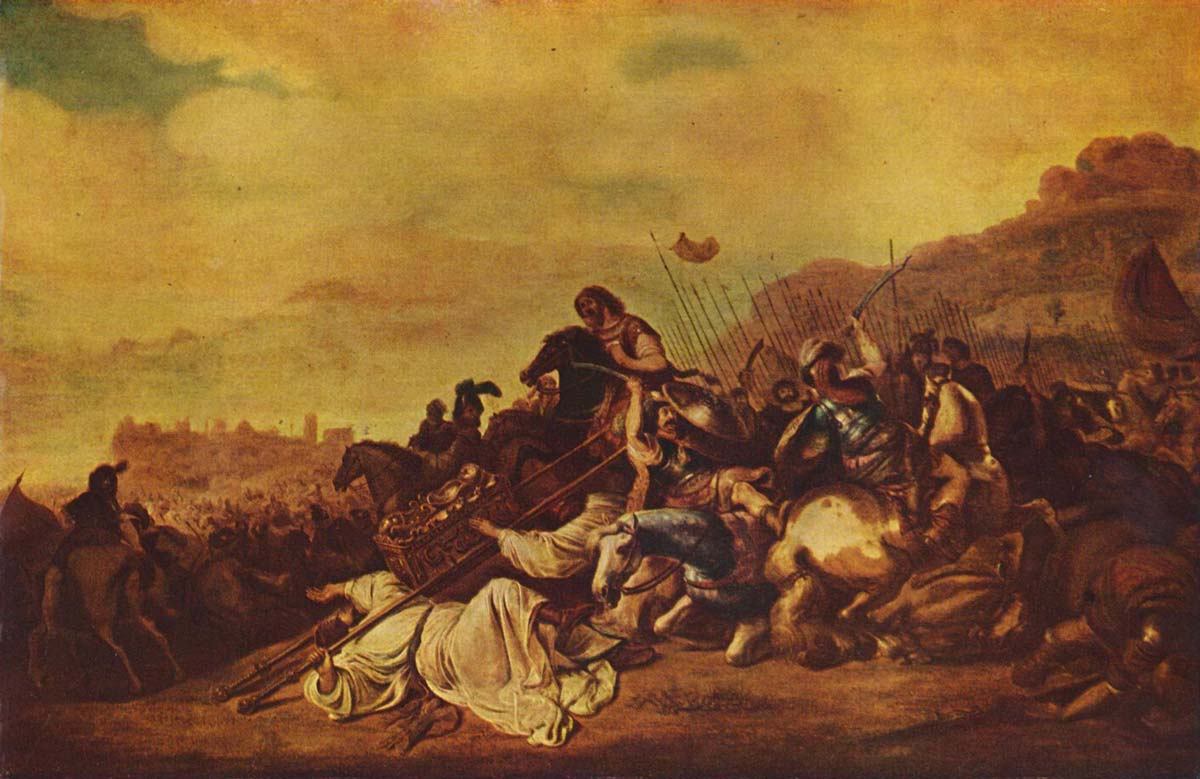
The Ark of the Covenant was a golden chest that stored objects that were holy to the ancient Israelites. These objects included the two stone tables of the law on which the Ten Commandments were written, the rod of Aaron held by Moses at the time of the exodus, and a pot of manna. Before King David brought the Ark to Jerusalem and Solomon built a Temple to house it, the Ark was moved by the Israelites and temporarily kept in different places, such as the cities of Shiloh and Bethel.
Gentiles come into the history of the Ark in at least two places. At one point, the Ark is captured by the Philistines, who were punished with cancerous tumors and bubonic plague. When discussing what to do, the Philistine priests show knowledge of the exodus event and advise a plan that shows respect to Israel’s God (1 Samuel 6:5-6). Later on, during the time of David, the Ark rested for three months in the property of Obed-Edom, a Gittite or person from the Philistine city of Gath, who received a special blessing during this time (2 Samuel 6: 10-11).
Great Gentile Warriors
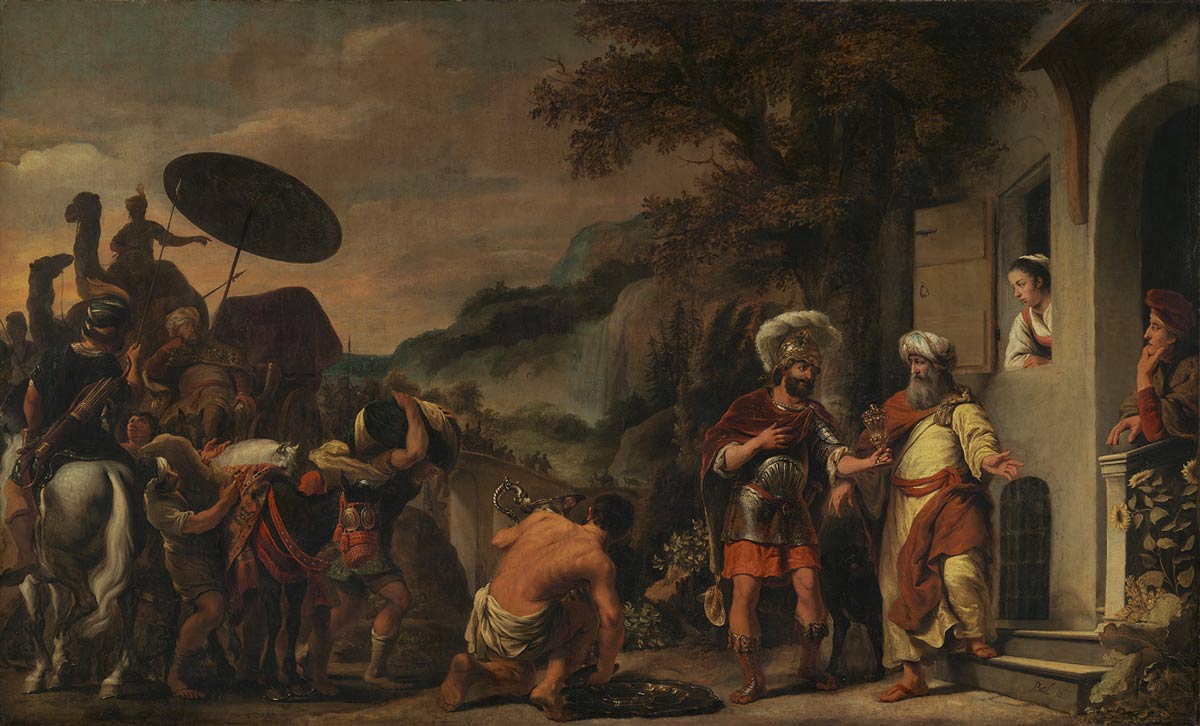
From the time of the conquest of Canaan, with all the military conflicts involved, there were important Gentiles who fought for Israel.
- Caleb was one of the spies sent out by Joshua to assess Canaan’s geography and defenses. He is portrayed as a brave and heroic warrior who acquired an inheritance of land with the tribe of Judah. But Caleb was a Kenizzite, an Edomite tribe associated with Canaan from the time of Abraham.
- There were at least two pre-monarchy judges in Israel, essentially functioning as a cross between a magistrate and a battle commander, who were Gentiles. One was Othniel, Caleb’s younger brother, who defeated a Mesopotamian king. Another was Shamgar, who had a non-Semitic name and lineage. Both are mentioned in the third chapter of the Book of Judges.
After the establishment of the monarchy, Gentiles continue to take part in Israel’s story.
- Uriah was an elite officer in the army of King David. He was a Hittite, an ethnic group that lived in Canaan before the time of Abraham. David had him murdered in battle so that he could marry Uriah’s wife Bathsheba, who was then pregnant with David’s child.
- Naaman was a highly respected and valiant commander of the army of Aram-Damascus. We are specifically told his victories came from God (2 Kings 5:1). But he suffered from a skin disease the Bible calls leprosy. After intervention by an Israelite slave girl and the prophet Elisha, he gets healed and acknowledges that there is only one true God.
Gentiles With Kings and Prophets
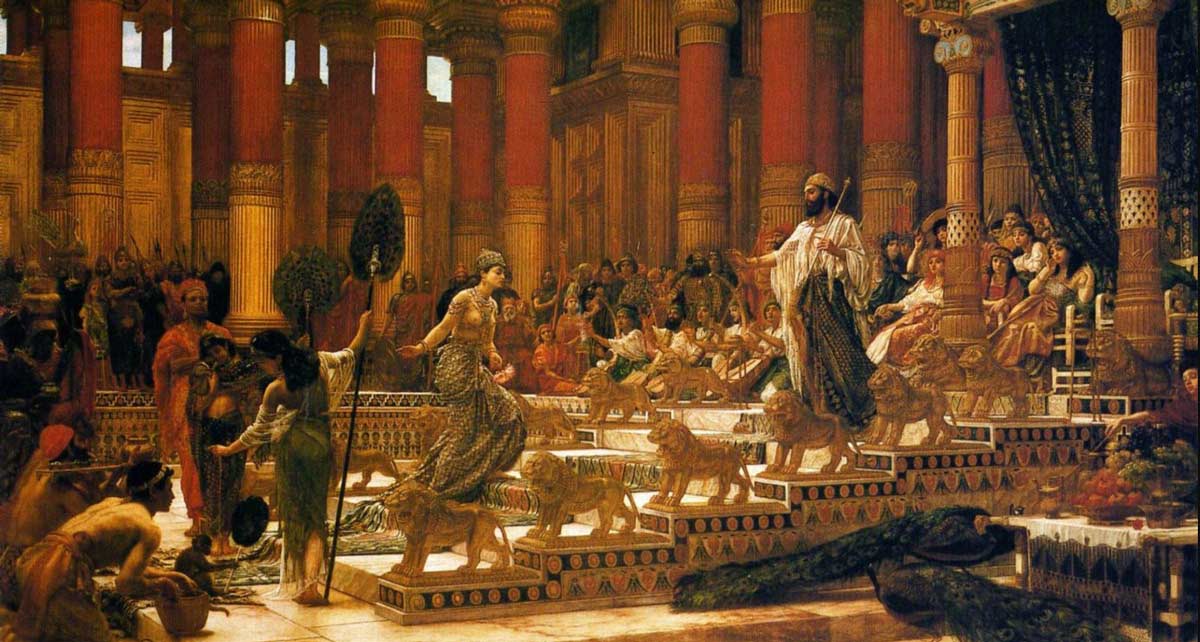
Two other important Gentile women need to be added to those already mentioned above. These differ due to the fact that we are not told their names. The Queen of Sheba famously came to King Solomon to test his reputation for wisdom with difficult questions. She ended up astounded by his answers and the prosperity of his reign. At the other end of the social spectrum, a widow from Zarephath (a Phoenician city on the Mediterranean coast) fed and housed the prophet Elijah at a time when he hid from evil king Ahab (1 Kings 17).
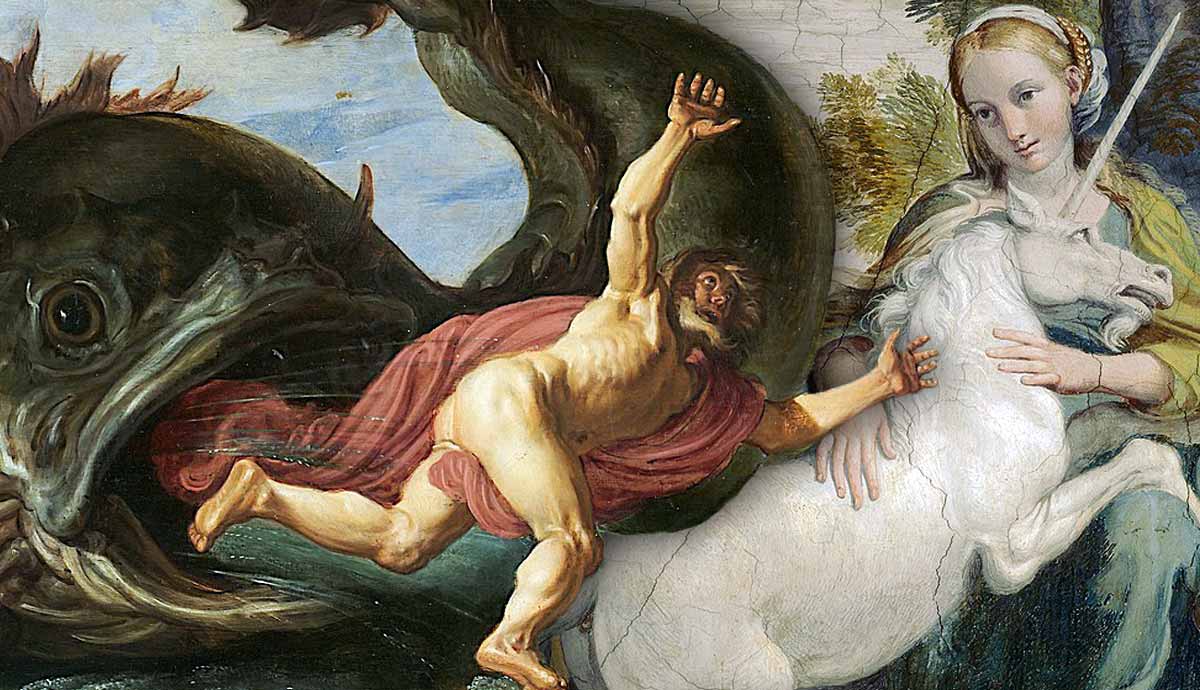
The entire story of Jonah is filled with Gentiles who act more righteously than the Hebrew prophet after whom the book is named. He was called to preach to the inhabitants of Nineveh, the capital of the Assyrian Empire. After refusing, Jonah eventually delivered his message and the people repented. God spared the city, much to Jonah’s fury. Another group in this story are the sailors who transported Jonah and threw him overboard, but only after asking God’s forgiveness and later swearing vows.
Promises and Prophecies to the Gentiles
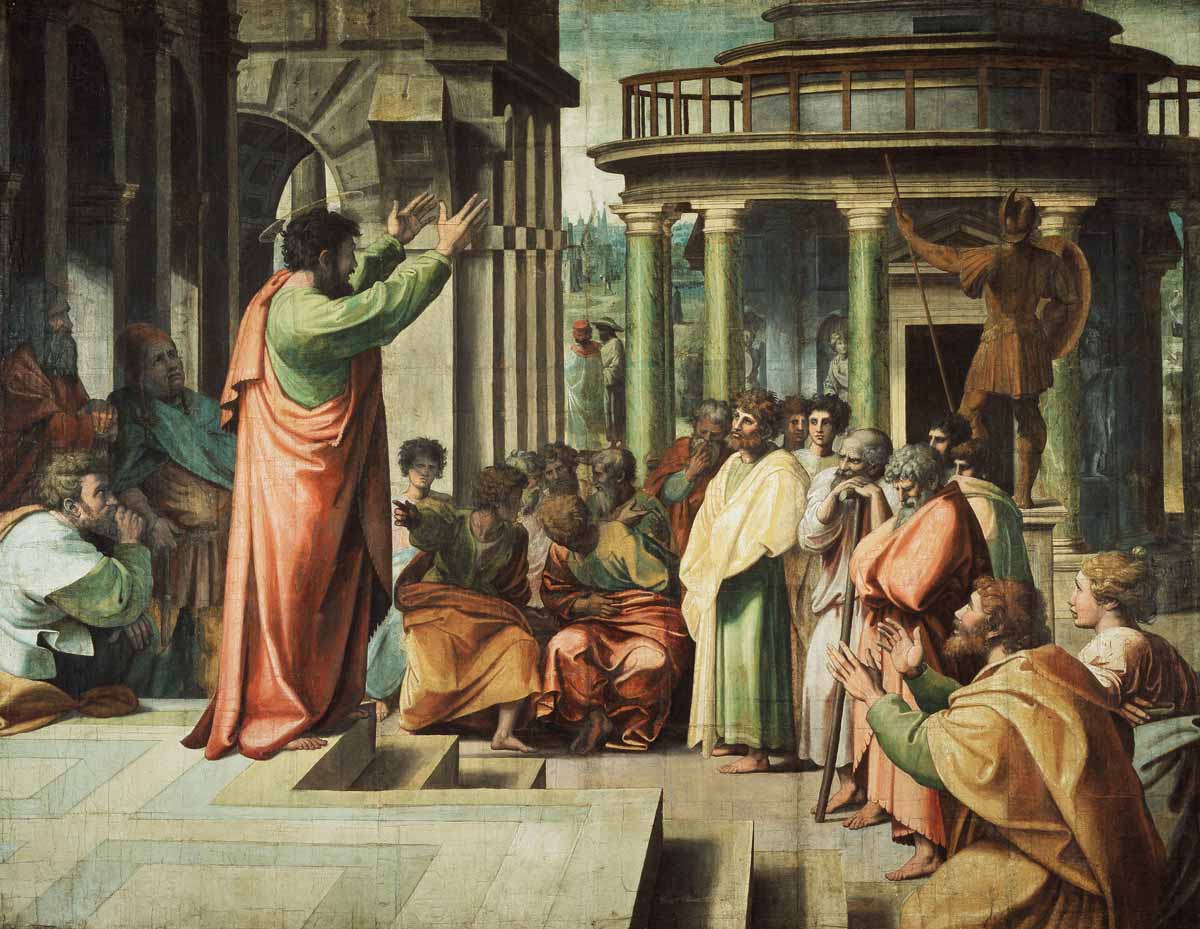
This article started out with Abraham, known as the Father of the Faithful. But part of God’s promise to Abraham was that through him “all the families of the earth will be blessed” (Genesis 12:3). This is a promise that is repeated to Abraham several times (18:8; 22:18; 26:4; 28:14). New Testament preachers and authors treat this verse as a messianic prophecy that was fulfilled in the acceptance and spread of the message of Jesus Christ to Gentile audiences (Acts 3:25; Galatians 3:8 etc.)
Handel’s Messiah quotes from a prophecy in the Old Testament Book of Isaiah 60:3: “And the Gentiles shall come to thy light, and kings to the brightness of thy rising.” Isaiah is full of similar words about the coming Servant of God who will act as a beacon to the Gentiles, and bring salvation to the ends of the Earth (42:6; 49:6). These words are explicitly repeated in the New Testament, firstly about the birth of Christ (Luke 2:32), and then about the missionary activities of Jewish Christians to the Gentiles nations.
Perhaps one of the best examples of such prophecies is in Psalm 22, which starts with some tragic words quoted by Jesus on the cross: “My God, My God, why have You forsaken Me?” And yet later on in verse 27 it contains this promise, “The whole earth will acknowledge the LORD and return to him. All the families of the nations will bow down before him.”