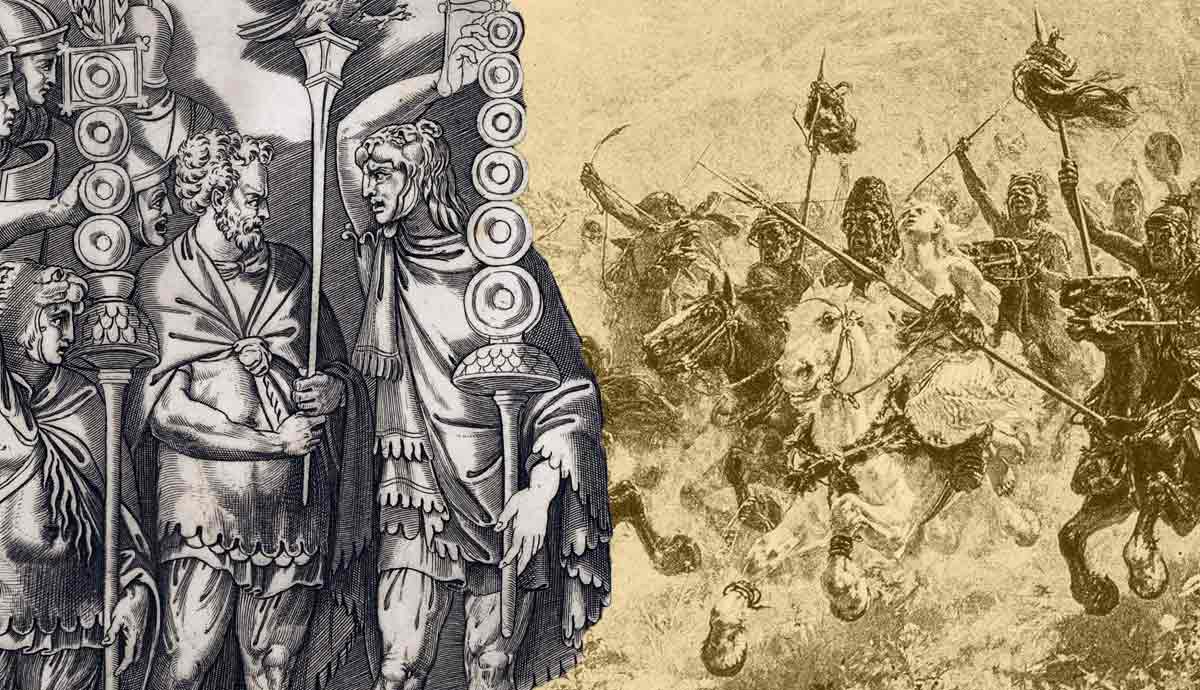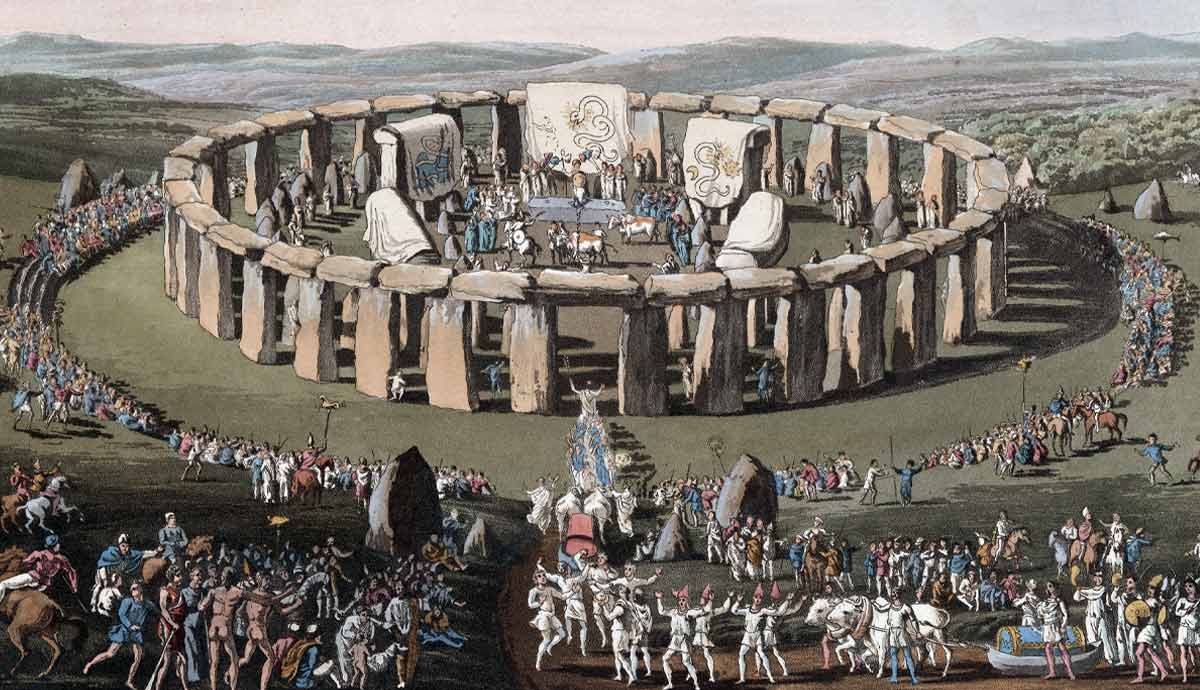
According to legends recorded by Greco-Roman authors writing centuries after the fact, Rome was brutally sacked by Gallic tribes in 390 BCE. Many commentators suggest that it was the threat of a repeated Gallic attack that encouraged Rome to adopt a more expansionist foreign policy, conquering barbaric enemies before they could threaten Rome. However, archaeological evidence suggests that while Gauls may have entered Rome in 390 BCE, the city was far from devastated. It is noteworthy that many of the stories related to the Gallic sack of Rome first appear in the Augustan Age and reflect the themes of other “new histories” composed under Rome’s first emperor. So, while there is no denying that the event had a significant impact on the Roman psyche and Roman approaches to war, did it really happen the way the sources suggest?
The Gauls Arrive in Italy
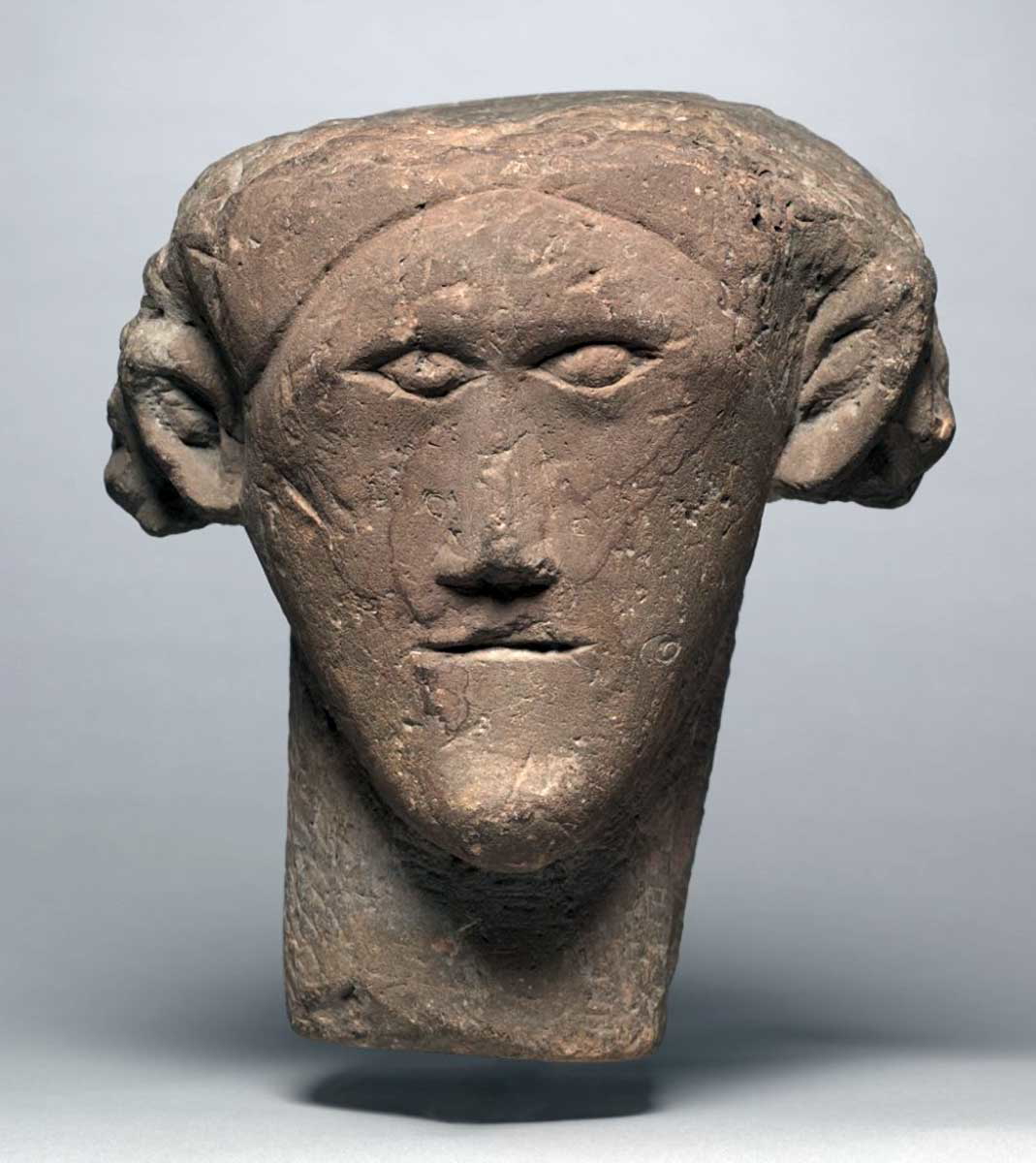
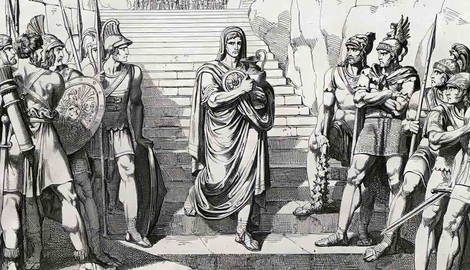
According to Dionysius and Halicarnassus (13.10-12), writing early in the reign of Augustus, the Gauls, considered Celts, were lured to Italy by a man called Arruns. From the Etruscan town of Clusium, he took on the guardianship of the son of Lucumo, the ruler of Clusium. But as the boy grew, he fell in love with Arruns’ wife and seduced her. The heartbroken Arruns went to Gaul to sell wine and olives, which impressed the Gauls, a comment that the author uses to imply their barbarity. Arruns, keen on revenge, explained to the Gauls that Clusium was surrounded by fertile land and that the inhabitants were not good fighters. So, the Gauls set off for Clusium.
The Gauls who set off were called the Senone Gauls, suggesting that they were originally from the Seine Basin. They crossed into Italy around 400 BCE. According to Dionysius, they made their way to Clusium, shocking the inhabitants with their unfamiliar culture and warlike nature. Clusium called on Rome for support.
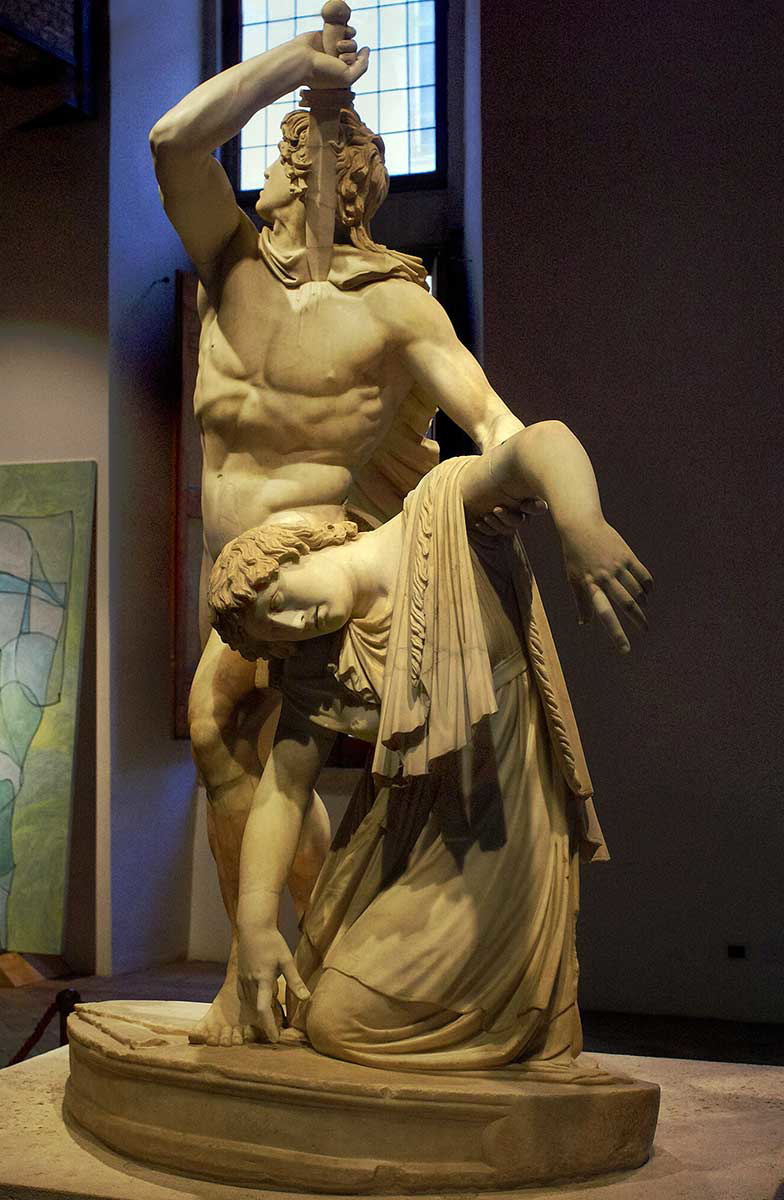
The Romans dispatched the three sons of Quintus Fabius Ambustus, a powerful aristocrat, to assist in the negotiations. The Gauls said that they would leave Clusium alone in exchange for cultivable land, but the people of Clusium were reluctant. A quarrel broke out during the negotiations, and the Roman brothers got involved, killing a Senone chief. This angered the Gauls, as they were there as ambassadors under a banner of neutrality.
The brothers retreated to Rome, and the Gauls demanded retribution. The Senate was unwilling to condemn the brothers due to their father’s power and influence. Meanwhile, the public assembly voted the brothers the exceptional roles of tribune of the plebs with consular powers, further angering the Gauls. The scene was set for conflict.
Modern scholars believe that this backstory seems unlikely. Clusium would not have been an important enough ally for Rome to risk conflict with the Gauls over. Moreover, the Gauls did not need this excuse to set their sights on Rome, which was quickly growing its Italian hegemony. Scholars suspect that this elaborate story was invented to justify the conflict. It became Roman tradition to provide a pretext, no matter how flimsy, for any conflict. They probably also wanted to present Rome as the bulwark of Italy against the Gauls, justifying their later conquest of the peninsula.
The Battle of Allia
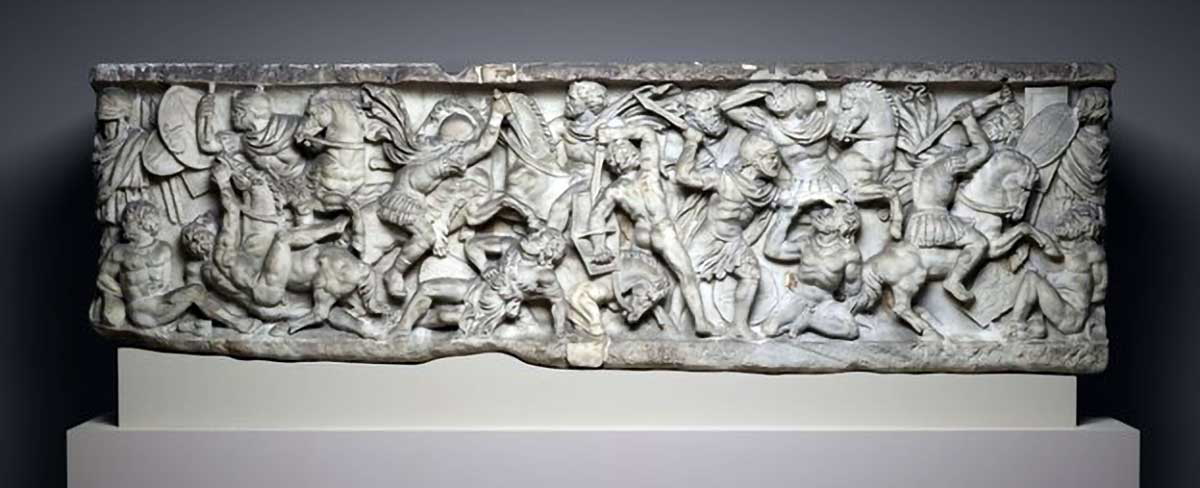
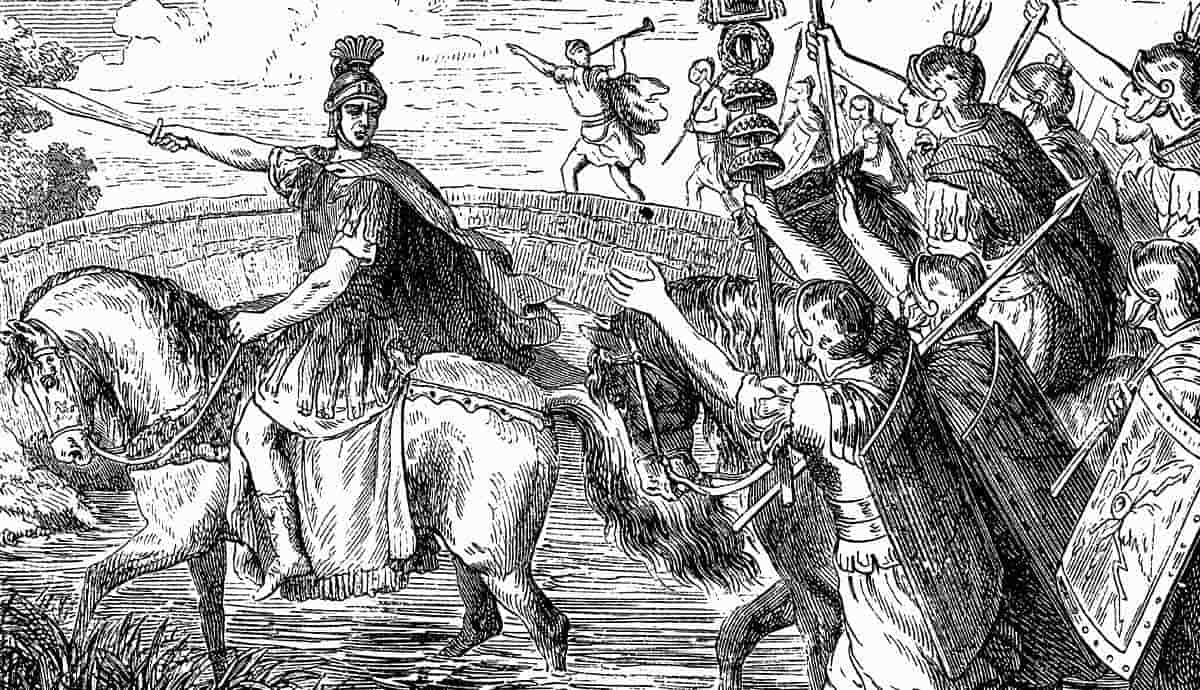
In response to the Roman insult, the Gauls gathered their forces and advanced toward Rome. They moved quickly, giving the Romans little time to prepare, but they gathered their troops and met the Gauls at the confluence of the Tiber River and the Allia Estuary, just ten miles north of Rome.
While several ancient sources mention the battle, the details are inconsistent. Diodorus Siculus suggested that the Romans had 24,000 men against a horde of 40,000 or more Gauls (14.114). Plutarch suggested that they were more evenly matched, with the Romans fielding 40,000 men, though mostly untrained citizen soldiers (Camillus 18.4). Dionysius of Halicarnassus states that the Romans had four well-trained legions, plus untrained citizens, totaling approximately 35,000 men (14.113-117). That cannot be accurate because the Romans only had two standing legions until the Second Samnite War, with four legions first recorded in 311 BCE. Modern scholars suggest that the Romans probably had around 15,000 troops against a similar number of Gauls.
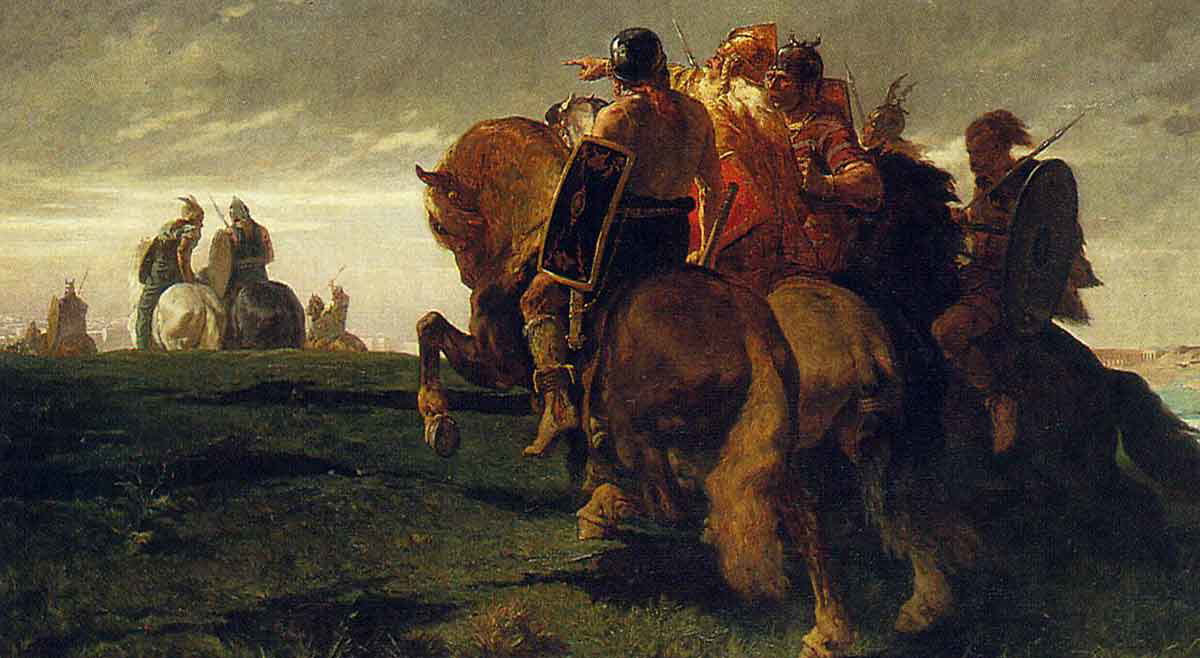
Either way, the Romans suffered a devastating defeat. Much of the story is told by Livy (5.35-5), a historian writing under Augustus known to tow the “imperial line” when relating events. Livy suggests that the Romans were underprepared for the battle. They did not use a defensive rampart, as was common by Livy’s day, or make offerings to the gods in the way they were supposed to. The idea of ensuring divine support for military action was central to Roman religion, so this forms part of Livy’s explanation for the defeat.
Both Livy and Dionysius of Halicarnassus report that the Romans deployed their troops thinly, except for reserves or weaker soldiers, whom they positioned on a hill. The Gauls, led by a man called Brennus, were suspicious of this and attacked the hill first. The force of the attack threw the Romans on the hill into a panic, and they fled. Many were cut down by the Gauls, others tried to make their way across the river but drowned in their armor, which was too valuable to leave behind. Those who survived retreated to Veii, an Etruscan city that had been captured by the Romans about a decade earlier. However, Livy says that these troops did not send a message to warn Rome. The troops not on the hill were also routed and retreated to Rome.
The Sack of Rome
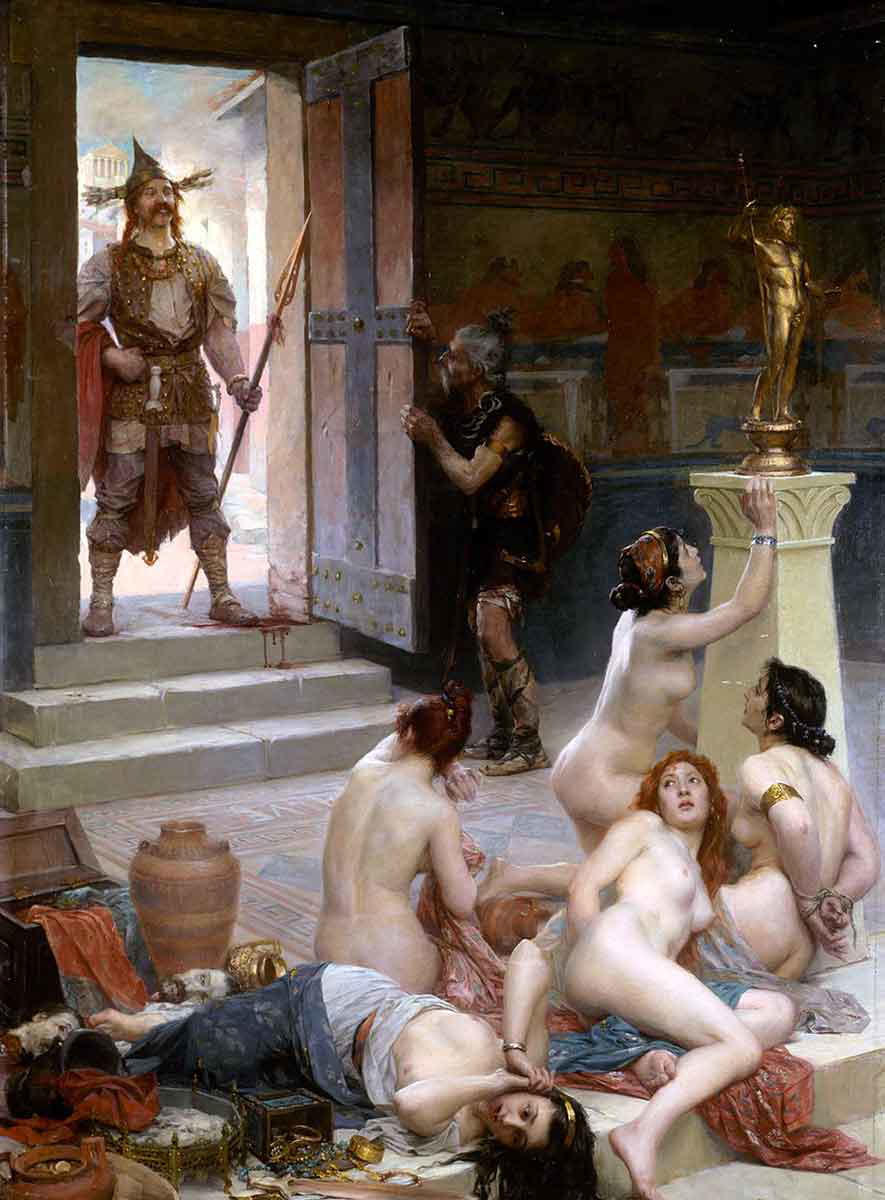
As the fleeing soldiers arrived in Rome, the Romans quickly decided that they did not have the manpower to defend the city. They gathered their sacred objects and entrusted them to the Vestal Virgins and the Flamen of Quirinius. They sent them to safety in the Etruscan city of Caera with a good portion of the Roman population.
Meanwhile, the men of fighting age, senators in their prime, and their wives and families barricaded themselves on the Capitoline Hill. The older magistrates offered themselves up as devotio to the chthonic gods in a final effort to protect the city. While the rest of Rome was abandoned, many dressed in their magisterial clothing and regalia and sat in their grand houses, left open for the Gauls to enter freely, waiting.
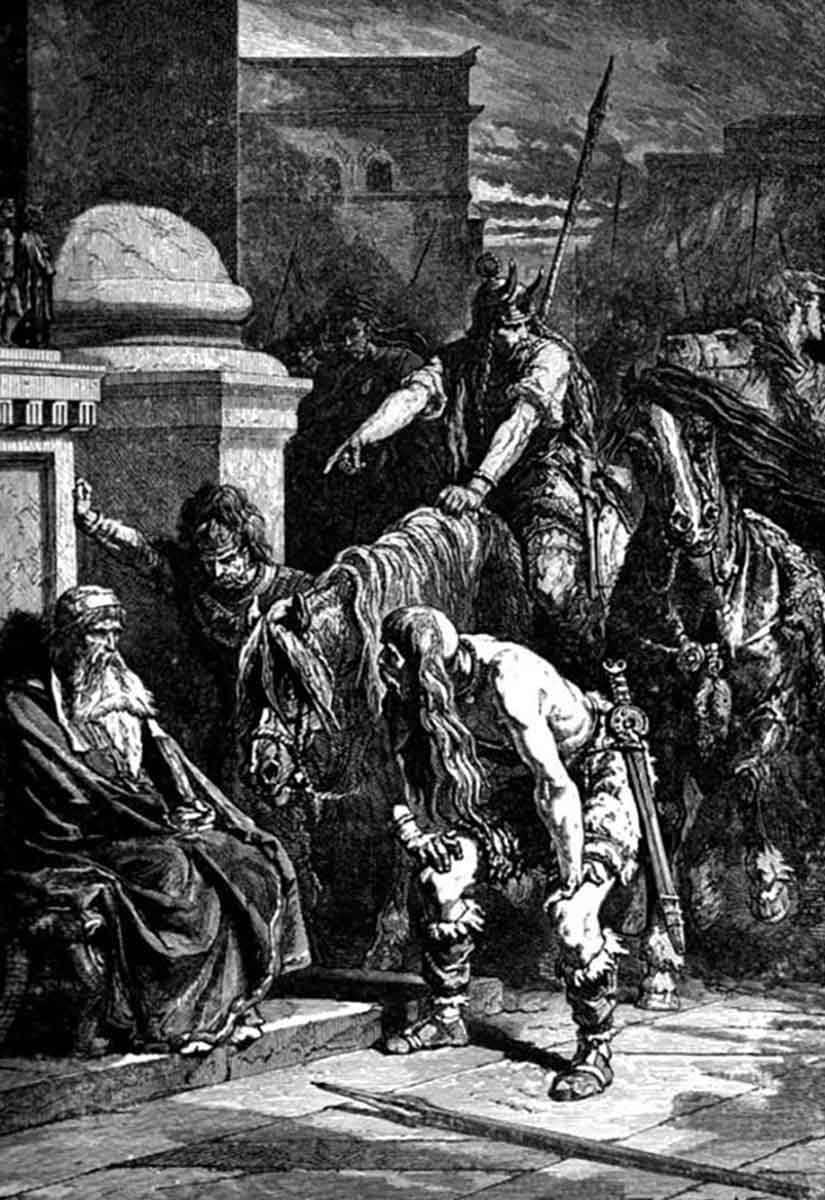
According to Livy, the Gauls arrived at Rome before sunset to find the city eerily quiet and undefended. According to Diodorus Siculus, the Gauls were delayed because they spent the first day after the battle cutting off the heads of the dead, as was their custom. Rather than risk entering during the dark hours, the Gauls waited until morning. As they walked the streets, they saw no one but the tranquil and regal-looking aristocrats who were willingly sacrificing their lives. Violence finally broke out when a Gaul found himself staring at Marcus Papirius and then touched the old man’s beard. Papirius responded by hitting the Gaul with an ivory staff. This kicked off the slaughter of the magistrates.
Livy says that the Gauls then set fire to much of the city to scare the Romans barricaded on the Capitoline into surrendering. They were unsuccessful, and archaeology suggests that any burning was limited in scope. There is no evidence of the expected “destruction layer” associated with a major sacking, even in the places most likely to be affected, such as the Forum.
A Long Siege
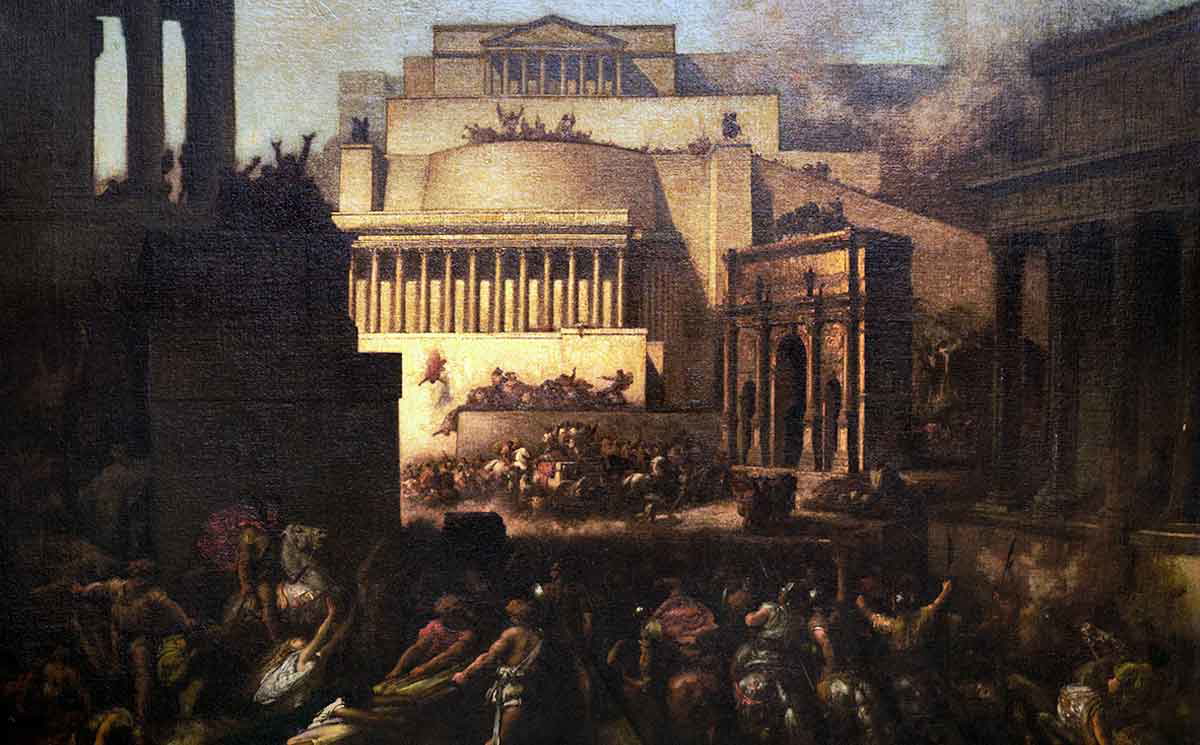
What was probably planned as a quick smash-and-grab attack turned into a drawn-out siege. The siege started sometime in July, 390 or 387/6 BCE. Precise dating is difficult to determine due to the difficulty of Roman dating by the names of consuls and the changing length of the Roman year until the reforms of Julius Caesar. Whenever the siege started, it was long and may have lasted seven months.
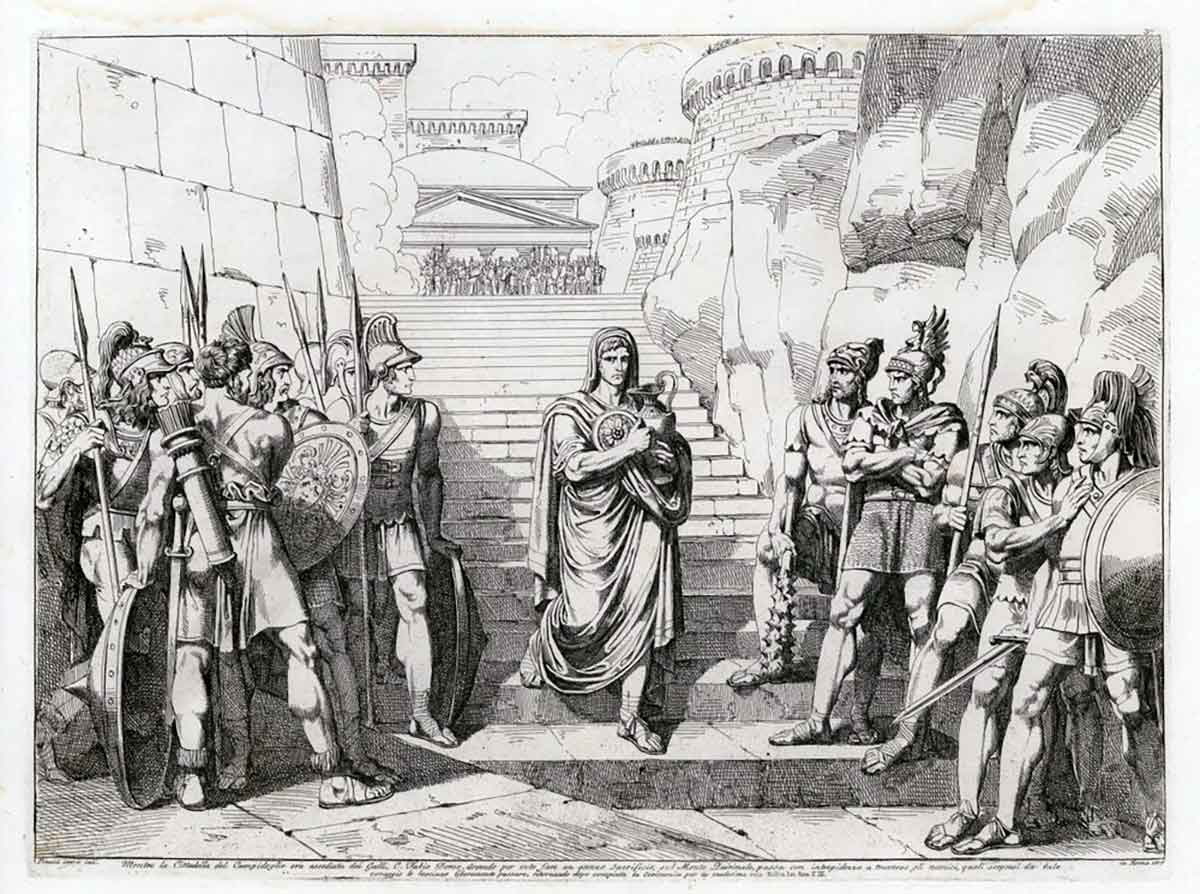
Livy takes the events of the siege as an opportunity to tell a story about a priest called Gaius Fabius Dorsuo. On a date during the siege, it was customary for the Fabii family to hold an annual sacrifice on the Quirinal Hill. Despite the danger, Dursuo left the Capitol with his sacred vessels and passed through the enemy lines to reach the Quirinal to perform his sacrifices. He then returned to the Capitol. This piety contrasts with the missed sacrifices before the Battle of Allia, marking a turning point in Rome’s fortunes.
While Gallic forces often applied pressure on the Capitol, others went out to forage for food. In the meantime, an ex-Roman dictator called Marcus Furius Camillus was in exile in Ardea. He learned of the situation in Rome and gathered troops. He attacked and slaughtered many of the foraging Gauls, greatly reducing their numbers.
At the same time, the Roman troops that had fled to Veii regrouped under Quintus Caedicius, a centurion. They first defeated a group of Etruscans who were using the opportunity to attack the region around Veii. Caedicius then decided that they should join forces with Camillus and accept his command, but he technically needed the Senate’s permission. Caedicus sent a man named Cominius Pontius to Rome, who made a daring climb of the steep Capitol to get the approval of the Senate. They agreed and appointed Camillus dictator, granting him broad powers to address the Gallic threat.
Breaking the Siege
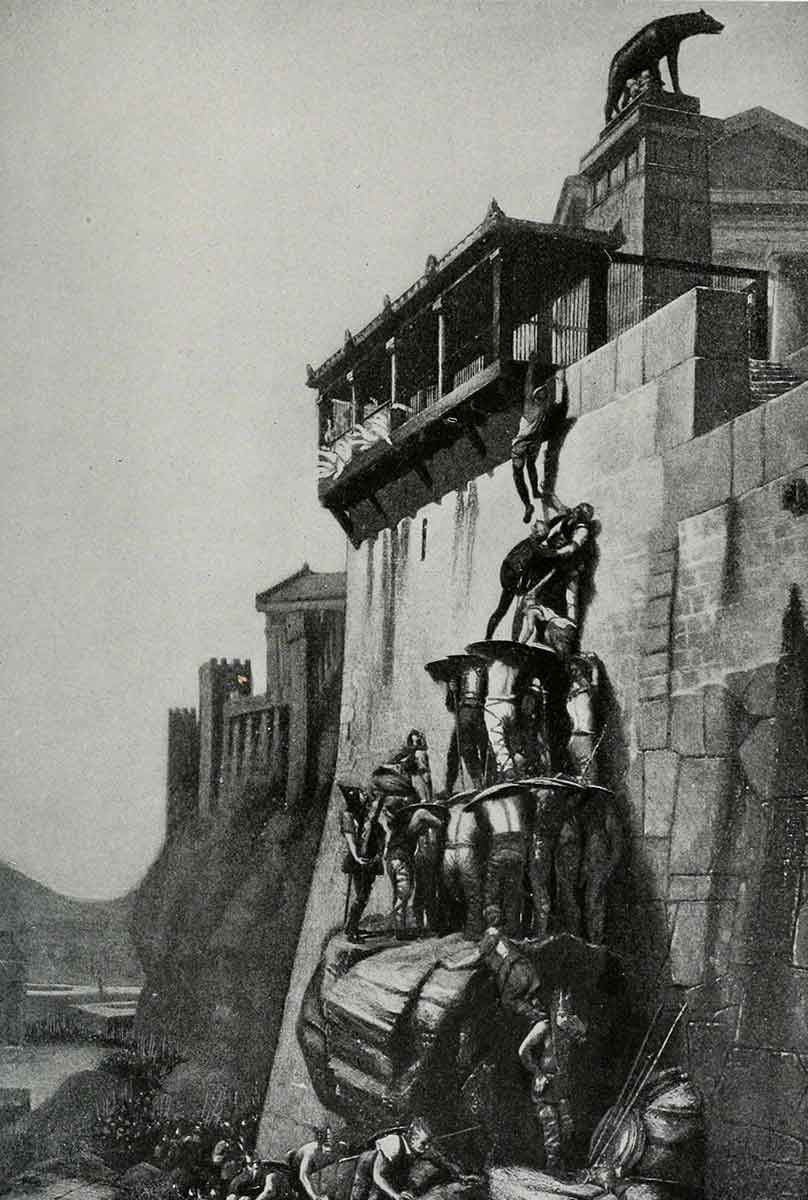
Cominius’ daring scaling of the Capitoline apparently showed the Gauls how this was possible, and one night they scaled the hill. While the guards did not hear them, the sacred geese of the goddess Juno raised the alarm, waking up the Romans in a sign of renewed divine favor. A former consul, Marcus Manlius, later known as Capitolinus for his exploits, knocked down a Gaul who had reached the top, and led the men to push back the rest.
With no way of breaking the siege and with famine and disease affecting both sides, the Gauls gave the Romans another opportunity to surrender, indicating that they would be willing to take payment for leaving. The Romans held off, waiting for Camillus, but were eventually forced to agree. They paid the Gauls off with the equivalent of 330 kilograms of gold. The Gauls were reportedly unfair in their dealings and rigged the weights. When the Romans complained, the Gallic leader Brennus added his sword to the fake weight and apparently proclaimed “vae victus” (woe to the vanquished).
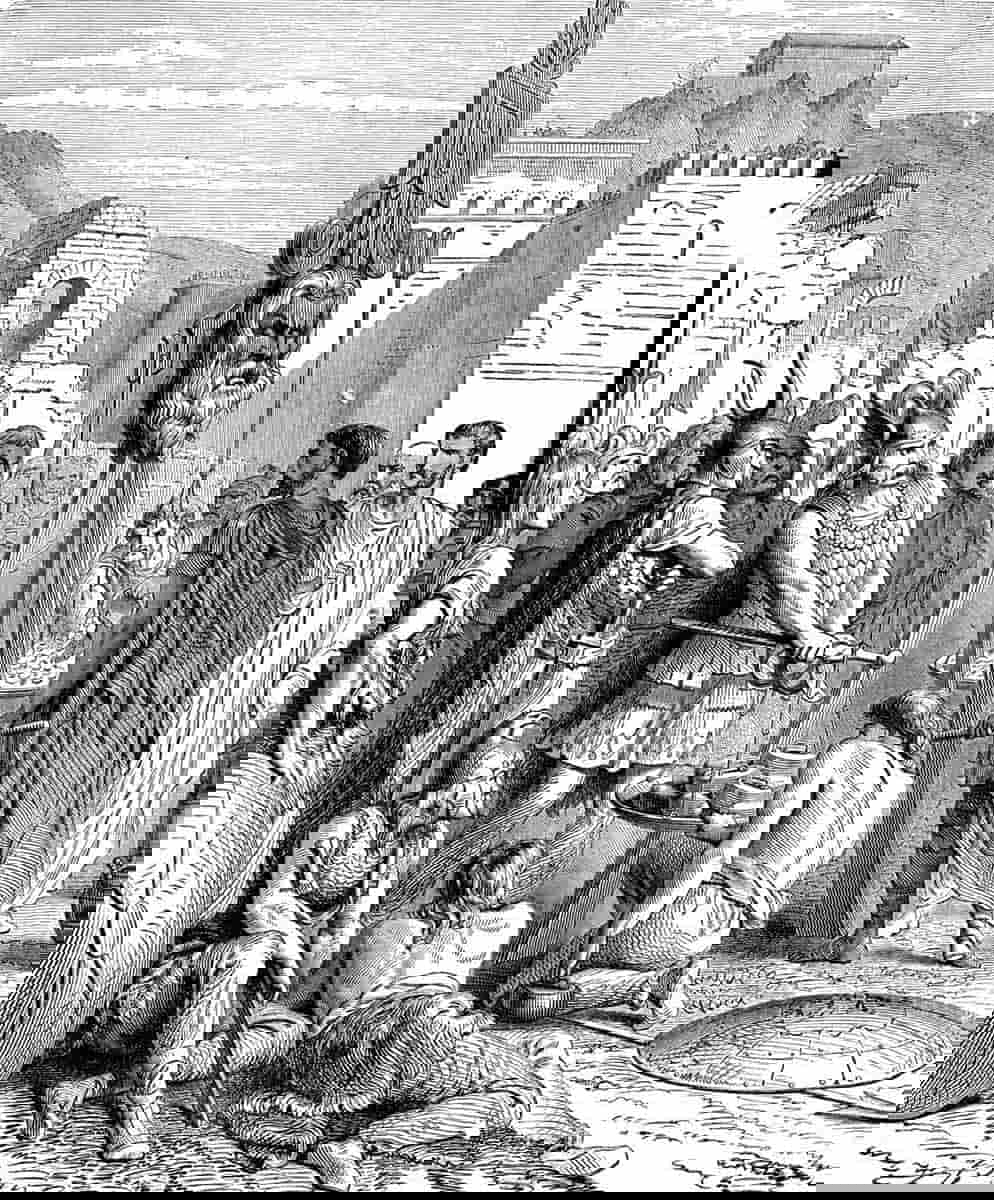
Depending on the source, as the details were being determined or not long after the Gauls had left Rome, Camillus finally caught up with them and demanded the return of the ransom. He claimed that the deal had been agreed by a magistrate lesser than himself and was therefore invalid. According to Plutarch, this encouraged Camillus to utter the famous phrase “non auro, sed ferro, recuperanda est patria“ (not gold but iron will deliver Rome).
Naturally, the Gauls did not agree. Camillus soundly defeated them in skirmishes across the city. He then pursued them about eight miles east of Rome along the road to Gabii, where they were defeated again. Livy suggests that the defeat was total and that not even a messenger was left alive to report the disaster.
Other historians give different accounts. Polybius suggests that the Gauls did not leave due to famine, but because other Gauls were threatening their home territory in Cisalpine Gaul. Strabo suggests that they took the ransom with them, and it was only recovered a few years later. Suetonius suggests that the ransom was only recovered a century later when the Livii Drusii fought with the Senones on campaign in Gaul in 283 BCE. Writing well into the Empire, it seems no coincidence that Suetonius would mention the Livii Drusii, who were important members of the Julio-Claudian family. Augustus’ wife Livia was a member of the gens, as were her sons, the future emperor Tiberius and his brother Drusus.
Just a Story?
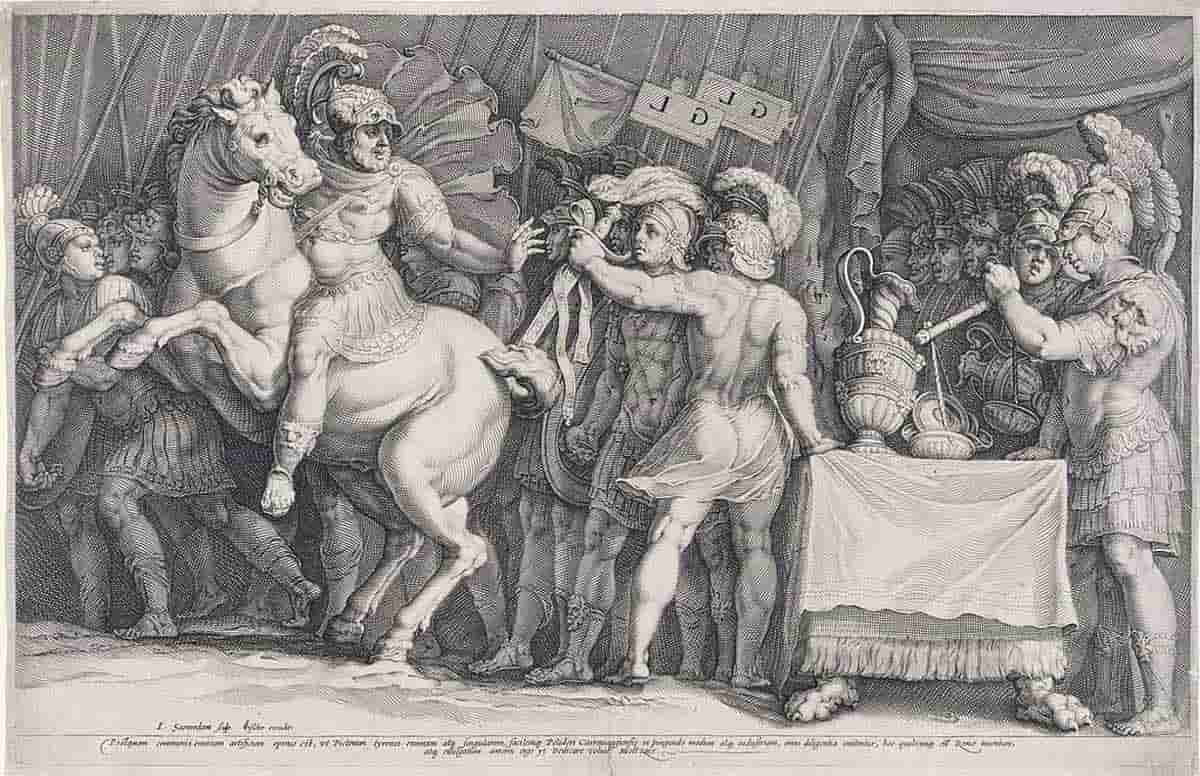
There is no doubt that the Romans in the Augustan Age believed that Rome was sacked by the Gauls around 390 BCE. This belief was certainly based on an older tradition, as it is mentioned by Polybius in the 2nd century BCE. However, he simply states that the Gauls assaulted Rome itself, except for the Capitol, and that it was after this that Rome began to expand (1.6.1-3). Many of the details surrounding the core story only emerge in the Augustan Age, when Augustus was rewriting history to support his new regime.
Archaeological evidence provides no indication of a major Gallic presence in Italy in the 4th century BCE. It also suggests that Rome underwent no significant damage during that time. This suggests that the story of the Gallic assault on Rome was greatly exaggerated in the centuries that followed.
An Augustan Epic?
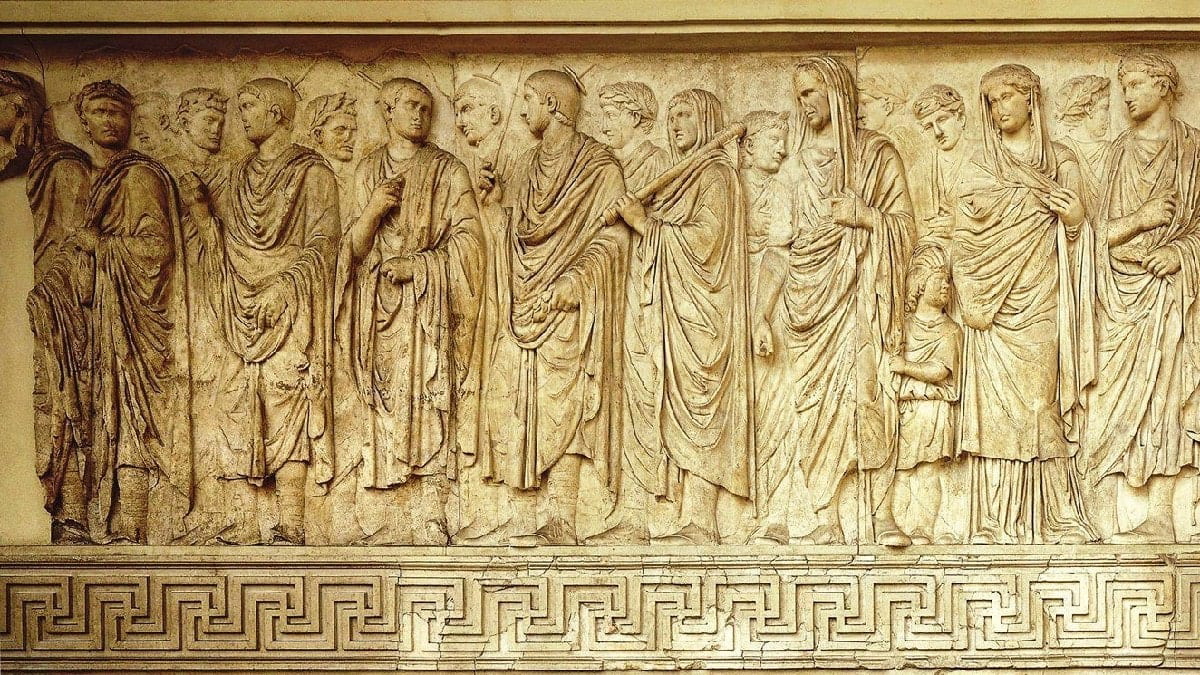
Many of the themes explored in the version of the story told during the Augustan Age align with other literary themes of that time. There are several mentions of the need to perform proper religious rituals, with the failure to make sacrifices before the defeat at Allia, Dursuo’s piety, and the restored favor of the gods indicated by Juno’s geese. Augustus was in the process of rebuilding Roman religion, including the reintroduction of older, forgotten rites, such as the Saecular Games.
The sacrifice of the old magistrates reflects the sacrifices that Aeneas was willing to make for his people. Virgil composed the Aeneid under Augustus, explicitly creating a legendary mythology for the new regime.
Then there is Camillus, who is only mentioned in connection with the sacking by Livy and Plutarch, who wrote a biography about him in the 2nd century CE. Scholars agree that while he was probably a real Roman statesman, myths about the man, who served as consular tribune seven times and dictator three times, only really emerged around the middle of the 1st century BCE, when men like Sulla and Caesar were assuming the dictatorship and utilizing it in new ways.
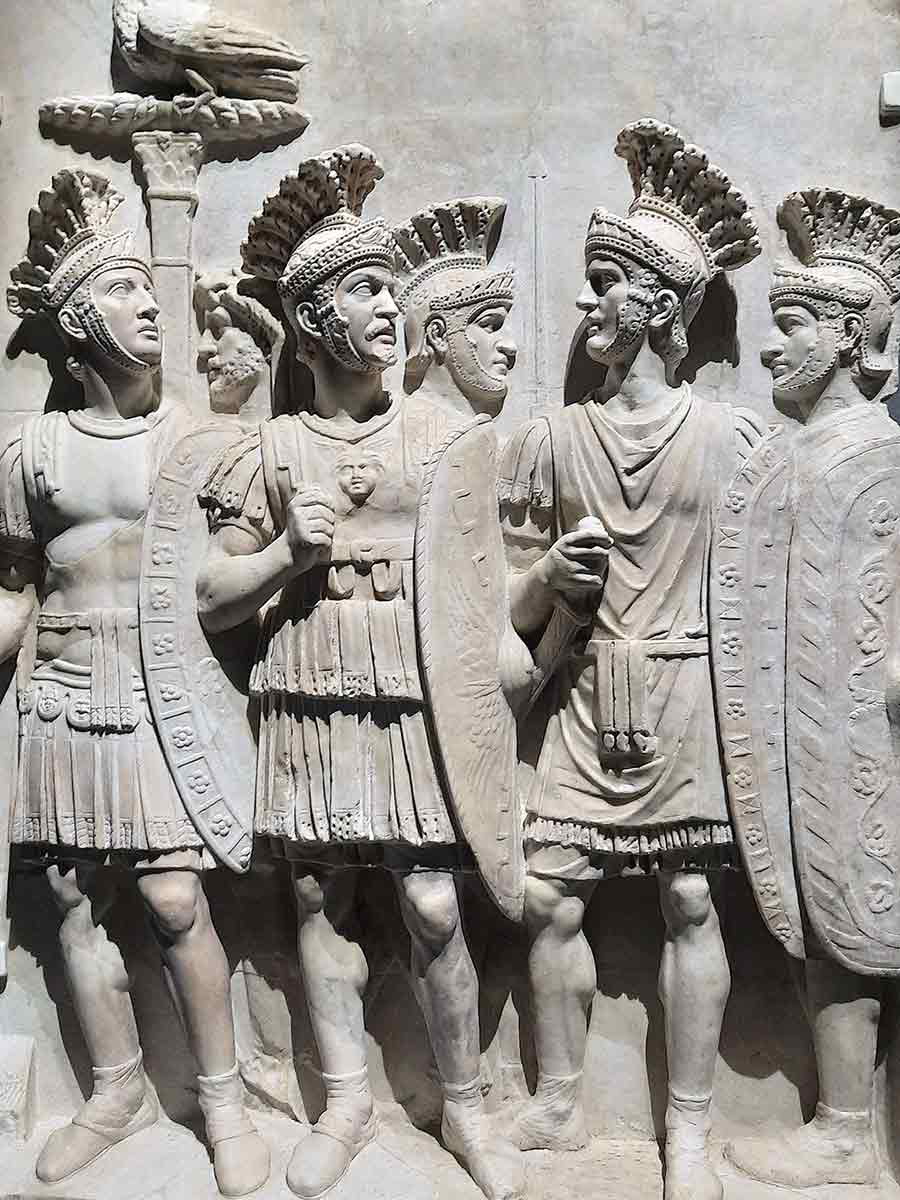
Livy has Camillus argue for restoring Rome after the sacking, against fearful plebeian voices supporting the relocation of the city to the more defensible location of Veii. Camillus came to be known as a second founder of the city and a new Romulus, a precedent for how Augustus was styling himself at the time Livy was writing.
So, while the sack of Rome may be one of the most important moments in Roman history, we don’t know if it really happened, and if it did, on what scale. Nor do we know how much of the surviving narrative of events was an invention of the Augustan Age. But it still seems to have been a major turning point in Rome’s history when they adopted a more aggressive foreign policy. It was a successful turn as Rome built an immense Empire, and no foreign force would enter the city for another 400 years, when the Visigoths sacked the city in 410 CE.