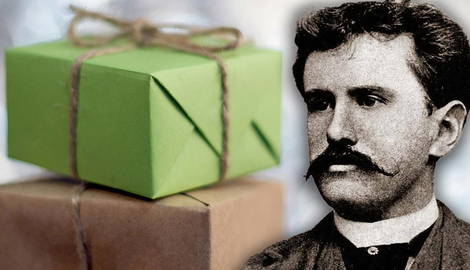
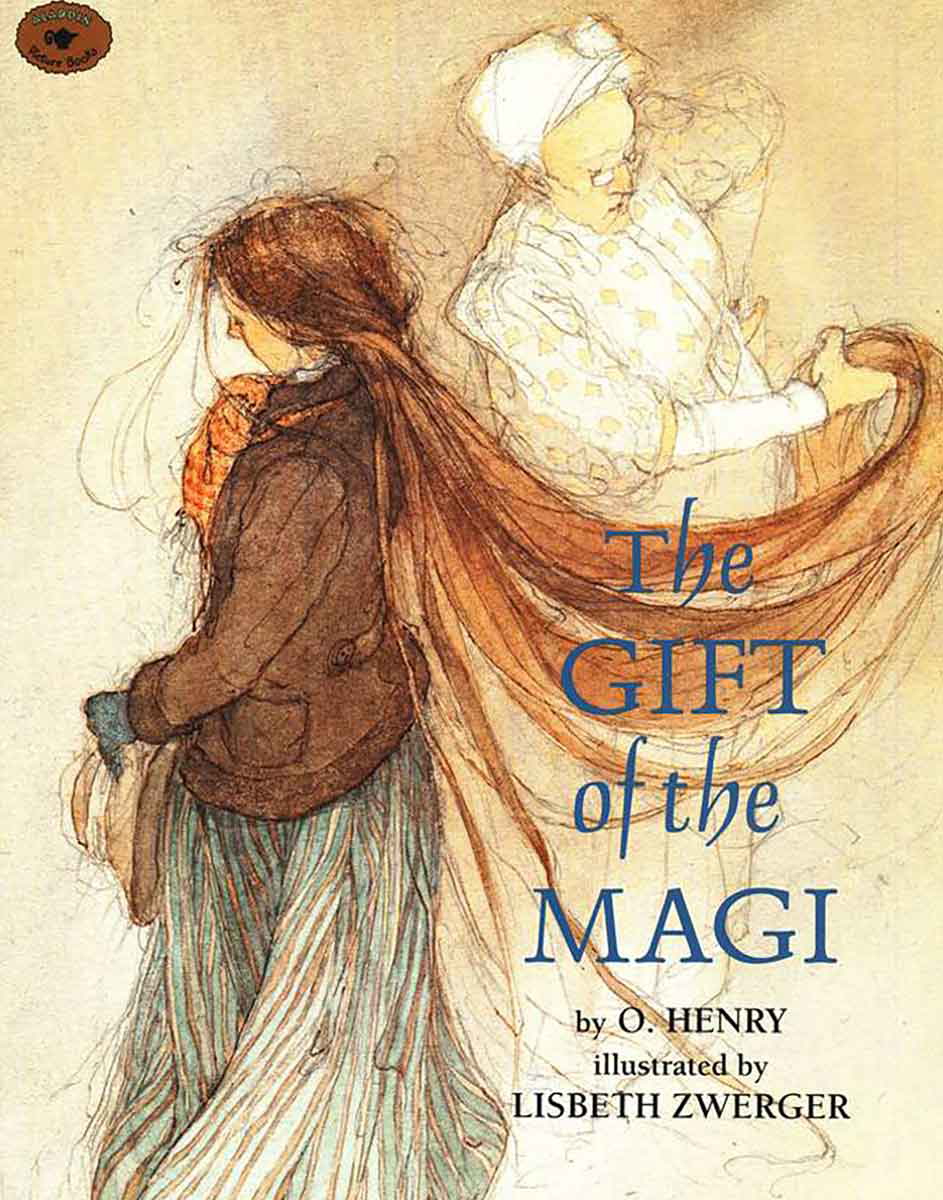
William Sydney Porter, who wrote under the name O. Henry, became one of the most celebrated short-story writers of his time. His 1905 festive fable, The Gift of the Magi, tells the story of young newlyweds Jim and Della. The couple is deeply in love but struggling financially, scraping by yet determined to give each other something truly meaningful for Christmas. The story endures because its lesson is eternal: the real gift is love, not the objects they buy. Della and Jim stand for devotion and selflessness, and their story continues to delight readers every December.
1. Contentment is a Choice
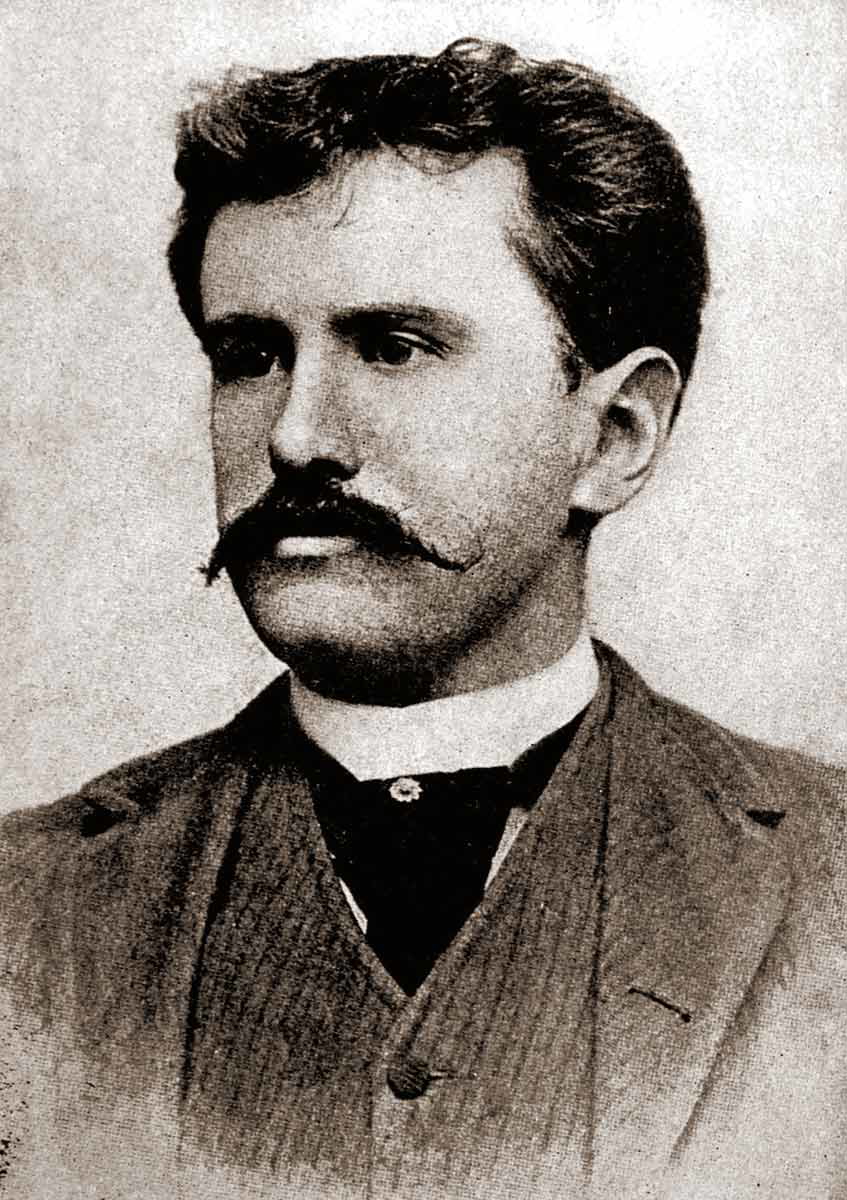
Born in North Carolina in 1862, O. Henry’s life was as dramatic as his stories. He worked in his family’s pharmacy after finishing school and became a licensed pharmacist at the age of 19. He soon moved to Texas and began working in a bank, where he developed characters for his first short stories. In 1895, he was charged with embezzlement and fled to Honduras before his trial. However, he surrendered himself to the US authorities when his wife became ill with tuberculosis. He cared for her until her death in 1897. He began his five-year prison sentence in March 1898 at the Ohio Penitentiary. While incarcerated, he published 14 short stories under various pseudonyms, including O. Henry. He was released early for good behavior and moved to New York City to be with his daughter. As he would later write:
“Life is made up of sobs, sniffles, and smiles, with sniffles predominating.”
He wrote 381 short stories, among them his festive fable The Gift of the Magi.
In the story, a young couple, Della and Jim, are desperately in love but struggling financially in a harsh New York winter. Despite their hardships, Della and Jim are happy. Their sparse and drafty flat is cold and damp, but their love is warm. O. Henry contrasts their surroundings with their relationship and, in doing so, makes the point that contentment is a choice, and comes from perspective, not possessions:
“Eight dollars a week or a million a year—what is the difference? A mathematician or a wit would give you the wrong answer.”
2. Poverty Cannot Diminish the Abundance of the Heart
Though they don’t have the money to afford Christmas gifts, we follow Della as she scours the streets on Christmas Eve in the hunt for a thoughtful gift for Jim. She spends hours in and out of stores, searching for a present, speaking to shop staff, asking to see items in cabinets, and peering through foggy shop windows. They both work hard, and times have been tough. She knows he deserves a treat.
“Many a happy hour she had spent planning for something nice for him. Something fine and rare and sterling—”
Della has been saving pennies for a year to buy the gift, though she has little to show for it:
“One dollar and eighty-seven cents. That was all. And sixty cents of it was in pennies. Pennies saved one and two at a time by bulldozing the grocer and the vegetable man and the butcher until one’s cheeks burned with the silent imputation of parsimony that such close dealing implied. Three times Della counted it. One dollar and eighty-seven cents. And the next day would be Christmas.”
Just as she is giving up on finding the perfect present, Della sees a dainty watch strap on a velvet pillow in a shop window. Jim’s watch hasn’t had a strap for years. Della knows he would love it, but it is far out of her budget.
Desperate to show Jim how much she loves him, Della goes to extremes to get the money.
3. The Greatest Wisdom is Knowing What Truly Matters
Della goes to Madame Sofronie’s hair shop, and makes the heartbreaking decision to cut and sell her long, beautiful auburn hair. O. Henry establishes early on that her hair is the one vanity Della and, indeed, Jim, treasure.
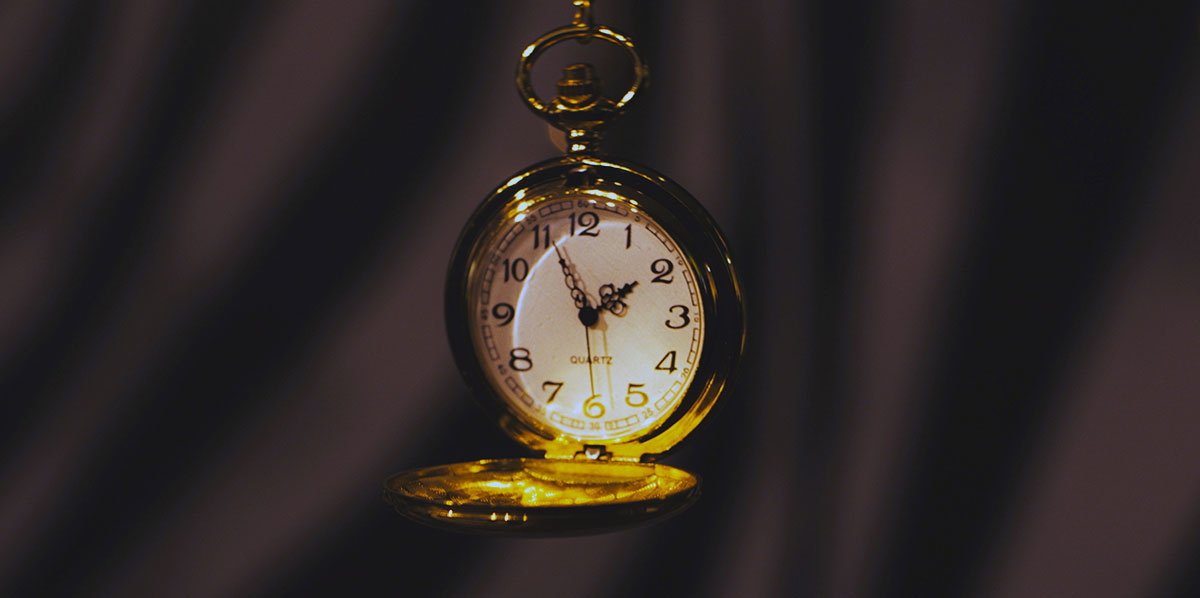
“Now, there were two possessions of the James Dillingham Youngs in which they both took a mighty pride. One was Jim’s gold watch that had been his father’s and his grandfather’s. The other was Della’s hair. Had the queen of Sheba lived in the flat across the airshaft, Della would have let her hair hang out the window some day to dry just to depreciate Her Majesty’s jewels and gifts.”
With the money in hand, Della returns to the shop and buys the watch chain for Jim:
“She found it at last. It surely had been made for Jim and no one else. There was no other like it in any of the stores, and she had turned all of them inside out. It was a platinum fob chain simple and chaste in design, properly proclaiming its value by substance alone and not by meretricious ornamentation—as all good things should do. It was even worthy of The Watch. As soon as she saw it she knew that it must be Jim’s. It was like him. Quietness and value—the description applied to both”
Having purchased the chain, Della’s sacrifice actually proves her understanding of what truly matters. Her hair is worthless when compared to the value of Jim’s happiness.
“‘Maybe the hairs of my head were numbered,’ she went on with sudden serious sweetness, ‘but nobody could ever count my love for you. Shall I put the chops on, Jim?’”
4. Joy Often Comes From the Unexpected

Della goes to a great deal of effort to prepare for Jim’s homecoming from work. She curls what little hair she has left in anxious hopes he will still find her beautiful:
“She started to try to cover the sad marks of what she had done. Love and large-hearted giving, when added together, can leave deep marks. It is never easy to cover these marks, dear friends, never easy.”
When Jim walks through the door and sees her cropped hair, he is shocked. She hastily explains and shows him the watch chain.
Expecting a grateful response, Della instead sees a wave of understanding wash over Jim’s face. He reveals that he has sold his prized watch to buy her a set of tortoiseshell combs for the long hair she no longer has.
The bittersweet irony is apparent. Both gifts are now useless. O. Henry calls the couple “the wisest” because they have a grasp on the ultimate concept of happiness: that love, not possessions, is the real treasure.
The story’s emotional resonance lies in its twist. Neither Jim nor Della can imagine that the other will make such a dramatic sacrifice, but their love for and understanding of one another only deepens in the aftermath. Their carefully selected gifts now lie unused; symbols of their blind devotion.
In the 1952 movie adaptation, the moment is played with tenderness and a touch of humor. The joy is not in the gifts themselves, as the givers intended, but in the discovery of the depth of their willingness to sacrifice.
5. True Gifts Cannot Be Wrapped

O. Henry frames Della and Jim’s actions as the true meaning of gift-giving. The gift is not the object, but the love embodied in the act of giving. Even in their disappointment, Jim and Della look forward with hope. They laugh, share dinner, and do not give in to despair. In their blunders, their love is stronger than ever. It does not diminish when tested.
The story ends on a hopeful note. Perhaps it is this that keeps The Gift of the Magi alive in the hearts of readers and on bookshelves and screens.
6. Hope Springs Eternal

Through his story of Della and Jim, O. Henry teaches that “hope is the thing with feathers that perches in the soul”; it is evergreen:
“And here I have lamely related to you the uneventful chronicle of two foolish children in a flat who most unwisely sacrificed for each other the greatest treasures of their house. But in a last word to the wise of these days let it be said that of all who give gifts these two were the wisest. . . . Everywhere they are wisest. They are the magi.”