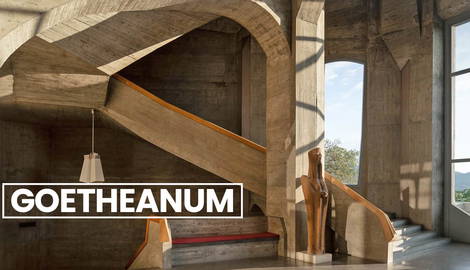
Goetheanum is the global center of the Anthroposophical Society, founded by Rudolf Steiner, a German philosopher and social reformer. Anthroposophists combined the spiritual quest for higher truths and their contemporary science, studying the laws of nature and the universe. The original Goetheanum was a wooden structure built from natural forms, filled with carved sculptures, paintings, and stained glass works. The Anthroposophical Society movement’s members included Kandinsky, Joseph Beuys, and Hilma af Klint. Read on to learn about the Goetheanum and the philosophy behind its construction.
Rudolf Steiner: The Mastermind Behind the Goetheanum
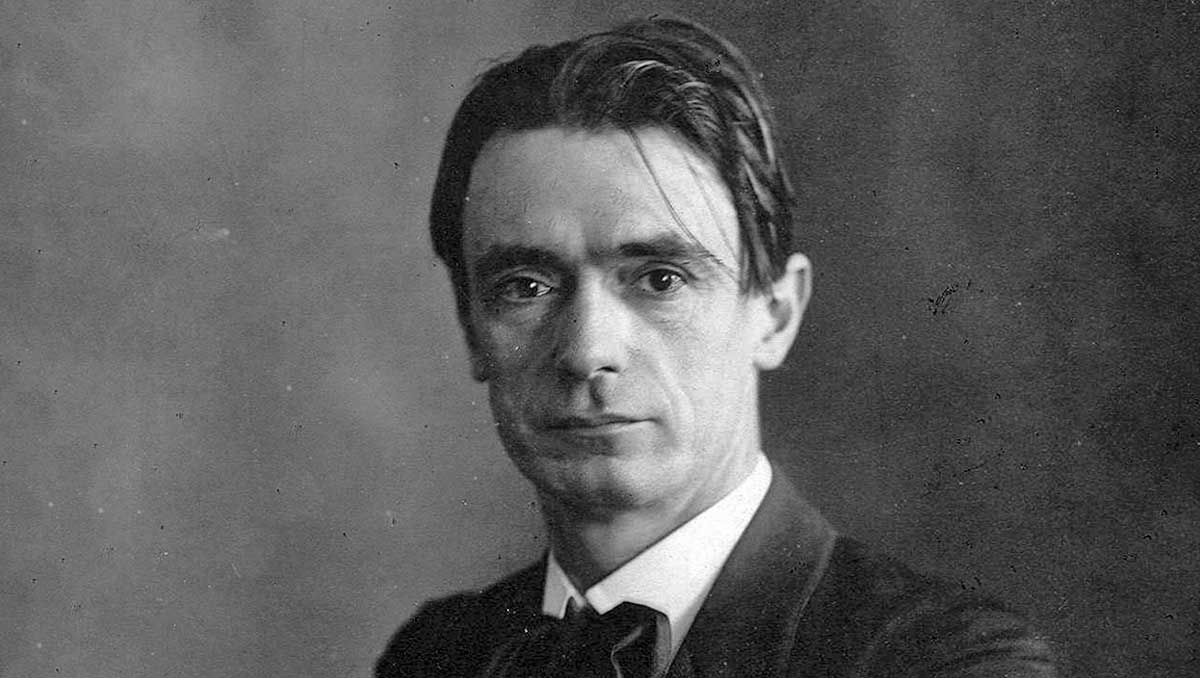
Rudolf Steiner was a philosopher, writer, social reformer, occult activist, and the founder of the Anthroposophical Society, which largely shaped the cultural background of 20th-century Europe. Born into a German family of modest means, he became famous in his twenties as a literary critic who published and commented upon the works of Johann Wolfgang Goethe.
Goethe’s writings, especially his natural history studies, made a formative impression on Steiner. Soon, he joined the famous Theosophical Society, a philosophical movement that sought spiritual revelation through the “universal truth” shared by all world religions. Impressive and well-spoken, Steiner soon received a prominent post there but gradually grew disappointed in the movement’s great focus on Eastern religions. He believed that Western culture already had all the instruments for spiritual awakening, which are present in Christianity and the writings of authors like Goethe. In 1912, he broke off all ties with the Theosophists and found his own teaching called Anthroposophy. This movement was supposed to have a more direct focus on natural history and science, although still strongly influenced by spirituality.
Steiner paid great attention not only to his philosophy but to the practice of teaching itself, particularly applied to young children. He was the founder of the famous Waldorf educational system, which prioritized developing creativity and empathy with a focus on the individual perception of each student. He believed that each human already had instruments to surpass the cultural limits of their spiritual development, and these instruments needed to be found through creative action.
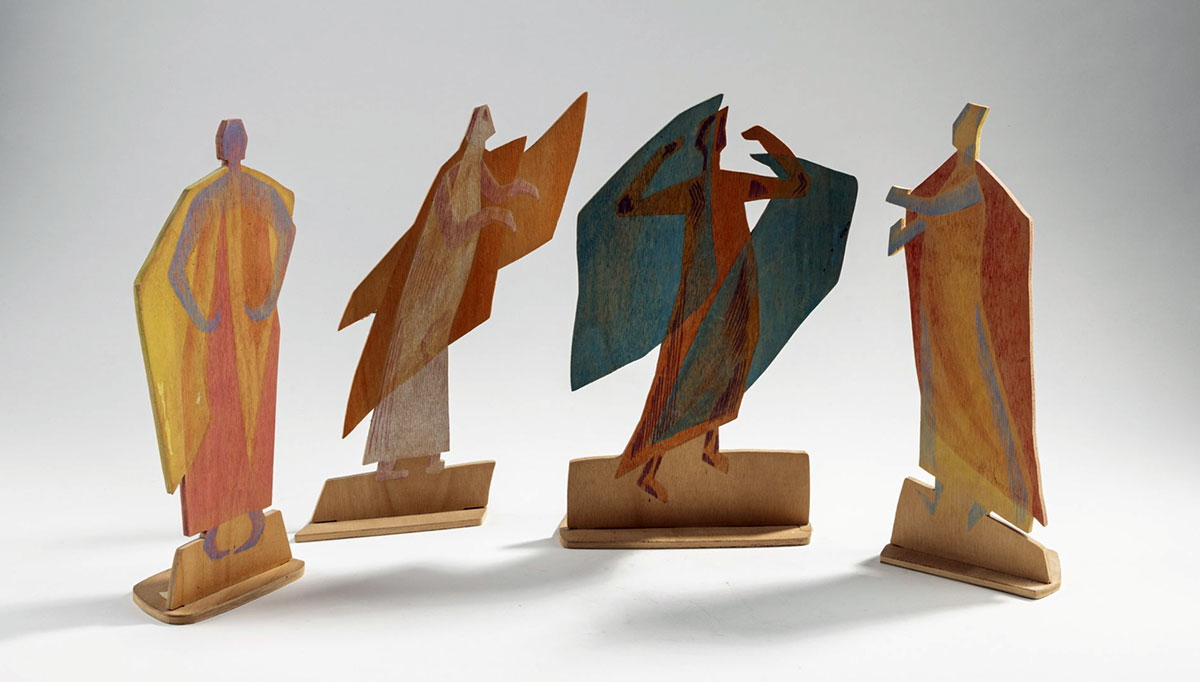
Another of Steiner’s inventions that found its way into popular culture was eurythmy—a choreographic practice uniting movement, music, light, and color. Designed in collaboration with his wife Marie von Sivers, eurythmy was both a way to study and harmonize rhythms and a variation of sign language. Each Latin letter had a specific movement assigned to it so that the dancers could literally perform poems and plays through movement.
Steiner’s influence on Western art, culture, and educational practices was enormous, yet it would be incorrect to overlook valid points of criticism aimed at him. Unlike his ex-colleagues from the Theosophical movement, who largely avoided speaking of nationalities in any decisive terms, Steiner was a German nationalist who believed language and culture created a certain “national spirit.” He did not ally with Fascism or Nazism (in fact, Adolf Hitler despised Steiner and called him a traitor serving the Jewish agenda), but some of his theories had racist undertones and a white Eurocentric focus. At the same time, he often stated that each individual’s spiritual path was unique and independent of the circumstances of birth, race, or gender.
The First Goetheanum
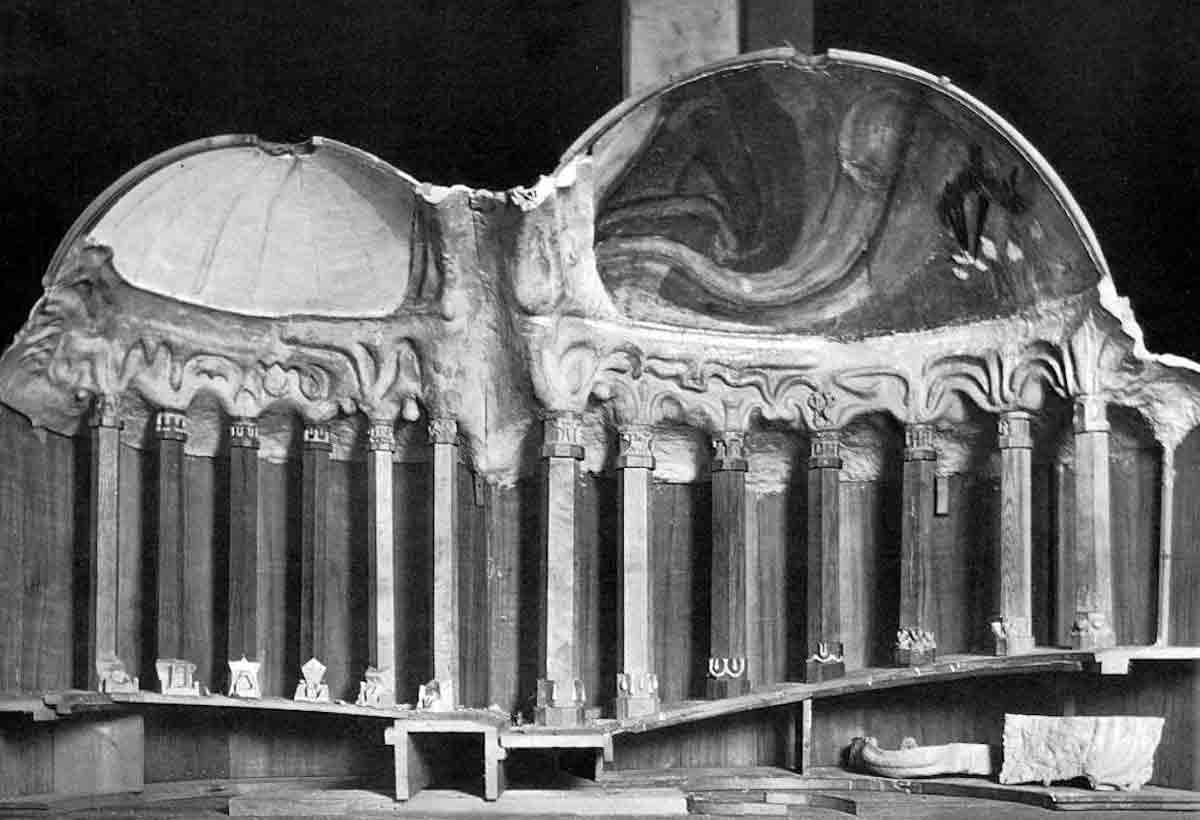
While preparing for his decisive breakaway from the Theosophists, Steiner began thinking broadly, inventing the future space that would become central for his teaching and provide space for teaching, learning, and building a community based on shared values and knowledge. He called his project the Goetheanum. The structure had to be based around a double dome that signified the process of giving and receiving knowledge. Architecture was based on natural forms and fluid lines to become one with the surrounding nature. To maintain contact with the natural elements, Steiner intended to build the structure from various sorts of wood, each of which had a specific effect of lifting one’s spirit and awakening intellect. The perfect place for such a marvel was found in Dornach, Switzerland, and the works began in 1913.
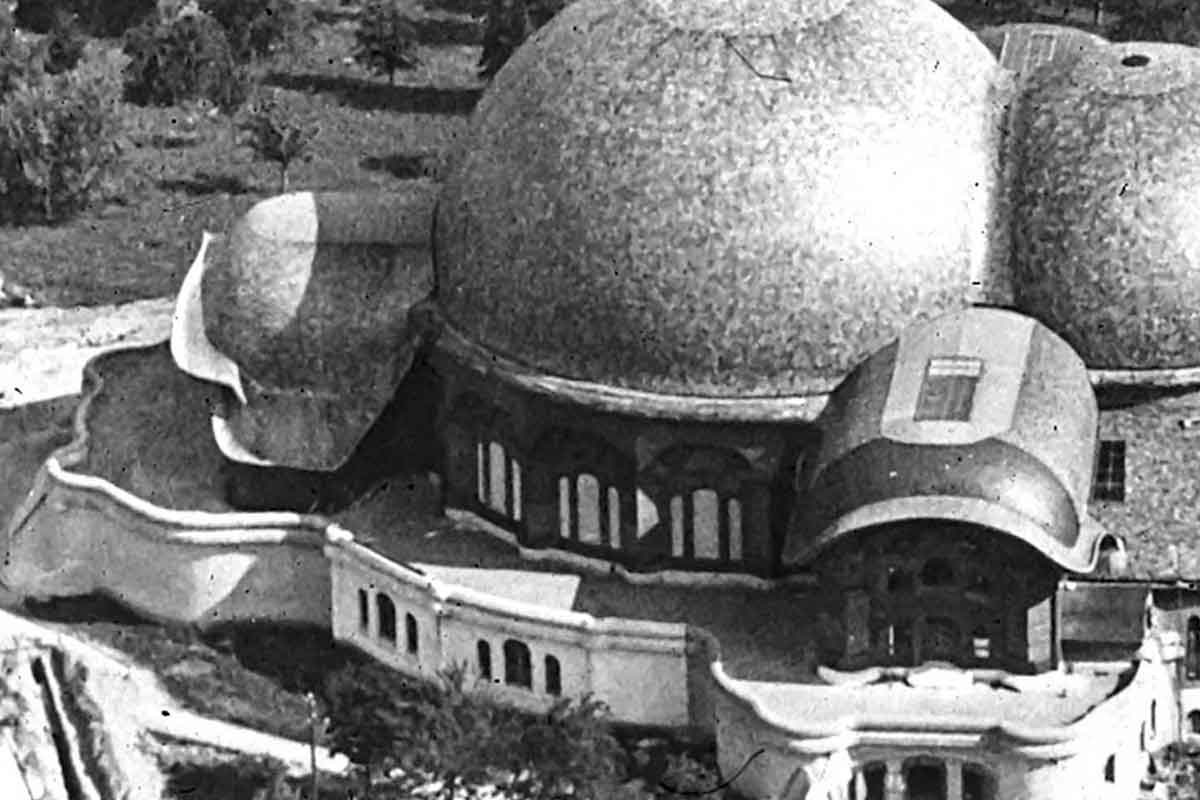
From the day of its conception, Goetheanum gathered around itself a strong artistic community that worked collectively on constructing a shared space. Artists and architects went to Dornach specifically to help with the building’s construction and decoration. One of the most detailed and treasured accounts of the First Goetheanum’s construction belonged to Asya Turgeneva (also known as Assya Turgeniev or Assja Turgenieff), a Russian-Swiss artist and Anthroposophist related to the famous writer Ivan Turgenev. Turgeneva was a devoted follower of Steiner, who described in detail the mass of artists, thinkers, and regular workers who arrived to help with the construction. Steiner himself managed the works and instructed others on the proper way of carving wooden elements.
Even though the construction largely took place during World War I, artists and workers from various European countries worked independently of the global conflict despite representing opposing sides. This sense of union and belonging to something bigger than political conflict, something creative rather than destructive that could possibly make the war-torn world a better place, inspired and moved them forward.
Constructing the Gesamtkunstwerk
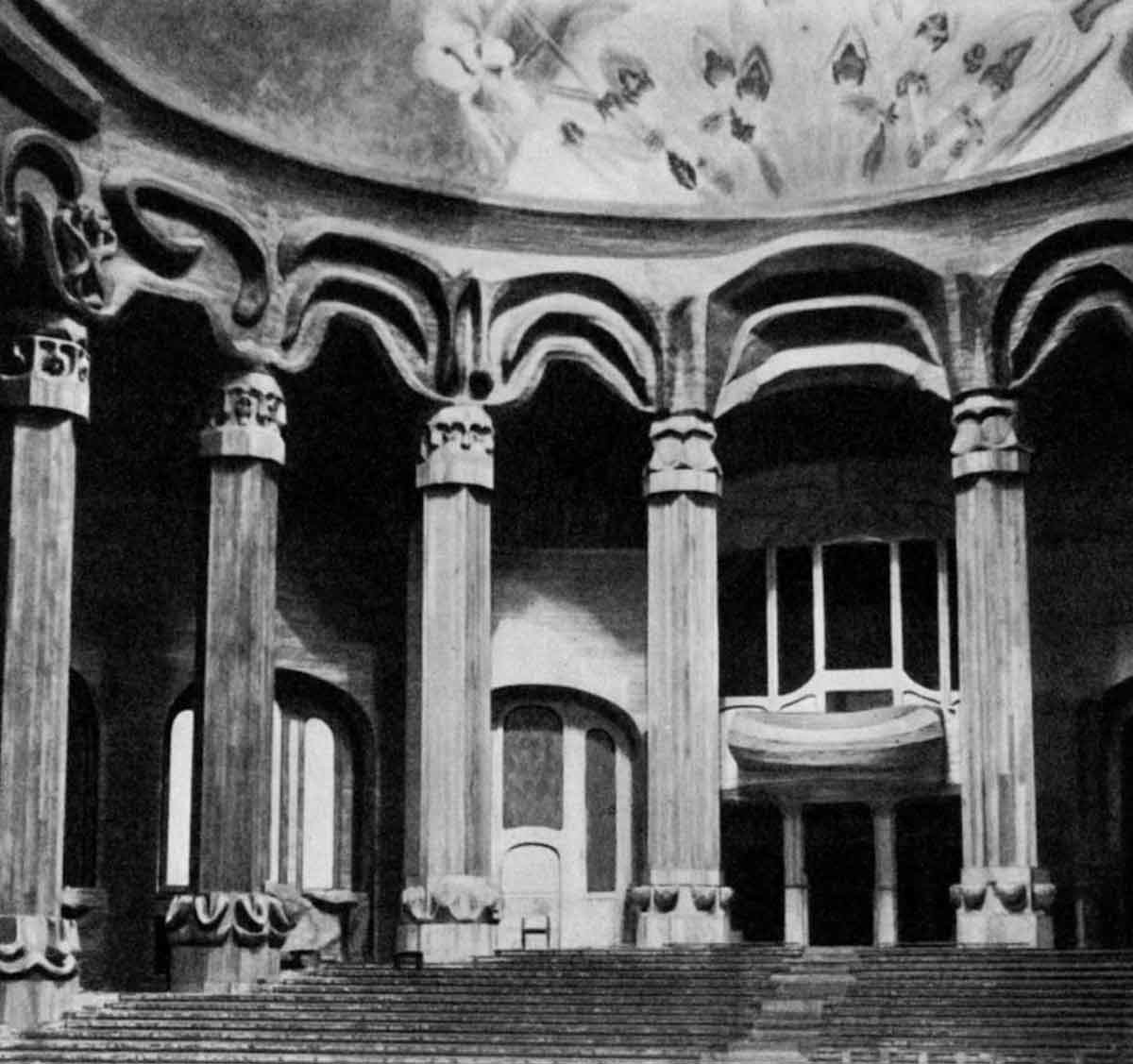
The Goetheanum was planned as a Gesamtkunstwerk—a total work of art, a synthesis of many art forms designed to target human perception from all angles. Artists and workers involved in the construction were divided into several sections. One group focused on wood carving, and the other focused on stained glass creation. Painters mixed pigments to decorate the inner parts of both domes. The paint recipes, carefully selected and tested by Steiner, were derived from Medieval and Renaissance-era painting manuals. Although the building design and decoration were based on Steiner’s plaster models and sketches, he nonetheless valued the unique artistic additions of every artist involved in the project. He even encouraged them to introduce occasional changes, stating that the aesthetic harmony equaled the spiritual one.
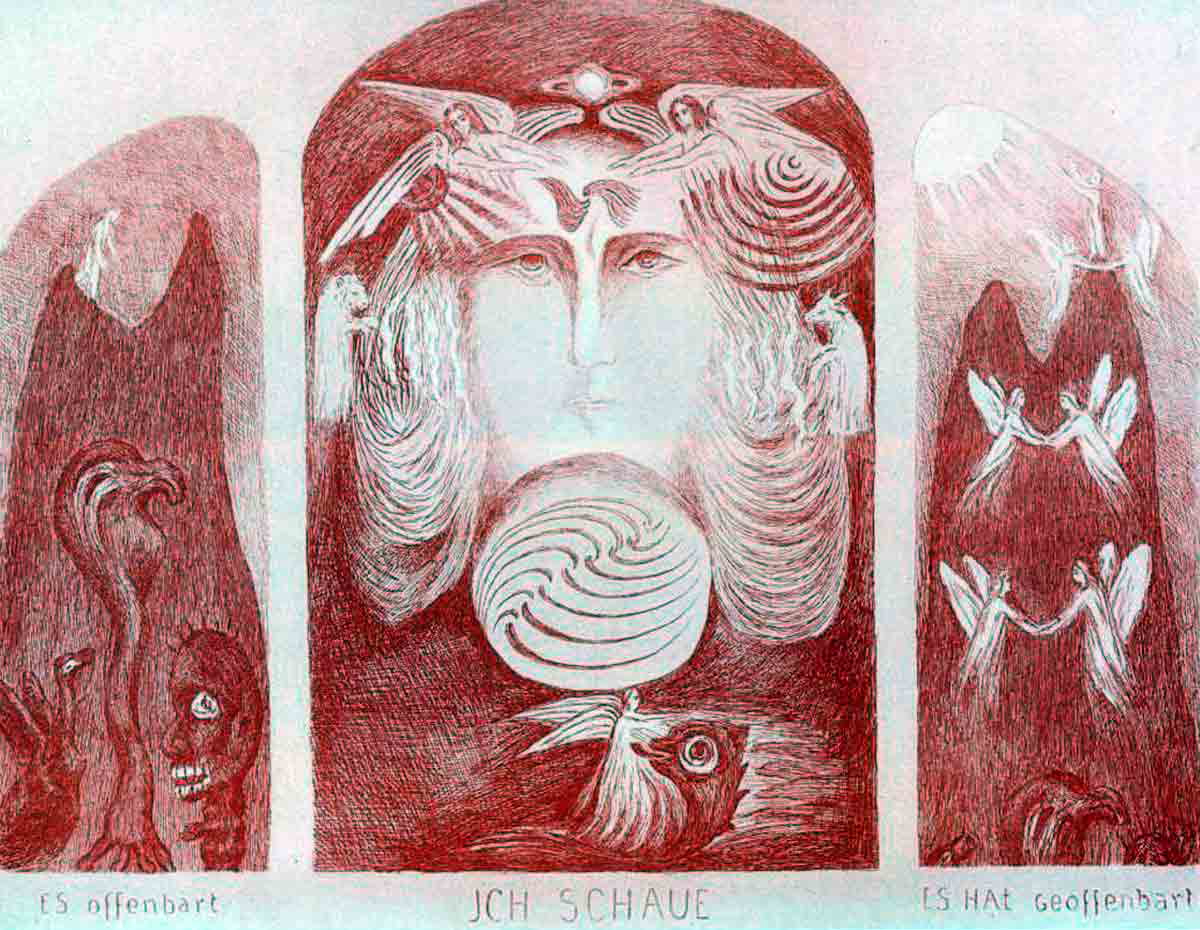
A separate group of artists created tapestries and sewed curtains and textile objects for the theater stage. The first Goetheanum was intended primarily as a space for performances based on Goethe’s writing and eurythmic dances turned into shows. Every construction milestone, such as the completion of a large carved fragment or the construction of the dome, was celebrated with another lecture on the transformative power of art presented by Steiner to his loyal audience members. Apart from paying wages to employed workers, he also wanted the volunteers who could not afford to live in Switzerland on their own to be paid.
Hilma af Klint in the Goetheanum
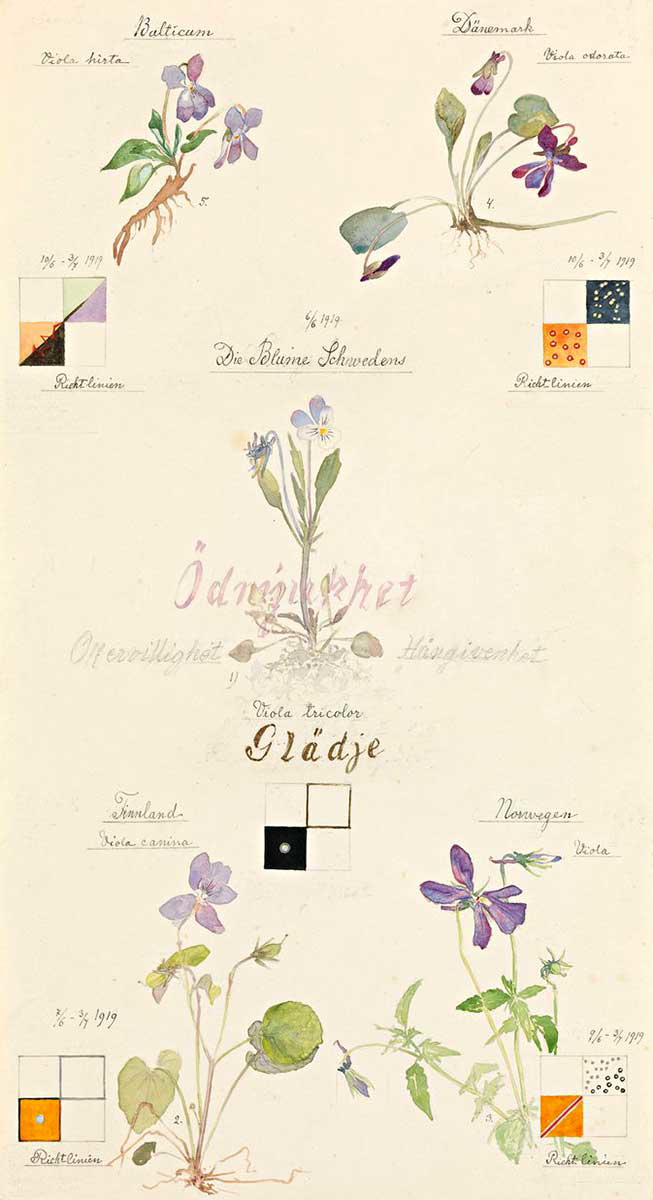
Soon after its completion, Goetheanum became a popular spot for artists and thinkers. Its vast archives and libraries provided extensive knowledge, while workshops kept the visitors busy.
One of the most famous visitors to the Goetheanum was the Swedish abstract pioneer Hilma af Klint. For years, she studied Steiner’s work and even asked him for advice, which he allegedly was reluctant to give. Still, it did not stop her from spending weeks in Dornach, giving lectures on the spiritual nature of her work and studying the library.
The Goetheanum archives keep several of her works, including a study of the spiritual portraits of plants and a catalog of her large-scale work made in the form of an album with small repainted reproductions. Rudolf Steiner also maintained close contact with Wassily Kandinsky, but it is unclear if he ever visited the place. Legendary conceptual artist Joseph Beuys also shared some of Steiner’s ideas and incorporated them into his work.
The Fire and the Second Goetheanum
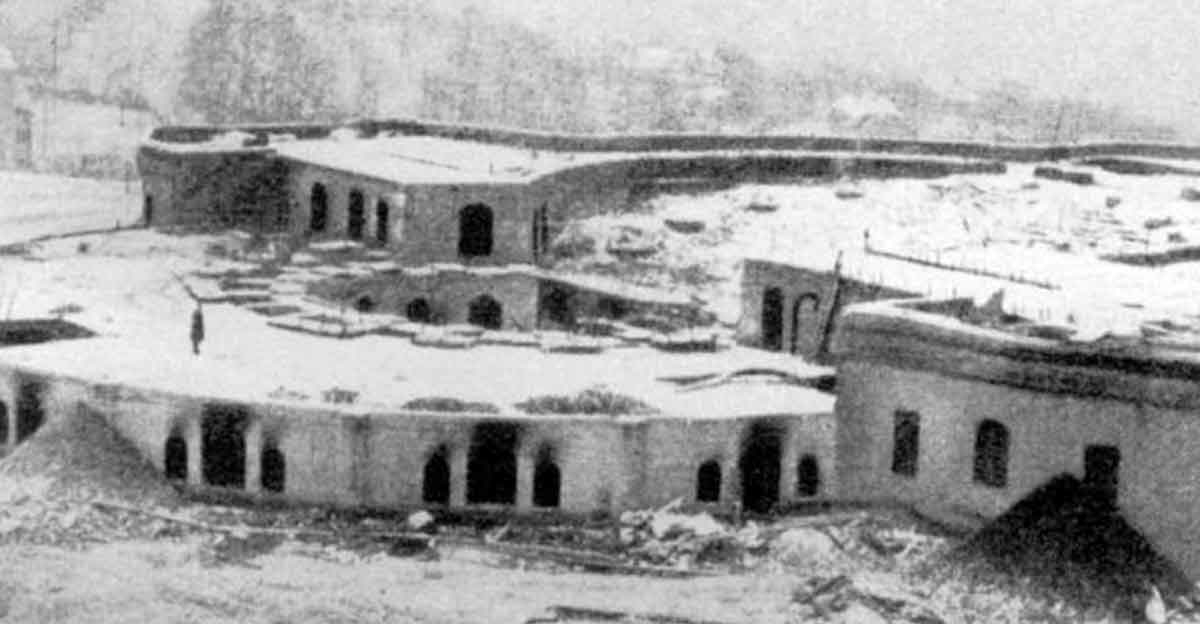
Unfortunately, the marvelous wooden dome of the First Goetheanum did not survive for long. After its grandiose opening in 1920, it operated for just two years. On New Year’s Eve in December 1922, someone set fire to the building soon after the Anthroposophists finished their celebratory performances. The wooden building collapsed within hours.
The devastating fire caused much pain to the Anthroposophical community, especially those artists who participated in its construction. The investigation brought no coherent results but raised suspicion within the community. The artists began to doubt and accuse each other, remembering even the slightest deviations from the Steiner-approved philosophical canon. Some even accused the Theosophical Society of arranging the arson as revenge for Steiner’s rebellion. Most likely, however, the perpetrators were Dornach residents who were hostile towards groups of intellectuals gathering in a strange building and perceived them as a Satanic cult.
Painter Hermann Linde, a well-known Symbolist and the artist responsible for the Goetheanum dome painting, died six months after the arson. Steiner and others who knew Linde said he died of a broken heart, as the destruction of the most important and cherished work of his recent years made a detrimental impact on his health.
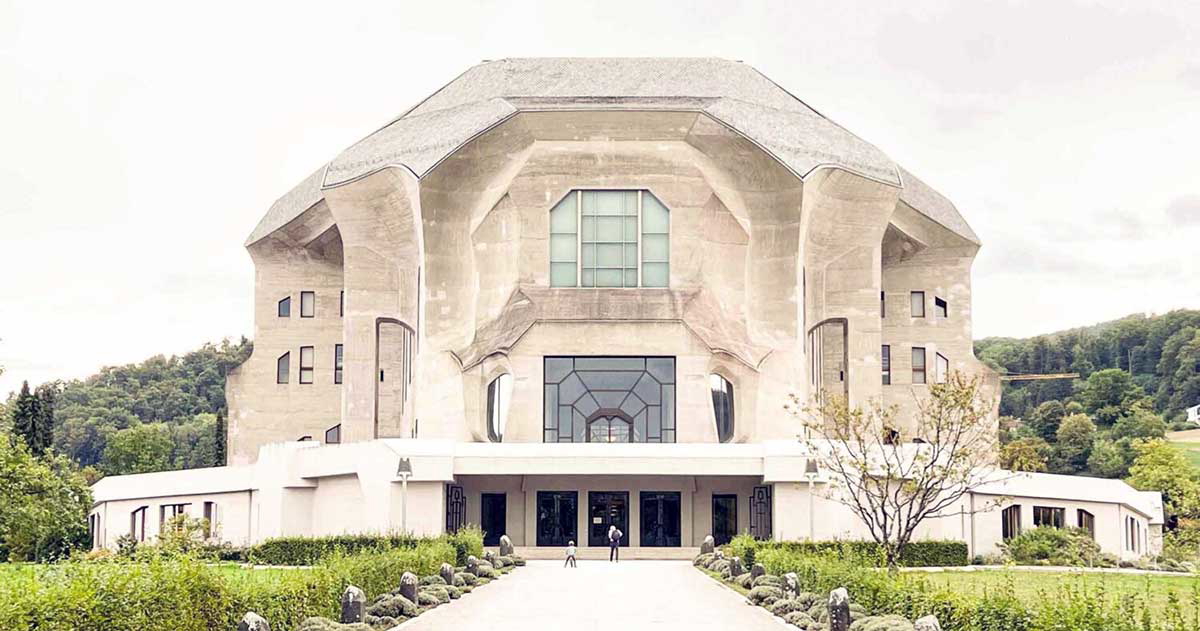
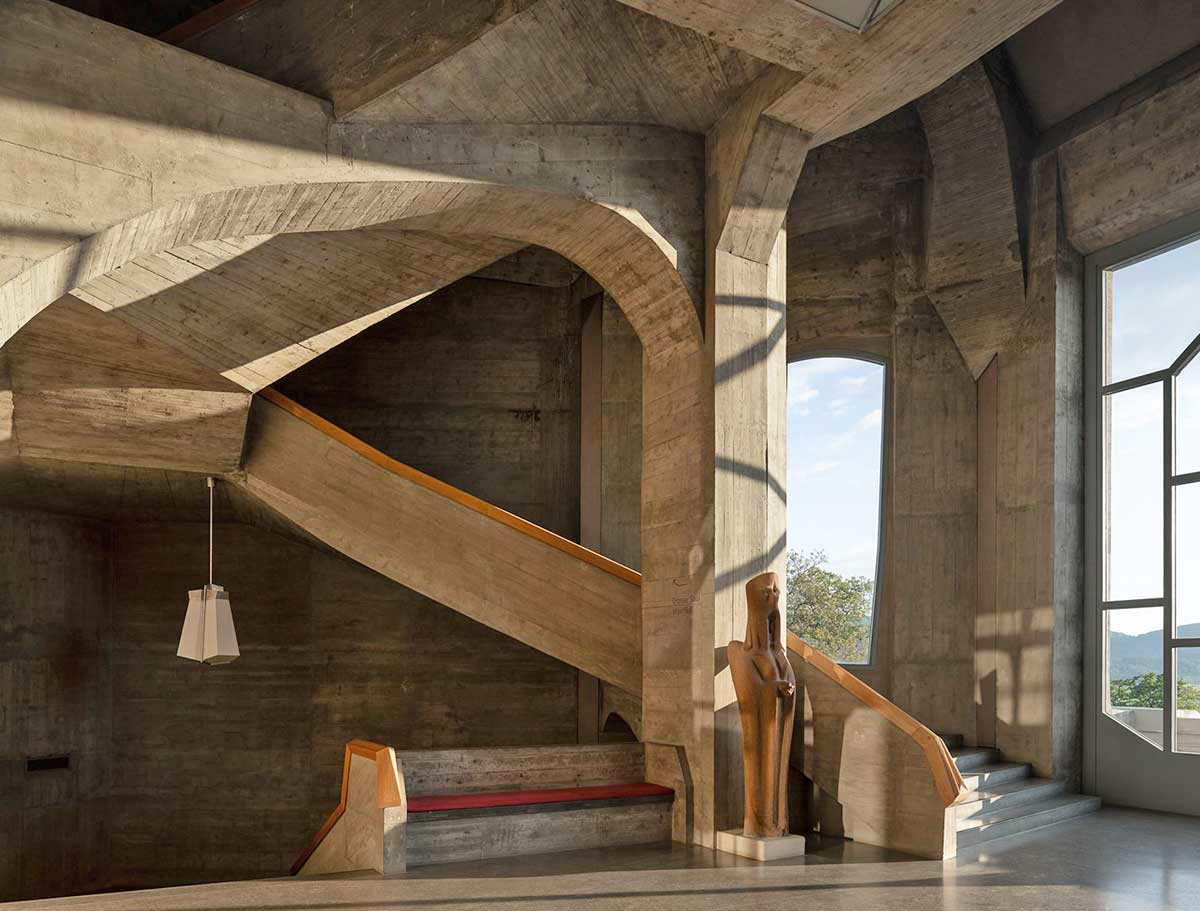
The second building used the same base and similar organic forms but was made entirely from concrete. Like the first structure, it avoided angles and mixed functionality with original, thought-provoking design at every step. Steiner’s insurance money after the fire funded the reconstruction of the building, the design of new stained glass pieces and carvings, and the infrastructure around it. Unfortunately, Steiner died in 1925, three years before the project was completed.
Today, Goetheanum remains the center of the global Anthroposophical movement. It focuses less on the spiritual component and more on sustainable practices of interacting with the world, like organic production and biodynamic farming. Visitors can access the territory and explore the buildings, as well as visit art exhibitions and lectures, frequently happening inside the main dome.