
One of the common tropes in stories regarding the Old West is the gunfight— two opponents facing each other in the middle of a dusty town, right outside the saloon, with the townspeople peering out of windows and doorways to see which gunfighter was the “fastest draw” in a duel to the death. But how accurate is this depiction in reality?
The Frequency of Gunfights
Despite almost every Western movie having some sort of gunfight as a core element of the story, gunfights of any sort were rare in the Old West. At most, a few dozen gunfights may have occurred, few of which were even remotely similar to what is commonly thought of as a proper “duel” gunfight. Most gun battles were ambushes or fought from cover and did not necessarily involve many pistols, as most pistols were inaccurate and useful only at short range.
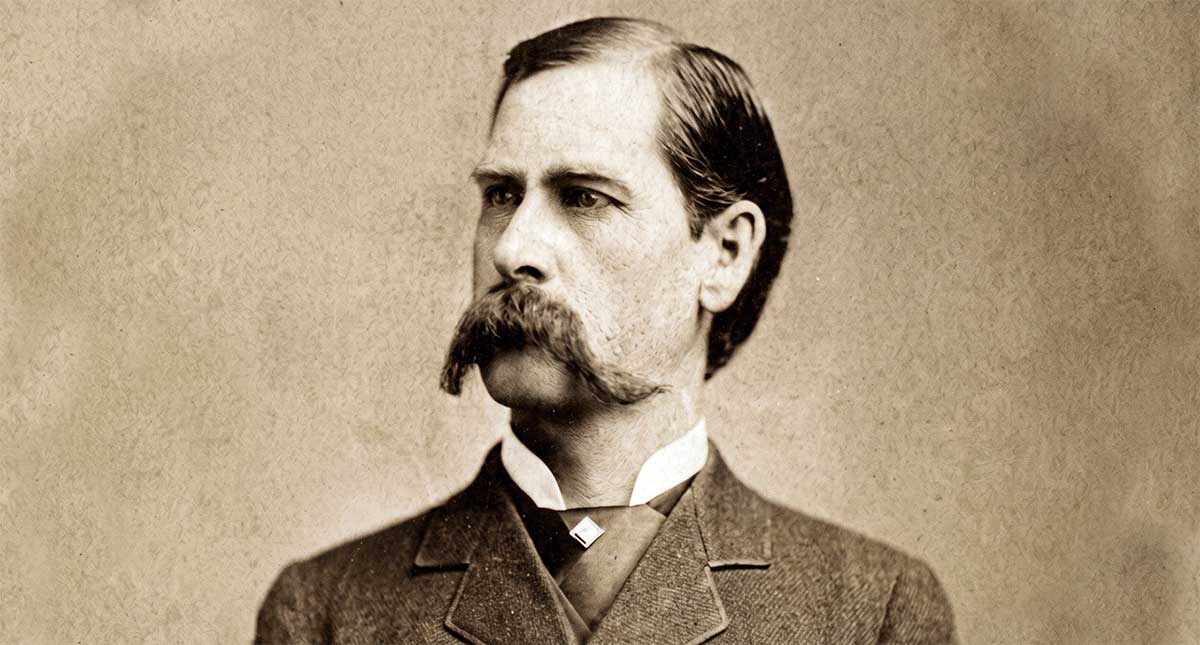
Wyatt Earp, whose own reputation has been improperly elevated, said:
“The most important lesson I learned was that the winner of gunplay usually was the one who took his time. The second was that if I hoped to live on the frontier, I would shun flashy trick-shooting as I would poison. I did not know a really proficient gunfighter who had anything but contempt for the gun-fanner, or the man who literally shot from the hip.”
The Earliest Gunfight in the Old West
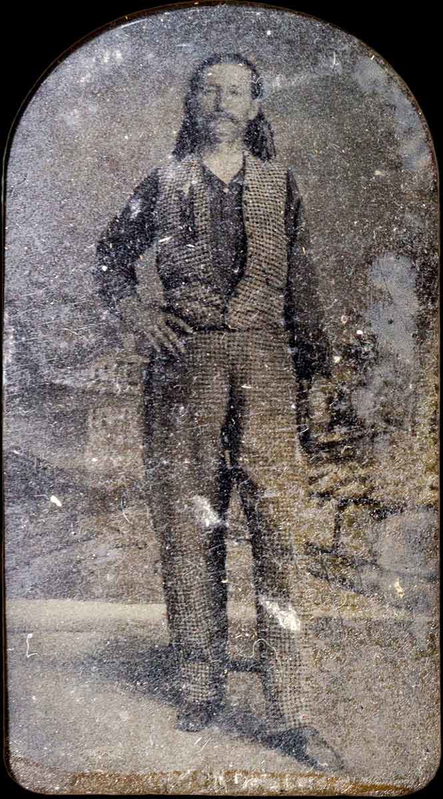
The Bill Hickok – Davis Tuff gunfight on July 21, 1865, in Springfield, Missouri, is considered one of the earliest and most famous gunfights of the Old West. “Wild Bill” Hickock, who had already gained some notoriety for his exploits, had lost a treasured gold watch to Tuff in a card game and had asked Tuff not to wear the watch in public. Hickok saw Tuff displaying the watch openly, and the two squared off. Hickock killed Tuff and would be acquitted for self-defense.
The Biggest Gunfight of the Old West
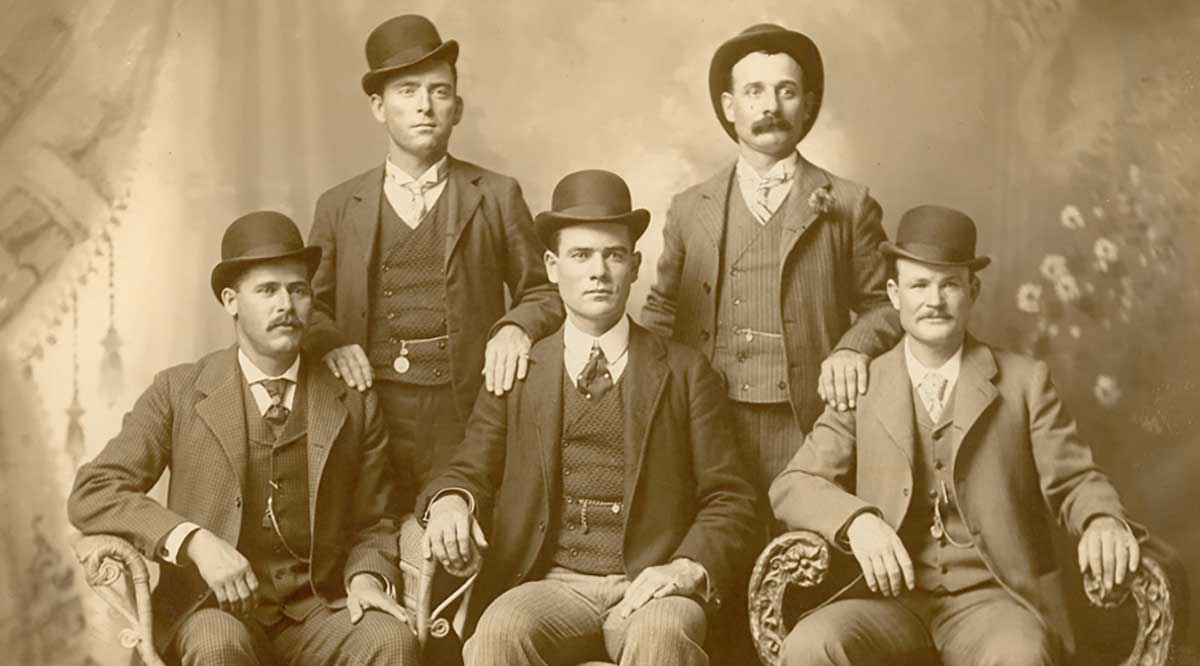
The largest old west gunfight, the “Battle of Ingalls,” occurred between the Doolin-Dalton Gang, also known as the “Wild Bunch,” and the United States Marshals in Ingalls, Oklahoma, on September 1, 1893. The marshals were attempting to arrest the gang members, who had been on a crime spree of train and bank robberies. A shootout ensued near the saloon and neighboring corral. Three of the fourteen marshals were killed in the shootout, and several members of the gang were captured. The remaining members were eventually killed over the next few years as they were hunted by law enforcement and bounty hunters.
The Last Gunfight of the Old West
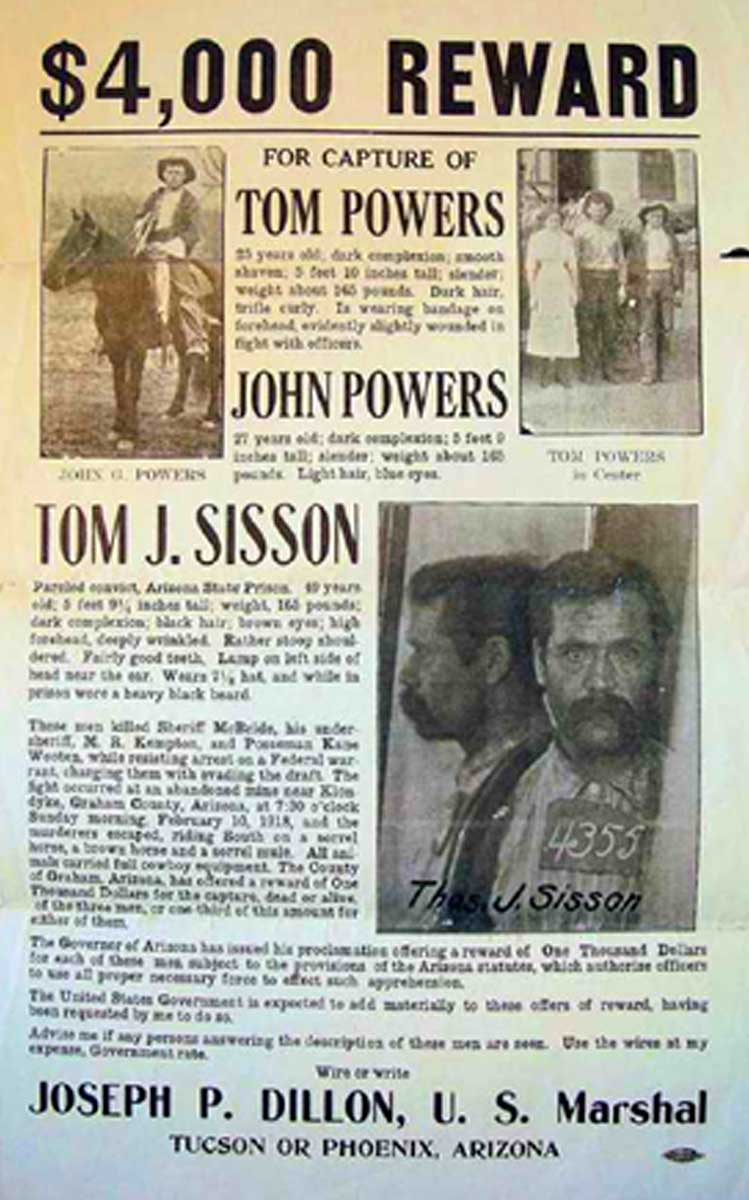
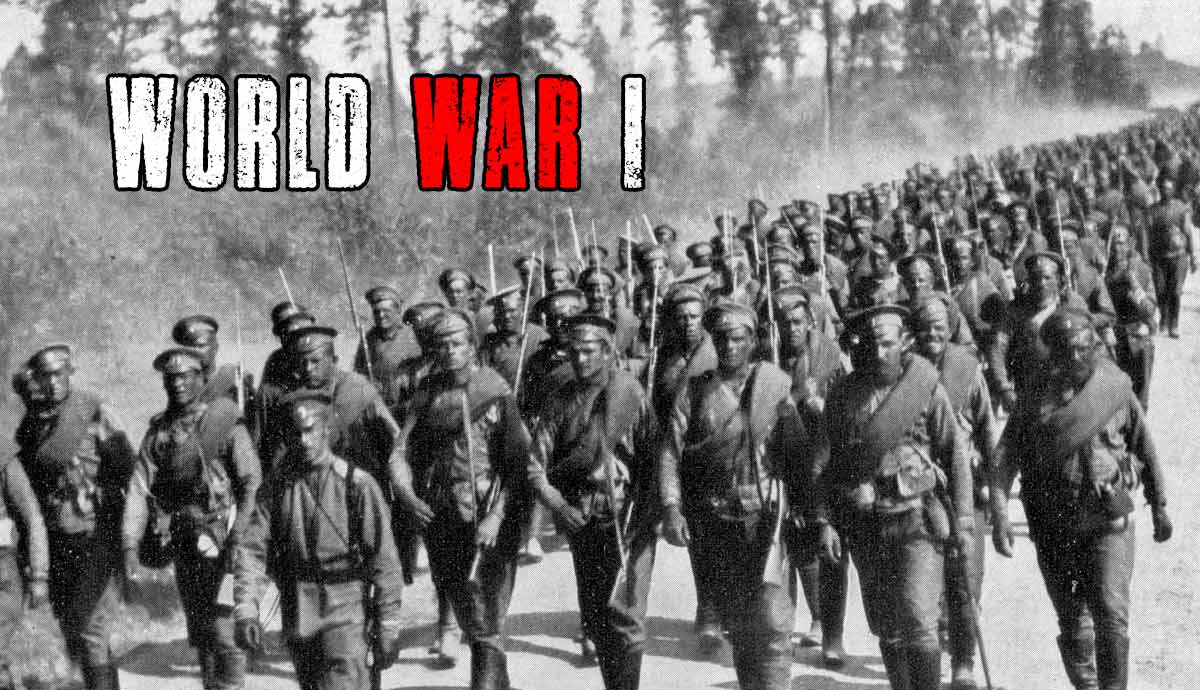
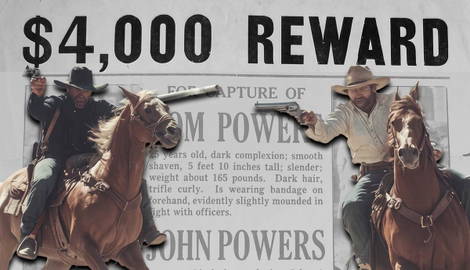
The Powers Cabin shootout is one of the final gunfights of the Old West. The violent gun battle occurred on February 10, 1918, in the Galiuro Mountains of Arizona, near the small town of Klondyke. Jeff Powers, his wife Martha, his daughter Ola May, his two sons, Tom and John, and a family friend named Tom Sisson had settled in the area in an attempt to work a local gold mine and raise livestock. When World War I started, and the USA became involved, a draft was instituted requiring able-bodied young men to enlist. Tom and John Powers did not report, claiming they were told they were not needed, but the local sheriff assembled a posse to arrest them, as well as investigate Jeff Powers and Tom Sisson regarding the unsolved circumstances of the death of Ola May.
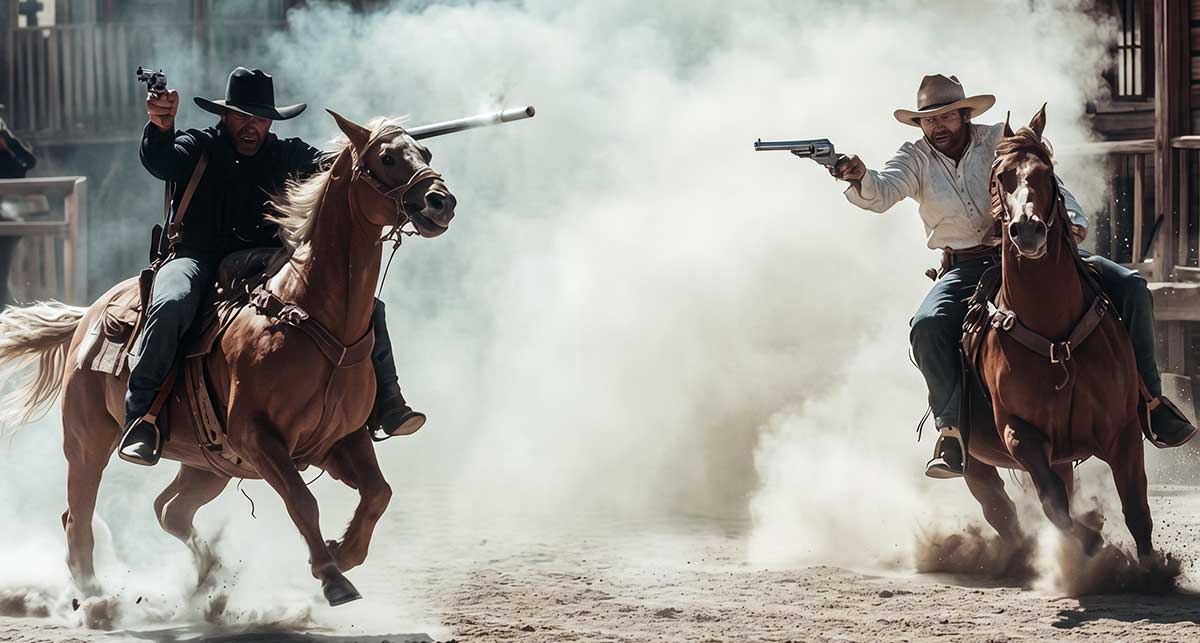
When the sheriff, Robert Frank McBride, and his posse came to the Powers’ cabin, a shootout ensued, which left the sheriff and most of his posse dead, as well as Jeff Powers. The two Powers brothers and Tom Sisson escaped on the posse’s horses and were later apprehended with the assistance of the US Cavalry in New Mexico in March 1918. The Powers brothers served lengthy sentences and were pardoned by the governor of Arizona in 1969.