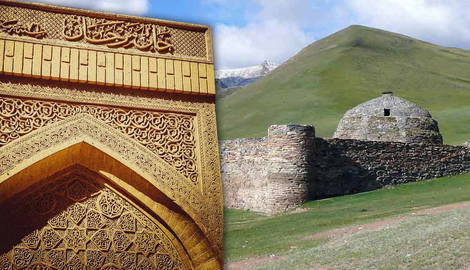
If you could picture yourself centuries ago, crossing endless deserts or winding through rugged mountain passes, you’d find yourself searching for a safe place to rest every night. Caravanserais would have been your welcome oases of salvation. Far more than a simple place to lay your head for the night, caravanserais were literal lifelines in ancient times. They offered food, shelter, and security for merchants, pilgrims, and travelers, and were buzzing hubs where people traded not just goods but ideas, languages, and stories.
What Was the Role of a Caravanserai?
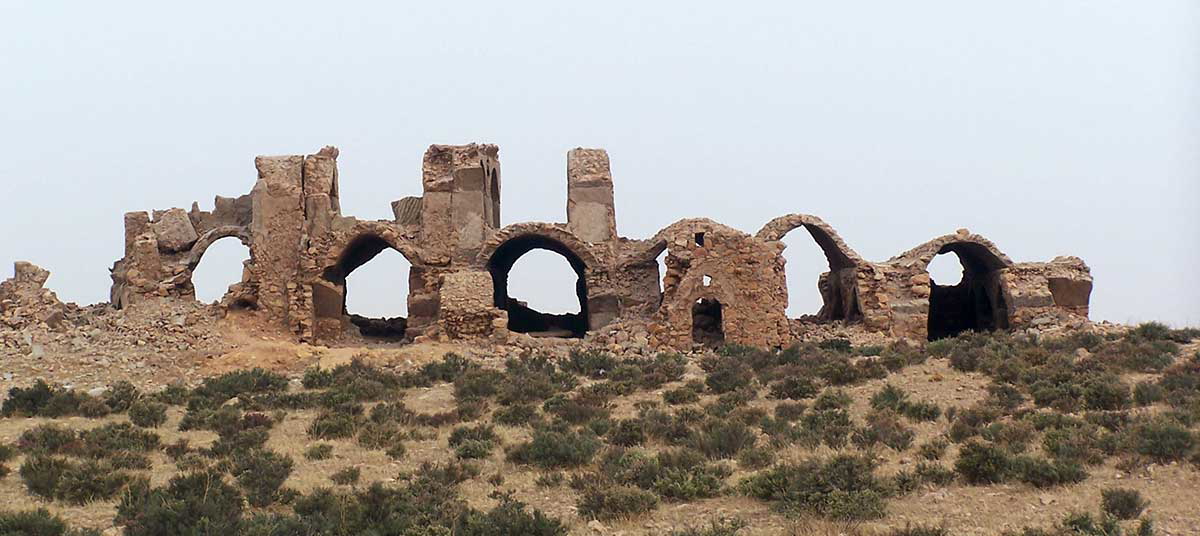
Think of them as the medieval version of a highway rest stop, but far more important. Long before phones, GPS, or even reliable maps, caravanserais were crucial to keeping trade moving across Asia, the Middle East, Europe, and North Africa. They connected distant lands, making it possible for silk from China to reach the markets of Baghdad or spices from India to be sold in Istanbul. Some were built along the Silk Road, others deep inside prominent trading cities, each playing a role in shaping commerce and cultural exchange. Every country that played a prominent part in ancient trade, and boasted caravanserais, was changed by it irrevocably.
When Brought About the Decline of Caravanserais?
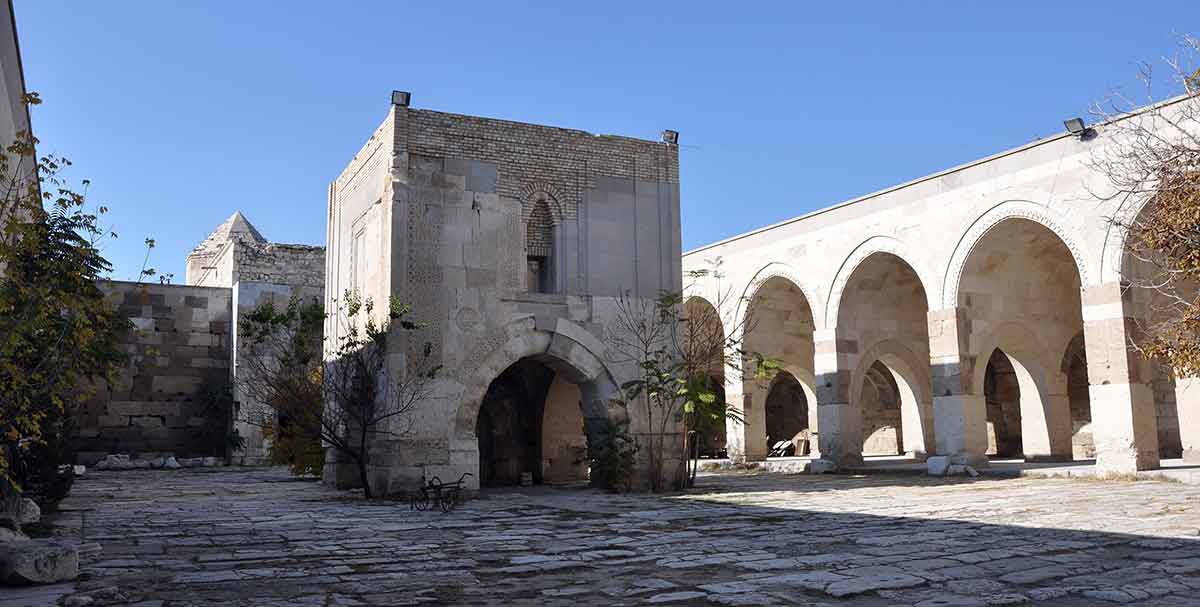
Most caravanserais fell out of favor once international maritime trade was established. Advancements in shipbuilding and navigation from the 15th century onward, especially after European explorers like Vasco da Gama reached Asia by sea, made maritime trade faster, cheaper, and far less risky. The drastic shifting of trade routes didn’t make caravanserais obsolete, per se, but their importance declined. They would still be relevant regionally for many years but not so much globally.
Trading agreements between countries also changed as prominent empires collapsed and political instability ensued. Friends became foes, and merchant partners became competitors, especially as some products became far more valuable than others. The final nail in the caravanserai coffin came in the early 1900s with the development of railroads. The so-called “end” of the caravanserai was relatively gradual, and so was their fall into disrepair. Luckily, many of their stories live on.
Caravanserais offer a glimpse into a bygone world where travel was slow, unpredictable, and adventure-filled. Here are some of the most fascinating to visit.
1. Rabat-i Malik – Uzbekistan
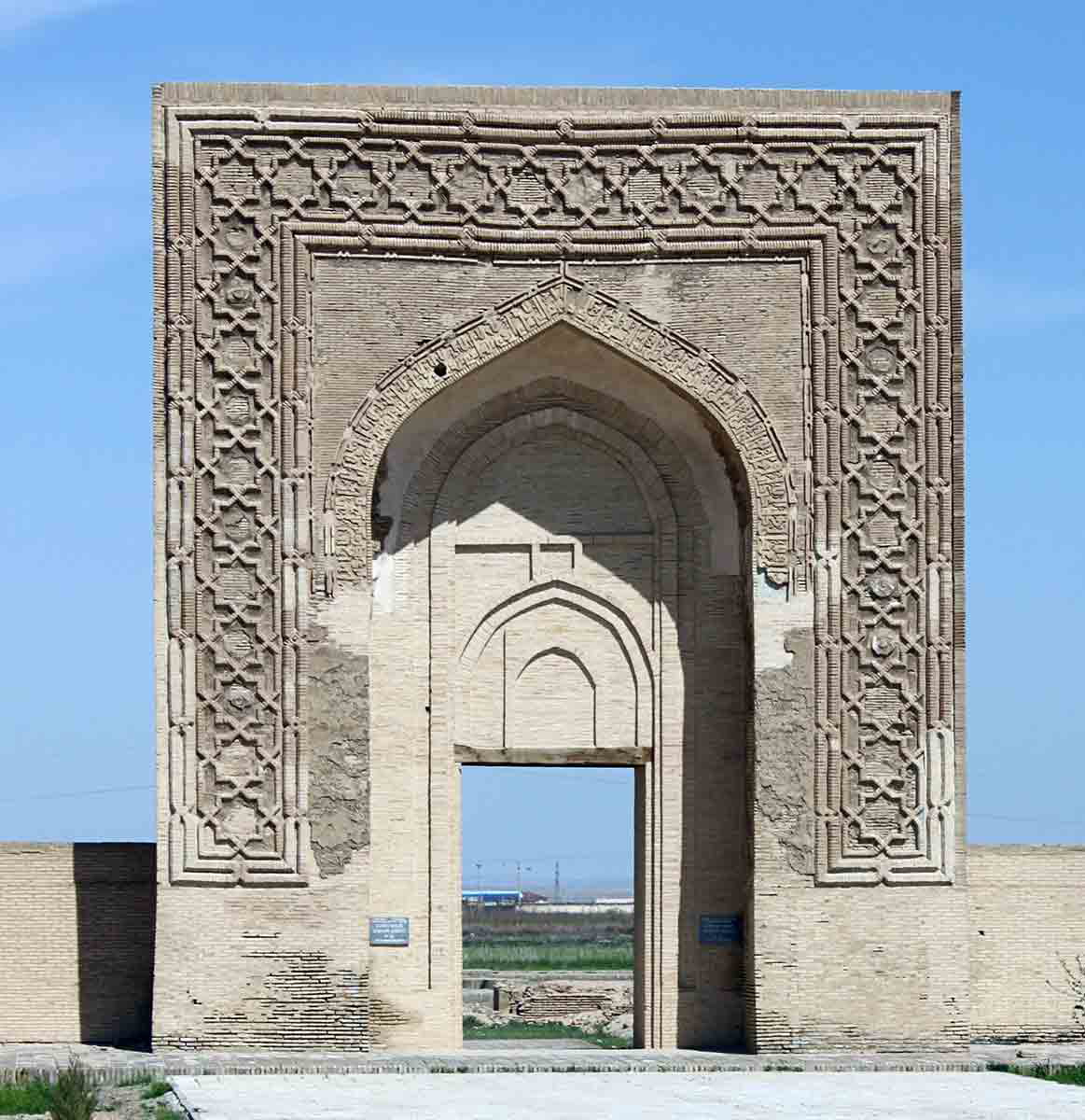
Rabat-i Malik was built during the Karakhanid Period in the late 11th century. It was right along the route between two Eastern trading giants, Samarkand and Bukhara, and acted as a stronghold, a resting area, and a bustling marketplace. Merchants and diplomats entered through its large arched gateway, undoubtedly impressed by the intricate brickwork influenced by Persian and Central Asian architecture.
Merchants were greeted in the large courtyard of the caravanserai, which provided plenty of space for unloading goods and watering their animals. A dome-shaped underground cistern supplied water, which was essential due to the harsh, dry conditions of the area.
Did You Know?
When you think of caravanserais, Europe might not be the first place that comes to mind. Yet, these roadside inns, traditionally linked to the Silk Road and Middle Eastern trade routes, also existed in parts of Europe. Most were built in regions influenced by Ottoman rule, such as the Balkans and Eastern Europe. Most European caravanserais have disappeared over time, but some still stand today, like the next entry on this list.
2. Büyük Han – Cyprus
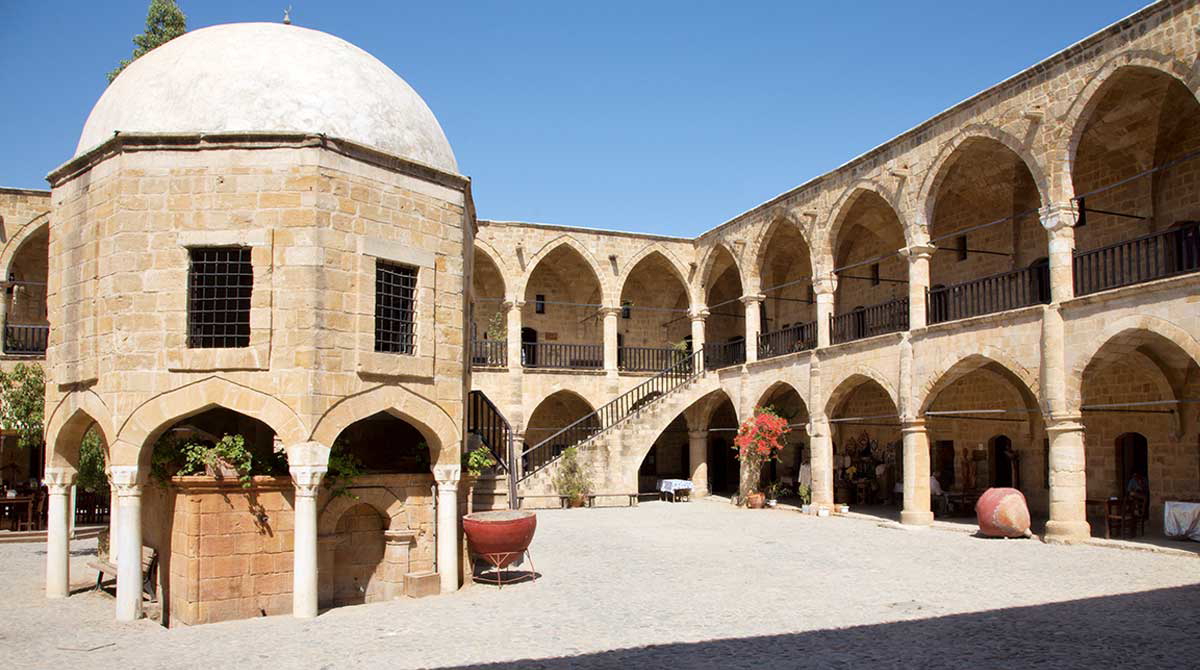
Büyük Han’s story is as richly layered as the city of Nicosia itself. Built in 1572 after the Ottomans took control of Cyprus, it was designed as a safe haven for traders, offering the typical trifecta service: storage for goods, a place to sleep, and a space to do business. But like many old buildings, it had to adapt to changing times.
By the late 19th century, when the British took over Cyprus, the han was converted into a prison—a stark contrast to its original purpose. Later, it became temporary housing for families who had fallen on hard times, turning its rooms into makeshift homes.
By the mid-1900s, Büyük Han had faded into near-oblivion, but a significant restoration project in the 1990s brought it back to life. Today, it is one of Nicosia’s most beloved cultural and social hubs.
3. Funduq al-Najjarin – Fez, Morocco
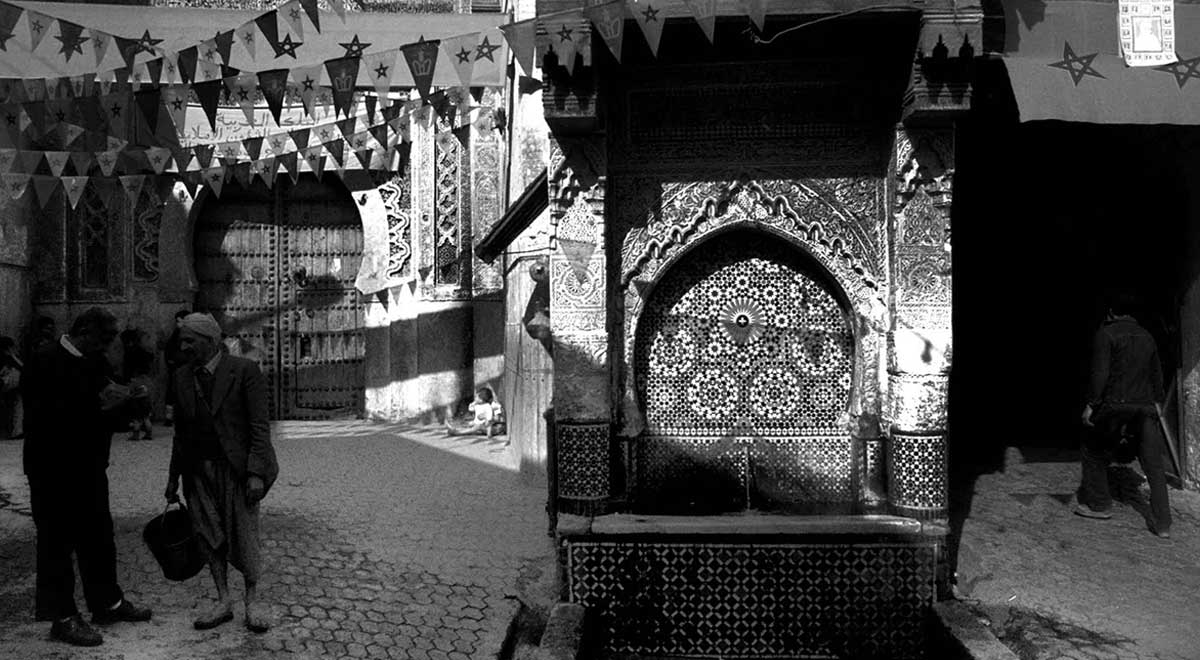
Funduq al-Najjarin has been part of Fez’s medina since the 18th century. Originally built as a showpiece of the roadside inn, it gave merchants traveling across North Africa a safe place to trade and rest. The ground floor was jam-packed with textiles, spices, and ceramics, while the upper levels offered simple, no-frills lodging.
The caravanserai was revived a few years back and is now home to the Nejjarine Museum of Wooden Arts & Crafts, showcasing Morocco’s rich woodworking heritage. The beautifully restored space is worth a visit, and if you climb to the rooftop, you’ll be rewarded with some of the most jaw-dropping views over Fez’s winding alleys.
4. Zein-o-Din Caravanserai – Iran
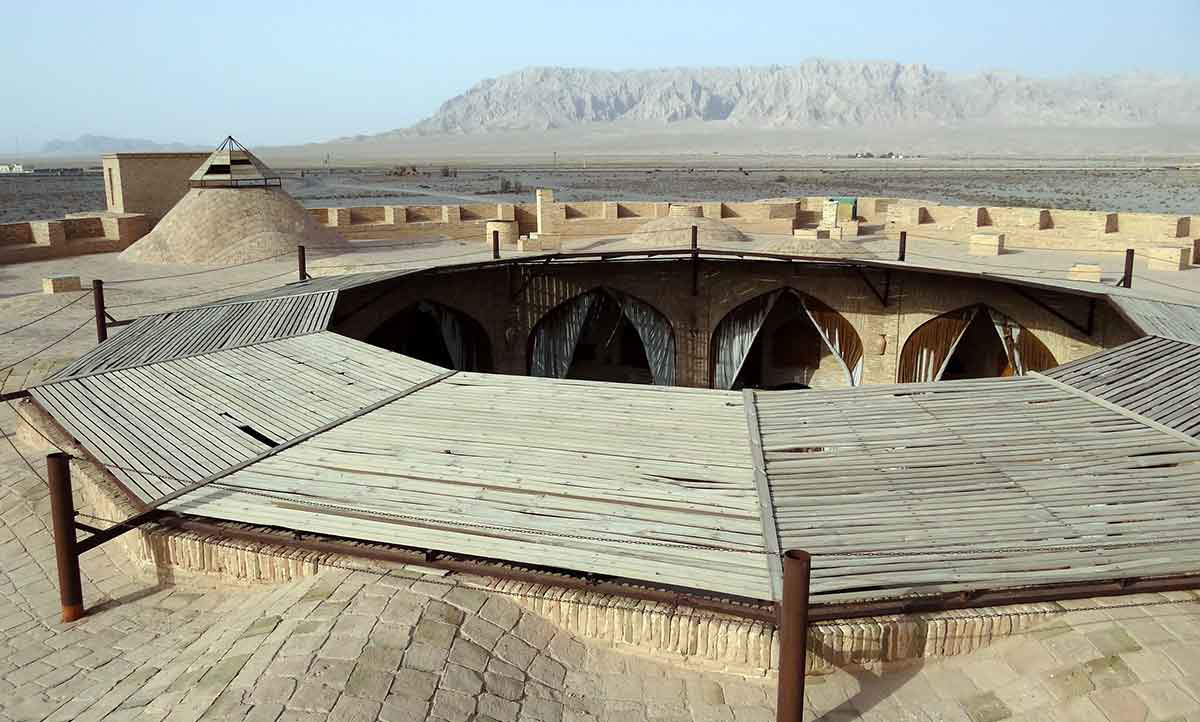
Zein-o-Din sits deep in the Iranian desert between Yazd and Kerman. It was built in the 16th century under Shah Abbas I as part of a network of 999 caravanserais, designed to support trade along the Silk Road. What sets Zein-o-Din apart is its unusual circular shape—a rarity among caravanserais. This design made it easier to defend from raiders, a real threat in the remote desert. Thick stucco walls helped keep the heat out during the day and the cold out at night.
Merchants would unload their camels and goods in the central courtyard, while simple rooms around the perimeter offered a place to rest and recharge. Unlike many caravanserais that have crumbled over time, Zein-o-Din has been carefully restored and now operates as a guesthouse. The rooms are minimal, with Persian carpets and cushions, similar to how travelers would have found them centuries ago. But the real highlight of an overnight stay? Stargazing in the desert, miles away from the light pollution of nearby cities.
5. Tash Rabat – Kyrgyzstan
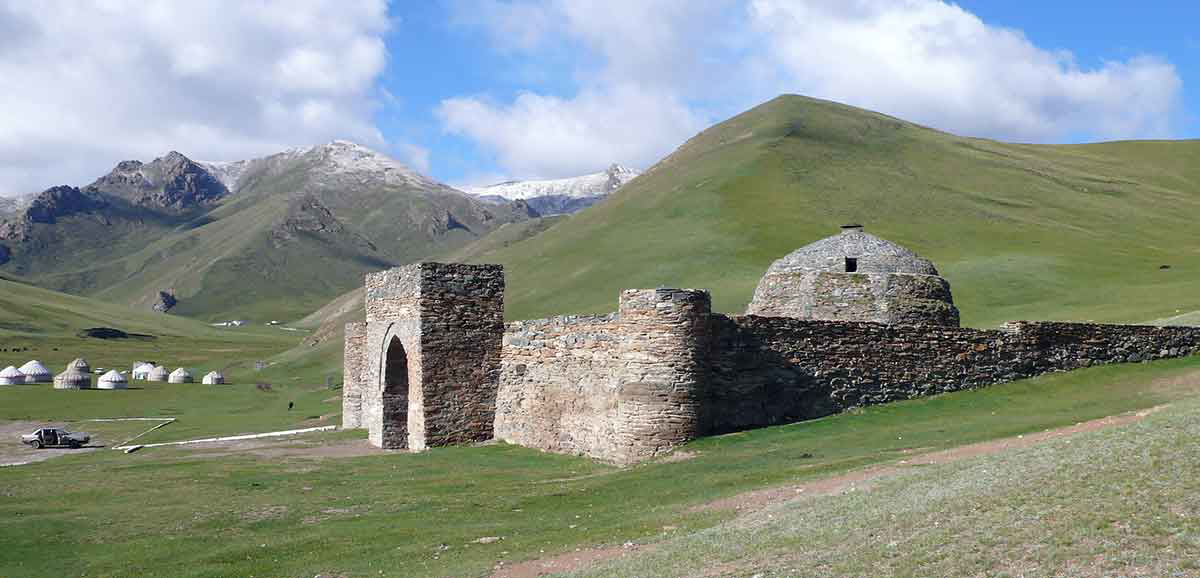
Tash Rabat sits high in Kyrgyzstan’s Tian Shan mountains, more than 10,000 feet above sea level. Its origins are still debated—some say it began as a Nestorian Christian monastery in the 10th century, while others believe it was built specifically to serve Silk Road travelers. Either way, by the time trade routes between Central Asia and China were thriving, Tash Rabat had become an essential stop for merchants, pilgrims, and explorers.
Unlike most caravanserais made from mudbrick, Tash Rabat was built entirely from local stone, beautifully blending into the rugged landscape. Its thick walls and small windows helped trap heat during harsh winters and kept the interior cool in summer. Inside are 31 interconnected rooms for storage, sleeping, and socializing.
6. Sultan Han – Turkey
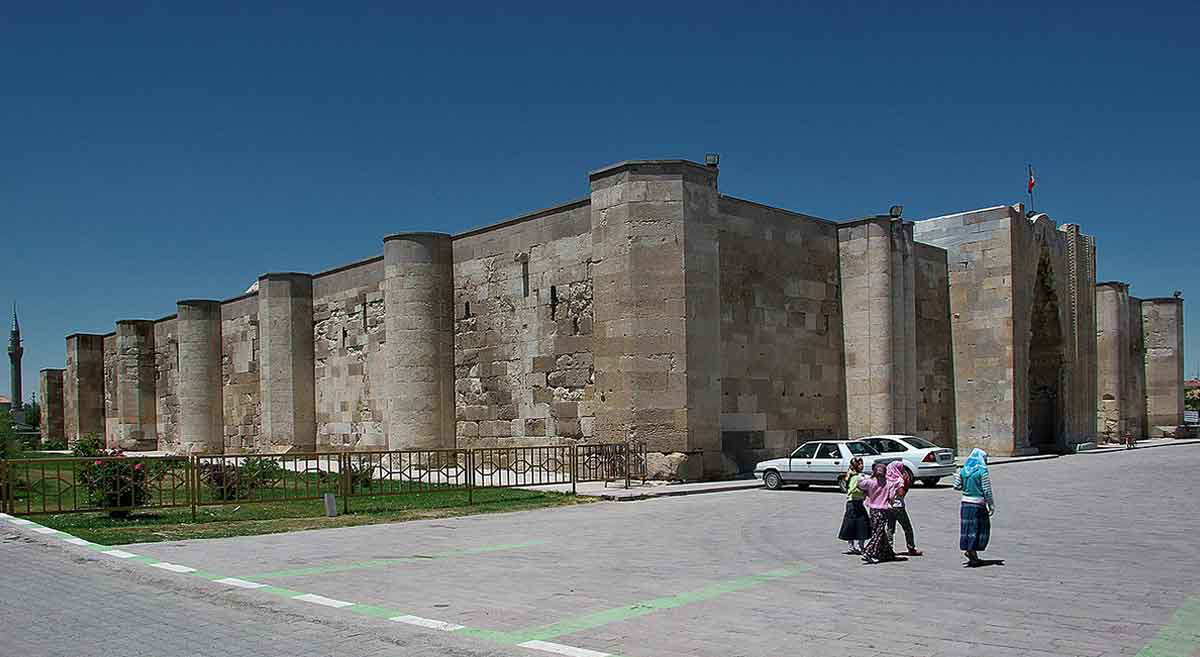
Built in 1229, during the Seljuk Empire, Sultan Han is one of Turkey’s largest, most magnificent, and best-preserved caravanserais, covering nearly 53,000 square feet. Historians consider it one of the most pivotal ancient inns as it stood at the crossroads of three cultural colossuses: the Persian, Arabian, and the Byzantine empires.
Its entrance is hard to miss—a towering marble gateway covered in intricate stone carvings opens into a vast courtyard where traders once unloaded their goods and gathered around small fires. At the center stands a two-story mosque perched atop four arches. Behind the courtyard, a covered hall kept travelers warm in winter, its central dome letting in just enough light to break the darkness.
7. Ribat of Sousse – Tunisia
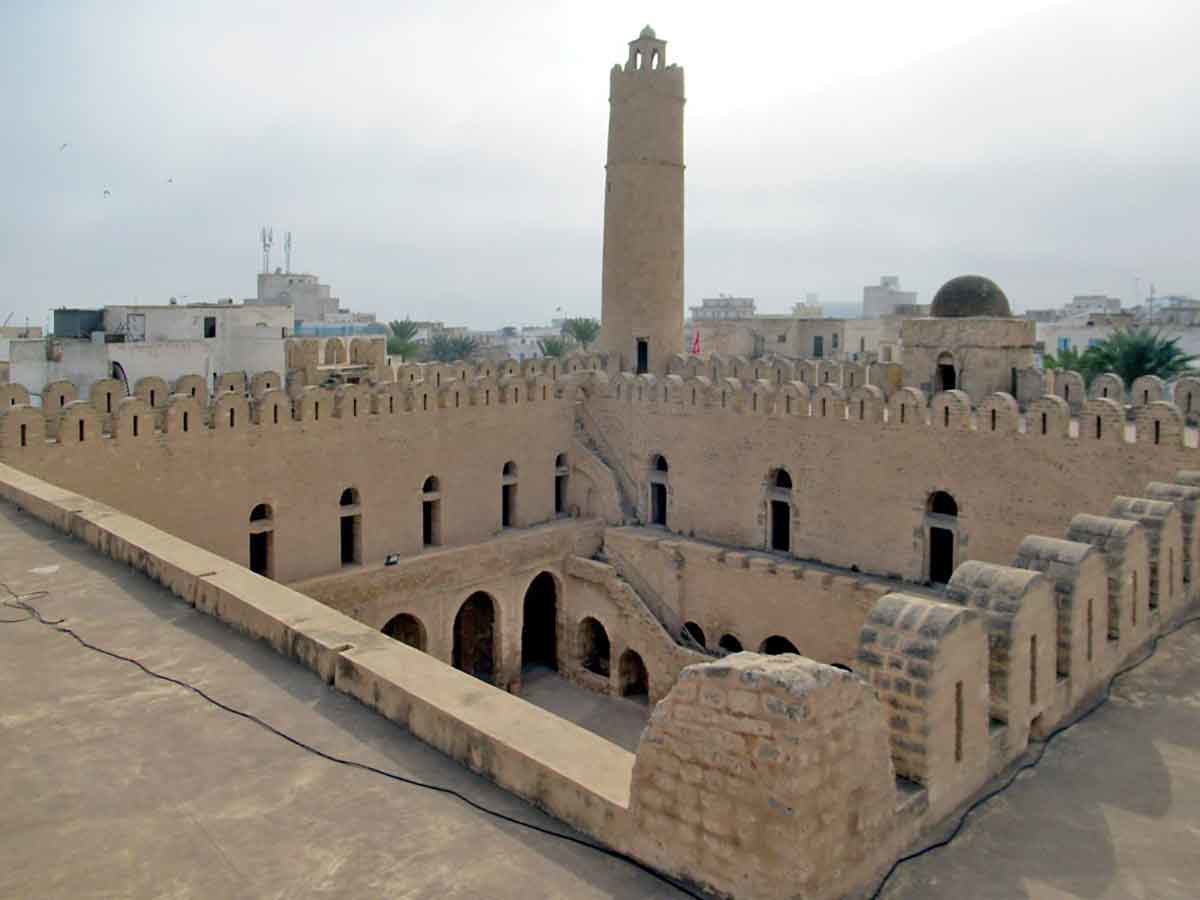
The Ribat of Sousse was built in the late 8th century and was essential for defending North Africa. It was constructed under Abbasid rule by Governor Yazid ibn Hatim al-Muhallabi to protect against attacks from the Byzantine Empire—with its thick stone walls and square shape, it proved challenging to breach. Its location near the coast allowed fast communication with other ribats using signal fires.
By the 9th century, the Aghlabid ruler Ziyadat Allah I reinforced the ribat, adding more robust fortifications and expanding its military capabilities. Its watchtower, which doubled as a minaret for the mosque inside, offered clear coastline views, allowing guards to spot incoming ships well before they reached shore. Unlike many fortresses of the time, the Ribat of Sousse also served a religious purpose—its upper rooms housed devout warriors known as murabitun, who combined military service with religious devotion.
Today, the Ribat of Sousse is considered one of the best-preserved examples of early Islamic military architecture. Climb its watchtower for spectacular views of the medina and the Mediterranean, much like sentinels did once upon a time.
8. Khan Murjan – Iraq
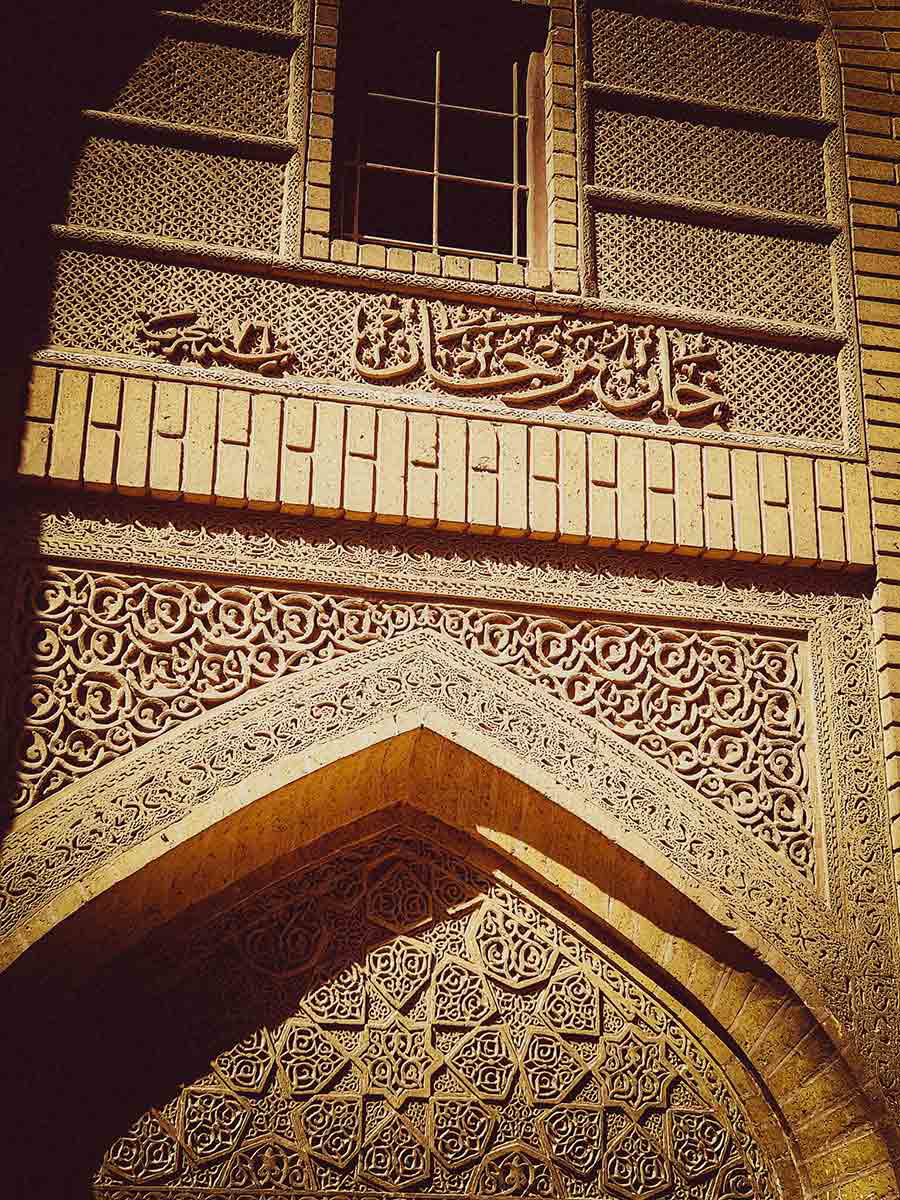
Unlike most caravanserais, which were open-air, Khan Murjan featured a massive vaulted ceiling designed to keep the interior cool during Baghdad’s scorching summers. Traders from Persia, the Levant, and beyond would unload their goods in the central hall, conduct business over tea, and rest in the rooms above.
The Caravanserai received a much-needed facelift in the 1980s when it was repurposed as a restaurant. Unfortunately, time, conflict, and lack of international tourism have not been kind to this cultural treasure, and restoration work is ongoing (again, and slowly). A stop is still worthwhile, though, as much of the intricate tilework and stone arches remain intact.
9. Khan al-Rubu’ – Iraq
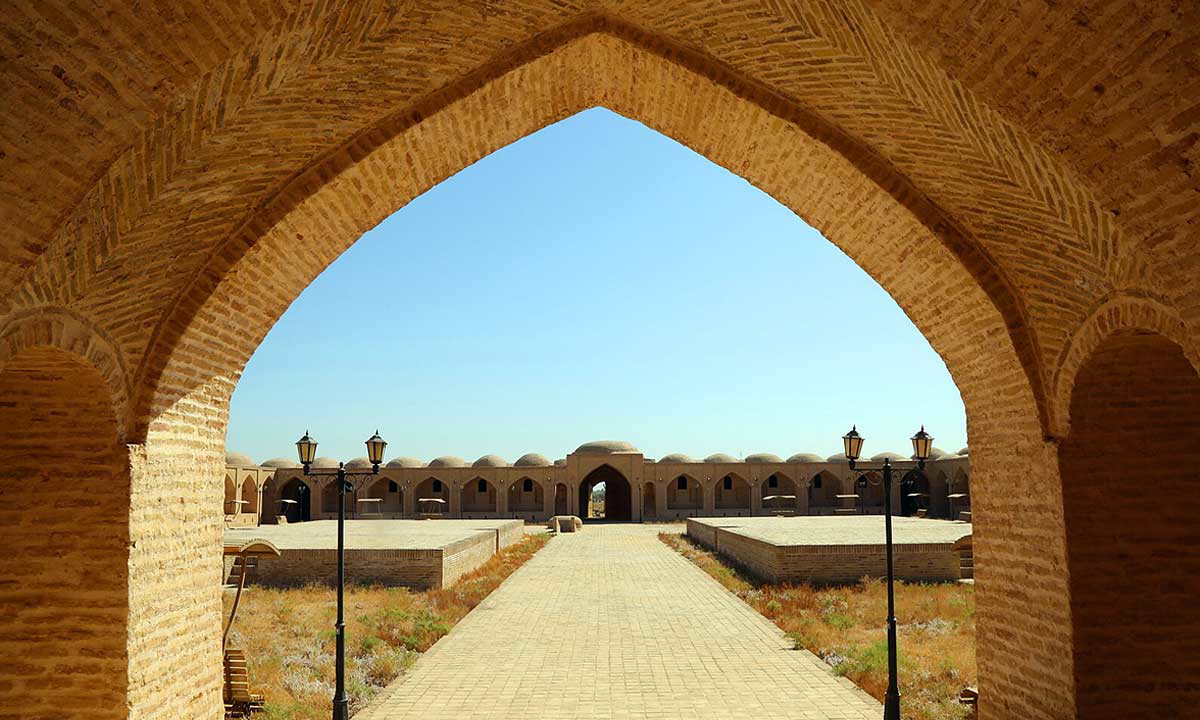
Iraq’s foremost caravanserai was built during the Ottoman Period and it is located on the old road linking two of Islam’s holiest cities. It was an important stop for pilgrims traveling between the shrines of Imam Hussein and Imam Ali, two of the holiest sites in Shia Islam. Its thick brick walls and arched doorways helped it resist harsh weather and attacks, which were prevalent along the lonely and remote desert route.
Khan al-Rubu’ missed out on a facelift during the restoration push of the 1980s during the Saddam Hussein era. Instead, its rebirth began only in 2017, when it was repurposed as a cultural venue, hosting musical, artistic, and theatrical events. If you are driving between Najaf and Karbala, it is an easy and interesting stop along the way.
10. Nugay Caravanserai – Uzbekistan

Step through the arched brick entrance of the Nugay Caravanserai, and it is easy to imagine the hum of merchants striking deals and the scent of spices drifting through the air.
Built in the 16th century, this caravanserai sat at the heart of Bukhara’s Silk Road trade network. It hosted travelers from Persia, China, and India, who would stop here to unload silk, spices, and precious metals in the central courtyard before settling into the vaulted rooms that line its perimeter.
Unlike many caravanserais that have faded into history, Nugay still stands strong. Its traditional rectangular layout and intricate brickwork have weathered centuries of use, but are as spectacular as ever.