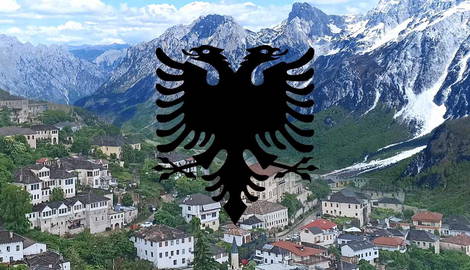

Albania’s cities offer history lovers an insight into the country’s diverse heritage. The Romans left behind a large footprint in the coastal city of Durrës, which, alongside Shkodër, once belonged to Venice’s maritime empire. Krujë served as a bastion of Albanian resistance to Ottoman conquest, while the attractive Ottoman architecture in Gjirokastër and Berat has been recognized as UNESCO Heritage Sites. Independent Albania was born in the southern coastal city of Vlorë, while the capital of Tirana is a vibrant city seeking to overcome its communist past.
1. Tirana
Tirana is Albania’s capital and largest city, with a population of some 400,000 people. While the site has been inhabited since antiquity, the city itself was founded relatively recently in the early 17th century and became an important commercial and artistic center. After becoming Albania’s temporary capital in 1920, a designation that became permanent in 1925, Tirana experienced rapid urban development under the influence of Italian city planners. The city suffered extensive damage during the Second World War and was rebuilt by the Communist authorities who took over the country.
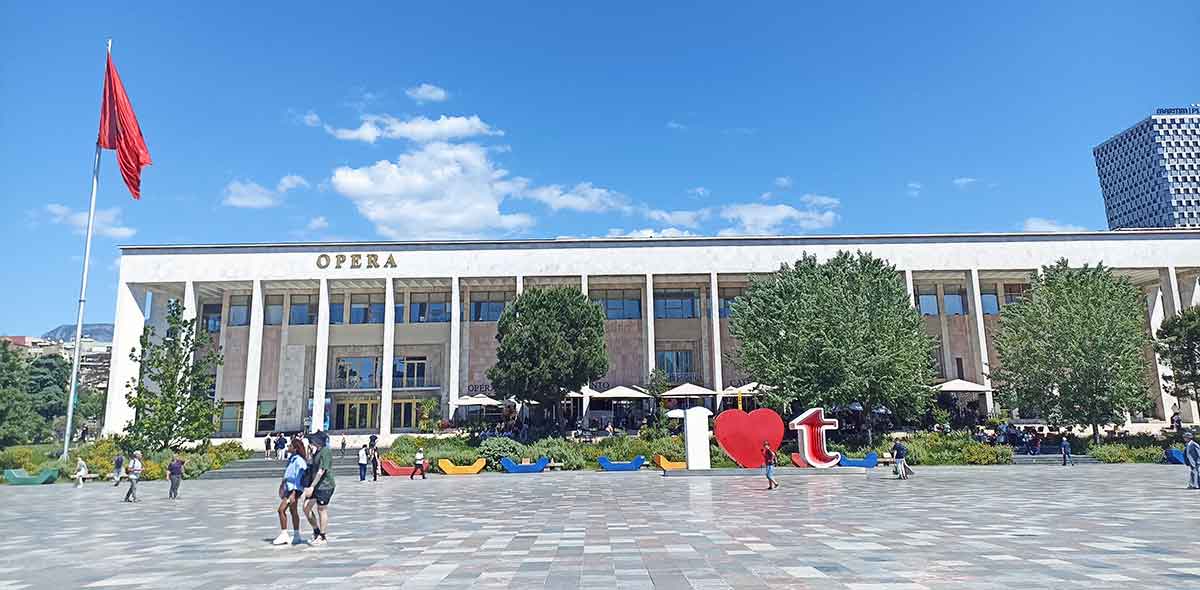
Skanderbeg Square in the city center is surrounded by a number of religious and cultural buildings. The early 19th-century Et’hem Bey Mosque was one of the few buildings in the city center to escape destruction and is, therefore, one of the oldest structures in the city. The National Theater of Opera and Ballet is located to the east of the square, while the National Historical Museum is situated to the northwest. Opened in 1981, the museum offers a comprehensive view of Albanian history from Pyrrhus of Epirus to independence and Communist rule in the 20th century. It also has a space dedicated to Mother Theresa.
The so-called Tirana Castle to the south of Skanderbeg Square is located on the site of a Byzantine fortress built by Emperor Justinian the Great. While the complex incorporates a wall from an Ottoman-era structure, the site has been redeveloped into a shopping and dining venue and is of limited historical interest.
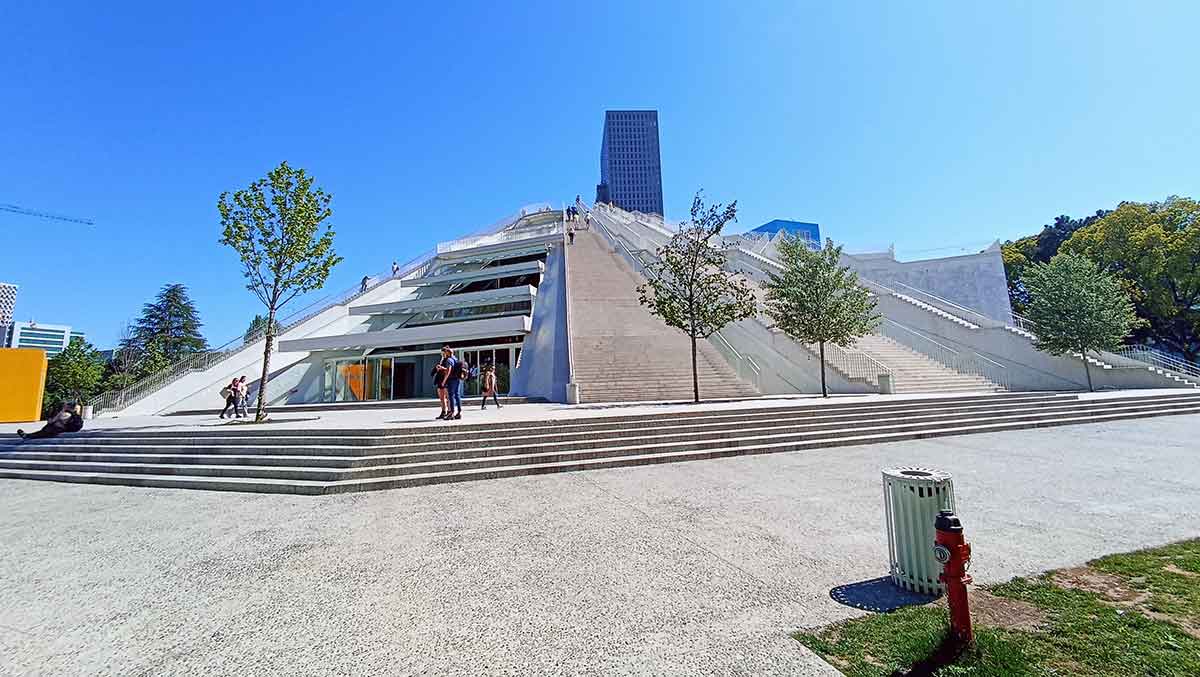
One of Tirana’s most unique structures is the Pyramid of Tirana, which opened as a museum to Communist dictator Enver Hoxha in 1988, three years after his death. Following the collapse of communism in 1991, the building became a conference center. It served as a NATO base during the 1999 Kosovo War and has most recently been redeveloped as an IT center. Visitors can climb to the top of the pyramid for panoramic views of the city.
Another legacy of Hoxha’s rule found throughout Tirana and Albania is the network of underground bunkers designed to resist a land invasion after Hoxha fell out with the Soviet Union in the 1960s. While most of these bunkers are designed to accommodate a couple of soldiers at most, a couple of large underground bunkers intended for government officials have been transformed into museums. Bunk Art 1 to the east of the city offers a comprehensive account of Albanian history during the Communist era, while Bunk Art 2 in the city center focuses on the notorious political oppression under Hoxha’s regime.
2. Gjirokastër
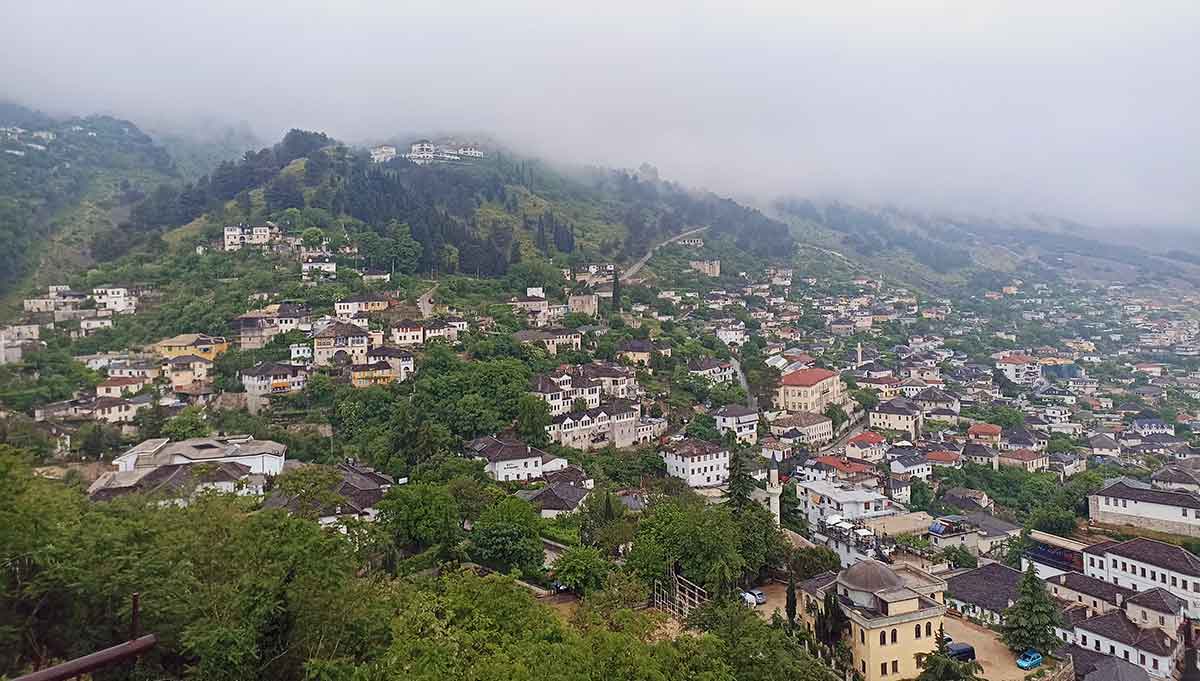
The southern Albanian city of Gjirokastër is known for its stone tower houses dating from the Ottoman period. The city’s name, first recorded in the 14th century, comes from the Greek Agyrocastron, or “silver castle,” though the eponymous fortress has been around since the 12th century. The imposing hilltop fortress is the city’s most iconic site. While a basic ticket grants entry to the castle grounds and walls, visitors can also gain access to a local history museum and a Museum of Armaments for a small extra fee.
From the castle walls, it is easy to see why Gjirokastër is nicknamed the Stone City. The iconic manor houses that fill the slopes of the Drino River Valley were built by wealthy local families between the 17th and 19th centuries. Historic buildings such as the Skënduli House and the Zekate House have remained within the possession of these families. In exchange for a small entrance fee, the descendants of the original owners offer guided tours for visitors in various languages. The city center also accommodates a bazaar offering a wide range of Albanian handicrafts for travelers to bring home.
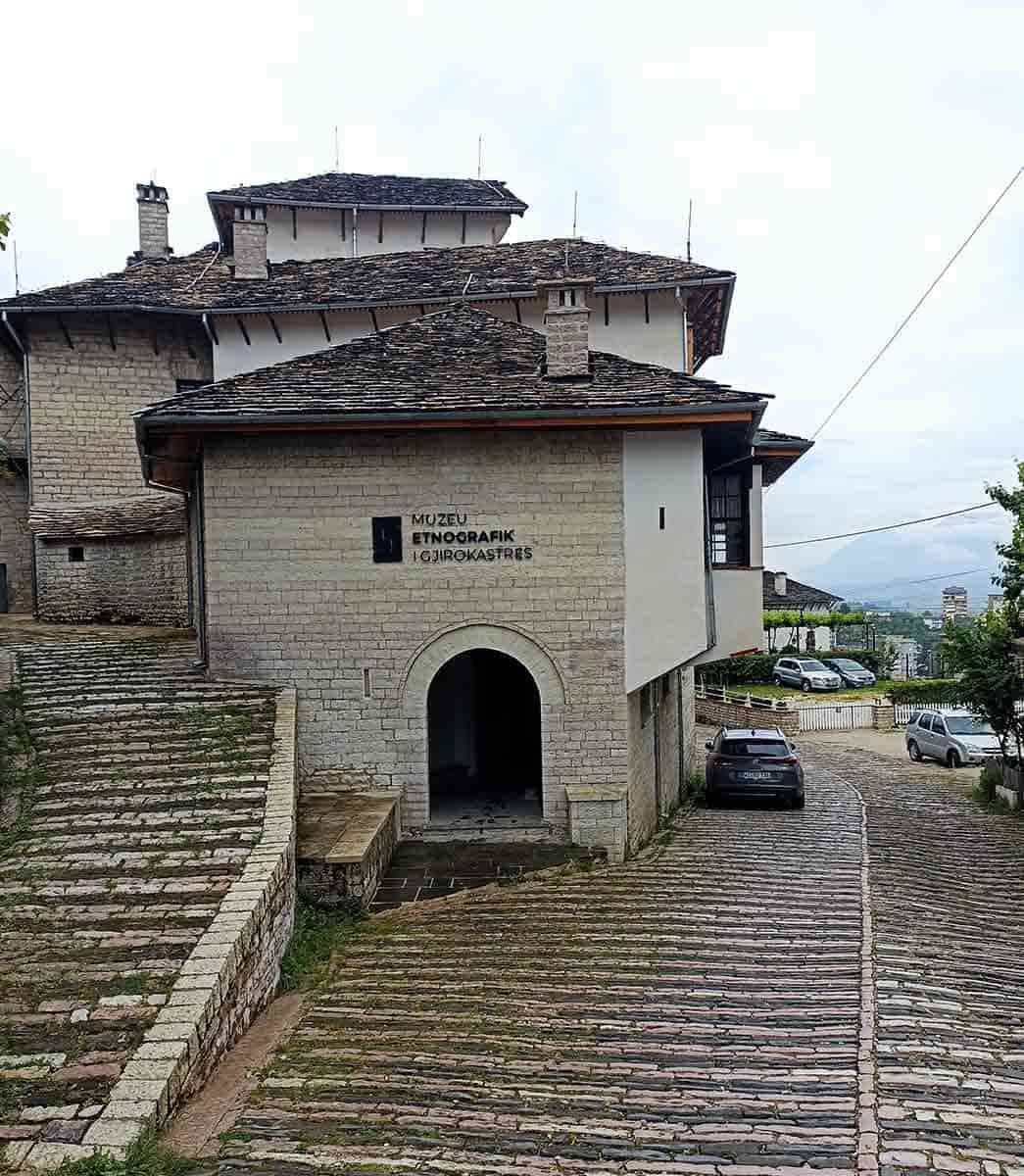
Gjirokastër’s native sons include the late poet and novelist Ismail Kadare, considered one of the greatest writers of the 20th century, and the notorious dictator Enver Hoxha. The house in which Hoxha was born in 1908 now houses the Ethnographic Museum. In addition to its collection of colorful costumes from various regions around the country, accompanied by English language descriptions, visitors can also see the room in which Hoxha was born.
Another reminder of Gjirokastër’s communist past is the tunnel system under the fortress, intended to accommodate local government officials in the event of nuclear war. The city municipality offers guided tours of the bunker. Unlike those in Tirana, which have been fully converted into museums, the underground bunker in Gjirokastër has largely been kept in the same condition as it had been when the communist regime collapsed in 1991.
3. Berat
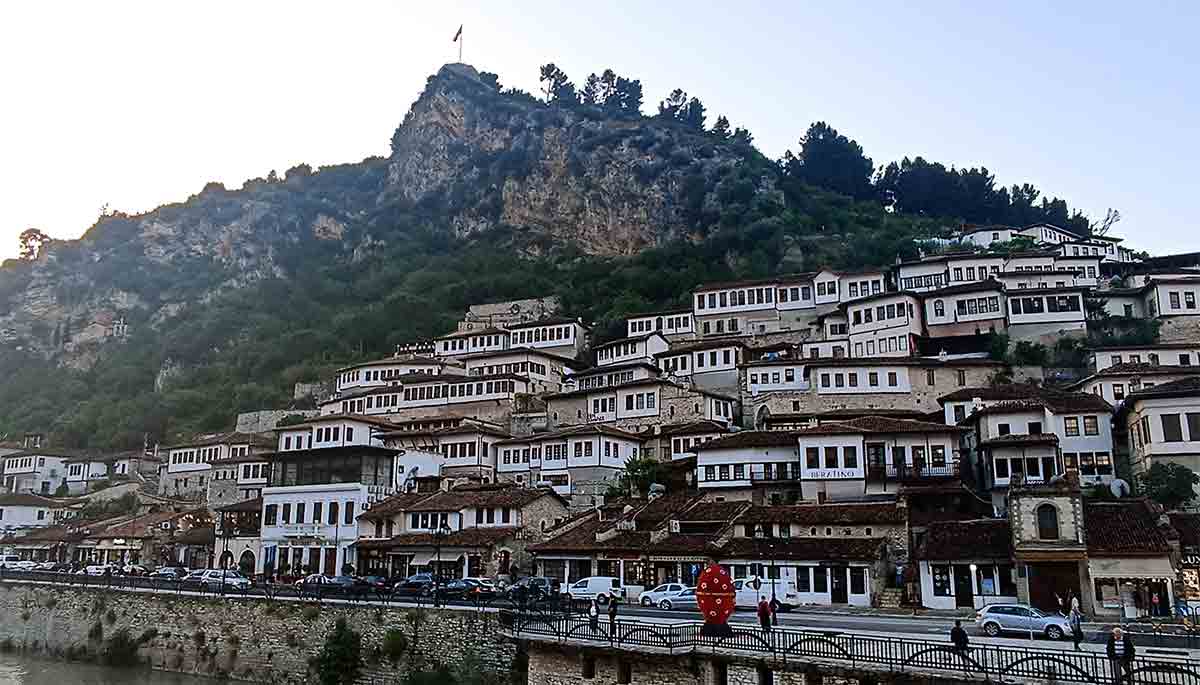
One of Albania’s most attractive cities, Berat is known as the City of a Thousand Windows on account of the distinctive architecture of the city’s Ottoman-era houses overlooking the banks of the River Osum. During the Ottoman period, the river marked the boundary between the predominantly Muslim quarter of Mangalem on the northern bank and the predominantly Christian Gorica quarter opposite. Berat’s architectural legacy was recognized in 2008 when it was added to the UNESCO World Heritage list as an extension to the listing for Gjirokastër.
The major attraction in Berat is the 13th-century castle perched on a hill overlooking the city. A 15-minute climb from the city center, Berat Castle still includes a large residential area within its walls. The castle grounds contain a number of historic churches, and visitors can climb the walls of the fortress near the northern entrance, where there is a large viewing platform to the south overlooking the river.
One of the most interesting sites within the castle grounds is the Onufri Iconographic Museum. Located in the premises of the Church of the Dormition of St. Mary, the museum’s collection contains over 200 Orthodox icons, most of which are painted by the 16th-century Albanian icon painter Onufri or his students and associates.
4. Shkodër
Regarded as the traditional capital of northern Albania, Shkodër dates back to the Ancient Illyrians in the 4th century BCE. Over the centuries, the city’s location on the shores of Lake Shkodër (known in neighboring Montenegro as Lake Skadar) made it an important commercial hub in the western Balkans.
One of the most popular attractions in Shkodër is the Marubi National Museum of Photography, named after 19th-century Italian photographer Pietro Marubi who settled in Shkodër and opened the first photographic studio in Albania. The museum is located on Kolë Idromeno Street, the pedestrianized thoroughfare in the city center. Like the rest of Albania, Shkodër has a history of religious tolerance, and the Ebu Beker Mosque, the Franciscan Catholic Church, and the Orthodox Church of the Nativity are located in close proximity to each other off Kole Idromeno Street.
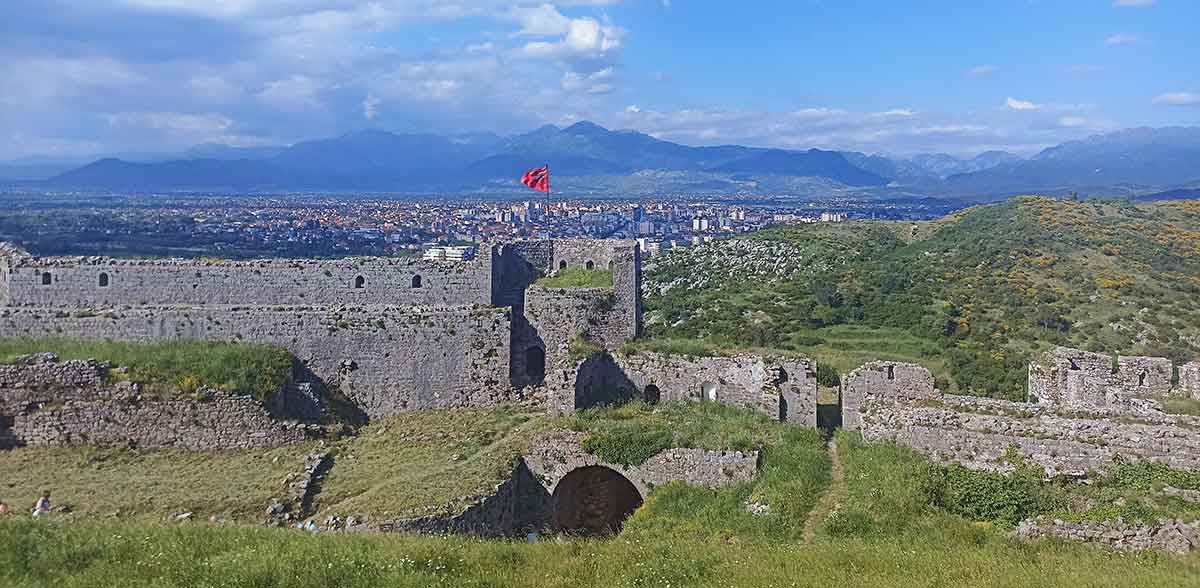
Strategically positioned on a rocky hill three miles to the south of the city center, Rozafa Castle is one of the most breathtaking sites in Shkodër. From the walls of the ruined castle, which were predominantly built during the period under Venetian rule, visitors can experience stunning views of Lake Shkodër and the city.
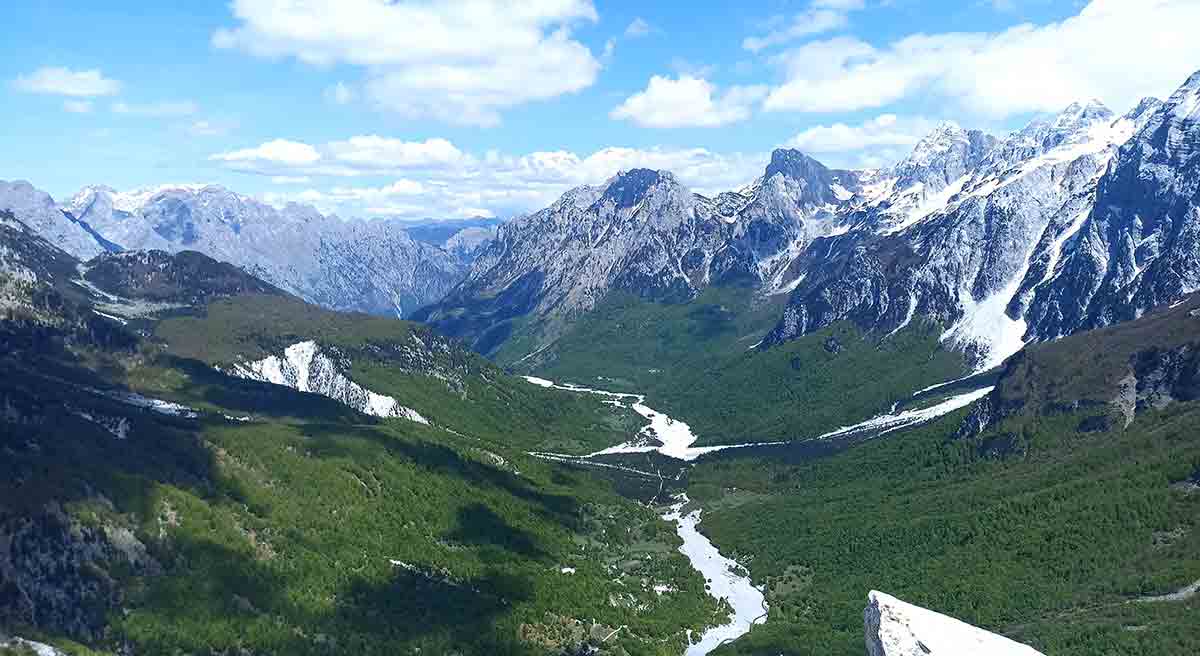
For travelers seeking more of Albania’s national beauty, Shkodër serves as the gateway to the Albanian Alps, also known ominously as the Accursed Mountains. The village of Theth, some 40 miles northeast of Shkodër, serves as a popular base for hikers. It is situated at one end of the Theth-Valbona Trail, a 10-mile hike offering incredible views of the mountainous landscape of northern Albania that attracts adventurers from all over the world.
The road from Shkodër to Theth has recently been upgraded and is an easy two-hour drive in a rental car. Most travelers seeking to experience the Theth-Valbona trail prefer to arrange a minivan from Shkodër that will take them to Valbona (often via a ferry on the scenic Lake Komani), where they will stay the night before hiking to Theth the following day. From Theth, another minivan brings the travelers back to Shkodër.
5. Krujë
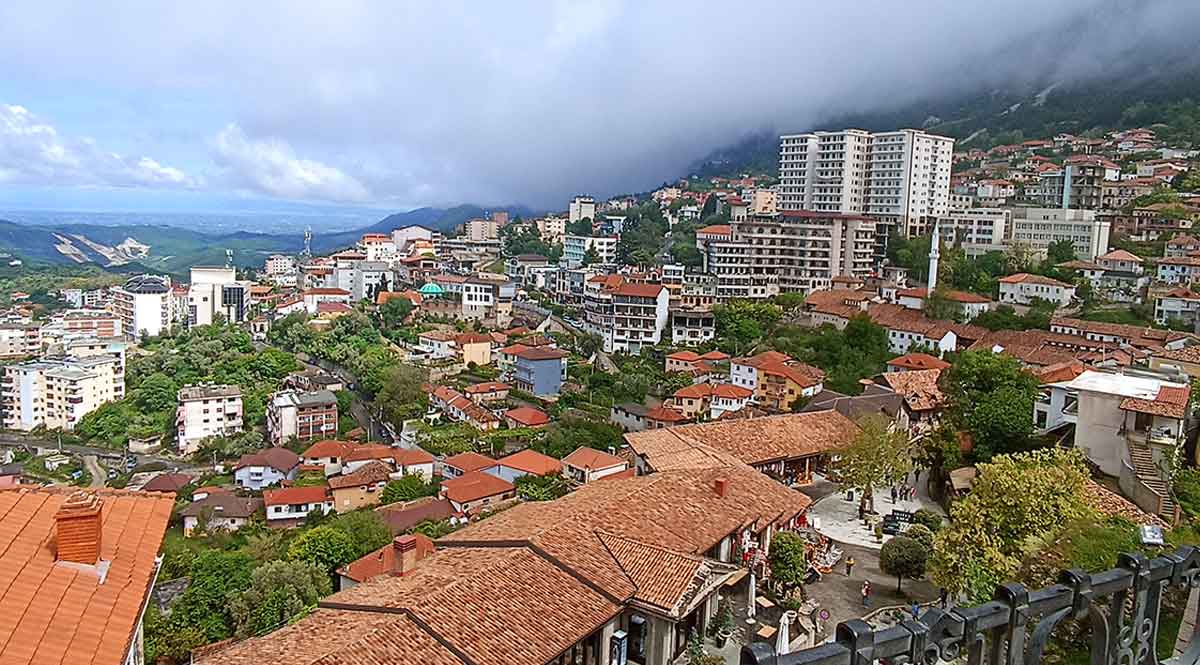
The city of Krujë, located 20 miles north of Tirana, is inextricably linked with Albanian national hero Gjerj Kastrioti Skanderbeg, who successfully organized Christian resistance to the Ottoman invasion of the Albanian lands for two decades during the second half of the 15th century. During this period, Krujë Castle served as Skanderbeg’s main base of operations and held out against the Ottoman siege on three separate occasions.
While little remains of the original Krujë Castle, visitors can go to the Skanderbeg National Museum, built in the 1970s within the walls of the ruined castle. The museum’s exhibition halls tell the story of how Skanderbeg escaped from Ottoman service to organize the Albanian lords into the League of Lezhë to offer united resistance to the Ottomans. While the displays sometimes lack descriptions in English, paintings, diagrams, digital screens, and models illustrate the major military engagements during Skanderbeg’s Rebellion, including the sieges of Krujë and the battles of Torvioll and Albulena. Replicas of Skanderbeg’s helmet and sword are prominently displayed in the main hall. The originals are in the collection of the Kunsthistoriches Museum in Vienna.
Visitors seeking to bring back a souvenir of their travels to Albania can explore the nearby bazaar, situated off the road leading up to the castle and museum. The shops in the bazaar offer a wide range of trinkets and handicrafts, including busts and images of Skanderbeg in various sizes.
Travelers who are fond of hiking can climb up a trail to Krujë Mountain to the east of the city. Those who manage to reach the summit are treated to panoramic views of the city and the surrounding countryside below in good weather, which is by no means guaranteed. The mountain is also home to a shrine dedicated to the Sufi mystic Sari Saltik, who is widely venerated among Albanian Muslims.
6. Durrës
The coastal city of Durrës, the second-most populous in Albania, was founded as the Greek colony of Epidamnos in the 7th century BCE. After passing under Roman rule in the 3rd century BCE, the city came to be known as Dyrrachium. It served as an important port on the eastern Adriatic and the start of the Via Egnatia, which ran across the Balkan peninsula to Byzantium. During the Roman Civil War between Pompey and Caesar, Dyrrachium served as a key logistics base for Pompey, who successfully defended the port from Caesar’s besieging army in 48 BCE. Pompey pursued Caesar’s retreating army into Thessaly but was defeated at Pharsalus shortly thereafter.
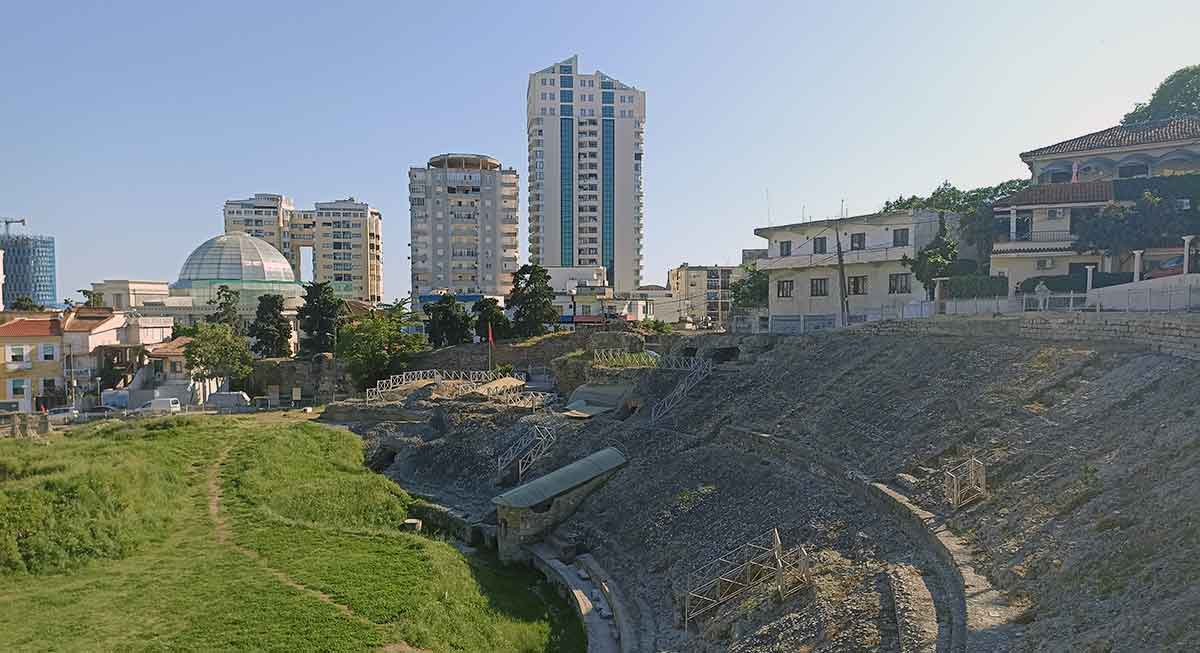
Durrës’ Roman heritage can easily be seen in the ruins of the Roman amphitheater, built during the reign of Emperor Hadrian in the 2nd century CE, and the Forum of Anastasius, named after the 5th-century Byzantine emperor born in Durrës in 431 CE. The Byzantines were also responsible for building the city walls that run to the west of the amphitheater. As befitting its past as a major Roman and Byzantine city, Durrës is home to the National Archaeological Museum.
During the later Middle Ages, Durrës experienced centuries of political turbulence as control of the port city passed between the Bulgarians, the Normans, the Angevins, the Serbians, the Venetians, and local Albanian lords until it was conquered by the Ottomans in 1501. The Venetian Tower is an iconic round tower at the southern end of the Byzantine wall built by the Venetians in the 15th century. Durrës continues to function as a thriving port in the 21st century, and visitors can also relax on the long stretch of beach to the south of the city.
7. Vlorë
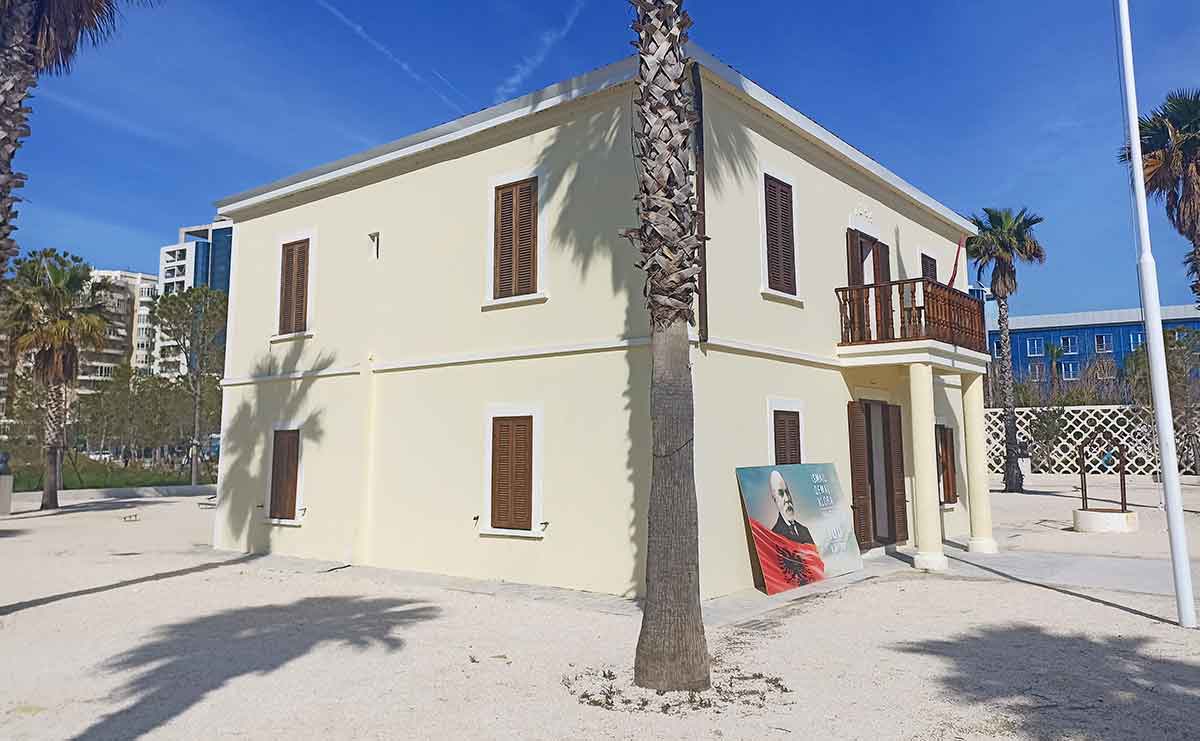
The third most populous city in Albania, Vlorë played a major role in the country’s independence from the Ottoman Empire at the beginning of the 20th century. During the First Balkan War of 1912-1913, a coalition of Balkan states won a series of victories over the Ottoman Empire. While Albania initially remained loyal to the Ottomans, the fear of being partitioned by Greece, Bulgaria, Serbia, and Montenegro encouraged the Albanian nationalist leader Ismail Qemali and his allies to declare independence in Vlorë on November 28, 1912. Albanian independence was subsequently recognized at the Conference of London in July 1913.
The small mansion in which the members of the All-Albanian Congress met to declare independence is now home to the National Independence Museum. The museum’s collection includes many exhibits related to the Albanian independence movement and its leaders, though most labels are only in Albanian.
A 40-minute walk almost directly north from the Independence Museum along Qemali Boulevard and Democracy Street, Vlorë’s Old Town features a collection of colorful houses hosting shops and restaurants, most of which have been recently renovated and repainted. Other attractions near the Old Town include an uninspiring history museum and an imposing communist-era Independence Monument in Flag Square.
Vlorë is situated around 30 miles to the north of the Albanian Riviera. This attractive stretch of coast extends from Palasë to the resorts of Sarandë and Ksamil further south. While most visitors to this part of Albania are attracted to the crystal blue waters and the warm weather, the Riviera also includes several sites of historical interest.
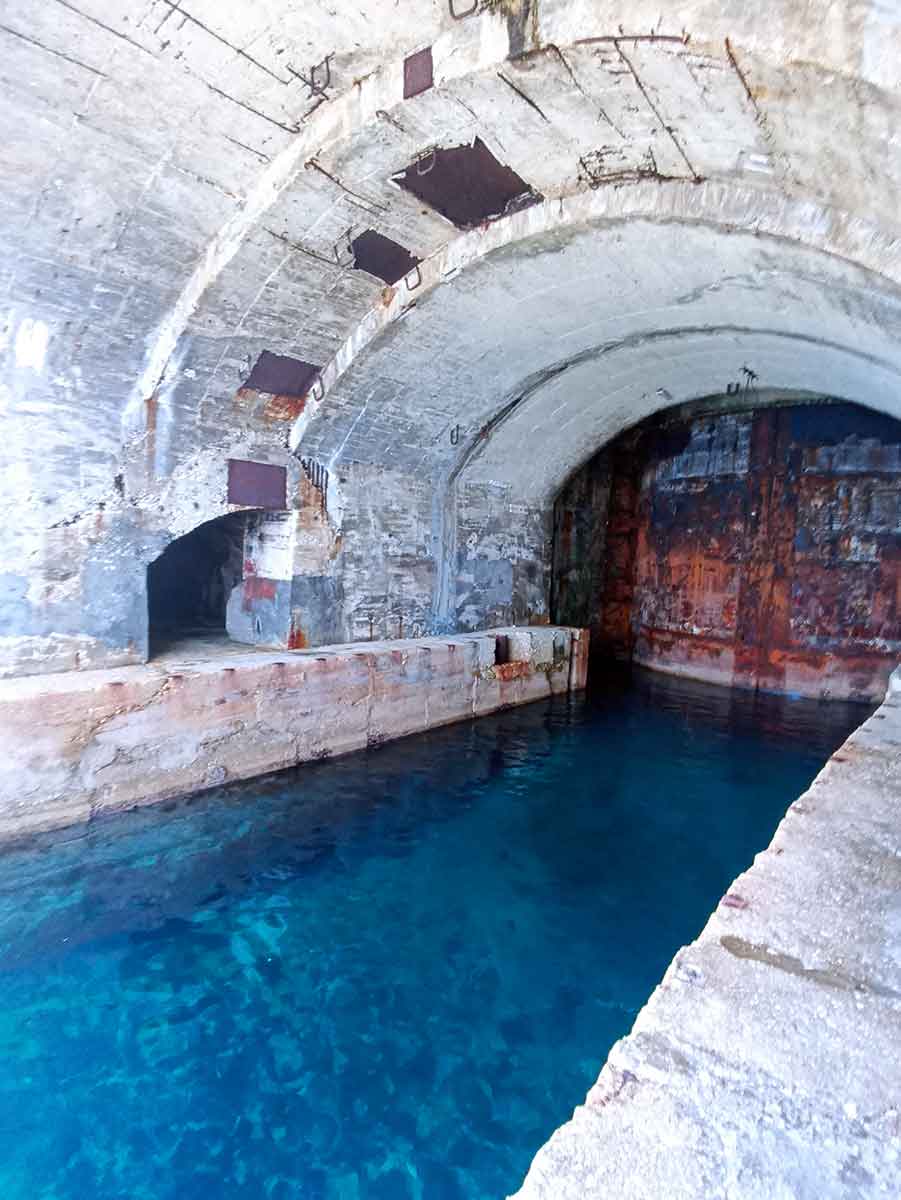
Porto Palermo is home to a well-preserved castle built by Ali Pasha Tepelena, an Ottoman pasha from the turn of the 19th century who ruled over a vast domain incorporating southern Albania, North Macedonia, and most of northern and central Greece. A disused submarine base a short distance up the coast from Porto Palermo has attracted adventurous travelers. While the tunnel itself cannot be accessed without trespassing into an active naval base, the sealed-off western entrance can be reached on foot, a 25-minute walk from the main road. In 2024, the Albanian government announced plans to revitalize the base for military and tourism purposes.