According to Chinese legend, the process of silk-making was discovered around 2700 BC when Leizu, the wife of the legendary Yellow Emperor, was sitting under a tree drinking tea. It is said that a cocoon fell into her cup and began to unravel. The empress noticed the strong thread that came loose and soon taught the art of raising silkworms to the people. Even today, most of the fabric is derived from the cocoon of the Bombyx mori larva, which feeds mostly on the leaves of white mulberry trees.
The farming technique is known as sericulture. For nearly 3,000 years, the Chinese kept the process a secret and revealing it was a crime punishable by death. This was because the ruling dynasties understood the value of monopoly over the material.
Silk Was Used to Uphold Social Classes
Domestically, the fabric was more than just clothing for the elite. It functioned as a currency for buying goods and services. Farmers in China, for example, paid their taxes in grain and silk for centuries. And in the Han Dynasty (from 206 BC to 220 AD), the government paid salaries in rolls of silk rather than coins. As such, the material was woven into the very structure of the local economy.
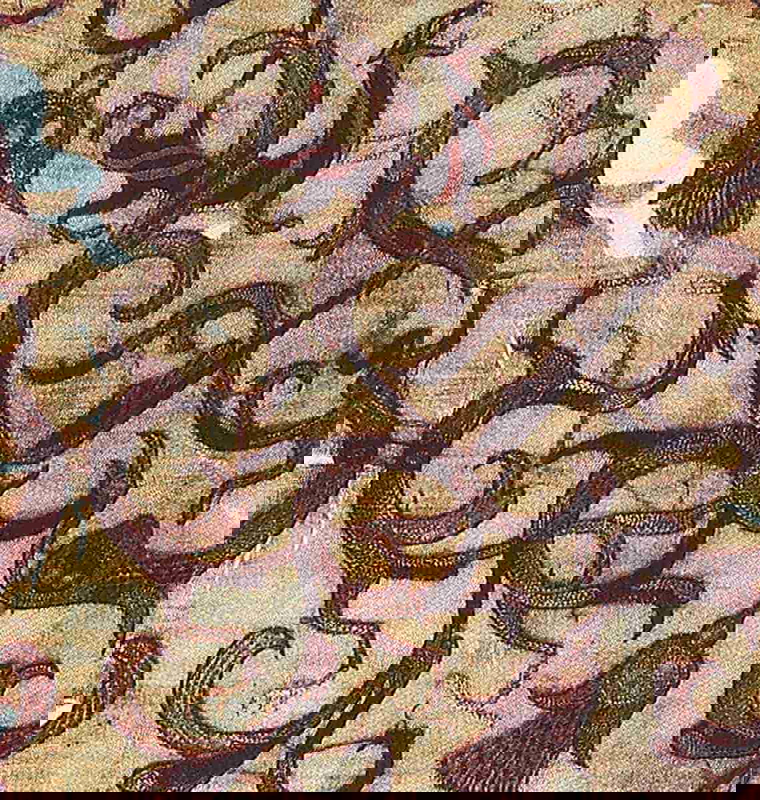
At some point, rules regarding silk color and quality were implemented in order to reinforce a strict class system. Only the emperor and his close family were allowed to wear yellow silk initially. Peasants in some regions were also forbidden from wearing the fabric.
It Connected the East and the West
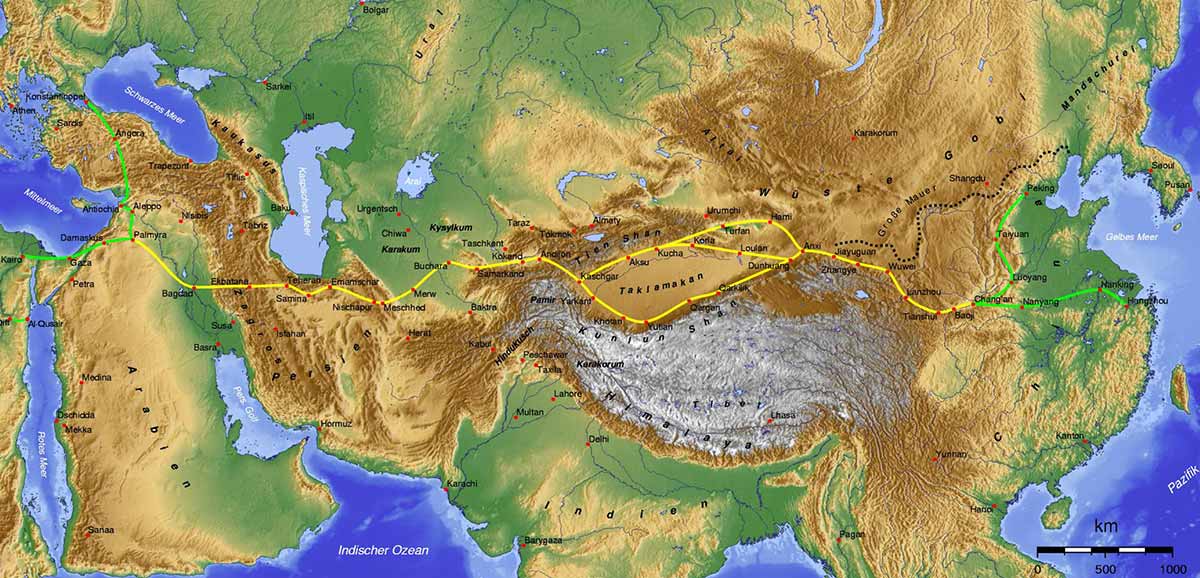
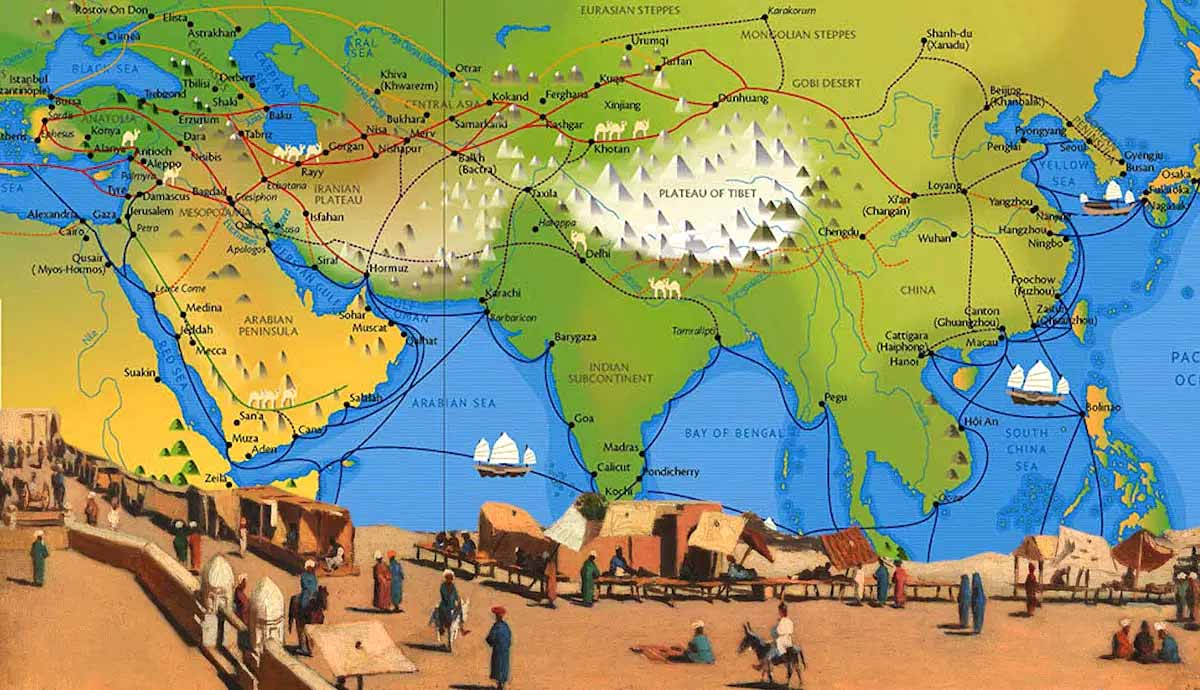
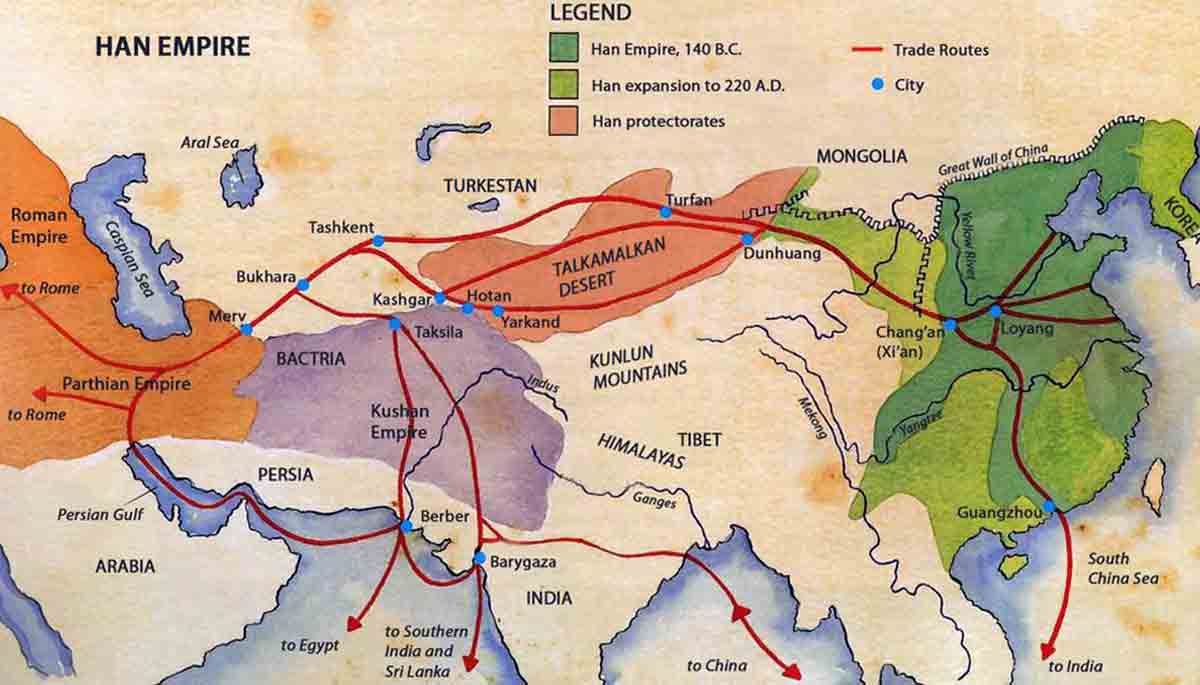
It was in 138 BC that the Han Emperor Wu sent Zhang Qian, a diplomat, to travel west and find allies against the problematic Xiongnu tribes. Unsuccessful at first, he instead returned with reports of strong, tall horses and markets hungry for trade items, especially silk. Thus, the network of trade routes known as the Silk Road was born. The Chinese Empire began to establish and secure trade routes to the West through conquests and agreements with local tribes.
The routes stretched 4,000 miles from Chang’an to the Mediterranean Sea, allowing silk items to change hands many times in towns along the routes. The price of the material increased with almost every mile it traveled west, and by the time it reached the Roman Empire, it was worth its weight in gold. In Rome, the upper class became obsessed with the translucent fabric.
It Was Used to Portray Wealth

Men and women wore it to portray wealth, class, and opulence. However, moral leaders in Rome hated the fabric for two reasons. It was seen as too revealing for decent women to wear. It also caused a severe trade imbalance which Pliny the Elder wrote about in 77 AD. He claimed that Rome lost approximately 100 million sesterces (coins) a year to the East, an amount that was a massive drain on the Roman economy as a result. At the time, the Romans had no idea how the fabric, the main import, was made. Many Romans reportedly believed that silk grew on trees like cotton. Because no one knew the truth, the price of the material stayed sky-high for over a thousand years.
It Fueled the Age of Discovery

The huge demand for silk actually sparked other inventions too. The same trade routes that carried the material also brought new technologies such as paper, gunpowder, and the compass to the West. Even the Age of Discovery was also partly fueled by silk. This is because when Columbus sailed west in 1492, he was looking for a shortcut to the silk and spice source regions.
In many ways, silk also created the first truly global economy. It connected empires that didn’t even speak the same language. Beyond clothes, silk was also used to make fishing lines and items such as strings used to make musical instruments. It was also used as a canvas. Additionally, before paper-making technology was developed, wealthy scholars wrote on silk scrolls that ended up preserving a huge chunk of Chinese history. In 1973, archaeologists at the Mawangdui Tombs found silk texts from 168 BC that included star maps and medical books that would have otherwise rotted away if they were made of less durable material.