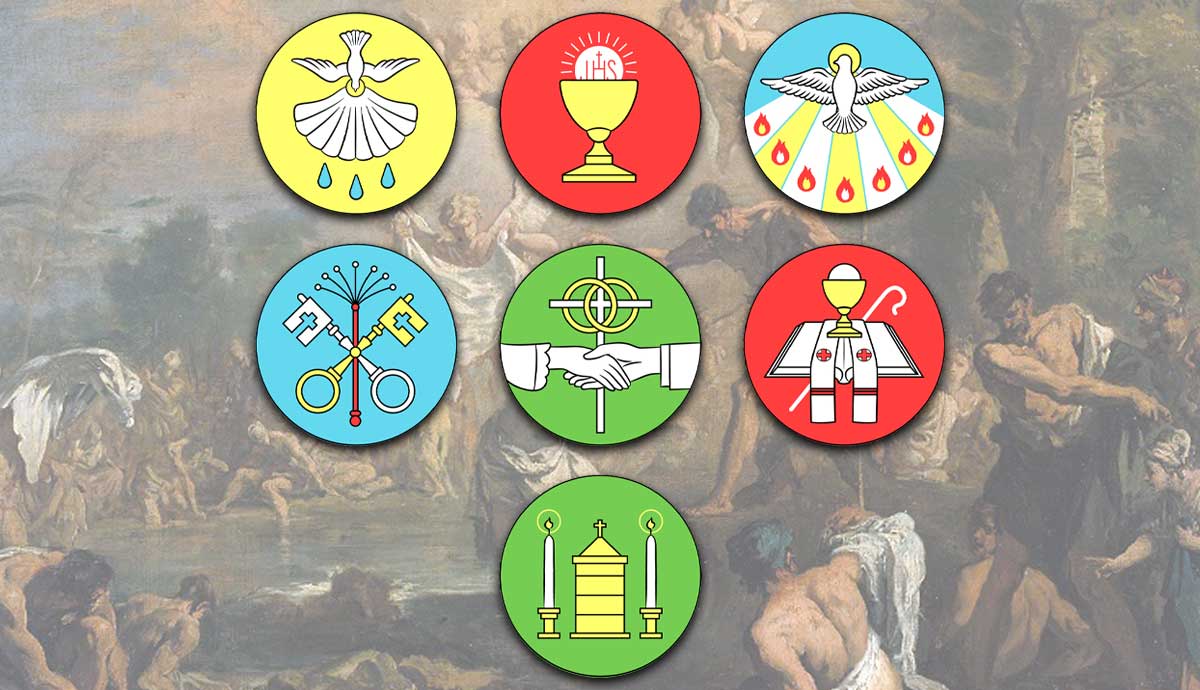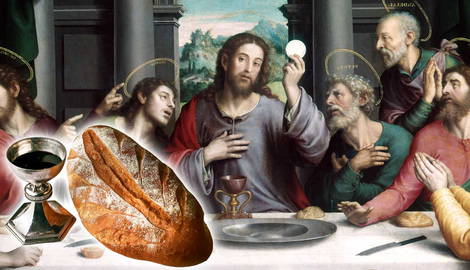
Communion, alongside baptism, is one of the most prevalent practices in Christianity. That does not mean that communion in one denomination is the same as in another. The practice of communion, and even the theological understanding of what it means, differ greatly. What different denominations have in common is what they commemorate. In the Catholic Tradition, the Eucharist is a sacrament, but in most Protestant denominations, it is an ordinance. Understanding the difference between the sacraments and ordinances is important and foundational to their function within Christianity.
What Is Communion?
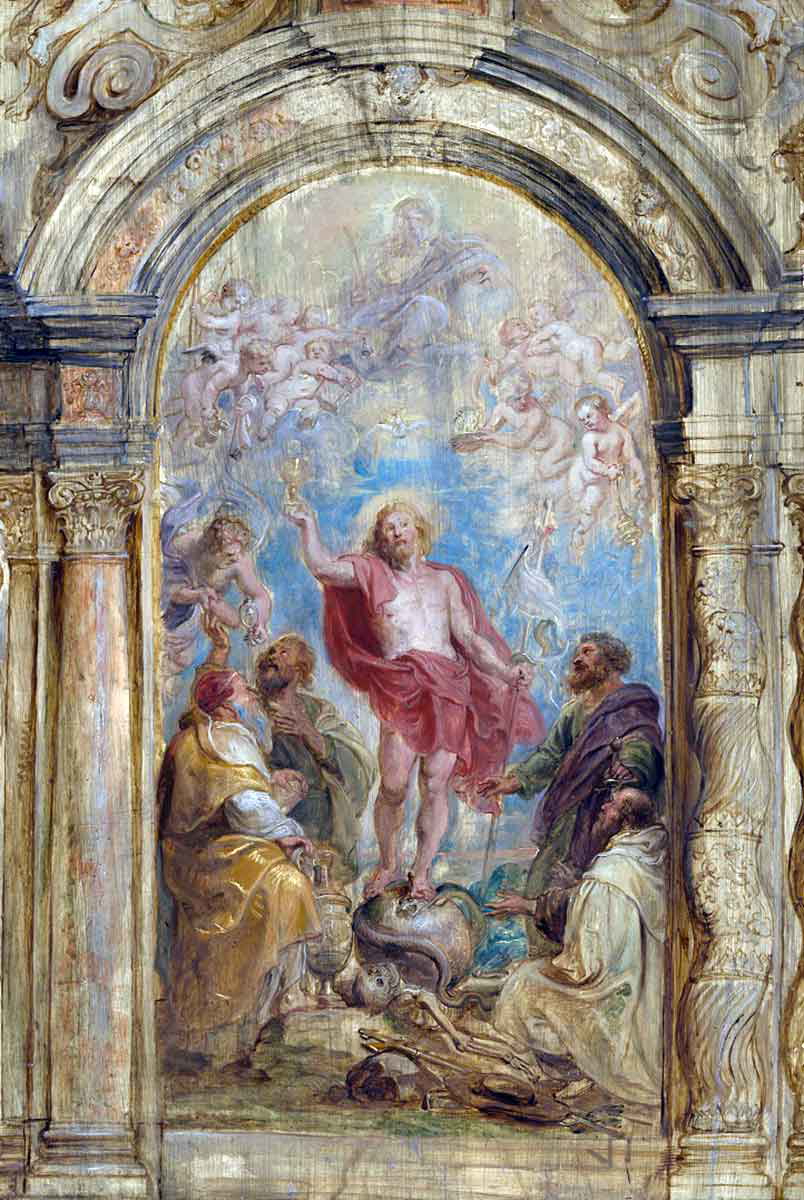
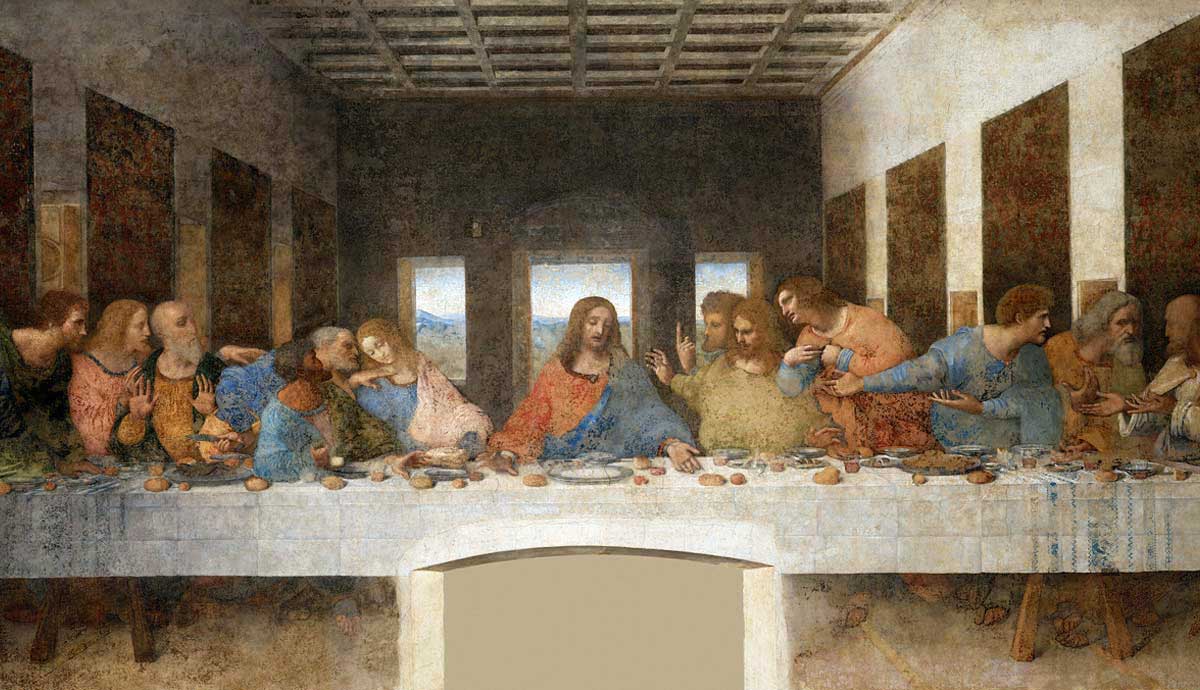
Depending on tradition and preference, Christians refer to the use of bread and wine (or grape juice) as communion, Eucharist, or the Last Supper. These terms are not precisely synonymous. “Last Supper” is a term that recalls the origin of communion as presented in the Gospels. Communion has its roots in the Passover meal Jesus celebrated with his disciples (Luke 22:7-20; Matthew 26:17-30; Mark 14:12-26). It was also prefigured when Melchizedek brought out bread and wine to Abraham (Genesis 14:18) and the provision of manna when the Israelites traversed the desert for forty years (Exodus 16).
Eucharist comes from the Greek word eucharistia, meaning “thanksgiving.” In the Catholic, Orthodox, and some Anglican traditions, it refers to the sacrament or rite commemorating the Last Supper, where bread and wine become the body and blood, or Real Presence, of Christ. The focus is on the sacrificial aspect.
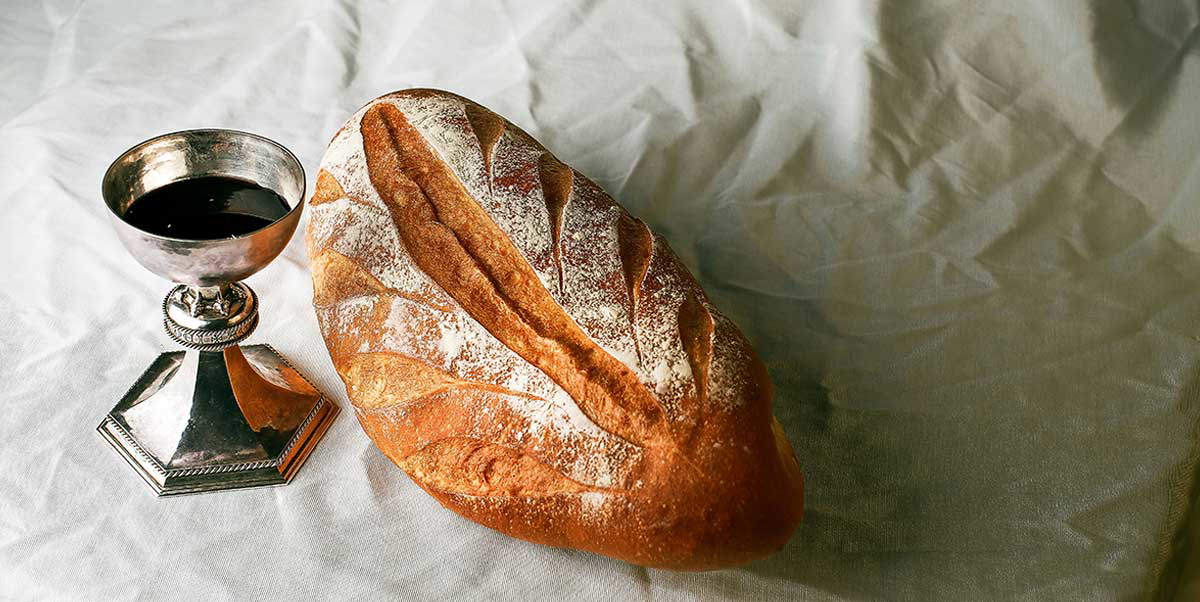
Communion refers to receiving bread and wine, bringing to mind the body of Christ broken in a self-giving act, and the blood of Christ that resembles sacrifice, forgiveness, and the new covenant with God. The term is common among Protestants and focuses on the relational aspects of unity with Christ and fellow believers.
Eucharist, therefore, refers to the sacrament and celebration in totality, while communion refers to the participation in receiving the elements of communion. In all traditions, communion draws from Luke 22:14-20 for its inclusion in Christian practice. The verse reads:
“And when the hour came, he reclined at the table, and the apostles with him. And he said to them, ‘I have earnestly desired to eat this Passover with you before I suffer. For I tell you I will not eat it until it is fulfilled in the kingdom of God.’ And he took a cup, and when he had given thanks he said, ‘Take this, and divide it among yourselves. For I tell you that from now on I will not drink of the fruit of the vine until the kingdom of God comes.’ And he took bread, and when he had given thanks, he broke it and gave it to them, saying, ‘This is my body, which is given for you. Do this in remembrance of me.’ And likewise the cup after they had eaten, saying, ‘This cup that is poured out for you is the new covenant in my blood’” (ESV).
Eucharist in Catholicism
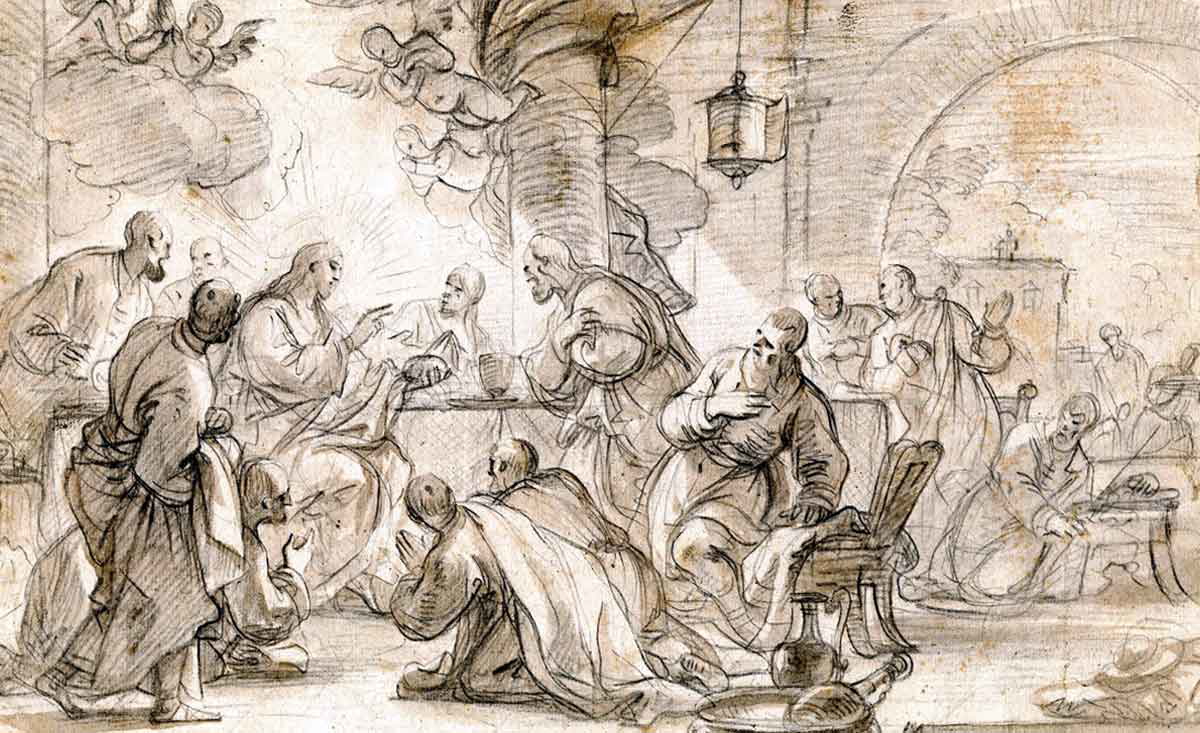
In the Catholic Tradition, the Eucharist refers to one of the seven sacraments that the Church believes imparts grace to the believer. Catholics believe in the doctrine of transubstantiation, a belief formalized at the Fourth Lateran Council (1215) and reaffirmed at the Council of Trent (1545–1563).
According to this doctrine, the bread and wine undergo a metaphysical change during Mass and become the actual body and blood of Christ while retaining their physical appearances. The belief is grounded in Aristotelian philosophy, where the “substance” of Christ’s presence is distinct from the “accidents” of the bread and wine. In scholastic discussion, the term metousiosis (Greek for “change of essence”) refers to the transformation that remains a mysterious event. This doctrine, called Transubstantiation, is rooted in medieval scholasticism and became the dogma of the Church.
In the Catholic Tradition, the Eucharist is celebrated during Mass when a priest acting in persona Christi consecrates the elements. In persona Christi means that the priest, when presenting the Eucharist, acts not just on behalf of Christ, but as Christ Himself, speaking in the first person, “This is my body” and “This is the chalice of my blood.” The Eucharist is a sacred sacrament that often follows confession by the participant to prepare them for it.
Traditionally, lay participants in the Eucharist received the bread, but only the priest partook of the bread and wine. Though the theology on the Eucharist did not change, the Second Vatican Council changed the practice of the Eucharist by allowing laity to also participate in the wine.
Catholics practice a closed communion, meaning only members in good standing can participate.
Communion in Protestantism
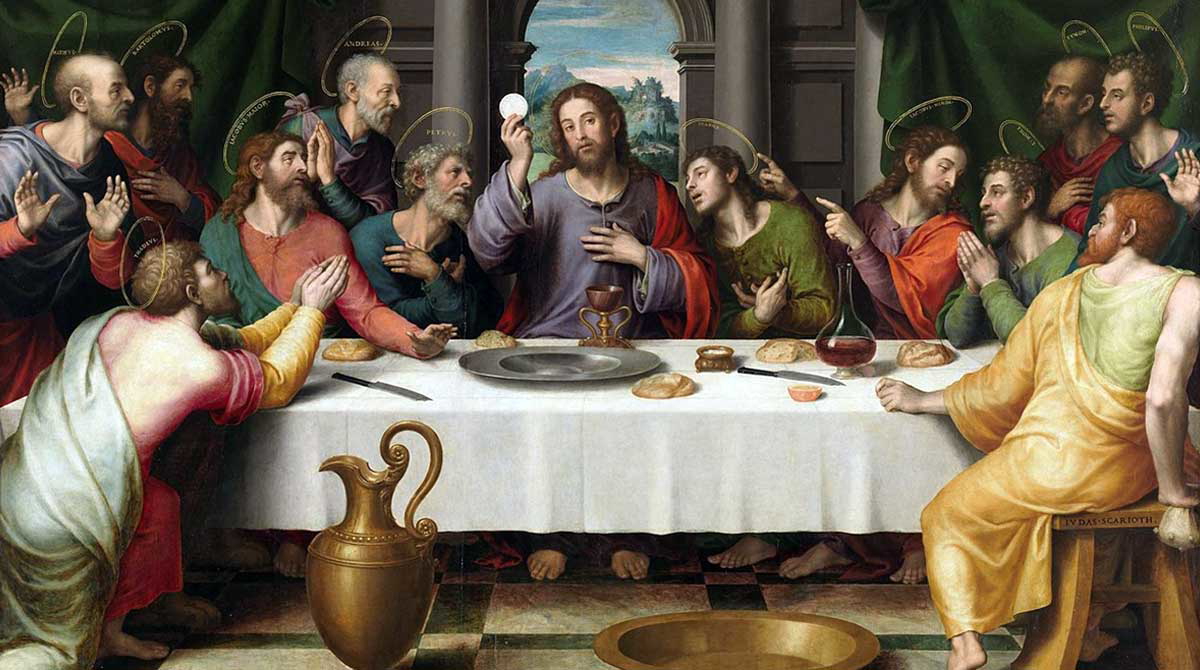
In Protestantism, there is no consensus on communion other than rejecting the doctrine of transubstantiation. During the 16th century, Reformers like Martin Luther, Ulrich Zwingli, and John Calvin developed different views on communion that shaped belief in Lutheran, Anabaptist, and Reformed traditions.
In his work The Babylonian Captivity of the Church (1520), Luther vehemently opposed transubstantiation, the denial of the cup to laity, and the Eucharist as a re-sacrifice of Christ. Luther supported the consubstantiation view that posits that Christ is present “in, with, and under” the bread and wine, coexisting with these physical forms. It implies the real presence of Christ without the elements changing into his body and blood.
Zwingli and later Anabaptists believed communion is symbolic and used it to commemorate Christ’s sacrifice. On this matter, Zwingli and Luther had irreconcilable differences when they met at the Marburg Colloquy in 1529. Where Luther held to a real presence of Christ, albeit not physical, the reformer believed it a mystery of faith that Christ is literally present in the elements. Zwingli insisted that “This is my body” must logically be interpreted as symbolic of his presence, and communion is used to commemorate Christ’s sacrifice.
The two reformers could not find common ground, which prevented a closer association between them. Anabaptist tradition does not subscribe to any presence of Christ in the ordinance. Most Protestant churches today hold to this view.

Calvinist tradition holds a position that is, in a sense, midway between the Lutheran and the Anabaptist view. To them, Christ is spiritually present, and participants can share in it through the Holy Spirit. They therefore deny physical presence, but view communion as more than just a symbolic commemoration.
Because of the range of traditions within Protestantism, the practice also varies. Lutherans retain liturgical elements akin to the Mass, while Reformed and evangelical churches have a much simpler format, presenting communion monthly or quarterly.
Most Protestant denominations practice open communion, meaning anyone attending who has been baptized can participate. In most Protestant traditions, communion is an ordinance, not a sacrament. As an ordinance, Protestants understand communion as a symbolic act of obedience that also benefits the user by calling the sacrifice of Christ on the cross to mind. They do not believe communion imparts grace, like the sacramental view does.
Mutual Influence
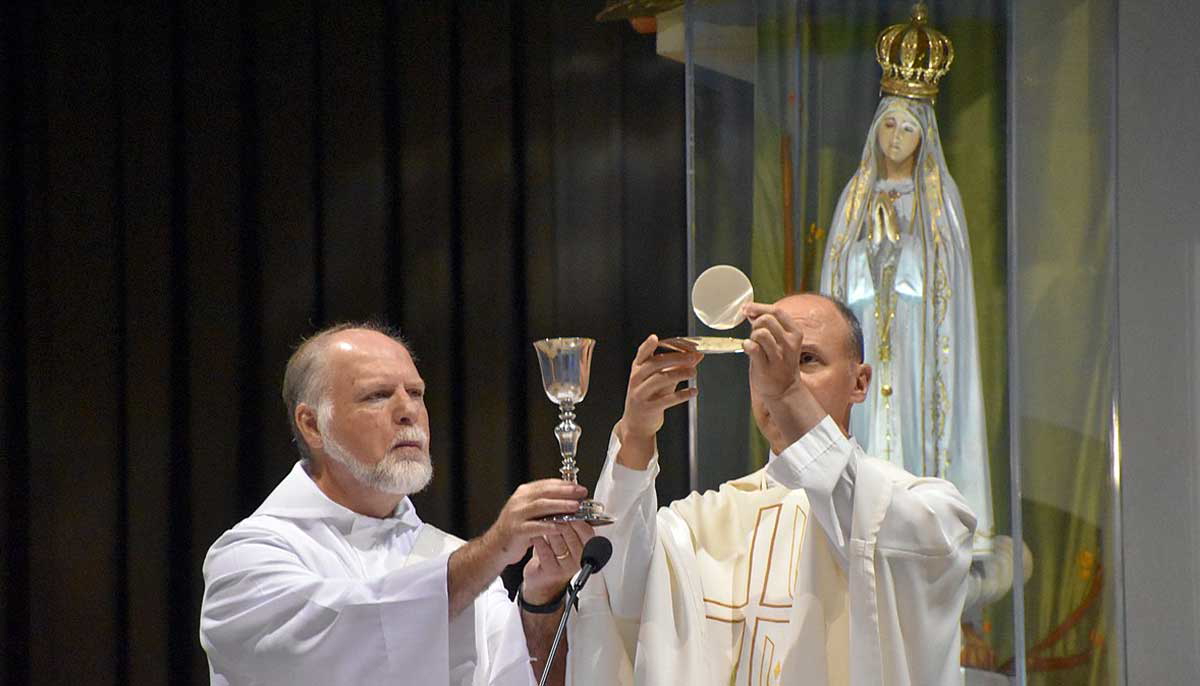
The development of different views during the Reformation resulted in the Roman Catholic Church solidifying and codifying its transubstantiation view to counter Protestant approaches. The differences marked a significant divide between Catholic and Protestant theology.
Vatican II and the World Council of Churches’ Baptism, Eucharist, and Ministry document (1982) attempted to breach the divide and bring traditions closer together by searching for common ground on sacramental theology. Lutheran and some Anglican churches were able to move closer to the sacramental sentiments of the Catholics. The sacrificial nature of the Roman tradition and the role of the priesthood, however, proved too much of a fundamental disagreement to create a full alignment of Protestant views with that of Catholicism.
Christian Communion: In Conclusion
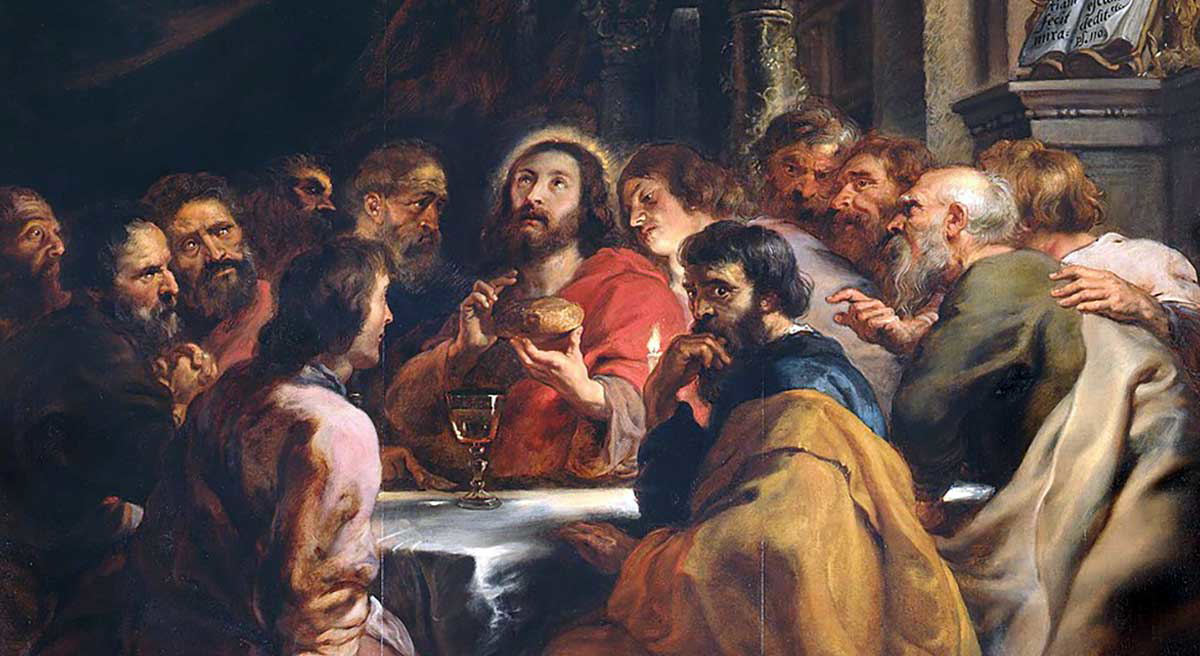
Throughout Christianity, the use of bread and wine in commemoration of the death of Christ is prominent. Whether a sacrament or an ordinance, it holds great significance to the believer and fosters a sense of unity with Christ and fellow believers.
Christ instituted and commanded the continued practice at the Last Supper and revealed it to the Apostle Paul as 1 Corinthians 11:23-25 records:
“For I received from the Lord what I also delivered to you, that the Lord Jesus on the night when he was betrayed took bread, and when he had given thanks, he broke it, and said, ‘This is my body, which is for you. Do this in remembrance of me.’ In the same way, also he took the cup, after supper, saying, ‘This cup is the new covenant in my blood. Do this, as often as you drink it, in remembrance of me.’”
The interpretation of the elements of bread and wine differs greatly in various traditions, but irrespective of whether one believes in transubstantiation or mere symbolism, the significance of communion in the Christian faith is undeniable.
Though a symbol of unity among believers of individual traditions, it remains a subject of division between traditions and denominations as differing interpretations prevail.