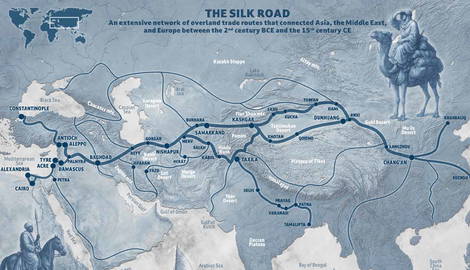
When German geographer Ferdinand von Richthofen came up with the term Silk Road in 1877, the massive network of trade routes had already served as a trade superhighway for over 1,500 years. The labyrinth of paths stretched about 4,000 miles from the Chinese capital of Chang’an to the ports of the Mediterranean. Starting around 130 BCE, when the Han Dynasty officially started trading with the West, the Silk Road influenced many of the societies through which it passed.
A Blend of Local Cultures, Practices, and Economies
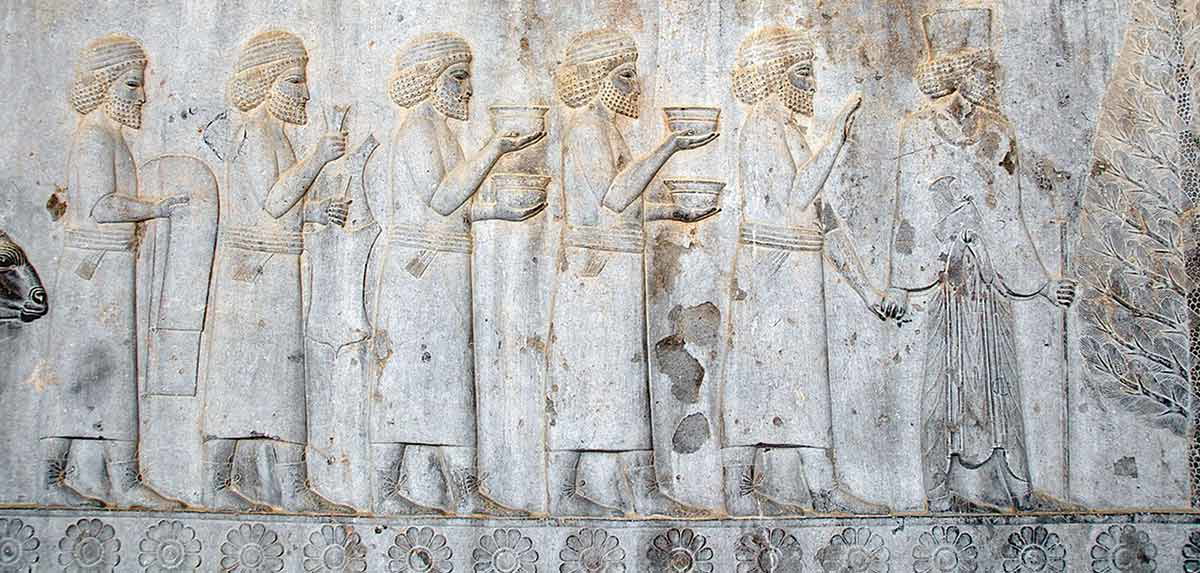
The Silk Road was not a typical trade route that moved straight from one point in a region to another. In fact, very few traders ever traveled the whole distance. Instead, goods changed hands many times at oasis cities like Samarkand and Kashgar. At some stops, local leaders charged taxes, thereby causing the prices of trade items to go up. This made middleman groups such as the Parthians and Sogdians very wealthy. Meanwhile, source traders like the Chinese kept the manufacturing processes of items like the highly valued silk a secret for many centuries by threatening anyone who shared it with death.
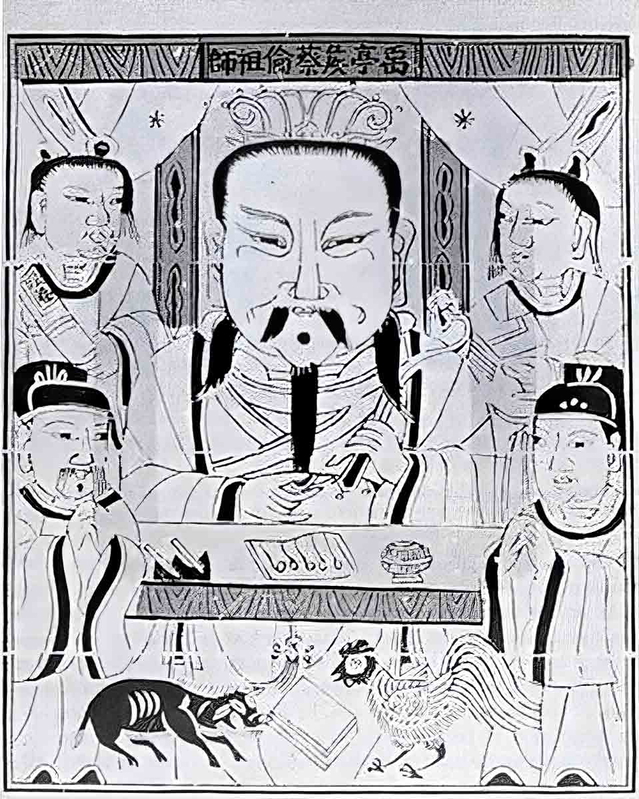
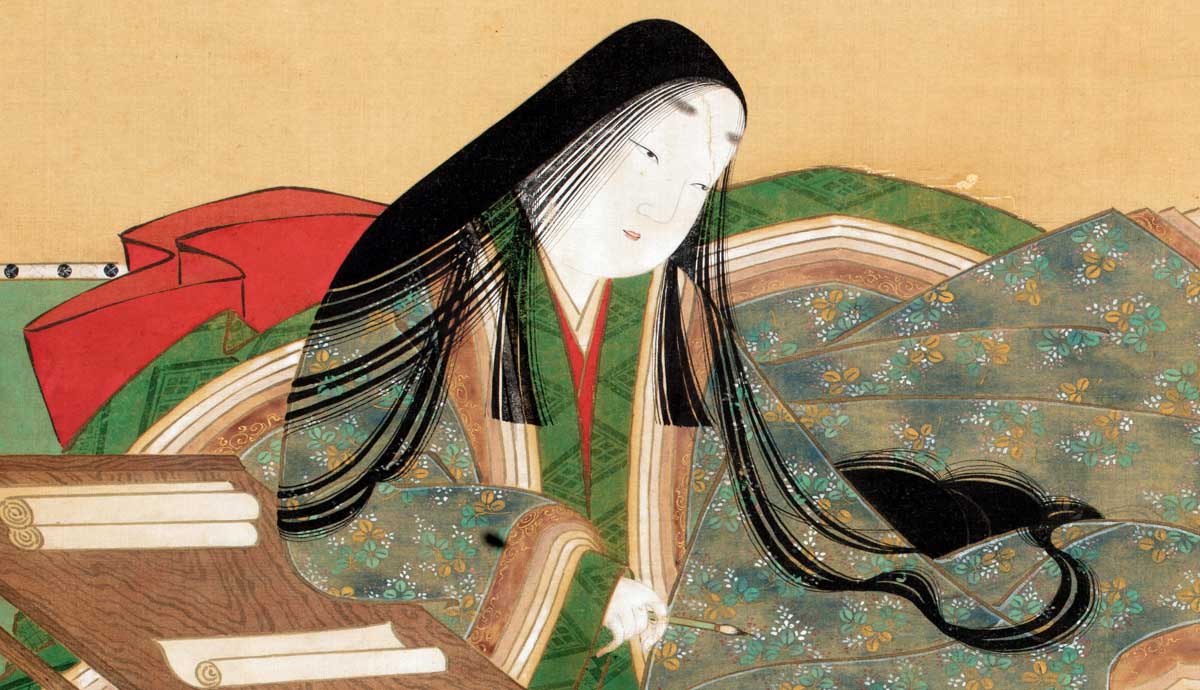
Cai Lun, a Chinese eunuch court official, for example, perfected papermaking in China in 105 CE. While the technology eventually spread to Korea and Japan via the Silk Road, the secret was kept away from the West for centuries. That changed in 751 CE after the Battle of Talas. Historical records indicate that when Arab forces captured Chinese papermakers, they forced them to teach the craft in Samarkand. The shift in dynamics caused cheap paper to eventually replace expensive animal skins (parchment). The widespread availability of paper subsequently enabled more people to learn to read and write.
The Movement of Technologies Across Continents
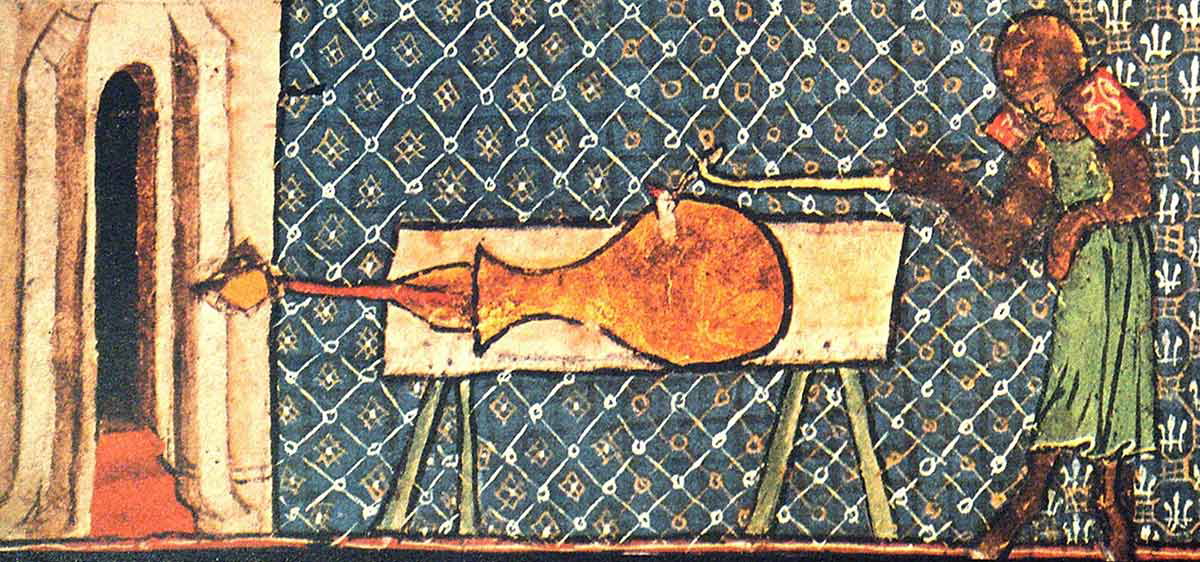
While silk gave the route its name, the pathways also led to the spread of inventions such as printing, gunpowder, and the compass. Gunpowder, for instance, was invented in China in the 800s as a failed attempt to create a potion for eternal life. The technology eventually spread west as a result of the Mongol conquests. By the time it reached Europe in the 13th century, people had begun to use it in weaponry. While it was used to undermine the armor worn by knights, it was also used to breach fortified castles. In 1453, for instance, the Ottoman Sultan used giant cannons to breach the walls of Constantinople, thereby ending the Byzantine Empire.
Religious Influences
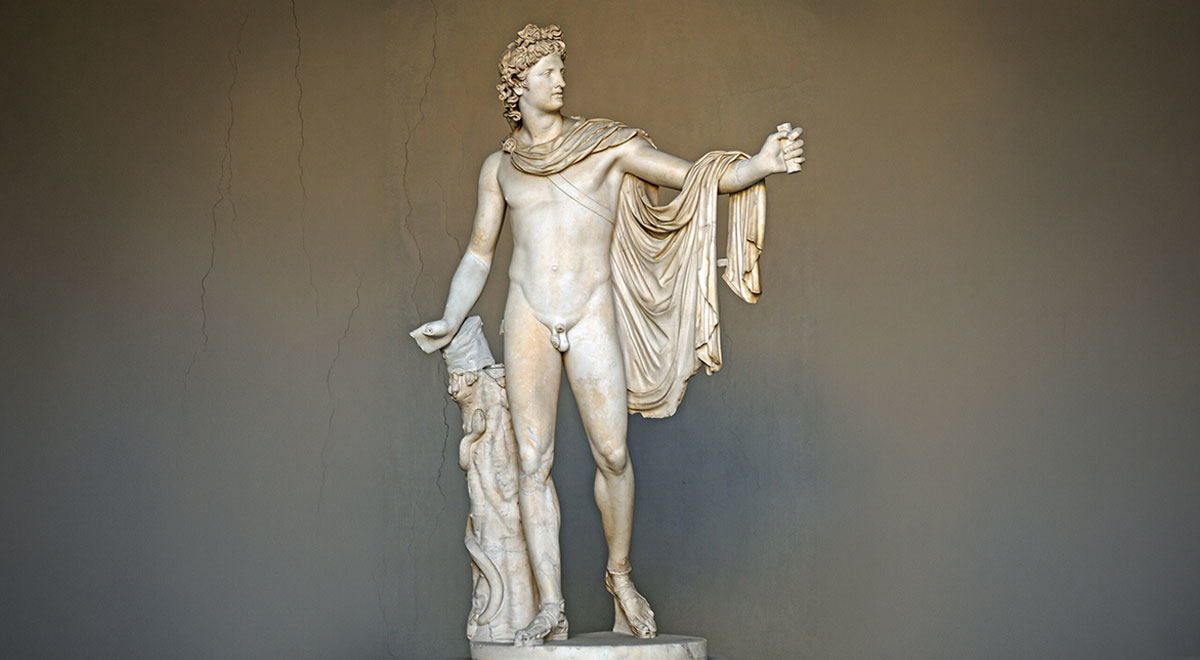
Many different religions spread along the Silk Road. Buddhist monks, for example, traveled with merchant caravans through trade centers, thereby spreading their practices along the route. The amalgamation of cultures inspired societies like the Kushan Empire to produce a unique style of art that reflected the mix of many religious cultures. For the first time, artists carved statues of the Buddha who wore Greek style robes. These statues also had facial features that resembled the Greek god, Apollo.
Other religions such as Christianity and Zoroastrianism also moved east. The Mogao Caves in Dunhuang bear evidence of the religious exchange. Nearly 500 temple caves were carved into a cliff by the communities that lived there. The caves held thousands of documents and paintings that portrayed the rich blend of communities of different faiths who lived side by side in the area.
The Spread of Diseases

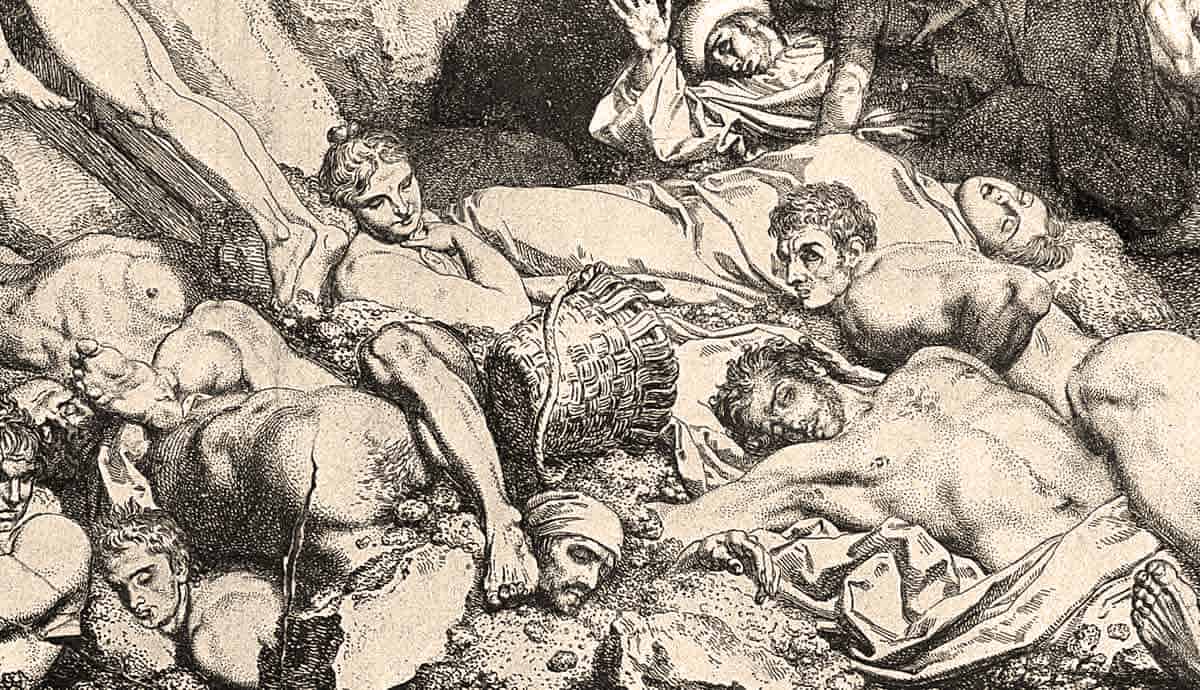
Although the Silk Road promoted trade across regions, it also aided the spread of diseases and germs. The Black Death is one of the most famous examples of a pathogen that spread rapidly along the Silk Road. Historians believe that the bacterium known as Yersinia pestis that led to the ailment originated from Central Asia and was spread along the Silk Road by infected fleas.
It all began when the Mongol Empire established a period of stability known as the Pax Mongolica in the Silk Road regions in the 13th century that made long distance travel safer. As a result, the volume of trade increased and inadvertently speeded up the movement of the plague across the continent. Military movements also contributed to the crisis. Mongol troops are said to have carried the illness westward during their military campaigns. In 1346, the Golden Horde army besieged the Genoese trading port of Kaffa in Crimea and allegedly catapulted plague-infested corpses into the city in order to infect its inhabitants.
Genoese traders fleeing the siege at Kaffa reportedly carried the infection westward on their ships, enabling the disease to reach major ports in Europe. Millions of people died from the malady.