Beliefs are the most valuable knowledge claims we possess. They are the claims we put on the pedestal of truthfulness and hold on to with utmost conviction. Whether we maintain them consciously or unconsciously, beliefs are the lenses through which we see and interpret the world, ourselves, and others. The concern lies in how many of our beliefs we chose and how many were dealt by the whims of chance.
The Relationship Between Experience and Belief
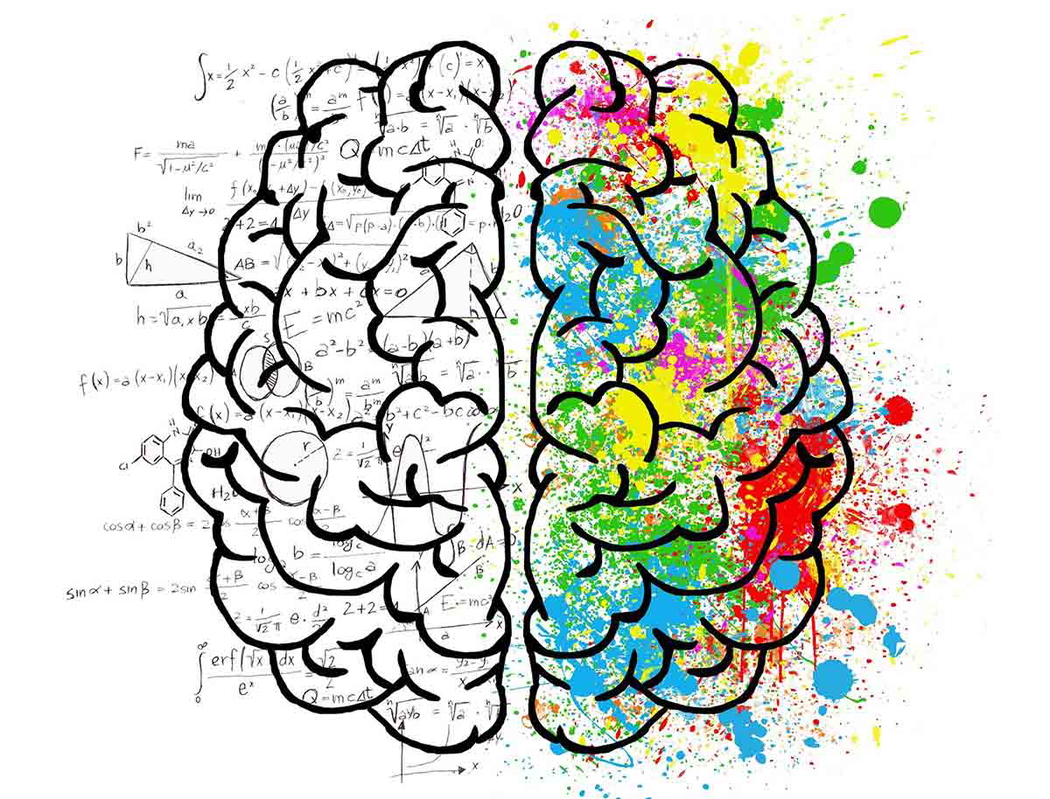
The relationship between experience and belief is bidirectional – our experiences influence our beliefs and our beliefs influence our experiences. On the one hand, our experiences can make us interpret the world in a certain way. For instance, if we have numerous experiences of intense fear and danger, we may develop a belief that the world is a dangerous place. On the other hand, believing that the world is a dangerous place will tend to make us experience fear and danger even in unthreatening situations.
Beliefs influence our perception and interpretation of events, circumstances, ourselves, and others. By so doing, they define our experiences to a great extent. But where do our beliefs come from? If they determine our experiences, how can our experiences determine them? In this bidirectional relationship, which factor initiates the influence?
Where Does Belief Come From?
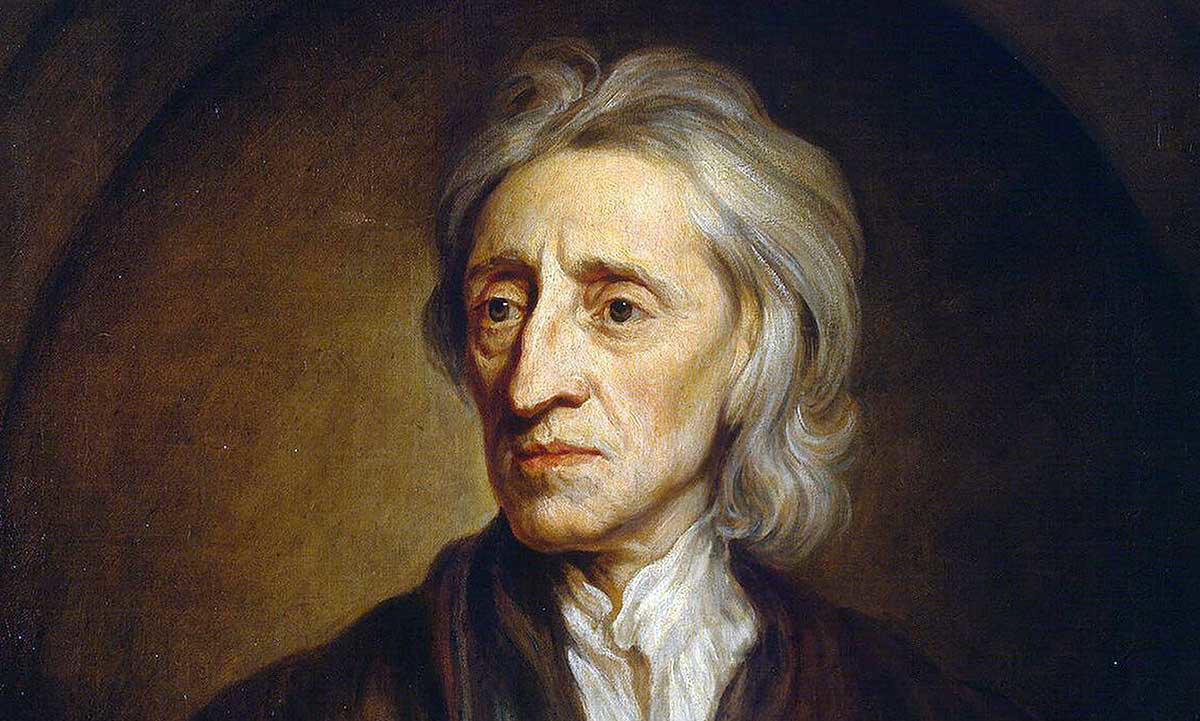
Belief comes from the aggregate of our experiences of the world, ourselves, and other people. According to John Locke’s Tabula Rasa theory, everyone is born as a blank slate, without any beliefs, thoughts, or knowledge, but then acquire all of the above through experience. In his Essay Concerning Human Understanding, he explains the origin of all mental contents, including beliefs, as follows:
“Let us then suppose the mind to be, as we say, white paper, void of all characters, without any ideas: – How comes it to be furnished? Whence comes it by that vast store which the busy and boundless fancy of man has painted on it with an almost endless variety? Whence has it all the MATERIALS of reason and knowledge? To this I answer, in one word, from EXPERIENCE” (Locke, 1689)
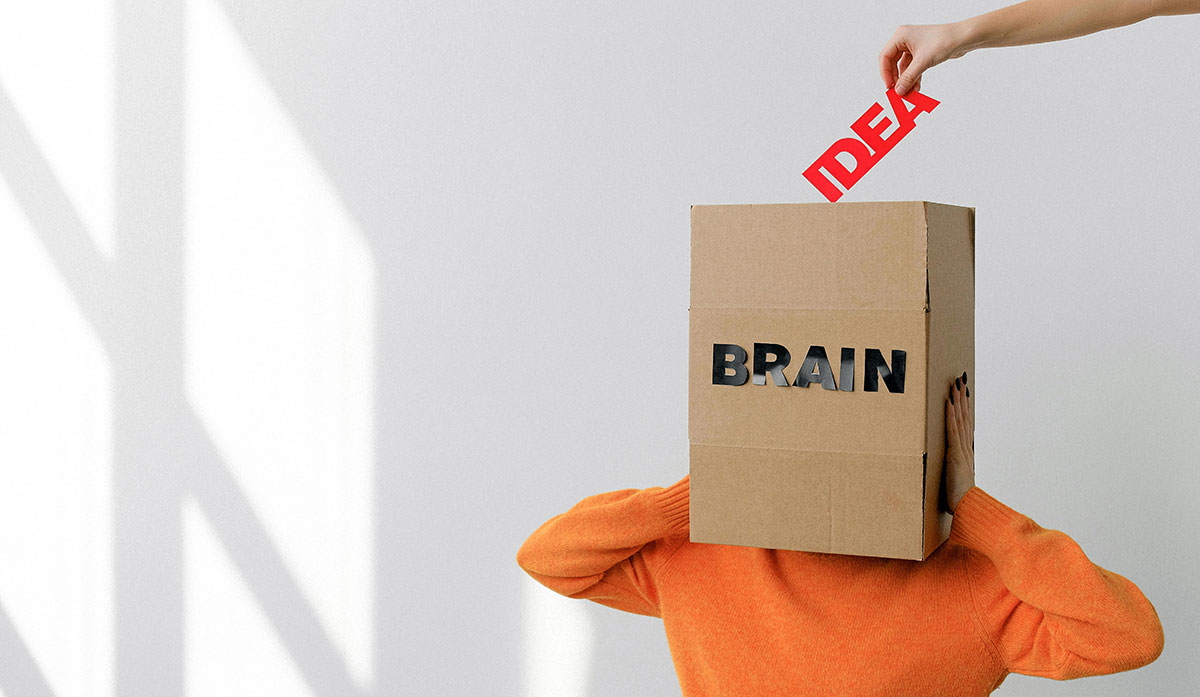
Our beliefs are not inherent, but acquired through our experiences. In other words, they are not necessities but accidents dependent on the pool of experiences we have happened to live during our lifetime. If we had led a different life, with different experiences and circumstances, we would have developed different beliefs. Everything we hold to be true, from our general worldview to our religious, political, or personal beliefs, is entirely shaped by our experiences. This doesn’t diminish the value of our beliefs, but situates them in a context of circumstantial relativity.
How Early Childhood Experiences Shape Our Beliefs
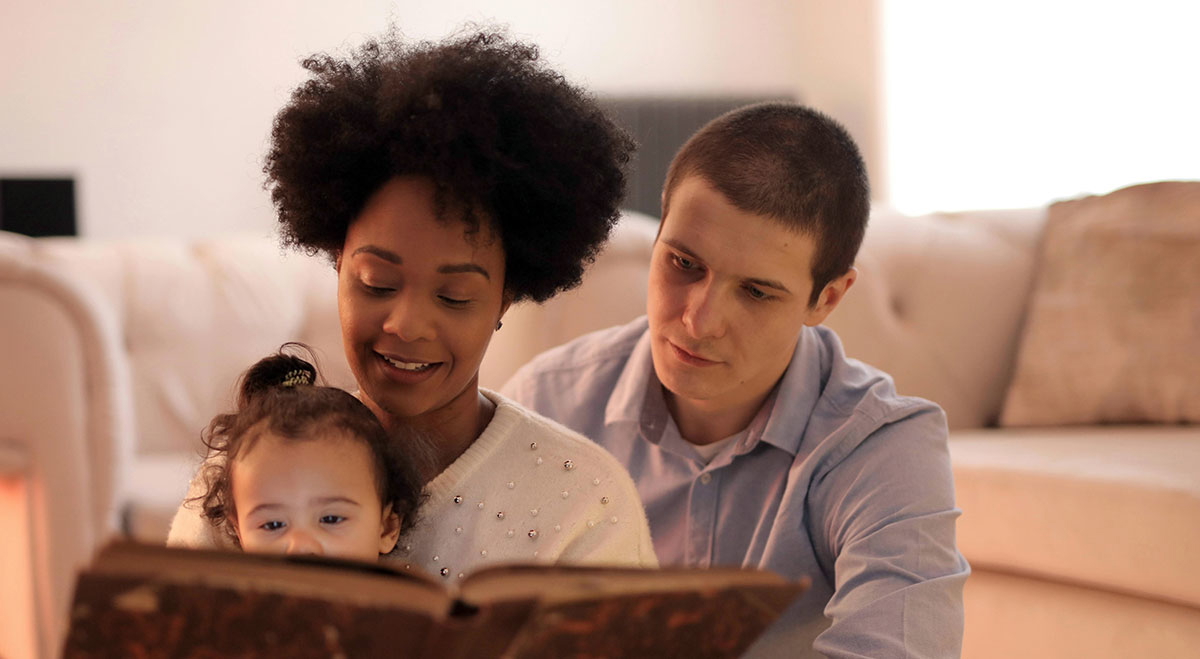
Early childhood experiences shape our beliefs to a great extent. As children, our primary caregivers were our windows to the world. We adopted the lenses through which they interpreted the world and made it our own. In these formative years, we absorbed all the beliefs and attitudes we were exposed to by our immediate environment. The events or circumstances we’ve experienced during childhood leave a deeper and long-lasting imprint. This is why childhood traumas tend to be more severe than traumas experienced during adulthood. Likewise, the beliefs we’ve acquired during our childhood are the most difficult to change and amend.
How You Can Change Your Beliefs
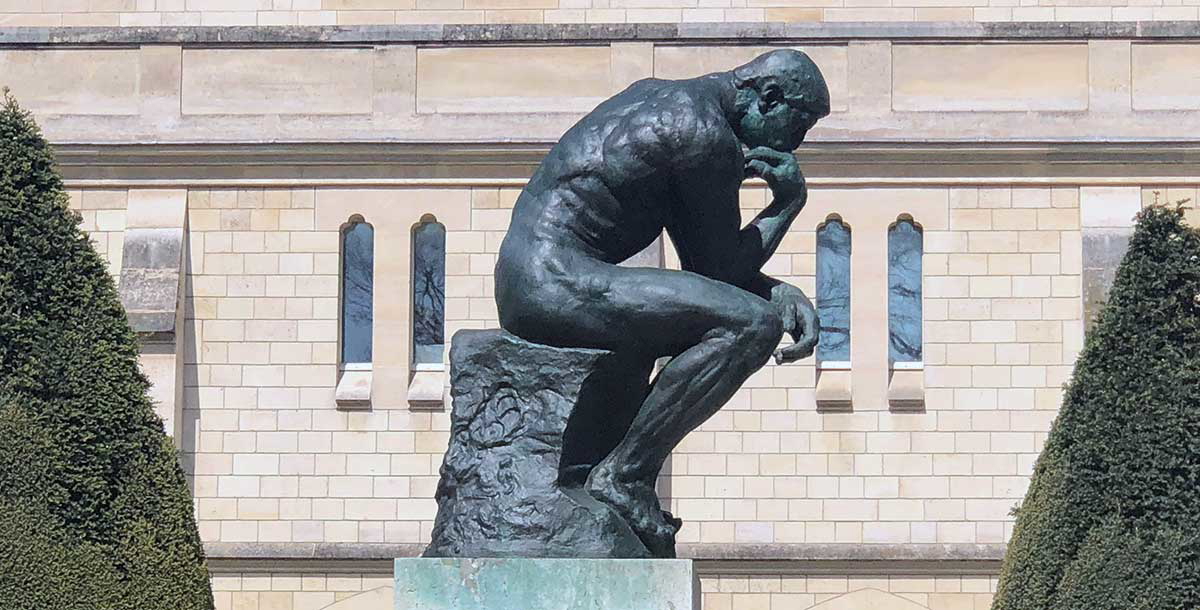
You can change your beliefs by changing your experiences. The first step to change anything is to recognize and accept it. In this case, we must identify our beliefs and understand how they are influencing our lives. Beliefs are the byproduct of experiences, the accumulation of which shapes our interpretation of the world. If we want different beliefs, we must actively interpret the world in a way that is incongruent with our current beliefs. In so doing, the events and circumstances we experience will be interpreted within the larger context of a different narrative.
In this process, beliefs are deconstructed and reconstructed, destroyed and rebuilt, decoded and encoded, until you reach a belief system you desire.