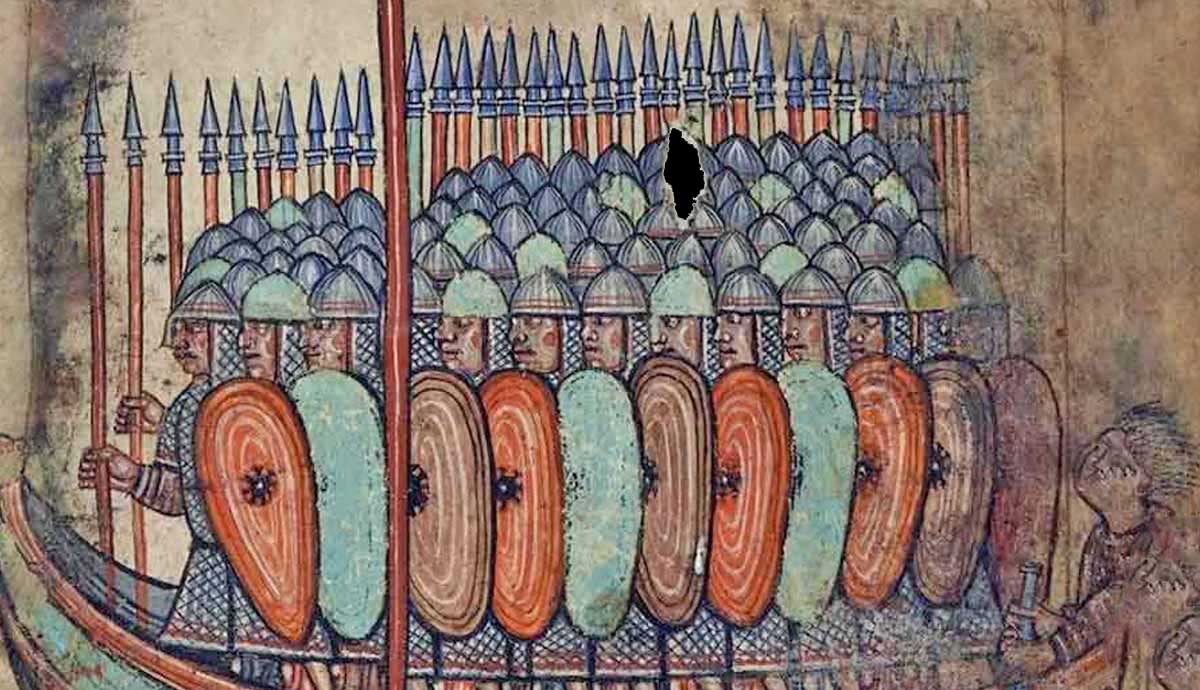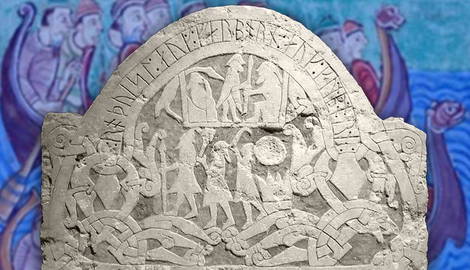
The Viking arrival in Ireland had a marked influence on the development of Irish art. For more than two hundred years the exchange between the two societies shaped the local culture on the island. Over time, the fusion of cultures led to the rise of the Hiberno-Norse artistic style which established a legacy that was seen in art from that time to the late 12th century. As such, the Viking story in Ireland created more than just destruction.
For centuries, historians and artists have studied the Hiberno-Norse style (blended Irish and Viking art forms) to understand the mix of the two cultures and their journey from conflict to collaboration.
Through the Rise of Urban Workshops
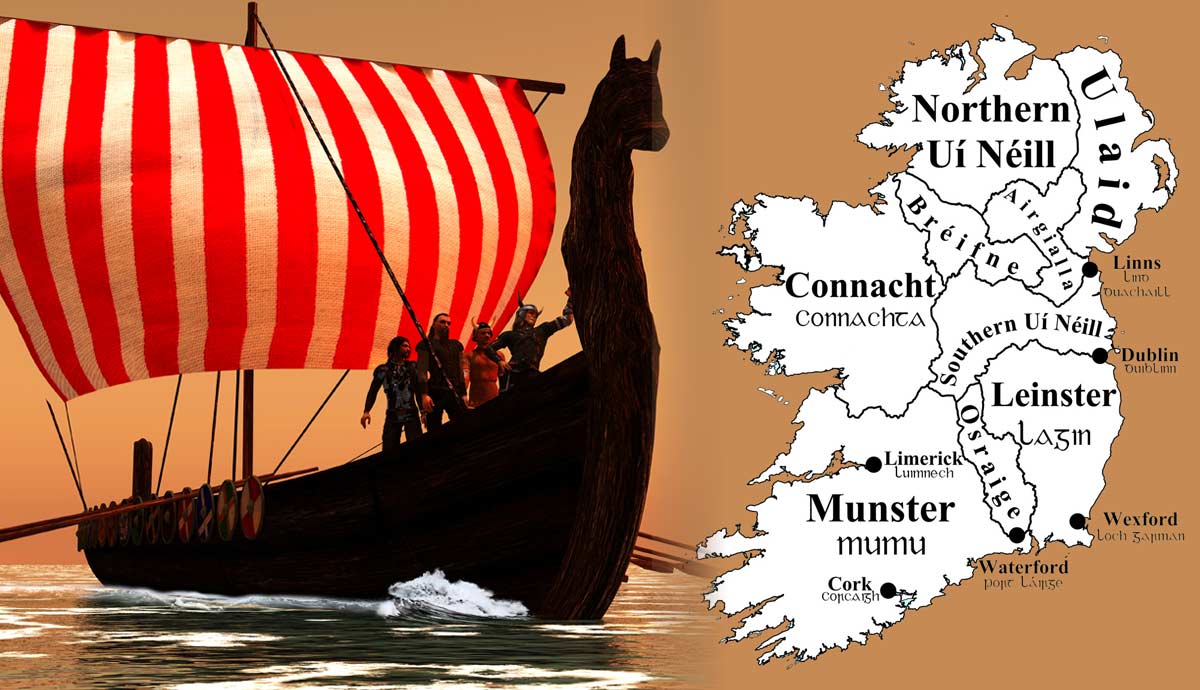
Once a mostly rural land with huge monasteries, Irish society was changed by the Norse’s arrival after they began to build fortified towns and set up new workshops for art. The Vikings also created Ireland’s first trading port towns such as Dublin.. In these new towns, they started crafting new objects, often bringing Irish and Norse artists together to work.
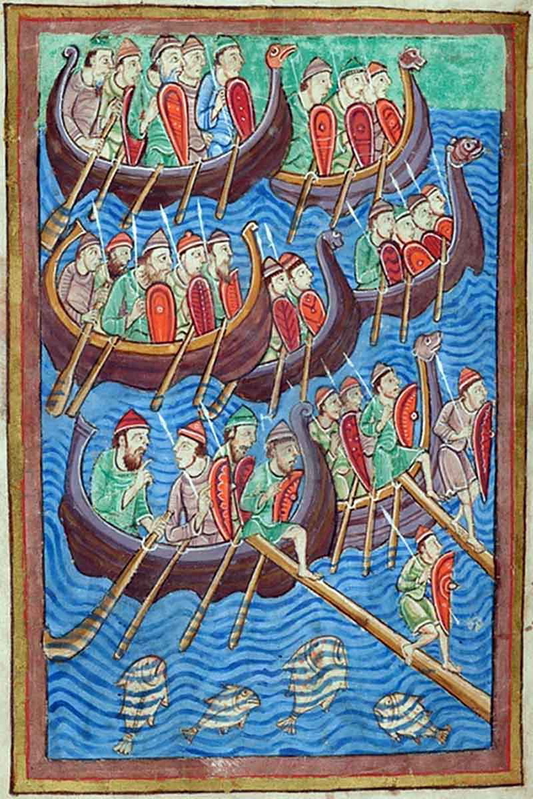
In places like Dublin, these settlements became busy trade centers which typically grew from longphorts, which were Viking Scandinavian bases. Excavations at places such as Wood Quay, for example, have shown a clear mix of artistic styles. Findings from such sites have revealed that artists used materials such as bone scraps to test new designs.
Through the Introduction of New Skills and Huge Quantities of Silver
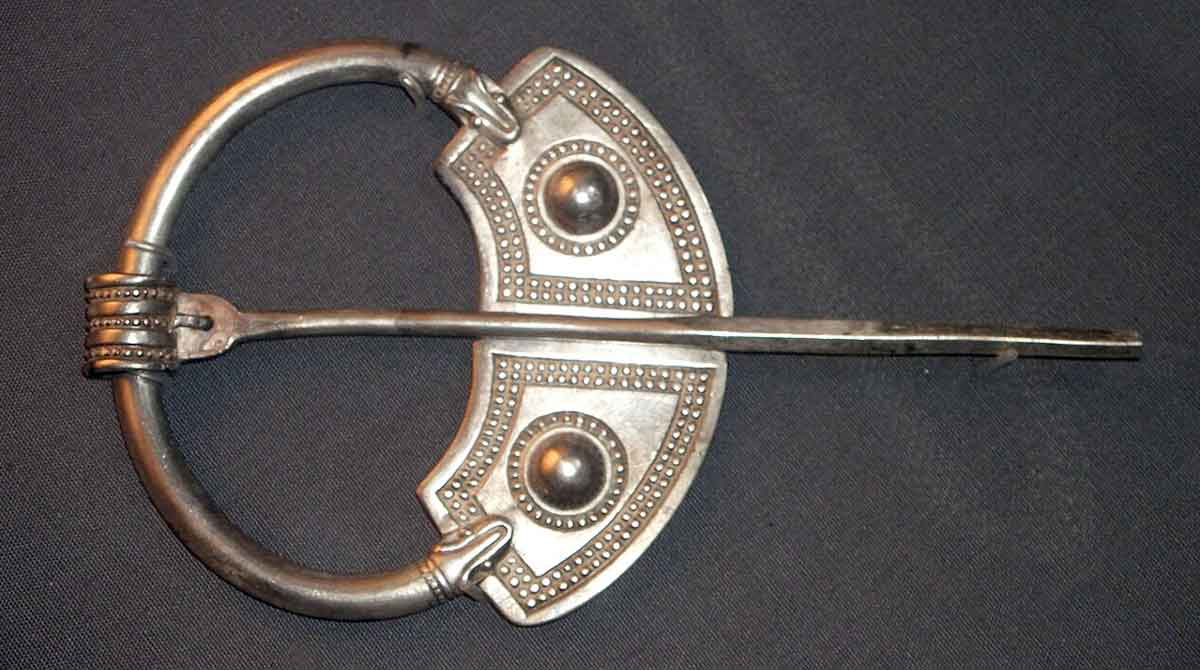
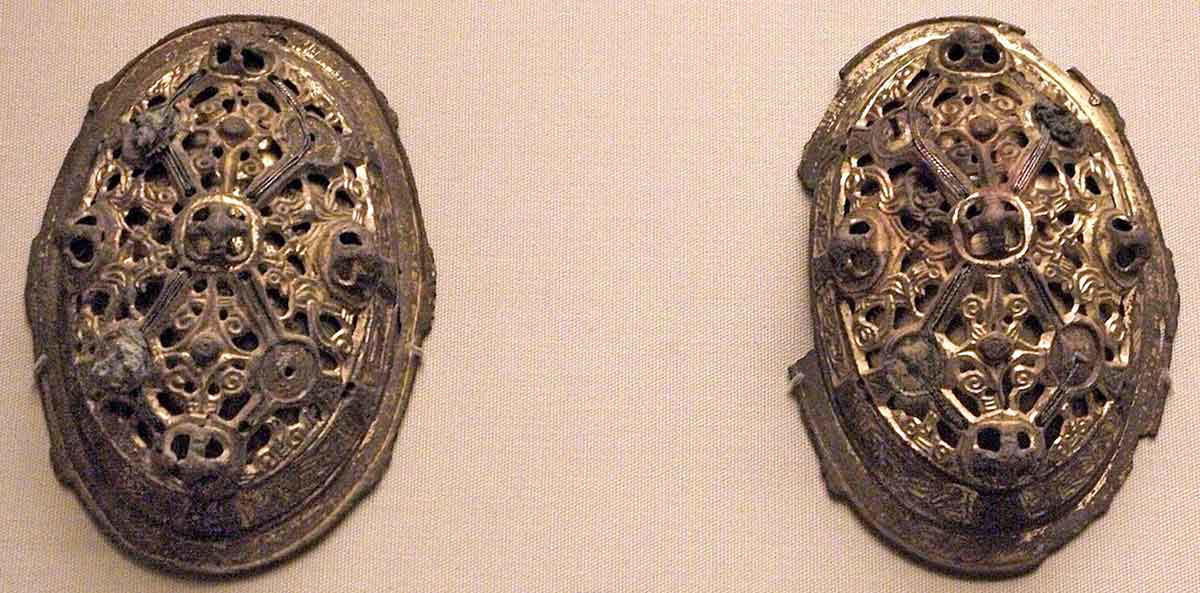
New metalwork skills, popularized in Ireland by the Vikings, enhanced Irish art. However, they did not replace it. The influx of new skills simply gave Irish artists new ways of decorating items, for example, using the filigree method alongside granulation. Also because of the influx of silver brought by the Vikings, craftsmen began to make new kinds of jewelry, often creating thistle and kite brooches. During this period, men and women wore these brooches, which were a sign of wealth.
While ring brooches with thistle or kite shapes were already popular in Ireland before the Vikings arrived, they were now often decorated with new Viking animal patterns but featured a combination of traditional Irish shapes and new Viking styles. When the Viking Age ended in Ireland, a lot of new art styles and materials from the culture were already integrated into Irish society.
The Rise of the Ringerike Style
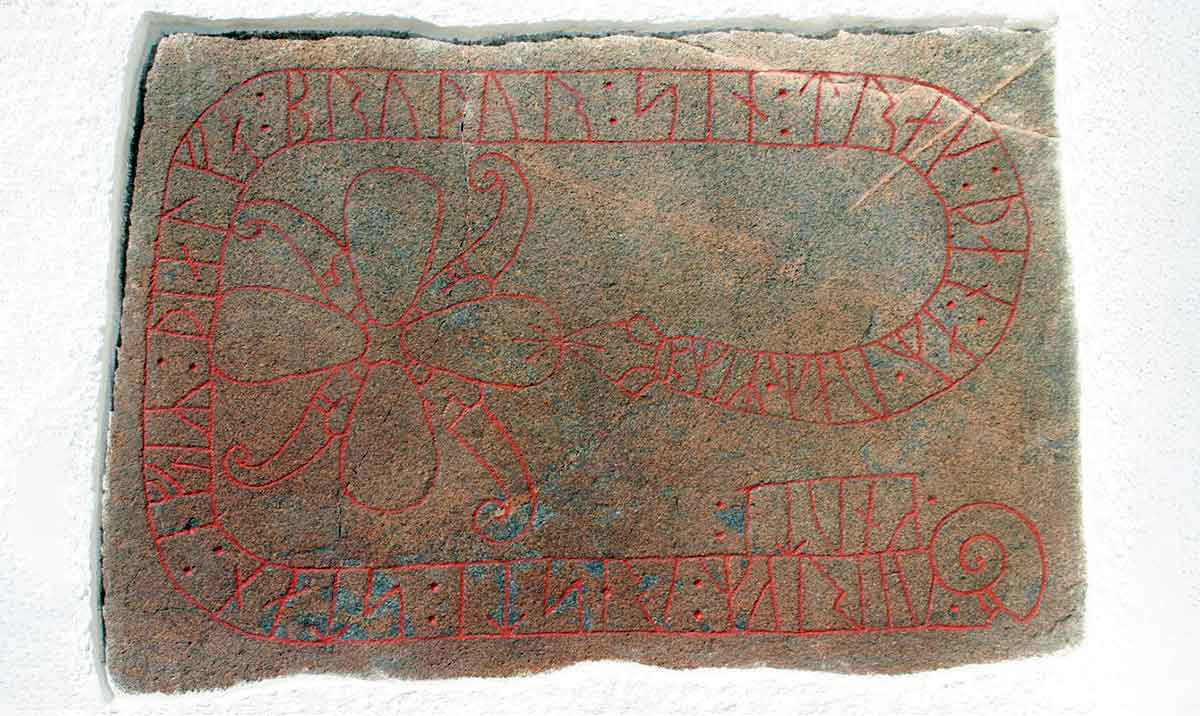
In the 11th century a new Viking style called Ringerike had spread throughout Ireland. It featured swirling tendrils and animals with long legs and tails. Irish artists loved it and started using the patterns on church objects such as book covers and shrines. Good examples of the designs are featured on the Kells Crozier and other similar objects.
By the late 11th century, a mix of earlier Viking styles such as the Jellinge and Borre were used on the Clonmacnoise Crozier, which is a staff for a bishop. Artists decorated its top with winding snake patterns along its crook. The staff’s design reflected the wild energy of Viking animal art. It is clear that Irish artisans applied a native sense of symmetry to its patterns.
The Emergence of the Urnes Style
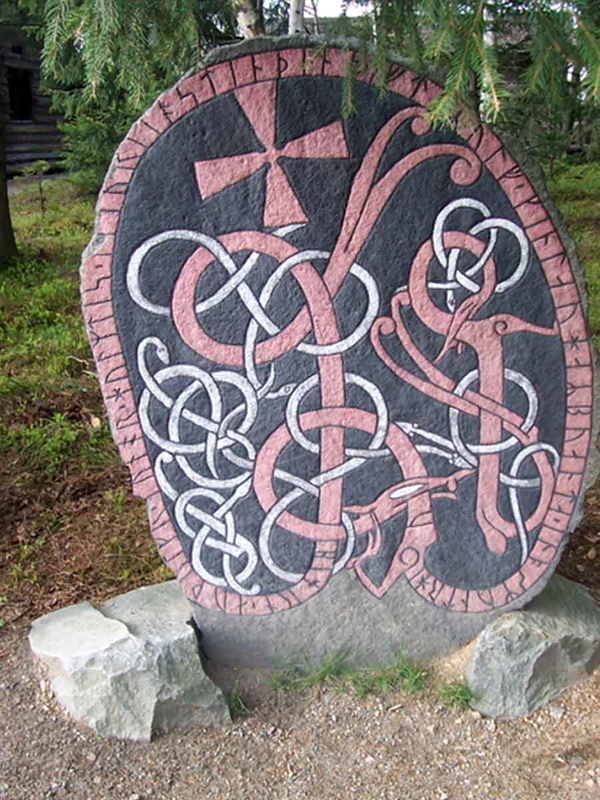
Characterized by its graceful animals and recognized as the last phase of Viking art, the Urnes style was used by many artists and is prominently featured on pieces such as the Lismore Crozier as well as the Cross of Cong. The cross is famous for its slender animals with interlacing ribbon-like patterns, seamlessly mixed with Irish art designs. Around the year 1123, King Turlough O’Connor commissioned the cross.
Its design made use of the Urnes style, featuring thin ribbon-like animals. The beautiful processional cross has Urnes-style animals on it that were combined with bright Irish colored enamel, glass studs, and delicate Irish-style patterns. The cross was covered with thin bronze plates that were originally coated with a very thin layer of gold.
A Legacy Forged in Gold and Stone

Viewed not just as raiders but as catalysts for change, the Vikings had a complex legacy that left a lasting mark on Irish art by adding new creative elements that inspired new hybrid art forms. Today, the new art forms often draw thousands of visitors to museums.
The museums display the creative fusion that reflects the mix of the two cultures, and their shared history. Today it is understood that the Vikings were not just raiders but a people with a rich culture which is appreciated today.