Widely heralded as one of the greatest writers of the twentieth century, if not all time, James Joyce famously declared that, in writing his 1922 masterpiece Ulysses, he had “put in so many enigmas and puzzles that it will keep the professors busy for centuries arguing over what I meant, and that’s the only way of insuring one’s immortality.”
While his densely allusive and stylistically experimental works have certainly kept “the professors busy for centuries,” his writing is relatively little read outside of academic circles. If you’re looking for James Joyce books to read, these four—Dubliners, A Portrait of the Artist as a Young Man, Ulysses, and Finnegans Wake—give you the essential arc.
1. Dubliners (1914)
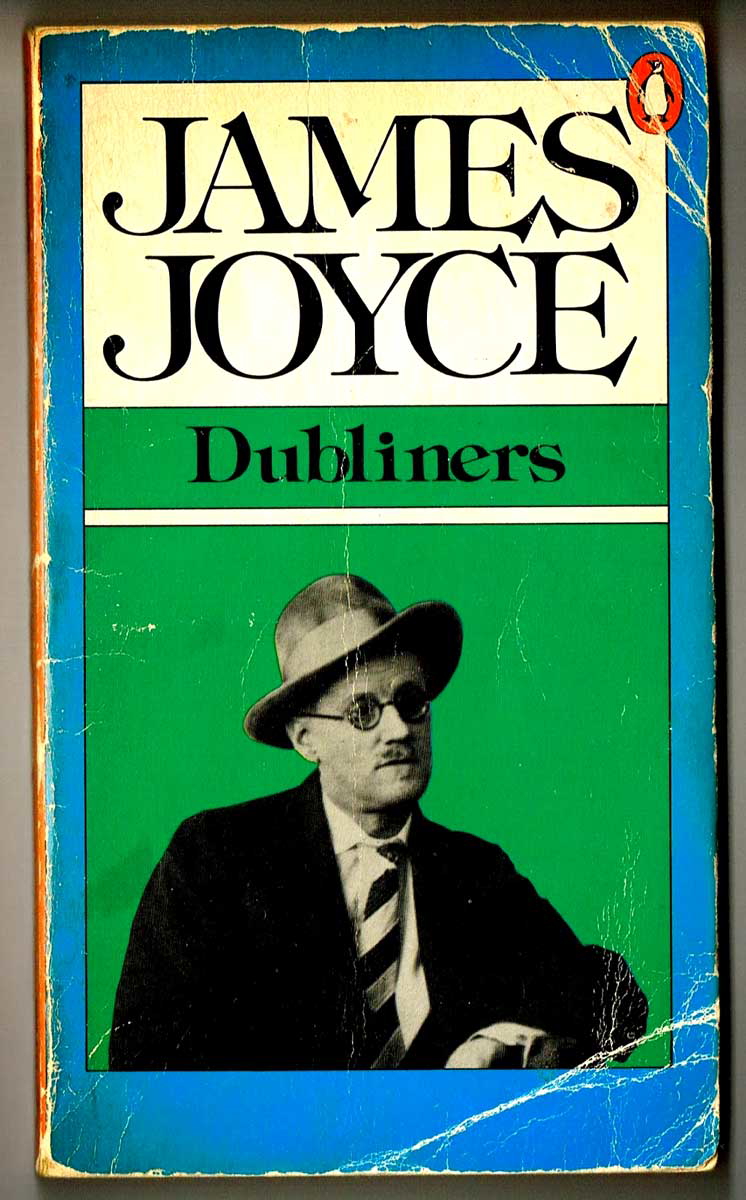
Dubliners is a (perhaps superficially, at least) realist short story collection published in 1914, during a peak in Irish nationalism. Though Joyce opposed British rule, he also distrusted nationalism, which he felt bred cultural stagnation—hence the collection’s pervading sense of paralysis, stagnation, and atrophy.
Focusing on the lives of Dublin’s middle classes, the book moves through childhood, adolescence, adulthood, and public life, closing with the much-anthologized “The Dead.” Across episodes of childhood faith, adolescent desire, and adult failure, the characters are bound—sometimes trapped—by the city they call home.
Often dismissed as Joyce’s “most straightforward” work, Dubliners is hard to pigeonhole. It blends naturalistic surface with symbolic patterning and tonal variety. Its publication history underscores Joyce’s aims. Several printers refused it over libel concerns about real Dubliners, and when Grant Richards finally took it on, the printed text appeared with quotation marks—the only Joyce prose to do so—against Joyce’s stated preference to omit them, a choice he maintained in his later works.
Why Read Dubliners: Realist snapshots of Dublin mask a deeper map of paralysis and epiphany that seeds Joyce’s later innovations.
2. A Portrait of the Artist as a Young Man (1916)
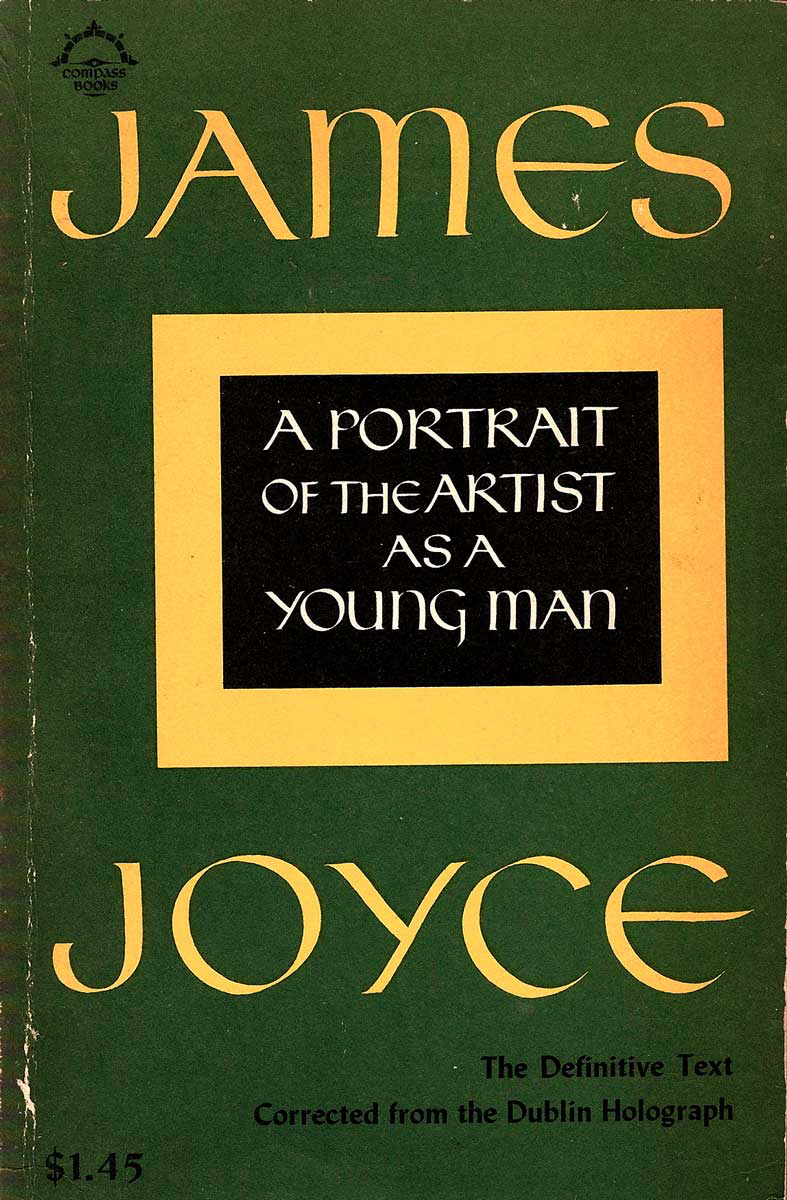
A modernist Künstlerroman, Joyce’s debut novel was first published serially in Ezra Pound’s literary magazine, The Egoist, from February 2, 1914, to September 1, 1915. After struggling to find a British publisher for a standalone edition, Pound helped arrange publication with the US publisher B. W. Huebsch.
The novel grew from an earlier work, Stephen Hero, which Joyce had been writing since 1904 but later abandoned in 1907 after 25 projected chapters. He adapted it into A Portrait of the Artist as a Young Man, abandoning a traditional realist style in favor of radical free indirect discourse and distilling the material into five chapters.
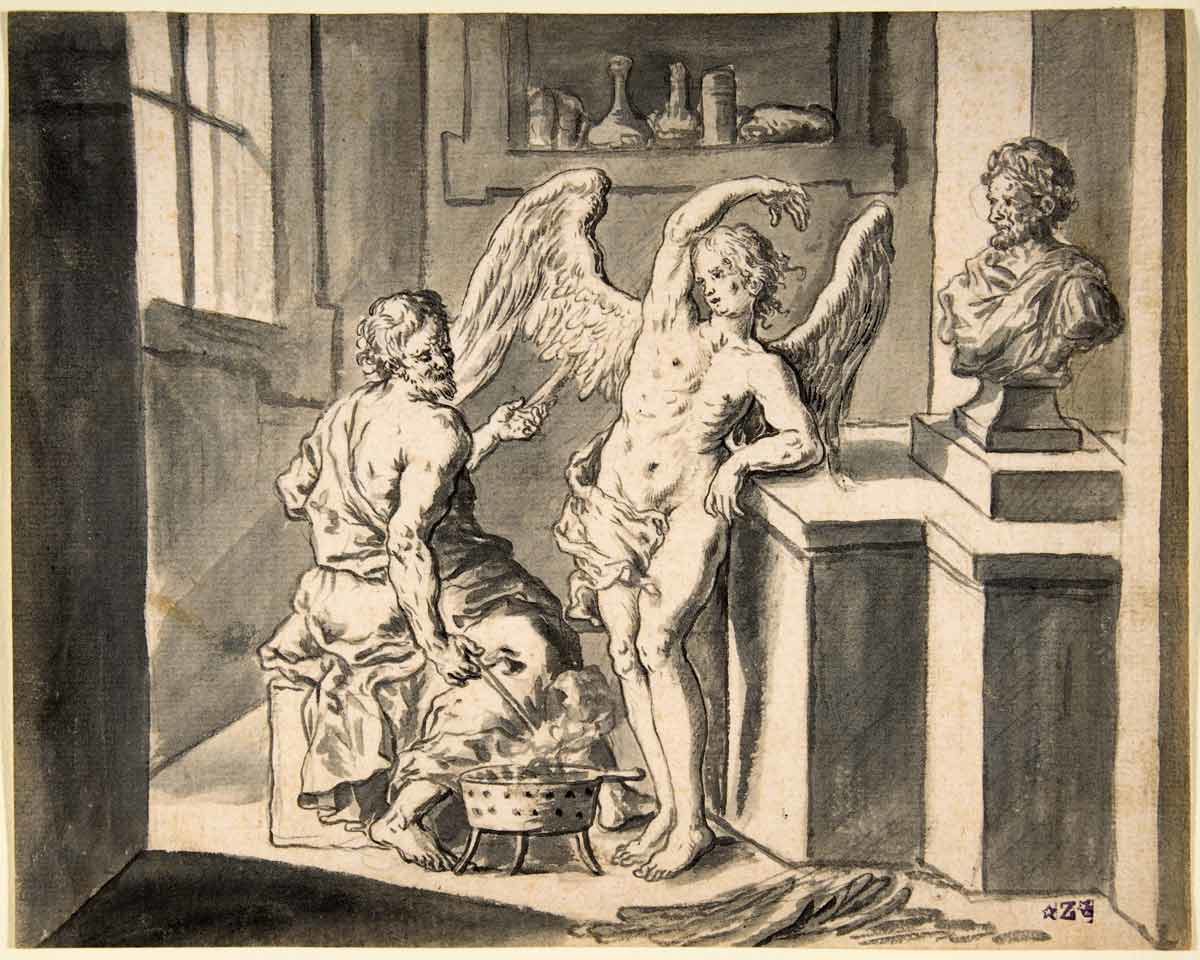
Just as Joyce drew inspiration from the real people and places of Dublin for his short story collection, he modeled Stephen Daedalus (the novel’s protagonist) on himself. Like Daedalus, Joyce was born in Dublin to a middle-class Irish family and was sent to Jesuit schools before his father’s debts forced the family back into the city.
Both Joyce and Daedalus studied at University College Dublin and came to believe they must leave Ireland for continental Europe to fulfill their ambitions as writers. Joyce’s choice of the name Daedalus gains added resonance through the myth of Daedalus and Icarus as recorded in Ovid’s Metamorphoses, from which he also borrows the epigraph.
Why Read A Portrait of the Artist as a Young Man: Radical free indirect discourse tracks a mind forming itself, bridging Dubliners and Ulysses.
3. Ulysses (1922)
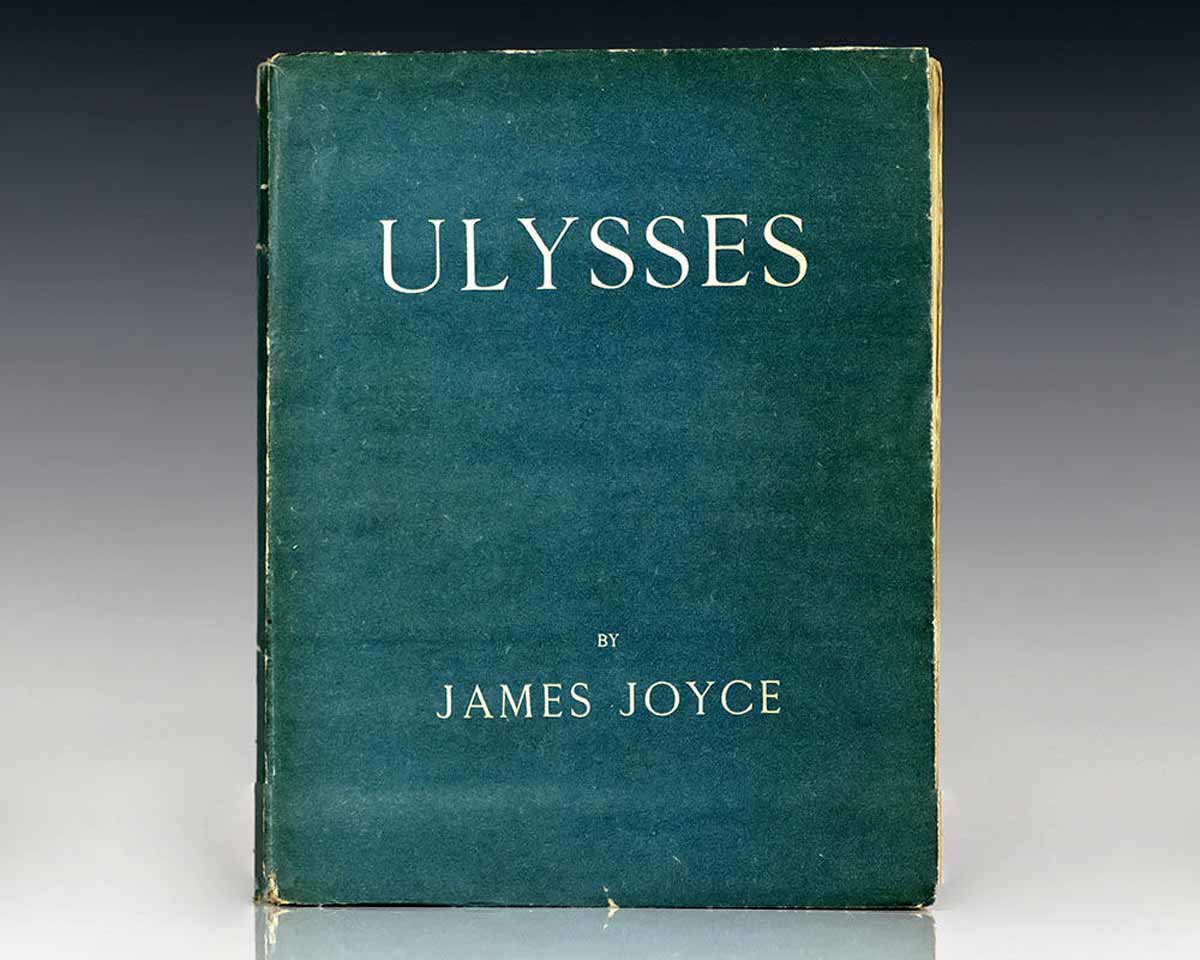
The year 1922 is often seen as the high-water mark of literary modernism, with the publication of Virginia Woolf’s Jacob’s Room, T. S. Eliot’s “The Waste Land,” and Joyce’s Ulysses. Critic Maurice Beebe hailed Ulysses as “a demonstration and summation” of the movement. It is widely considered one of the century’s greatest novels.
Ulysses had been partially serialized in The Little Review from March 1918 to December 1920 before the magazine faced an obscenity trial in the US. The verdict effectively banned Ulysses in the US until Sylvia Beach, an American expatriate in Paris, published the full novel in 1922.
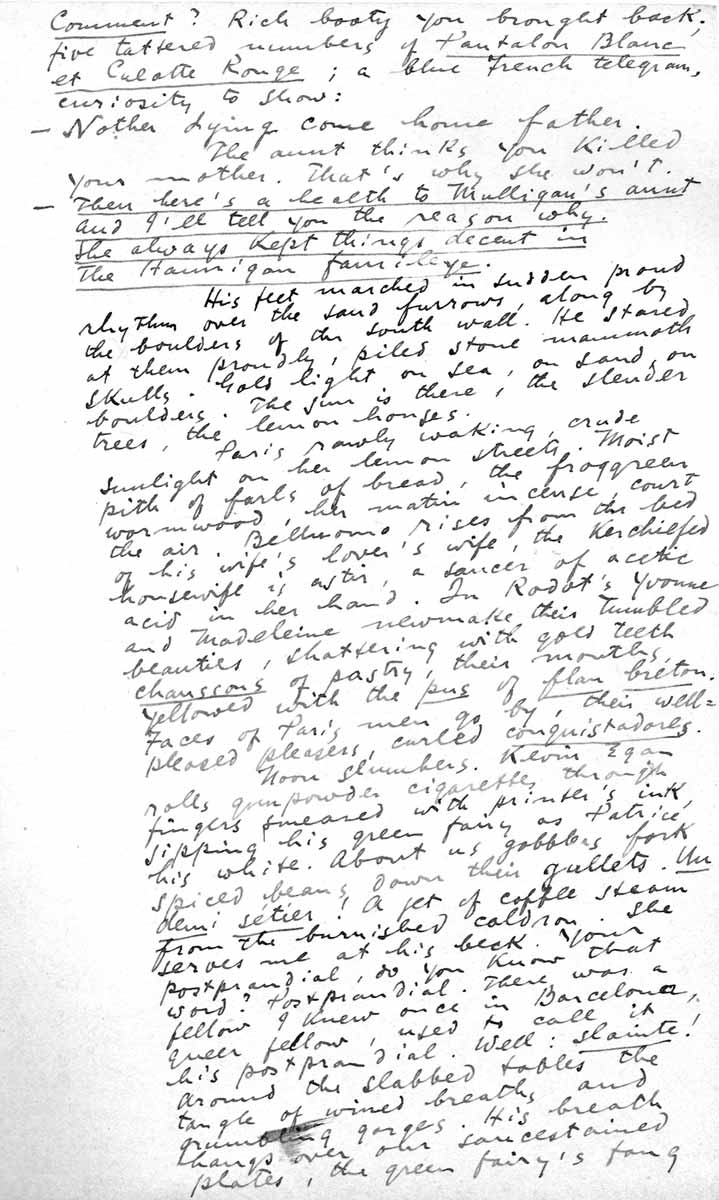
The novel centers on a single day—June 16, 1904—in the life of Leopold Bloom in Dublin, with its structure paralleling Homer’s Odyssey, from the Telemachia focused on Stephen Daedalus to the closing “Penelope” episode voiced by Molly Bloom. Across one Dublin day, Joyce layers multiple styles to mirror that journey and expand what the novel can hold.
Why Read Ulysses: One Dublin day expands to epic scope, proving modern life can bear Homeric depth and stylistic range.
4. Finnegans Wake (1939)
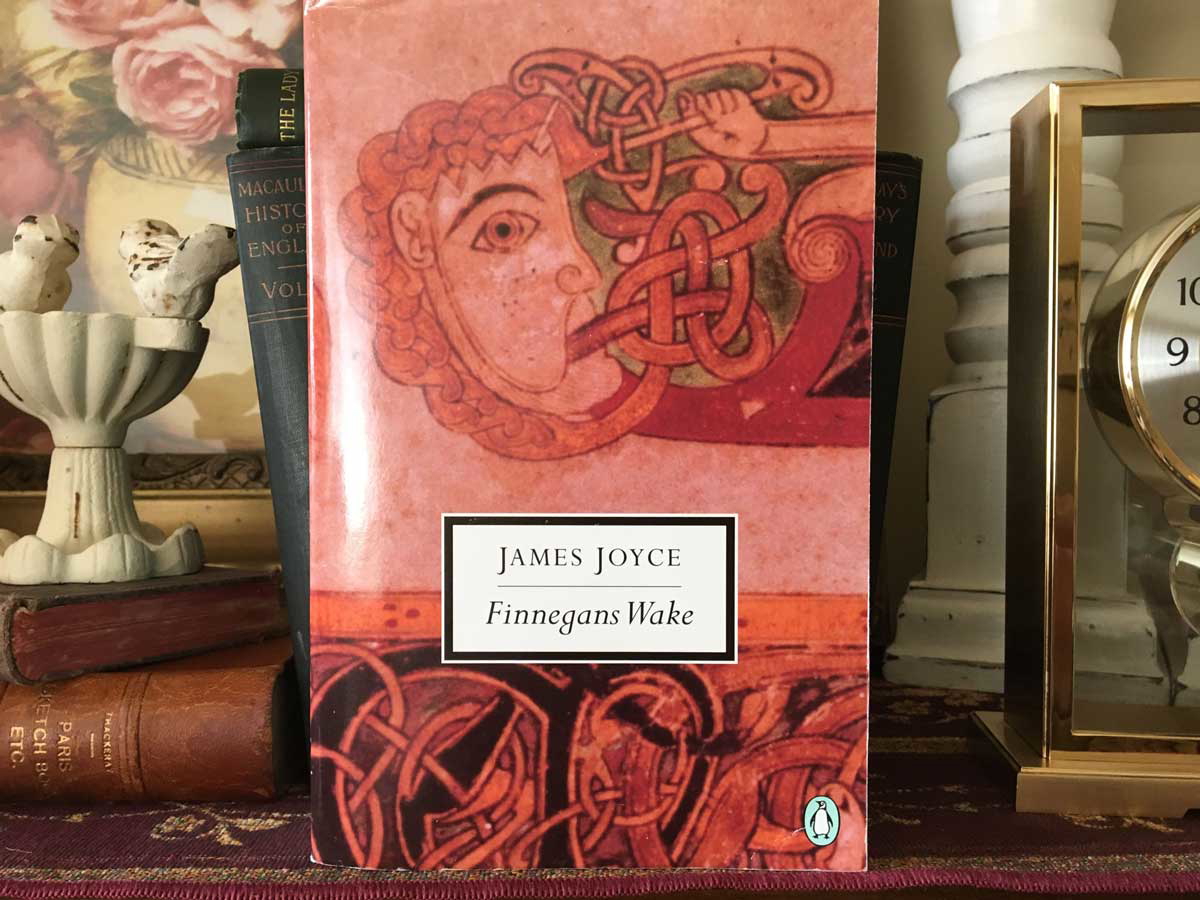
Published in 1939, Finnegans Wake is a monumental, deeply experimental work of literary modernism. It blends standard English with Hiberno-English, portmanteaux, and Joycean neologisms. Conceived as a cycle, its final line completes the opening sentence, reinforcing the dreamlike loop that governs the book.
The novel comprises four parts across seventeen chapters. It famously opens at the wake of Finnegan, a hod carrier who falls from a ladder; when whiskey splashes his corpse, he briefly rises and must be laid back to rest—an emblem of the book’s comic resurrection motif and cyclical time.
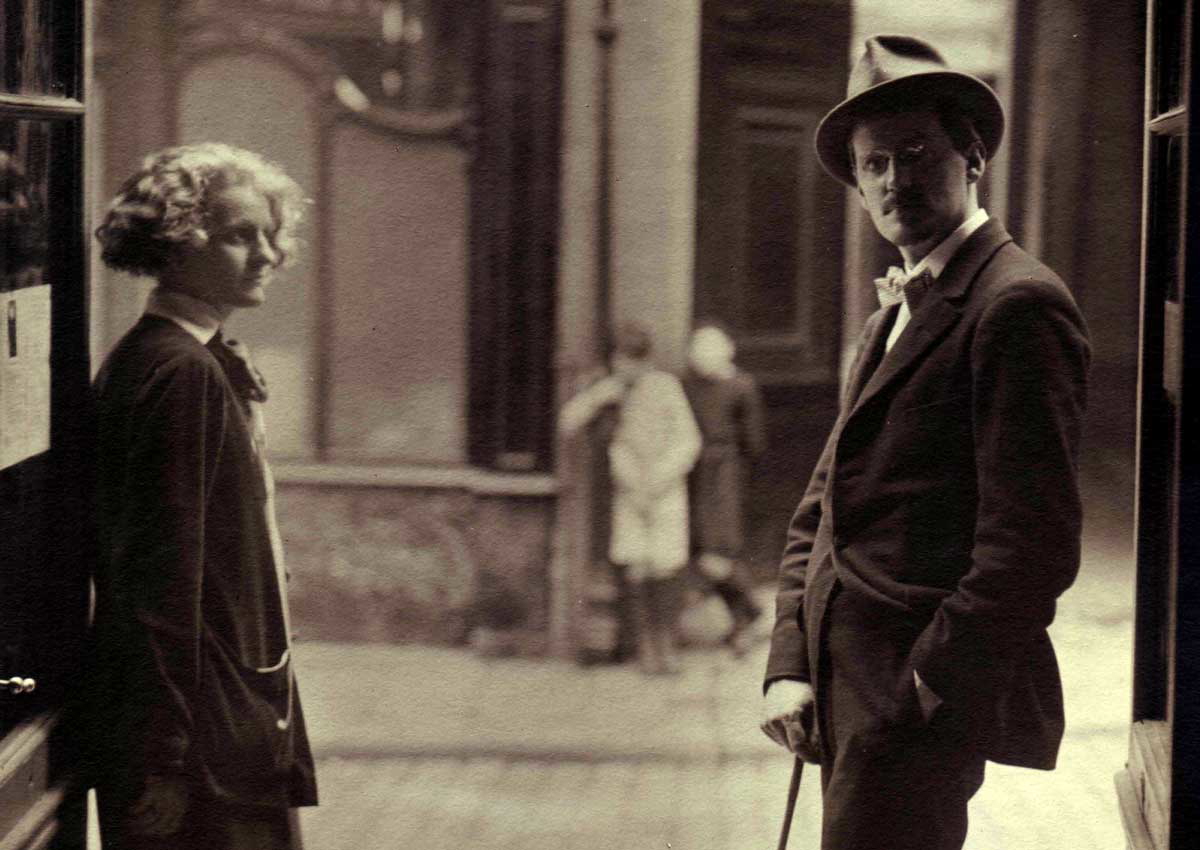
The narrative then follows HCE (Humphrey Chimpden Earwicker) and his family in Chapelizod as they sleep. Joyce renders their dreams to capture the liminal zone between waking and sleeping. In dialogue with Freudian psychoanalysis, those dreams let the book range across history (global, national, and personal), desire, shame, transgression, failure, and conflict—reimagining what the novel can do.
Joyce found writing Finnegans Wake incredibly taxing. Former supporters, including Ezra Pound and Joyce’s brother Stanislaus, doubted the new direction. Progress slowed amid the death of Joyce’s father (1931), concerns over his daughter Lucia’s mental health, and Joyce’s own poor health and eyesight. He died in Zürich twenty months after publication, following surgery for a perforated duodenal ulcer.
Why Read Finnegans Wake: A looping dream-language novel that fuses history and psyche, redrawing the limits of what fiction can do.
How James Joyce Rewrote the Modern Novel
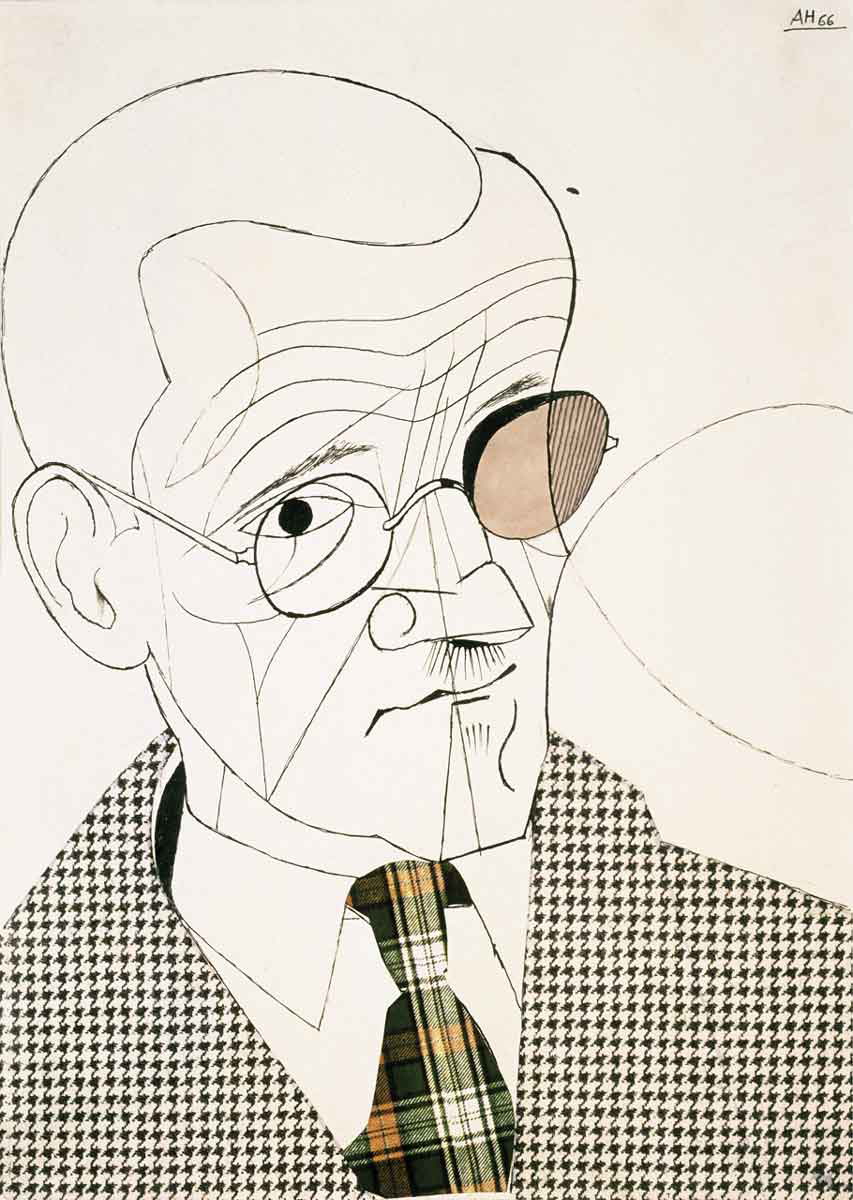
Taken together, these four books chart Joyce’s leap from outward realism to radical interiority: from the stasis of a city’s everyday lives, to the formation of an artist’s mind, to a single day stretched to epic scope, and finally to a night where language itself dreams. Read in sequence, they show how Joyce built a new prose toolkit for the 20th century and beyond, inviting readers to meet the work halfway and discover more with every return.