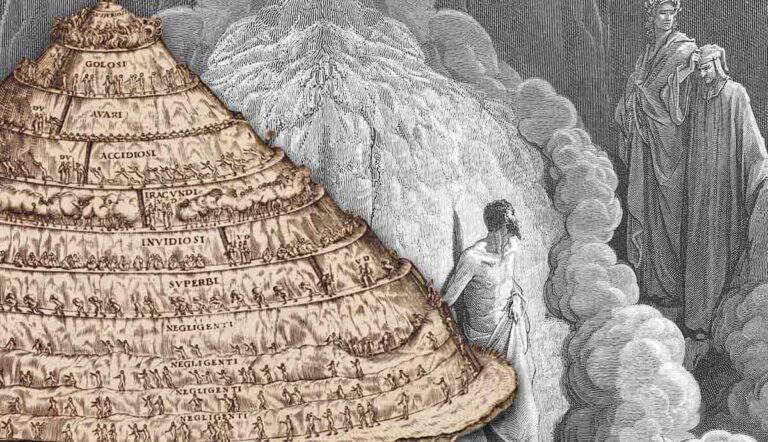
Follow Dante as he ascends Mount Purgatory alongside his guide, Virgil, learn about the theology of the supernatural place, and meet some of its most famous “residents.”
Who was Friedrich Schiller, poet, political firebrand, Germany's answer to William Shakespeare?
Lord Byron shocked Regency England with his chaotic love affairs and forbidden relationships, forcing him into a permanent continental exile.
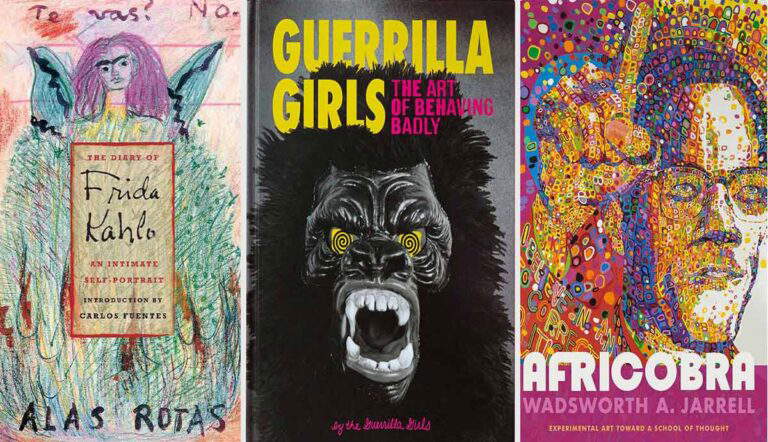
Bookworms and art lovers: get insights into what some of the most famous artists in history have to write about art and life.
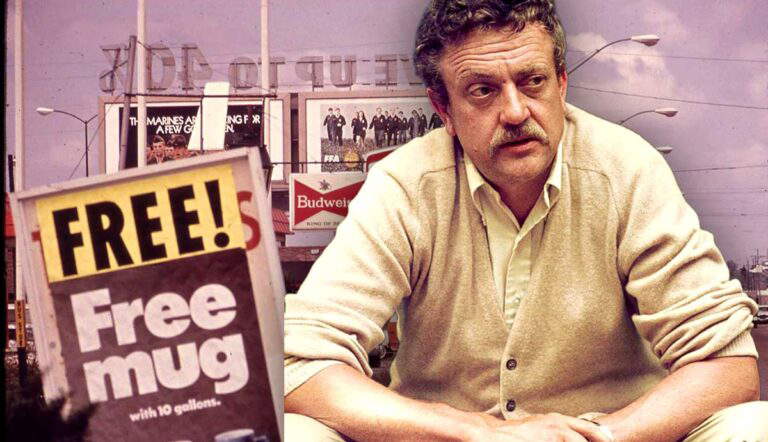
Kurt Vonnegut employed absurdism in his works of science fiction to critique modern life in a way that traditional literary realism was unable to do.
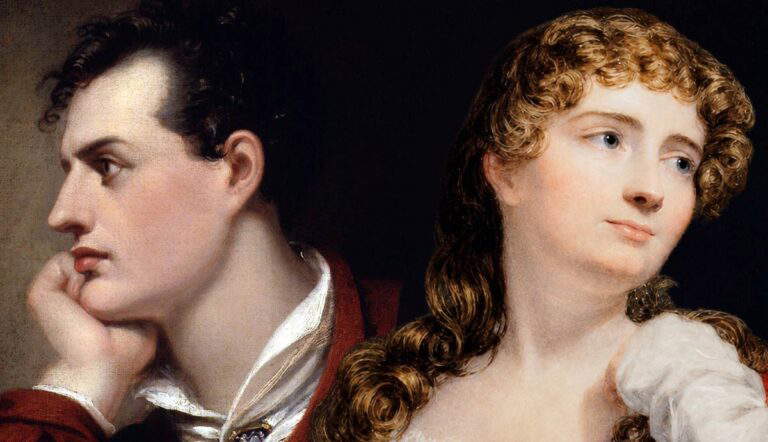
The truth behind the wild lives of early 19th-century Romantic poets as we separate historical facts from enduring mythology.
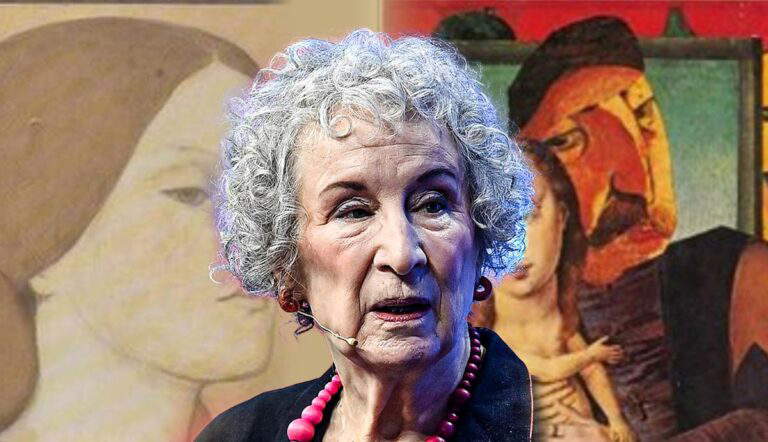
The double Booker prize-winning writer, Margaret Atwood’s works encompass a wide variety of themes, primarily focusing on the genre of feminist fiction.

These five influential Canadian authors offer bold, brilliant perspectives on identity, land, and belonging.