From 1931 to 1945, the Japanese Empire ruled over the province of Manchuria in northeastern China. Manchuria was considered a crucial part of the empire because of its access to resources and the presence of several million Japanese settlers on the territory. Only when the USSR invaded in 1945 did Japanese rule end. To this day, China and Japan still spar over the official narrative of what transpired while the Japanese were in Manchuria during the 1930s and 1940s.
Japanese Imperial Designs on Manchuria
Situated in northeastern China, Manchuria had been the setting for competition between the Russian and Japanese empires for influence in China at the turn of the 20th century. The region controlled large quantities of natural resources and access to East Asian shipping lanes. Japan had arisen from centuries of isolation and chaos to become a modernized empire under the leadership of the Meiji Emperor.
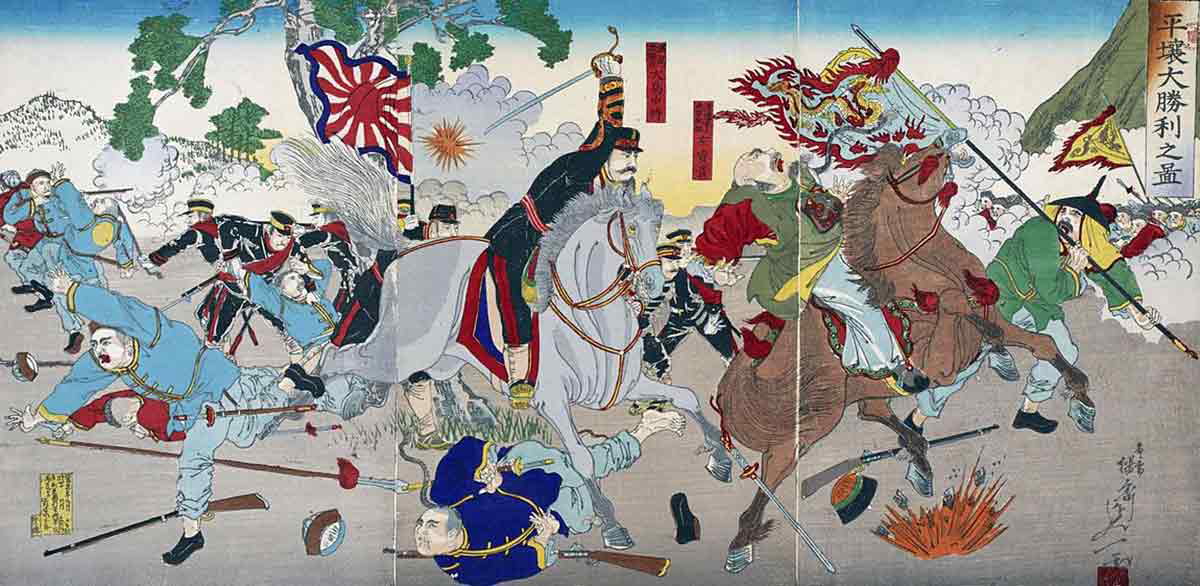
As a part of this process, it desired to test its new military capabilities on the Asian mainland and obtain colonies to add to a limited resource base in the Japanese islands. In the First Sino-Japanese War of 1894-1895, Japan defeated the declining Qing Empire to gain control of the Korean peninsula and a sliver of territory in Manchuria. When Russia coerced Japan into giving the main harbor of Port Arthur (Lüshunkou District, Dalian, China), Tokyo vowed to get it back.
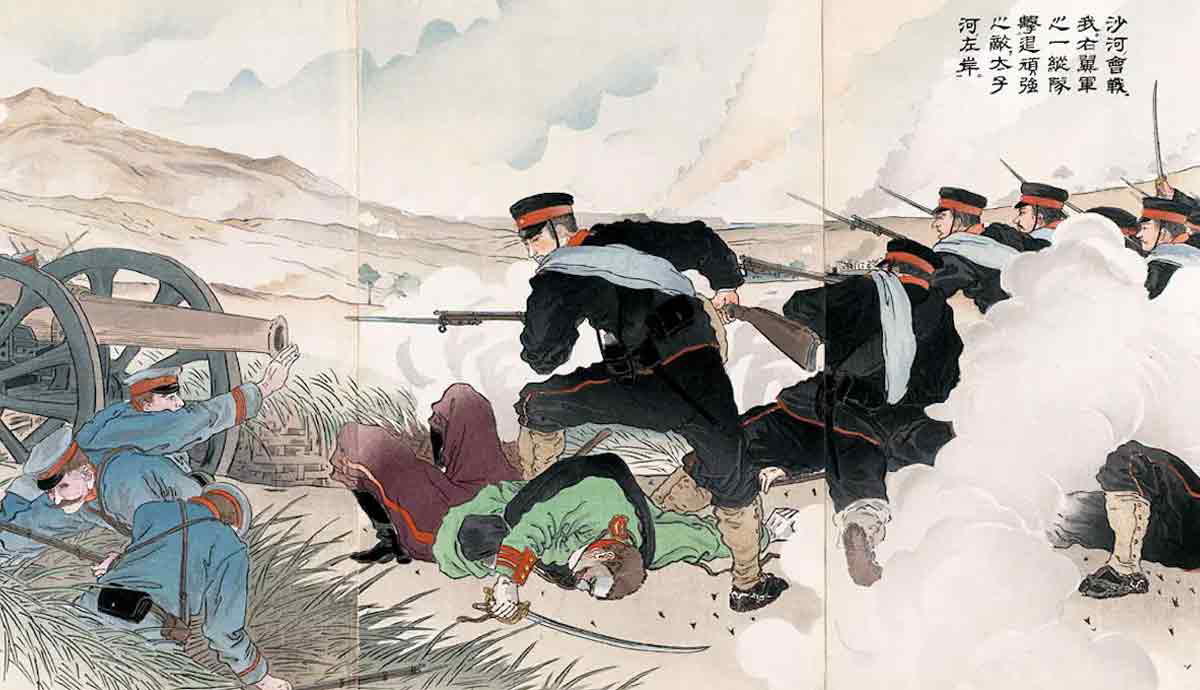
From 1904 to 1905, the Japanese army and navy fought an intense war against the Russian Empire known as the Russo-Japanese War. To the surprise of the international community, the Japanese military proved vastly superior, destroying two Russian fleets at sea and inflicting a series of defeats on Russian land armies.
As part of the Treaty of Portsmouth brokered by US President Theodore Roosevelt in 1905, Japan gained access to the southern part of Sakhalin Island and gained control of Port Arthur. For Japan, this victory was a major turning point in their development; European countries began to see them as a major regional power. The support from local Chinese in fighting the Russians convinced many Japanese that the local population would welcome them if they took over the territory. This had major ramifications for future Japanese policy.
Mukden Incident
Japan’s decision to enter World War I and the Russian Civil War was intended to lead to Japan gaining control over more territory through the Versailles Conference. While they did gain access to some islands in the Pacific and some concessions on the Chinese mainland, Tokyo was embittered when most of their territorial claims were denied. Many senior officers in the military blamed the civilian government for not insisting on more control over territories in Asia. Additionally, the fear that Japan could be colonized by the European powers was pervasive in Japanese politics. Many Japanese believed that the only way to become a great power was through territorial expansion.
From 1916 to 1928, China was in a state of chaos known as the “Warlord Era.” When Sun Yat-sen formed the Kuomintang Party as part of an effort to unify China, Japanese officials became worried about dealing with an aggressive neighbor. In 1927, Japanese military and political leaders met to discuss plans to take over Manchuria. Tokyo believed that resistance would be minimal due to the weakness of the Chinese army and state. In June 1928 the Japanese Kwantung Army organized the assassination of Manchurian warlord Zhang Zuolin, but Zhang’s son and successor Zhang Xueliang proved an ardent opponent of the Japanese. Zhang’s opposition to Japanese influence inspired the Japanese military to take a more direct approach.
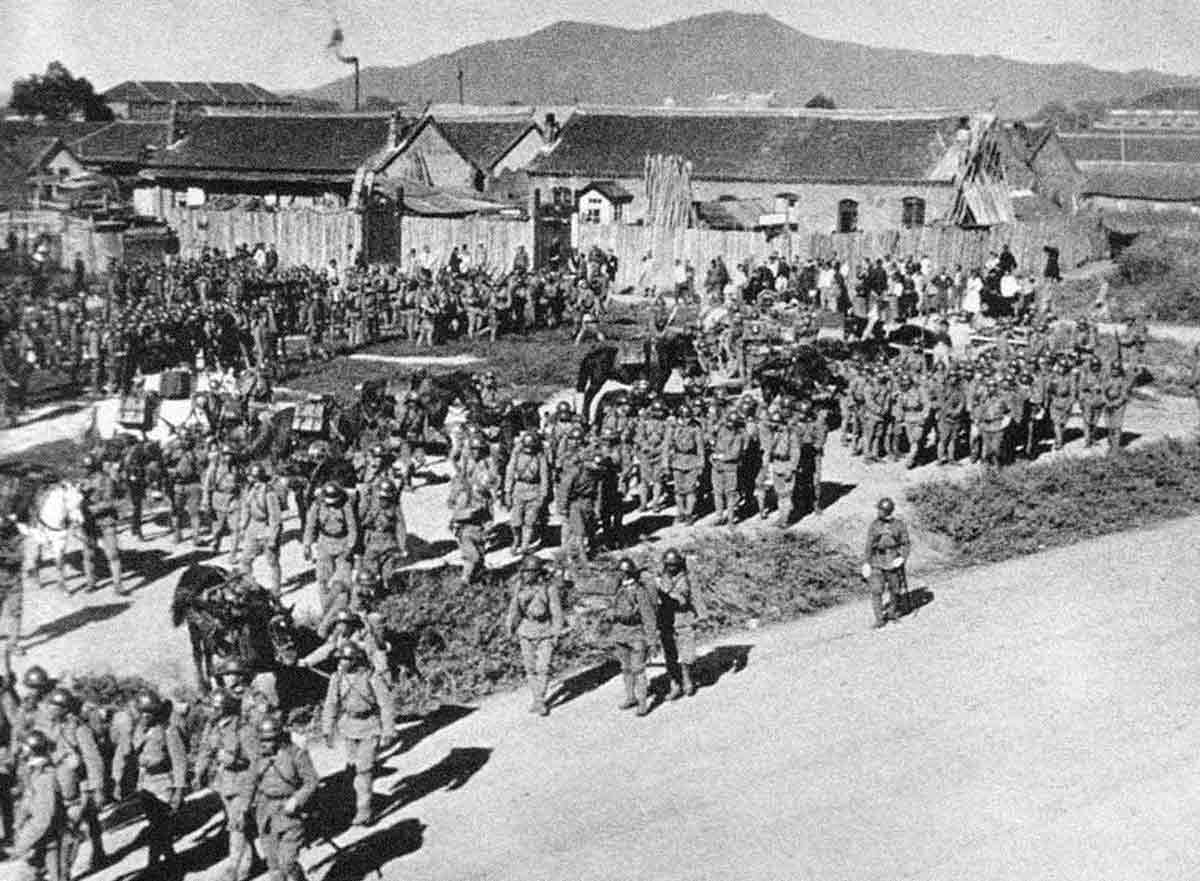
On September 18th, 1931, in what came to be known as the Mukden Incident, an explosion rocked a Japanese-owned railway in the city of Mukden, now Shenyang. Japanese military personnel claimed that Chinese nationalists committed the act and responded by entering the city in force. While Tokyo insisted it was an act of aggression against its interests in the region, evidence surfaced that the Kwantung Army staged the incident.
Establishment of Manchukuo
Within a couple of months of the Mukden Incident, Japan had seized control over Manchuria. The untrained and ill-equipped Chinese army offered little resistance and Japanese generals were stunned by their success. Tokyo’s civilian government, hoping to maintain friendly relations with the West, disagreed with the military, but the generals got their way. Ugaki Kazushige, the governor-general of Japanese-controlled Korea, began setting up a puppet state with the assistance of Chinese monarchists who wanted to restore the former emperor Puyi to his throne. Chinese leader Chiang Kai-shek, facing brutal internal battles against warlords and Communist forces, did not use force to push the Japanese out. Instead, he appealed to the League of Nations, causing Japan to withdraw from the League in 1933. This did nothing to change the reality on the ground for the Japanese in Manchuria.
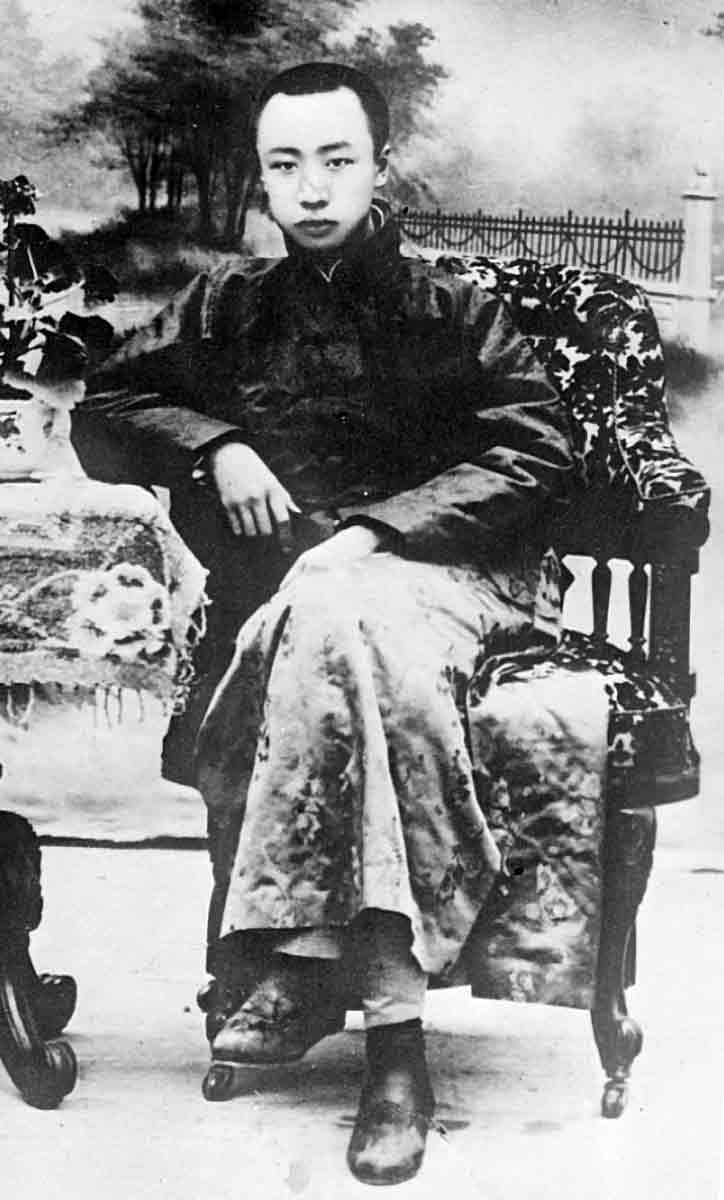
Ever since the collapse of the Qing Empire in 1912, there had been a number of Chinese who were loyal to the child emperor Puyi, who was deposed at the age of six. In 1924, he was expelled from Beijing and escaped to the Japanese-controlled port of Tianjin. When he received the offer to be head of state of the newly formed Japanese puppet state of Manchukuo, he happily accepted the opportunity to return to the ancestral homeland of the Qing emperors. He retained a large number of former imperial advisors and was given a palace in Changchun, which was renamed Xinjing or “New Capital.” While Puyi’s title was changed to emperor in 1934, the Japanese controlled every facet of government.
Japanese Settlement and Security Actions
Many Chinese were resentful of being dominated by foreigners and a major insurgency had sprung up from the remnants of the Chinese army. From 1932-1940, the Japanese army used ruthless force to crush the rebellion, which at times numbered over 300,000 men. Japan deployed more troops and recruited local collaborators to target the insurgents. This brutal colonial struggle, practically forgotten today, had mostly ended by the Second World War, although some Chinese forces hung on until 1945.
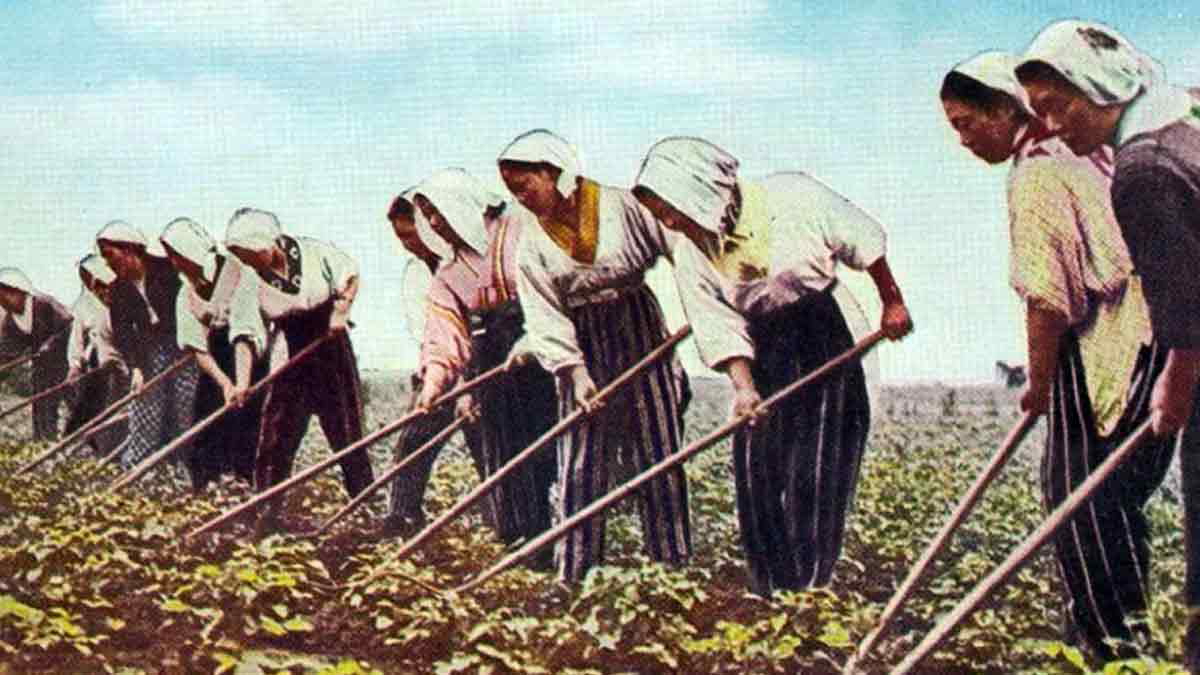
Japan began to colonize the territory almost immediately. The South Manchuria Railway Company was set up to expand the railway lines in the region and even opened an office in New York City. Japan upgraded port infrastructure, increased the size of towns and cities throughout Manchukuo, and introduced new farming techniques. However, the local Chinese became an underclass thanks to the arrival of 270,000 Japanese settlers over a 14-year period. Hoping to avoid the effects of the Great Depression, large numbers of Japanese soldiers and civilians moved their families to Manchukuo. Tokyo encouraged this practice, hoping to resolve agricultural problems on the home islands with the importation of crops from its empire. As was the case in Korea and Taiwan, Japanese settlers formed a higher caste in the societies they moved into. Tokyo sought to reengineer the demographics of the territory.
Caste Society in Manchukuo
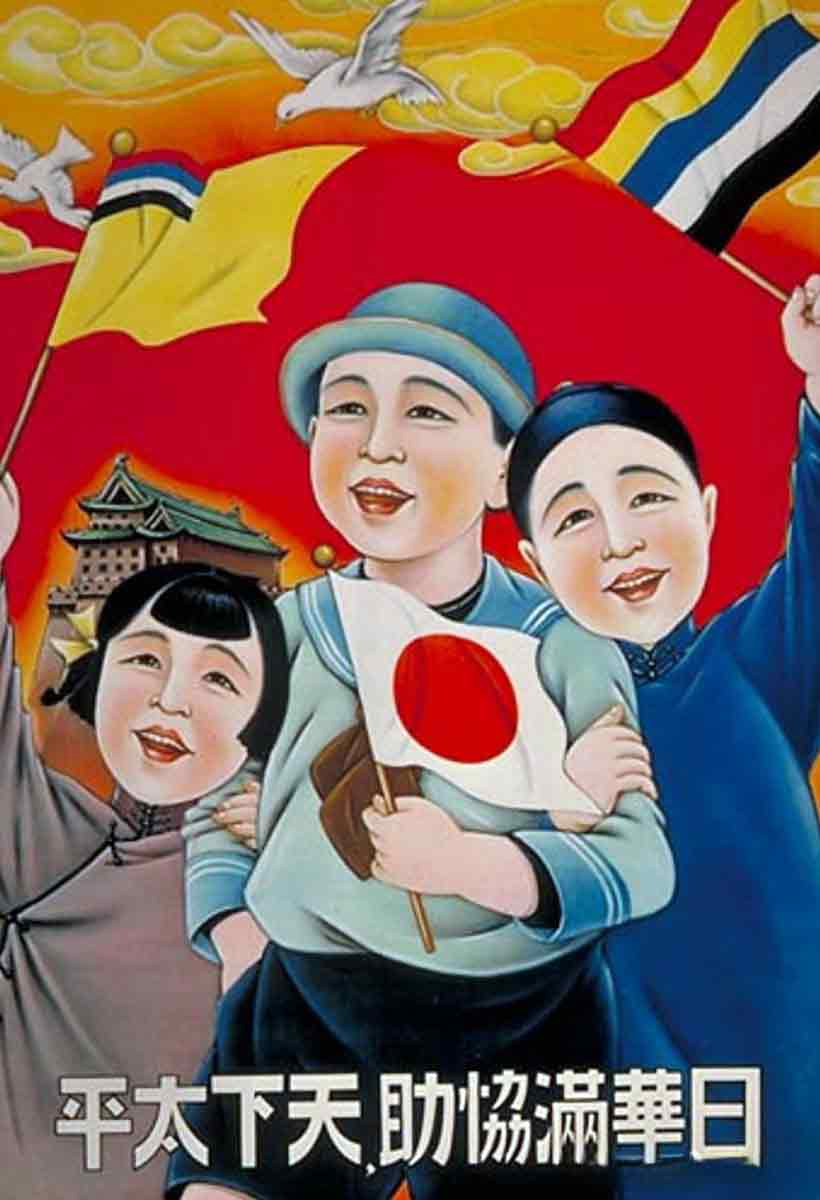
Japan claimed that Manchukuo was part of its “Greater East Asia Co-Prosperity Sphere,” a euphemism for its empire. Tokyo promoted propaganda to people throughout Asia that its rule was benevolent to all Asian peoples and was different from European colonialism. In reality, its rule over Manchuria was not much different from what other empires did in Asia. Japanese settlers were issued rifles and organized into paramilitary units to fight Chinese guerillas. Propaganda in the Japanese homeland urged people to go there as a “civilizing force.” The Chinese locals were seen as uncivilized, savage people who could not possibly rule themselves.
Tokyo followed the model that it had used in Korea and Taiwan. Schools taught in Japanese and Japanese cultural customs were adopted. Even though Chinese loyal to Puyi were allowed to rule over ministries in the Manchukuo government, Japanese officials ruled through “internal guidance.” Any efforts by Chinese officials to enact policies Tokyo was opposed to were doomed to fail thanks to the massive Japanese military and police presence. Co-prosperity was less about promoting interethnic harmony and more about keeping Europeans out of Japan’s colonial “sphere of influence.”
Japanese ideology embraced militarism, fascism, and racism as a part of its national ideology starting in the 1930s. Other Asian groups were seen as hostile to the interests of the Japanese people but also partners in the fight against the West. While Puyi may have seen himself as China’s last emperor, he was nothing more than a useful tool in the minds of policymakers in Tokyo.
World War II
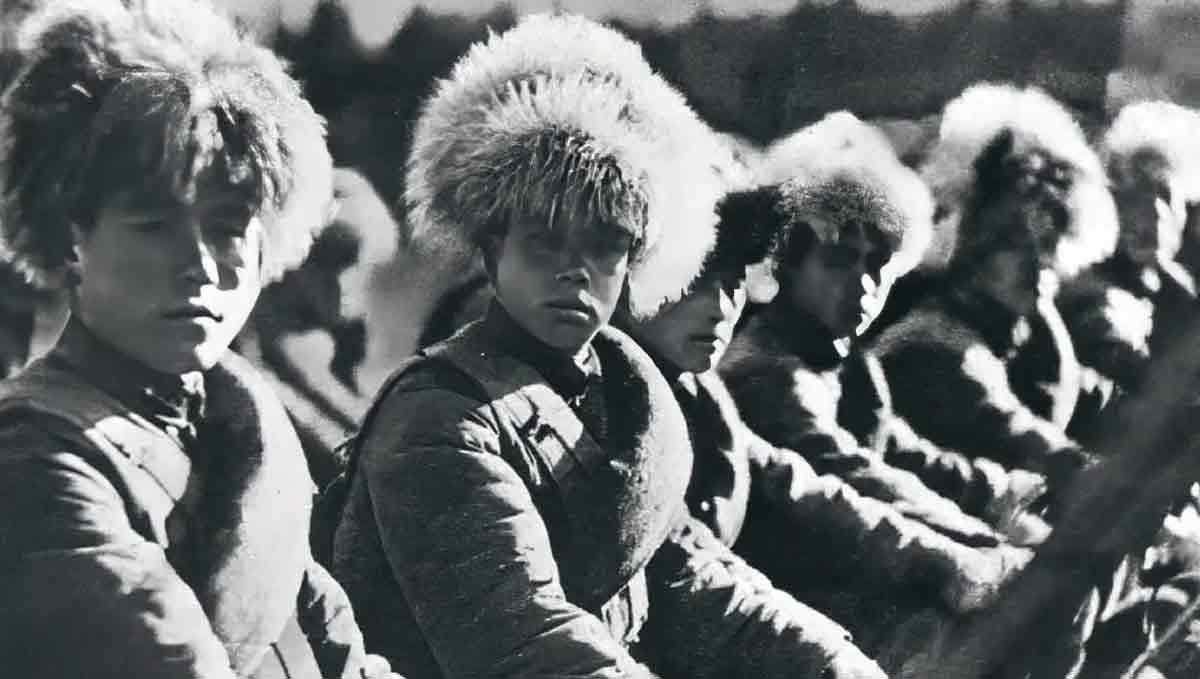
Ironically, Japan’s desire for more territory became its undoing and meant the end of its colony in Manchukuo. Throughout the 1930s, China’s long civil war continued between the Communists and the Kuomintang. The intensity of the fighting meant that Japanese military leadership assumed seizing more territory would be an easy gambit.
The Second Sino-Japanese War began in 1937 when Japanese forces launched a full-scale invasion of China. By 1941, they had seized most of the Chinese coast and large parts of the interior. In 1938, they attacked Soviet-controlled territory in Mongolia, an action that failed and put Manchukuo at risk of a Soviet invasion. A temporary ceasefire led to a quiet period on the Soviet-Manchukuo border. However, Japan’s attack on Pearl Harbor and the expansion of World War II led to major changes in the region.
Dizzying success in the first several months of the Pacific War was followed by a steady drumbeat of defeats for Japan. By 1943, the Allies were winning on all fronts except in China. Manchukuo was not at risk of direct Allied attack but suffered nonetheless. As part of the Yalta Agreement, the Soviets agreed to invade the territory once Germany was defeated. Days after the atomic bombings of Hiroshima and Nagasaki, the Soviets invaded and finished Manchukuo off once and for all.
The End of Manchukuo
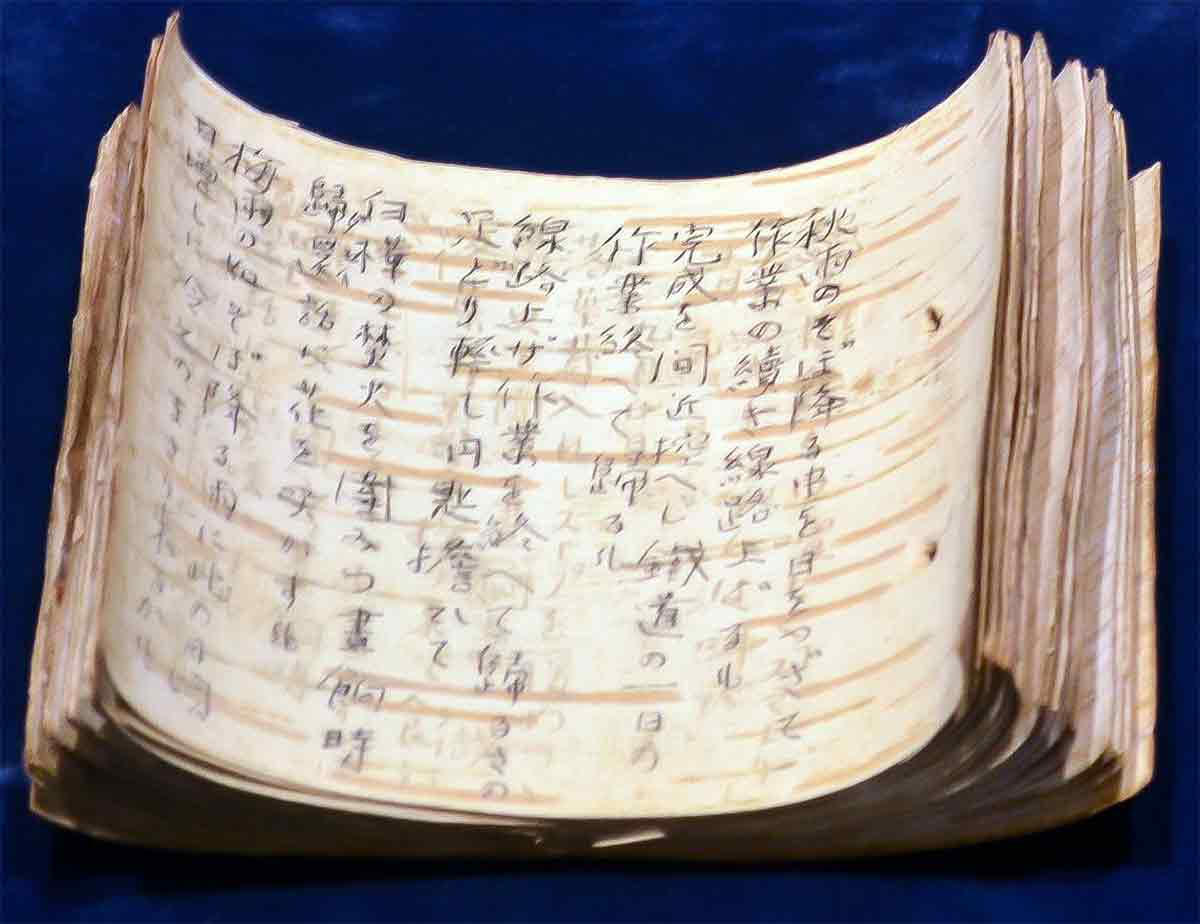
The Soviets destroyed the Kwantung Army in a very short time. Japanese forces crumbled due to the weakness of local defenses and the lack of reinforcements. The Red Army ruthlessly attacked southward and seized the entire territory, even advancing into the Korean peninsula. In September 1945, Emperor Hirohito of Japan recognized the inevitable and ordered his government to surrender to the Allies. Part of the terms included Manchukuo returning to Chinese control and being renamed Manchuria. All Japanese were to be repatriated back to the home islands.
Having arrived in Manchuria full of pride as part of Japan’s colonization mission, the Japanese settlers panicked with the Soviet advance. Many of the young men had joined the military and became casualties. Long lines of Japanese refugees, mainly women and children, fled to the ports for evacuation. The civilian refugees were lucky—they were repatriated to Japan on US Navy ships. 575,000 captured soldiers and sailors were taken by the Soviets to forced labor camps in Siberia. With this, the Japanese colonial project in Manchuria came to a brutal end.