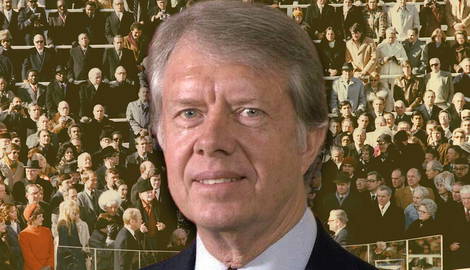
Jimmy Carter grew up on his family’s peanut farm. After serving in the US Navy, he returned to Georgia and entered politics, eventually moving from state senator to governor before becoming the 39th president of the United States. During his time in office, Carter championed human rights, earning respect on the world stage. In the years after his presidency, his humanitarian work cemented his legacy. Here are seven facts about this US president.
1. He Grew Up on a Peanut Farm

James Carter Jr. was born in 1924, the eldest child of James Carter Sr. and Bessie Carter. Delivered at the Wiseman Sanitarium where his mother was a nurse, Carter would become the first United States President born in a hospital. Jimmy, as he preferred to be called, grew up on his family peanut farm in Plains, Georgia. He quickly learned the hard work needed to keep a farm running. Jimmy spent his days tending to the animals and picking peanuts.
Life on the farm wasn’t easy, but neighbors often helped one another, creating a tight-knit community where people shared what they had. This communal effort would drive Carter’s humanitarian viewpoint later in life. Even at a young age, Carter noticed the racial divide in his town, which would influence his approach to his career.
While money was scarce as Carter grew up during the height of the Great Depression, they made the most of what they had, teaching Carter to appreciate the basics and helping those in need. When he eventually left Plains to pursue higher education, he carried these early lessons with him. They shaped how he viewed public service, laying the groundwork for the leadership style which he became known for.
2. He Graduated From the U.S. Naval Academy
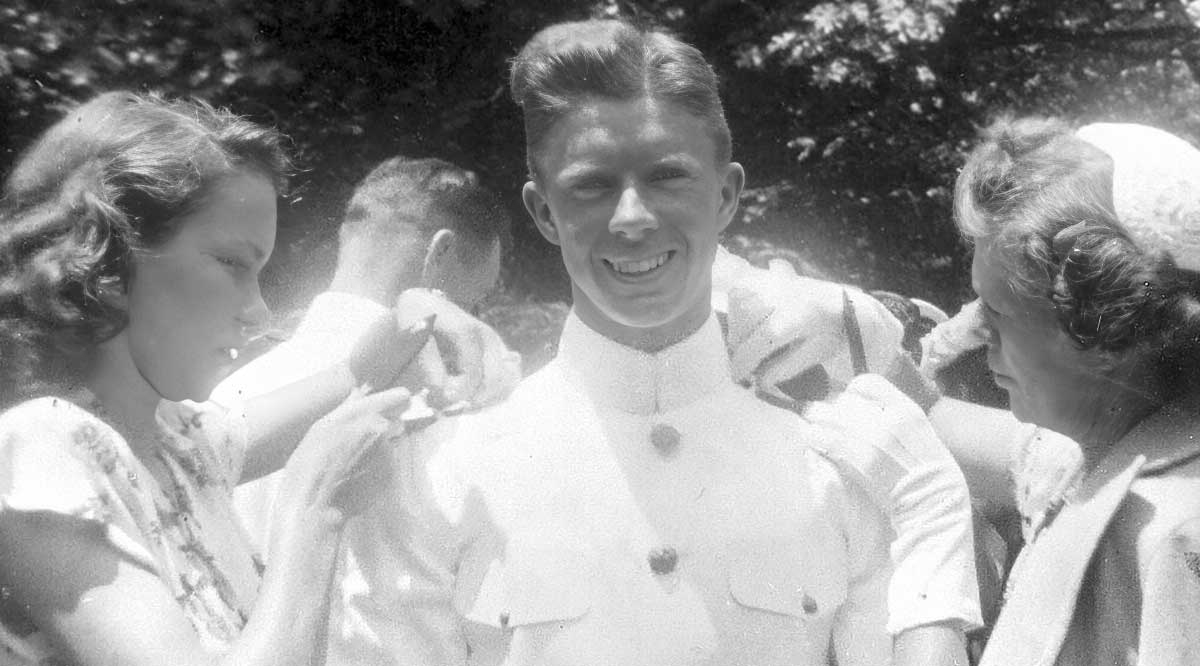
Carter attended Plains High School from 1937 to 1941. Following in his father’s footsteps, a veteran of the First World War, Carter set his sights on military service via an education at the United States Naval Academy in Annapolis Maryland. In 1943, he entered an environment worlds apart from the rural farm he was used to. Days at the Academy started before dawn, packed with drills, academic coursework, and strict discipline.
Carter studied engineering and navigation, eager to master the skills needed to serve on a submarine. Though the curriculum was tough, he found some time to write letters home, staying close to his roots in Plains. Classmates soon recognized him as down-to-earth, someone who was serious about his studies but also happy to lend a helping hand.
In 1946, he graduated from the academy, married his lifelong spouse Rosalynn, and headed into active duty. Serving on submarines forced him to rely on team members in high-pressure situations, leaving no room for ego. Carter later credited this experience with teaching him the importance of cooperation and quick thinking.
3. He Served as Governor of Georgia Before Becoming President
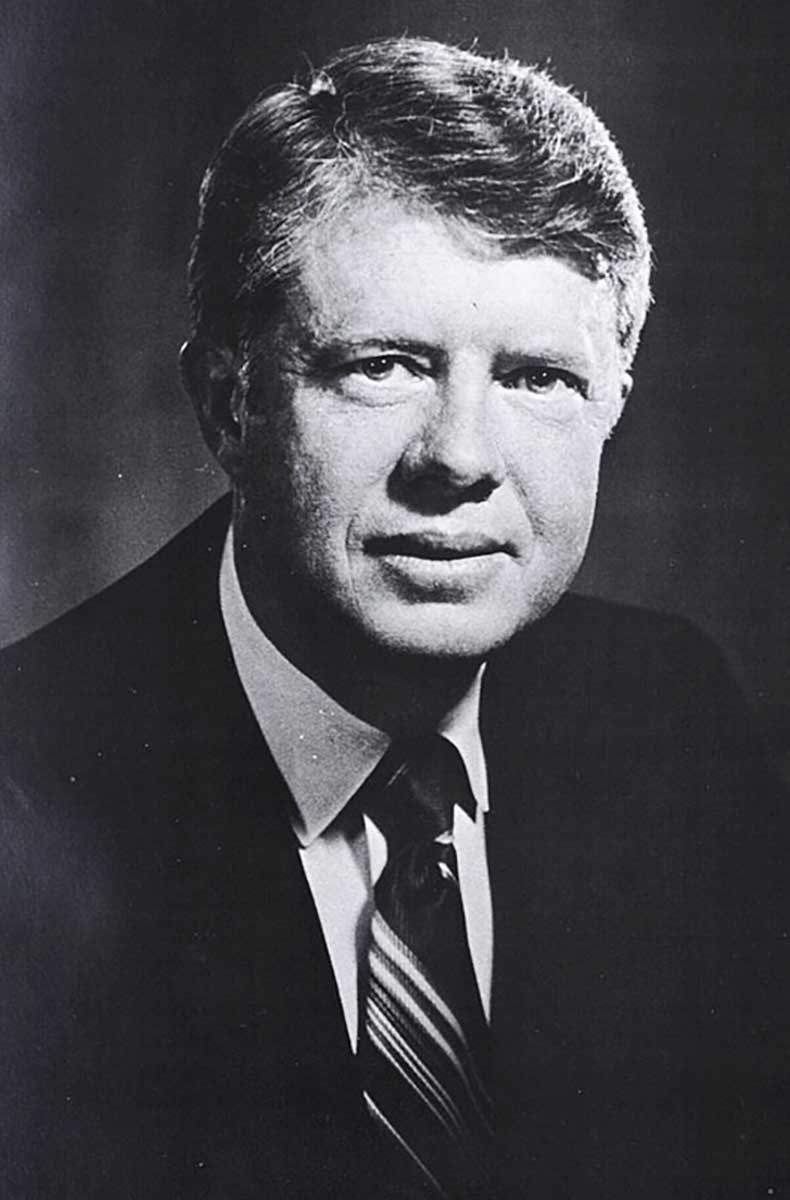
Following his naval career in 1953, Carter returned to Plains taking over as head of his family peanut farm. However, local issues and a desire to see meaningful change in Georgia pulled him toward politics. First, he served in the Georgia State Senate, learning the basics of legislation, budgeting, and how to address community needs. In 1970, Carter took a bigger leap, running for governor on a platform that promised integrity, modernization, and racial reconciliation in the waning years of the Civil Rights Movement.
Once he won, he pushed for reforms in education, government transparency, and civil rights—bold moves in a state that still grappled with the aftermath of segregation. Carter’s time as governor revealed both his willingness to tackle tough issues and his practical solutions to not-so-practical problems. He also traveled across Georgia, meeting rural families, small business owners, and educators, refining his sense of what ordinary people need from their leaders.
By the end of his term, he had gained valuable experience that set the stage for his next major step. Running for president would prove to be difficult, but Carter believed he could bring honest government to the federal level.
4. He Was the 39th President of the United States
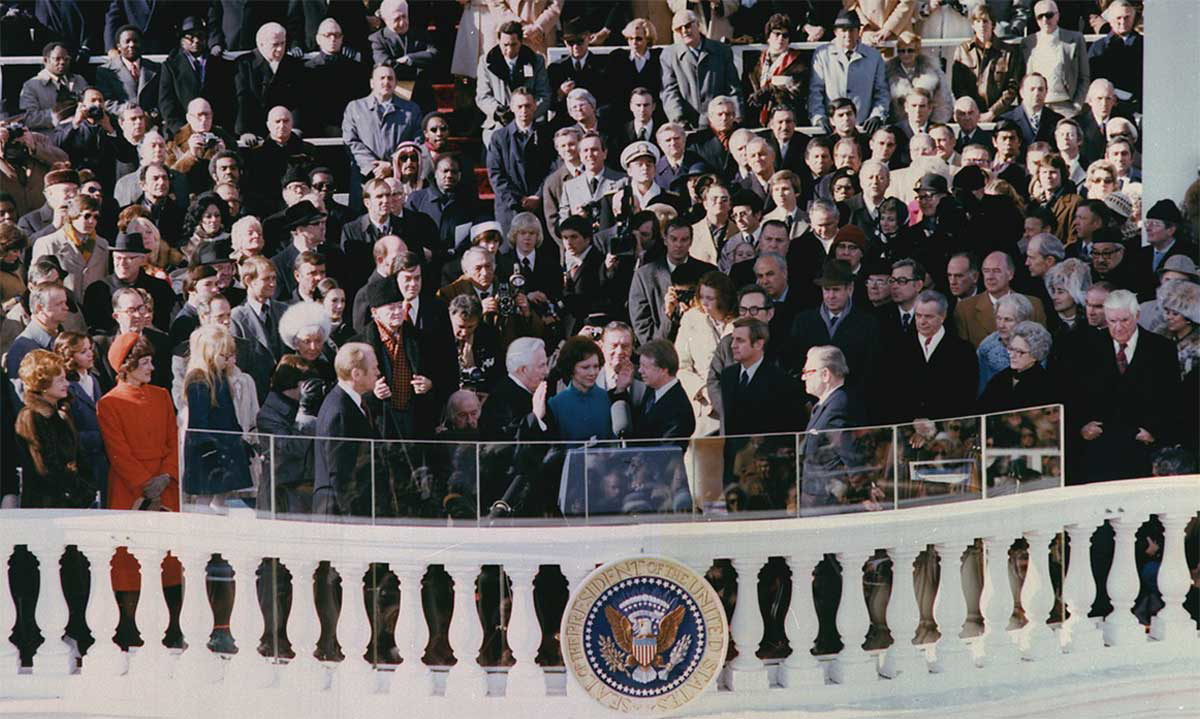
In the mid-1970s, America was exiting an era plagued with scandal (most notably the Watergate Scandal) and Jimmy Carter entered the presidential race promising a fresh start. Coming from a small town with a background in farming and state politics, he presented himself as an honest alternative to “business as usual” in Washington. Narrowly defeating incumbent Gerald Ford in 1976, Carter took office as the 39th president in January 1977.
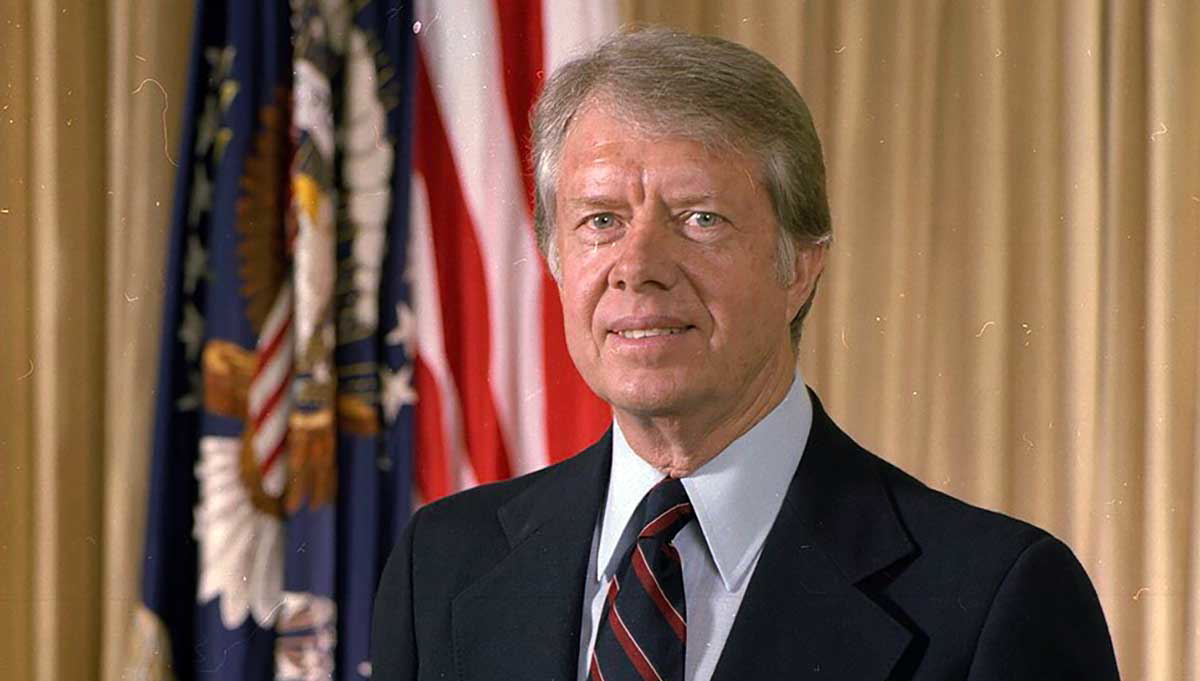
Much like his policies as Governor of Georgia, he highlighted human rights, environmental protection, and energy conservation as key priorities. Early initiatives, like creating the Department of Energy, showed he was serious about addressing the energy crisis. To showcase his dedication to this initiative, Carter had solar energy panels installed on the roof of the White House.
However, major economic troubles, like high inflation, made it tough for many Americans to feel the impact of his reforms. Even so, he made strides in foreign policy, normalizing relations with China and laying the groundwork for arms reduction. Carter left office after one term, but his focus on fairness, decency, and diplomatic solutions left a mark that would influence politics long after his presidency ended.
5. He Brokered the Historic Camp David Accords
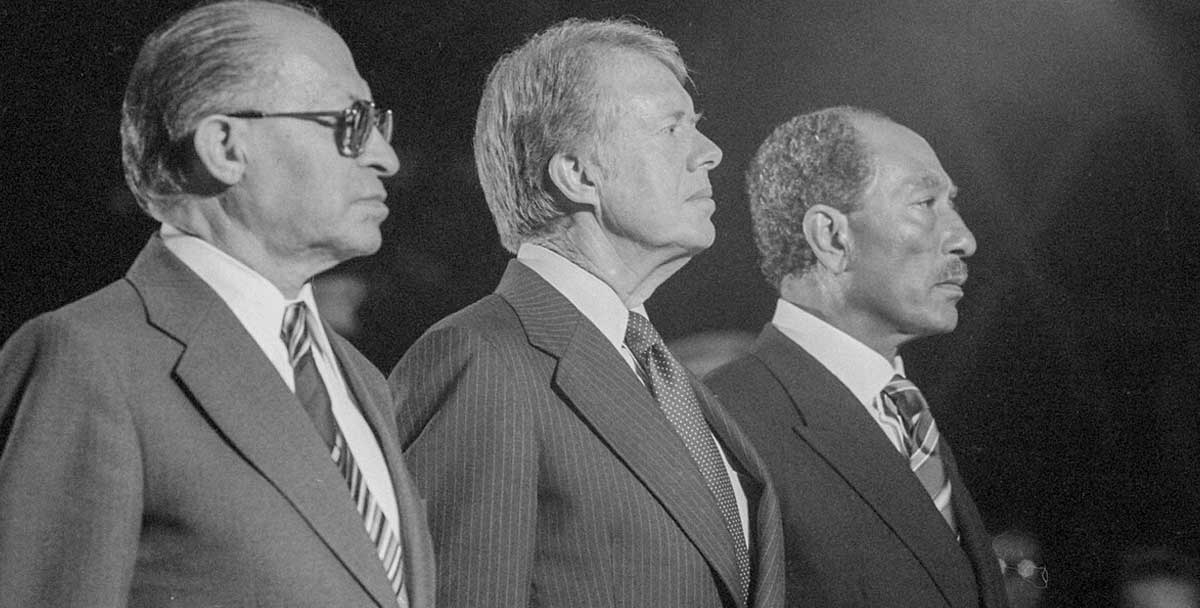
In 1978, President Carter took on one of the toughest foreign policy challenges of his administration: navigating a peace agreement between Egypt and Israel. Tensions in the Middle East had flared for years, so Carter invited Egyptian President Anwar Sadat and Israeli Prime Minister Menachem Begin to Camp David, a presidential retreat in Maryland. For nearly two weeks, Carter moved between both leaders, ironing out disagreements and pushing each side to find common ground. The negotiations did not always look as though they would be successful.
Finally, the parties reached an agreement, known as the Camp David Accords, which laid the groundwork for a lasting peace treaty between Egypt and Israel. While it didn’t solve every regional conflict, it was a huge step forward at the time, bringing hope to an area that had been rising in tension over the last few decades. The success of the Camp David Accords showed Carter’s dedication to peaceful negotiation and his belief that issues could be tackled through dialogue and a willingness to compromise.
6. He Faced Major Economic Challenges
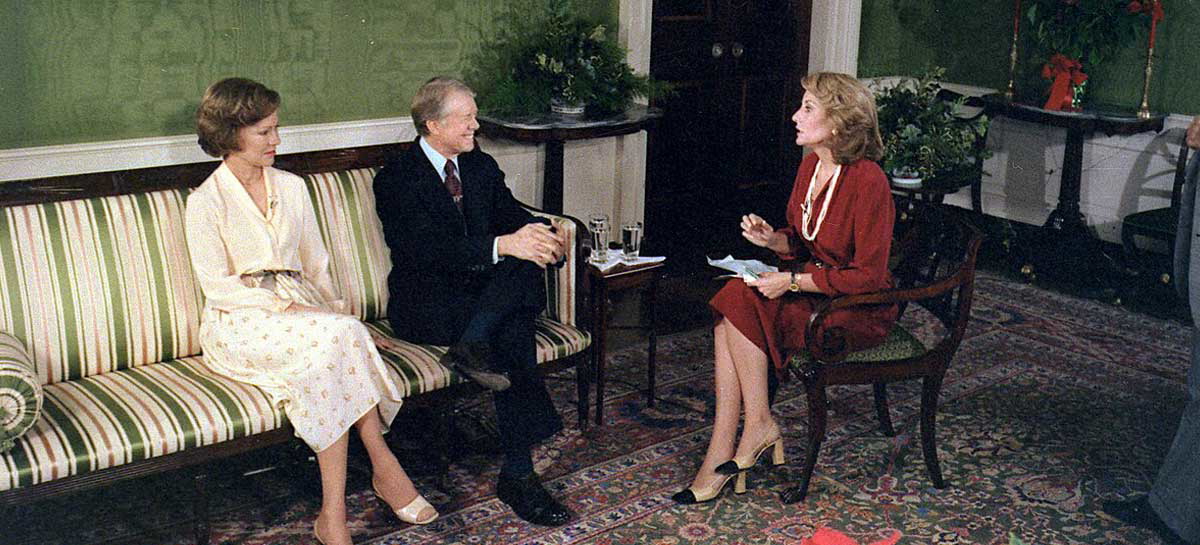
Although Carter entered the White House with a focus on human rights and energy reform, he soon found himself dealing with serious economic challenges. By the late 1970s, inflation was climbing rapidly. On top of that, an international oil crisis hit, creating long lines at gas stations and leaving Americans sometimes stranded waiting in line for fuel.
Carter tried several approaches to manage these issues, including encouraging conservation and investing in alternative energy sources. He even famously appeared on television wearing a sweater, asking citizens to turn down their thermostats to save energy. Despite these efforts, the economy remained shaky, and many voters became impatient with the slow pace of recovery. High interest rates also made it tough for businesses to expand and for families to buy homes.
These economic pressures overshadowed many of Carter’s achievements. While the economy did improve, it was not soon enough and Carter lost his reelection bid based on the economic issues that plagued his presidency.
7. He Dedicated His Post-Presidency Years to Humanitarian Work
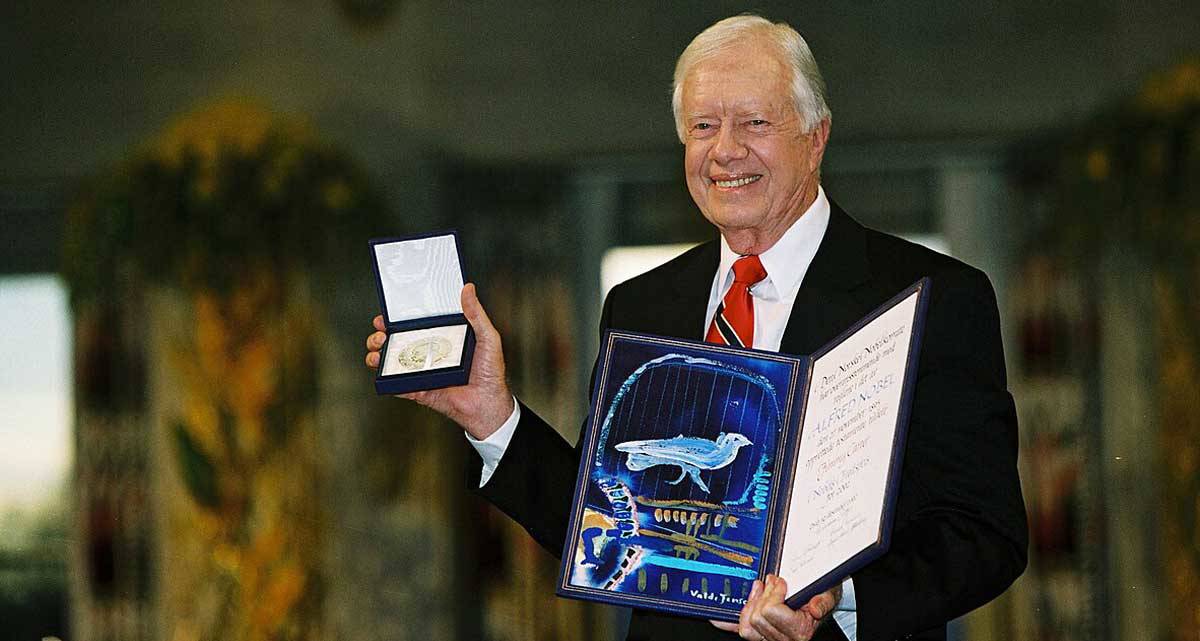
After leaving the White House in 1981, Carter founded the Carter Center, dedicating his time to global humanitarian issues. Traveling to remote villages in Africa and elsewhere, he worked on programs to combat diseases like Guinea worm and river blindness. Alongside this global outreach, he often picked up a hammer with Habitat for Humanity, helping build and restore homes for families in need. These hands-on efforts showed the world that Carter’s commitment to service went well beyond political office.
In 2002, his dedication earned him the Nobel Peace Prize, reinforcing how serious he was about making possible, positive changes. Well into his 90s, Carter continued to speak out on issues ranging from healthcare to human rights, demonstrating that public service was a lifelong calling.