
Egyptology is often remembered through its most dramatic moments: an archaeologist in the field, a tomb uncovered, a discovery entering the history books. But behind those moments were women whose notes, correspondence, teaching, research, and relationships helped build the field.
In this episode of TheCollector Podcast, we speak with Dr. Kathleen (Kate) Sheppard, professor of the history of science at Missouri S&T and author of Women in the Valley of the Kings and Tea on the Terrace. She explores the overlooked contributions of women in Egyptology and the social networks that shaped the field, revealing a history that looks very different when we move beyond its most famous names.
Historians weren’t necessarily looking for the women behind the resources. They were looking at what happened on a site, rather than asking who took the notes, who preserved the records, and whose work made it possible for us to know what happened there.
Women in Egyptology and the Making of the Field
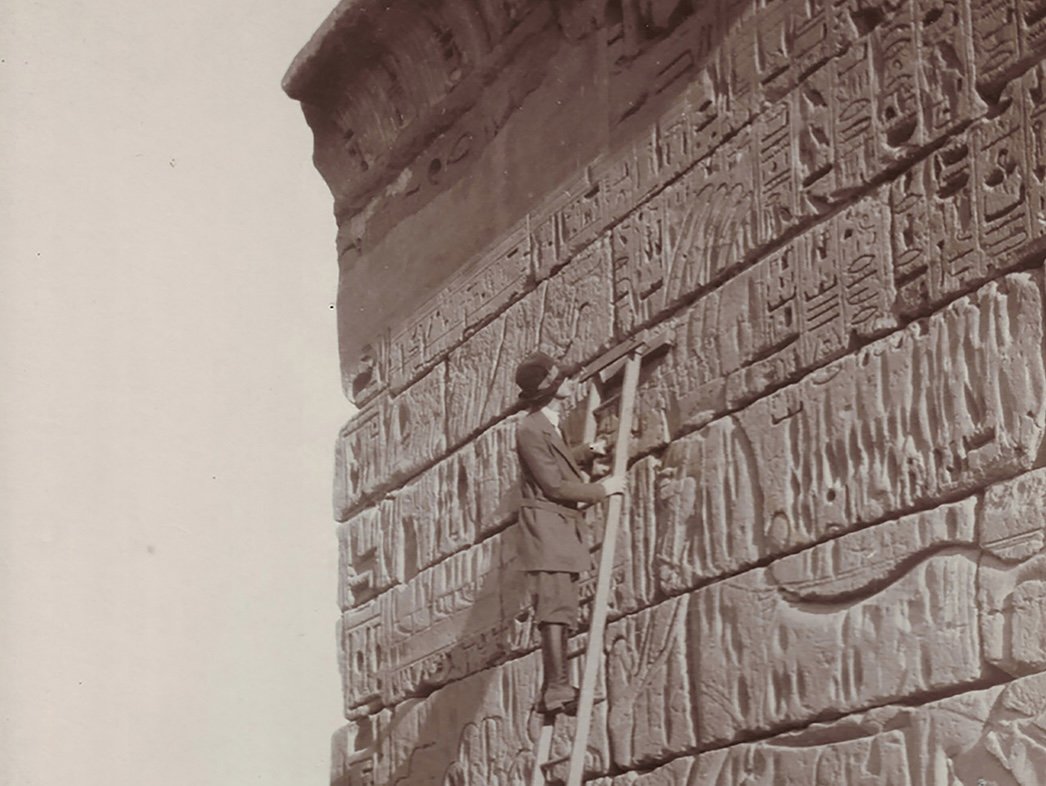
Modern Egyptology took shape in the 19th century as scholars learned to read ancient Egyptian texts and archaeologists developed new ways to study and record the past. In the late 19th and early 20th centuries, Egyptology was drawing a swath of enthusiastic scholars, archaeologists, and travelers to Egypt.
Women were always part of this burgeoning field. Because Egyptology was still taking shape institutionally, women had unique opportunities to participate through research, teaching, and fieldwork. Still, many of their contributions aren’t mentioned in the most famous stories from the field, which tend to focus on headline-grabbing discoveries made by men.
In the episode, Dr. Sheppard shares her research on these women, the records they left behind, and the networks that supported their essential work. She also considers Egyptology’s ties to European imperialism and colonialism, offering a fuller picture of how the field developed and who helped shape it.
The Stories Hidden in Egyptology’s History
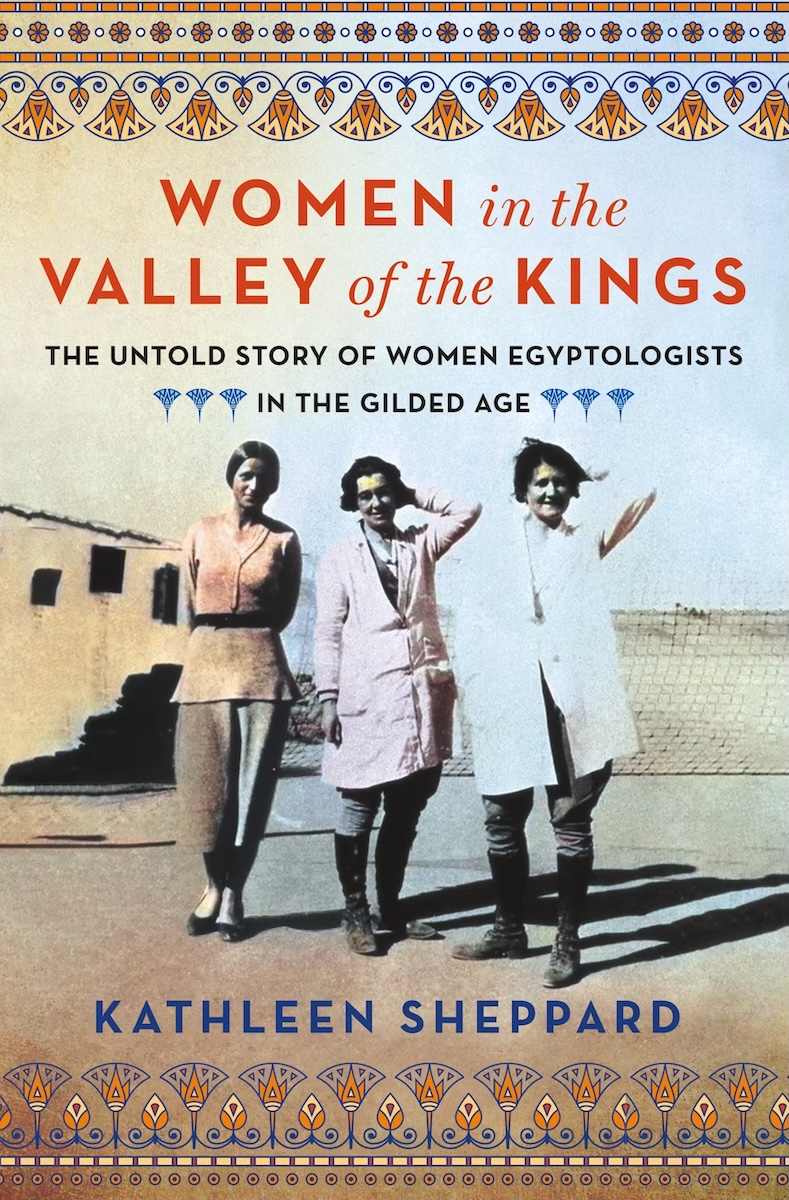
Dr. Sheppard’s research brings many of these overlooked figures back into view. In Women in the Valley of the Kings: The Untold Story of Women Egyptologists in the Gilded Age, she introduces us to Egyptologists like Margaret Murray and Caroline Ransom Williams. Their stories show why seemingly ordinary records can matter so much to historians. In some cases, the careful records women kept are the reason we know what happened at all.
In Tea on the Terrace: Hotels and Egyptologists’ Social Networks from 1885–1925, Dr. Sheppard examines social environments like hotels where Egyptologists gathered, revealing how informal social networks shaped the discipline. Together, these studies offer a broader picture of Egyptology—one built not just on famous discoveries, but on the conversations, correspondence, and invisible labor that made those moments possible.