
Do you believe in magic? People across the ancient world certainly did, from Egypt and Mesopotamia to Greece and Rome.
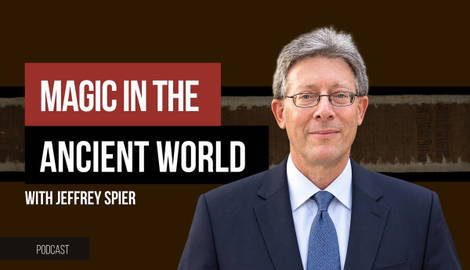
We sat down with Dr. Jeffrey Spier—curator of Cursed! The Power of Magic in the Ancient World at the Toledo Museum of Art—to explore the fascinating crossroads of magic and the mundane.
There’s this universality about magic. We all have this desire—whether through magical texts and practices, or medicine and science—to make sense of or exert influence over the unseen.
Everyday Magic in Ancient Egypt and Mesopotamia
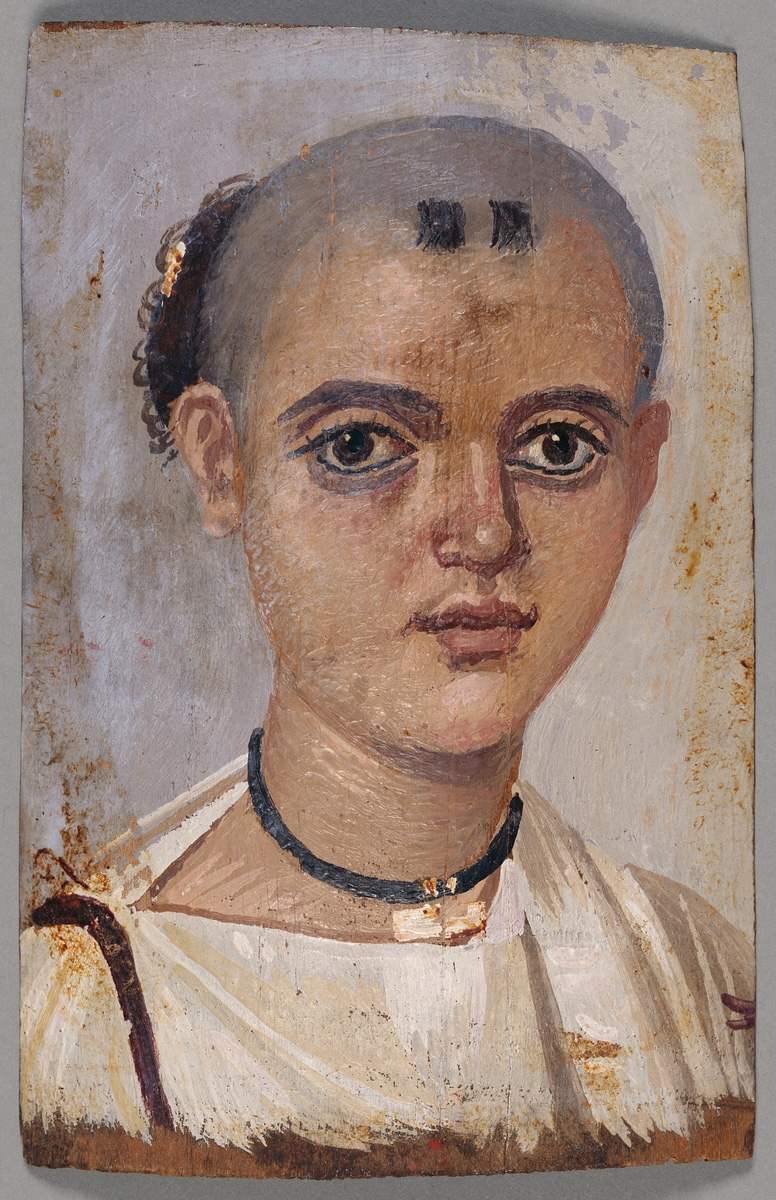
In Egypt and Mesopotamia, magic was embedded in daily life. Priests performed rituals, created amulets, and inscribed protective texts. And these practices were no secret—rather, they were carried out publicly in accordance with established religious traditions.
Cursed! The Power of Magic in the Ancient World illustrates how Egyptians and Mesopotamians sought to influence unseen forces. Among the artifacts on view are ancient spells and rituals recorded on papyri and inscribed on objects.
Magic and Suspicion in the Classical World
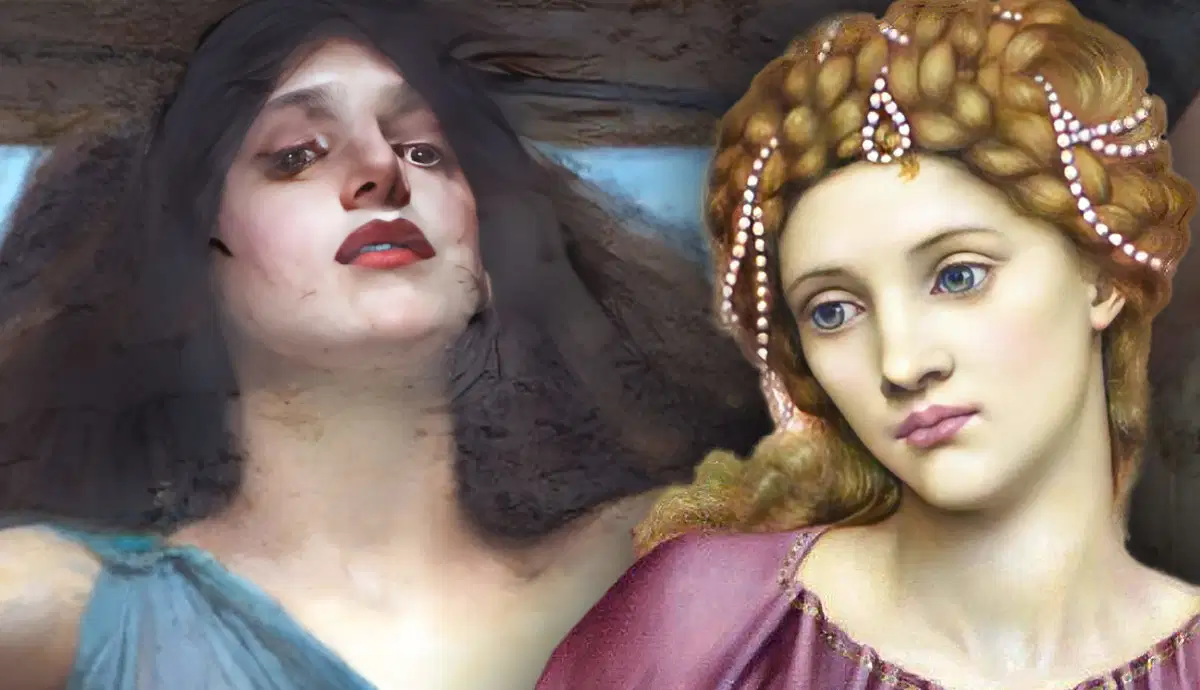
The Greeks and Romans viewed magic with a bit more suspicion. Mythical sorceresses like Circe and Medea embodied both the fear and fascination surrounding magic, reflecting a broader cultural anxiety about the perceived foreign origins of magical power.
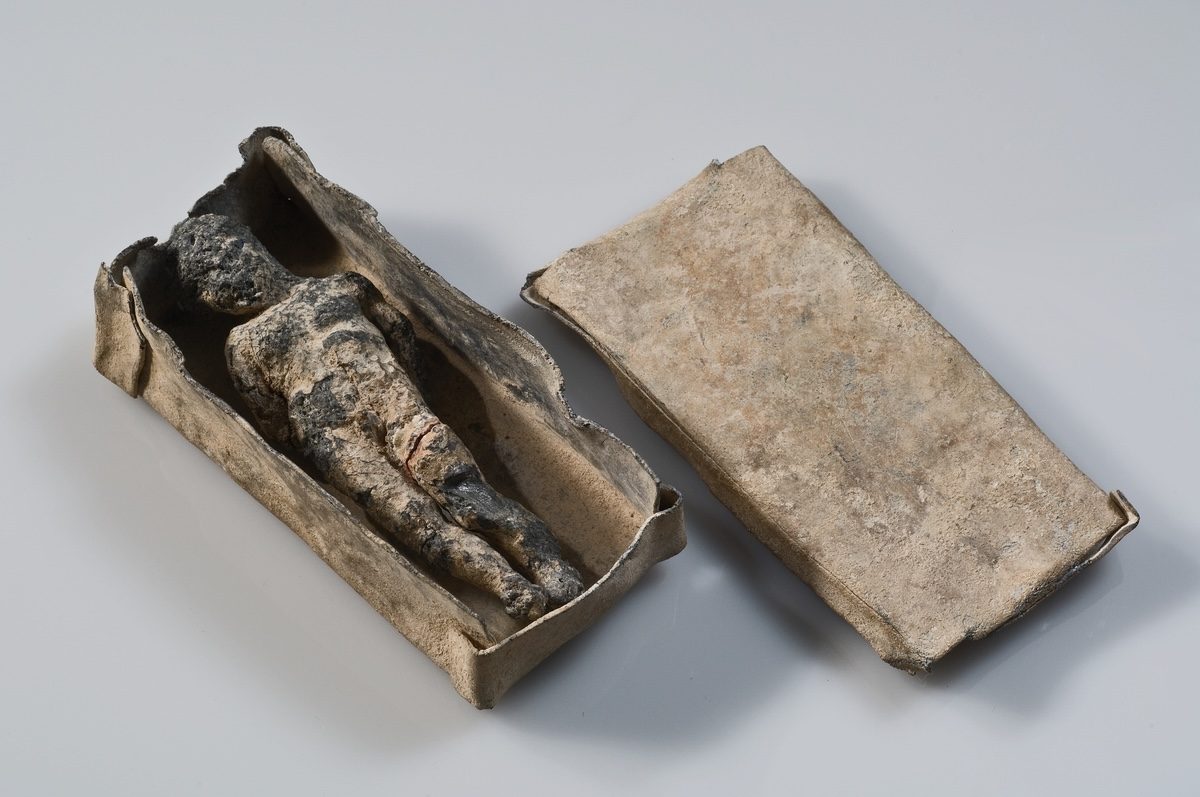
Yet, behind closed doors, Greeks and Romans regularly turned to spells, charms, and even curse tablets for practical needs, from physical healing to romantic escapades. In the ancient metropolis of Alexandria, diverse traditions converged into a shared magical culture at the height of the Roman Empire.
How the Cursed! Exhibition Brings Ancient Magic Together
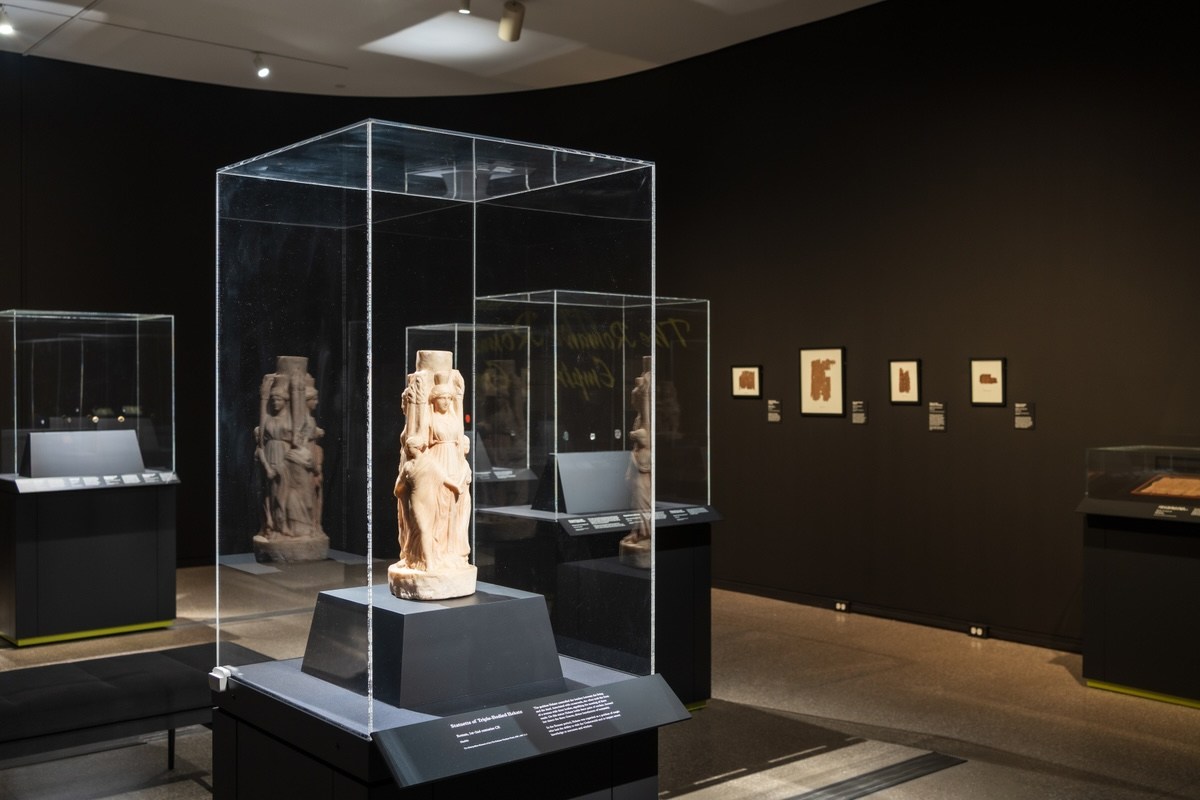
Cursed! The Power of Magic in the Ancient World opened at the Toledo Museum of Art on March 21 and runs through July 3, 2026. The exhibition gathers dozens of ancient artifacts to reveal how magical practices evolved across cultures.