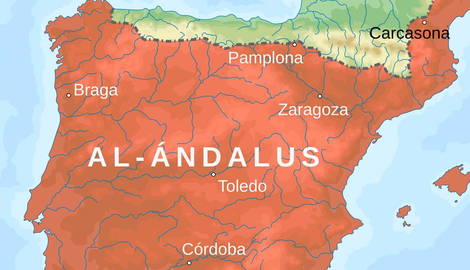
From the 8th to the 15th centuries, the Moors ruled most of the Iberian Peninsula, which ended with the Christian Reconquista. While there was certainly a lot of innovation and cultural advancement, life for Al-Andalus’s inhabitants was not as utopian as has often been suggested.
What Was Al-Andalus?
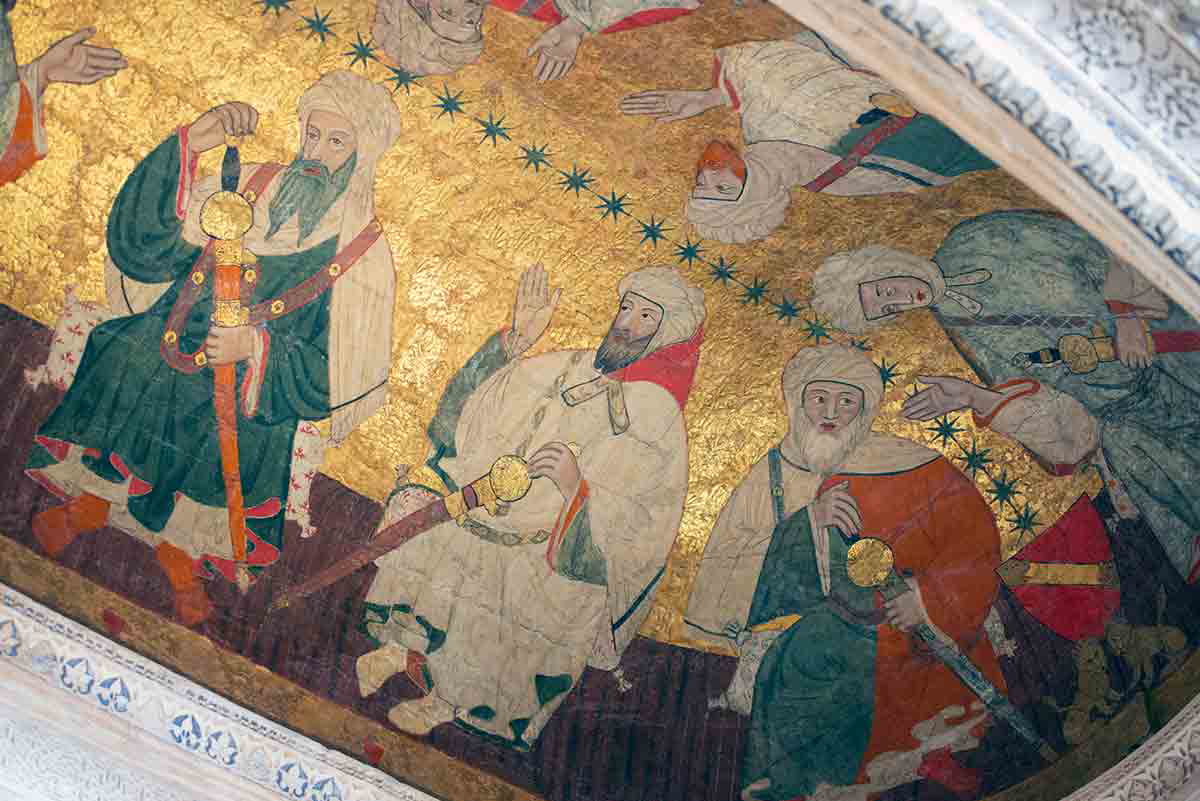
To this day, historians argue the impact Muslim rule had on the Iberian Peninsula. Some people argue that Muslim rule brought innovation, tolerance, and security to the region. Others argue that al-Andalus was riven with internal chaos, suffered under the tyranny of fundamentalist rulers, and weakened itself to the point where the Christians could conquer their territory relatively easily. These debates include references to first-person accounts of life in Moorish Iberia.
During the 750s, the Umayyad prince ʿAbd al-Raḥmān I fled Damascus after his family was overthrown by the Abbasid Caliphate. ʿAbd al-Raḥmān marched to Spain and founded the Emirate of Córdoba, conquering most of the Iberian peninsula, which was known to Muslims as al-Andalus. The emirate was later upgraded to a caliphate in 929.
The Umayyad period, which lasted between 756 and 1031, came to be known as al-Andalus’s “Golden Age”. Culture, arts, and sciences flourished there in a fashion unknown to much of continental Europe. Religious tolerance was maintained under the banner of Islamic Law. Many intellectuals wrote about their experiences there, such as Maimonides and Ibn Rushd.
However, there was a darker side to Muslim rule. By the 11th century, al-Andalus started to fragment into separate kingdoms that engaged in ruthless violence towards one another. To the north, Christian kingdoms like Aragon and Castile were on the march, seeking to restore the Iberian peninsula to Christian rule. The Almohad and Almoravid caliphates proved to be poorly administered and intolerant. By the time the Reconquista was completed, few people mourned the end of al-Andalus. For centuries after the fall of Granada in 1492, scholars have debated what to make of al-Andalus’s legacy.
Demographics of Al-Andalus
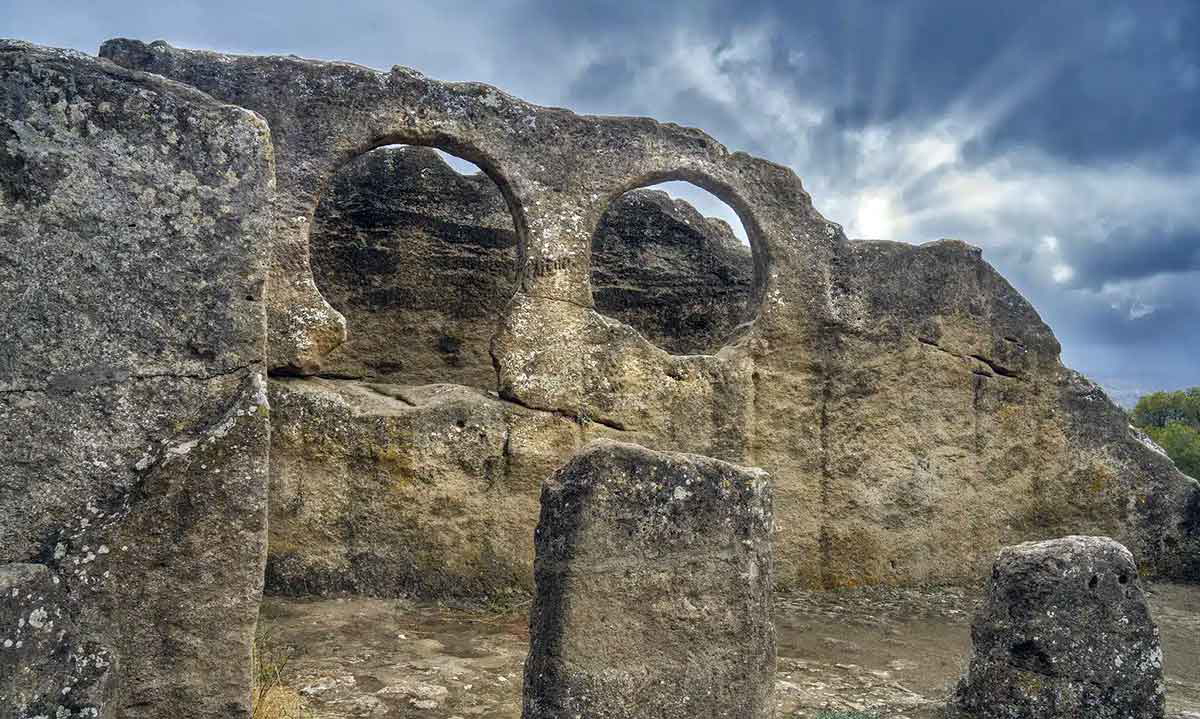
Throughout the period of Moorish rule in Iberia, al-Andalus had a relatively consistent social structure. Muslims, especially Arab Muslims, dominated the hierarchy, since they formed the core of ʿAbd al-Raḥmān’s invasion force. Many of the soldiers in the Umayyad armies were Berber tribesmen from North Africa, who took up administrative roles in the rural frontier areas of the kingdom. Anyone who converted to Islam, known as a Muladí, was granted certain privileges but was still considered separate from the Arabs and Berbers.
Christians in al-Andalus were known as Mozarabs. They were second-class citizens, forced to pay a tax known as a jizya. However, they were granted certain legal protections, including the right to pray and speak their native language, called Mozarabic. Jews were also granted these rights, speaking Ladino and being allowed to hold certain positions in society. At the bottom of the hierarchy were slaves of the Arabs and Berbers, often people from sub-Saharan Africa.
This system held throughout the Umayyad period but it started to collapse with the Almohad period in the 12th century. The Almohads insisted that anyone under their rule had to be a practicing Muslim and they drove out anyone who did not conform to this rule in the 1140s. The chaos in the aftermath of the fall of the Umayyads undermined the social structure of the region. Additionally, the Christian conquests took more territory, depriving al-Andalus of the manpower it needed for its armies.
Culture of Al-Andalus
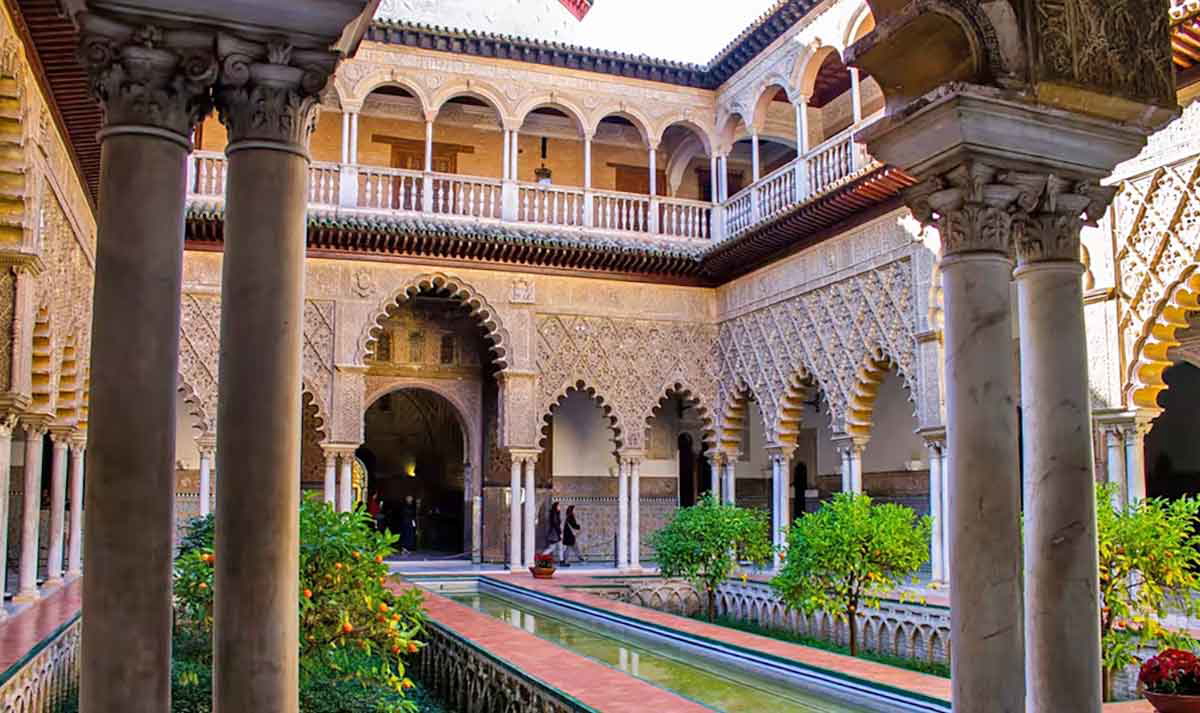
Al-Andalus reached its cultural zenith during the Umayyad period. The Umayyad rulers encouraged innovation and learning in Andalusian society. For instance, Moorish farmers experimented with new types of irrigation techniques, which expanded the region’s agricultural capacity. Additionally, the Moors brought stunning architecture to the region, such as the horseshoe arch, mosaic tilework like zellij, and the honeycomb vaults in major buildings throughout the region.
By the 11th century, al-Andalus started to fracture and this had a major impact on the region’s cultural development. The Almohad expulsions of non-Muslims devastated the region’s capacity for diversity of thought. It also led to the region becoming defined by backwardness and fundamentalism. The Christian Reconquista contributed to this phenomenon by creating a siege mentality amongst the Moors. This halted the cultural innovations initiated during the Umayyad period.
Even after the collapse of Moorish rule, some of al-Andalus’s cultural accomplishments remained in place. For instance, many of the Alcázars (Moorish castles) that the Moors constructed remained intact when the Christians took over the whole peninsula. The teachings of Maimonides and Ibn Rushd resonated with later generations of Spaniards and Portuguese people. Lastly, the innovations made in agriculture, navigation, and science helped drive the rise of the Spanish and Portuguese empires.
Myths of Moorish Society

Notwithstanding the major achievements of the Andalusian “Golden Age”, the idea that the population lived in a utopian society is false. The Arab conquerors created a social hierarchy, as mentioned above, that prioritized themselves at the expense of the people they conquered. Even Berbers, who made up much of the conquering armies, did not enjoy the same social status as the Arabs, though they were rewarded with plots of land for their military service.
Under the system of Dhimmitude, non-Muslims had to pay a tax called the Jizya in order to be accepted in Moorish society. This was notwithstanding the fact that Christians and Jews sought to be accepted members of Andalusian society. The Almohads ended the policy but ordered most non-Muslims to be exiled instead. While some people, like Maimonides, went to North Africa, others went to the Christian kingdoms in Europe. Throughout the entire period of Moorish rule, slavery was an institutionalized practice.
For many years, scholars of Islamic history and thought characterized al-Andalus as a haven for minorities and innovation, only to be brought down by the backward, intolerant Christian kingdoms. This view has been revised by recent scholarship. The society that existed in al-Andalus was very modernized and developed for a period, but ultimately imploded on itself centuries before the completion of the Reconquista. The contradictions in Andalusian society made the realm unsustainable over time.
Why Did Al-Andalus Fall?
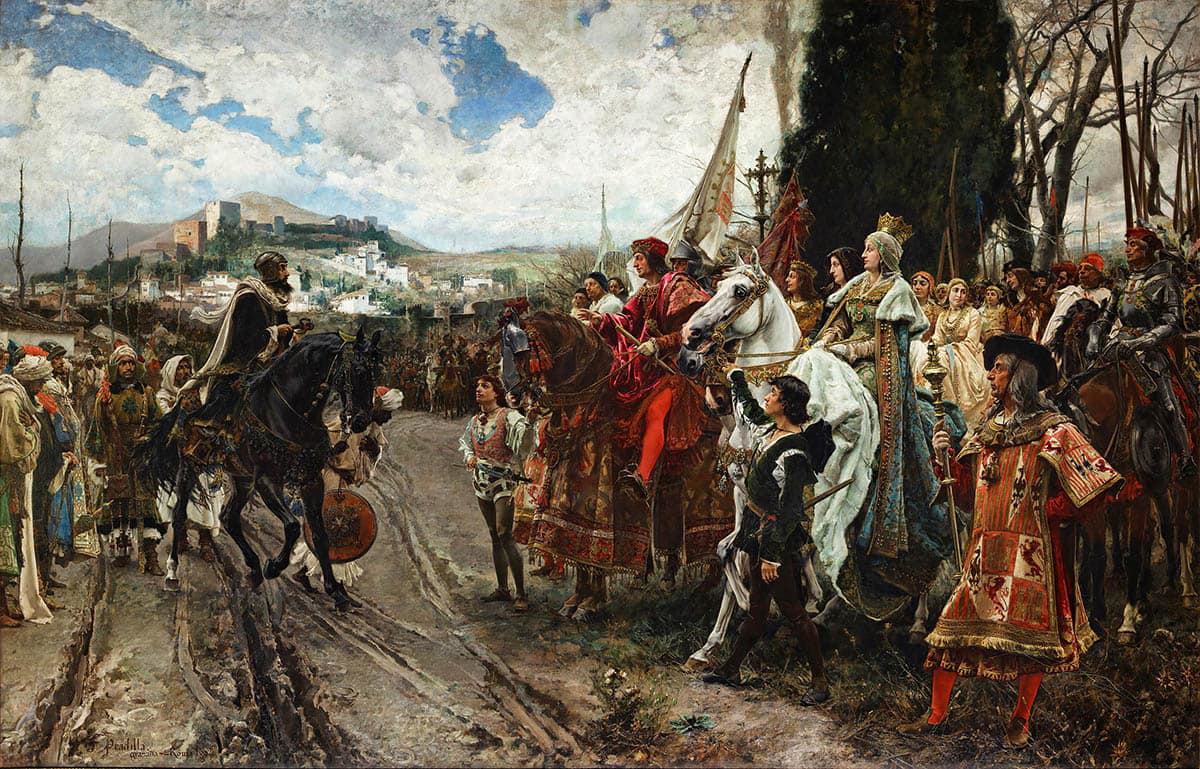
While the fall of al-Andalus is generally attributed to the successful conquests of Christian kingdoms such as Aragon and Castile, internal problems were also largely responsible. When the Umayyad Caliphate of Cordoba collapsed, the fragmentation of the region ensured that the Christians could acquire territory more easily. Over the centuries, Castile gradually absorbed other Christian kingdoms as al-Andalus unraveled, gaining more manpower and resources at the expense of the Moors.
In the late 12th century, the Almohads unsuccessfully attempted to stem the Christian advances. At the Battle of Las Navas de Tolosa, the Castilians broke Moorish control over central Spain. Almohad intolerance also encouraged many people to flee the region, contributing to a fall in population. The Moors struggled with the same problems that the Crusader Kingdoms in the Levant did: long distances from the metropoles, internal chaos, and poor governance.
The last Moorish kingdom in Iberia was the Emirate of Granada, which hugged the southern Spanish coast. By 1479, it faced a united Castile and Aragon, whose forces were poised to drive the Moors off the peninsula entirely. The Spaniards had modern artillery and more men while the Moors were still feuding amongst each other. In 1492, the Christians conquered Granada itself, marking the end of the Reconquista.